

Have you ever wondered why stroking your cat after a tough day at work feels so incredibly soothing? Or why spending just a few minutes with your dog can turn your entire mood around? It’s easy to dismiss these moments as simple pleasures, nothing more than nice interactions with a beloved companion. Yet there’s something deeper happening beneath the surface, something your body is responding to in ways you might not even realize.
The science behind these everyday encounters is more fascinating than most people know. When you reach down to pet your furry friend, you’re not just making them happy. You’re actually triggering a cascade of biological responses in your own body that can have lasting effects on your physical and mental health. Let’s dive in and explore what really happens when you connect with your animal companion.
Your Stress Hormones Drop Almost Instantly

Research shows that just ten minutes of interacting with cats and dogs can have a significant impact on cortisol, a major stress hormone. Think about that for a moment. In less time than it takes to scroll through social media, you could be actively lowering your body’s stress response.
Students who interacted directly with pets showed significantly less cortisol in their saliva after the interaction. This wasn’t measured in some vague, subjective way either. Scientists collected actual saliva samples and found measurable differences. The drop in cortisol was real and consistent across participants.
What makes this even more remarkable is that this is the first study that has demonstrated reductions in students’ cortisol levels during a real-life intervention rather than in a laboratory setting. We’re not talking about artificial conditions here. This happens in the real world, with regular people and their everyday interactions with animals.
The practical implications are pretty huge. The reduction of stress hormones may, over time, have significant benefits for physical and mental health. It’s not just about feeling better in the moment. It’s about long-term protection against the damage that chronic stress can inflict on your body.
Honestly, knowing that something as simple as petting your dog can actively combat stress makes you appreciate those moments even more. Your body knows what it needs, even if your conscious mind hasn’t caught up yet.
Your Heart Actually Gets Healthier
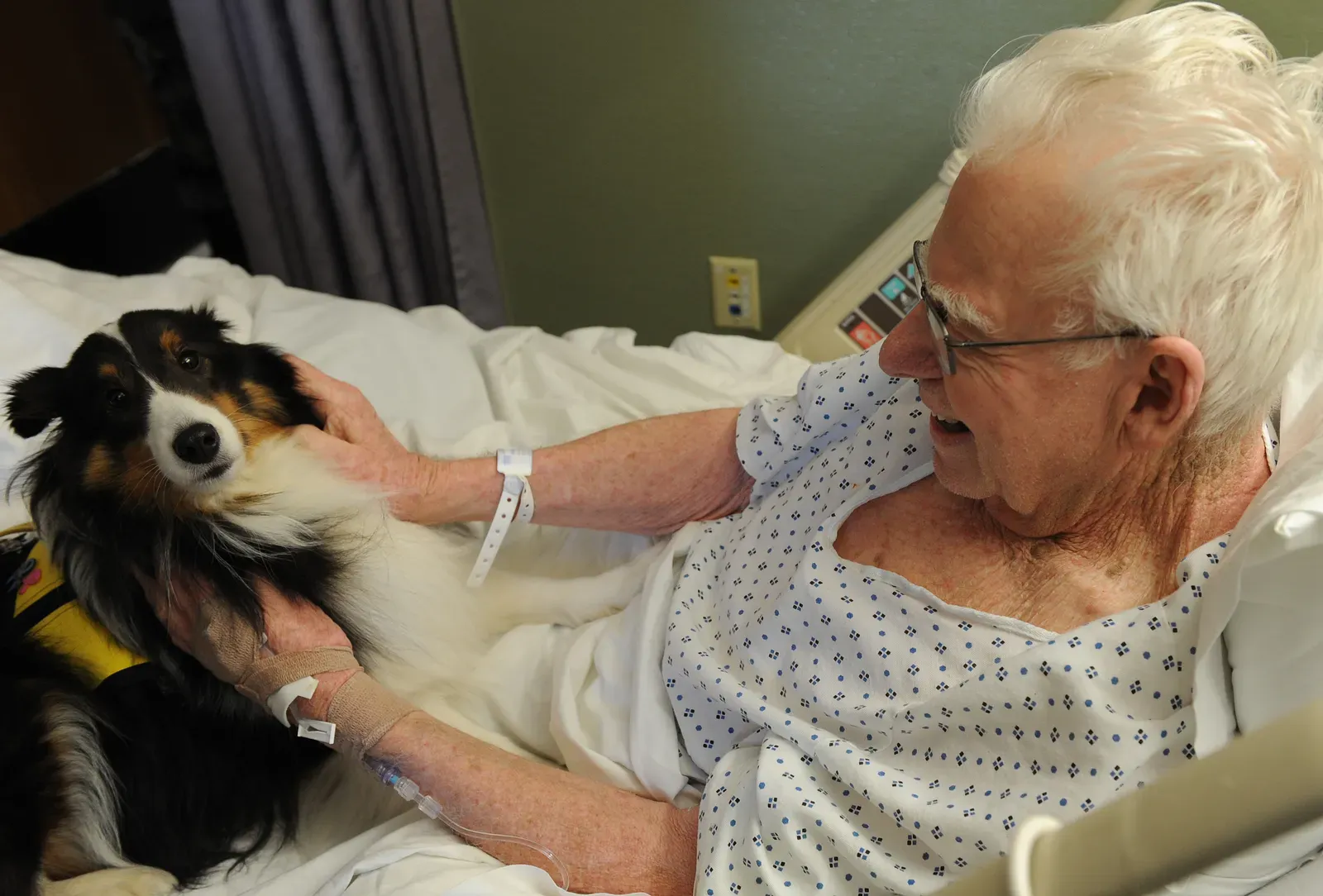
Here’s something that caught me off guard when I first learned about it. The American Heart Association released a research report endorsing dog ownership as a way of warding off cardiovascular disease. That’s not some fringe claim. That’s one of the most respected medical organizations in the world making a statement about pets and heart health.
Dog ownership is associated with lower risk of death over the long term, which is possibly driven by a reduction in cardiovascular mortality. Let that sink in for a second. We’re not just talking about minor improvements here. We’re talking about actual survival rates.
Interacting with animals can lower blood pressure and heart rate, with individuals who petted a dog for just 10 minutes experiencing measurable drops in these vital signs. Your cardiovascular system responds immediately to contact with animals. Blood pressure decreases, heart rate slows, and your body shifts into a calmer state.
The effects are particularly pronounced for people living alone. In single-person households, dog ownership was associated with lower risk of death and CVD death. The companionship factor appears to provide a protective buffer against heart disease.
People with pets had significantly lower resting baseline heart rates and blood pressure, significantly smaller increases in heart rate and blood pressure in response to stress, and faster recovery of these parameters to baseline after cessation of stress. It’s hard to say for sure, but it seems like pets help calibrate our entire stress response system to function more efficiently.
You Feel Happier Because of Brain Chemistry

Simply petting a dog lowers the stress hormone cortisol, while the social interaction between people and their dogs actually increases levels of the feel-good hormone oxytocin. Oxytocin is sometimes called the love hormone, the same chemical that bonds mothers to babies. When you pet your animal, your brain releases this powerful bonding chemical.
The cortisol-lowering and oxytocin-boosting benefits of petting also help keep your blood pressure at bay. These two effects work together synergistically. You’re not just reducing the bad stuff. You’re actively increasing the good stuff at the same time.
There’s something beautifully simple about this mechanism. No complicated intervention is required, no expensive equipment, no prescription medications. Just you and your animal, sharing a moment of connection, and your brain chemistry shifts in positive directions.
A 2011 study found that pet owners had better self-esteem, and another study determined that pets provided greater social support than humans in mitigating depression. Let’s be real, that’s a pretty powerful statement. Animals don’t judge, don’t criticize, and don’t bring their own emotional baggage to the relationship.
The mood-boosting effects aren’t trivial or temporary either. They represent genuine neurochemical changes that can influence your overall mental health and resilience. I think that’s why so many people instinctively reach for their pets when they’re feeling down.
Your Brain’s Social Circuits Light Up
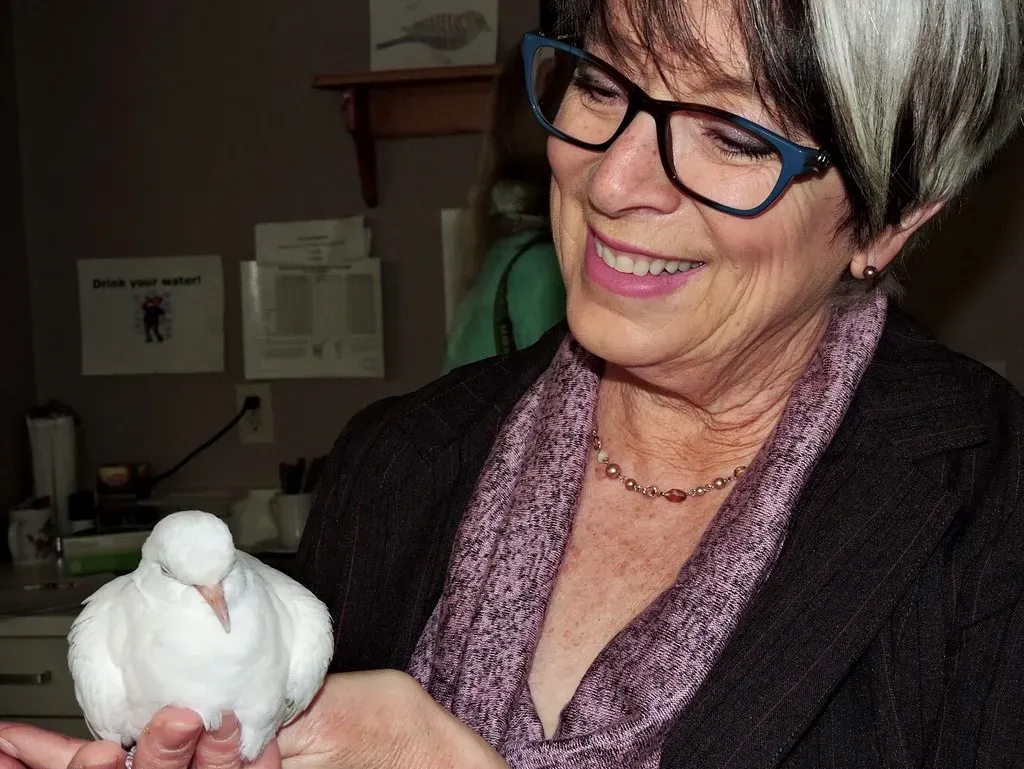
Prefrontal brain activity was greater when participants interacted with real dogs, and this difference was largest for petting, which was the most interactive condition. Scientists used neuroimaging technology to actually watch what happens in people’s brains when they pet dogs, and the results were fascinating.
The prefrontal cortex helps regulate and process social and emotional interactions. This is the part of your brain responsible for some of your most human capabilities. When you pet an animal, this sophisticated social machinery activates as if you’re connecting with another person.
Here’s the thing though. Animals do not judge or criticize, and their nonverbal communication offers reassurance in ways words often cannot. You get all the benefits of social engagement without the potential stress that human interactions sometimes bring. That’s a pretty unique combination.
Researchers think that a better understanding of the associated brain activity could help clinicians design improved systems for animal-assisted therapy. This isn’t just interesting trivia. It has real applications for treating people with depression, anxiety, and trauma.
The social brain engagement explains why animals can feel like genuine companions rather than just living decorations in your home. Your brain is treating them as social partners, complete with all the neurological benefits that provides.
You Actually Get More Physical Activity

Dog owners often have no choice – they have to walk their pet, thus providing them with an excuse-proof daily dose of exercise. How many people are willing to go outside at the crack of dawn and exercise in the rain or snow? Probably not many. Yet dog owners do it every single day, regardless of weather or mood.
The one relatively consistent health benefit of pet ownership on cardiovascular risk is walking with dogs. While other health benefits show mixed results across studies, the physical activity component is undeniable. Dog owners move more than non-owners, period.
Dog owners engage in more physical activity and walking, and are more likely to achieve the recommended level of physical activity than nonowners, with dog owners who walk their dogs being more likely to achieve the recommended level of physical activity. The connection between dog ownership and meeting exercise guidelines is remarkably strong in research data.
Still, there’s an interesting caveat. A significant proportion of dog owners do not regularly walk their dogs. Just owning a dog isn’t enough. You actually have to engage with the animal and incorporate them into your active life to reap these benefits.
Physical activity isn’t just about cardiovascular fitness either. It impacts mood, cognitive function, sleep quality, and nearly every other aspect of health. Your dog might be the most effective personal trainer you’ll ever have.
Your Overall Wellbeing and Purpose Improve

Caring for a pet provides a sense of purpose to the owner. This might sound like a small thing, but having something that depends on you and needs your care can be profoundly meaningful, especially during difficult times in life.
A survey of adults aged 65 or older with pets found that their pets might benefit them by providing companionship, giving a sense of purpose and meaning, reducing loneliness and increasing socialization. For older adults in particular, these benefits can be absolutely vital to maintaining quality of life and mental health.
There’s growing evidence that levels of the stress hormone cortisol drop in people after just five to 20 minutes spent interacting with dogs, even if it’s not their pet. You don’t even need to own an animal to experience some of these benefits. Brief encounters can still provide measurable health improvements.
Brief moments of quality time with a good dog can help people think better, with twice-weekly short interactions between school children and dogs improving youngsters’ reasoning skills and concentration, with positive effects persisting for months. The cognitive benefits extend beyond just feeling calmer. Animals can actually enhance mental performance.
Living with a dog was found to lower death risks by 24 percent. That’s not a small effect size. That’s a substantial reduction in mortality risk, comparable to many medical interventions. What do you think about that? Pretty remarkable for something as simple as sharing your life with a furry companion.
The beauty of these benefits is that they’re accessible to almost everyone. You don’t need special training or expensive equipment. You just need to spend genuine time with an animal, giving them attention and affection. Nature does the rest, triggering ancient biological pathways that promote health and healing. Did you expect that petting your pet could be this powerful? Tell us in the comments.
