
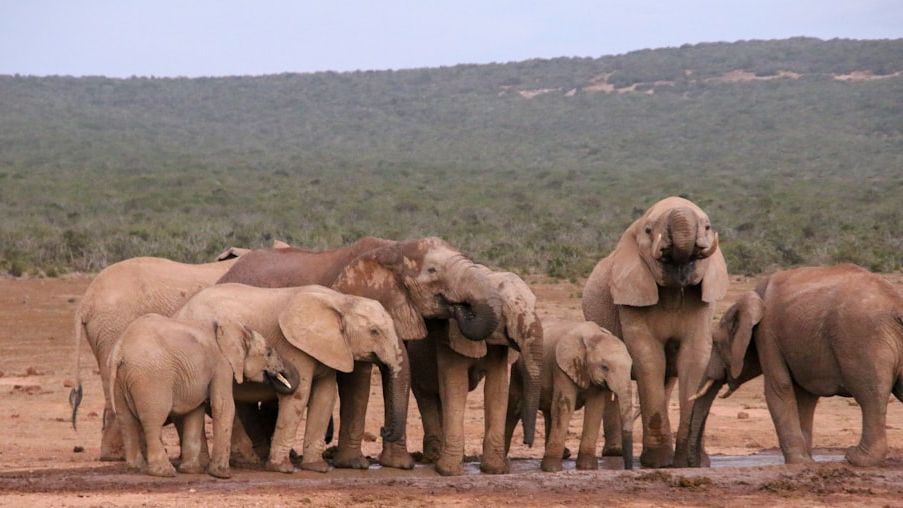
Have you ever wondered if animals experience loss the way we do? There’s something deeply moving about watching nature mirror our own emotions. The truth is, elephants might understand grief better than we think.
These remarkable creatures share far more with us than their massive size and impressive memory. Their emotional lives reveal a complexity that challenges everything we thought we knew about animal consciousness and mourning.
When Death Strikes the Herd
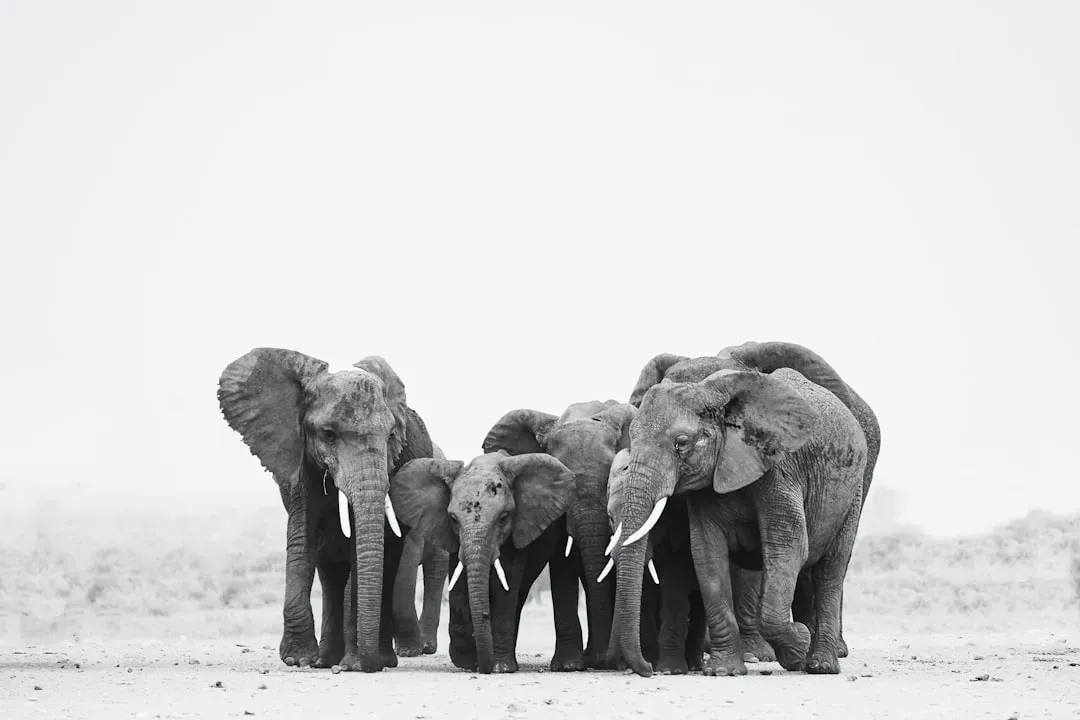
Elephants use their advanced sense of smell to identify dead individuals, and they vocalize and attempt to lift or pull fallen elephants that have just died. It’s honestly heartbreaking to witness. When a matriarch named Eleanor collapsed in Kenya’s Samburu reserve, another matriarch named Grace rapidly approached her with facial glands streaming from emotion and lifted Eleanor back fully onto her feet.
The initial reaction to death is immediate and unmistakable. Elephants, like humans, are concerned with distressed or deceased individuals, and render assistance to the ailing and show a special interest in dead bodies of their own kind. They don’t simply acknowledge death and move on.
Silent Vigils and Sacred Rituals
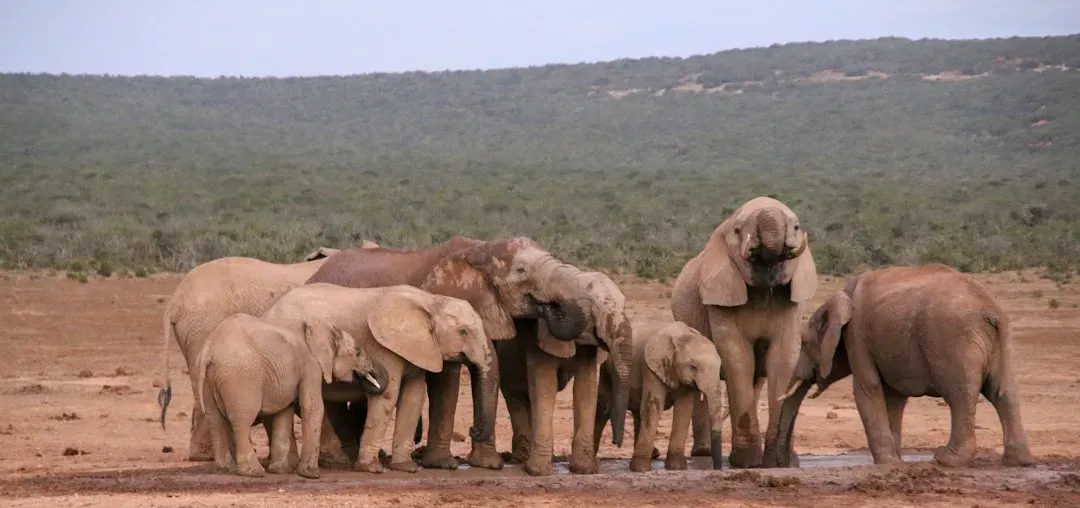
The herd holds vigils around the body of their deceased member, with elephants making a circle around the deceased and standing in silence for hours. I think there’s something profound about that silence. Herds have been observed to stand vigil for two days, leaving only briefly to eat or drink.
The most commonly recorded behavior of elephants towards their dead included touching, approaching the dead animal and investigating the carcass. If a member of the herd dies, the other elephants will first attempt to revive the dead elephant, then place dirt and soil over the body, with some members bringing back branches, leaves, and fronds to cover the carcass.
The Memory of Bones
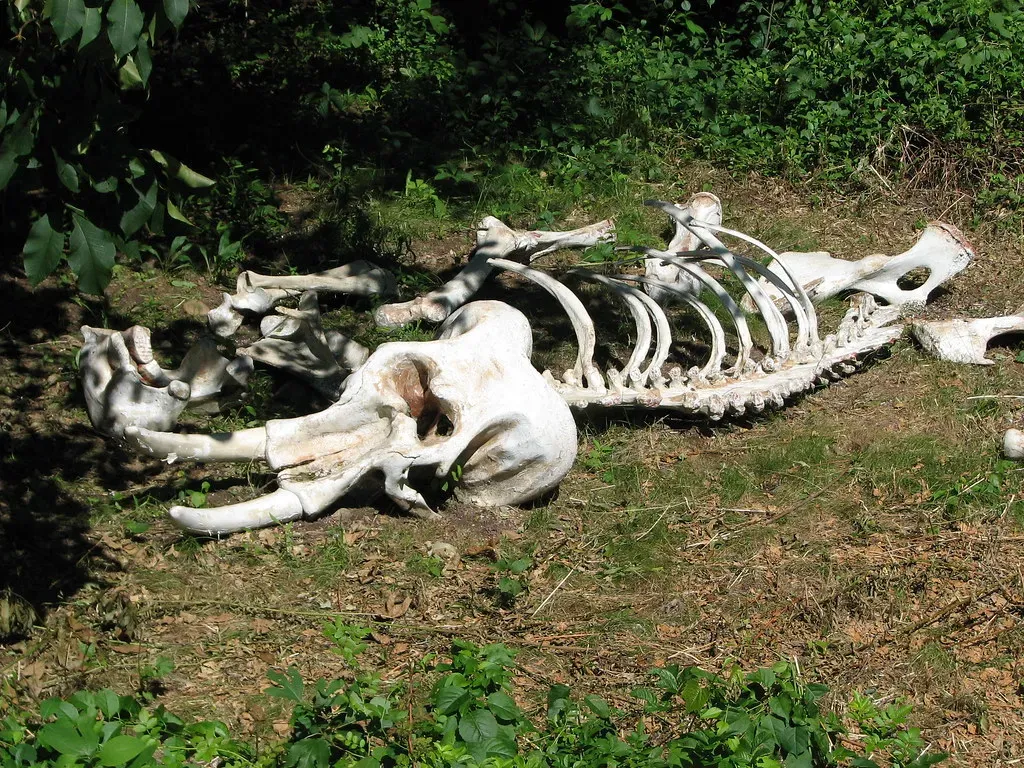
Here’s the thing about elephants – they never really forget. Elephants have shown the ability to recognise the remains of deceased elephants, exhibiting specific behaviours when encountering bones or carcasses, such as touching and examining the remains, suggesting they can identify the deceased and understand their significance.
When researcher Cynthia brought a dead matriarch’s jawbone to camp, her family detoured right to it among dozens of elephant jaws, touching it, with one elephant staying long to stroke the jaw – who turned out to be the deceased’s seven-year-old son, Butch. Let’s be real, that’s not instinct. That’s recognition and mourning.
Burial Practices That Mirror Our Own
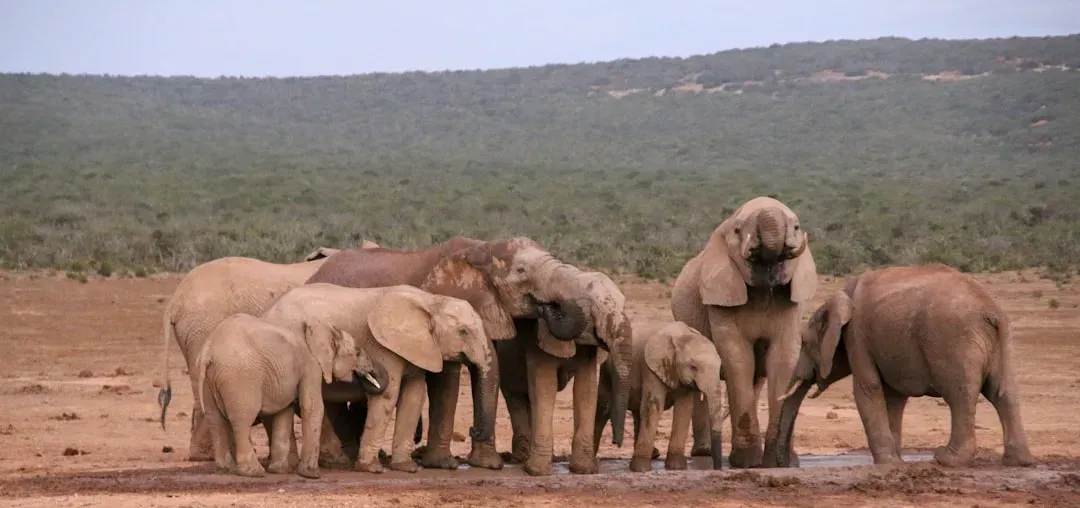
Elephant burial rituals have been discovered in India, with herd members placing calves upside down in irrigation pits, carrying deceased calves by trunk or legs over long distances, in some cases traveling for 48 hours. This provides the first record of Asian elephant burials and is the first known case of elephants using soil in burials, as well as specifically positioning the body.
After the burial, tea estate managers and villagers heard elephants roaring and trumpeting, with researchers believing these vocalizations were to express agony and pain and to pay homage to the deceased calves. After the burials, elephants would avoid paths where the calves had been left, possibly due to elephants associating the path with bad memories or to pay homage to the deceased.
The Science Behind Elephant Empathy
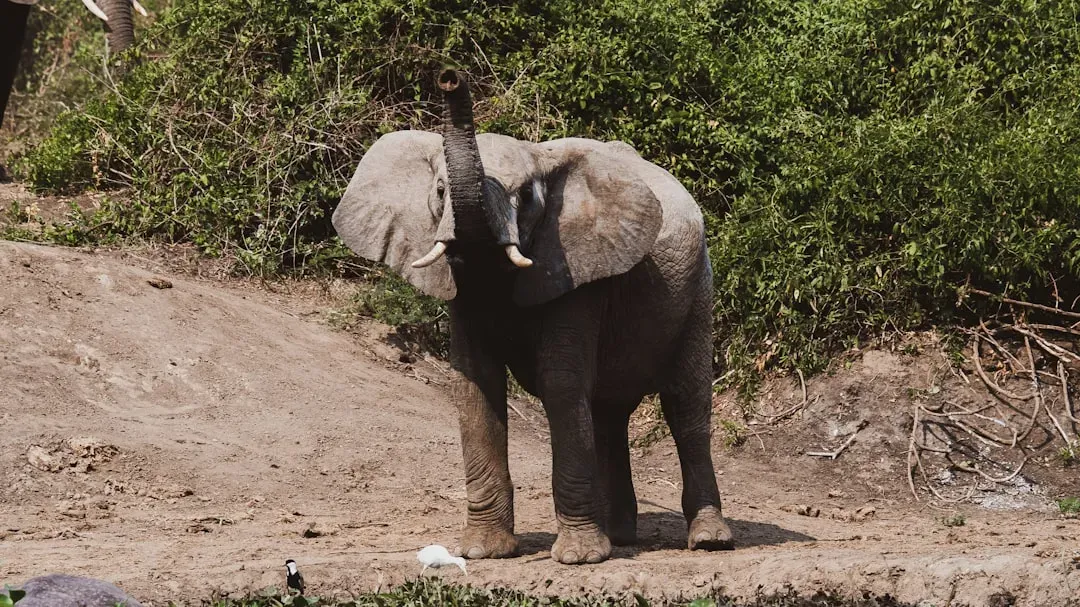
Barbara King, emeritus professor of anthropology, stated she has no doubt that elephants grieve, noting they are smart and emotional creatures. Researchers have watched nearby elephants react to another elephant’s distress by acting in exactly the same way, which scientists call emotional contagion.
Scientists watched captive Asian elephants in Thailand, noting when one elephant was upset by something like a snake in the grass, an elephant flares out her ears, erects her tail, and makes a low rumble, with other elephants running to stand beside their friend, touching her with their trunks to soothe her, and making soft chirping sounds, sometimes putting their trunk inside the other’s mouth. It’s hard to say for sure, but that certainly looks like empathy to me.
When the Matriarch Falls
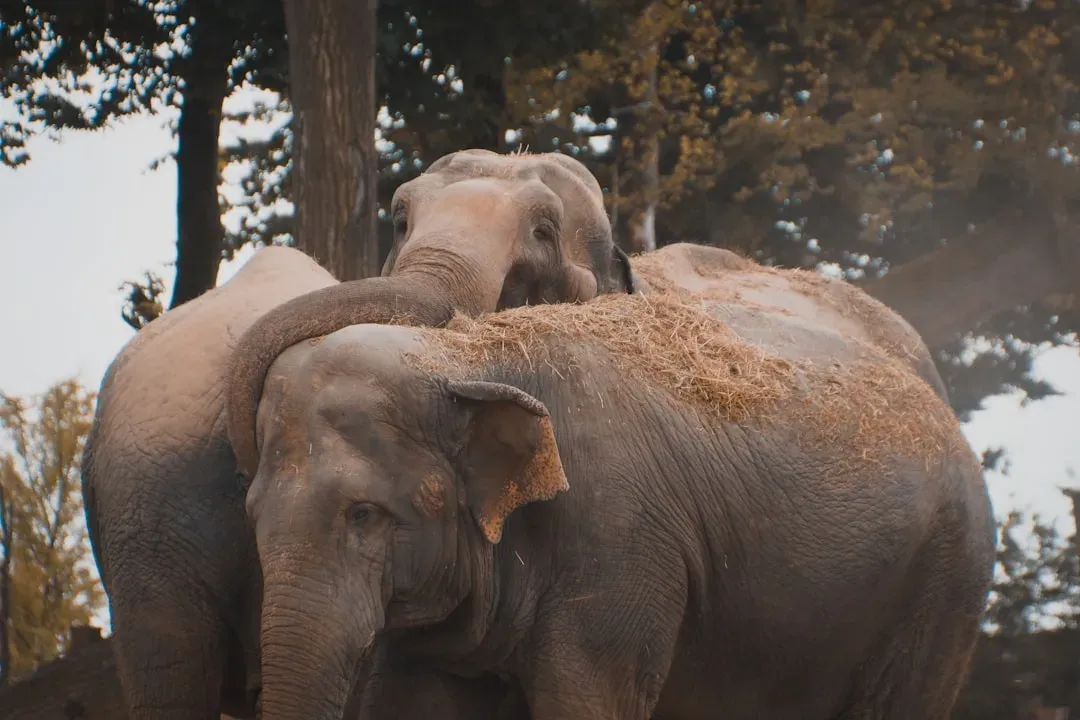
During the night Eleanor died, and the next day an elephant named Maui started rocking Eleanor’s body, with her body attended by her own family, another family, and Eleanor’s closest friend Maya over several days, with Maya spending an hour and a half with Eleanor’s body on the fifth day, and Eleanor’s family returning a week after her death.
Elephants show broad interest in their dead regardless of the strength of former relationships with the dead individual. Records show that helping behaviour and special interest exhibited was not restricted to closely related kin, with elephants showing compassionate behaviour to others in distress and having a general awareness and curiosity about death directed both towards kin and non-related individuals. That level of connection transcends simple family bonds.
What This Means for How We See Them
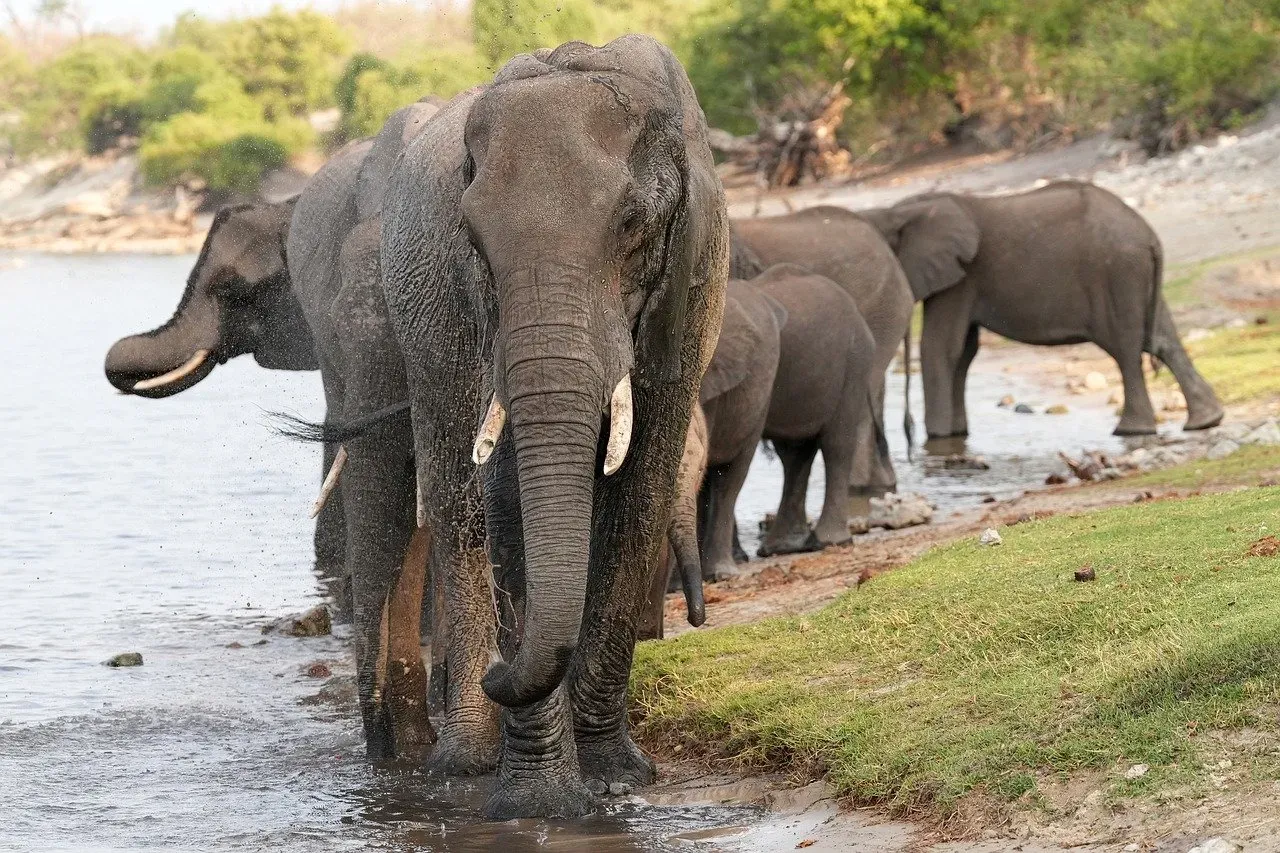
One researcher observed that elephant behaviour is striking and not based on survival or necessity, but based on some sort of emotion, with their interaction with their dead not explainable in any simple evolutionary context, speaking to the deeper emotional lives of elephants. Of the entire animal kingdom, perhaps elephants most mirror the human grieving process.
There is evidence suggesting elephants have a complex understanding of death, recognising deceased herd members and exhibiting behaviours that indicate an awareness of the finality of death, with their mourning rituals suggesting they have a concept of loss and the importance of acknowledging it. Maybe we’ve been underestimating them all along. These gentle giants teach us that grief isn’t uniquely human – it’s a testament to the depth of love and connection that transcends species. What do you think about it? Tell us in the comments.

- 15 Animals and Wildlife that Start with B - July 30, 2026
- Virgo, Here’s a Tidy, Low-Maintenance Dog for You - July 30, 2026
- 10 Beautiful US National Parks Where Rare Animals Are Protected - July 30, 2026