
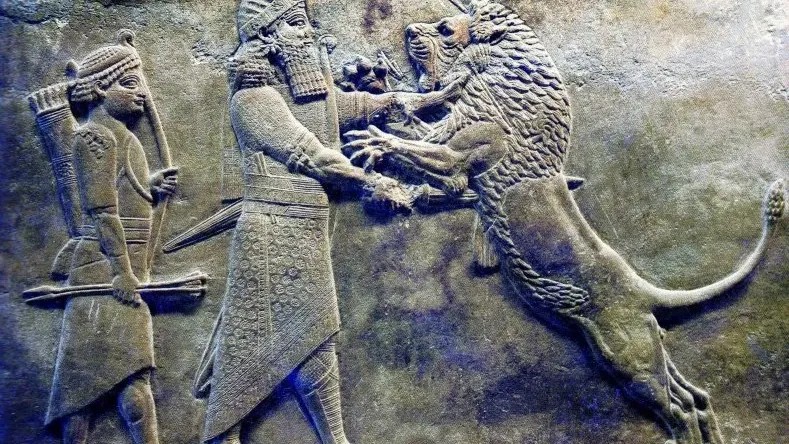
The fascinating thing is we know these places existed. Ancient texts mention them. Artifacts from them occasionally surface. In some cases, looters have even found them and plundered their treasures but refused to reveal their locations. Let’s be real, that’s both infuriating and utterly intriguing. So let’s dive into six mysterious ancient cities that continue to elude modern archaeology.
Irisagrig: The City That Looters Won’t Talk About
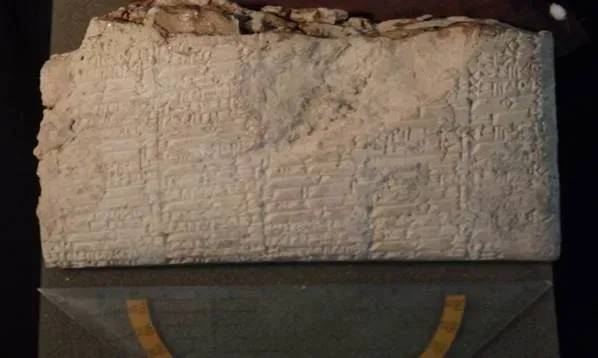
Not long after the 2003 U.S. invasion of Iraq, thousands of ancient tablets from a city called Irisagrig began appearing on the antiquities market. These weren’t just any old pottery shards either. These tablets suggest that Irisagrig flourished around 4,000 years ago, and they indicate that the city’s rulers lived in palaces housing numerous dogs and lions fed on cattle.
Even more striking, lion caretakers, known as lion shepherds, received rations of bread and beer. The texts also reference festivals held at a temple dedicated to Enki, the god of mischief and wisdom. I mean, a city with professional lion keepers getting paid in beer? That’s the kind of place you’d want to explore.
Here’s the thing: scholars think that looters found and looted Irisagrig around the time the 2003 U.S. invasion took place, yet archaeologists have not found the city so far and the looters who did have not come forward and identified where it is. Somewhere in Iraq, likely buried beneath sand and time, this incredible city waits to be properly excavated. Those artifacts sitting in private collections could tell us so much more if only we knew where they came from.
Akkad: Capital of an Empire Lost in Time
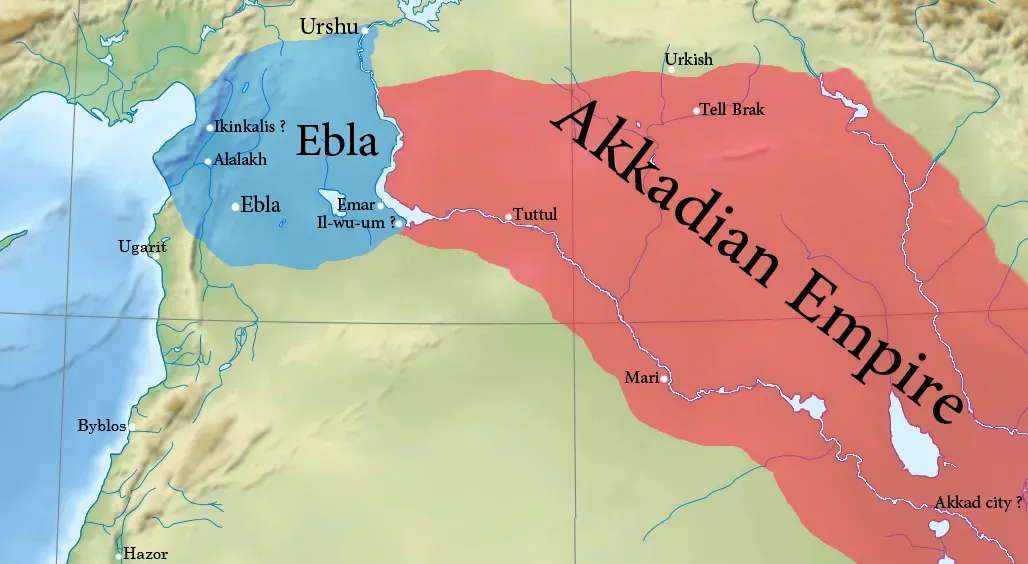
Most people have heard of the Akkadian Empire at some point. It was one of the world’s first great empires, stretching across ancient Mesopotamia. King Sargon of Akkad is practically legendary. Akkad has never been found, but it is thought to have been built somewhere in Iraq.
Think about that for a moment. We’re talking about the capital of an empire that dominated the region for roughly 150 years, and we still can’t pinpoint exactly where it stood. Archaeologists have a pretty good idea that Akkad was located somewhere in the general vicinity of modern Baghdad, and numerous references in ancient cuneiform texts indicate that the city was in central Mesopotamia at a crossing point on the Tigris River.
Ancient records indicate that the city was destroyed or abandoned when the Akkadian empire ended around 2150 B.C. Strong evidence places it within about 18 miles of Baghdad, probably buried under modern development or shifting riverbeds. The irony? One of history’s most influential cities might be sitting directly beneath a busy Iraqi neighborhood, completely inaccessible to archaeologists.
Al-Yahudu: A Jewish Settlement in Babylonian Exile
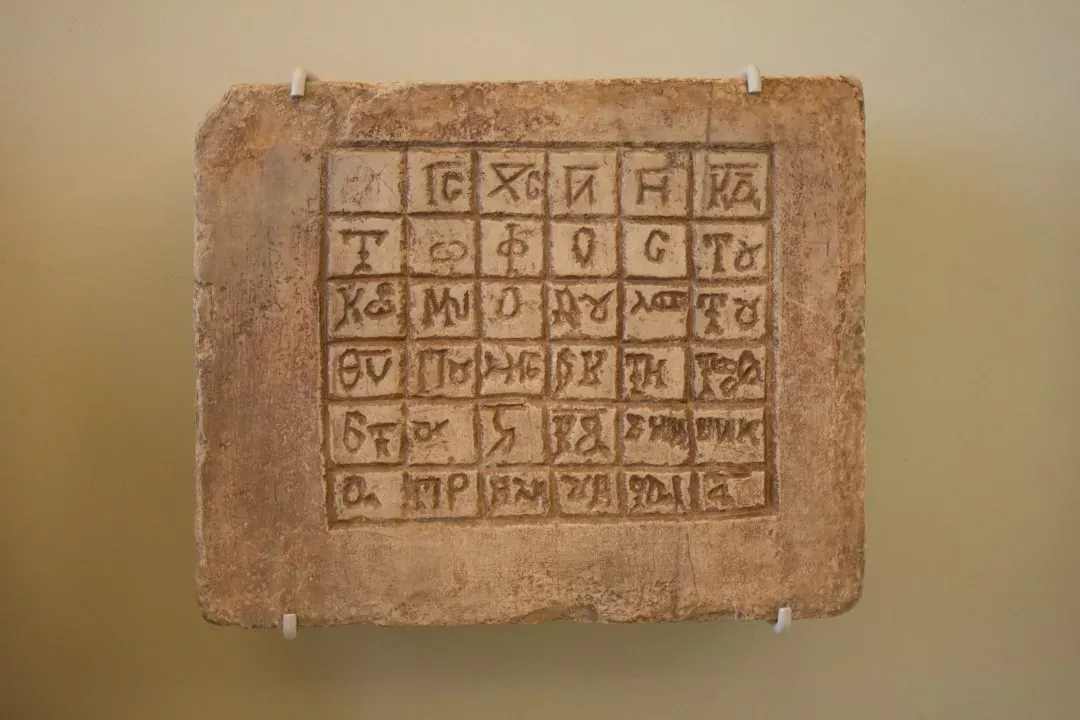
Al-Yahudu, meaning City of Judah, was a settlement in the Babylonian Empire where Jews lived after Nebuchadnezzar II conquered Palestine in 587 BCE. When the Babylonians conquered territories, they didn’t just take land. They took people. He sent part of the population into exile, a practice the Babylonians often engaged in after conquering a region.
About 200 tablets from the settlement are known to exist and they indicate that the exiled people who lived in this settlement kept their faith and used Yahweh, the name of God, in their names. These tablets provide a remarkable window into how this exiled community maintained their religious identity far from home. The documents reveal daily life, business transactions, and personal names that connect directly to Jewish tradition.
Al-Yahudu’s location has not been identified by archaeologists, but like many of these lost cities, was likely located in what is now Iraq. Honestly, it’s hard to say for sure where excavators should even begin looking. Iraq’s landscape has changed dramatically over millennia, with rivers shifting course and cities being built atop older settlements. Somewhere beneath those layers lies a community that preserved its culture against overwhelming odds.
Itjtawy: Egypt’s Missing Capital
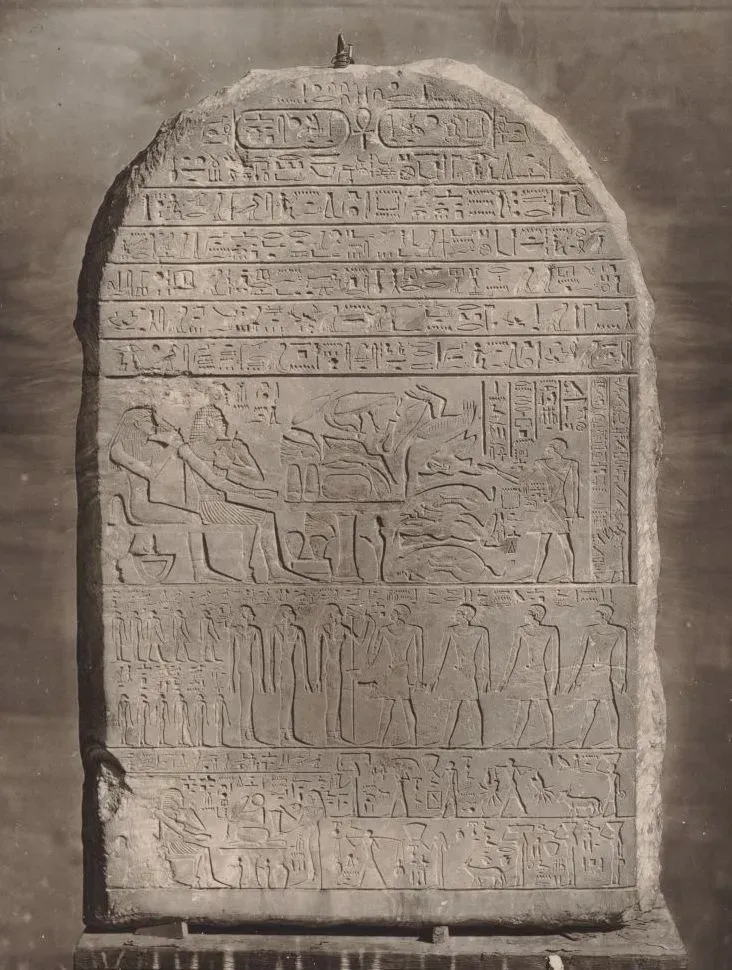
Egyptian pharaoh Amenemhat I ordered a new capital city built. This capital was known as Itjtawy and the name can be translated as the seizer of the Two Lands or Amenemhat is the seizer of the Two Lands. That name alone tells you something about the political turmoil of the time.
As the name suggests Amenemhat faced a considerable amount of turmoil, and his reign ended with his assassination. Despite this violent end, Itjtawy remained Egypt’s political center for centuries. Despite his death, Itjtawy remained Egypt’s capital until around 1640 BCE, when northern Egypt fell to a group known as the Hyksos, and the kingdom collapsed.
You’d think finding an Egyptian capital would be straightforward, right? Though the city has not been located, archaeologists believe it may have been near Lisht in central Egypt, based partly on the location of several elite burials, including Amenemhat I’s pyramid. The pyramid is still standing at Lisht, so logically the capital should be nearby. Yet centuries of Nile flooding, sand accumulation, and agricultural development have concealed any obvious traces. It’s one of archaeology’s most frustrating mysteries.
Waššukanni: The Mitanni Capital Swallowed by History
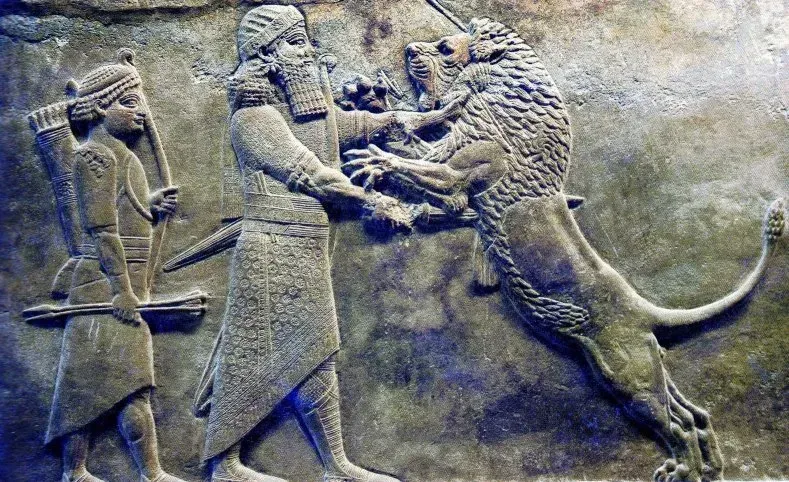
Waššukanni was the capital city of the Mitanni empire, which existed between roughly 1550 B.C. and 1300 B.C. and included parts of northeastern Syria, southern Anatolia and northern Iraq. The Mitanni were powerful players in ancient Near Eastern politics, caught between the Hittite Empire to the north and the Assyrian Empire to the south.
It faced intense competition from the Hittite empire in the north and the Assyrian empire in the south and its territory was gradually lost to them. Eventually, these rival powers squeezed the Mitanni out of existence entirely. What’s bizarre is that despite the Mitanni’s prominence and their interactions with other well-documented civilizations like Egypt, their capital city has completely vanished.
Ancient texts reference Waššukanni multiple times, describing diplomatic missions and military campaigns involving the city. Yet archaeologists haven’t been able to definitively identify its ruins. Some scholars believe it might be located at Tell Fekheriye in northeastern Syria, though this remains hotly debated. The city could easily be buried under meters of soil or obscured by modern settlements, waiting for some lucky archaeologist to stumble upon a tell-tale inscription.
The Ongoing Hunt: Why These Cities Matter
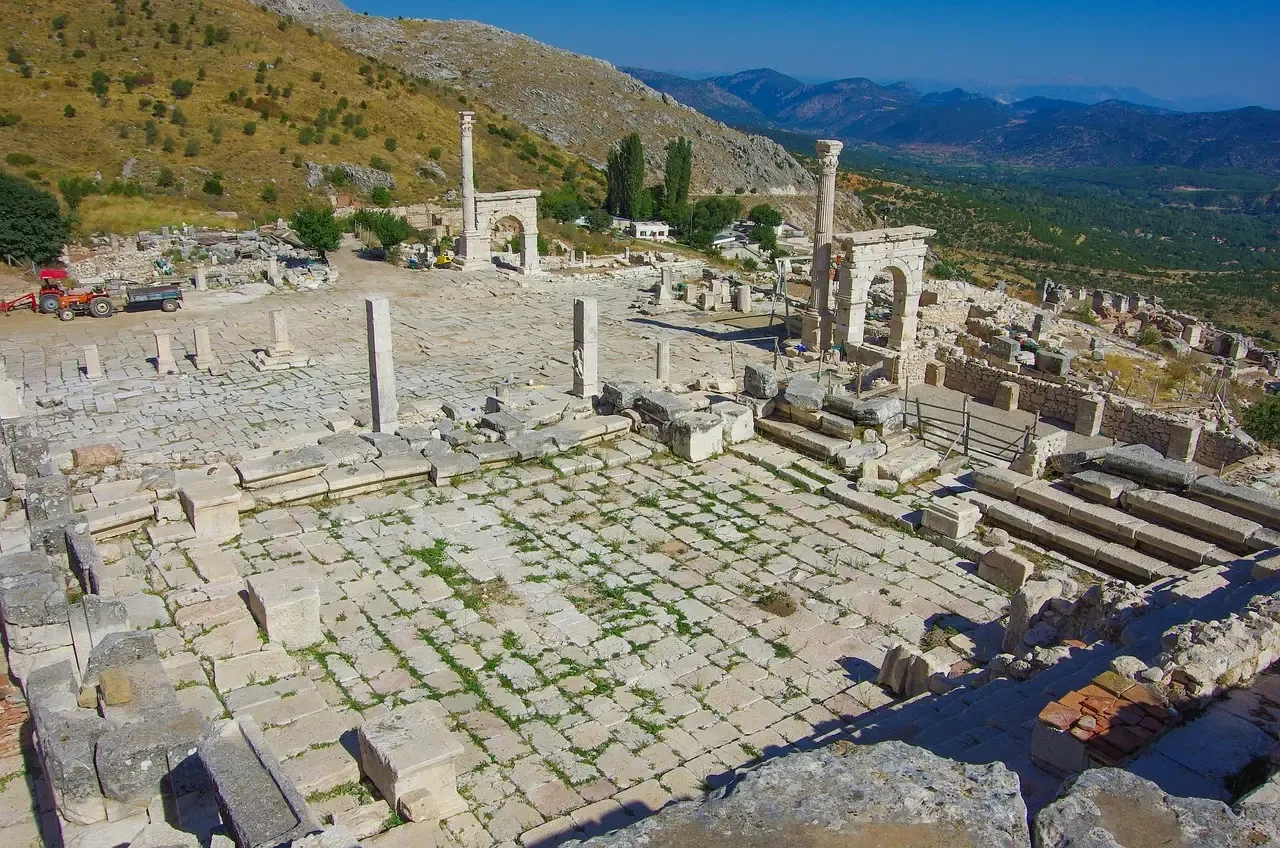
These aren’t just academic curiosities or treasure hunt destinations. There are still prominent ancient cities, including capitals of large kingdoms and empires, that have never been unearthed by scholars. Each one represents a missing piece in the puzzle of human civilization.
Finding these cities would revolutionize our understanding of ancient trade networks, political systems, religious practices, and daily life. The texts and artifacts that would emerge could rewrite chapters of history books. I know it sounds crazy, but consider this: technology like LIDAR and satellite imagery has already revealed thousands of previously unknown structures in places like the Maya lowlands and the Amazon basin.
We know these cities exist because ancient texts describe them, but their location may be lost to time, and in a few cases, looters have found these cities, and have looted large numbers of artifacts from them. The looters who’ve discovered places like Irisagrig clearly aren’t talking. Meanwhile, shifting landscapes, urban development, and the sheer vastness of potential search areas make archaeological surveys incredibly challenging. What do you think about it? Which of these lost cities would you most want to see discovered? Tell us in the comments.
