
When you tilt your head skyward and catch a glimpse of a powerful raptor soaring overhead, there’s something almost prehistoric about the experience. These aerial hunters have perfected the art of survival over millions of years. North America hosts an impressive array of birds of prey, each with its own hunting style and territory.
From coastal cliffs to urban skyscrapers, these magnificent predators have adapted to diverse landscapes across the continent. Some dive at speeds that would make a race car jealous. Others glide silently through forests with wings built for agility rather than speed. Let’s explore the incredible raptors that rule North American skies and discover what makes each one uniquely formidable.
Bald Eagle: America’s Majestic National Symbol
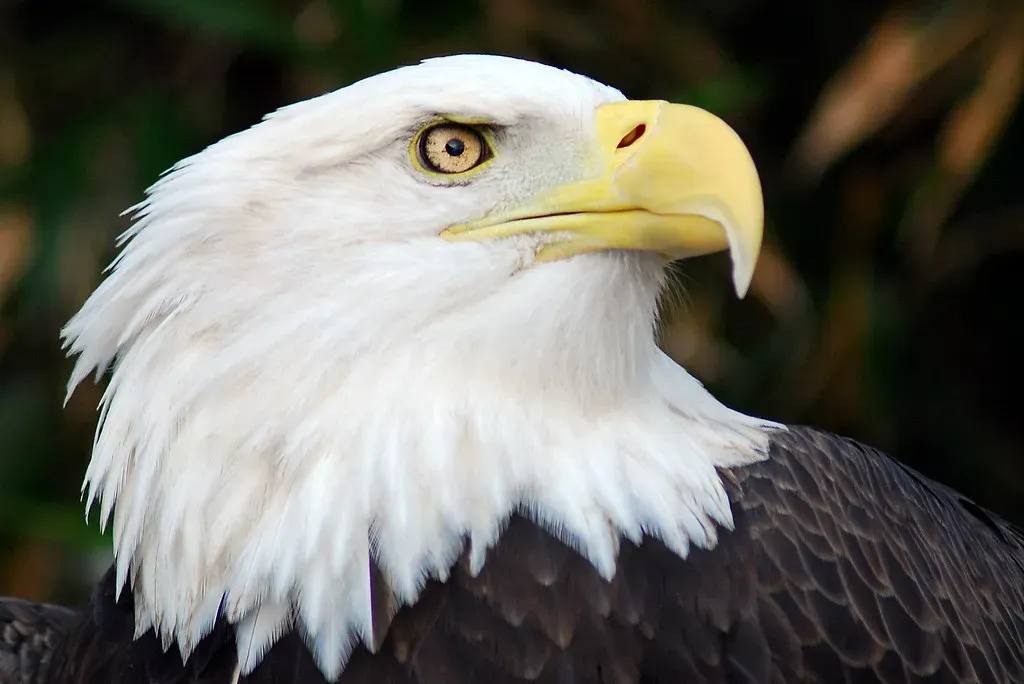
The bald eagle is found across most of Canada and Alaska, all of the contiguous United States, and northern Mexico, making it one of the most widely distributed raptors on the continent. With its unmistakable white head and tail contrasting against a dark brown body, adult bald eagles are impossible to confuse with any other species.
The bald eagle’s talons are incredibly strong and capable of exerting a force of about 400 pounds per square inch. These birds primarily feed on fish, which explains why they’re almost always found near large bodies of water. It builds the largest nest of any North American bird and the largest tree nests ever recorded for any animal species, up to 4 m deep, 2.5 m wide.
What’s really fascinating is their comeback story. Back in 1963 there were only 417 known nesting pairs in the Lower 48, but the bald eagle was removed from the endangered species list in 2007. Their population recovery stands as one of conservation’s greatest success stories.
Bald eagles are opportunistic hunters. While fish make up the bulk of their diet, they’re not above scavenging carrion or stealing catches from other birds. Their eyesight is legendary, allowing them to spot potential prey from extraordinary distances.
Golden Eagle: The Western Hunter
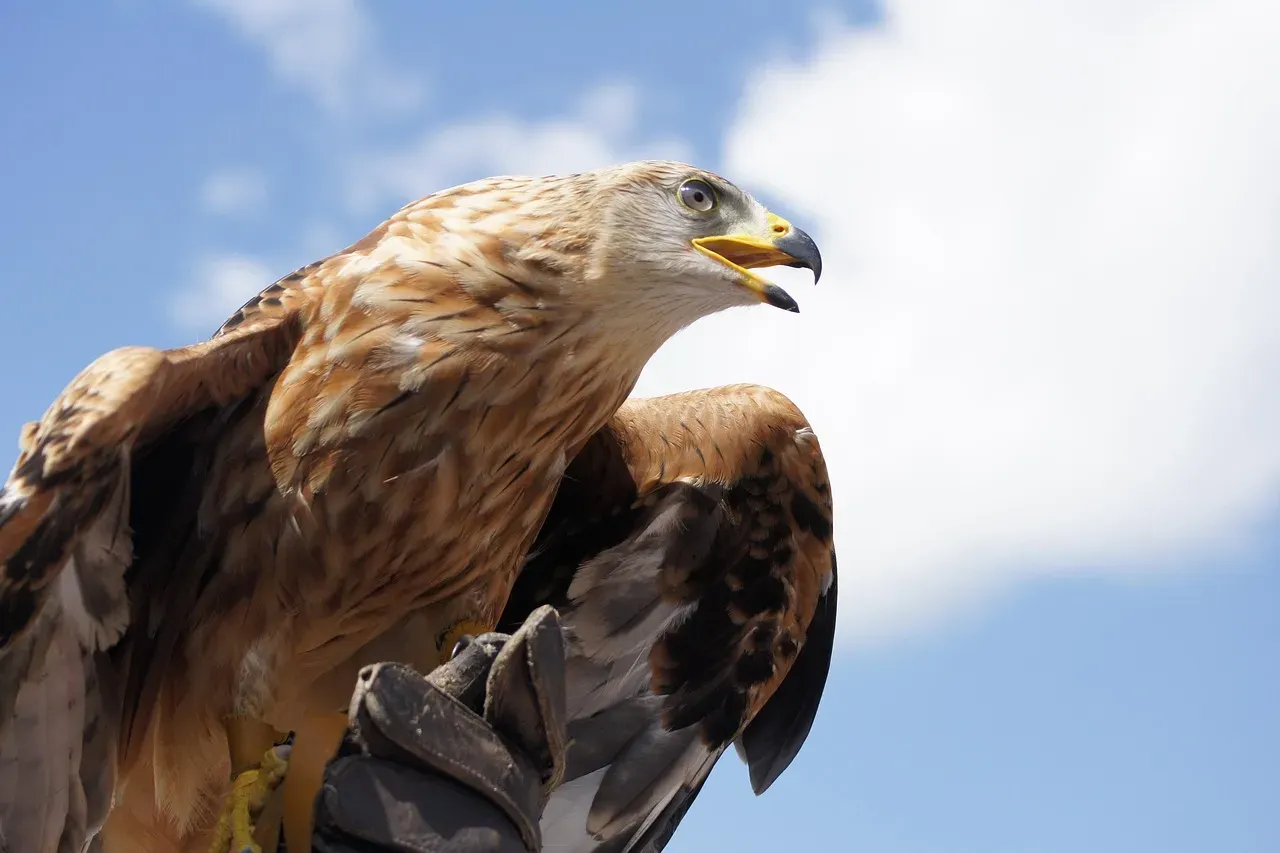
The Golden eagle is the largest soaring raptor inhabiting open country and mountainous terrain in eastern Oregon, though they’re found throughout western North America. The golden eagle is brown with golden feathers on the back of its head and neck – thus its name.
The golden eagle is one of the three North American raptors that have feathered legs, a feature that helps distinguish them from bald eagles and provides protection during hunts. Unlike their fish-eating cousins, golden eagles are pursuit hunters that prefer mammals like rabbits, squirrels, and occasionally even small deer.
These powerful birds employ remarkable hunting strategies. Golden eagles employ strategy, often hunting together to bring down prey. Their problem-solving abilities set them apart from many other raptors, making them highly adaptable predators.
In the western U.S., populations are estimated at around 10,000 birds with up to 30,000 across all of North America. Golden eagles prefer cliffs and rocky ledges for nesting, staying true to their mountain heritage.
Peregrine Falcon: The Speed Demon
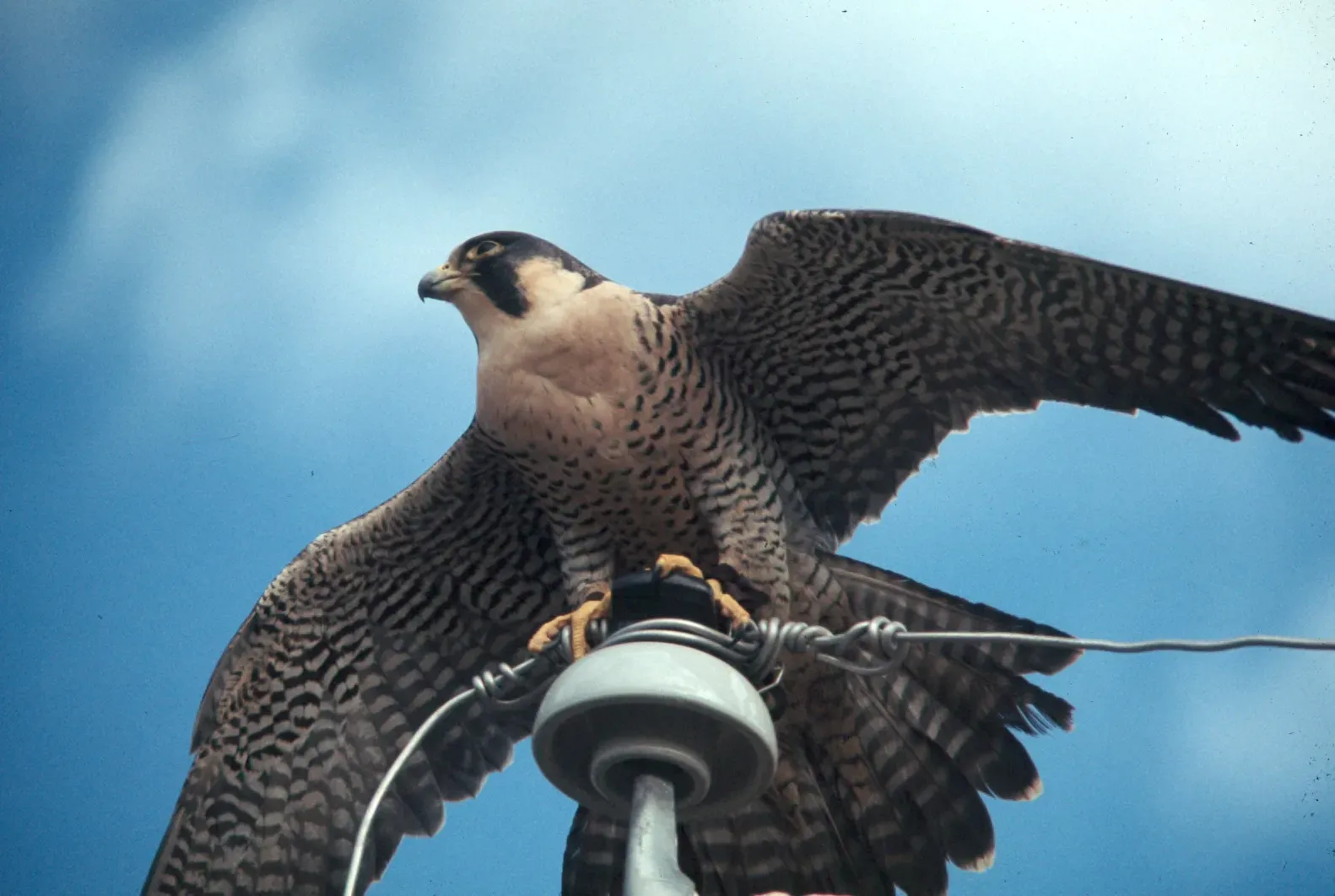
Here’s something that’ll blow your mind. Peregrine falcons are the fastest animal in the world, clocking in at 242 mph when they dive after prey. Nothing else on Earth moves faster. That’s not just the fastest bird or the fastest animal in the air – it’s the fastest living thing period.
The peregrine falcon was extirpated from Massachusetts in the 1950s when the pesticide DDT caused its eggshells to crack and break before the young were ready to hatch, but it has recovered well. Today, many peregrines have traded cliff faces for urban high-rises, where they nest on tall buildings and hunt the abundant pigeon populations.
Their hunting technique is as brutal as it is effective. These falcons climb to great heights, then fold their wings and plummet toward unsuspecting prey below. The impact alone is often enough to kill their target. Falcons typically have a sharp tooth on their beak to sever their prey’s neck, a feature not found in hawks.
Peregrines have one of the longest migrations of all North American birds, with a peregrine falcon nesting in the Arctic tundra traveling to wintering grounds in South America, a round-trip covering over 15,000 miles. That’s some serious frequent flyer miles.
Red-Tailed Hawk: The Ubiquitous Hunter
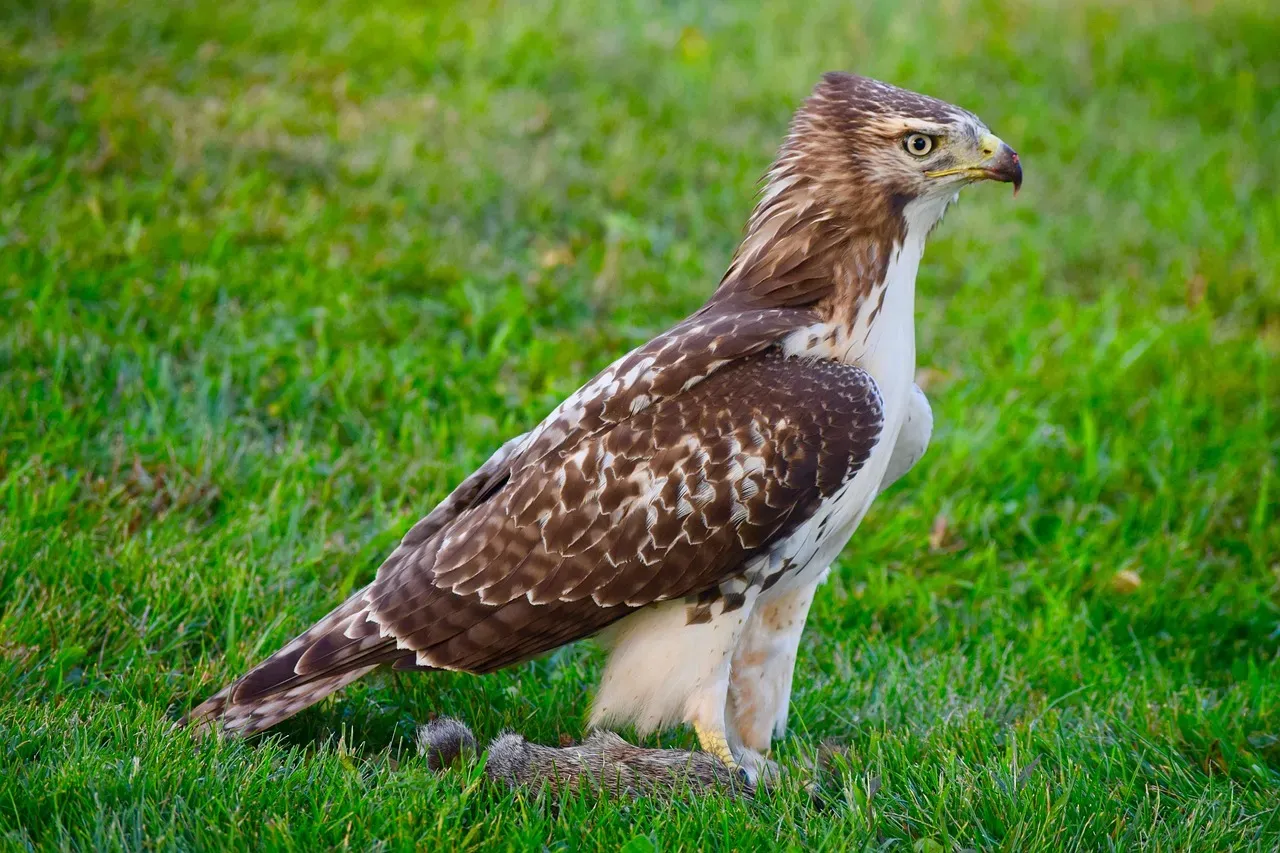
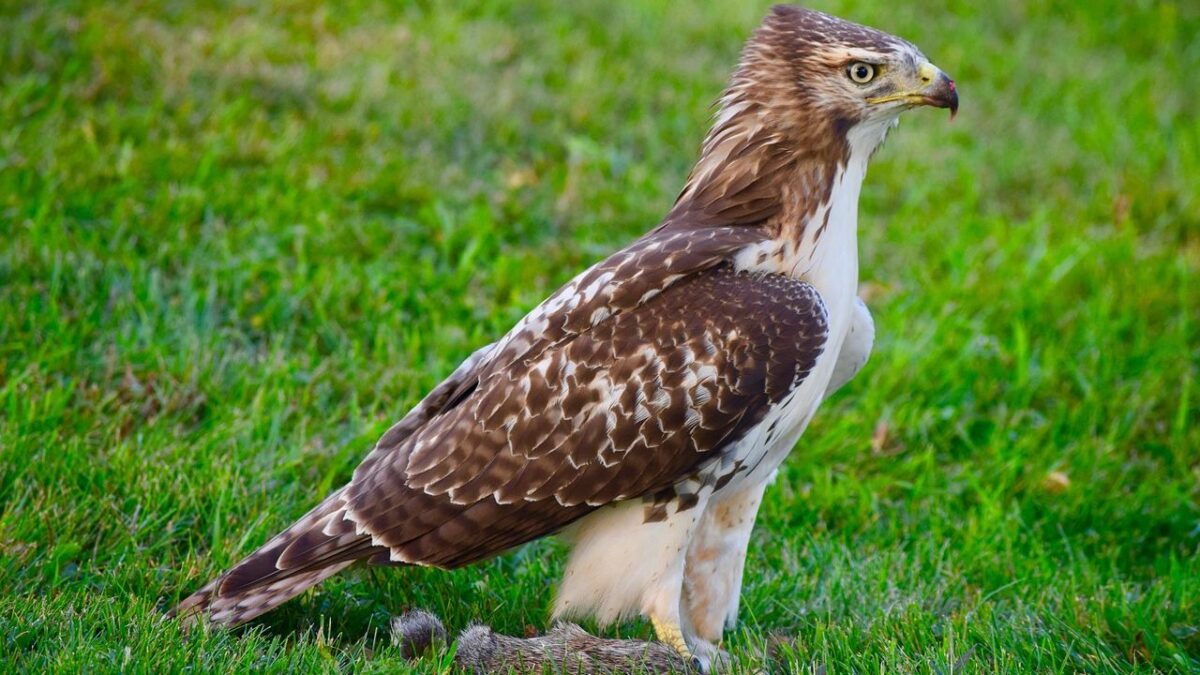
Red-tailed hawks are the most common hawk in North America. Honestly, if you see a large hawk perched on a highway light pole or circling overhead, odds are you’re looking at a red-tail. Red-tailed hawks live in every US state and almost all habitats.
The Red-tailed Hawk is a member of the buteo family of high flying hawks and its length varies from 19-25″. Adults sport that distinctive rusty-red tail that gives them their name, though juveniles keep their brown tail feathers for about a year. The red-tailed hawk occupies a wide range of habitats and altitudes including deserts, grasslands, coniferous and deciduous forests, agricultural fields and urban areas.
These versatile predators primarily hunt small mammals like squirrels, rabbits, and rodents. They employ two main hunting strategies: perch hunting, where they wait patiently on a high spot before swooping down, or hover-hunting, where they flap in place while scanning the ground below.
Their adaptability is truly remarkable. Red-tails thrive in cities, suburbs, and wild areas alike, making them the raptor you’re most likely to encounter in daily life.
Osprey: The Fishing Specialist
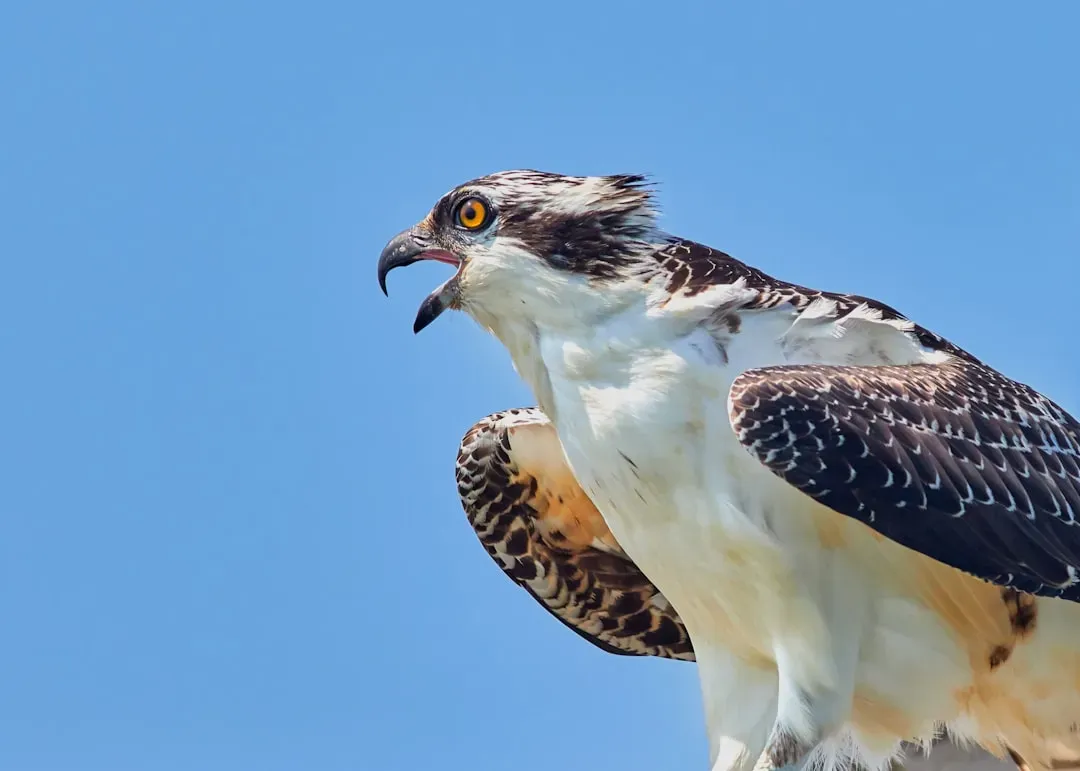
When you think of an Osprey, you should think of fish because that is what these birds eat 99% of the time. These unique raptors have evolved specifically to catch slippery, aquatic prey, and they’re incredibly good at it.
Ospreys hunt by hovering over water and then plunging feet-first to snatch fish with their powerful talons, and this dramatic hunting method is a spectacle to witness. Osprey, like owls, have one hinged toe that can be held in a forward or back position, allowing them to hold fish with two talons on each side for a secure grip, and Osprey also have spiny scales on their feet.
Their eyes are specially adapted to see through water’s surface glare and detect movement below. With the ability to spot fish from over 100 feet in the air, the osprey’s vision is crucial to its success. Once they lock onto a target, there’s no escape.
The Osprey is now a relatively common breeder along the coast with an increasing number at inland locations, and its dramatic black-and-white plumage and long wings make it unmistakable. Their recovery mirrors that of the bald eagle, rebounding strongly after DDT was banned.
Northern Harrier: The Low-Flying Owl-Faced Hawk
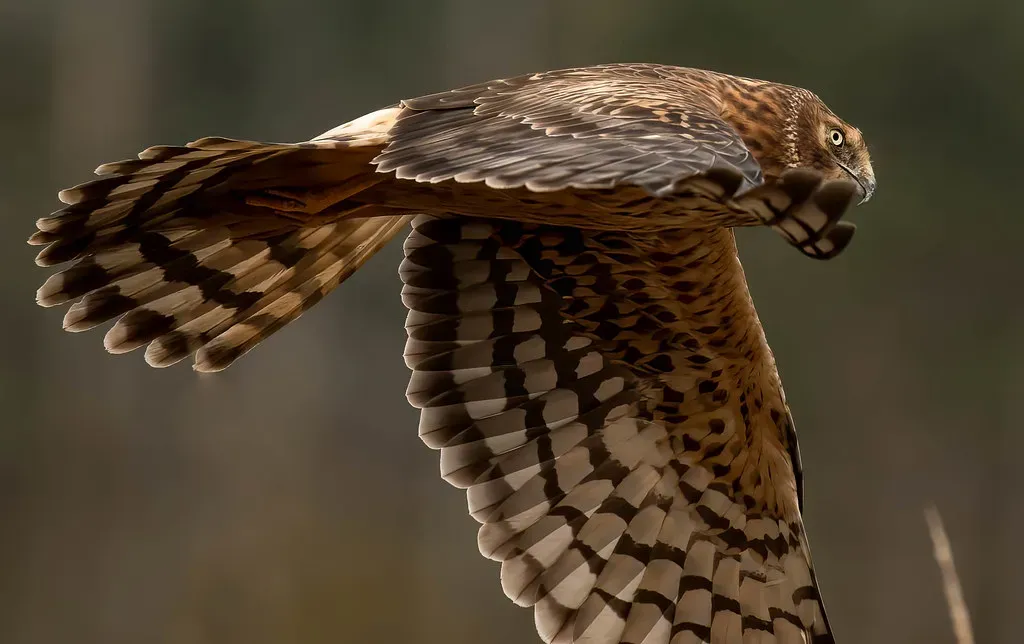
The Northern harrier is a slender, medium-sized hawk characterized by a noticeably long tail, bold white rump patch, and owl-like face. That facial disk isn’t just for looks. Northern Harriers also use their hearing to find food, similar to owls, and even their disc-shaped face resembles an owl.
Its main hunting technique is through use of a distinctive buoyant, gliding flight low over the ground that relies heavily on visual as well as auditory cues to detect prey. Watching a harrier hunt over a marsh or grassland is mesmerizing. They fly methodically back and forth, wings held in a shallow V, head tilted downward listening for the rustle of mice or voles.
Harriers are one of the few raptors where the sexes have distinct plumages, with males having gray heads and backs but mostly white underneath, while females are brown above and “dirty white” underneath with dark streaks. This sexual dimorphism makes them easy to tell apart in the field.
Unfortunately, harrier populations face challenges. The loss of open grasslands and marshes threatens their nesting habitat, as these are ground-nesting birds that need expansive open areas to hunt successfully.
Cooper’s Hawk: The Backyard Ambush Expert
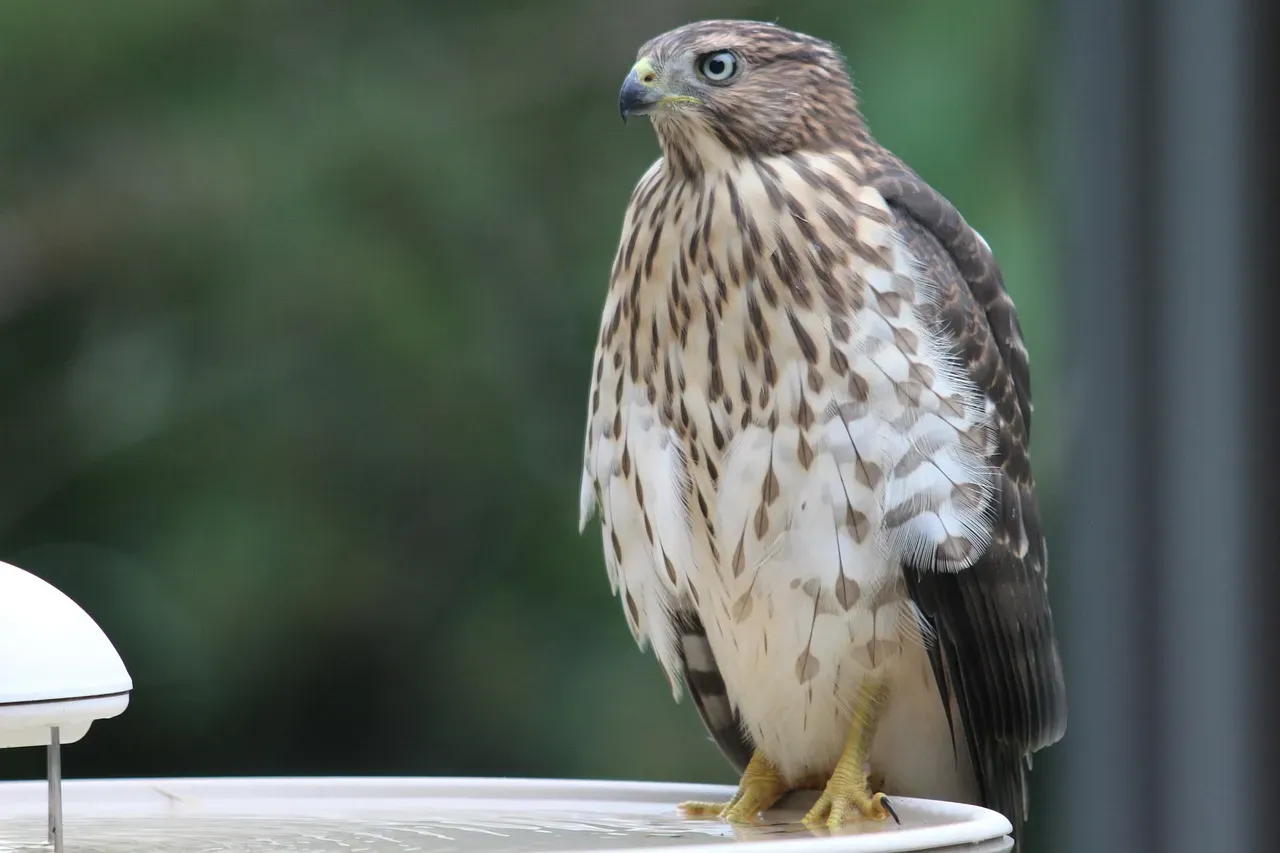
The increase in Cooper’s Hawk populations over the past several decades has been dramatic, and it has bounced back and can now be seen throughout the state. These medium-sized woodland raptors have become increasingly common in suburban areas, much to the dismay of backyard bird feeders everywhere.
Cooper’s Hawk is our mid-sized woodland raptor which uses stealth and powerful flight thrusts to attack other birds and small mammals, and it will sometimes attack from behind shrubbery, but often hunts from a perch, remaining still until it strikes. Their hunting style is pure ambush predation.
Cooper’s Hawks belong to the accipiter family, characterized by short, rounded wings and long tails that make them incredibly maneuverable in tight spaces. They’re built for high-speed chases through dense forests, threading between tree trunks with precision that seems almost impossible.
What’s particularly interesting is their adaptation to urban life. Although most at home in wooded areas, in recent years Cooper’s have become more common in suburban and even urban locations. Bird feeders attract songbirds, and songbirds attract Cooper’s Hawks. It’s hard to say for sure, but this might be one reason for their population boom.
Sharp-Shinned Hawk: The Smallest Accipiter
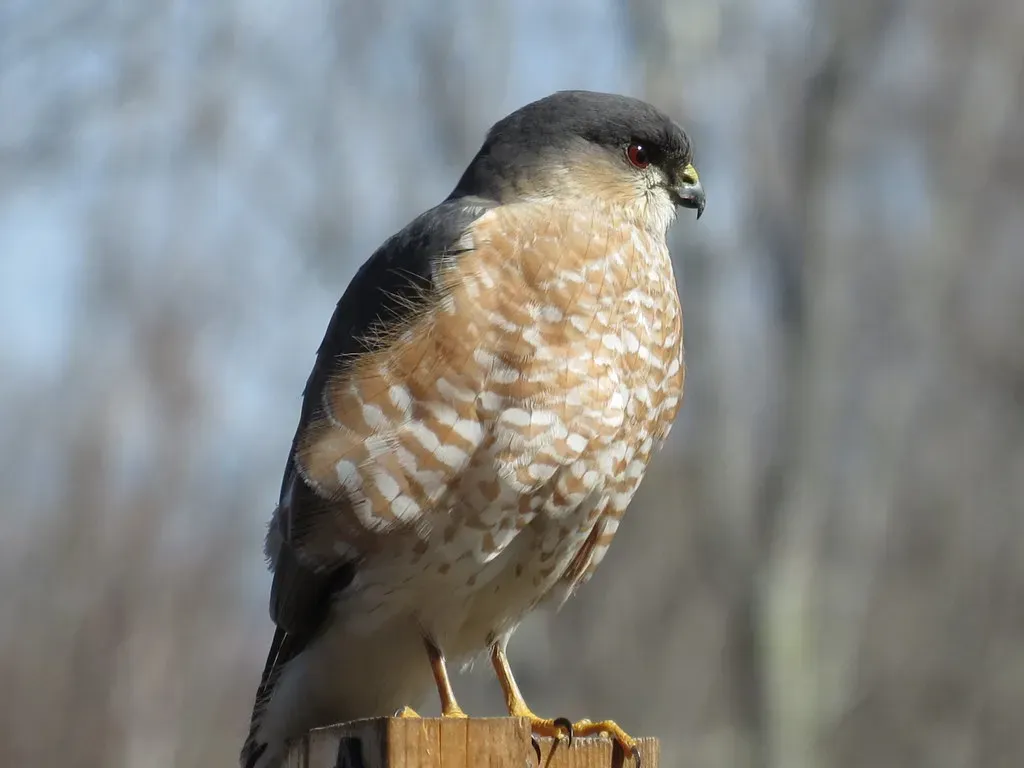
The Sharp-shinned hawk is North America’s smallest and most migratory accipiter. Despite their diminutive size, these little raptors are fierce hunters that specialize in catching songbirds. The smallest accipiter, the Sharp-shinned – or “Sharpie” for short – is an uncommon breeder.
Let’s be real, telling Sharp-shinned Hawks apart from Cooper’s Hawks can be seriously challenging. They look remarkably similar, with Cooper’s being essentially a larger version. Experienced hawk watchers can differentiate it from the larger Cooper’s Hawk by the smaller head, narrower tail and facial markings.
These raptors are ambush predators, sitting patiently and then dashing out from cover at high speed to chase birds, which make up 90% of their diet. Their hunting technique relies on surprise and explosive speed rather than endurance.
Historically, Sharp-shinned Hawks faced persecution. As a hunter of songbirds it historically endured harsh reproach, and was often depicted as a blood-thirsty villain, and across the U.S., many thousands were shot in the first half of the 20th century, but prevailing attitudes have changed.
American Kestrel: The Colorful Hovering Falcon
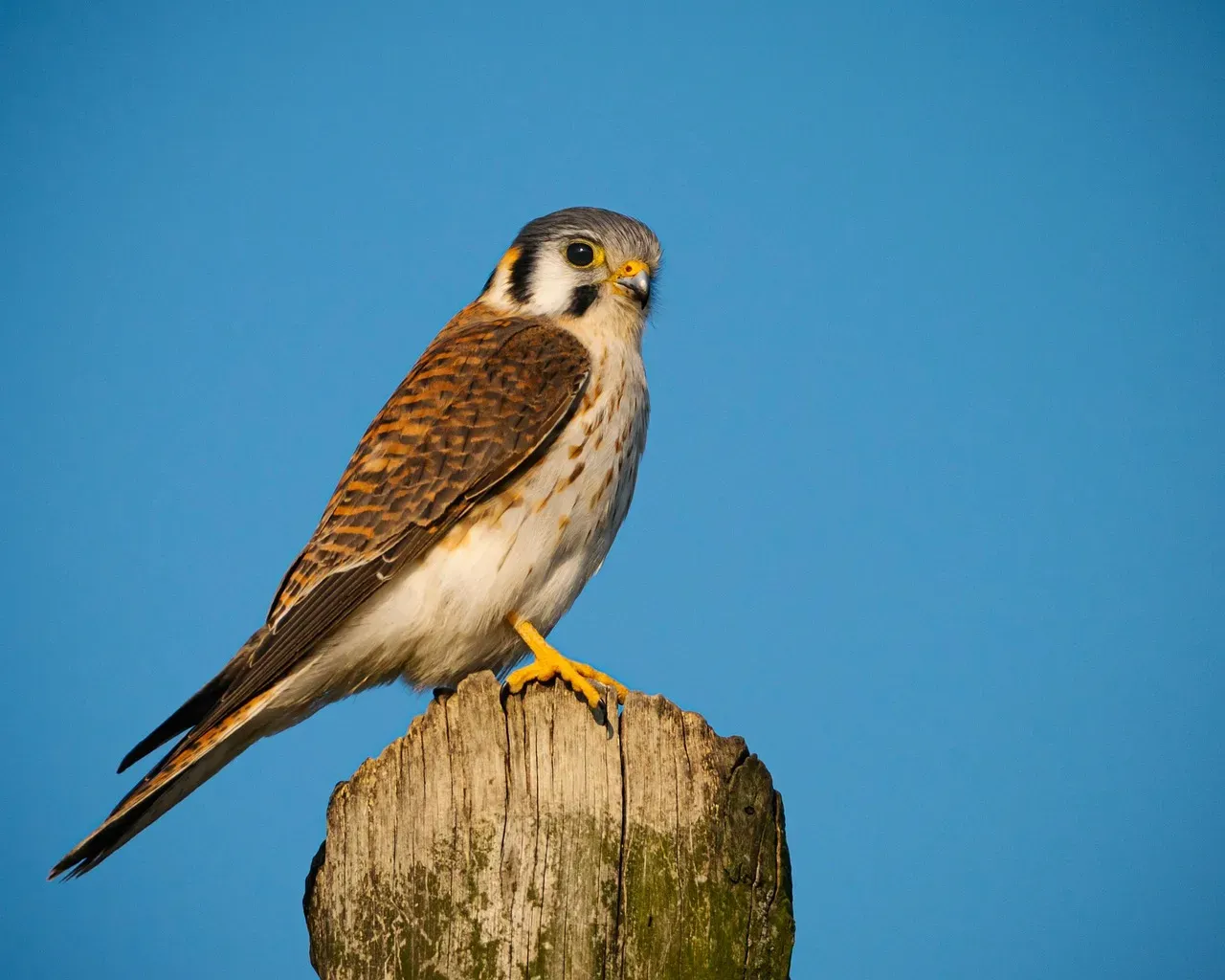
The American Kestrel is the smallest raptor in the United States and is roughly the size of an American Robin. Don’t let their compact size fool you, though. Males have colorful bluish feathers and as well as bright reddish-orange plumage underneath, making them arguably the most beautiful raptor in North America.
If you see a small, long-winged bird hovering over an open field, most of the time it will be an American Kestrel, and this type of hunting pattern is used by only a few species of birds and it is a trademark for a kestrel. They hover in place while scanning for insects, small rodents, and occasionally small birds.
One of their favorite strategies to catch prey is to hover in the breeze from a relatively low height, looking for insects, invertebrates, small rodents, and birds. They also hunt from perches, especially along roadsides where they sit on telephone wires watching for movement below.
Despite being fairly common, kestrel populations are declining in some areas. Although it is the most abundant falcon in North America, American kestrel populations have declined in some areas, and research suggests loss of habitat is the primary reason for declines.
Northern Goshawk: The Forest Phantom
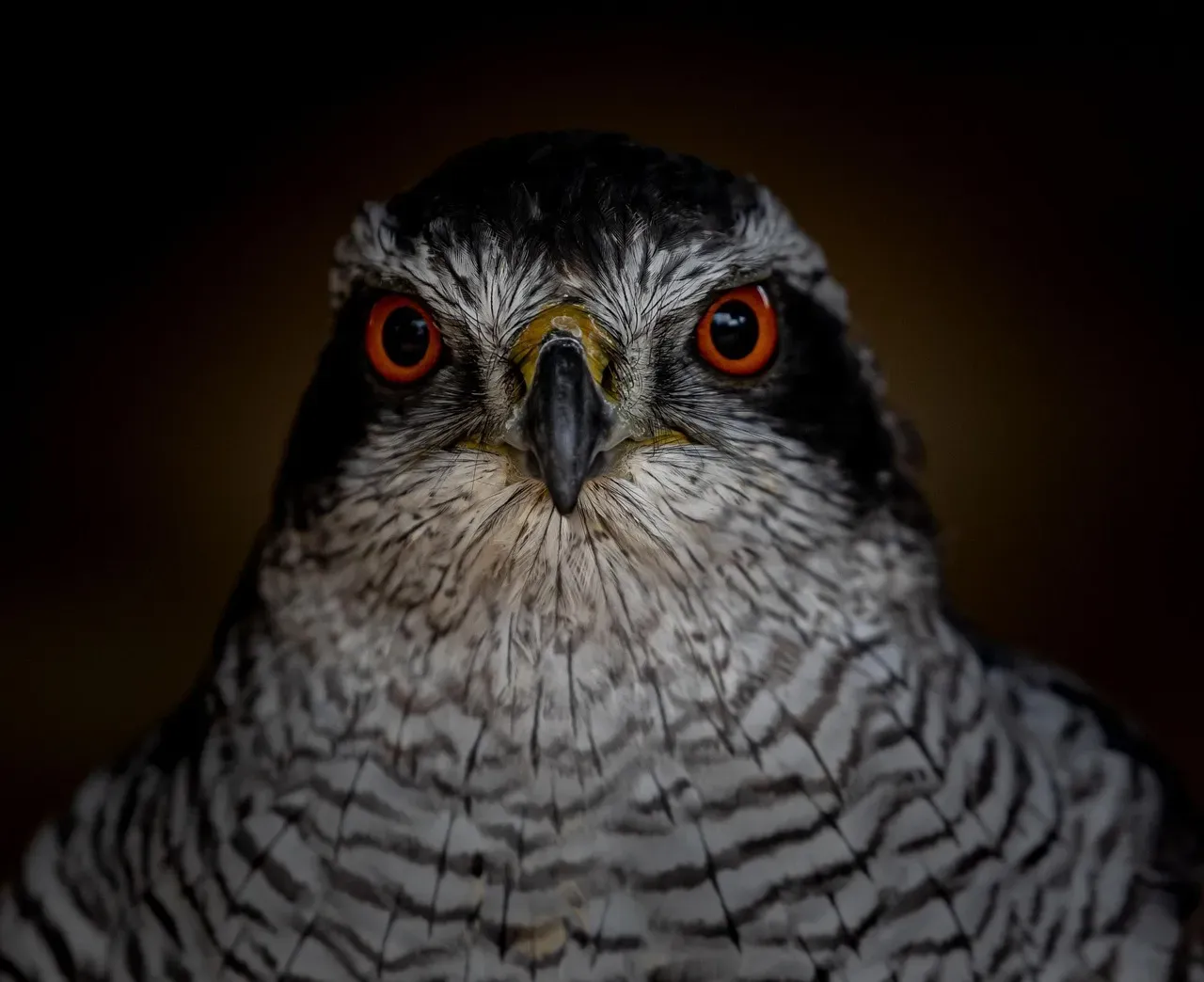
A majestic accipiter, the American goshawk rules from the forest trees. Northern Goshawks are the largest and most powerful of North American accipiters, built for hunting substantial prey in dense woodland. A Northern Goshawk in adult plumage with its gray breast is unmistakable, and Goshawks are very uncommon and are most often seen in larger forests.
Opportunistic and fierce hunters, Northern Goshawks eat a wide variety of foods, and the list includes insects, mammals, birds, and reptiles. Their versatility makes them highly successful predators. They’re capable of taking prey as large as grouse and squirrels.
These raptors are widespread in North America but are hard to see, especially in the suburbs and cities, and some individual birds are short-term migrants during colder months. Their preference for deep forest and secretive nature means most birders consider a goshawk sighting a real prize.
On their breeding territories, goshawks are notoriously aggressive and will not hesitate to attack passersby. There are numerous accounts of goshawks diving at people who wander too close to their nests, a testament to their fearless defense of territory.
Great Horned Owl: The Nighttime Apex Predator
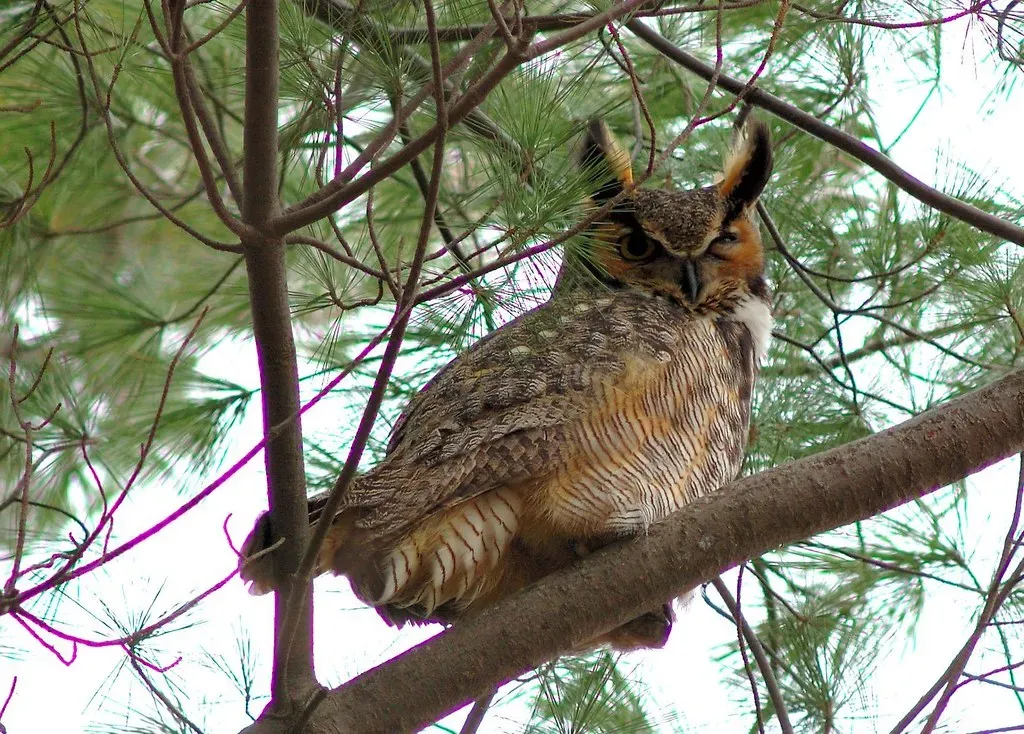
The Great Horned Owl is probably the most widespread owl in North America which can be found in a variety of wooded sites. These raptors can actually be found almost anywhere in North America, from the Arctic to the tropics, and its habitat is practically unlimited as long as there are trees and rocky nesting sites available.
These owls are absolutely formidable. These are the most common owls seen by humans, and they have distinct “horns” (ear tufts) on their heads and yellow eyes. Their hunting prowess is legendary among raptors. They take prey ranging from insects to skunks to other raptors.
They fly almost silently due to their special feather structure that reduces turbulence. This silent flight, combined with exceptional night vision and acute hearing, makes them incredibly effective nocturnal hunters. Prey rarely knows what hit them.
Here’s a quirky fact: Great horned owls never make their own nests, and they lay their eggs too early in the year, so they steal others’ nests. They’ll commandeer old hawk, eagle, or crow nests, or nest in tree cavities and cliff ledges.
Broad-Winged Hawk: The Migrating Masses

During fall migration, the most numerous hawks are the Broad-winged Hawk, which at times can be seen in flocks, or kettles, of hundreds, occasionally thousands of birds, “boiling” high into the sky. This spectacle is one of the most impressive wildlife phenomena in North America.
These smaller buteo hawks spend their breeding season in eastern forests, where they’re often heard before they’re seen. Their distinctive, high-pitched whistle echoes through the woods during spring and summer. They’re relatively unobtrusive, hunting from perches for small mammals, amphibians, and insects.
Come autumn, Broad-winged Hawks funnel down through specific corridors, creating concentration points beloved by hawk watchers. On peak migration days at certain lookouts, observers have counted tens of thousands passing overhead in a single day.
As they are migrating, Swainson’s Hawks often form large “kettles,” where they join with other species, such as Broad-winged Hawks and Turkey Vultures, and it’s possible to see THOUSANDS of raptors soaring together at once. Watching these rivers of raptors is bucket-list material for bird enthusiasts.
Swainson’s Hawk: The Long-Distance Traveler
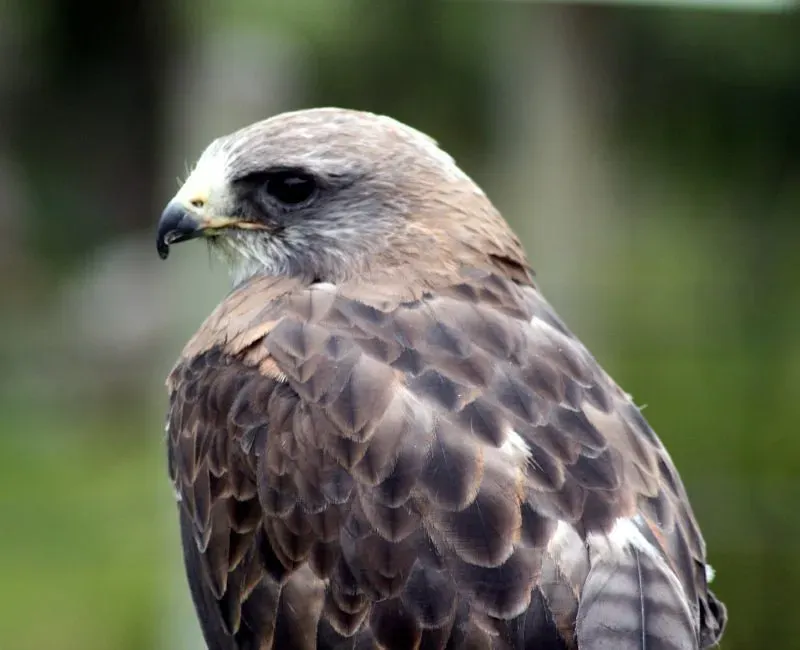
These birds of prey arrive each April in the United States and spend their summers breeding and raising their young here, and towards the end of summer, they begin a LONG distance journey to Argentina, around 6,000 miles one way and takes up to two months, and they make this trip twice per year. That migration is absolutely mind-blowing when you think about it.
Swainson’s Hawks are prairie specialists, favoring open grasslands and agricultural areas across western North America. They have a more varied diet than many buteos, readily consuming large insects like grasshoppers in addition to the usual rodents and birds.
Their migration route takes them through Central America, where they face significant threats. Pesticide use in Latin American countries has caused major mortality events, highlighting how interconnected bird conservation must be across international boundaries.
These hawks are named after British naturalist William Swainson. They’re relatively easy to identify in flight by their long, pointed wings and characteristic two-toned underwing pattern. Unlike red-tails, they’re rarely seen perched along highways, preferring fence posts in open country.
Turkey Vulture: The Cleanup Crew
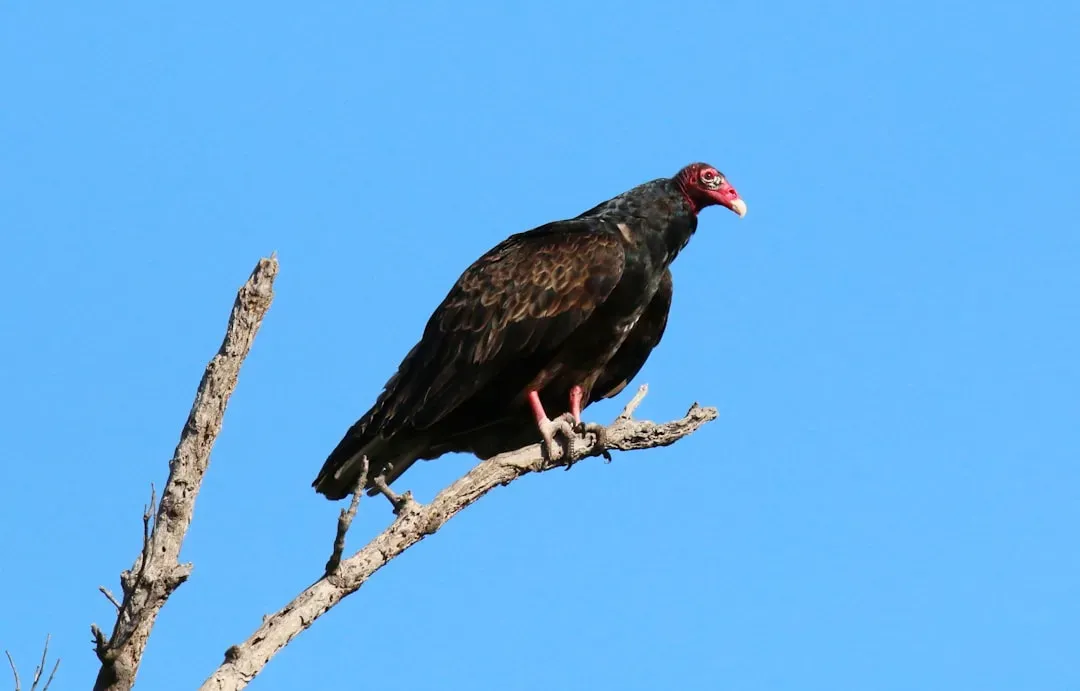
Turkey Vultures have become a fairly common sight in the Northeast, and whether flying over cities, open fields, or forests, you can identify this species by its distinctive profile – a pronounced dihedral (wings lifted above the body), rocking back and forth in the air currents. That distinctive flight style is unmistakable once you know what to look for.
Turkey Vultures aren’t technically raptors in the strictest sense. This is the only species of raptor that has a sense of smell and they are one of two exceptions of raptors without strong feet. They’re scavengers rather than hunters, cleaning up carrion across the continent.
The turkey vulture was first documented as a breeding bird in the 1970s in northeastern states, representing a significant range expansion. They’re now common and widespread, riding thermals with barely a wing flap as they search for their next meal.
Their bald, red heads serve a practical purpose. When you’re sticking your head into rotting carcasses all day, having feathers would be unhygienic. The bare skin is much easier to keep clean. They play a crucial ecological role, preventing the spread of disease by efficiently disposing of dead animals.
What really sets them apart is that sense of smell. Most birds have limited olfactory abilities, but Turkey Vultures can detect the scent of ethyl mercaptan, a gas produced by decaying animals, from great distances. This gives them a distinct advantage in locating food that other scavengers miss.
Conclusion: The Sky’s Diverse Rulers
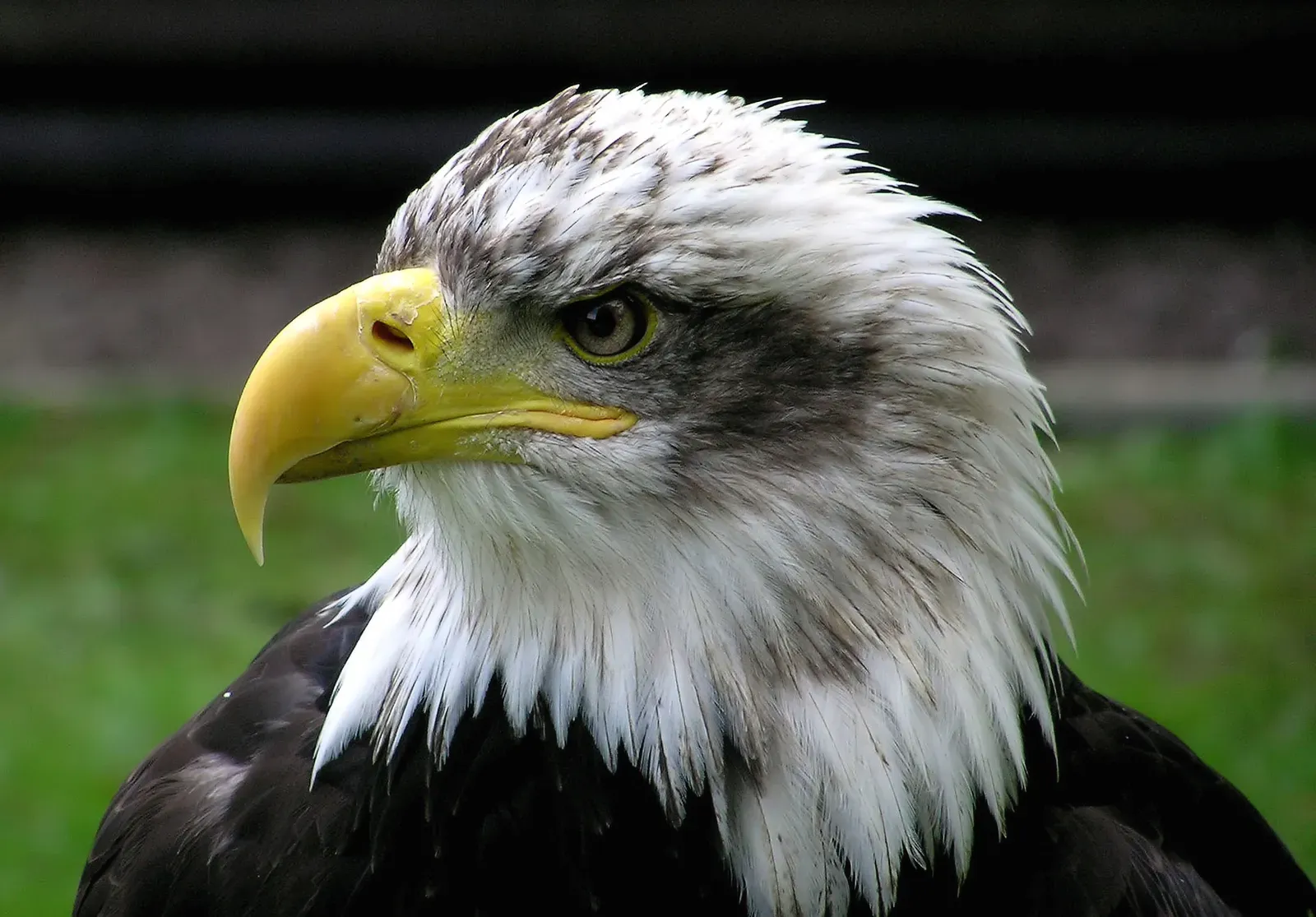
North America’s birds of prey represent millions of years of evolutionary refinement. From the osprey’s reversible talons to the peregrine’s breathtaking speed, each species has carved out its niche through specialized adaptations. These aren’t just pretty birds circling overhead – they’re sophisticated predators playing essential roles in ecosystem health.
The comeback stories of species like the bald eagle and peregrine falcon prove that conservation works when we commit to it. Meanwhile, challenges remain for species like the American Kestrel, reminding us that habitat preservation must continue. These raptors serve as indicators of environmental health, their populations reflecting the state of our landscapes.
Next time you spot a hawk perched on a light pole or notice a falcon streaking across the sky, take a moment to appreciate the incredible biology at work. These sky hunters have dominated the air for eons and continue adapting to share our modern world. Which of these magnificent predators have you seen in your area? Each sighting is a privilege worth savoring.

- Why Wolves Were Reintroduced to Yellowstone - July 15, 2026
- The Resurgence of America’s Wild Horses: A Symbol of Freedom and Hope - July 15, 2026
- 10 Cat Breeds That Tolerate Dogs Surprisingly Well - July 15, 2026