
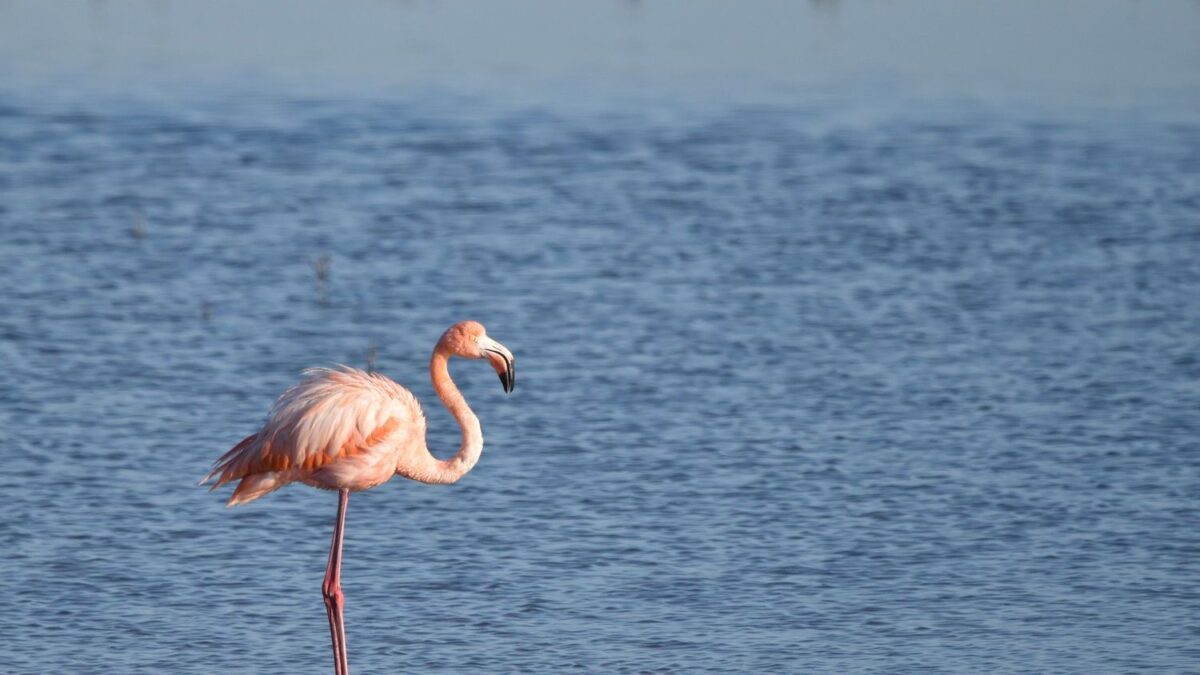
Picture a flock of vibrant pink flamingos, frozen in time like living statues on shimmering lakes. That quirky one-legged pose looks almost comical at first glance. Yet it hides a world of clever adaptations shaped by evolution.
These birds spend hours wading in shallow waters, defying gravity with effortless grace. What drives this behavior? Let’s uncover the science step by step.[1][2]
The Iconic Pose of Survival
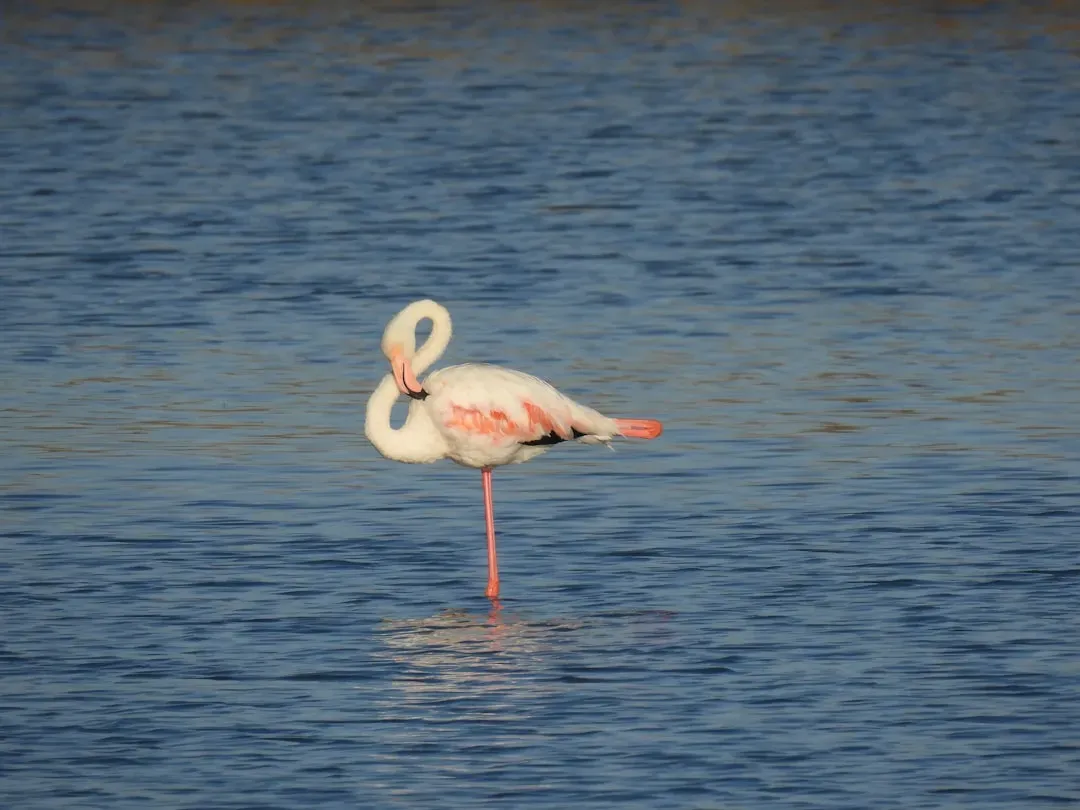
Flamingos grab our attention with their signature stance. They tuck one spindly leg up close, balancing like pros on the other. This isn’t random showboating. It’s a habit seen across flocks in zoos and wild habitats alike.
Researchers have watched them for years, noting how often they switch legs. No favoritism here, each gets equal rest time. Honestly, it makes you wonder if there’s genius in that pink simplicity.[3]
Beating the Chill: Thermoregulation at Work
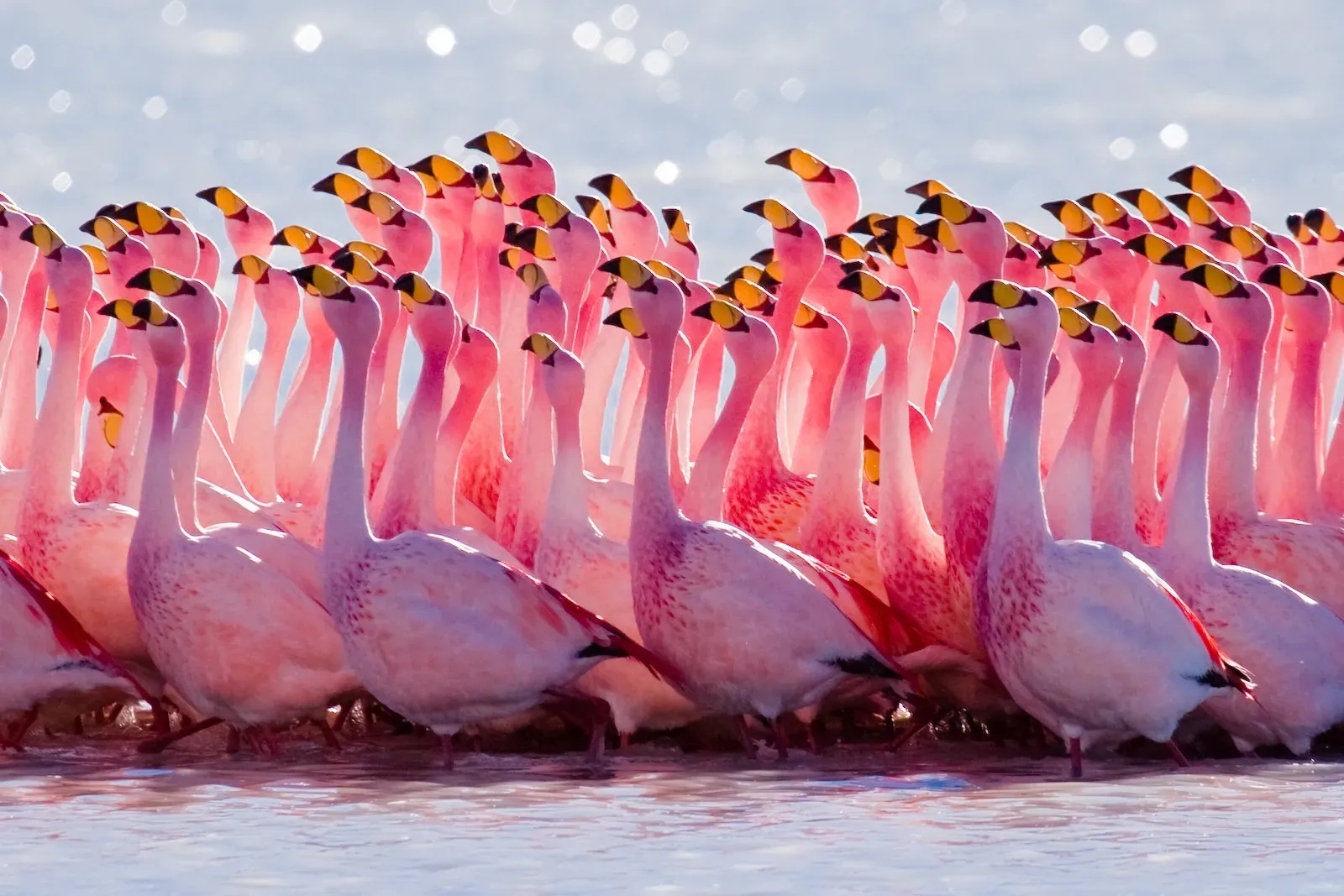
Cold water saps heat fast from unfeathered legs. By lifting one, flamingos cut exposure in half. Studies show they do this more in watery spots or cooler weather. It’s like wrapping up in a feathery blanket without the fabric.
Though their legs have built-in heat exchangers, tucking still helps. Observations confirm fewer two-legged stands when temps drop. Here’s the thing: survival in alkaline lakes demands such smarts.[2][4]
Passive Power: How Legs Lock in Place
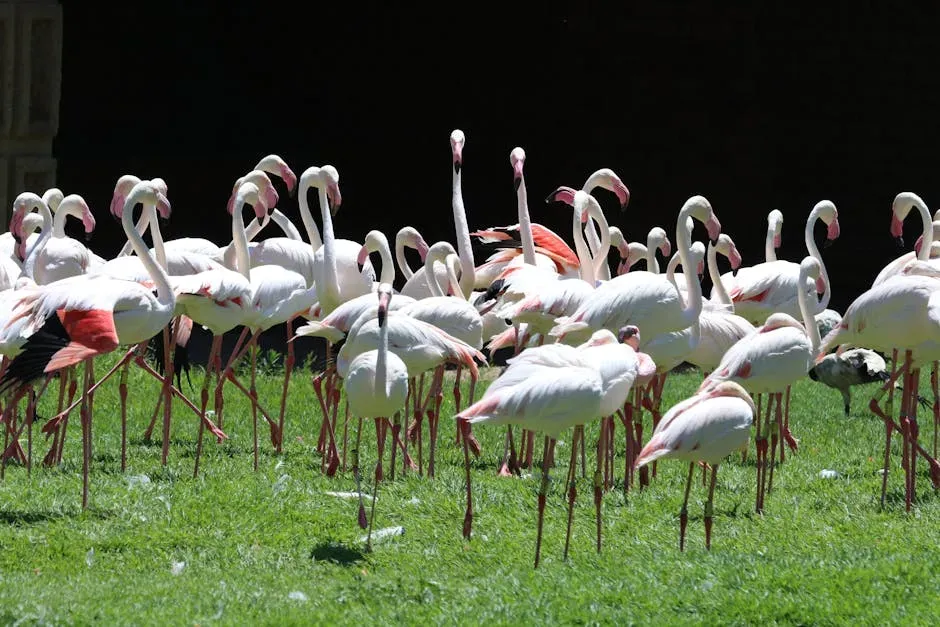
The real magic lies in anatomy. Flamingo knees hide under feathers, turning visible legs into super-stable stilts. Place a cadaver on one leg, and it holds firm, no muscles firing. Body weight alone pins joints tight.
This gravitational lock mimics a horse’s stay apparatus. Live birds sway far less this way. I know it sounds wild, but physics makes it possible. No constant corrections needed.[5][6]
Energy Efficiency Wins the Day
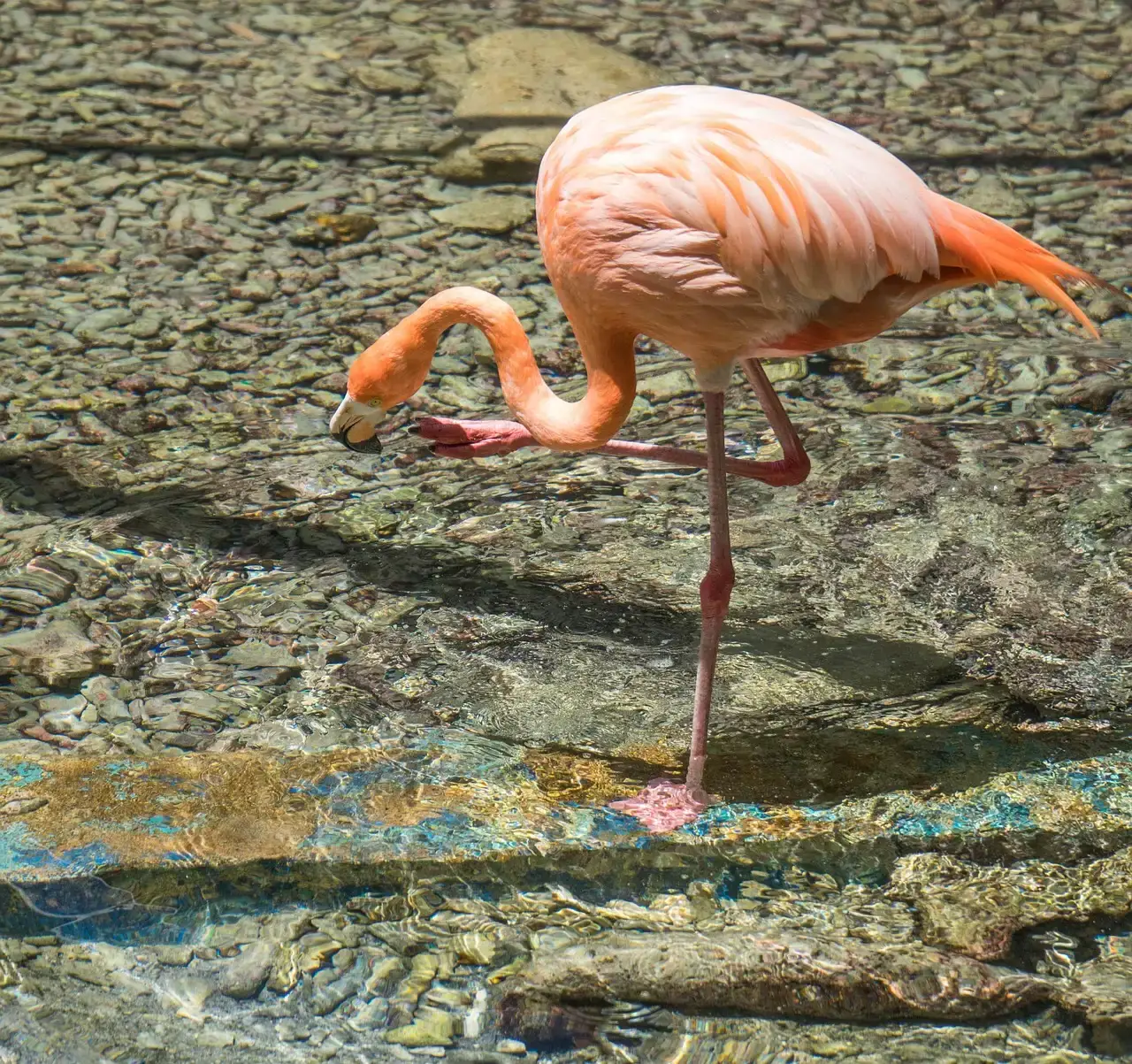
Standing drains energy, especially on long legs. One-leg mode slashes muscle fatigue dramatically. Quiescent birds show tiny sways, like inverted pendulums in perfect calm. Active balancing? Way more work.
Two legs demand ongoing tweaks for stability. Not so with one. This lets them loaf or sleep without exhaustion. Evolution favors the lazy genius here.[1][6]
Not Just for Show: Beyond Flamingos
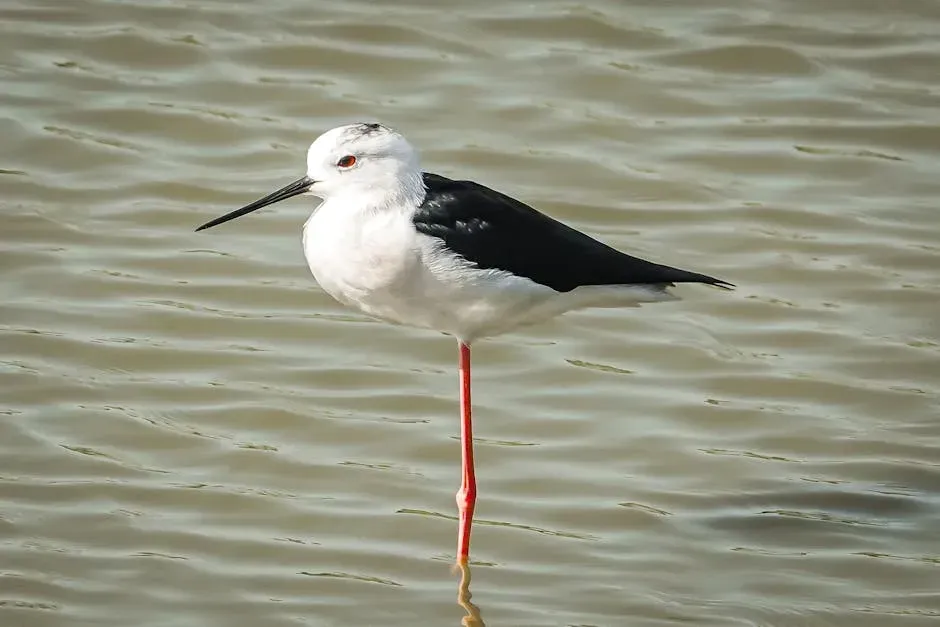
Ducks, herons, even pigeons pull this trick too. Longer-legged waders lean into it hardest. Thin limbs without fluff mean heat loss battles. One leg becomes the smart play across species.
Flamingos take it to extremes, though. Their build amplifies the benefits. Watch a flock, and you’ll spot the pattern everywhere. Nature recycles good ideas brilliantly.[2]
Debunking Escape and Sleep Myths
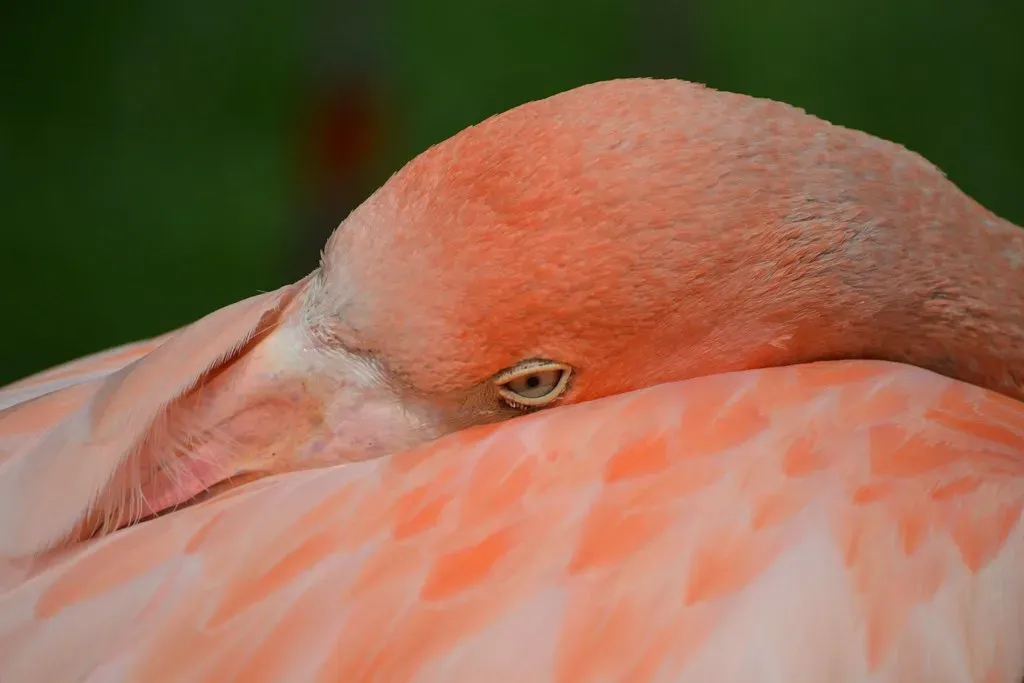
Quick predator dashes? Tests show slower starts after one-leg rests. Fatigue reduction doesn’t speed them up. Sleep happens unihemispherically, eye open on watch, leg choice aside.
They nod off on one or two legs fine. No direct link forces the pose for dreams. Science narrows it to physics and warmth. Still, the debate keeps researchers hooked.[3]
Conclusion: Nature’s Perfect Balance
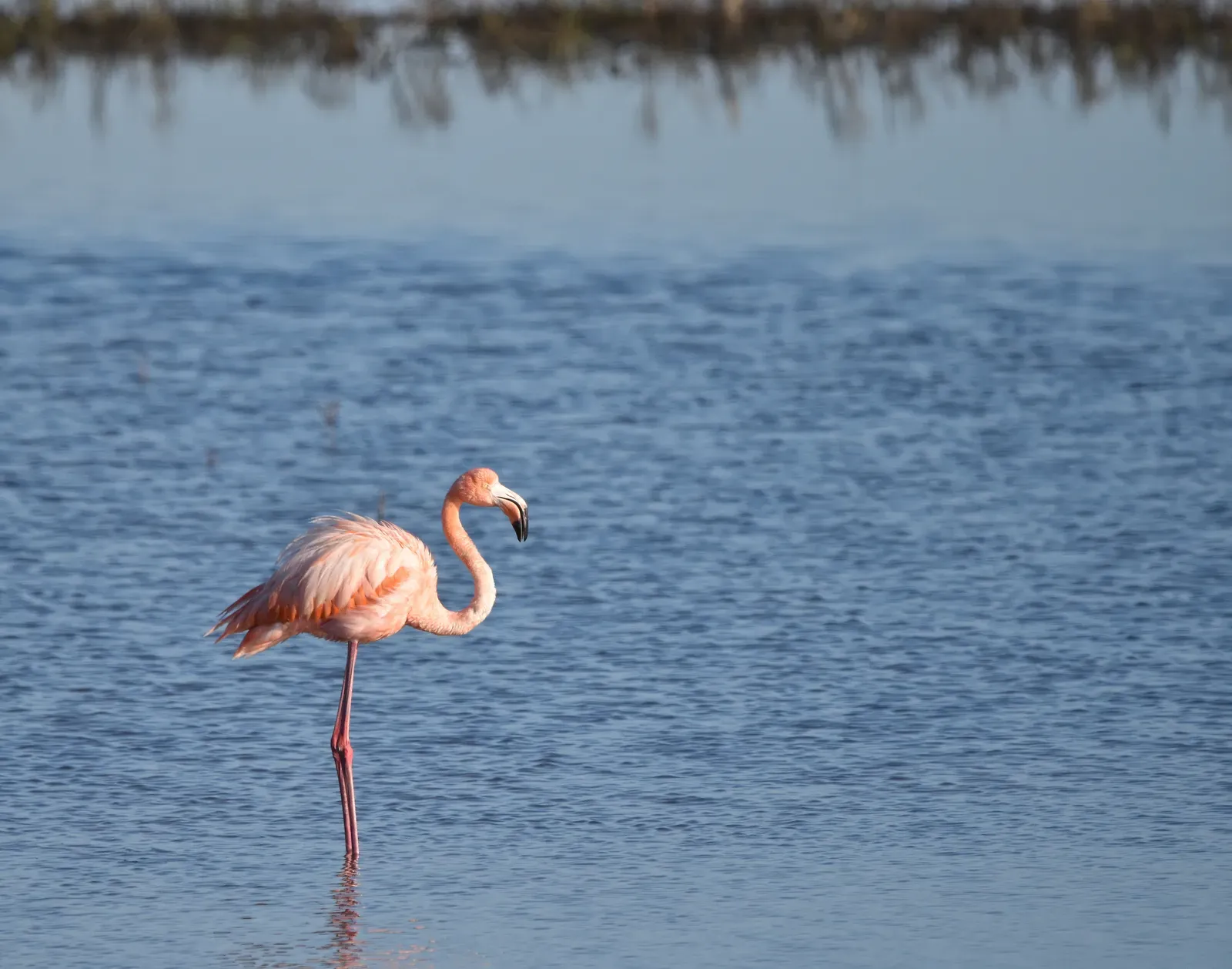
Blending heat savvy with effortless stability, the one-leg stand shines as evolutionary brilliance. Flamingos thrive in harsh spots thanks to it. Minimal effort, maximum gain, every time.
Next time you spot those pink wonders, appreciate the hidden smarts. What adaptation blows your mind most? Share in the comments.[4]

- Why Wolves Were Reintroduced to Yellowstone - July 15, 2026
- The Resurgence of America’s Wild Horses: A Symbol of Freedom and Hope - July 15, 2026
- 10 Cat Breeds That Tolerate Dogs Surprisingly Well - July 15, 2026