
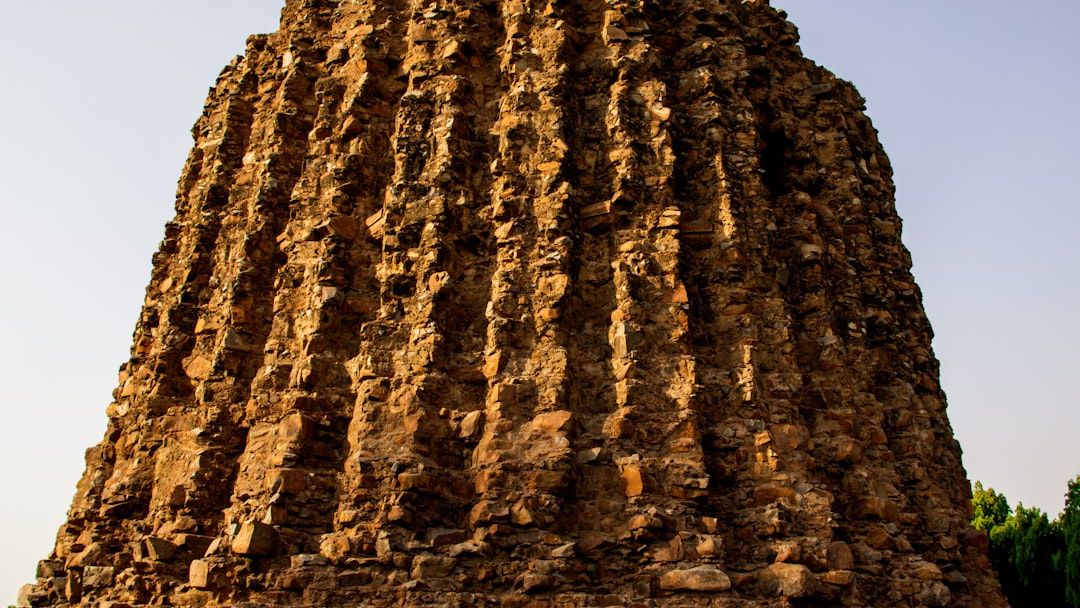
Ever looked at a building or a bridge and thought, wow, humans are clever? I mean, sure we are. We’ve built skyscrapers that pierce the clouds and designed engineering marvels that span vast oceans. Yet here’s something that might humble us a little: the animal kingdom has been perfecting the art of construction for millions of years, often without blueprints, tools, or even opposable thumbs.
Think about it for a second. While we were still dwelling in caves, creatures big and small were already building elaborate structures that rival anything we’ve created. Some of these animal architects construct homes that can withstand hurricanes, others engineer entire landscapes, and a few even build structures so massive they’re visible from space. Let’s dive into the remarkable world of animal architecture and discover ten constructions that will genuinely make you question who the real master builders are.
Termite Mounds: Skyscrapers with Built-In Air Conditioning
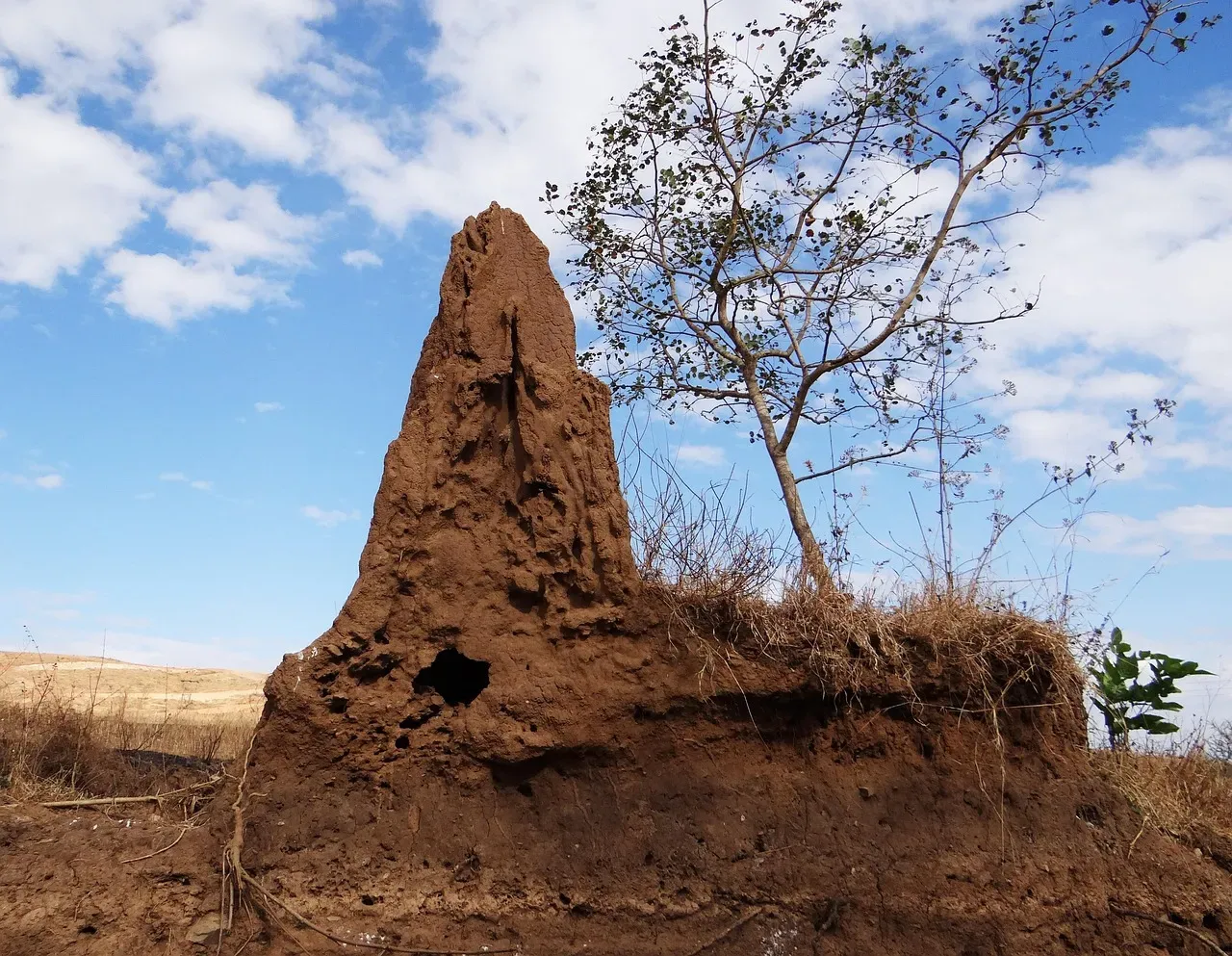
Termite mounds can reach heights of over 10 feet, with some towering approximately 16 feet tall. Yet when you consider the size of the architects, these structures are proportionally much taller than our tallest skyscrapers. Even the tallest of human architecture is rivaled by animal architecture: termite mounds exceed skyscrapers in their size relative to that of the architects.
What truly sets these mounds apart isn’t just their height. Constructed from chewed remnants of woody trees, mud and feces, these animal skyscrapers provide excellent air circulation that keeps the mound air-conditioned, allows water to collect as condensation, and some colonies even maintain gardens of fungi within the mound. The ventilation system is so sophisticated that these mounds have inspired sustainable architectural designs for human buildings. Let’s be real, termites figured out climate control long before we did.
Beaver Dams: Landscape Engineers Reshaping Entire Ecosystems
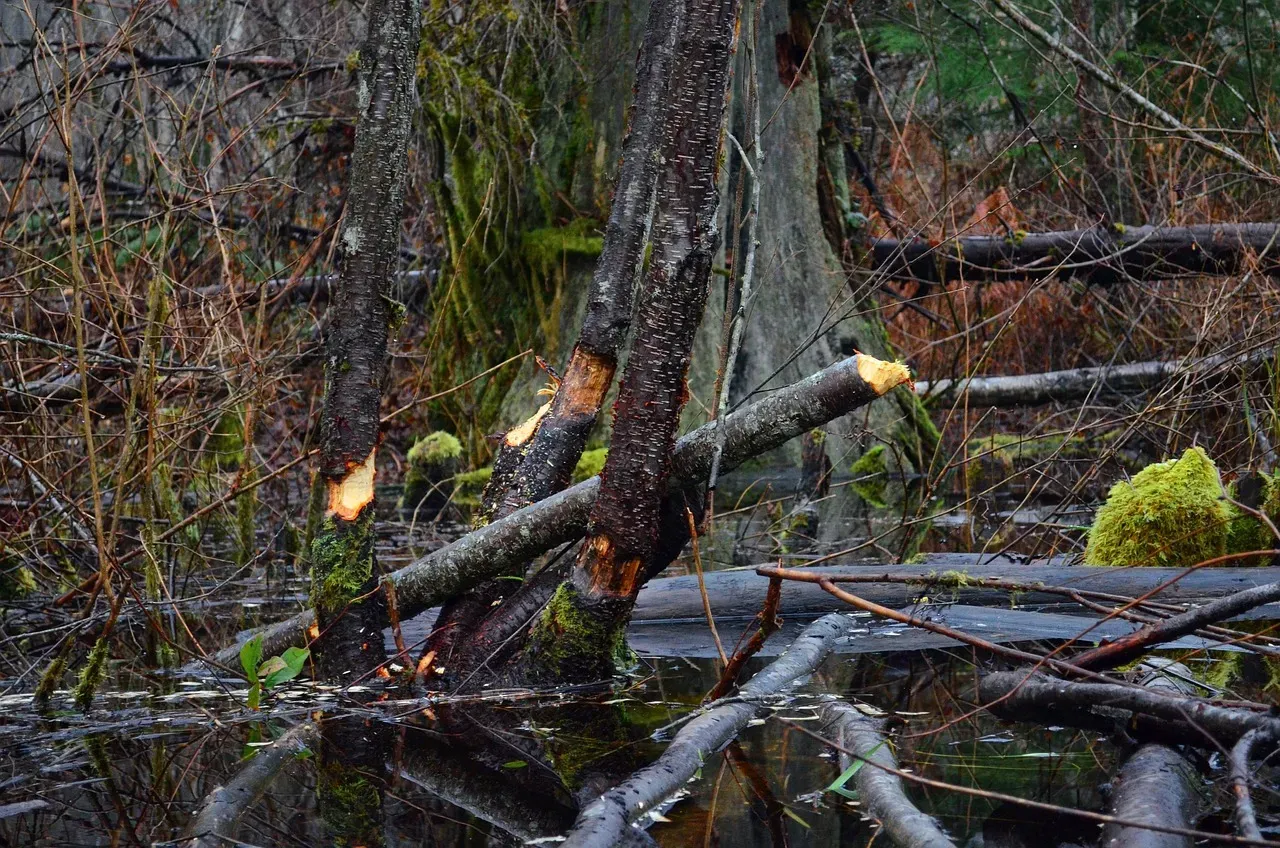
Beavers are perhaps the most famous animal architects, and rightfully so, as they fell huge trees to create dams which they build to create still ponds where they can construct their winter homes, or lodges. The scale of their work is genuinely mind-boggling. The largest beaver dam in the world is located in Alberta, Canada, measuring 2,790 feet, more than two times the length of the Hoover Dam. Yes, you read that right. It is so big, it can be seen from space.
These industrious rodents aren’t just building for themselves though. Dams slow rushing water, causing it to spread into floodplains and wetlands, reducing erosion, trapping sediment, and allowing water to soak into surrounding soils. The animals have constructed complex networks of canals, trails, lodges, and food caches along waterways nearly four thousand meters long, with work that has taken decades or perhaps even more than a century. Here’s the thing: they do all this without a single meeting or architectural plan.
Coral Reefs: The Largest Living Structures on Earth
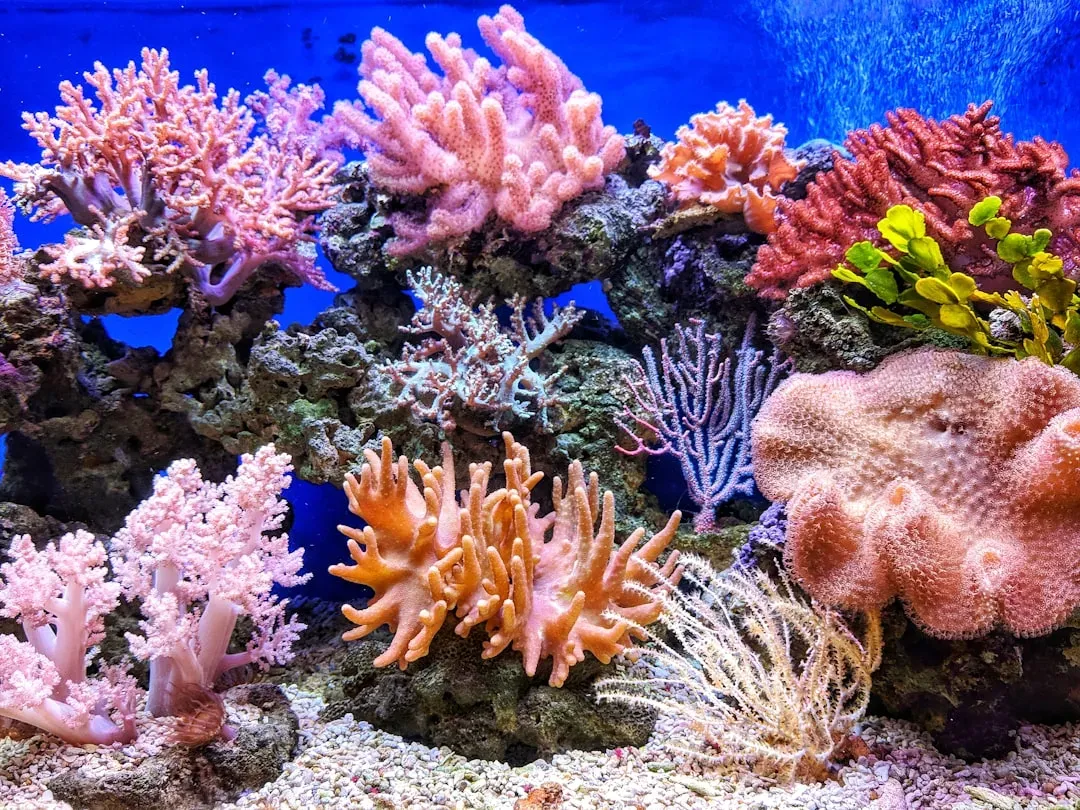
Honestly, when you think about it, coral reefs are almost unbelievable. The Great Barrier Reef is a 1,400-mile coral necklace fringing Australia’s northeast coast and is often touted as the largest living structure on Earth. But wait, there’s more to this story. Each reef is built by thousands of tiny coral polyps, which secrete calcium carbonate to form the foundation of these marine neighborhoods.
These underwater metropolises aren’t just impressive for their size. Coral reefs cover less than 1% of the ocean floor but support nearly 25% of all marine life. The construction process is painstakingly slow, built layer by layer over thousands of years by creatures you could barely see without getting up close. Parrotfish play a surprising role as island builders, with roughly 80 percent of island-grade sediments coming directly from parrotfish poop after they chew up coral for food. Nature has a sense of humor, it seems.
Weaver Bird Nests: Masterpieces of Avian Engineering
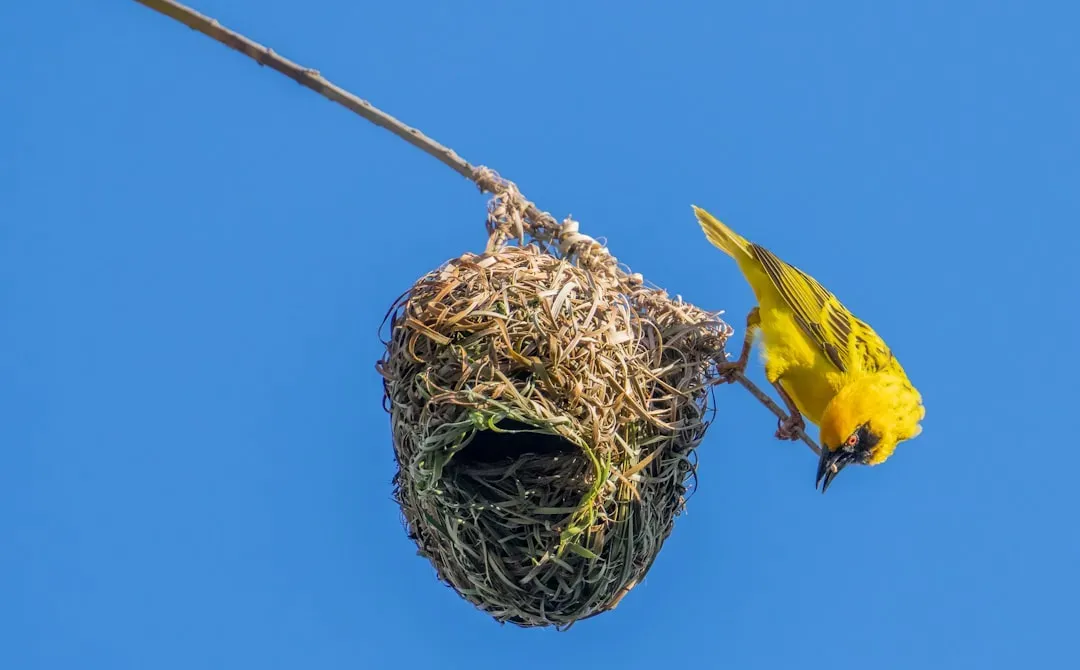
One of the most remarkable examples of avian architecture comes from the weaverbird, native to Africa and Asia, known for their complex nests which they weave using long grasses and plant fibers. The craftsmanship involved is extraordinary. The nest is constructed by the male using strands of grass carefully wound together in an intricate web, with grass stalks bitten off and used for weaving while still fresh and malleable.
Here’s where it gets interesting. It can take up to 500 trips and around 18 days to complete the nest. The male builds these hanging masterpieces to impress females, who will inspect the structure before deciding whether to move in. If the female is not impressed she will leave and the male begins again, often destroying the existing nest and starting again from scratch. Talk about having high standards.
Bowerbird Bowers: Architecture as Art and Romance
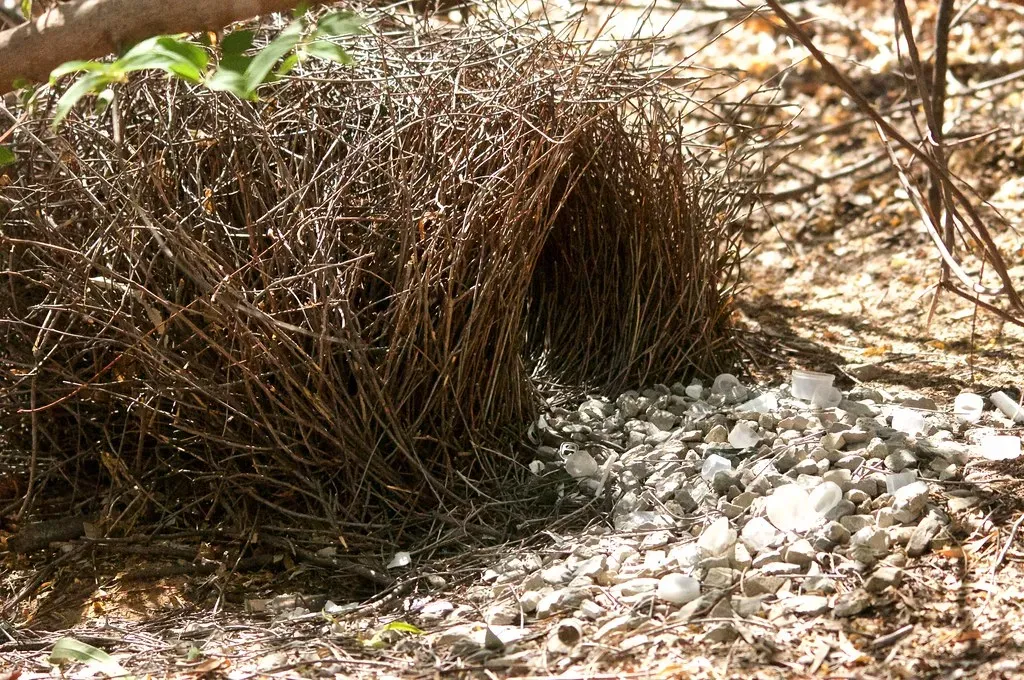
The Vogelkop Bowerbird has the ability to build a pretty impressive home for itself, with the bower coming from the hut-like structure they build, the front entrance adorned with leaves, flowers, and shiny beetle body parts. The hut is typically just over 3 feet tall and 5 and half feet across. These aren’t nests for raising young though.
The bower is not a nest for raising offspring but a decorative structure designed to impress females, with males collecting a variety of objects – flowers, shells, plastic, and even bits of glass or metal – and arranging them around their bower. Male birds are especially steadfast in maintaining a pristine front yard when it’s mating season in an effort to outdo their competition. Essentially, these birds are the interior decorators of the animal kingdom, and they take their work very seriously.
Spider Webs: Engineering Marvels in Silk
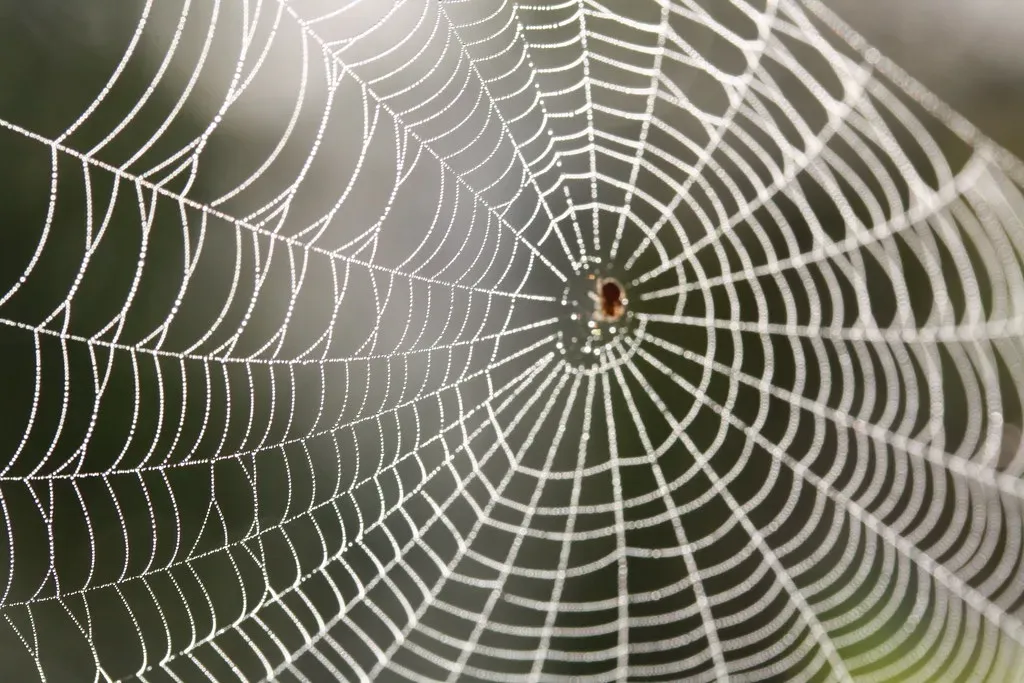
Web-building spiders weave elaborate webs of sticky spider silk that entangle prey, and spiders increase the size of their webs when prey are scarce, and can add extra ornamental pieces to their web in order to attract more prey. The precision involved is remarkable. The orb-weaver spider’s web is characterized by radial symmetry and is meticulously constructed to trap flying insects, with the spider spinning a series of concentric circles and radial lines, creating a strong and elastic net.
Spider silk itself is nothing short of miraculous. Spider silk is a remarkable material, known for its strength and flexibility. Orb-weaving spiders take about two hours to create a new web, starting by drifting a silk line across a gap using the breeze. The fact that they can produce this intricate structure in just a couple of hours, often rebuilding it daily, shows an efficiency that would make any human engineer jealous.
Ant Colonies: Underground Cities of Astonishing Complexity
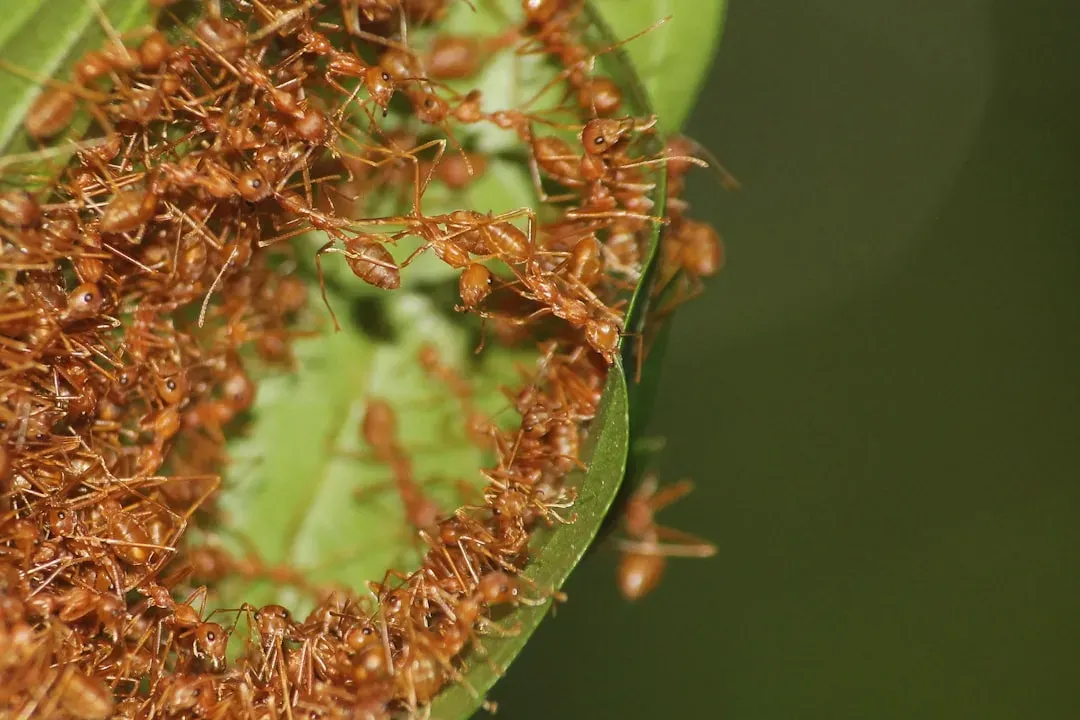
Ants build the elaborate colony structure by hollowing out the area with their mandibles, grain by grain. The result is an underground metropolis. Ant underground nests are some of the most sophisticated homes in the animal kingdom, with species like leafcutter ants building intricate tunnel networks that include nurseries, food storage rooms, and even garbage dumps to manage waste.
What baffles scientists is how they coordinate such complex construction. According to ant expert Walter Tschinkel, they do this without a blueprint, without a leader and in total darkness. Some of the largest ant colonies in the world stretch over 3,700 miles across multiple countries – a true supercolony. Imagine building an entire city network spanning multiple countries with no communication system, no light, and no planning meetings. That’s essentially what ants accomplish.
Sociable Weaver Nests: Communal Living at Its Finest
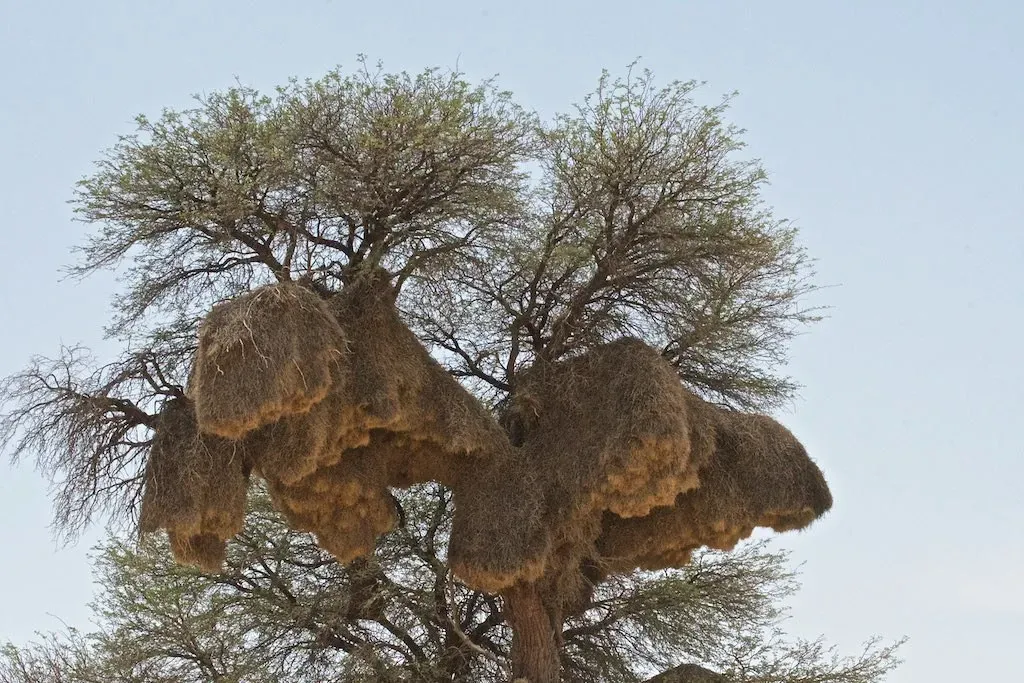
The sociable weaver builds one of the most unusual types of nests, used not only to accommodate breeding birds but providing a permanent home for the weavers that can last up to a century. These aren’t your typical bird nests. Sociable weavers create the world’s largest bird’s nest, which can measure over 20 feet long and house over 100 mated pairs and their offspring.
Social weavers are communal, living with up to 100 breeding pairs in a nest community, with the total population reaching several hundred birds including offspring. These massive structures become apartment complexes for multiple generations. The nests can weigh up to a ton or sometimes even more, and reach up to 6 meters wide. It’s hard to say for sure, but these birds might have invented the concept of cooperative housing long before humans did.
Prairie Dog Towns: Vast Underground Networks
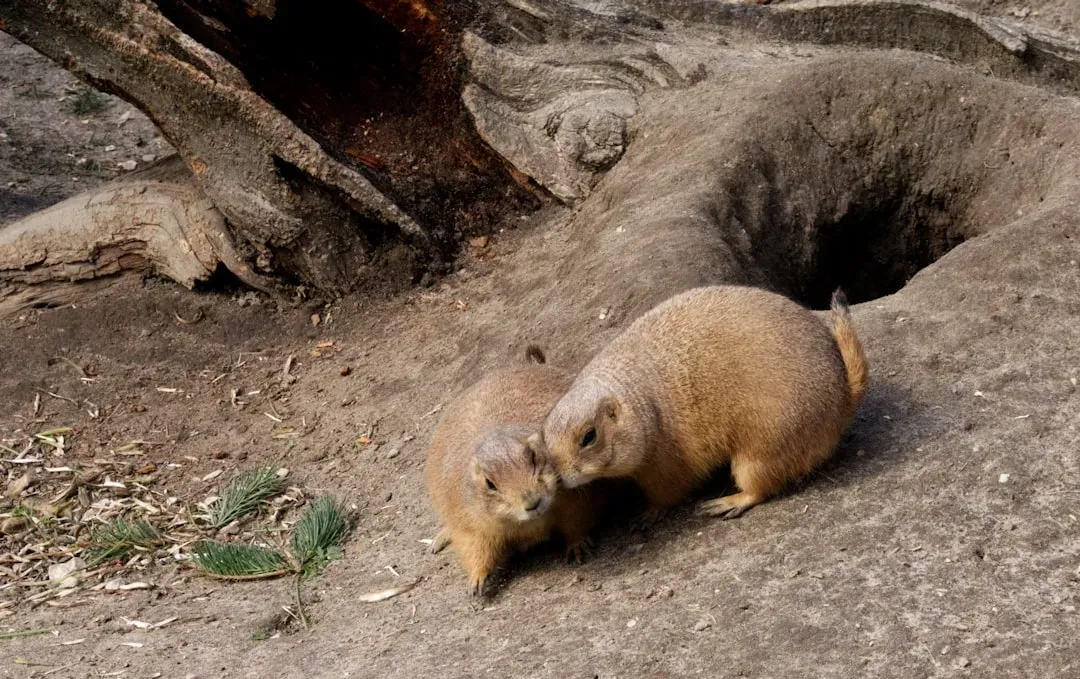
Prairie dogs are small rodents that live in large colonies called towns, made up of a network of burrows connected by tunnels. The scale of these underground cities is genuinely impressive. Each burrow has different chambers for sleeping, nursing young, and hiding from predators, with prairie dog towns covering many acres and providing homes for thousands of prairie dogs.
What makes these constructions particularly fascinating is their social organization. Prairie dog burrow systems reflect complex social organization with different families occupying specific areas within larger town structures. These underground networks aren’t just random tunnels; they’re carefully planned neighborhoods with designated areas for different purposes, complete with ventilation shafts and multiple escape routes. The engineering involved rivals that of subway systems in major cities.
Compass Termite Mounds: Solar-Oriented Temperature Regulators
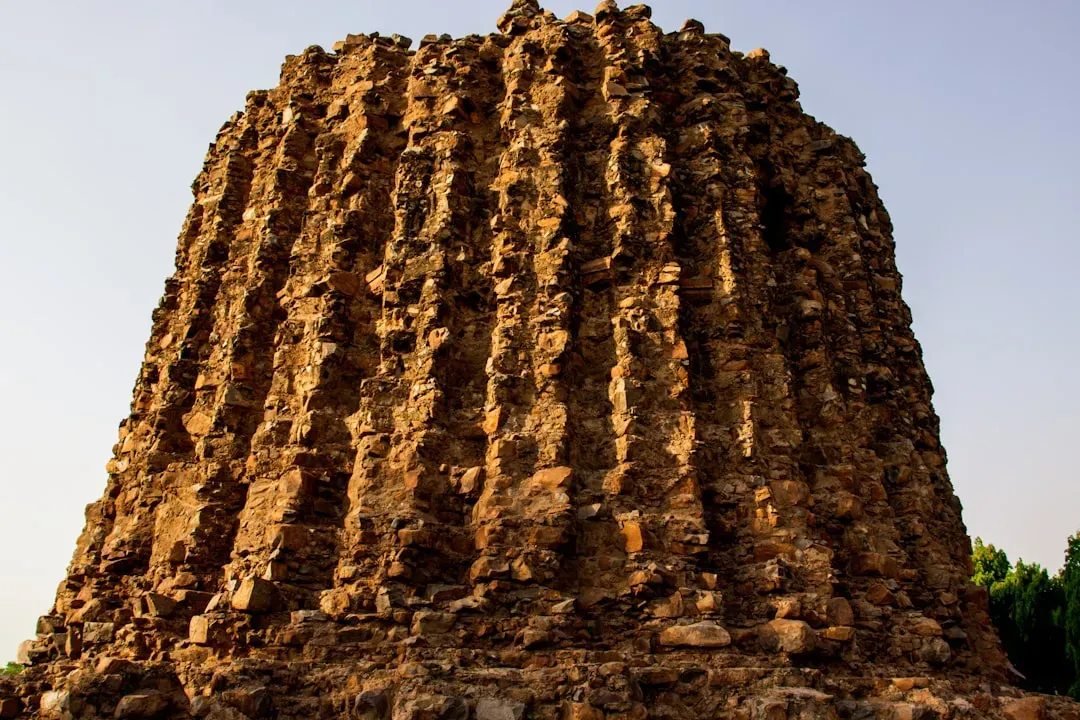
These mounds can reach up to 13 feet tall, 8 feet wide, and over 3 feet deep, with each one potentially hiding a million compass termites inside. What sets compass termites apart from other termite species is their unique architectural approach. Compass termites get their name from the wedges being typically north-south oriented, with scientists believing they are built this way to regulate the temperature of the underground nest, as the warmth of the sun hits the nest’s sides in the mornings and evenings and exposes less surface midday.
A mixture of soil, saliva, and dung creates the material for the structure. The precision with which these termites orient their mounds demonstrates an understanding of solar physics that seems almost impossible for such tiny creatures. They’ve essentially created passive solar heating and cooling systems, maximizing warmth during cooler times and minimizing heat exposure during the hottest parts of the day.
Conclusion
The animal kingdom’s architects remind us that innovation, creativity, and engineering genius aren’t exclusively human traits. From termites building climate-controlled towers to beavers reshaping entire landscapes, these creatures have perfected construction techniques over millions of years of evolution. They build without formal education, without tools as we know them, and without the ability to draw up plans or hold committee meetings.
What’s particularly humbling is realizing that many of these structures outperform human designs in terms of sustainability, efficiency, and environmental integration. Animals have developed brilliant construction techniques that often surpass human engineering in efficiency and sustainability, with scientists studying these designs to influence real-world technology – from self-cooling buildings inspired by termite mounds to stronger materials mimicking spider silk.
Perhaps the greatest lesson these remarkable animal constructions teach us is that the best architecture works in harmony with nature rather than against it. These builders don’t extract and exploit; they create, adapt, and enhance their environments. What do you think – could we learn a thing or two from nature’s master architects? The evidence is literally all around us.

- 14 Signs the Backyard Birds That Left Your Yard Are Quietly Coming Back - July 21, 2026
- 12 Cat Breeds Vets Refuse To Recommend to First Time Owners - July 21, 2026
- 6 US States With the Most Alligators - July 21, 2026