
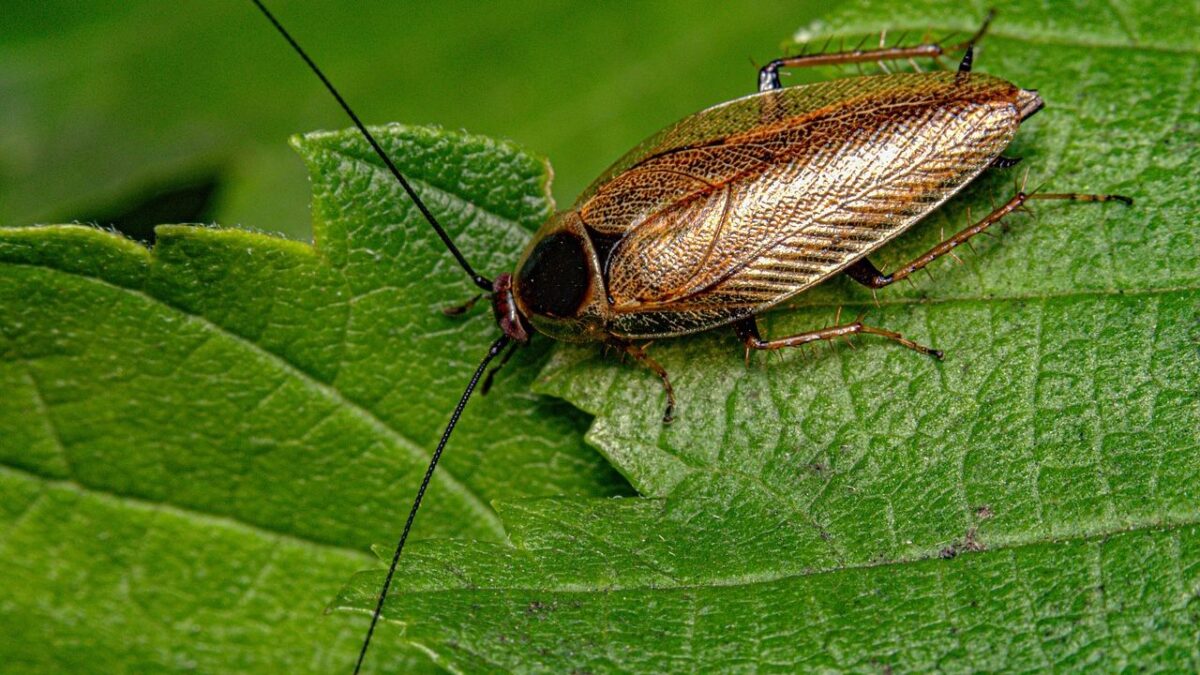
You probably think cockroaches invade because of dirty kitchens or overflowing trash cans. Sure, those things definitely don’t help. Yet there’s something far more unexpected drawing these persistent pests through your door, something you might actually enjoy yourself.
It turns out these unwanted visitors have a sophisticated sense of smell that can detect potential resources from impressive distances. Their antennae function like highly advanced chemical detectors, picking up molecular signals in the air that guide them straight toward your home. What’s truly shocking is that some of the very items you use to make your house smell pleasant could be rolling out the welcome mat for roaches.
The Sweet Smell of Trouble
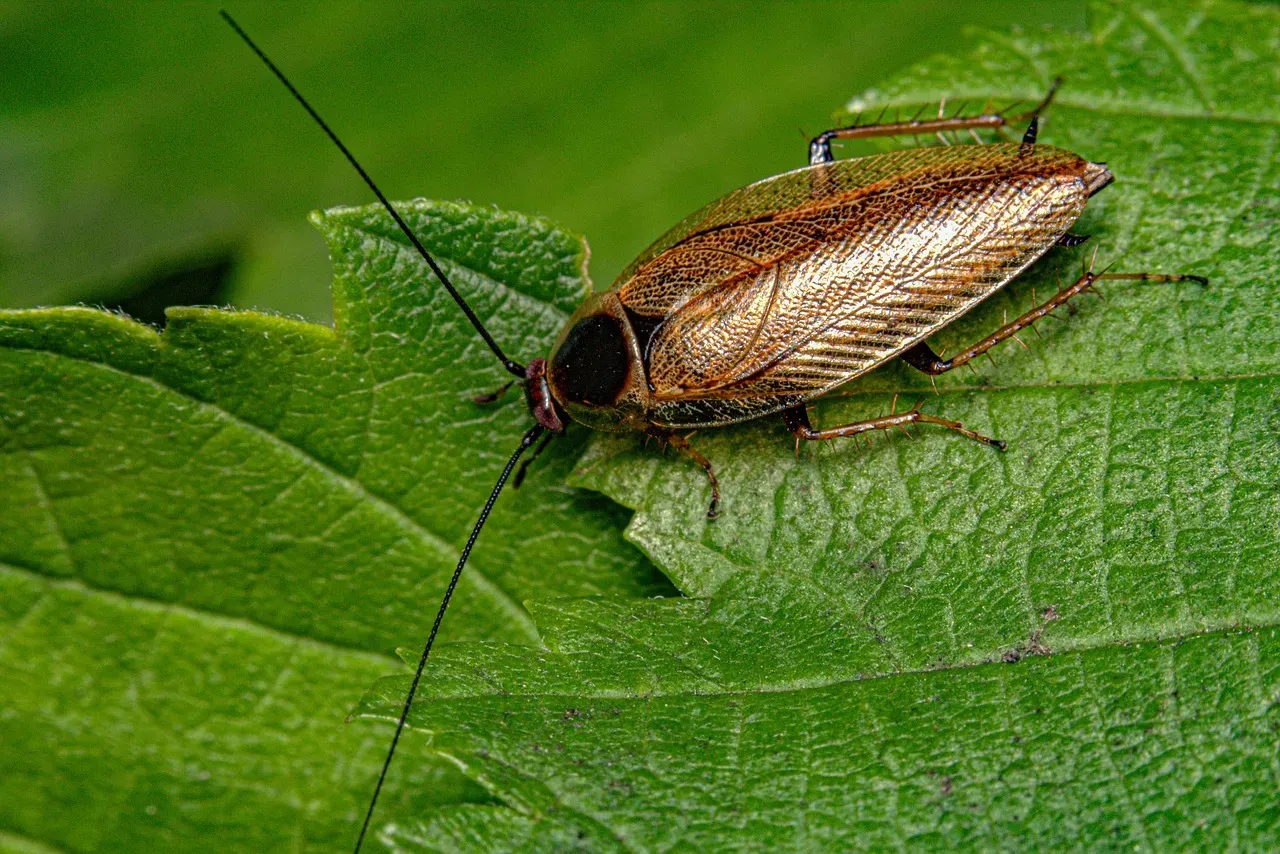
Sweet or floral fragrances from scented candles and air fresheners can lure cockroaches, particularly when those scents mimic food sources. Decorative candles with a honey aroma just might attract roaches, creating an ironic situation where your efforts to freshen your home actually invite pests inside. Think about it for a moment: you light that vanilla bean or cinnamon roll candle, and while you’re enjoying the cozy atmosphere, roaches are picking up signals that resemble their favorite sugary snacks.
Scented home products including candles, air fresheners, and cleaning products might inadvertently attract roaches, especially those with food or food-related scents. The problem intensifies when these products contain natural fragrances derived from organic materials that roaches associate with nutrition.
Dirty Laundry Is a Roach Magnet
Here’s something most people never consider. Dirty laundry attracts roaches because it carries residual sweat and perfumes which is all too appealing to roaches. Your hamper might be silently broadcasting dinner invitations to every cockroach in the neighborhood.
The combination of body oils, cologne, and potentially food spills creates an olfactory cocktail that roaches find irresistible. Dirty laundry hampers shouldn’t have items sitting in them for too long, particularly gym clothes and workout gear. I know it sounds strange, but that pile of sweaty shirts could be exactly what’s bringing roaches into your bedroom or bathroom.
The Grease Connection Nobody Talks About
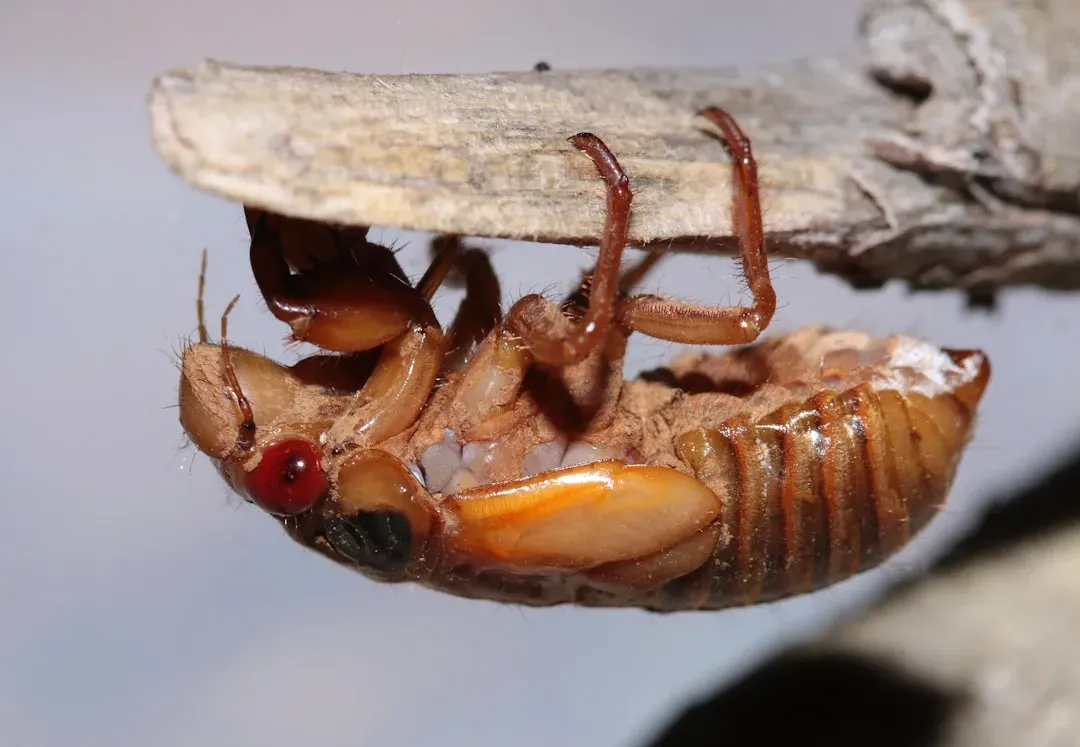
Roaches are highly sensitive to sweet aromas, greasy or oily scents from leftover cooking oil, pizza boxes, or fried food residues. That pizza box sitting in your recycling bin isn’t just trash to a cockroach. It’s basically a five-star restaurant advertisement.
Grease accumulation tells a powerful story to roaches about consistent food availability. Even small amounts of cooking oil residue under your stove or behind appliances send unmistakable signals. German cockroaches are drawn to food debris but have a preference for grease buildup, making your kitchen their ideal destination. The worst part is that grease doesn’t just sit on surfaces; it becomes airborne as tiny particles that roaches can detect from surprising distances.
Their Own Smell Brings More Roaches
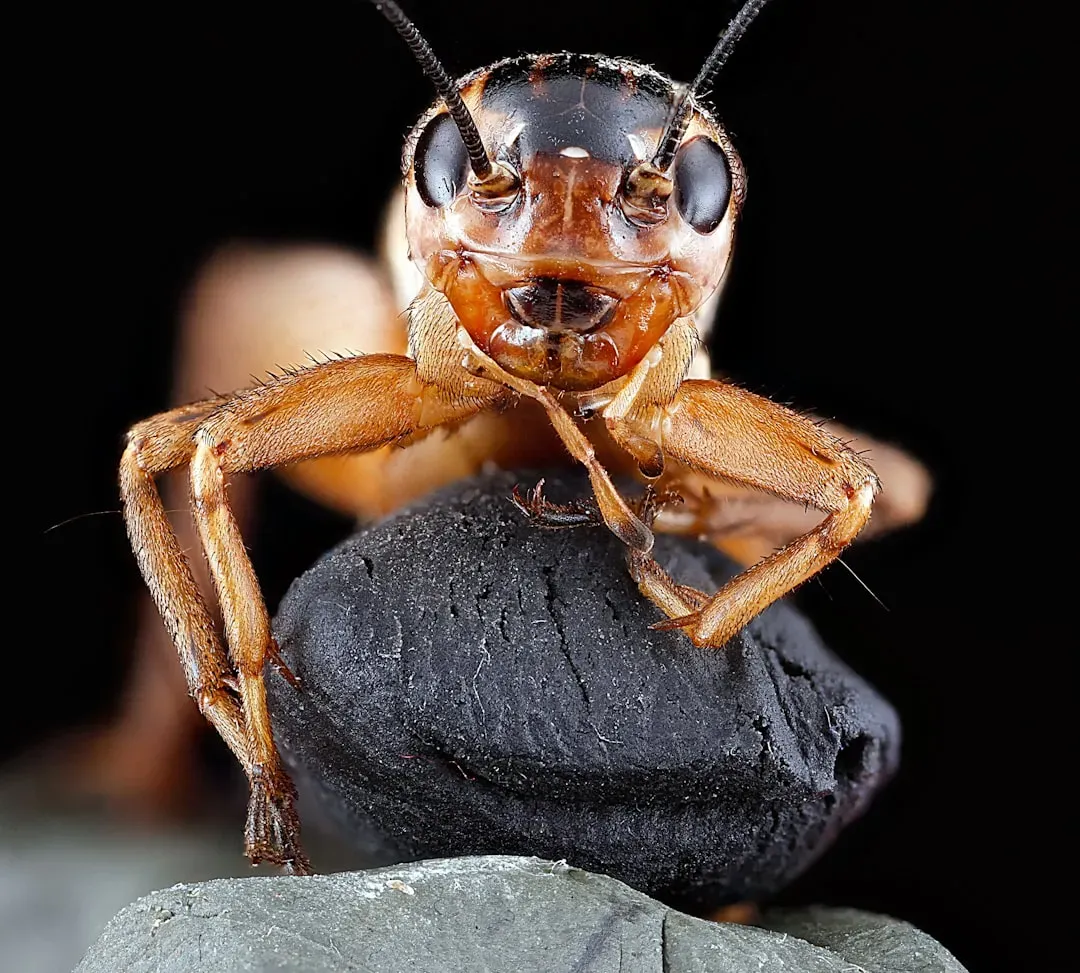
This might be the most disturbing fact of all. Killing a cockroach can attract more to the area because there is an acid released when they die that can be smelled from a distance. This oleic acid released when cockroaches die can be smelled from a distance and attracts more of them to the area, triggering a response in cockroaches to consume their fallen comrade if food isn’t available.
Beyond death signals, living roaches constantly communicate through pheromones. Research found that German cockroach waste contains around forty volatile carboxylic acids acting as aggregation pheromones, but feces from sterile cockroaches lacked many of these pheromones. Essentially, roaches follow chemical breadcrumbs left by other roaches, creating trails that lead directly to shelter and food. These aggregation pheromones help roaches find safe spots to hide and breed.
Fermenting Foods and Beverages Are Beacons
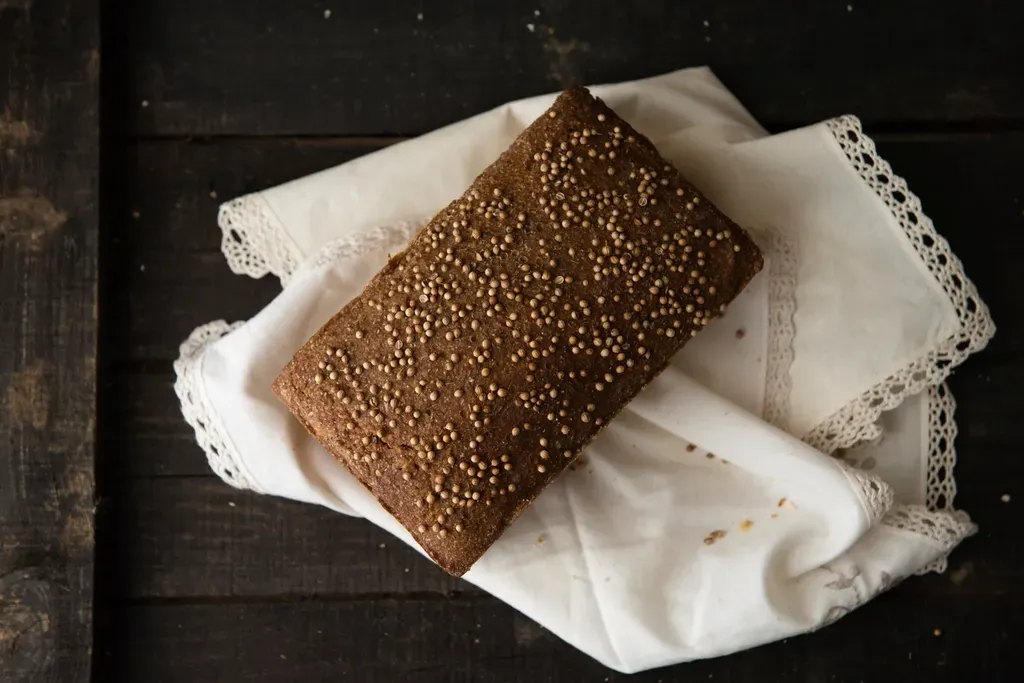
American cockroaches prefer decaying organic matter and are particularly attracted to fermenting foods like fruit and beer. That bowl of browning bananas on your counter or the beer can left out overnight? Both are basically cockroach billboards.
The fermentation process releases complex organic compounds that roaches can detect with remarkable precision. Sugary and fermented beverages like soda and alcohol can be appealing to cockroaches. Research has shown that bread and beer seem to attract the most roaches, which honestly explains a lot about late-night kitchen encounters. The combination of sugars breaking down and releasing aromatic compounds creates an olfactory signature that roaches find completely irresistible.
Moisture Has Its Own Peculiar Smell

You might think moisture doesn’t have a scent, but roaches certainly behave as though it does. While you might not think moisture has a scent, conjure the smell of grandma’s basement or your home’s crawlspace. That damp, earthy smell signals water availability to cockroaches.
Leaky pipes, dripping faucets, and standing water all create humidity that roaches need to survive. Cockroaches need water to survive and are naturally attracted to moisture, including leaky pipes, dripping faucets, and standing water in sinks or showers. The musty smell associated with dampness becomes a homing beacon for these pests, especially in basements and bathrooms where moisture tends to accumulate.
Soap and Starch Aren’t Safe Either
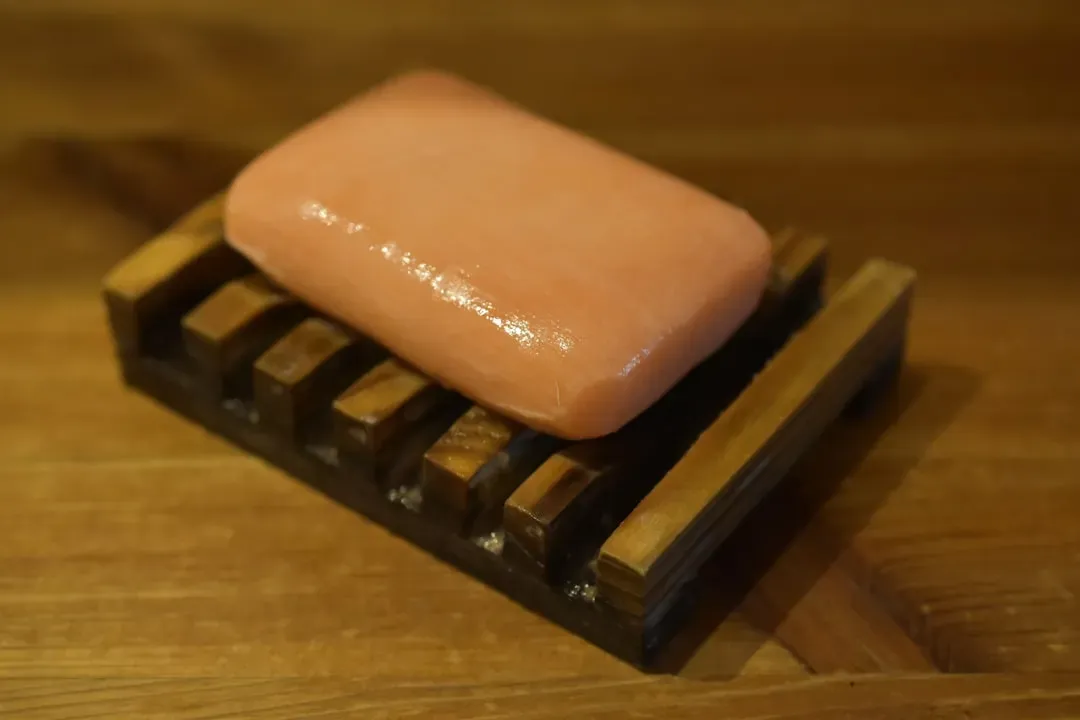
This one really surprised me when I first learned about it. Roaches can feed on the starch in glue, and soap residue, especially bar soap left wet in bathrooms, attracts them. Even your hygiene products could be part of the problem.
Book bindings, cardboard boxes, and paper products all contain glue with starchy components that roaches consider nutritious. Bar soap, particularly when it sits wet on a dish, leaves behind residues that smell appealing to roaches. The organic compounds in soap mimic natural food sources in ways that attract their attention. It’s almost like roaches have evolved to exploit every possible resource in human environments, even ones we’d never consider food.
Conclusion: Rethinking Home Scents
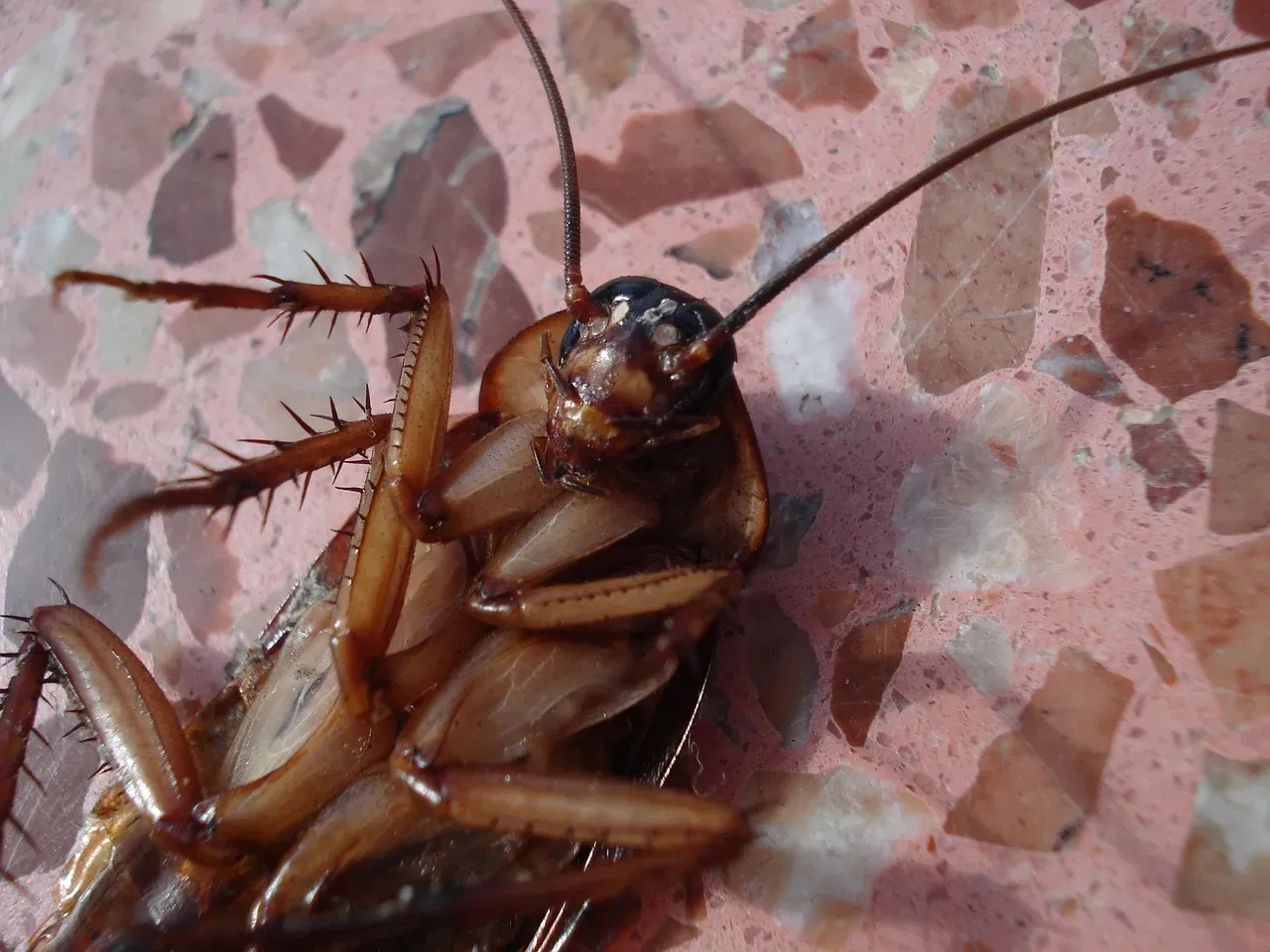
The scents attracting cockroaches into your home often hide in plain sight. From the honey-scented candle on your coffee table to the forgotten gym clothes in your hamper, these pests respond to chemical signals you might not even consciously notice. Understanding what draws them in represents the first step toward keeping them out.
The solution involves more than just cleanliness, though that certainly helps. Consider switching to unscented or roach-repelling alternatives like lavender or citrus-based products. Store food in airtight containers, manage moisture issues promptly, and yes, do your laundry regularly. Sometimes the best defense is simply being aware that what smells pleasant to you might smell like an open invitation to unwanted guests.
What surprising scent do you think has been attracting roaches to your home? Share your experiences in the comments below.

- Why Wolves Were Reintroduced to Yellowstone - July 15, 2026
- The Resurgence of America’s Wild Horses: A Symbol of Freedom and Hope - July 15, 2026
- 10 Cat Breeds That Tolerate Dogs Surprisingly Well - July 15, 2026