
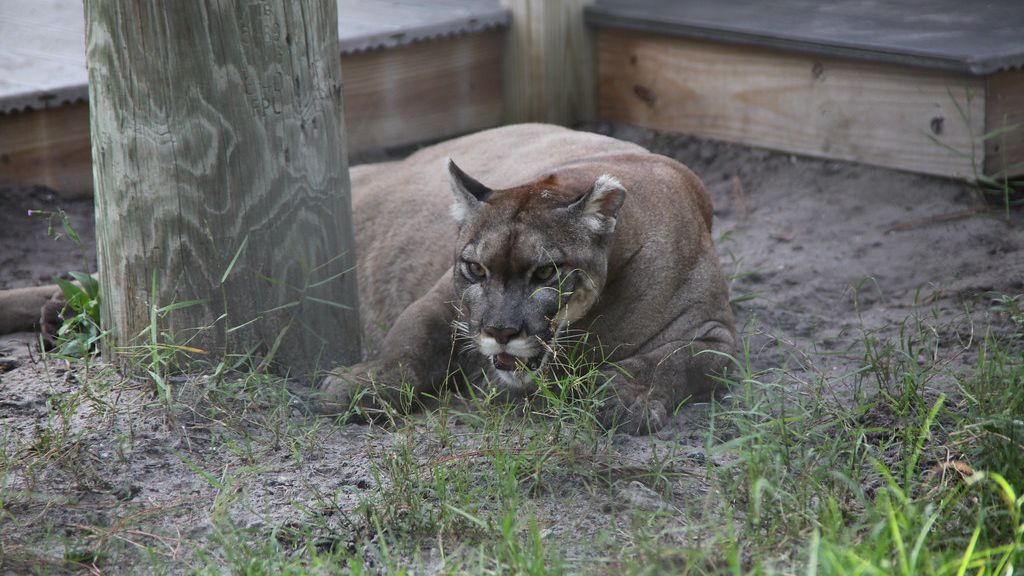
Think about this for a second. The fate of an entire species, one barely clinging to survival in the swamps of south Florida, rested in the hands of schoolchildren casting ballots. Sounds like something from a storybook, right? Yet in the early 1980s, that’s exactly what happened when more than half a million students across Florida participated in a statewide vote that would change conservation history forever.
Most people don’t realize how close the Florida panther came to vanishing completely. These sleek, tawny cats were once so rare that biologists literally called them walking ghosts. Their story is one of resilience, scientific gambles, and an unexpected democratic moment that proved kids sometimes understand what matters most.
When a Polar Bear Almost Became Florida’s Mascot
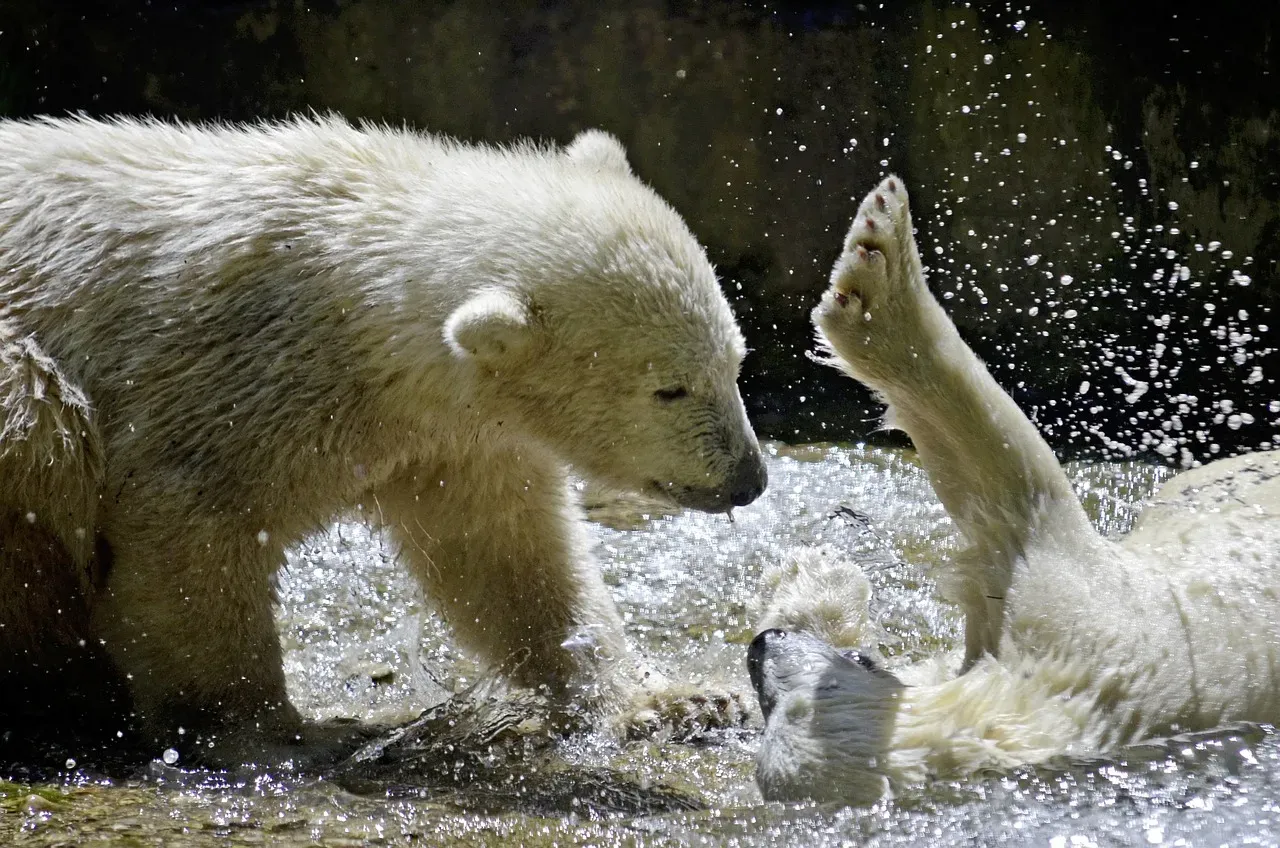
Here’s where things get interesting. In 1981, Education Commissioner Ralph Turlington and Representative William Bankhead worked together to promote the Florida panther as the state animal, though originally, Bankhead had proposed a bill to make the polar bear the state animal. Yes, you read that correctly. A polar bear in the Sunshine State.
Turlington, involved in education, thought that student participation in a statewide election of a preferred state animal would be a great learning experience, so he organized, monitored, and completed a state animal poll of children across Florida. The polar bear proposal was clearly meant as a placeholder, maybe even a joke, something to spark conversation. It worked brilliantly, setting the stage for something far more meaningful.
Half a Million Students Cast Their Votes
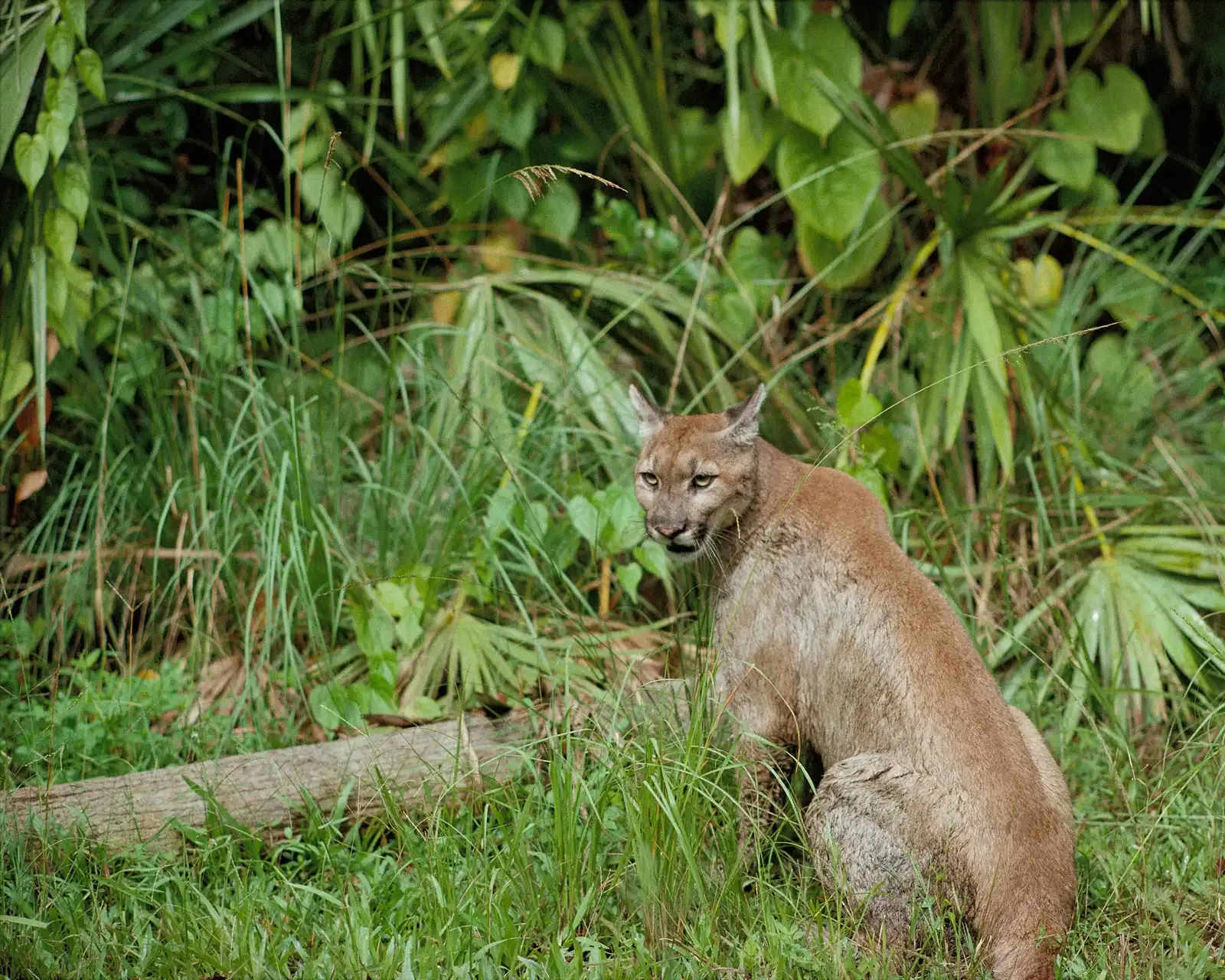
Schools across the state’s 67 counties received ballots, and over 500,000 students studied the habitats and conservation needs of four primary candidates: the alligator, the manatee, the key deer, and the Florida panther. This wasn’t just a popularity contest. Teachers turned it into a real civics lesson, with students researching each animal’s role in Florida’s ecosystem.
While some students got creative with write-in votes for dolphins, rattlesnakes, and even monkeys, the final tally was decisive, and in a poetic twist, the children chose the animal they were least likely to ever see in the wild, with 211,729 votes going to the Florida panther. Think about that choice for a moment. Kids didn’t pick the alligator they might spot from a car window or the manatee bobbing in coastal waters. They chose the ghost cat, the nearly extinct predator hiding deep in the Everglades. That tells you something profound about how children perceive value beyond what’s immediately visible.
From Student Vote to State Symbol
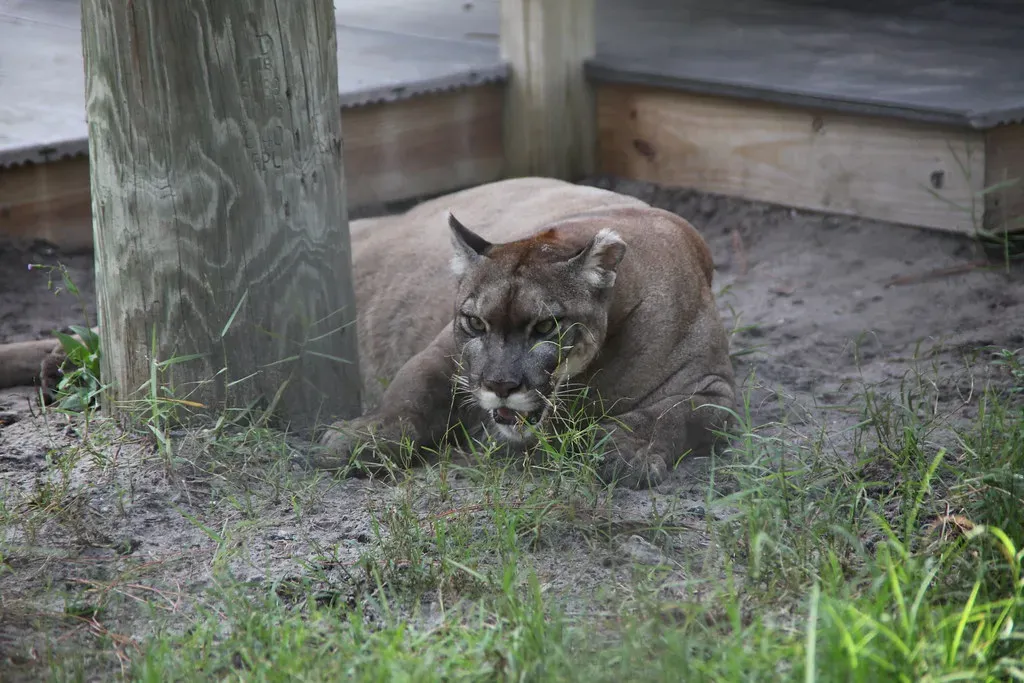
The student vote created a groundswell that legislators couldn’t ignore. Turlington reported the poll results to the state legislature, and in 1982, the state legislature adopted the Florida panther as Florida’s official state animal. There was resistance, of course. A state legislator balked at this choice and tried to pass a bill declaring the alligator to be the state animal instead.
Yet the kids’ voices prevailed. In a single act of civic theater, 211,729 students voted to name the Florida panther as the state animal, turning a conservation symbol into a statewide civics moment. That designation did more than create a warm fuzzy feeling. It locked the panther into Florida’s identity, making its survival a matter of state pride and political will. Politicians had to care because the state’s children had spoken.
Just How Close Were These Cats to Disappearing Forever?
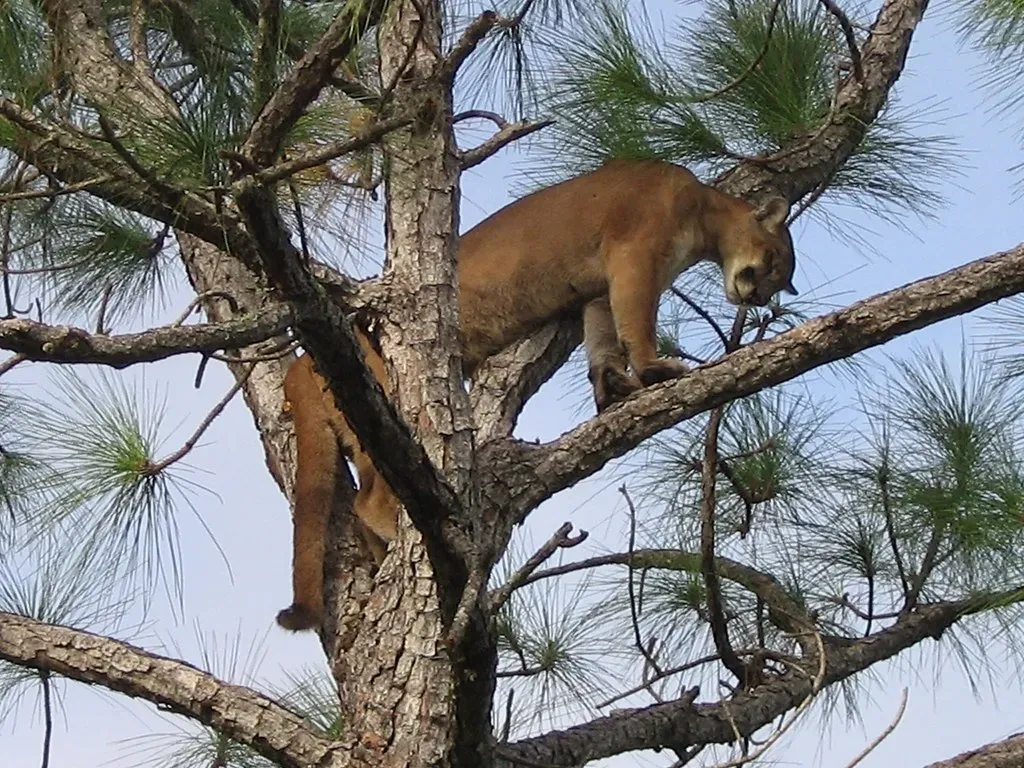
Let’s be real here. The situation was absolutely dire. In the early 1970s, the Florida panther, which once roamed across the entire Southeastern United States, had been pushed into the deepest, most inhospitable corners of the Everglades and Big Cypress Swamp, with only 20 to 30 individuals left. Some estimates put the number even lower. Biologists tracking them wondered if they were documenting an extinction in real time.
By 1995, the gene pool was so limited that the Florida panther was considered functionally extinct, though a genetic rescue involving the release of eight female cougars from Texas introduced new DNA, and the population surged from roughly 30 cats to over 100. That Texas rescue was controversial as all get out, with critics arguing about whether hybrid offspring would still qualify as true Florida panthers. Honestly, the alternative was watching them blink out of existence entirely.
The Protect the Panther License Plate Revolution
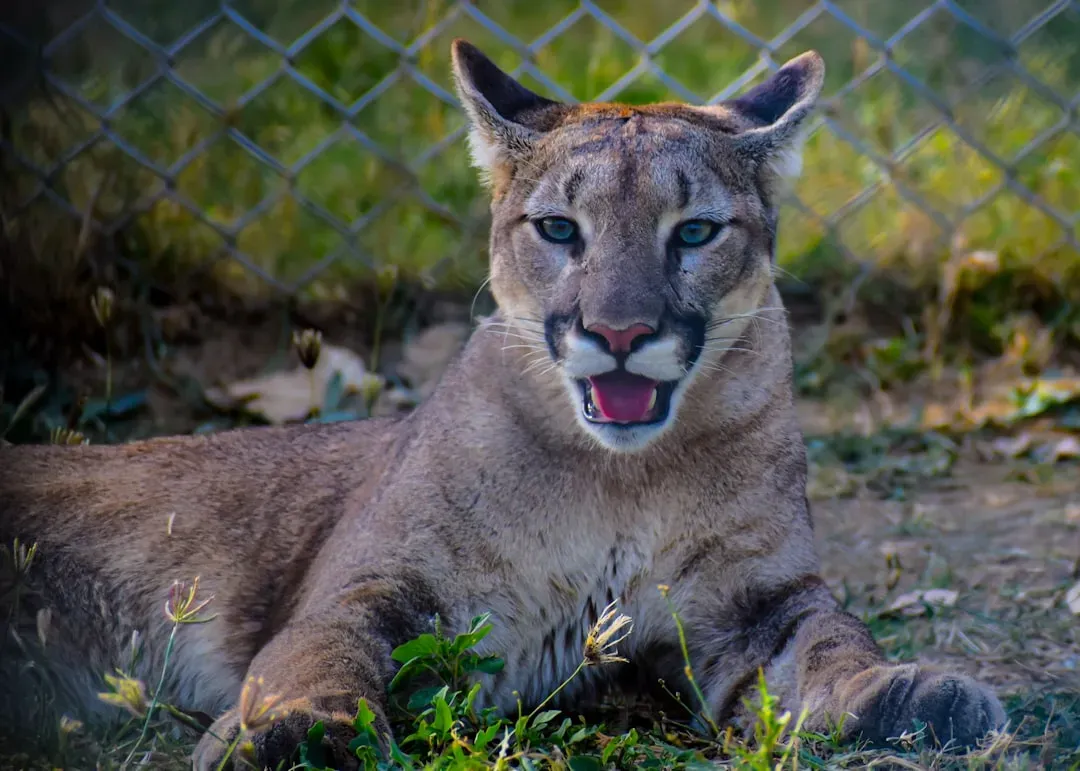
Naming the panther as state animal wasn’t just symbolic window dressing. It opened the door for real funding mechanisms. Launched in 1991, the Protect the Panther license plate remains a major funding source for the state’s research and management efforts, with each purchase contributing directly to the Florida Panther Research and Management Trust Fund, funding satellite tracking collars, genetic monitoring, and the construction of vital wildlife underpasses that save panthers from vehicle collisions.
Those specialty plates turned everyday drivers into panther advocates. Millions of dollars flowed into conservation programs because people wanted that distinctive plate on their vehicles. Wildlife underpasses, those tunnels beneath highways that let animals cross safely, became reality because the funding existed. Vehicle strikes remain the leading cause of panther death today, but without those underpasses, the numbers would be catastrophic.
What Protecting Panthers Really Means for Florida
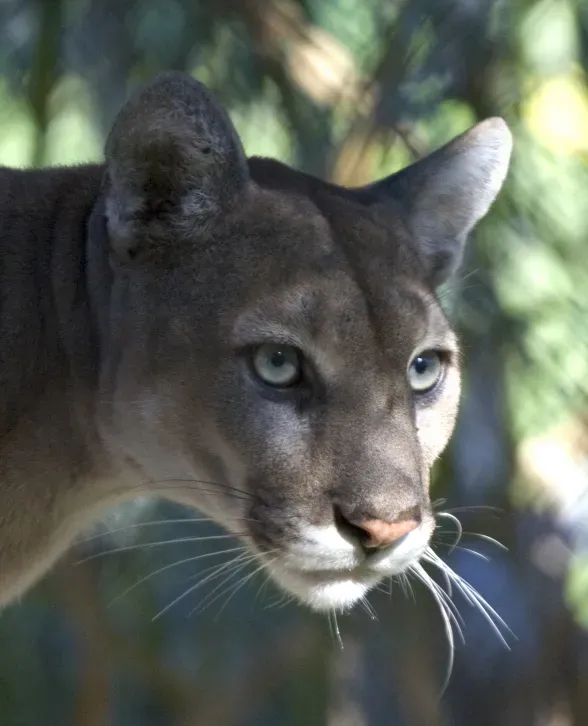
The Florida panther is vital to the state’s ecosystem because it acts as an umbrella species, with a single male needing a vast home range averaging about 200 square miles, meaning protecting just one individual necessitates preserving vast parcels of land, and by securing these large areas and the wild corridors that connect them, thousands of species of birds, insects, and rare plants thrive simply because they share a habitat with the panther. That’s the brilliance of focusing on one charismatic species.
Panther habitats often overlap with Florida’s vital watersheds, and protecting these lands secures the aquifers that provide clean drinking water for millions of Florida’s residents. When kids voted for the panther in 1982, they were unknowingly voting to protect the entire web of life that sustains Florida’s environment. The panther became the flagship, but everything else came along for the ride.
The Legacy Lives On in Today’s Florida
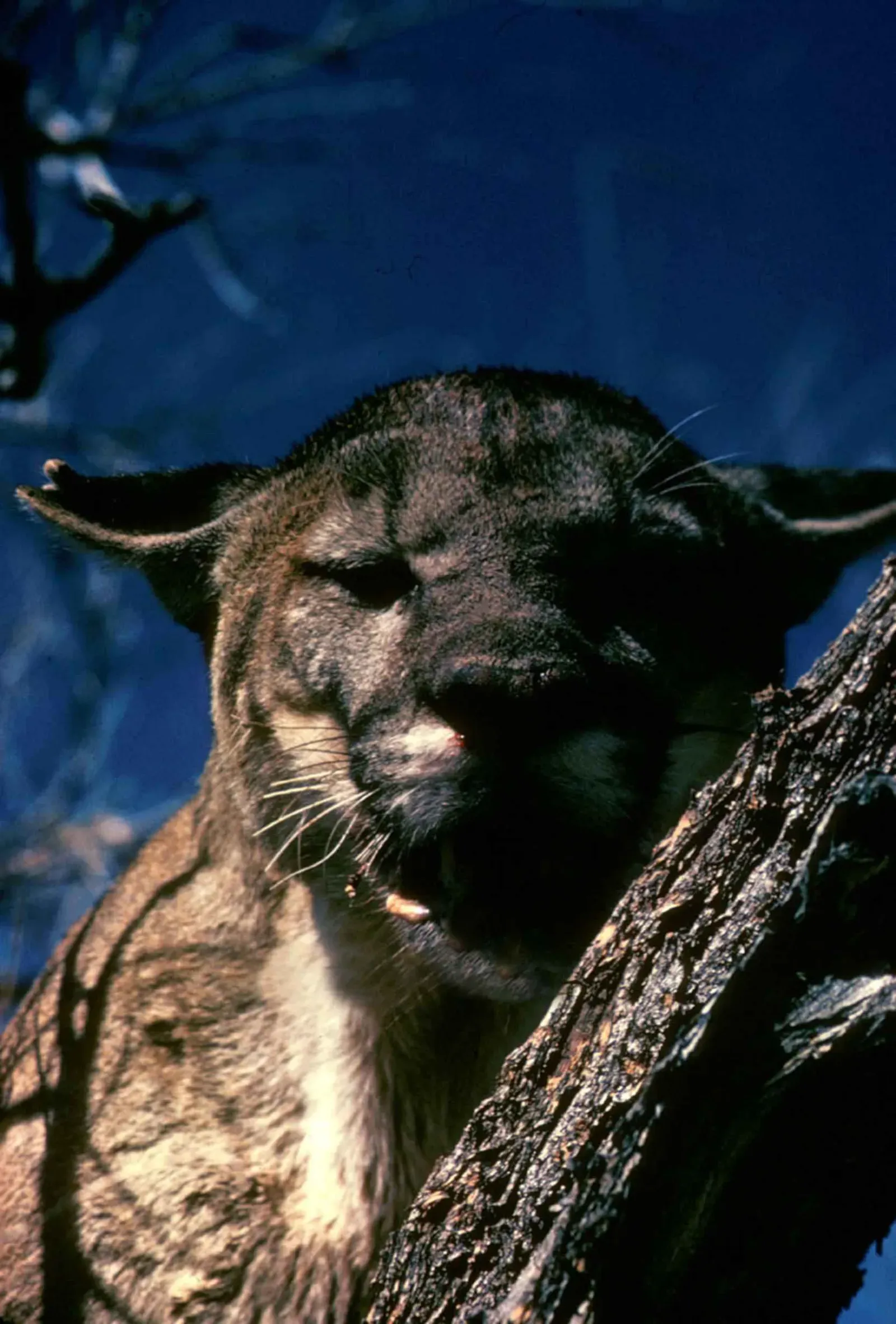
The panther’s journey from near extinction to an estimated population of 120 to 230 adult panthers is remarkable, though some experts caution that this range may be outdated and the population remains vulnerable. The cats still face enormous challenges, from habitat loss to vehicle strikes to genetic bottlenecks. Florida welcomes hundreds of new residents daily, each one requiring housing, roads, and infrastructure that chip away at panther territory.
Yet the fact that the Florida panther still exists in 2025 is a testament to both scientific ingenuity and political resolve, with recovery fueled by a bold genetic experiment involving cougars from Texas, and a historic democratic push that began from an unlikely source: Florida’s classrooms. Those students who voted in 1981 are adults now, many with children of their own. They carry the memory of that civics lesson, of being trusted to make a decision that mattered. Some became the biologists, legislators, and conservationists continuing the work today.
The story of how Florida’s kids saved the panther proves something essential about conservation. Big wins don’t always come from courtrooms or scientific labs. Sometimes they start with ballots in elementary school classrooms, with young voices insisting that a ghost cat deserves to survive, even if they’ll never see one prowling through the palmetto scrub. What do you think inspired those kids to choose the rarest, most mysterious option? Share your thoughts in the comments below.

- The Perfect Pet for Each Zodiac Sign - July 7, 2026
- The Wild Animal That Embodies Your Zodiac Sign’s Spirit - July 6, 2026
- 7 Steps to Planting Admirably Beautiful Bluebonnets - July 6, 2026