
Ever wonder what it’s like to be small enough to fit on a fingertip or light enough to weigh less than a dime? The natural world is teeming with impossibly tiny creatures that defy imagination. These miniature marvels don’t just survive in a world designed for giants. They thrive, evolve, and adapt in ways that would make any survival expert jealous.
You might think being small means being vulnerable, but honestly, many of these creatures have developed extraordinary skills that bigger animals could never dream of. From frogs the size of a housefly to bats that weigh less than a penny, prepare to meet nature’s tiniest titans. Let’s dive in.
The Pea-Sized Frog That Holds a World Record
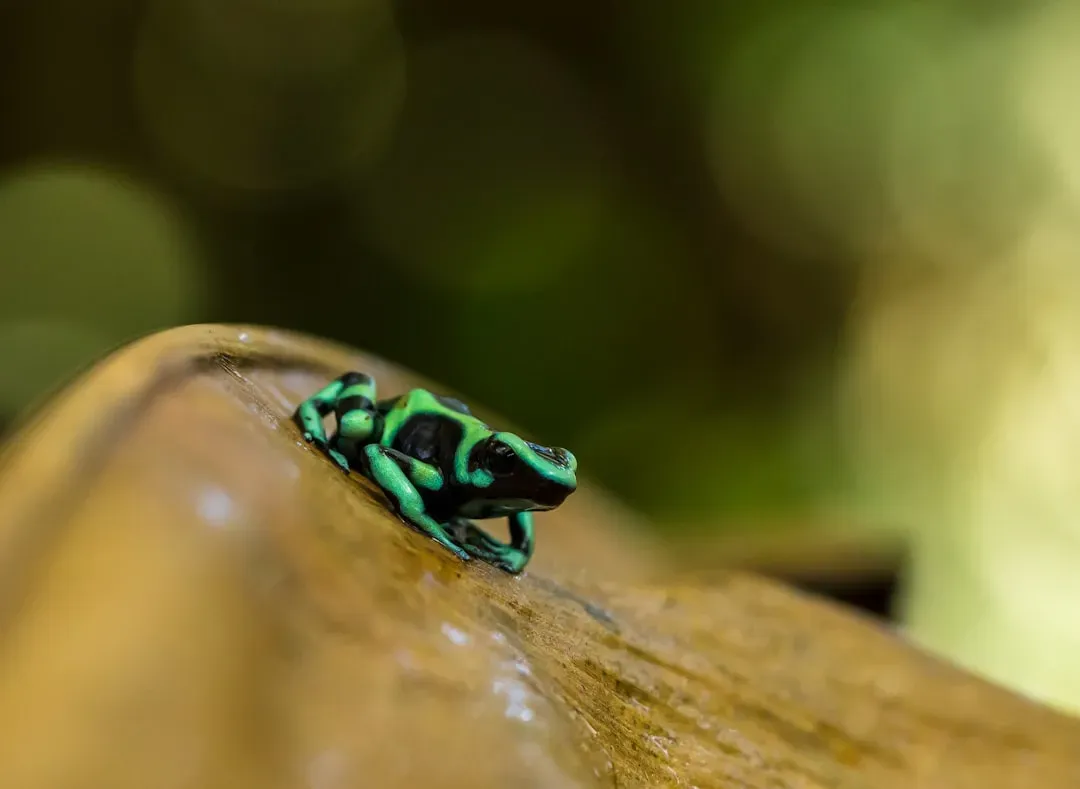
The Paedophryne amauensis frog measures just 7.7 millimeters long and is the smallest known vertebrate, even smaller than a previous record holder fish. Its body length is about the size of a pea. Think about that for a second – an entire living creature with bones, organs, and all the biological machinery needed to survive, compressed into something smaller than your pinky fingernail.
These frogs have calls that resemble insect sounds and are camouflaged among leaves on the forest floor, making them difficult to detect. They can jump an impressive thirty times their own body length, which is like a human leaping the length of nearly two basketball courts in one bound. Discovered in 2009, these minuscule frogs are found predominantly in the lush rainforests of Papua New Guinea, where they lead a solitary existence in the leaf litter on the forest floor.
What makes this even more remarkable is how these tiny amphibians reproduce. The Paedophryne Amauensis does not grow from a tadpole, but instead is born as an even smaller version of an adult frog. They hatch directly as “hoppers,” resembling miniature adults rather than undergoing a tadpole stage.
A Mammal That Weighs Less Than Two Pennies
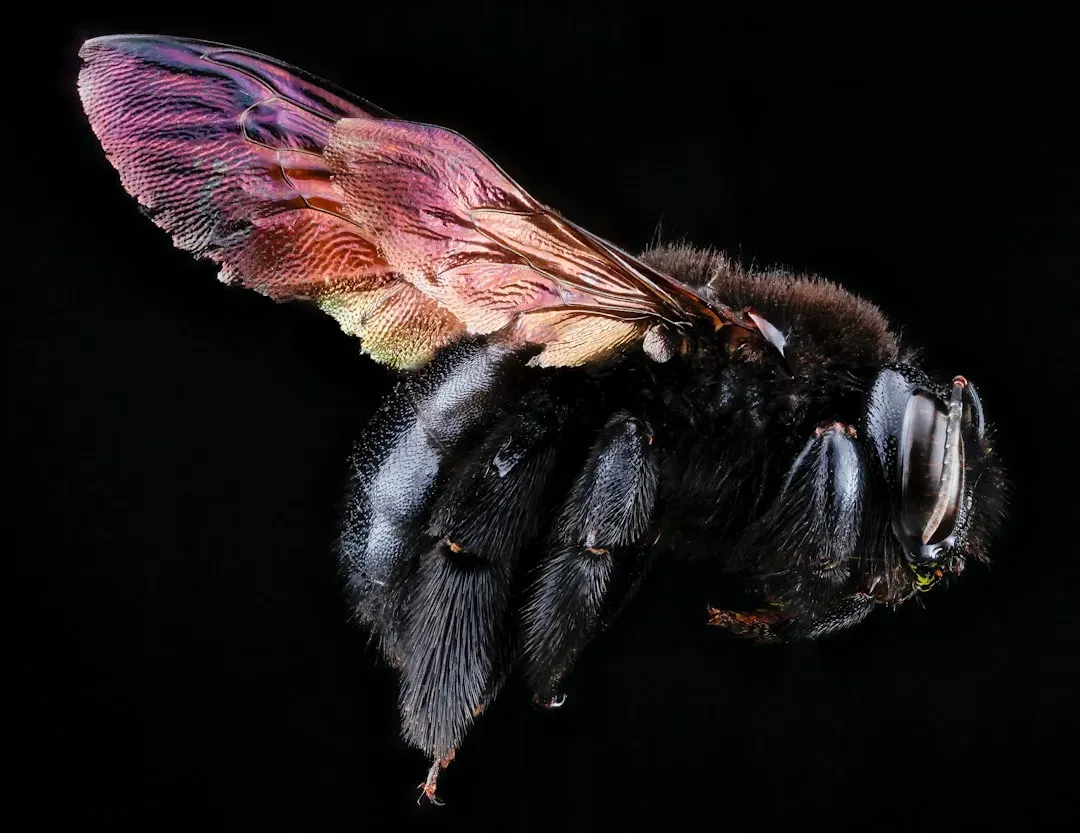
Kitti’s hog-nosed bat measures approximately 29 to 33 mm in length and weighs around 2 g, earning its common name “bumblebee bat” and the distinction of potentially being the world’s smallest mammal by body length. Weighing in at just two grams – about the weight of two Skittles, this creature redefines what it means to be tiny.
It occurs in western Thailand and southeast Myanmar, where it occupies limestone caves along rivers, with a distinctive pig-like snout. The bat has a brief activity period, leaving its roost for only 30 minutes in the evening and 20 minutes at dawn. Imagine having to squeeze your entire day’s hunting into less than an hour total.
With a wingspan of approximately 130 to 145 millimetres, it is 80 million times lighter than the world’s largest mammal, the blue whale. The bat has a distinctive swollen, pig-like snout with thin, vertical nostrils, which is where it gets its hog-nosed name.
The Tiniest Mammal by Weight
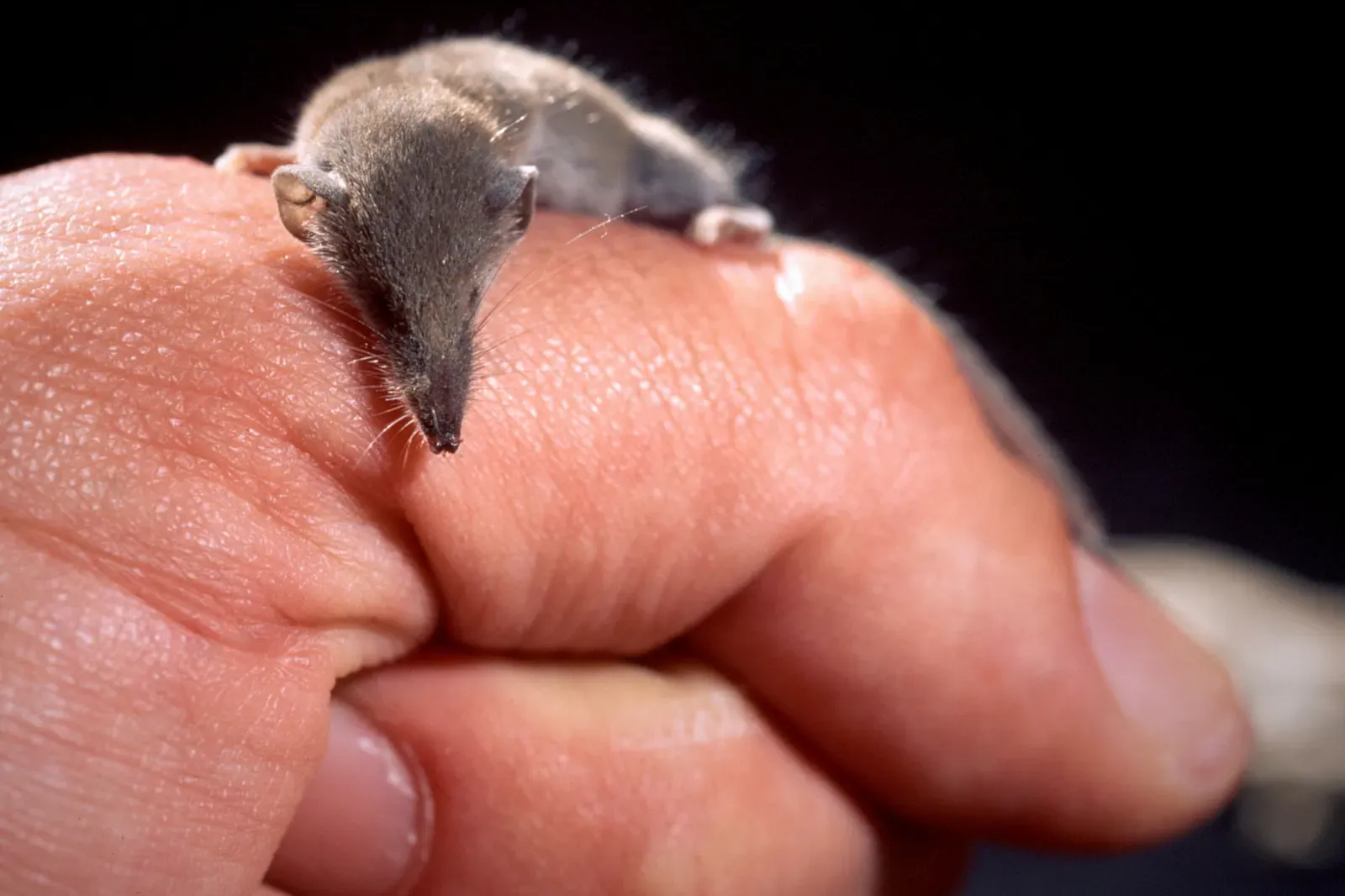
The Etruscan shrew weighs only about 1.8 g on average – as much as a paperclip – making it the smallest known extant mammal by mass (while the bumblebee bat is regarded as the smallest mammal by skull size and body length). Honestly, it’s hard to imagine something this small being a mammal at all.
It is characterized by very rapid movements and a fast metabolism, eating about 1.5 to 2 times its own body weight per day and feeding on various small vertebrates and invertebrates, mostly insects. Recovery from temporary hibernation is accompanied by shivering at a frequency of 58 muscle contractions per second, which induces one of the highest heating rates ever recorded in mammals.
The Etruscan shrew has a very fast heart beating rate, up to 1511 beats per minute. That’s roughly 25 heartbeats every single second. If it eats nothing for only four hours, it starves to death, which puts enormous pressure on this tiny hunter to constantly find food.
The World’s Smallest Primate Lives in Madagascar
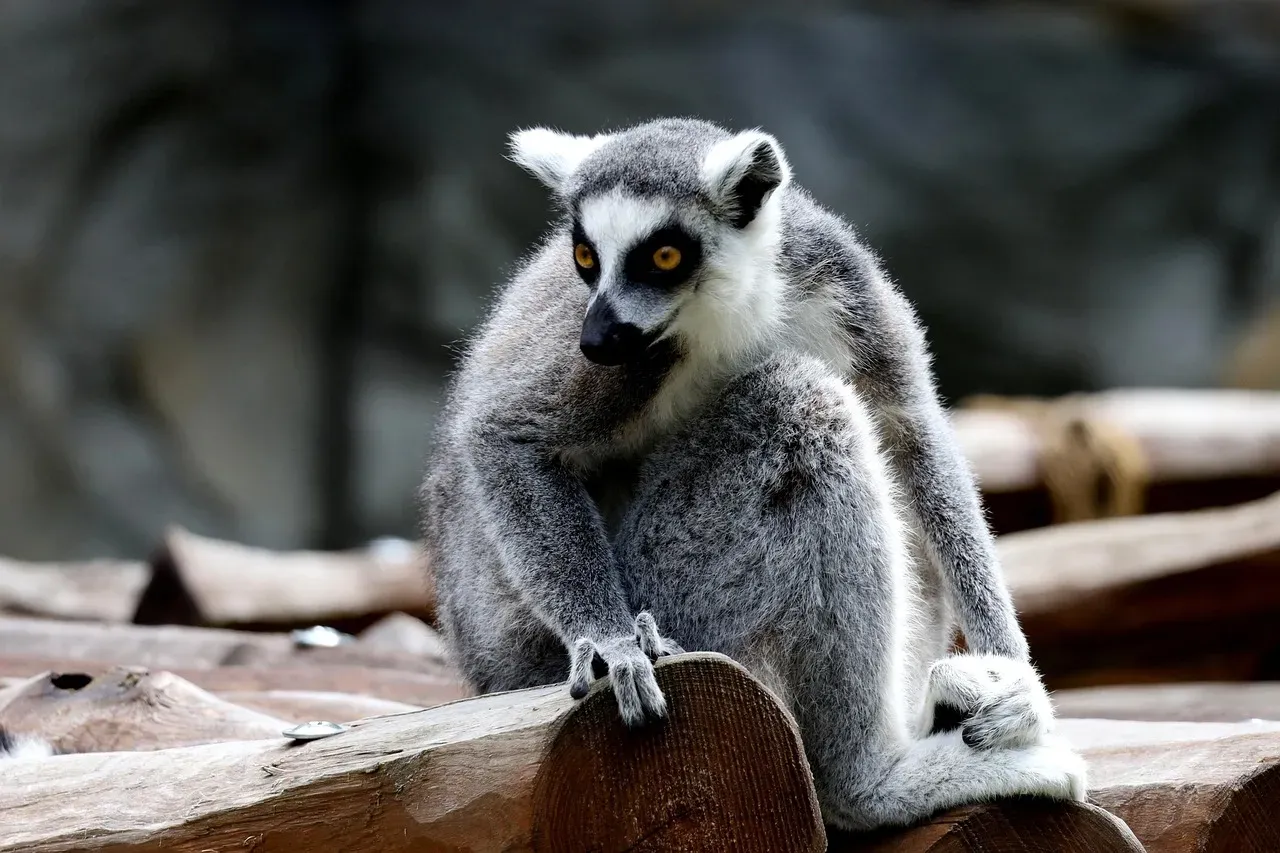
Madame Berthe’s mouse lemur weighs about an ounce (30 grams) and is considered to be the world’s smallest primate. At around 9cm long and weighing only 30g, it is named after renowned conservationist and primatologist Dr. Madame Berthe Rakotosamimanana of Madagascar.
Here’s the thing: being this small in a rainforest is no joke. Being tiny means they’re going to be able to navigate brambles and thickets much easier, which gives them access to food sources and hiding spots that larger primates simply can’t reach. This nocturnal forager can lower its internal temperature and metabolic rate to conserve water and energy during the dry season.
Endemic to a tiny portion of Western Madagascar, there is thought to be less than 22,000 hectares of suitable habitat remaining, meaning the total population is likely to be less than 9000 individuals. Let’s be real – that’s a worrying number for any species.
A Monkey Small Enough to Fit in Your Palm
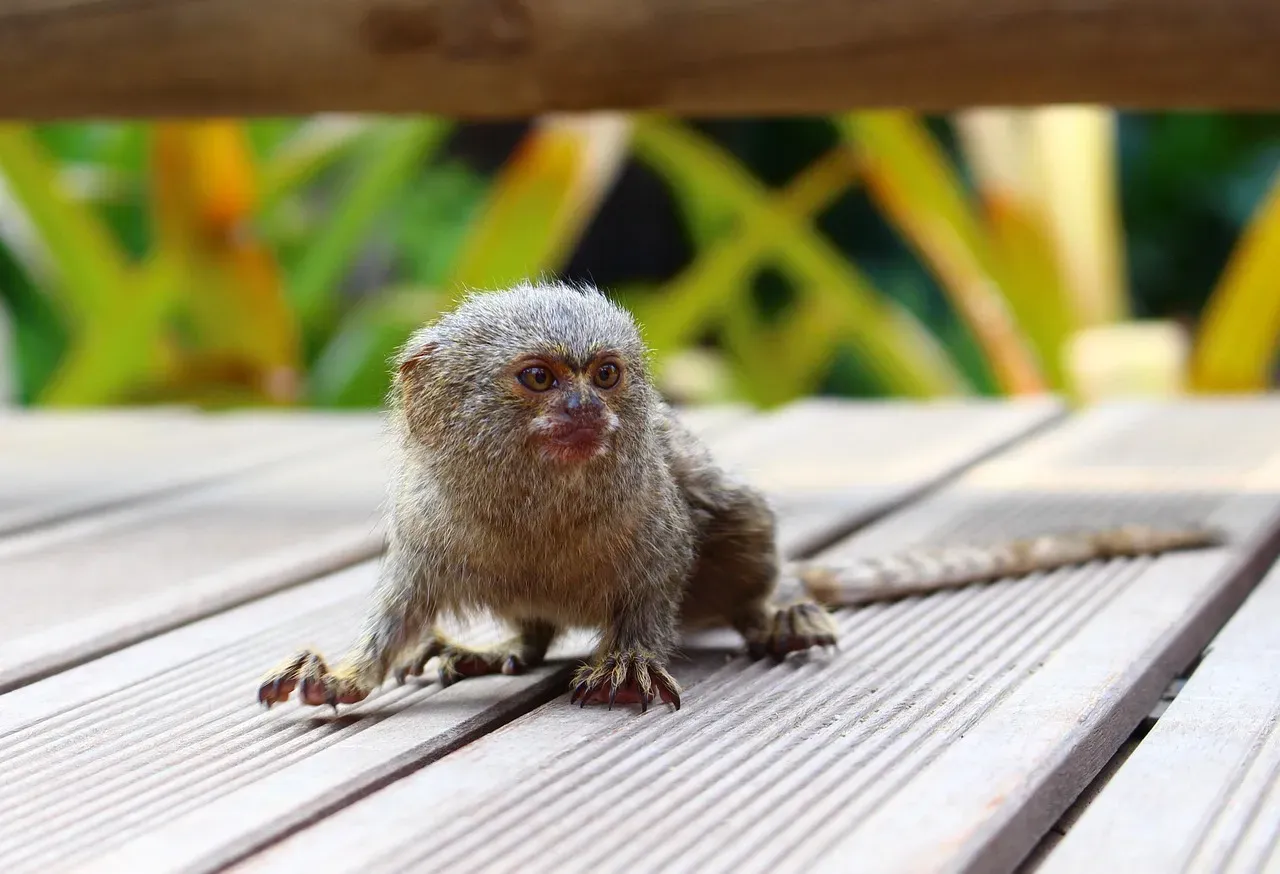
Pygmy marmosets live in South American forests and enjoy the distinction of being the world’s smallest monkey, measuring 4.6 to 6.2 inches tall, and their big eyes and adorable noses can melt even the coldest heart. Despite being so small (10 to 15 cm), it can leap up to 5 meters between branches.
Their diet is unique as they primarily consume tree gum, a substance similar to but functionally different from tree sap. They generally consist of a dense coat, a ringed tail longer than its body which aids in balance, specialized teeth that pierce tree bark, and sharp claws for tree climbing. These adaptations make them perfectly suited for their arboreal lifestyle.
Pygmy marmoset’s distribution includes the tropical forests of the Western Amazon basin, spread between Brazil, Colombia, Ecuador, Peru, and Bolivia. Their social structures are complex, and they communicate using high-pitched calls that can sometimes sound like bird chirps.
The Bee Hummingbird Takes Flight
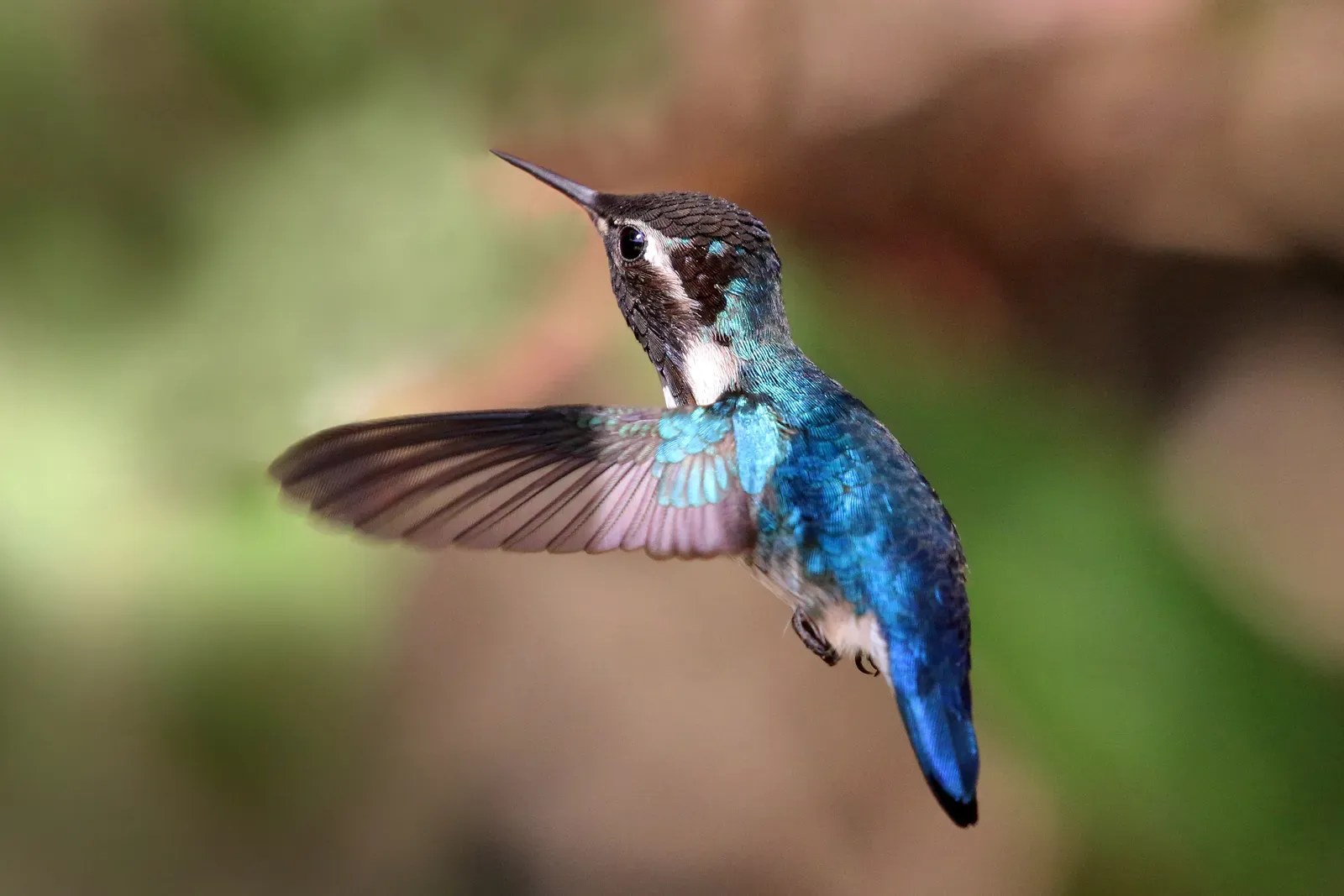
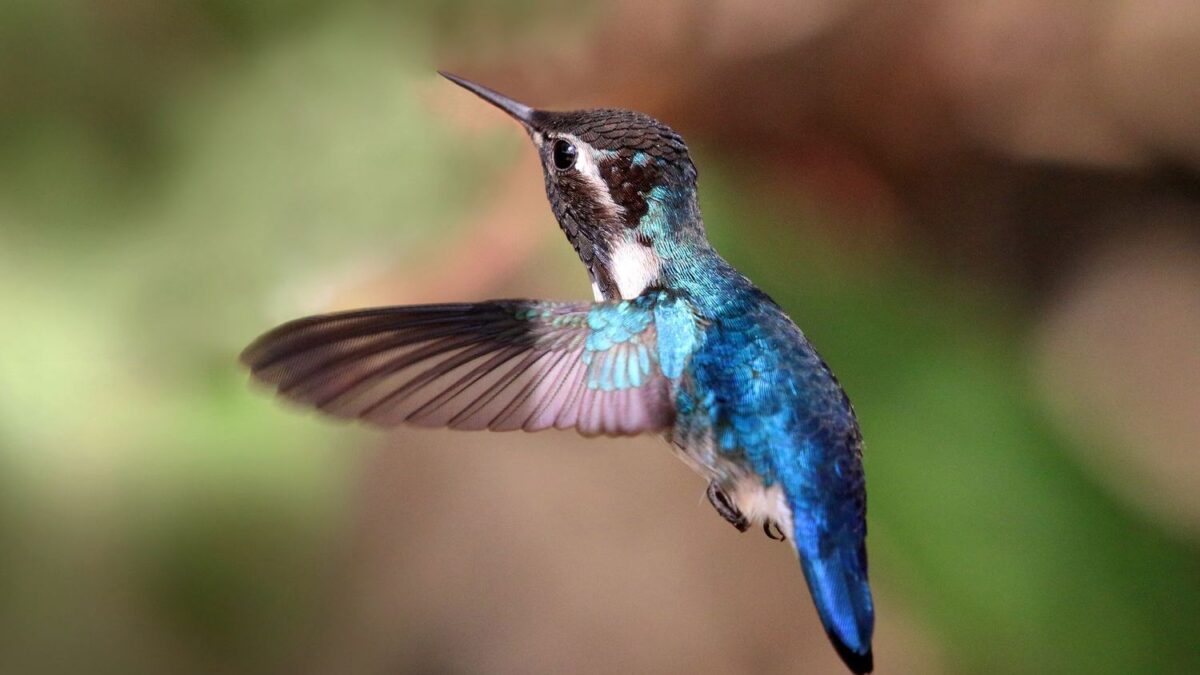
The bee hummingbird is the world’s smallest bird, measuring about 2.2 inches and weighing the same as a dime. It weighs about 1.8 g and is about 5 cm long, often mistaken for a bee, hence the name. At six centimeters at its largest, this species is the tiniest bird in the world and is found only in Cuba.
Like any good hummingbird in flight, the bee hummingbird can beat its tiny wings 80 to 200 times per second, creating that distinctive hovering effect that makes hummingbirds so mesmerizing to watch. The bird is known to drink water 8 times its total body mass and eat half its total body mass daily.
The female bee hummingbird builds her nest at just 1 inch across, and her eggs are the size of a coffee bean. It’s hard to imagine such precision at that scale. The nest construction alone is a feat of engineering that rivals anything humans have built.
A Fish So Tiny It Was Almost Microscopic
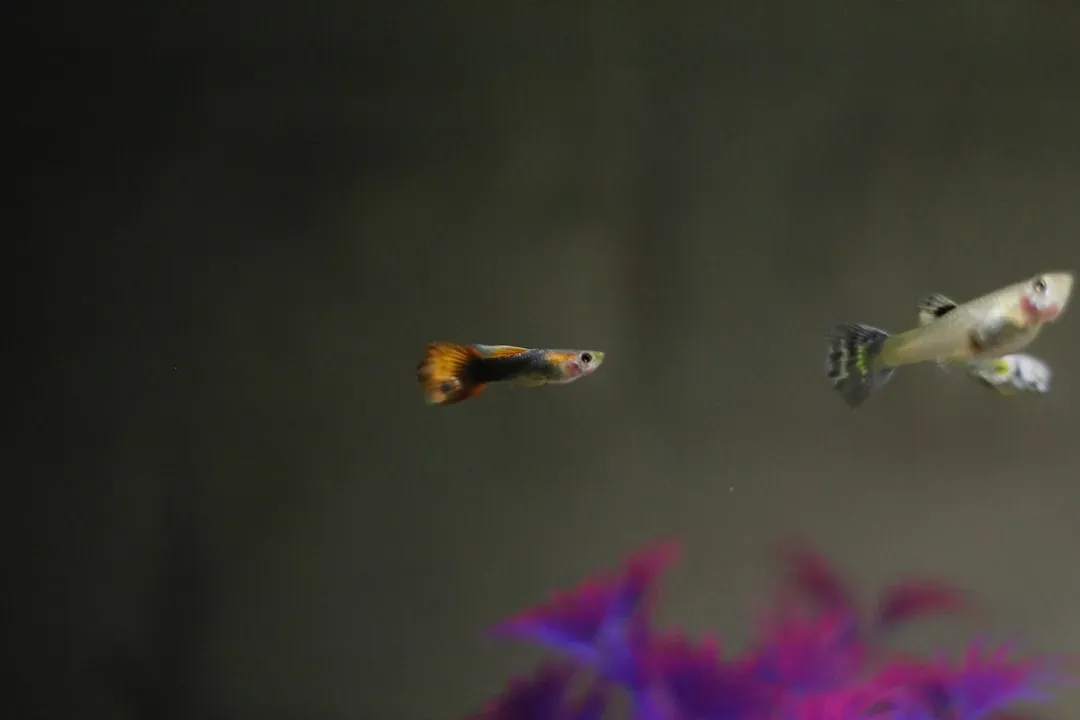
Paedocypris progenetica is a tiny fish where females only grow to be 7.9 millimeters in length, and it was considered the world’s smallest vertebrate animal until very recently. The paedocypris progenetica has a tiny and partially transparent body with a reduced head skeleton, with their brain wholly unprotected without bone.
Paedocypris progenetica is a very tiny member of the carp family and lives in dark muddy waters that have an acidity of pH3 – over 100 times more acidic than rainwater. That’s an incredibly harsh environment that would kill most other fish species instantly.
Paedocypris can be found in swamps and streams on the Southeast Asian islands of Borneo, Sumatra, and Bintan, and are unique in that they can only survive in acidic water, though unfortunately these acidic swamps and streams are quickly evaporating. Their specialized survival strategy might also be their downfall.
The Smallest Shark in the Ocean
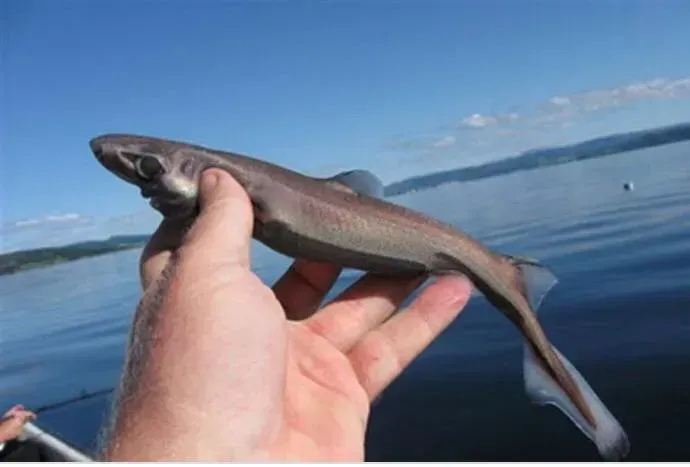
At about 7 inches (17 centimeters) long, the bioluminescent dwarf lantern shark is the smallest shark on Earth. The fish lives in very deep water – about 928 to 1,440 feet off the coast of Colombia and Venezuela, where fewer food resources at such depths mean fewer predators and thus less need for a bony skeleton.
Experts at camouflage, the pencil-sized swimmers can both glow like a sunray and melt into night shadows, eating krill and females giving birth to small litters every year. The bioluminescence is particularly fascinating because it likely helps them blend in with the faint light filtering down from above, making them invisible to predators lurking below.
Living at such extreme depths also means this shark experiences crushing pressure that would destroy most surface creatures. Yet here it is, thriving in conditions we can barely replicate in laboratories.
The Tiniest Snake That Burrows Underground
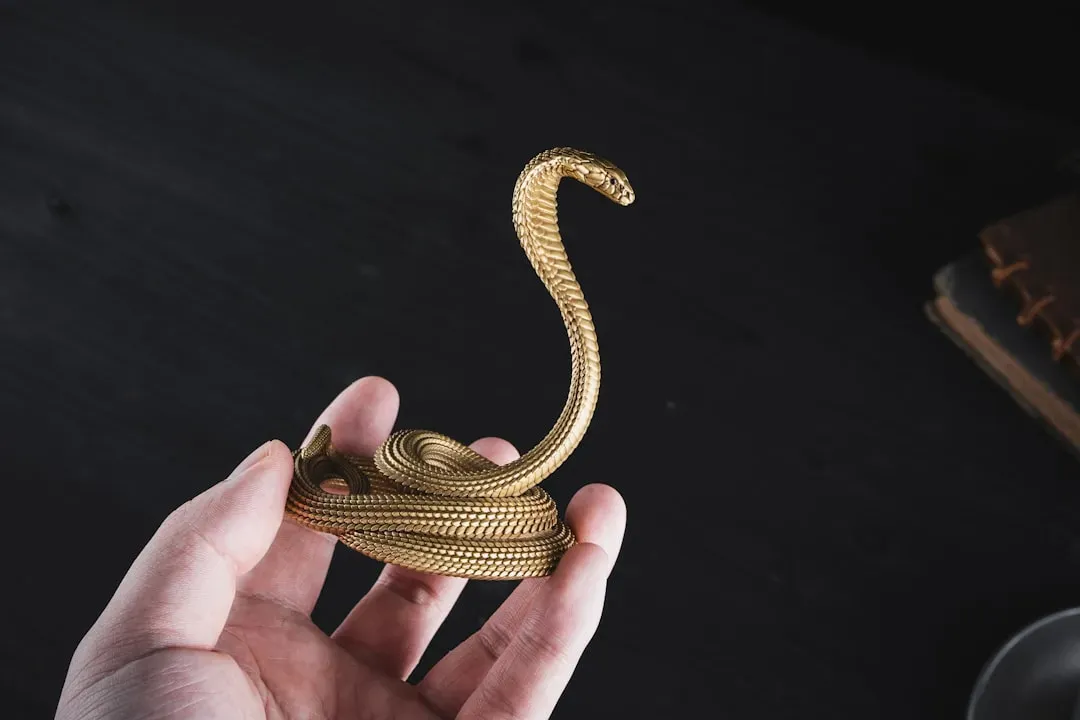
Found over a few square kilometers in Barbados and believed by scientists to be the world’s smallest snake, slender blinds only grow to about 4.1 inches long, and due to their thinness, the slithering Caribbean dwellers also go by threadsnakes or thread snakes. At 10.4 centimeters (4.1 inches), this is the smallest snake, and it burrows in search of insects and other small invertebrates.
Species survive on most continents, and they tend to congregate near ant and termite nests, which makes sense given their diet preferences. These snakes are so small that they could easily be mistaken for earthworms by casual observers.
What’s particularly interesting is that being this small puts severe constraints on what they can eat. They’ve essentially specialized to feed exclusively on the larvae and eggs of ants and termites, carving out an ecological niche that larger snakes simply can’t exploit.
A Miniature Marsupial with a Flat Head
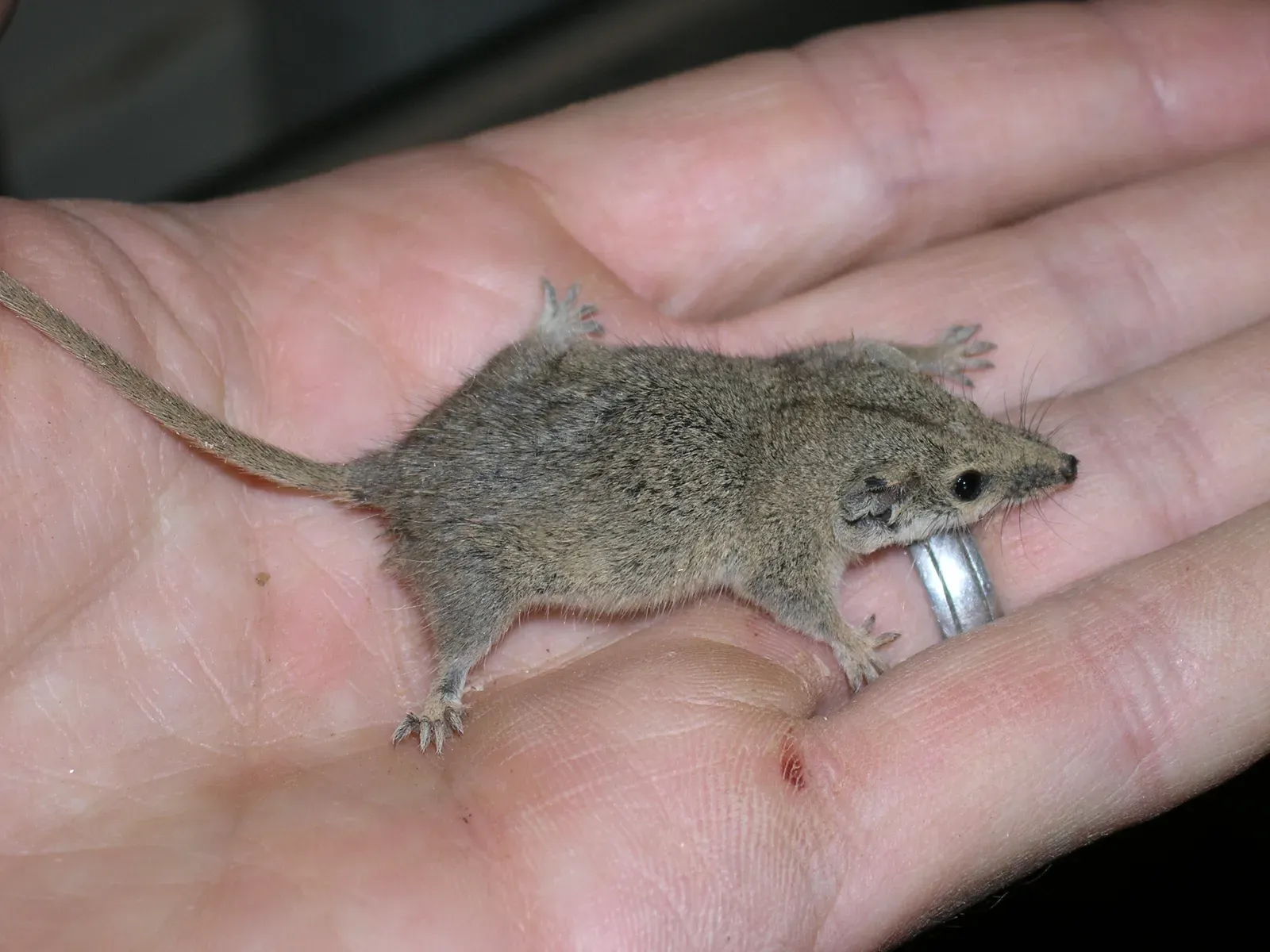
The Long-Tailed Planigale is the world’s smallest marsupial and one of the smallest mammals to ever exist, measuring only 3 to 4 millimeters from the top of its body to the bottom, with its entire body appearing to be flat, including its skull, which is one-fifth as deep as it is wide. The long-tailed planigale has a body length averaging between 110 to 130 mm and weighs around 4.3 g, inhabiting the flooded grasslands, soiled woodlands, and blacksoil plains of the Top End of Australia.
Its flat body shape is no accident. Planigale tenuirostris, though it measures only up to 7.5cm, is a vicious predator that takes down insects and small lizards, occasionally even ones bigger than itself. That flattened skull allows it to squeeze into impossibly tight cracks in the soil and rocks where prey hides.
Despite their diminutive size, these marsupials are fierce hunters with surprisingly aggressive temperaments. They need to be – survival at this scale requires constant vigilance and relentless energy.
The World’s Smallest Rabbit Species
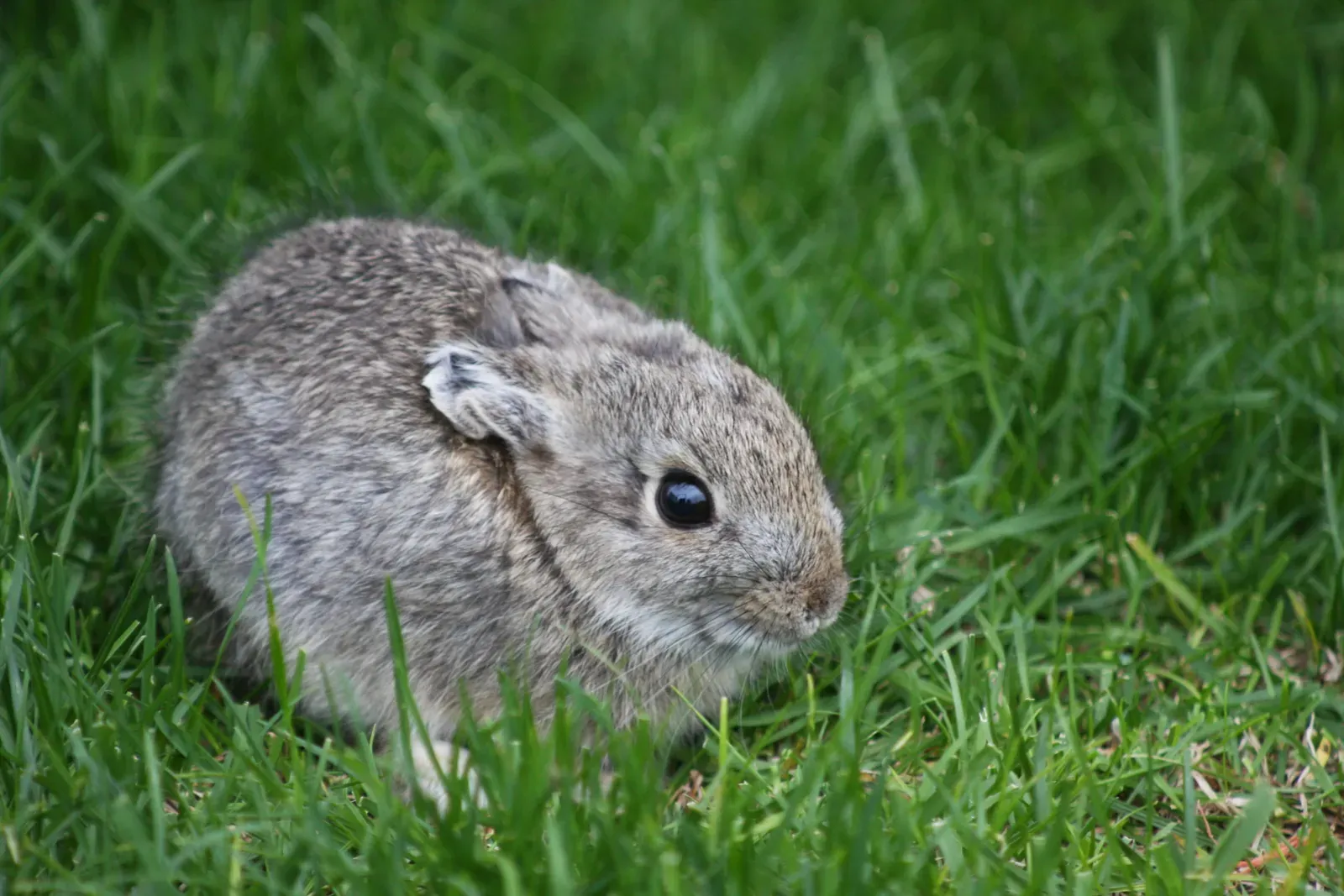
Pygmy rabbits measure between 9.25 and 11.6 inches, making them the world’s smallest leporid, and native to the western United States, these teeny hoppers are the world’s smallest leporid. Pygmy rabbits spend their lives in and around sagebrush, and the United States government lists pygmy rabbits as endangered, but the IUCN categorizes them under Least Concern.
What makes pygmy rabbits unique among rabbits is their relationship with sagebrush. They don’t just live near it – they depend on it for food, shelter, and protection. Their entire existence is intertwined with this single plant species.
Unlike their larger rabbit cousins that might travel considerable distances, pygmy rabbits have much smaller home ranges. They’re essentially homebodies in the rabbit world, which makes habitat destruction particularly devastating for their populations.
The Most Diminutive Tortoise on Earth
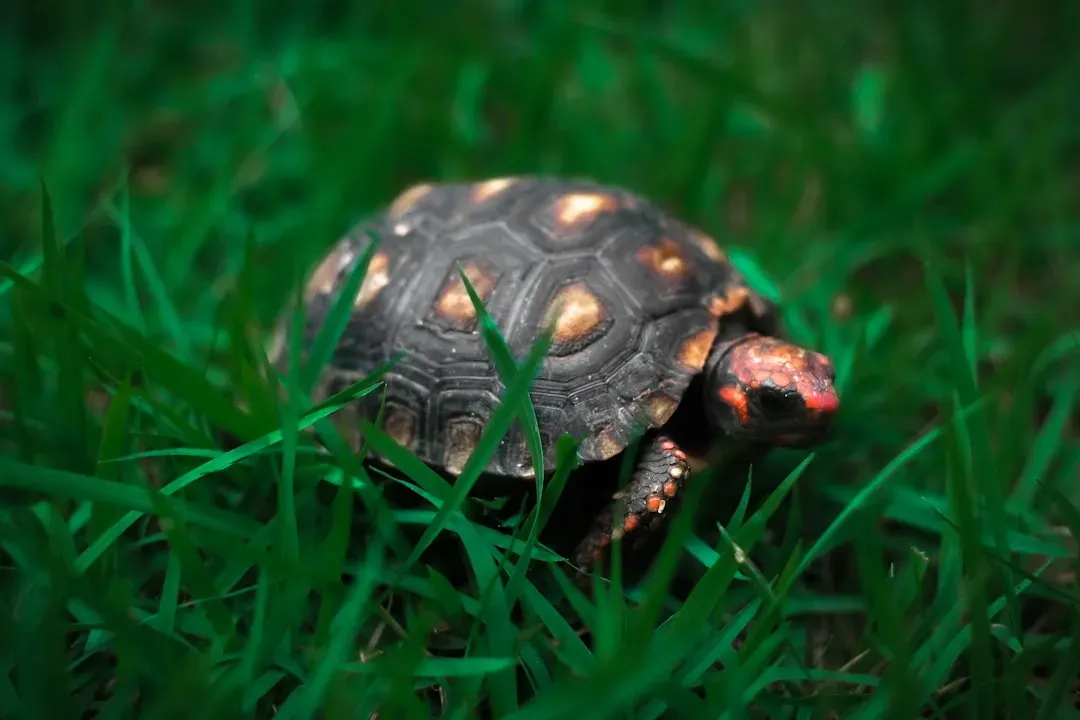
The speckled padloper tortoise from South Africa and southern Namibia is the world’s smallest species of tortoise, with males measuring around 6 to 8 cm while females are about 10 cm long. This tortoise has a beautifully patterned shell covered in yellow and brown speckles which helps it blend into its rocky habitat, thriving in the semi-arid, rocky outcrops of the Western and Northern Cape regions where it feeds on a diet of succulent plants, leaves, and flowers.
Their small size makes them vulnerable to collectors who want to keep them as exotic pets. The Speckled Padloper is classified as a vulnerable species, largely due to habitat loss and illegal collection for the pet trade. It’s frustrating because these ancient creatures survived millions of years of natural selection only to face threats from human activity in recent decades.
The rocky terrain they inhabit provides natural camouflage and protection from predators. Their shell pattern isn’t just beautiful – it’s a survival mechanism honed over countless generations.
An Insect Smaller Than a Grain of Sand
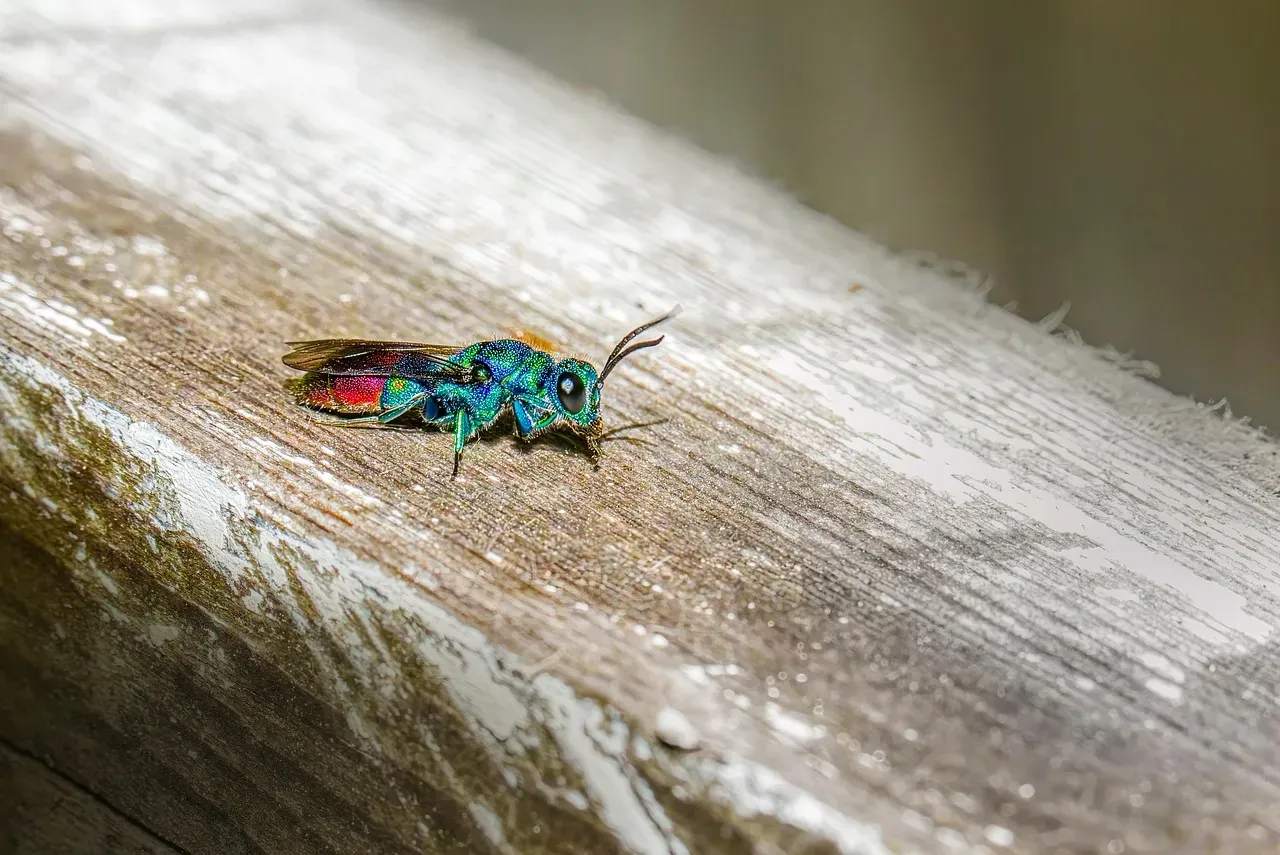
Adult males of the parasitic wasp Dicopomorpha echmepterygis can be as small as 139 micrometers long, smaller than some species of protozoa, while Megaphragma caribea from Guadeloupe measures 170 micrometers long, as another contender for smallest known insect. Beetles of the tribe Nanosellini are all less than 1 mm long, with the smallest confirmed specimen being Scydosella musawasensis at 325 micrometers long.
At this scale, the rules of biology start to change. Most species of the feathery-winged parasitoid wasp are less than 1 millimeter long, about the size of a pinhead. When you’re this small, surface tension becomes a major force, air feels thick like water, and gravity barely registers.
These insects are so tiny that they can lay their eggs inside the eggs of other insects. Think about that – they’re parasitizing something that’s already microscopic. Their entire life cycle unfolds in spaces we can barely see without magnification.
Conclusion
The smallest animals in the world prove that survival isn’t about size. It’s about adaptation, specialization, and finding your niche in an impossibly complex ecosystem. From frogs that fit on your fingertip to bats that weigh less than a nickel, these creatures remind us that nature operates on scales we often overlook.
These tiny animals face unique challenges – extreme metabolisms, constant predation threats, habitat loss – yet they persist. Their existence challenges our assumptions about what life requires to thrive. Next time you walk through a forest or along a beach, remember that beneath your feet and above your head, entire worlds of miniature life are unfolding.
What fascinates you most about these impossibly small creatures? Did any of these facts surprise you?

- The Most Resilient Animals Ever Discovered Thriving in Extreme Environments - July 21, 2026
- 7 Signs Your Dog Thinks You're Family - July 21, 2026
- 12 Surprising Facts About North American Mountain Lions You Never Knew - July 21, 2026