
Think about the last time you took a long road trip. Maybe it was exhausting, maybe you got lost, or maybe you just couldn’t wait to arrive at your destination. Now imagine making that journey without a map, without GPS, and without really knowing where you’re going – yet somehow arriving exactly where you need to be. That’s precisely what millions of animals do every single year, traveling distances that would make even the most seasoned travelers dizzy.
From butterflies weighing less than a paperclip flying thousands of miles to massive whales crossing entire oceans, these migrations aren’t just impressive – they’re borderline absurd. How does a creature with a brain the size of a pinhead navigate across continents? Why would an animal risk everything to make such a dangerous journey? The natural world has some explaining to do, and honestly, science is still catching up with answers.
The Arctic Tern: A Bird That Sees Two Summers
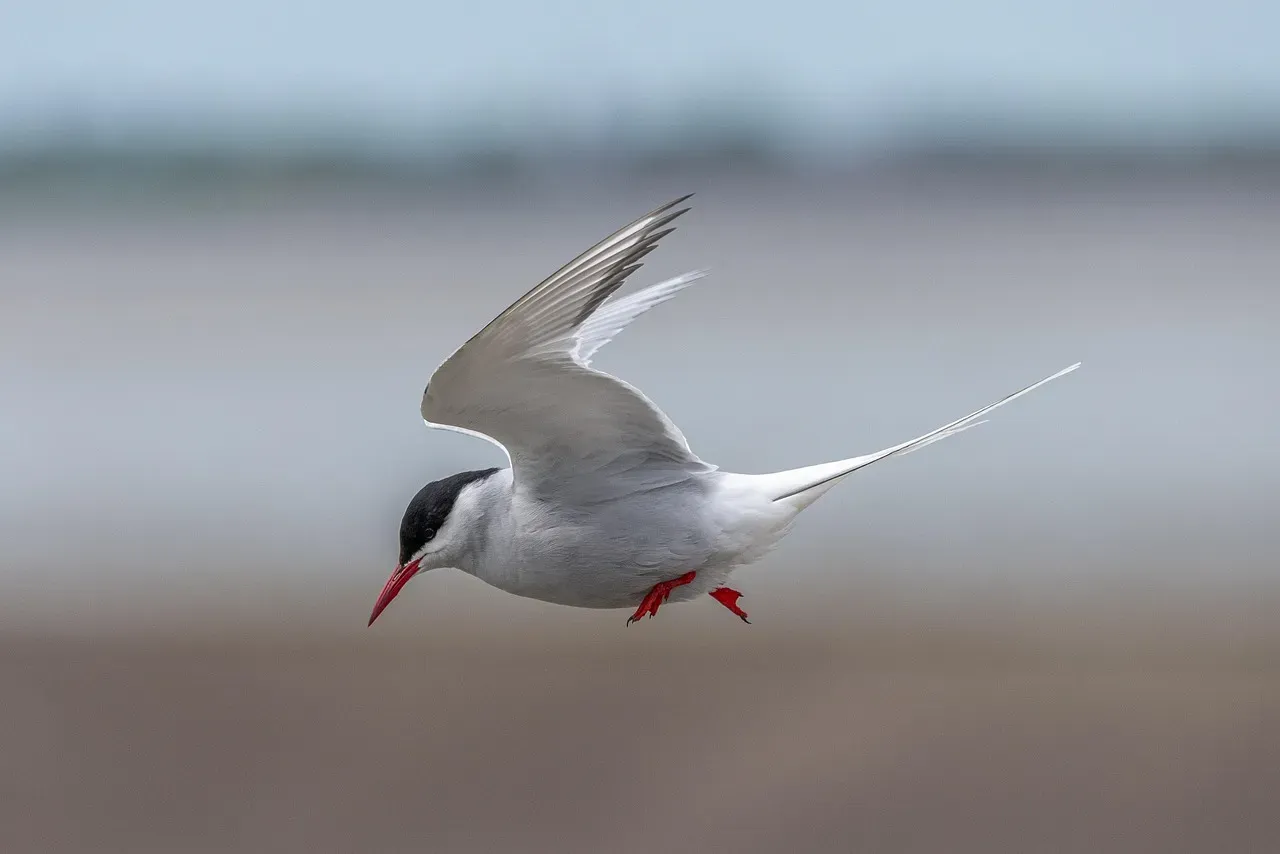
Let’s be real – if there were frequent flyer miles for animals, the Arctic tern would be swimming in luxury upgrades. One individual Arctic tern covered a staggering 96,000 kilometers in ten months, which is absolutely mind-blowing for a bird that weighs about as much as a stick of butter. These small seabirds breed in the Arctic during the northern summer, then fly all the way to Antarctica for the southern summer.
Here’s the thing that really gets me: the average Arctic tern will travel some 2.4 million kilometers during its lifetime, the equivalent of a roundtrip from Earth to the Moon more than three times. They basically live in perpetual daylight, experiencing more sun than any other creature on the planet. Think about that for a moment – these birds have cracked the code on endless summer.
The route they take is anything but straightforward. Arctic terns travel in a seemingly inefficient zigzag of long loops and curves, making several thousand-mile detours to capitalize on global wind patterns. They’re not just wandering aimlessly though. Scientists have discovered that these detours are strategic, allowing the birds to use tailwinds and hit productive feeding areas along the way.
The northbound migration takes less than half the time (40 versus 93 days), despite being three quarters the length of the southbound journey. During spring, they seem to be in a hurry to get back to their breeding grounds, while autumn offers a more leisurely tour of the planet’s oceans. The urgency makes sense when you consider they need to arrive in time to nest and raise their chicks.
What makes their navigation even more baffling is that these birds are essentially flying over open ocean for most of their journey. There are no landmarks, no rest stops, just endless blue water. Yet somehow, they know exactly where they’re going. It’s hard to say for sure, but scientists believe they might use the Earth’s magnetic field, the position of the sun, and even the stars to guide them.
Monarch Butterflies: The Multi-Generational Marathon
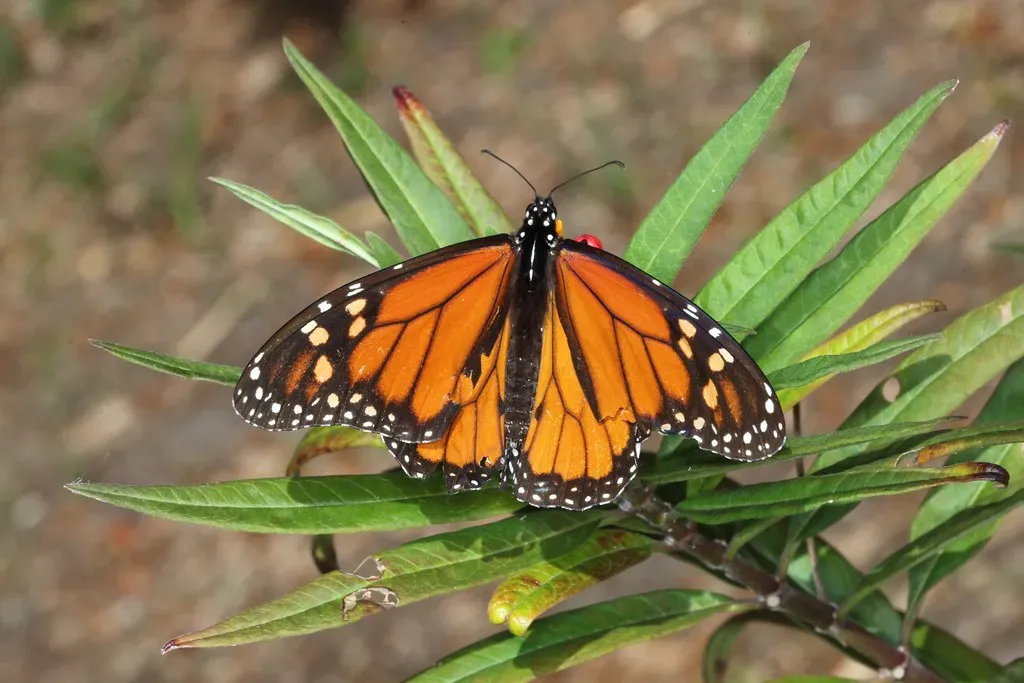
Each year, a super generation of monarchs flies up to nearly 3,000 miles from the northern United States and southern Canada all the way down to the Monarch Butterfly Biosphere Reserve in central Mexico. What makes this migration truly bizarre is that no single butterfly completes the entire round trip. Instead, it takes multiple generations to finish the journey – talk about a family project spanning continents.
The last generation of monarchs born in the US and Canada is known as Methuselah, and these monarchs delay sexual maturity to undertake the journey, often living up to seven or eight months. Meanwhile, their summer counterparts only live for a few weeks. It’s like nature hit the pause button on aging just for the migration, which is pretty wild when you think about it.
The really strange part? It takes at least four or five generations of monarchs to complete the round-trip, yet the butterflies return to the same group of fir trees every year. These delicate insects, which have never seen their destination before, somehow navigate to the exact mountains where their great-great-grandparents spent the winter. Scientists suspect internal compasses and possibly even magnetite crystals guide them.
The eastern monarch butterfly population nearly doubled in 2025, with the population wintering in central Mexico’s forests occupying 4.42 acres, up from 2.22 acres during the previous winter, though populations remained far below the long-term average. This is encouraging news after decades of decline, though conservationists remain cautious about the species’ long-term survival.
Monarchs often arrive in Mexico around Dia de los Muertos, which led the Purépecha – an Indigenous group – to believe monarchs were the souls of their ancestors returning to Earth. There’s something poetic about that timing, as millions of orange and black butterflies blanket the mountains just when families gather to remember their loved ones. Whether coincidence or cosmic timing, it’s a beautiful cultural connection to one of nature’s greatest spectacles.
Wildebeest Migration: The Greatest Show on Earth
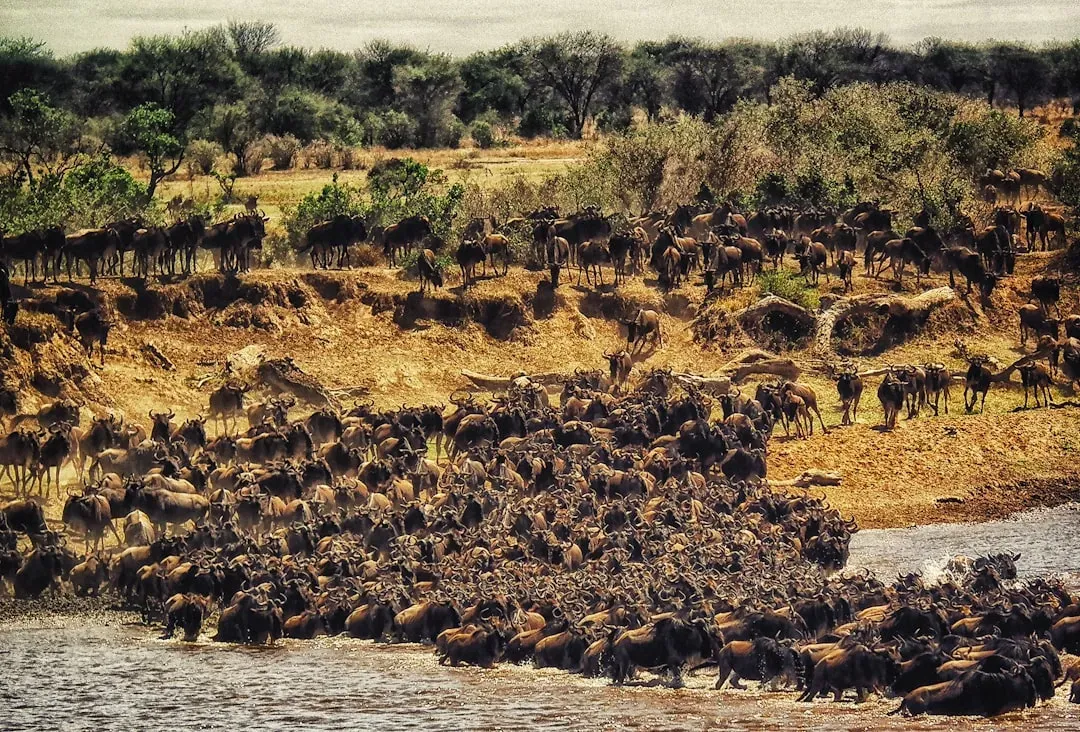
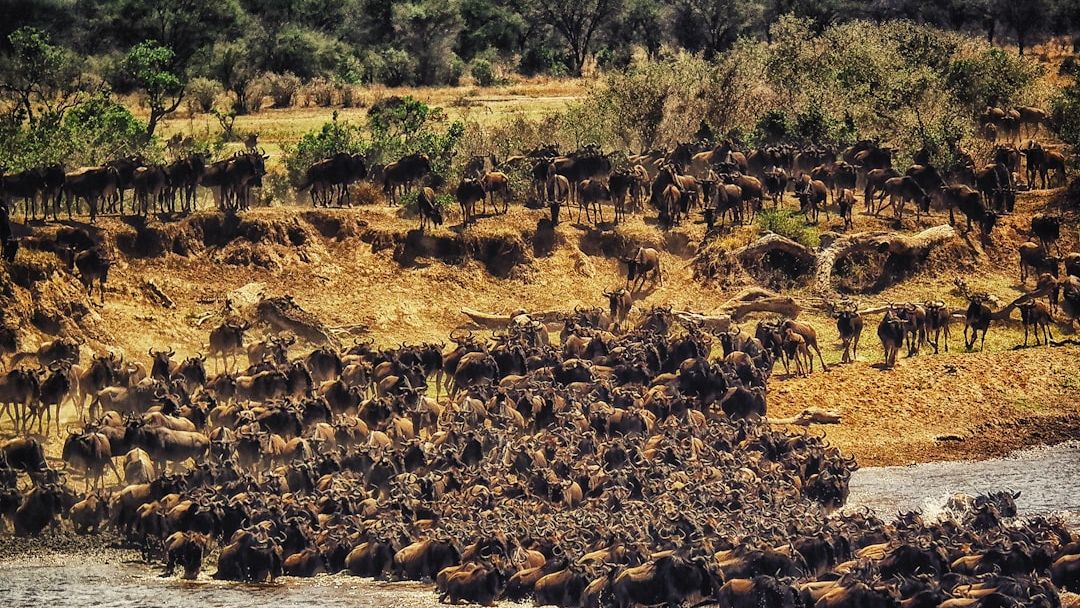
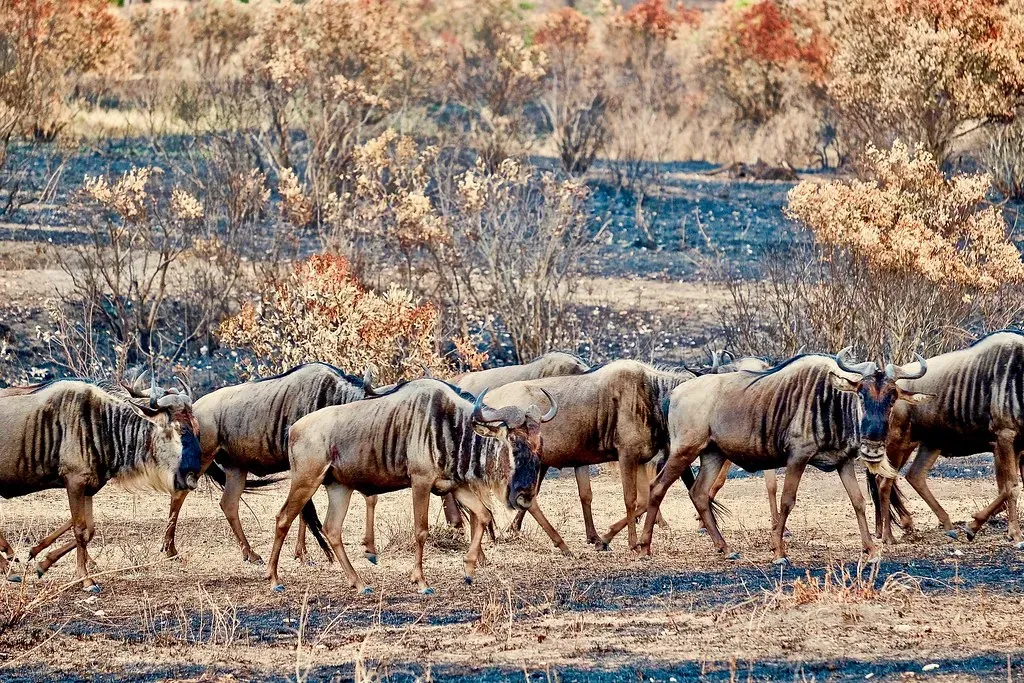
Over 1.2 million wildebeest and 300,000 zebra along with topi and other gazelle move in a constant cycle through the Serengeti-Mara ecosystem in search of nutritious grass and water. Picture a moving city of hoofed animals stretching across the African plains, creating dust clouds visible from space. It’s chaotic, it’s dangerous, and it’s been happening for millennia.
The numbers are staggering enough, though recent research suggests we might have been overestimating. An AI-powered satellite survey found that the number of wildebeests migrating annually might be less than half of the million-plus figure that’s widely touted. Still, even at lower estimates, this remains one of the largest mammal migrations on the planet, involving millions of animals thundering across roughly 500 miles of African savanna.
They stay on the short-grass plains through January, February and March, with most wildebeest calves born in a short window around February. This synchronized birthing is strategic – flooding the plains with vulnerable calves at once overwhelms predators. Lions, hyenas, and cheetahs can only eat so much, giving most calves a fighting chance to survive.
The river crossings are what people remember most. Zebra and wildebeest charge into the river, a powerful scene of instinct and unity. Crocodiles lurk beneath the surface, waiting for an easy meal, while the steep banks cause injuries and chaos. Thousands of animals drown or get trampled each year, yet the herds keep coming, driven by an ancient instinct to keep moving.
The precise timing of the Serengeti wildebeest migration is entirely dependent upon the rainfall patterns each year. This makes predicting their exact location a gamble for tourists and researchers alike. The wildebeest follow the rains because rain means fresh grass, and fresh grass means survival. It’s a simple equation that has shaped their migration route for thousands of years, though climate change now threatens to disrupt these ancient patterns.
Gray Whales: The Ocean’s Marathon Swimmers
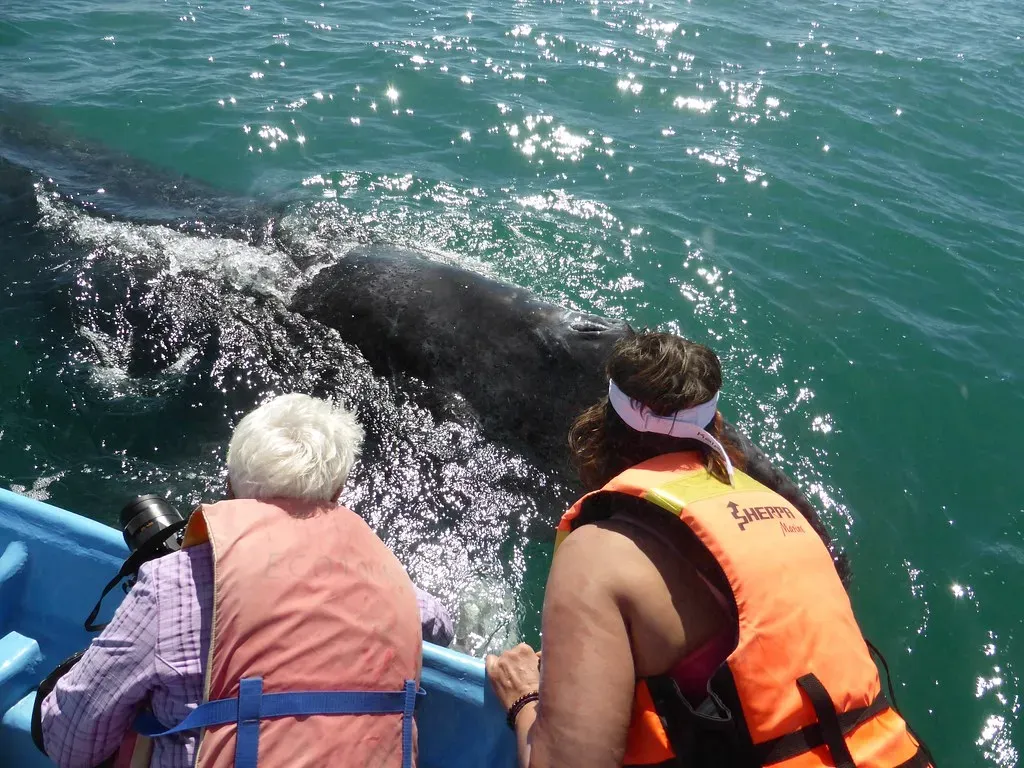
Gray whales begin and end the longest migration of any mammal – 12,000 miles from the icy waters of the Arctic to the warm lagoons of Baja, Mexico, and back again. Imagine swimming from Alaska to Mexico and back every single year. For gray whales, it’s just another Tuesday. These massive marine mammals spend their summers gorging on food in the nutrient-rich Arctic waters, then head south to give birth in the protected lagoons of Baja California.
Gray whales travel at approximately 5 miles per hour and average about 75 miles a day. That might not sound particularly fast, yet when you’re swimming thousands of miles while pregnant or nursing a newborn calf, it’s actually quite impressive. Mother whales with calves stick close to the coast for protection, scanning constantly for killer whales and sharks.
The journey isn’t without casualties. Gray whales make annual migrations of about 10,000 miles round-trip, and on their migration routes they face threats from vessel strikes, entanglement in fishing gear, and other sources of disturbance. Human activity along their coastal route has become increasingly problematic, with shipping traffic, military sonar, and coastal development all taking their toll on these gentle giants.
One individual gray whale really pushed the limits of what we thought possible. A 40-year-old male gray whale traveled 16,700 miles from Prince William Sound to Namibia, confirming a new world record. This particular whale somehow ended up halfway around the world, likely traveling through the Arctic as melting ice opened new passages. It’s a record-breaking achievement, though it also hints at how climate change is reshaping migration patterns in unexpected ways.
The eastern North Pacific gray whale population travels about 12,000 miles round trip between summer feeding grounds in the Arctic and the warmer waters of Mexico, where the whales overwinter and females rear their calves. These whales are actually a conservation success story – once hunted nearly to extinction, they’ve rebounded thanks to protection efforts. Today, roughly 25,000 gray whales make this epic journey annually, giving coastal communities a front-row seat to one of nature’s most impressive migrations.
Caribou: The Arctic Nomads
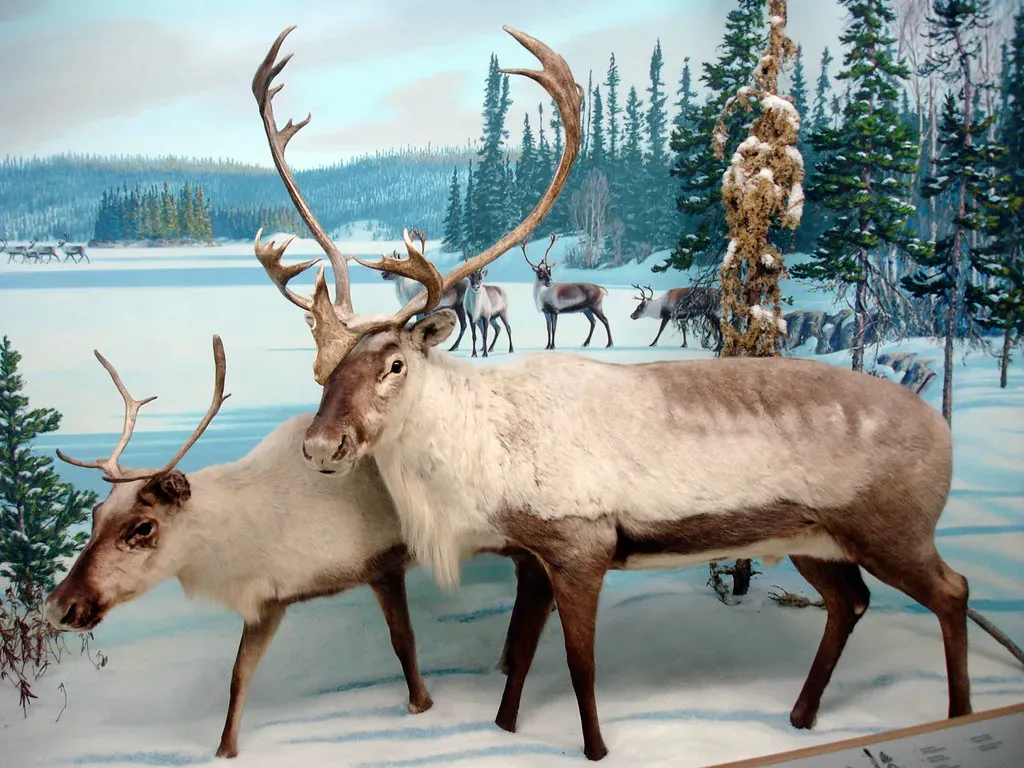
While caribou might not cross oceans or continents, their migration is no less impressive when you consider the brutal Arctic conditions they face. Some caribou herds travel over 3,000 miles annually, making them champion migrants among land mammals. These antlered wanderers must navigate frozen tundra, swim across icy rivers, and outrun predators – all while dealing with temperatures that would make most of us cry.
Caribou migrations are driven by a simple need: finding food and avoiding bugs. In summer, they head north to the coastal plains where fresh vegetation sprouts and ocean breezes keep biting insects at bay. Come autumn, they reverse course, heading south to boreal forests where they can find food beneath the snow and some protection from howling Arctic winds.
The synchronized calving is remarkable. Female caribou time their pregnancies so that calves are born within a narrow window, usually in early June. This flooding of vulnerable newborns overwhelms predators like wolves and bears, giving more calves a chance to survive. Within hours of birth, calves can run alongside their mothers, which is essential when your entire survival depends on keeping up with the herd.
Climate change is wreaking havoc on caribou populations. Warmer temperatures mean more rain in winter, which freezes into ice that locks away vegetation beneath an impenetrable crust. Oil exploration and development fragment their migration routes, forcing detours that drain precious energy reserves. Some herds have declined by more than half in recent decades, raising alarm bells among biologists and Indigenous communities who depend on these animals.
What’s fascinating is how caribou navigate. They seem to have mental maps of their territory that span hundreds of miles, passed down through generations. Older females lead the herds, guiding younger animals along traditional routes. It’s collective knowledge in action – lose the elders, and you risk losing the migration route itself.
Salmon: The Upstream Battle Against All Odds
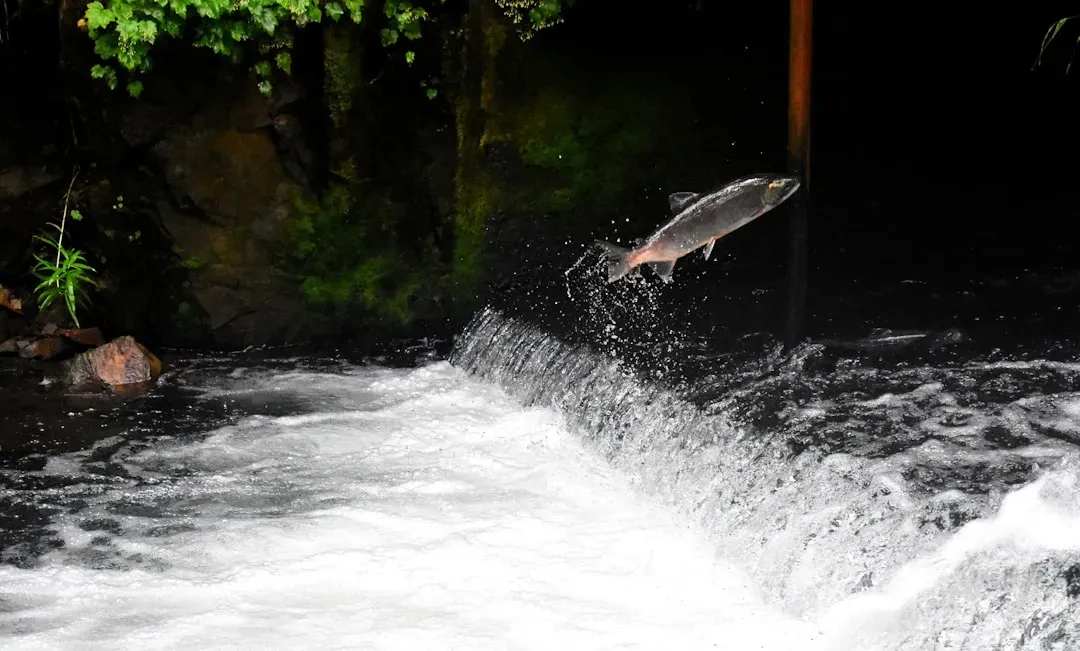
Pacific salmon migrations are legendary for their sheer determination and brutality. These fish are born in freshwater streams, migrate to the ocean to grow and mature, then return to the exact stream where they hatched to spawn and die. It’s a journey that seems almost masochistic when you consider the obstacles: waterfalls, hungry bears, fishermen, dams, and exhaustion so profound that their bodies literally fall apart.
Salmon can smell their home stream with stunning accuracy. Scientists believe they imprint on the unique chemical signature of their birthplace as juveniles, then follow this olfactory breadcrumb trail back as adults. It’s navigation by smell on an epic scale, allowing them to find their way through thousands of miles of ocean and complex river systems to return to a specific gravel bed where they were born.
The physical transformation during migration is dramatic. As salmon move from saltwater to freshwater, they stop eating entirely, relying solely on stored energy. Their bodies change color, males develop hooked jaws and humped backs, and their internal organs begin to deteriorate. They’re literally dying as they swim upstream, but they push forward anyway because reproduction is the only thing that matters now.
Watching salmon leap up waterfalls is mesmerizing. They hurl themselves upward with such force that many fail repeatedly, falling back into the churning water below. Those that succeed keep going, only to face the next waterfall, the next rapid, the next hungry bear. The mortality rate is staggering – most salmon die before reaching their spawning grounds, and those that do reach their goal die shortly after laying eggs or fertilizing them.
Their deaths feed the entire ecosystem. Dead salmon provide nutrients to forests, feeding everything from trees to insects to bears. Bears drag carcasses into the woods, where they decompose and fertilize the soil. It’s a massive transfer of marine nutrients into terrestrial ecosystems, and scientists have tracked ocean nitrogen in trees growing hundreds of feet from the nearest stream. The salmon migration quite literally nourishes the forest.
Bar-Tailed Godwits: Non-Stop Trans-Pacific Flyers
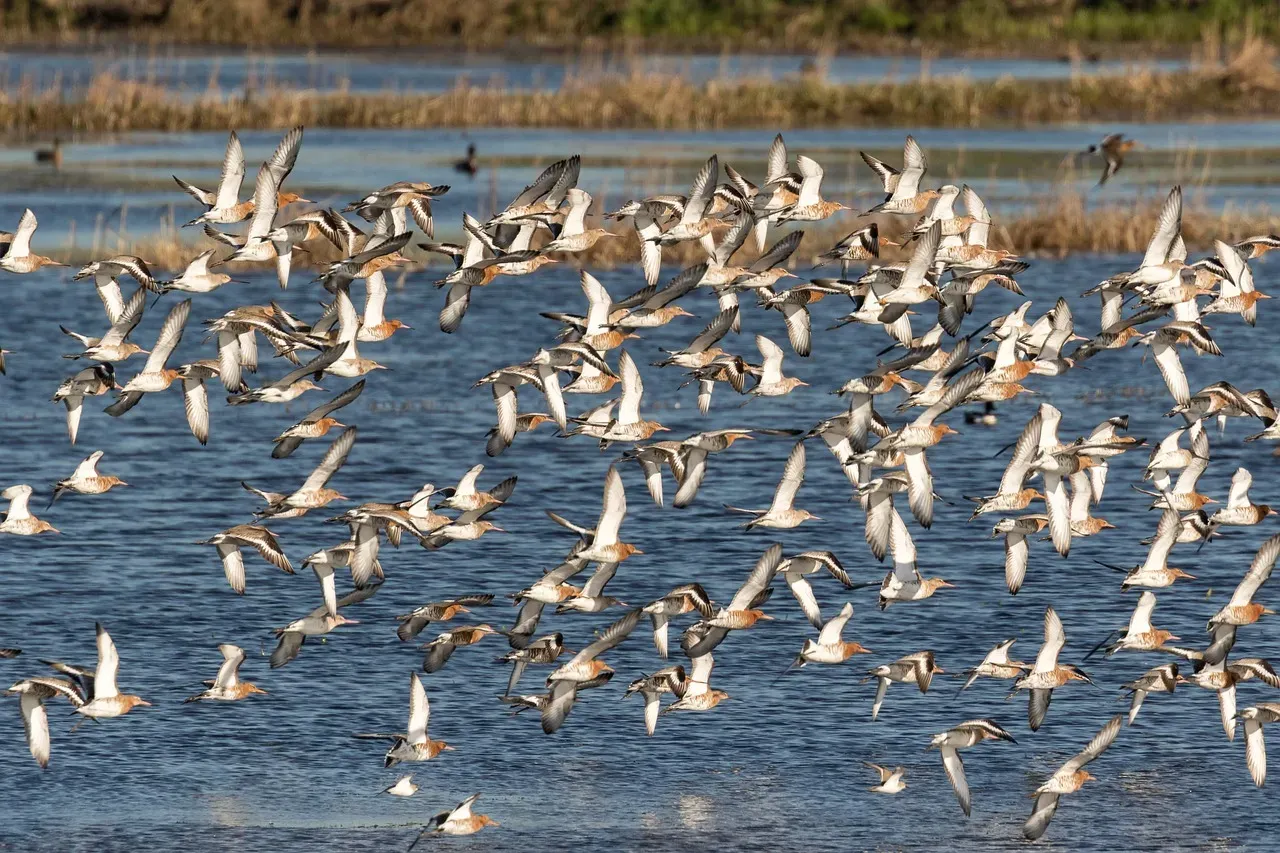
Bar-tailed godwits hold one of the most astonishing records in the animal kingdom: the longest non-stop flight of any bird. These medium-sized shorebirds fly from Alaska to New Zealand without stopping to eat, drink, or rest – a journey spanning roughly 7,000 miles over open ocean. They’re in the air for eight or nine days straight, which seems physically impossible yet happens every year.
To prepare for this marathon flight, godwits undergo remarkable physiological changes. They gorge themselves before departure, doubling their body weight with fat reserves. Their digestive organs shrink to reduce unnecessary weight, while their flight muscles and heart enlarge. It’s like they’re converting themselves into flying fuel tanks, optimized entirely for endurance rather than anything else.
Navigation over open ocean presents unique challenges. Without landmarks or places to rest, godwits must rely on internal compasses and possibly celestial navigation. They ride wind currents when possible, adjusting their altitude to find favorable winds. Scientists have tracked these birds flying at altitudes over 20,000 feet, where the air is thin and temperatures are frigid.
What happens if things go wrong? Honestly, there’s no safety net. If a godwit encounters a major storm or miscalculates its energy reserves, it falls into the ocean and drowns. There are no second chances on a trans-Pacific crossing. Yet godwits successfully make this journey year after year, with remarkably few known failures. Their success rate suggests an almost supernatural ability to assess conditions and navigate flawlessly across thousands of miles of empty ocean.
The juvenile godwits face an even more incredible challenge – they make their first migration alone, without adult guidance. Young birds hatch in Alaska, fatten up, then fly to New Zealand weeks after their parents have already left. They’ve never made the journey before, yet they arrive at the correct destination. It’s an innate ability that scientists still don’t fully understand, though genetic programming clearly plays a major role.
Leatherback Sea Turtles: The Ocean’s Long-Distance Wanderers
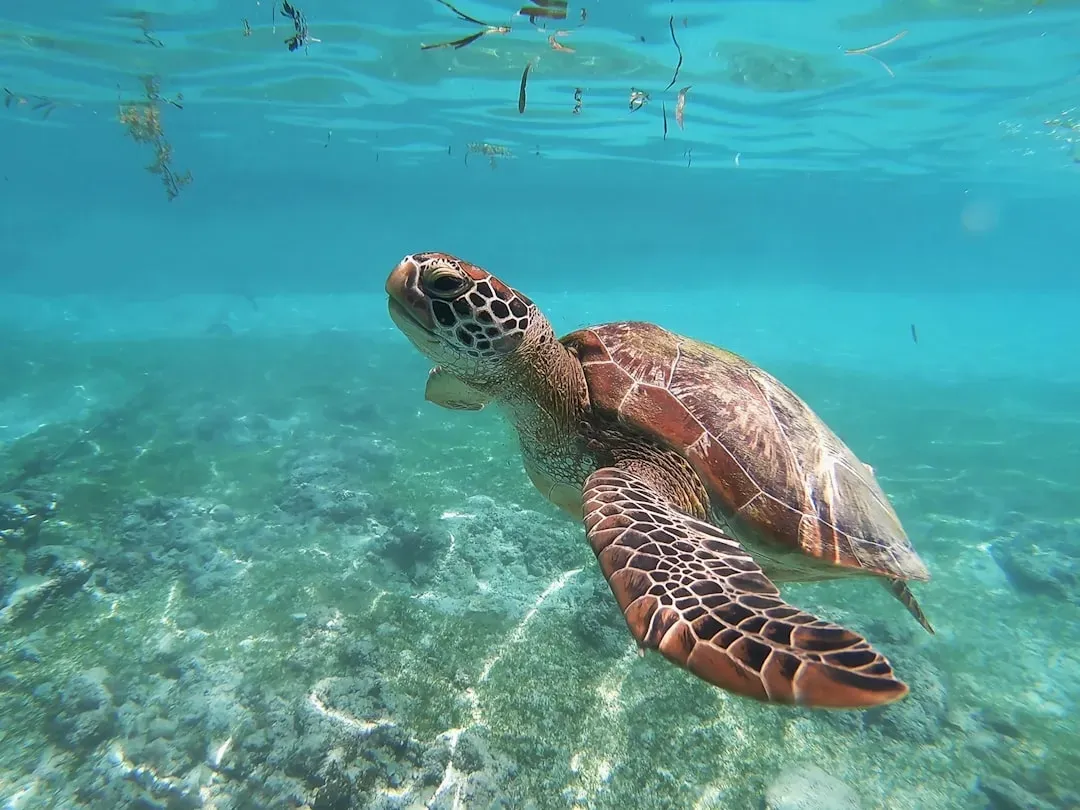
Leatherback sea turtles are the ocean’s ultimate travelers, crossing entire ocean basins in search of jellyfish, their primary food source. These massive reptiles – the largest turtles on Earth – can weigh over a thousand pounds yet swim with surprising grace and endurance. Some individuals have been tracked crossing the entire Pacific Ocean, traveling over 12,000 miles in a single journey.
Their migration pattern is less predictable than many other species. Leatherbacks follow jellyfish blooms, which means their routes vary depending on ocean conditions, temperature, and food availability. They’re opportunistic migrants, adjusting their paths based on where the feeding is best. This flexibility is both an advantage and a challenge, as it makes them harder to protect since they don’t follow fixed routes.
Female leatherbacks return to the same beaches where they hatched to lay their own eggs, sometimes after decades at sea. How they navigate back to a specific beach from thousands of miles away remains partially mysterious. Scientists believe they use magnetic fields, possibly imprinting on the unique magnetic signature of their birth beach as hatchlings. It’s a biological GPS system that allows pinpoint navigation across featureless ocean.
The hatchlings face brutal odds. After emerging from their sandy nests, baby turtles must sprint across the beach to reach the ocean, all while avoiding crabs, birds, and other predators. Once in the water, they enter what scientists call “the lost years,” disappearing into the open ocean for decades before returning as adults. Where they go and what they do during this time is still largely unknown, though tracking technology is starting to reveal their secrets.
Leatherbacks face mounting threats from human activity. Plastic bags floating in the ocean look remarkably like jellyfish, and turtles frequently eat them, leading to starvation and death. Fishing nets entangle and drown them, while coastal development destroys nesting beaches. Climate change affects sand temperature, which determines the sex of hatchlings – warmer sand produces more females, potentially skewing future populations. Despite traveling thousands of miles across the ocean, these ancient mariners may not survive our modern world.
Conclusion
The migrations we’ve explored here represent some of nature’s most extraordinary achievements – journeys that push the absolute limits of endurance, navigation, and survival. From Arctic terns that see two summers to monarch butterflies spanning generations, from wildebeest thundering across African plains to gray whales swimming from pole to pole, these animals accomplish feats that would seem impossible if we didn’t witness them with our own eyes.
What strikes me most is the fragility of these migrations in our rapidly changing world. Climate shifts are disrupting ancient timing, habitat loss is erasing critical stopover sites, and human development blocks routes that animals have followed for millennia. These journeys that seemed eternal and unchanging are actually hanging by a thread, dependent on our choices and actions. The next generation may not get to witness these spectacles unless we prioritize conservation and protect the routes these migrants depend on.
Which of these migrations surprised you the most? Have you ever witnessed any of these incredible journeys firsthand? The more we learn about animal migrations, the more questions emerge about how these creatures accomplish the seemingly impossible year after year.

- What Your Dog Is Really Trying to Tell You: A Complete Guide to Understanding, Caring For, and Deeply Connecting With Your Dog - July 21, 2026
- 12 Common US Birds You Never Knew Were Migrating Right Through Your Backyard - July 21, 2026
- 12 Amazing Dog Breeds Known for Their Unwavering Loyalty to Their Owners - July 21, 2026