
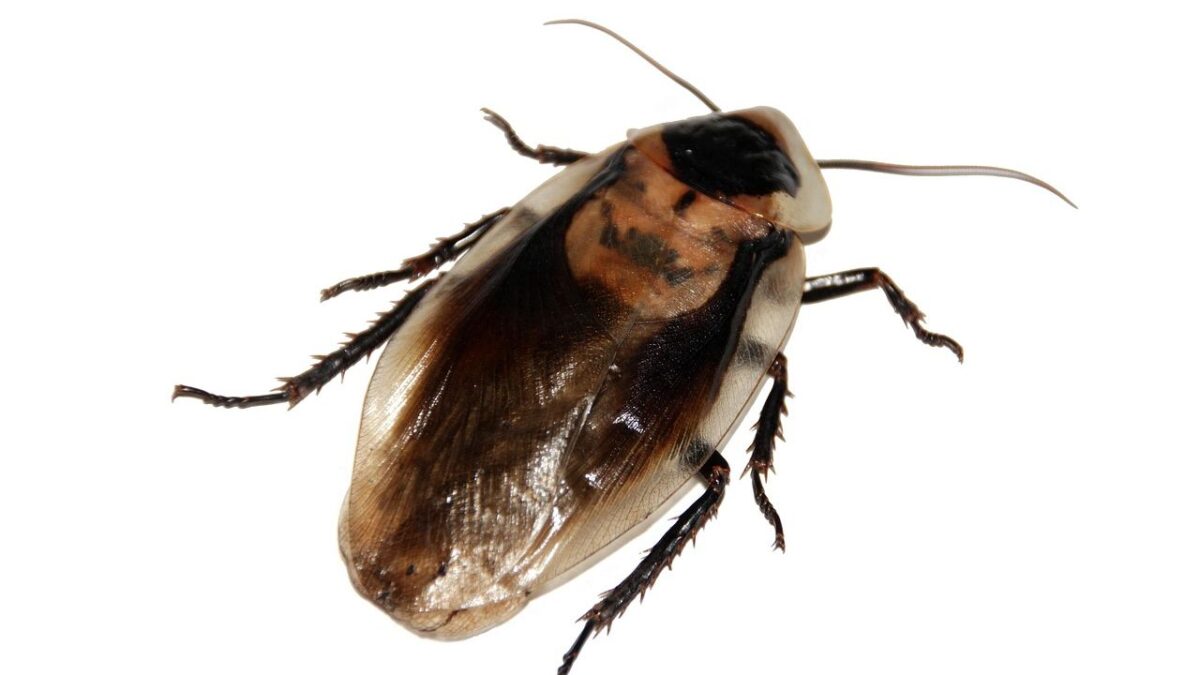
You know that sinking feeling when you flip on the kitchen light at midnight and catch a glimpse of something scurrying across the counter? Nobody wants to admit they have a cockroach problem. These unwelcome guests have been around for hundreds of millions of years, surviving ice ages and volcanic catastrophes. They’re experts at finding their way into places they don’t belong, especially our homes.
The truth is, even the cleanest households can face a cockroach invasion. It’s not always about how much you scrub your floors or wipe your counters. Sometimes you’re unknowingly rolling out the welcome mat for these persistent pests without even realizing it. Understanding what draws them in is your first line of defense against an infestation that can quickly spiral out of control.
Food Crumbs and Leftovers Are Their Favorite Invitation
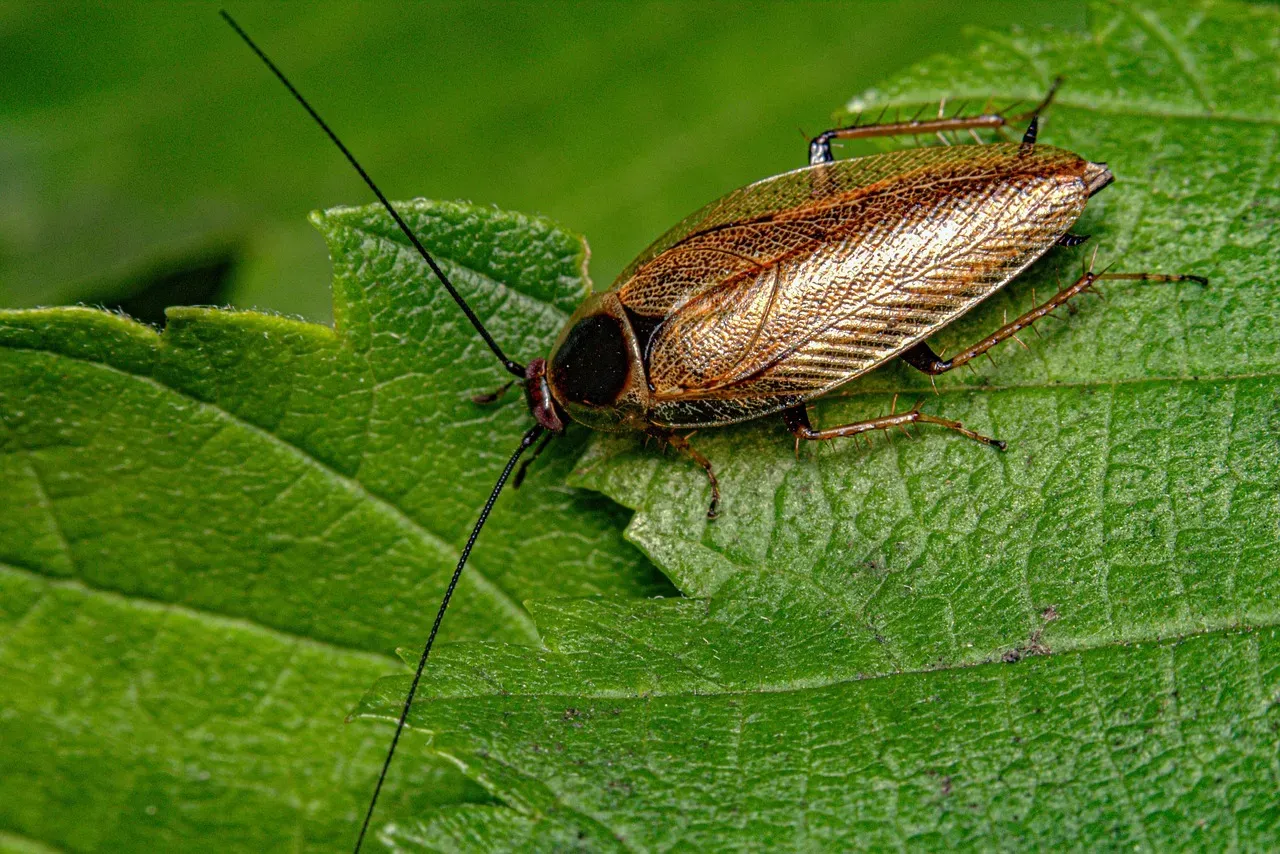
Food is the number one thing that attracts cockroaches to your home. Here’s the thing: these pests aren’t picky eaters at all. Cockroaches are omnivorous scavengers that will eat just about anything including grease, dust, dirt, paper, soap, hair, and other cockroaches.
These pests have an incredibly acute sense of smell thanks to highly sensitive receptors on their antennae. They can detect even faint food odors from considerable distances. That means even if you think you’ve cleaned up after dinner, the tiniest crumb behind the toaster or a drop of spilled juice can send out a signal.
They are especially attracted to starchy, sugary, and greasy foods commonly found in kitchens. Think about the foods you love most – bread, pasta, sweets, meats. Cockroaches love them too. Leaving dirty dishes overnight provides a feast for roaches. Even small food particles stuck to plates and utensils can lure them in.
Pet owners need to be particularly careful. Pet food left out overnight is one of the most common cockroach attractants I see in homes. Whether it’s kibble in your dog’s bowl or remnants in your cat’s dish, these provide more than enough nutrition to sustain an entire roach population.
Don’t forget about less obvious food sources either. Cockroaches will munch on book bindings, wallpaper paste, cardboard boxes, and even leather items when traditional food becomes scarce. They’re survival experts who’ve adapted to feast on whatever’s available.
Moisture and Water Sources Keep Them Coming Back
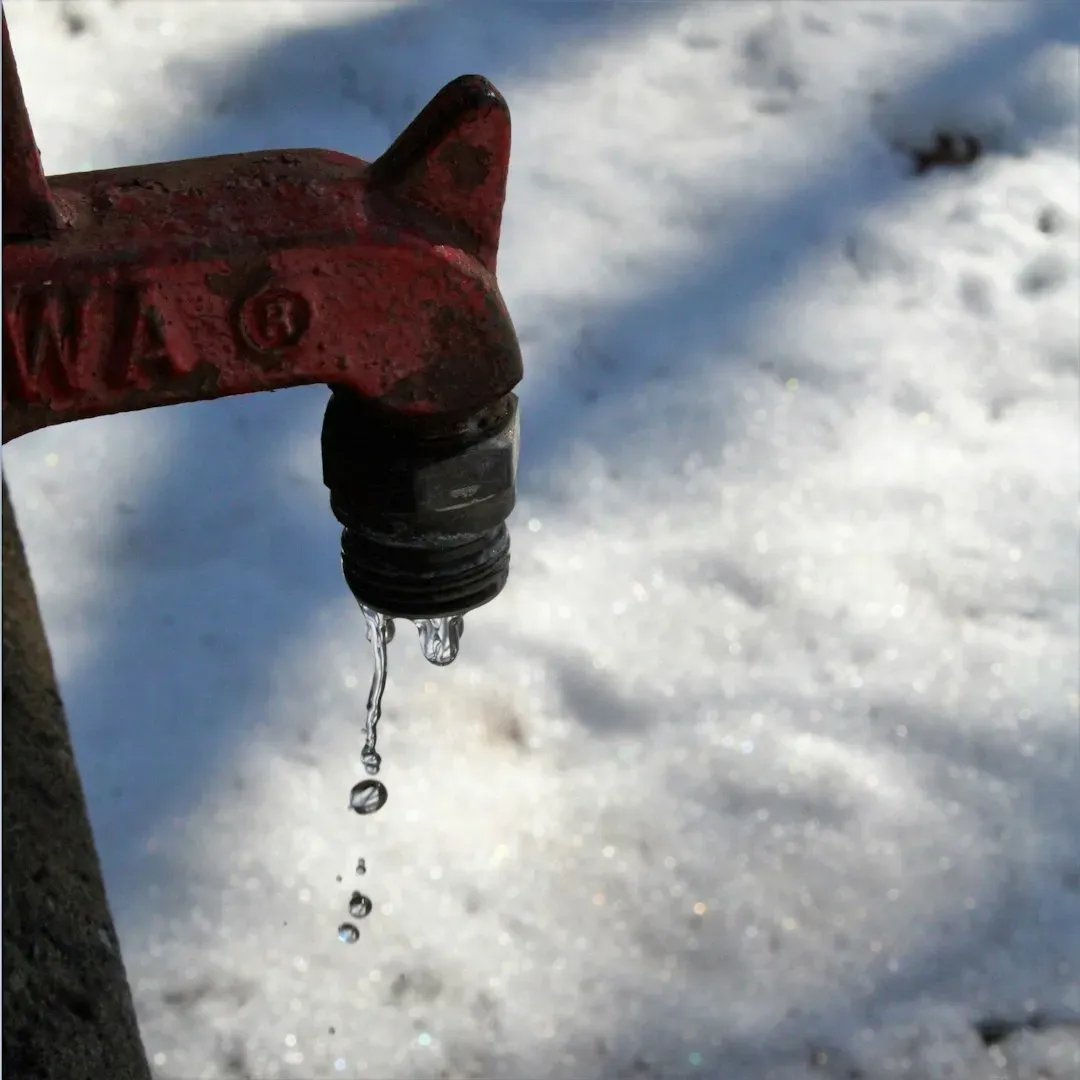
Moisture is a crucial element in their survival. Any source of moisture is a potential lure for cockroaches. Let’s be real – you might not think much about that dripping faucet under the bathroom sink, but cockroaches absolutely notice it.
Roaches need moisture to survive and this search for water will bring them into even the cleanest of homes. Leaky pipes and faucets are one of the most common attractants for cockroaches and is one of the main reasons you often see them in bathrooms, kitchens, and laundry rooms. Water is just as essential to their survival as food.
They will also hide out under refrigerators and air conditioning units to indulge in their condensation, and even drink from pets’ water bowls when left out overnight. Honestly, they’re resourceful about finding hydration wherever they can. Standing water in plant saucers, damp sponges left in the sink, or even condensation on pipes can become their personal water fountain.
These pesky pests thrive in damp environments, so leaky pipes, standing water, and wet sponges can make your home more inviting. Bathrooms are particularly vulnerable because of the constant moisture from showers and tubs. That’s why you’ll often find them scuttling near drains and around toilet bases.
Even areas you might overlook contribute to the problem. Damp basements, laundry rooms with poor ventilation, or piles of wet towels left on the bathroom floor all create the humid conditions cockroaches crave.
Warmth and Dark Hiding Spots Provide Perfect Shelter
Cockroaches thrive in warm environments. They are more likely to infest homes during warmer months or in consistently warm climates. Your home’s heating system and warm appliances can also attract them, especially during cooler seasons.
Cockroaches prefer warm, dark areas such as behind appliances, inside cabinets, and under sinks. These hiding spots provide them with the perfect environment to multiply. Think about all those cozy spaces in your home that rarely see daylight – the gap behind your refrigerator, the dark corner under the stove, or the back of your kitchen cabinets.
These insects are nocturnal by nature and absolutely hate light. That’s why you see them frantically scrambling for cover when you switch on a light in the middle of the night. Roaches love places that are dark and undisturbed so you can often find them in basements, in the dark corners of cabinets, and underneath large appliances, especially those that use water.
The warmth from your appliances creates an irresistible combination. Areas around motors in refrigerators, behind ovens, near water heaters, and inside electrical outlets all maintain consistently warm temperatures that cockroaches find ideal for nesting and breeding.
What makes this particularly challenging is that these hiding spots are often hard to access for cleaning or inspection. By the time you discover an infestation, they’ve already established multiple colonies in these protected areas throughout your home.
Clutter and Cardboard Boxes Create Urban Jungles
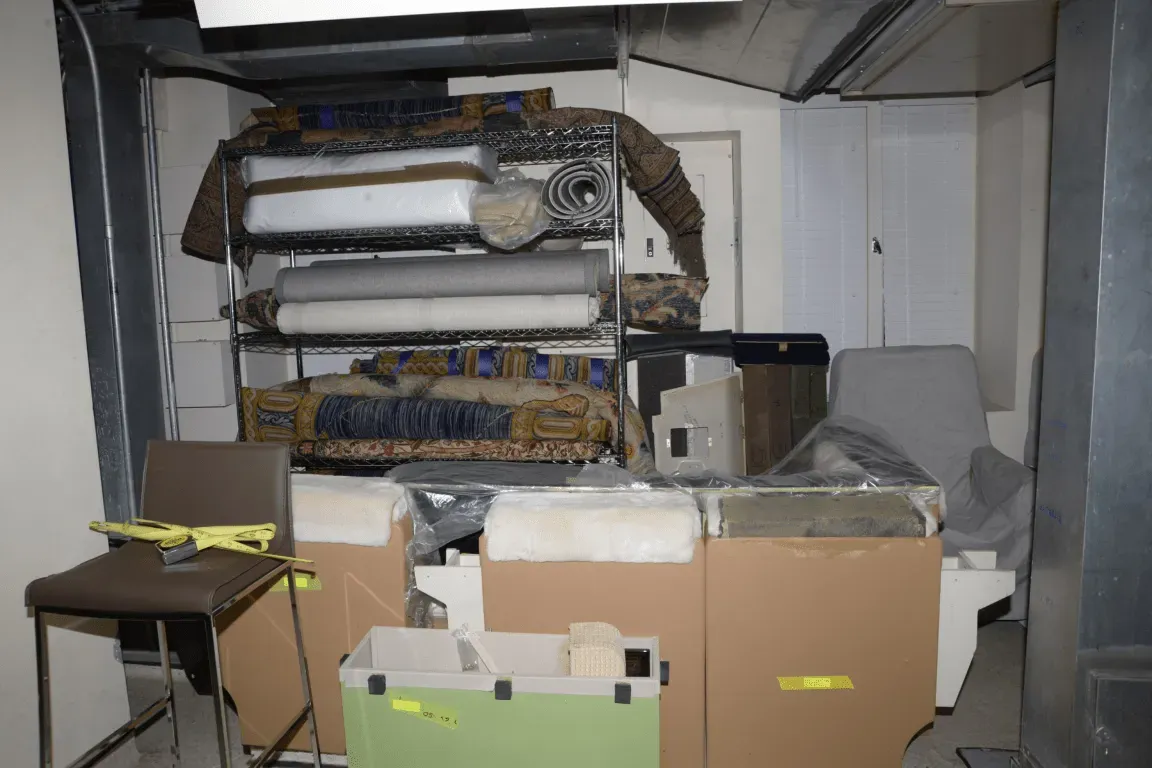
Cockroaches hide in gaps and crevices in walls as well as within clutter. If you have a pile of cardboard or wood, cockroaches are likely to pick that as their home. I think most people don’t realize how much clutter actually helps these pests thrive.
Why are cockroaches attracted to cardboard? If it’s wet, the pests get attracted to the smell, and the soft fibers can act as a food source. Stacks of old newspapers, magazines, cardboard moving boxes you never unpacked, paper grocery bags – all of these create perfect harborage sites.
Roaches use pheromones to communicate. Because of this, they have a preference for surfaces that are better at soaking this scent in, such as cardboard and wood. It’s like they’re leaving invisible messages for each other saying “this is a great place to hang out.”
Old lumber, collections of cardboard or magazines, piled shingles, a stack of forgotten outdoor toys, bags of unattended garbage, or bricks piled close to a wall are all potential homes for roaches. Piles of clutter provide protection for roaches, and they tend to gather moisture and create a damper hiding spot to attract even more cockroaches.
Storage areas like basements, attics, and garages become breeding grounds when they’re filled with boxes and miscellaneous items. Every cluttered corner offers another undisturbed sanctuary where cockroaches can establish nests and reproduce without interference. Decluttering isn’t just about organization – it’s essential pest prevention.
Outdoor Debris and Entry Points Welcome Them Inside
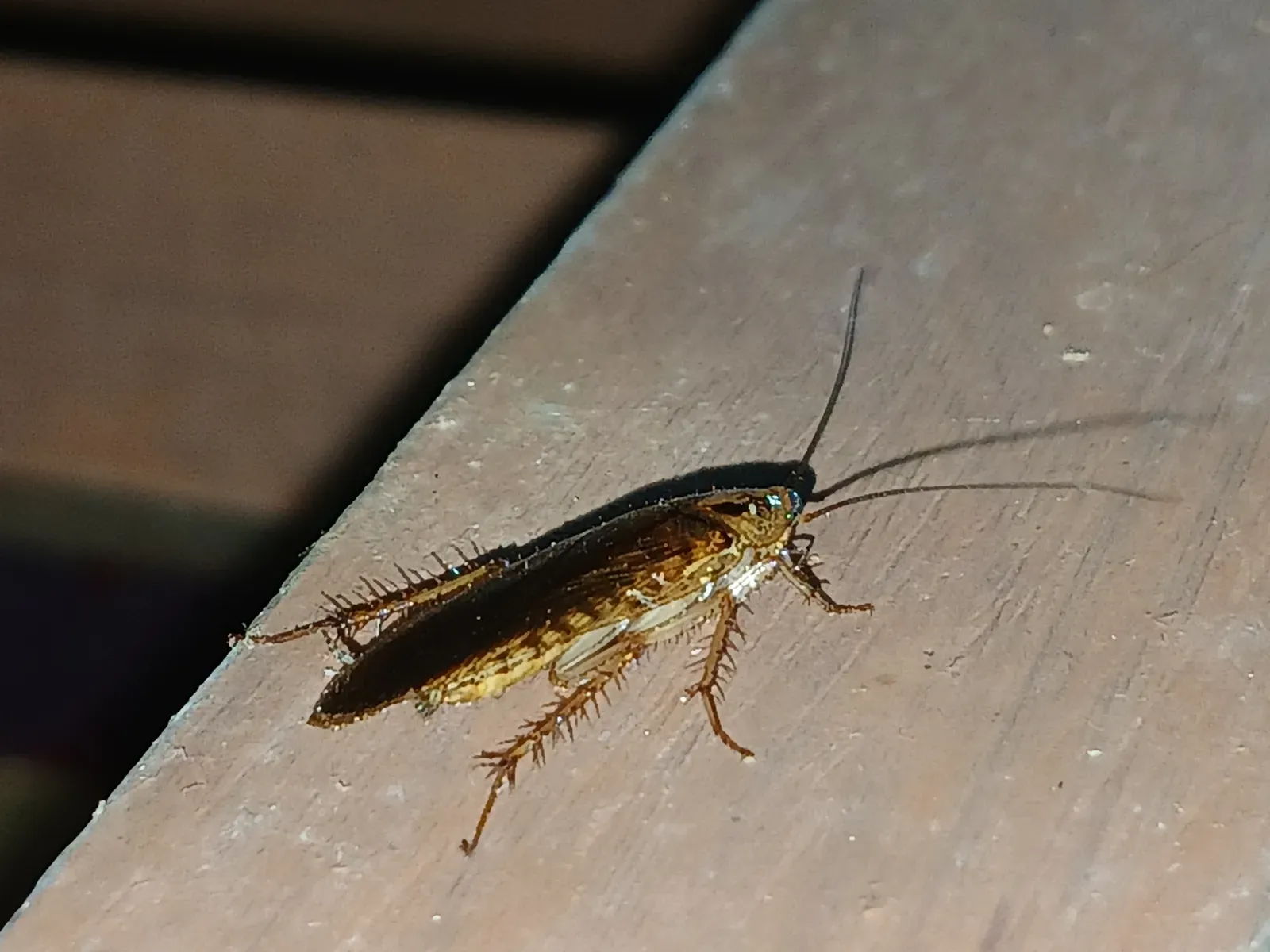
Roaches will come into your yard in search of the same things as your home: food, shelter, and water. You can harbor as many roaches in your yard as you do in your home. Any standing water in places like bird baths, flower pots, and gutters will attract cockroaches.
Your yard is often the staging area before cockroaches make their way indoors. Compost and wood piles provide food and shelter. Trash and recycling bins provide an excellent food source. Leaf litter, dense vegetation, and mulch or pine straw provides ideal hiding places. Once they’re established outside, it’s only a matter of time before they find their way in.
Cockroaches can compress their bodies to fit through minuscule gaps. If there are cracks in your home’s foundation, walls or around windows and doors, they can serve as perfect entry points for these determined pests. You’d be surprised how tiny the opening needs to be – we’re talking gaps barely wider than a credit card.
Your home’s ventilation systems and drain pipes, especially in bathrooms and kitchens, can become highways for cockroach invasion. These pests often navigate through sewer systems and can climb up into homes via drains. That’s right – they’re literally traveling through your plumbing network.
Sometimes you accidentally bring them inside yourself. You might unknowingly usher . They can hitch a ride inside cardboard boxes, grocery bags, or other packages, transitioning from stores or warehouses directly to your living spaces. Used furniture and appliances are particularly risky, as egg cases can hide in crevices you’d never think to check.
Garbage and Poor Sanitation Seal the Deal

Garbage represents a complete food smorgasbord containing sugar, starch, grease, cheese, and meat all in one location, creating a strong smell that attracts roaches. It’s hard to say for sure, but I’d bet most cockroach problems start with trash management issues.
Leaving garbage bags sitting around, not sealing trash cans properly, or failing to take out the trash regularly creates an open buffet. Cockroaches will eat nearly anything, but strong odors from dirty dishes, rotting foods, and garbage will lure them inside. The smell emanating from decomposing food scraps acts like a homing beacon.
Even your kitchen trash can becomes problematic if it doesn’t have a tight-fitting lid. Food residue in empty milk cartons, juice containers, or takeout boxes sends signals that dinner is served. The area under and behind stoves, fridges, and microwaves often collects crumbs and grease, making it an unseen feast for cockroaches.
Poor sanitation extends beyond just visible mess. Accumulated grease under stoves, behind the oven, or inside range hoods can attract cockroaches seeking fatty food sources. These hidden areas that rarely get cleaned during regular tidying become prime real estate for roach colonies.
The combination of decomposing organic matter, moisture from liquids, and the warm environment around trash creates nearly perfect conditions. When you add in forgotten spills, sticky counters, or floors that haven’t been properly mopped, you’re essentially creating a five-star resort for cockroaches.
Conclusion
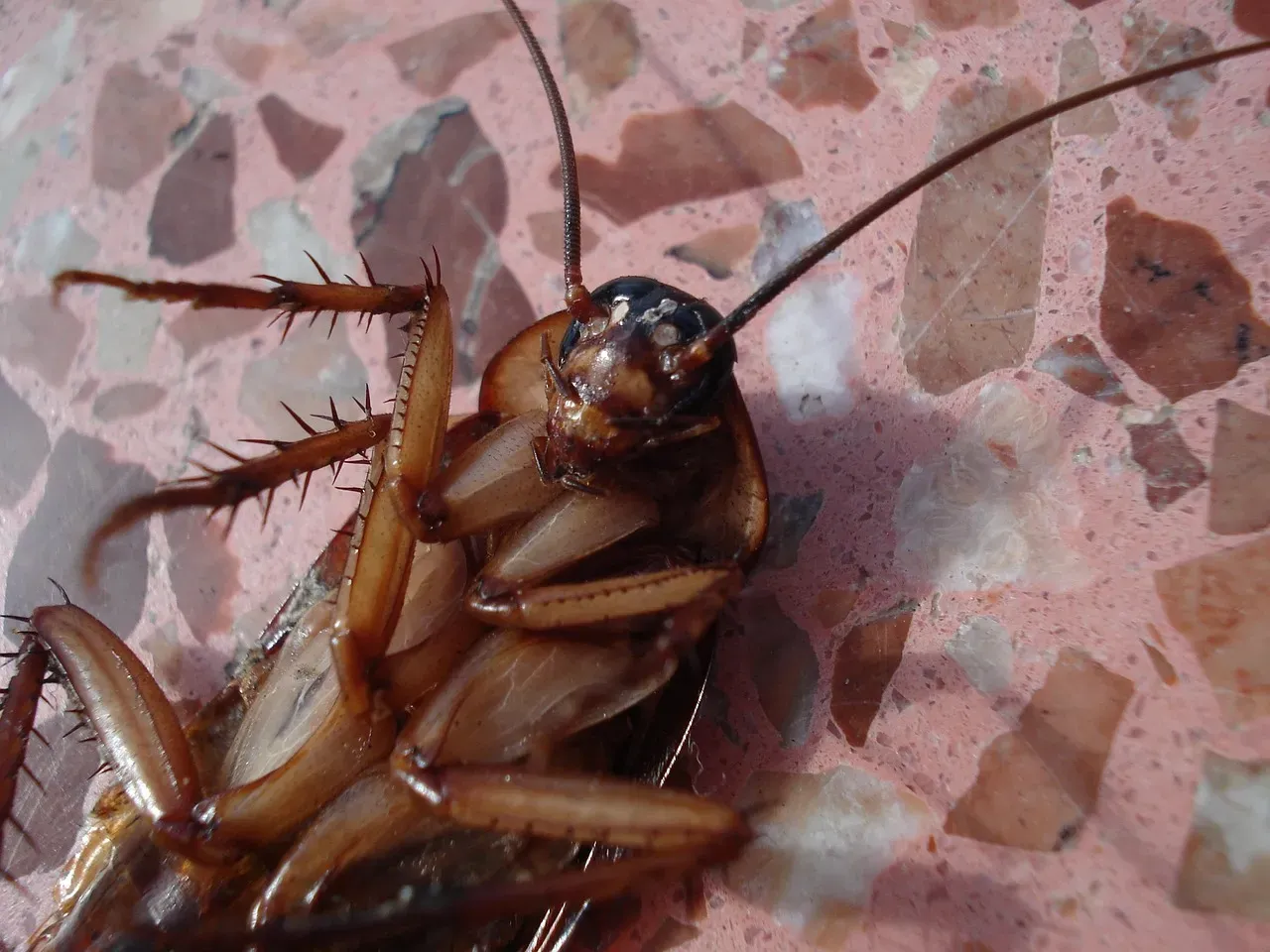
Keeping cockroaches out of your home isn’t about achieving impossible perfection. It’s about understanding what makes your space attractive to them in the first place. From the food scraps you might not even notice to the moisture collecting under your sink, these resilient pests are always searching for their basic needs – food, water, shelter, and warmth.
The good news is that most of these attractants are within your control. Regular cleaning, proper food storage, fixing leaks promptly, sealing entry points, and reducing clutter can dramatically reduce your risk of an infestation. Even small changes like not leaving dishes in the sink overnight or taking out the trash daily make a real difference.
Remember that cockroaches have survived for millions of years by being adaptable and opportunistic. They’ll exploit any opening you give them. Stay vigilant about these six major attractants, and you’ll be well on your way to keeping your home cockroach-free. What surprised you most about what draws these pests inside?

- Why Wolves Were Reintroduced to Yellowstone - July 15, 2026
- The Resurgence of America’s Wild Horses: A Symbol of Freedom and Hope - July 15, 2026
- 10 Cat Breeds That Tolerate Dogs Surprisingly Well - July 15, 2026