
Have you ever wondered why ancient people saw something otherworldly in the eyes of a cat or felt reverence standing before a bull? Long before our modern world separated the sacred from the mundane, civilizations across continents recognized animals not merely as creatures sharing their environment but as vessels of divine power, wisdom, and protection. These weren’t just symbols scribbled on temple walls or fairy tales told around campfires.
They were living, breathing intermediaries between humanity and the gods themselves. From the fertile banks of the Nile to the dense jungles of Mesoamerica, from the windswept plains where shamans journeyed to the frozen Norse lands where ravens circled battlefields, animals occupied a place in spiritual life that we can barely fathom today. Let’s be real, our ancestors weren’t naive or superstitious in the way we might assume. They observed nature with an intimacy we’ve largely lost, and what they saw transformed their understanding of the cosmos itself.
The Egyptian Pantheon: Where Gods Wore Fur, Feathers, and Scales
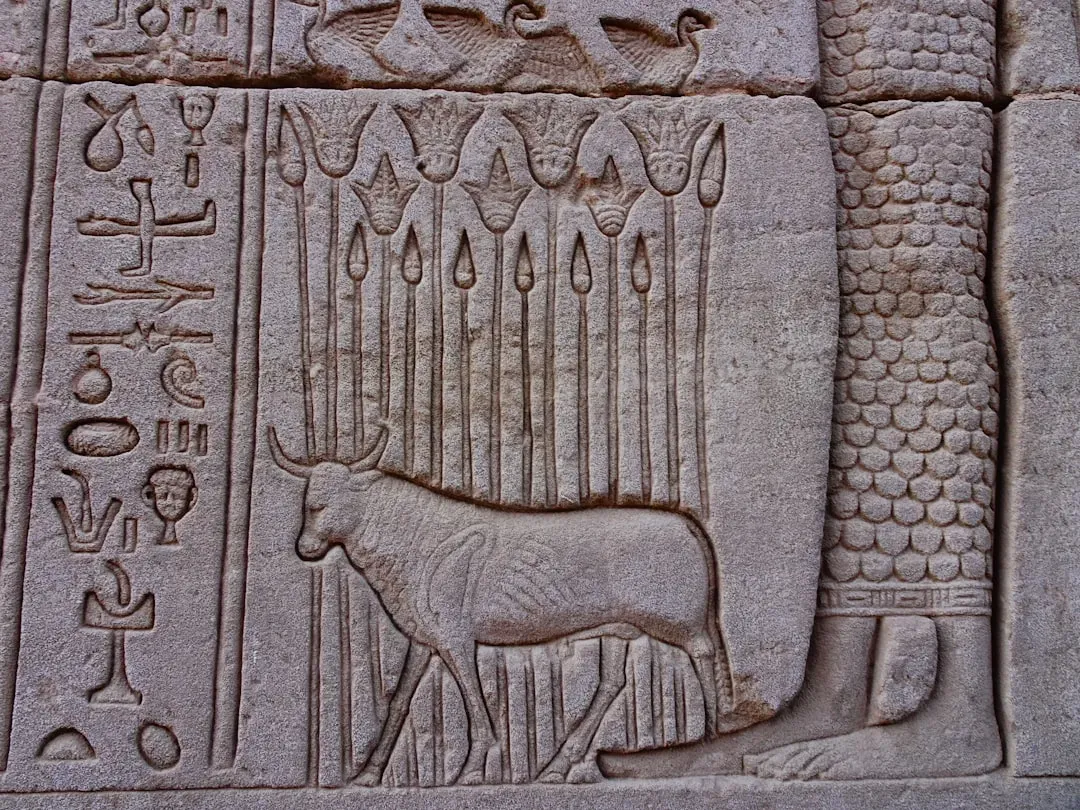
Animals played a significant role in both royal and non-royal life in ancient Egypt, featuring heavily in everyday secular and religious activities. Think about that for a second. This wasn’t some fringe belief system. The ancient Egyptians admired qualities like strength, the ability to ward off predators, protective nature, nurturing characteristics and connections to rebirth, and displaying their deities in the forms of animals demonstrated what they believed about each god or goddess’s nature.
By the dawn of dynastic Egypt in 3100 B.C., the gods were taking animal forms. The most well-known of these is probably the cat, which has its domestic origins in ancient Egypt. Cats symbolized protection and fertility, represented by the goddess Bastet, while crocodiles represented strength through the god Sobek, and scarabs represented resurrection through Khepri. It’s hard to say for sure, but the Egyptians seemed to understand that different animals embodied different aspects of what made existence both beautiful and terrifying.
Animals that were feared by ancient Egyptians, such as crocodiles and hippopotami, were revered and worshipped in order to protect them from their wrath. Here’s the thing: this wasn’t just about admiration. It was about survival, respect, and a sophisticated understanding of power dynamics. The crocodile god Sobek was a powerful deity worshipped from the Old Kingdom through to the Roman Period, and within the temples dedicated to Sobek it was usual to have pools full of sacred crocodiles, which were mummified after their death.
The relationship went deeper still. The animals were merely an intermediary between humans and the divine. Certain animals, like the Apis bull, crocodiles, and cats, were viewed as embodiments of gods and were cared for in temples and worshiped, while animals including cats, dogs, and ibises were mummified as offerings to deities or as companions in the afterlife. Can you imagine the reverence required to create entire sacred cemeteries just for cats? That’s commitment to a spiritual worldview we can scarcely comprehend today.
Hindu Traditions: The Sacred Lives of Elephants, Cows, and Serpents
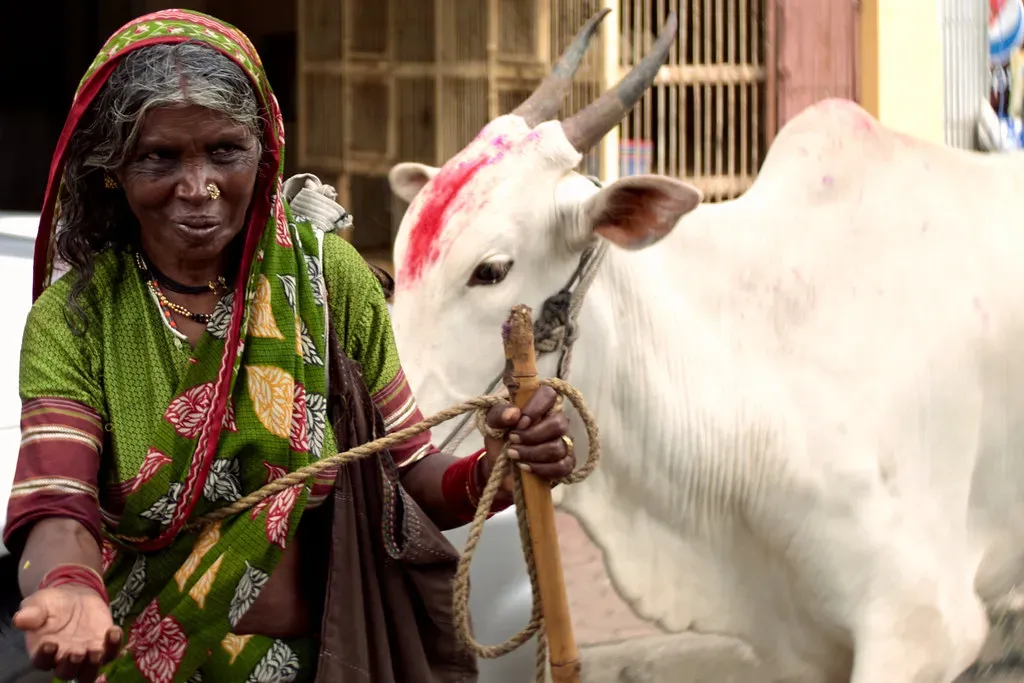
In no other part of the ancient world nonviolence and compassion to wild animals received so much emphasis and nowhere else animals were treated better or on par with humans than in India. This perspective fundamentally shaped Hindu mythology and practice. A few animals such as the elephant, horse, cow, bull, boar, tiger, and lion are considered sacred and spiritually evolved, and they enjoy an exalted status, sharing the honors during worship with major Hindu deities.
In the religious traditions of India, elephants symbolize royalty, majesty, strength, divinity, abundance, fertility, intelligence, keenness, destructive power, and grasping power, and the souls in elephants are said to be highly evolved and ripe for evolution. The elephants are considered sacred because Lord Ganesha has the head of an elephant which symbolizes knowledge and intelligence, and he is considered to be the remover of all obstacles. Honestly, when you see an elephant’s intelligence and family bonds in the wild, it’s not hard to understand why ancient peoples saw something divine there.
The cow is the most famous of all the sacred animals of Hinduism because it is considered a gift from the gods, and for this reason, Hindus consider it a sin to eat beef, while killing a cow is morally and strongly condemned. The cow symbolizes wealth, compassion, motherliness, righteousness, motherhood, divinity, sattvic nature, sacrifice, service, purity, and auspiciousness. Even today, this reverence continues, with cows wandering freely through Indian streets, protected by thousands of years of spiritual tradition.
The Indian cobra is considered sacred in Hinduism because it is closely related to the god Shiva, and Hindu mythology says that Shiva wears an Indian cobra called Vasuki around his neck. Vasuki is the king of the divine serpents called naga, which protect water sources and control rain. Because snakes renew their skin, in Hinduism they also represent death and rebirth. The serpent’s cycle of transformation became a powerful metaphor for spiritual renewal that resonates through Hindu philosophy even now.
Native American Shamanism: Spirit Animals as Guides Through Life
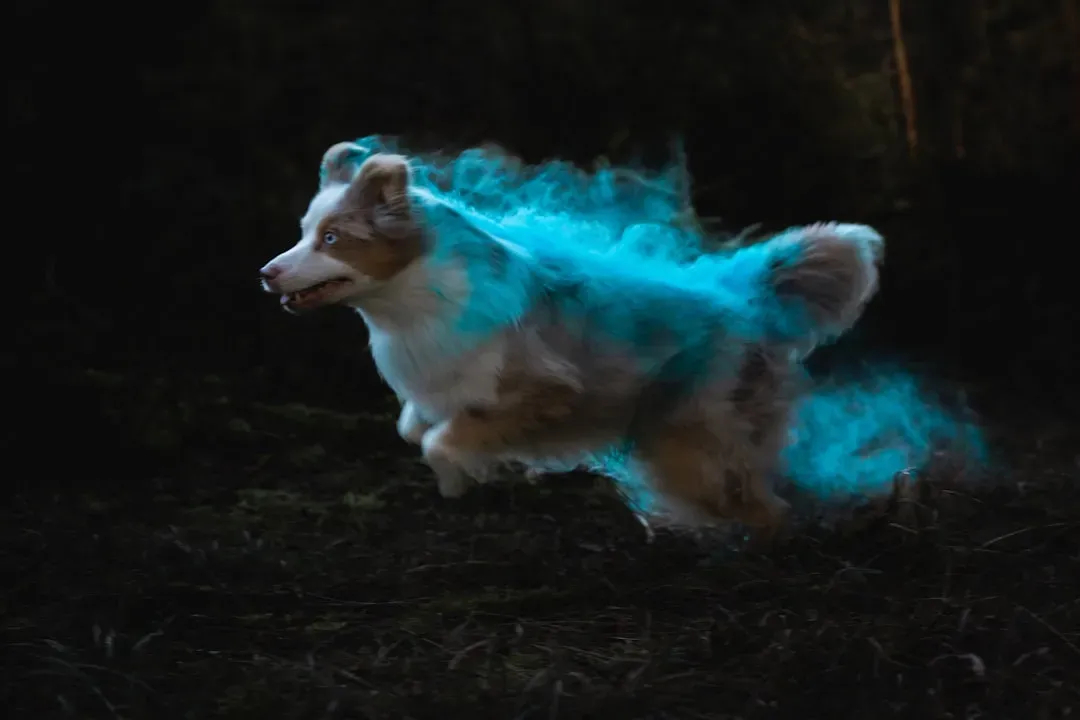
In shamanic traditions, spirit animals, also known as power animals or totem animals, are believed to be spiritual guides that offer protection, wisdom, and support, and each spirit animal embodies specific qualities and characteristics that can aid us in our personal and spiritual development. Native American culture teaches that we are each born with an animal spirit guide and that throughout our lives, we may call upon or be visited by an animal spirit guide to help us deal with our circumstances, in other words, to find strength or whatever characteristics that species may have of which we are in need.
The practice runs deeper than simple symbolism. In Shamanism, the world’s oldest healing tradition, the animal guides are known as power animals, and Shaman practitioners receive a specific animal spirit guide from the spirit world that travels with them to offer insight, guidance and help them with their duties. Let’s dive in here: this wasn’t passive worship. The practice of vision quests is a significant rite of passage that often involves connecting with a spirit animal, which provides guidance and insight.
There are four types of animal guides: messenger, journey, life and shadow. The life spirit guide stays with you throughout your life and is a reflection of who and what you are and your spiritual makeup, reminding you of your strengths and innermost abilities, and you may even have more than one life guide. Animal guides choose YOU, so a love of horses or cats does not mean that either is your birth spirit animal; instead, it is the spirit animal that your soul or spirit needs to walk beside you in this life.
What strikes me most is the practicality woven into the spiritual. When you connect with your animal spirit guides, keep in mind their survival and predatory characteristics, as these characteristics will help you to grow, make decisions and determine the path of your life. The eagle teaches you to see the bigger picture. The bear teaches strength and introspection. Each animal brought specific medicine, specific teachings that could guide a person through whatever challenges life threw at them.
Norse Mythology: Ravens, Wolves, and the Allfather’s Companions
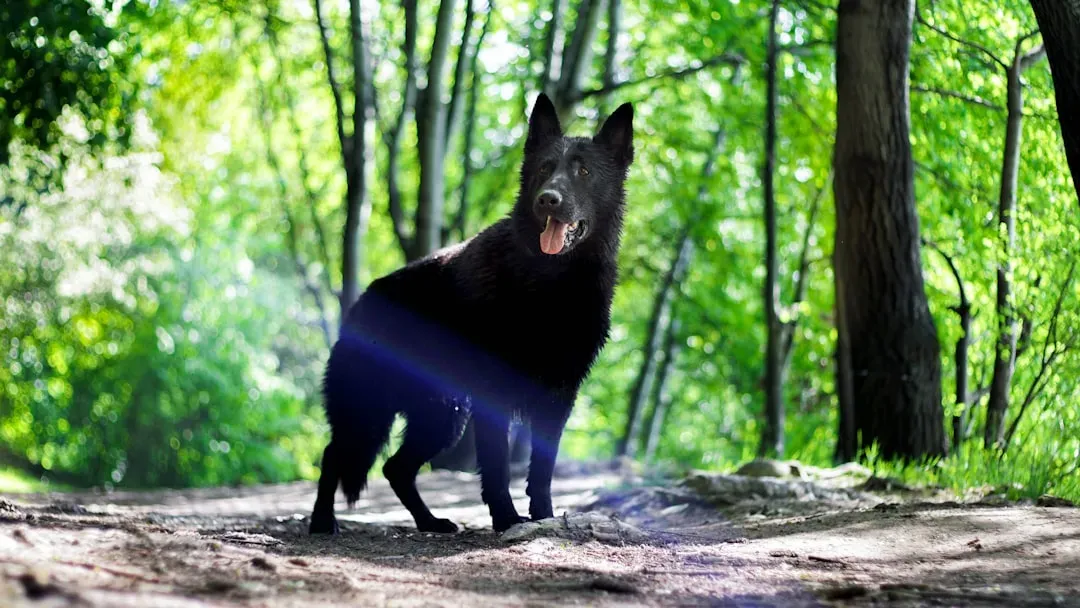
In Viking and Norse mythology, animals played a crucial role in the spiritual and cultural beliefs of the Norse people, with the bear, wolf, and raven symbolizing different aspects of power, wisdom, and the supernatural. Perhaps the most significant animal in Norse mythology is the raven, closely associated with Odin, whose two ravens, Huginn and Muninn (thought and memory), flew across the world each day, bringing back knowledge and information to Odin.
The wolf holds a prominent place in Norse mythology, primarily due to the legendary wolf Fenrir, who is destined to play a key role in the events of Ragnarök, symbolizing the wild, uncontrollable forces of nature and fate, while Odin’s wolves, Geri and Freki, accompanied the Allfather on his travels. Wolves were both feared and revered in Norse culture, symbolizing strength, loyalty, and ferocity.
Bernd Heinrich theorizes that Geri and Freki, along with Odin and his ravens Huginn and Muninn, reflect a symbiosis observed in the natural world among ravens, wolves, and humans on the hunt, with the man/god-raven-wolf association like one single organism in which the ravens were the eyes, mind, and memory, and the wolves the providers of meat and nourishment. This wasn’t mysticism divorced from reality. It was acute observation of nature transformed into mythology.
The bear was a powerful symbol in Norse mythology, representing strength, courage, and protection, and was associated with the warrior cult of Berserkers, fierce Viking warriors who were believed to channel the spirit of the bear in battle. Warriors didn’t just admire these animals; they believed they could embody their essence, transforming themselves into unstoppable forces on the battlefield. The line between human and animal, physical and spiritual, blurred in ways that gave warriors both psychological and spiritual power.
Mesoamerican Civilizations: Jaguars, Serpents, and the Underworld
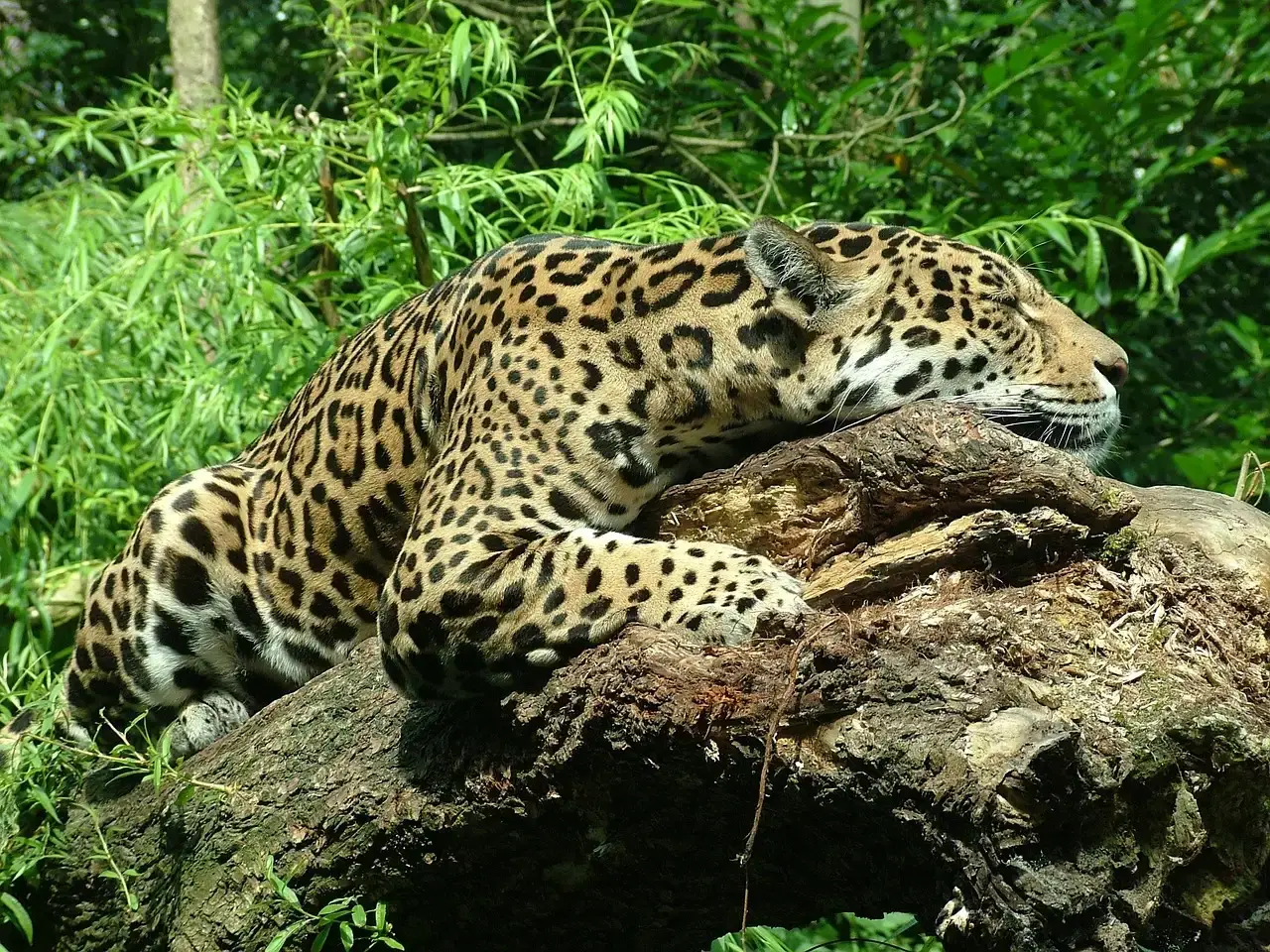
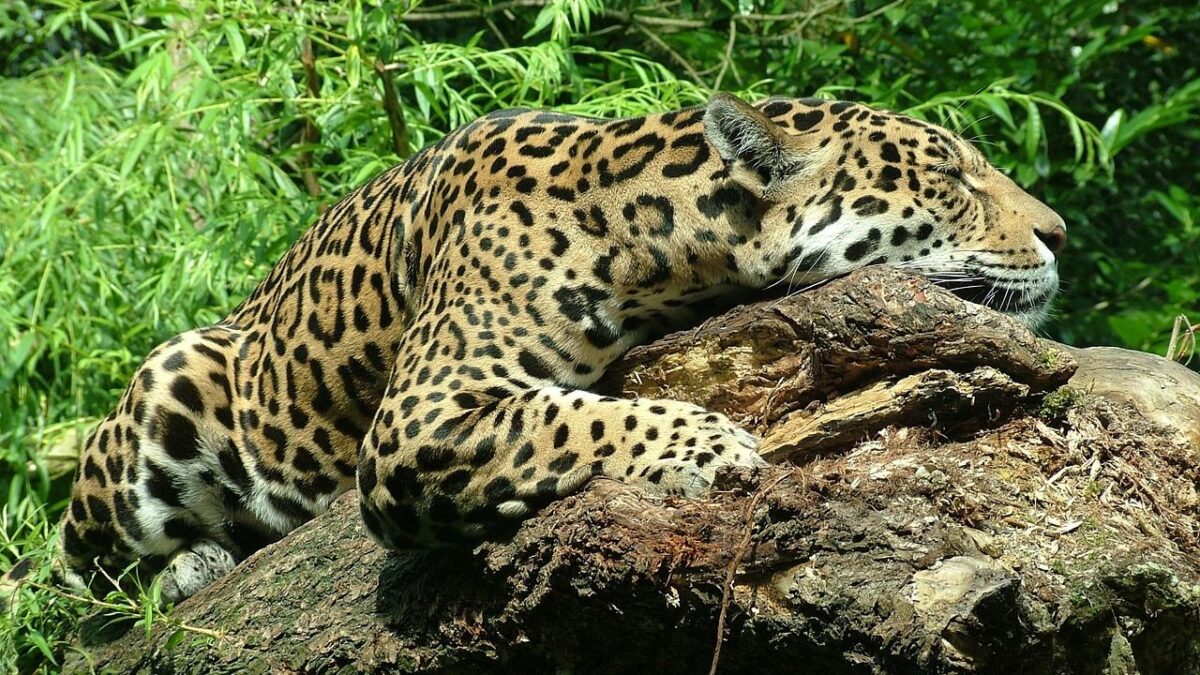
The jaguar and serpent were by far the most prominent symbols in Mesoamerica as far as animals were concerned. All major Mesoamerican civilizations prominently featured a jaguar god, and for many, such as the Olmec, the jaguar was an important part of religious practice, as those who resided in or near the tropical jungle witnessed the jaguar’s habits and incorporated the animal into their mythology.
Tezcatlipoca’s nagual, or animal disguise, was the jaguar, whose spotted skin was compared to the starry sky, and as a creator god, Tezcatlipoca ruled over Ocelotonatiuh, the first of the four worlds that were created and destroyed before the present universe. Maya gods with jaguar attributes or garments are underworld gods. One such god is Xbalanque, one of the Maya Hero Twins whose entire body is covered with patches of jaguar skin, and another is God L, the primary lord of the underworld, often shown with a jaguar ear or jaguar attire, and atop a jaguar throne.
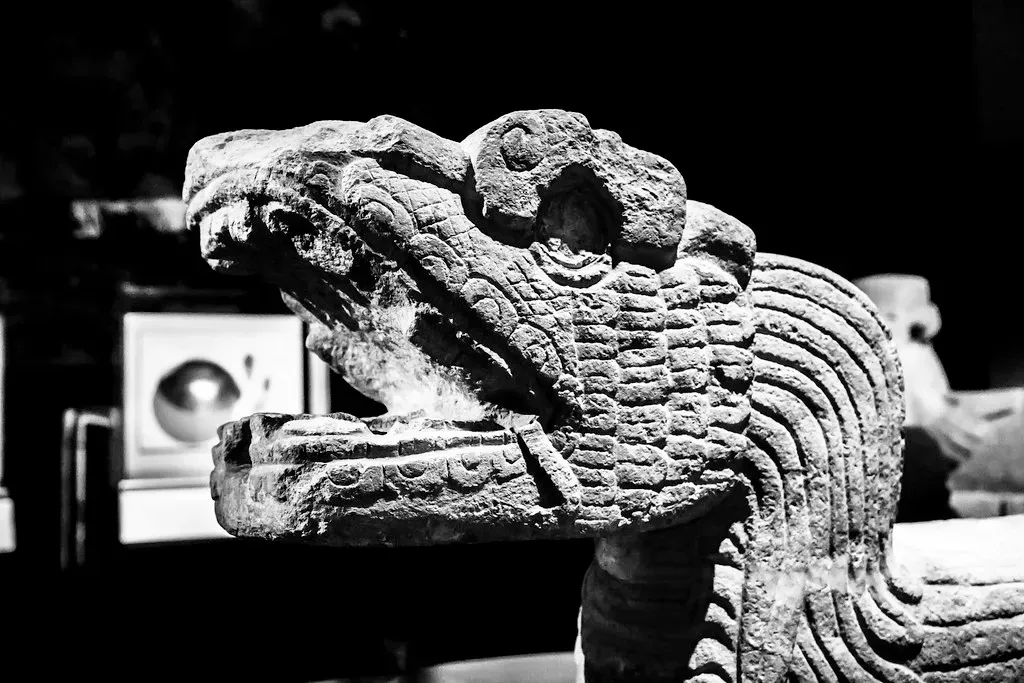
The serpent, particularly the feathered serpent known as Kukulkan, plays a central role in Mayan cosmology, embodying a duality of creation and destruction and representing the complexities of life, while it is often seen as a symbol of knowledge, wisdom, and fertility. The serpent’s ability to shed its skin symbolizes rebirth and transformation, and in mythology, the serpent could both create life and bring about chaos, representing the balance of nature. The serpent wasn’t just feared or worshipped; it was understood as essential to the cosmic order itself.
The jaguar’s brilliant coat made it quite desirable, however, not all were allowed to don the jaguar pelt as it became the identification of the ruling class for the Maya, and Maya kings wore jaguar pelts and adopted the jaguar as part of their ruling name, as a symbol of their might and authority. This demonstrates how animal symbolism wasn’t just religious – it was political, marking power and legitimacy in ways that everyone could instantly recognize and respect.
The Enduring Legacy: What Ancient Animal Worship Teaches Us Today
So what does all this mean for us now? We live in a world where most people encounter animals primarily as pets, pests, or food. The vast majority of us will never experience the kind of intimate, daily relationship with wildlife that our ancestors did. Still, something about these ancient beliefs resonates, doesn’t it? Perhaps it’s because they recognized something we’ve forgotten: that we’re not separate from nature but part of it, that animals possess qualities worth emulating, and that the boundary between the physical and spiritual worlds might be more permeable than modern thinking suggests.
The reverence ancient civilizations showed toward animals wasn’t primitive superstition. It was sophisticated theology, psychology, and ecology rolled into one worldview. Whether Egyptian priests caring for sacred crocodiles, Hindu communities protecting cows, Native American shamans journeying with spirit guides, Norse warriors channeling bear fury, or Maya kings claiming jaguar lineage, these practices created frameworks for understanding power, wisdom, protection, and humanity’s place in the cosmos. They remind us that for most of human history, animals weren’t just resources to be exploited but teachers, guides, and manifestations of forces greater than ourselves.
The gods may have walked among us wearing fur and feathers, scales and claws. Even if we no longer worship them, perhaps we can still learn from the profound respect and connection our ancestors felt toward the creatures sharing this world. What do you think – have we lost something essential by seeing animals as separate from the spiritual realm, or have we simply evolved beyond needing such beliefs? The answer might say more about us than about those ancient civilizations themselves.
