
Picture yourself standing at the edge of a shallow river at dusk, watching as thousands upon thousands of cranes descend from the sky in a symphony of ancient calls. Or imagine witnessing butterflies so numerous they blanket entire trees in vibrant orange and black. These aren’t scenes from a nature documentary. They’re real events happening right here in the United States, and they’re some of the most spectacular natural phenomena our planet has to offer.
Wildlife migrations represent nature’s most dramatic performances, where millions of animals move across vast distances following rhythms established over millennia. From tiny butterflies traveling thousands of miles to massive whales hugging our coastlines, these journeys remind us that we’re part of something much larger than ourselves. So let’s dive into seven migrations that will leave you absolutely speechless.
The Monarch Butterfly Migration: A Journey of Generations
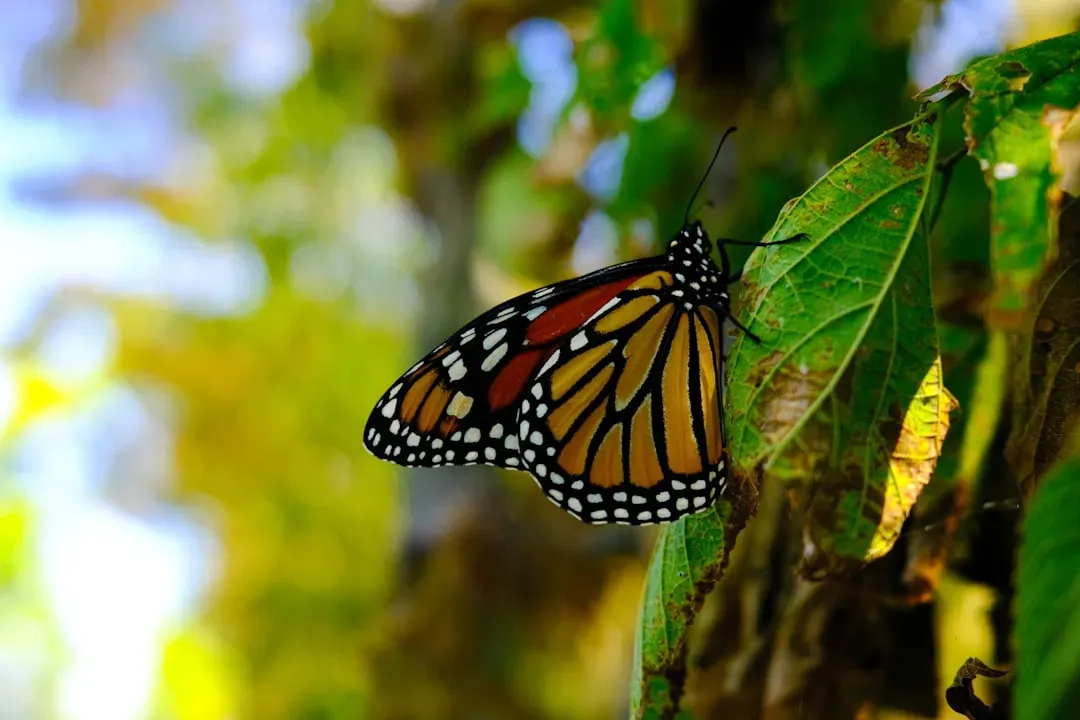
Eastern monarch butterflies travel up to 3,000 miles from the northeastern United States and Canada to central Mexico, making this one of the most astonishing insect migrations on Earth. What makes it even more remarkable is that no single butterfly completes the entire round trip.
Adults in the migratory generation can live for up to nine months, unlike their summer counterparts who survive only a few weeks. These super-generation monarchs leave in late summer and early fall, navigating to Mexican mountain forests they’ve never seen before.
The return journey is even more fascinating. The first generation travels from Mexico about 600 miles north, where they lay eggs on milkweed plants, and it takes three to four generations to reach the northern United States and Canada. Each subsequent generation picks up where their parents left off, somehow knowing exactly where to go.
Witnessing millions of monarchs clustered on trees in Mexico’s oyamel fir forests is truly otherworldly. The best viewing occurs from November through March in the Monarch Butterfly Biosphere Reserve. Unfortunately, the probability of extinction in the foreseeable future is estimated at 56 to 74 percent for the eastern population, making this a migration you shouldn’t wait to see.
The western population faces even steeper challenges, overwintering along the California coast rather than Mexico. Their numbers have declined dramatically in recent years, adding urgency to conservation efforts across North America.
Gray Whale Migration: The Longest Mammalian Journey
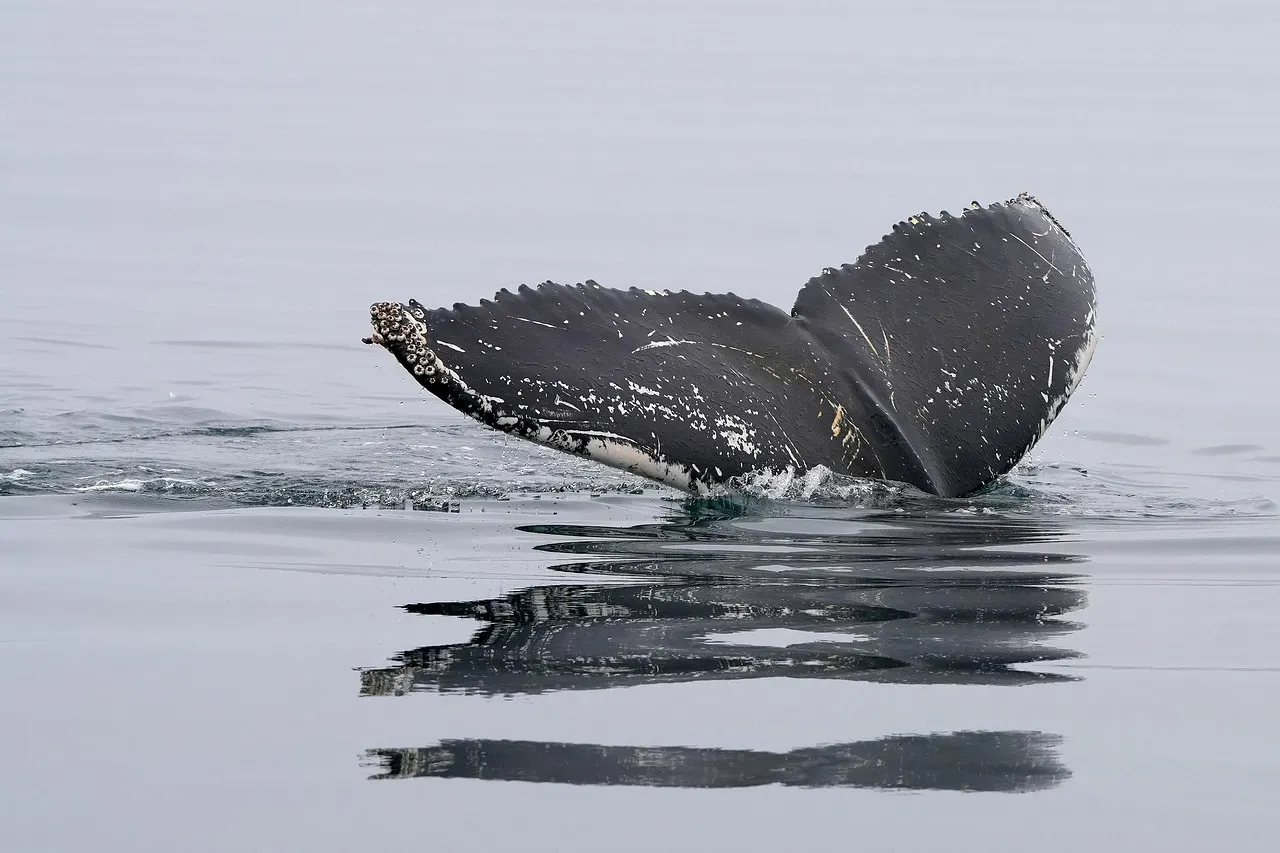
Every year, gray whales undertake one of the longest migrations of any mammal, traveling 12,000 miles round-trip from their feeding grounds in the Arctic to calve and breed in the Baja lagoons, and then back again. This is roughly equivalent to crossing the entire United States three times.
Gray whales begin to leave their Arctic feeding grounds in September, migrating south along the coastline to breed and calve in Baja California, Mexico, traveling at approximately five miles per hour and averaging about 75 miles a day. They’re in no particular hurry, which is great news for whale watchers.
The California coast offers some of the best whale-watching opportunities in the world. Gray whales can be seen passing by California in December and January during their southern migration, and again between mid-February and early May on their journey north. Point Reyes, Bodega Head, and Big Sur are particularly spectacular viewing locations.
Things aren’t looking great for these gentle giants, though. The most recent count from winter 2025 reveals a continuing decline, with an estimated abundance of about 13,000 gray whales, the lowest since the 1970s. Even more concerning, only about 85 gray whale calves migrated past Central California in 2025, the lowest number since records began in 1994.
Despite these challenges, seeing a gray whale breach or watching a mother guide her calf along the coast remains one of nature’s most moving experiences. The migration continues as it has for thousands of years, a testament to these animals’ resilience.
Sandhill Crane Convergence: Nebraska’s River of Wings
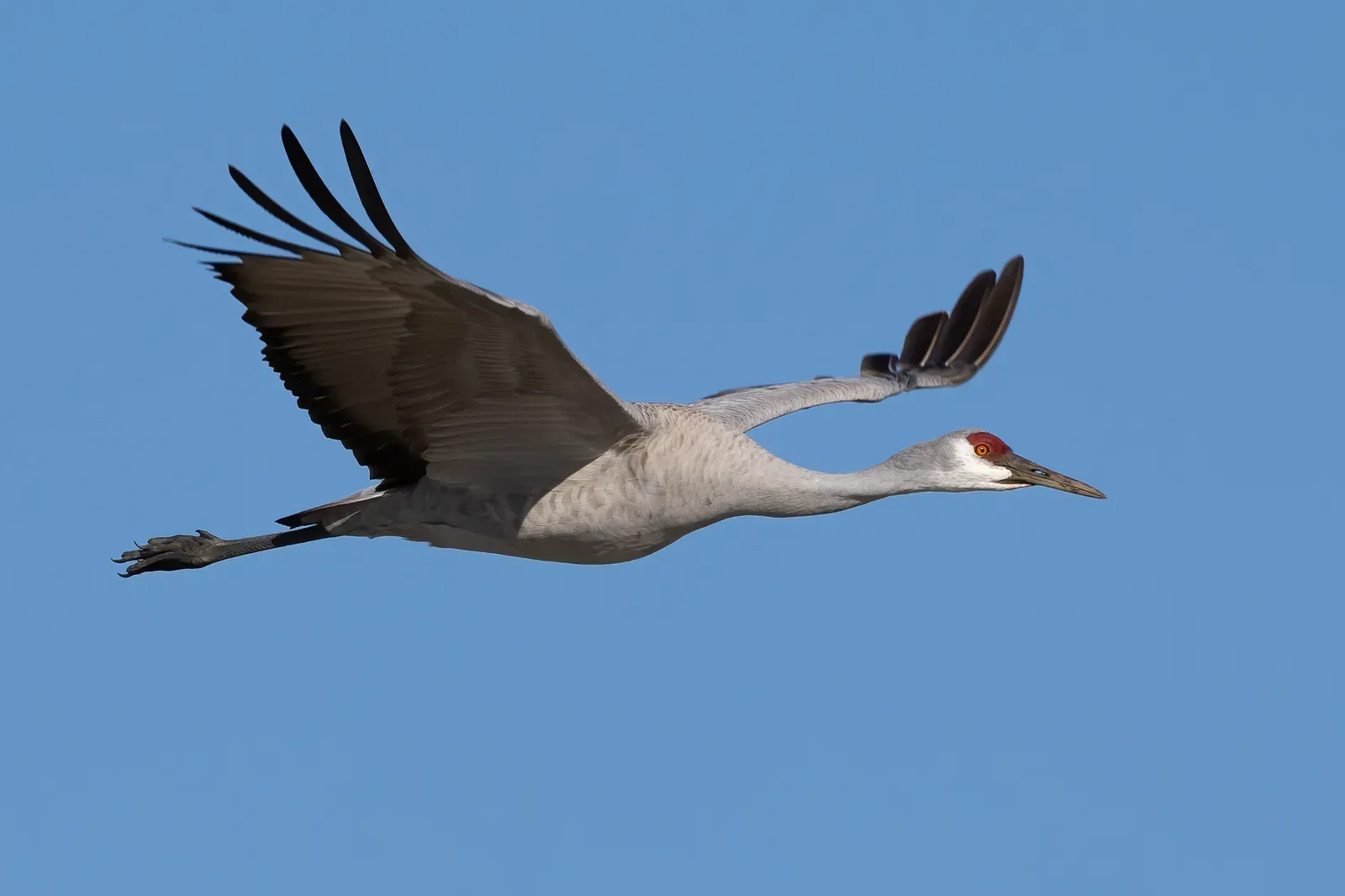
Here’s something that’ll blow your mind: The spring migration population of sandhill cranes in the Central Nebraska Flyway is estimated at 650,000, with more than 80 percent of the world’s population converging on Nebraska’s Platte River valley. That’s not a typo. More than half a million cranes gather in one relatively small area.
Every March and April, over a million sandhill cranes converge on the Platte River Valley in central Nebraska to fuel up before continuing north to their nesting grounds. An individual crane spends about 29 days along the Platte River, during which it will acquire up to a pound of fat, providing the energy necessary to complete the migration and initiate nesting.
The spectacle unfolds at dawn and dusk. The morning liftoff either happens slowly, with smaller groups of cranes leaving as the sun continues to rise, or more frequently with tens of thousands of sandhill cranes leaving all at once in a cloud that blots out the sky. It’s hard to say for sure, but witnessing this might just change your entire perspective on nature.
These ancient birds have been making this journey for millions of years. Fossil records place sandhill cranes in Nebraska more than nine million years ago, predating the Platte River, which formed about 10,000 years ago. Talk about an established travel route.
The Rowe Sanctuary and Crane Trust offer guided viewing experiences from blinds positioned right along the river. Watching cranes dance, socialize, and fill the sky with their distinctive calls is genuinely one of America’s greatest wildlife experiences.
Pacific Salmon Runs: Nature’s Most Dramatic Homecoming
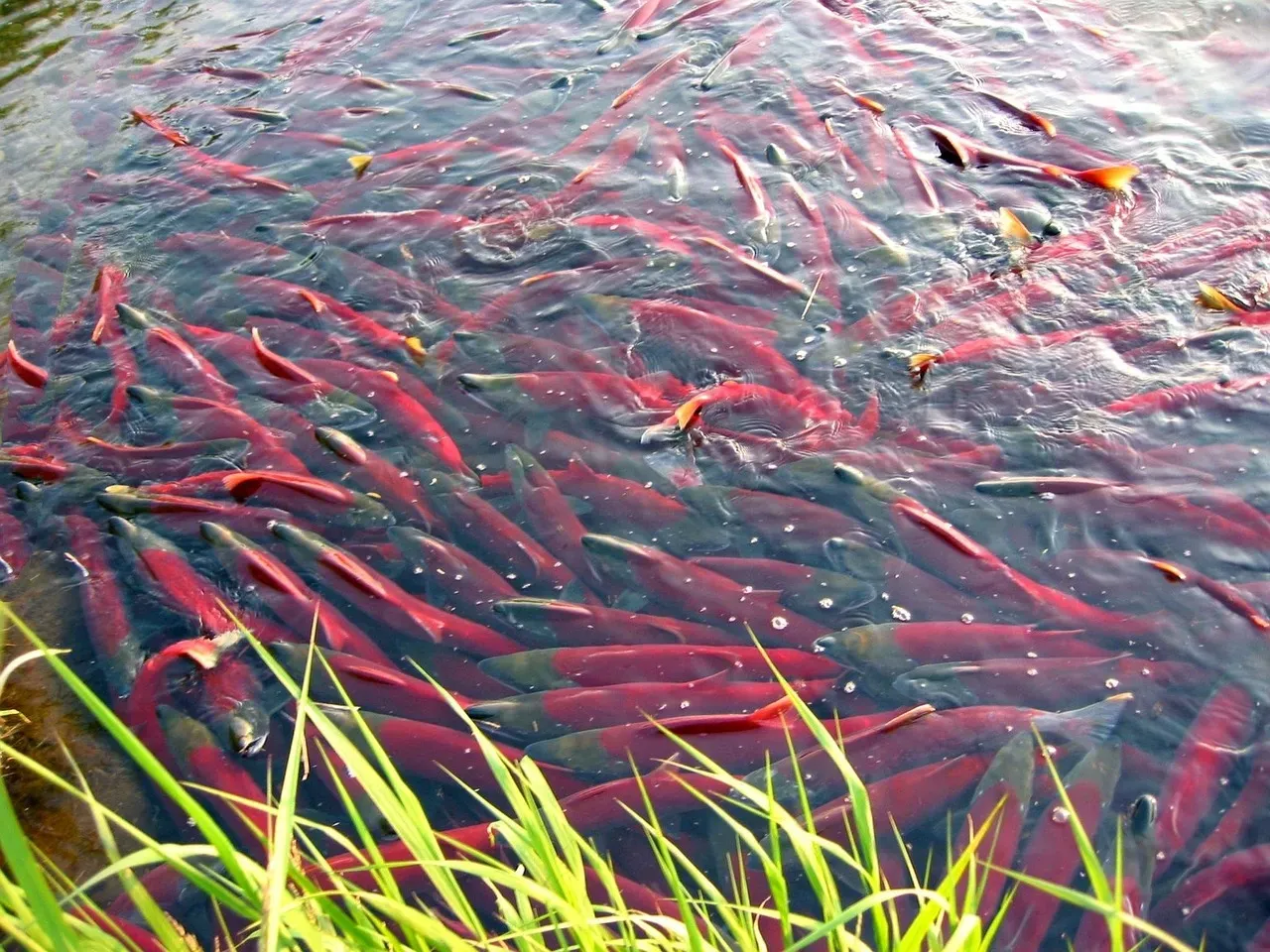
All six species of Pacific salmons live for many years in the ocean before swimming to the freshwater stream of its birth, spawning, and then dying. This one-way journey transforms rivers throughout the Pacific Northwest into scenes of both life and death.
Salmon first travel from their home stream to the ocean, which can be a distance of hundreds of miles, and once they reach the ocean, they might travel an additional 1,000 miles to reach their feeding grounds. Years later, they reverse this journey, fighting upstream against powerful currents, leaping up waterfalls, and navigating obstacles that would stop most creatures.
Most Pacific salmon can be seen migrating from spring through fall, depending on the species, with the best salmon spawning viewing typically mid-September through December peaking in late October and early November. Oregon and Washington offer numerous accessible viewing areas where you can witness this ancient cycle.
The ecological impact is staggering. In the Pacific Northwest and Alaska, salmon are a keystone species supporting wildlife from birds to bears and otters, with the bodies of salmon representing a transfer of nutrients from the ocean, rich in nitrogen, sulfur, carbon and phosphorus, to the forest ecosystem.
Watching salmon leap waterfalls with single-minded determination is both inspiring and heartbreaking. They’re using every last bit of energy to reach their birthplace and ensure the next generation survives. It’s nature at its most raw and powerful.
Caribou Migration: The Longest Land Journey on Earth
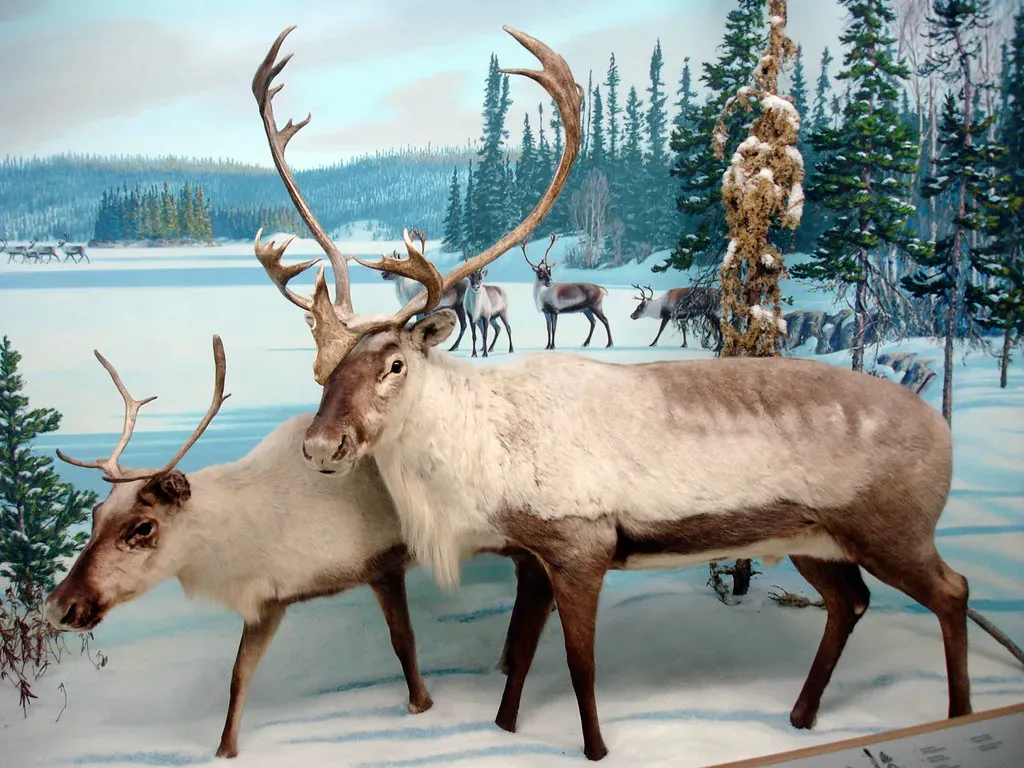
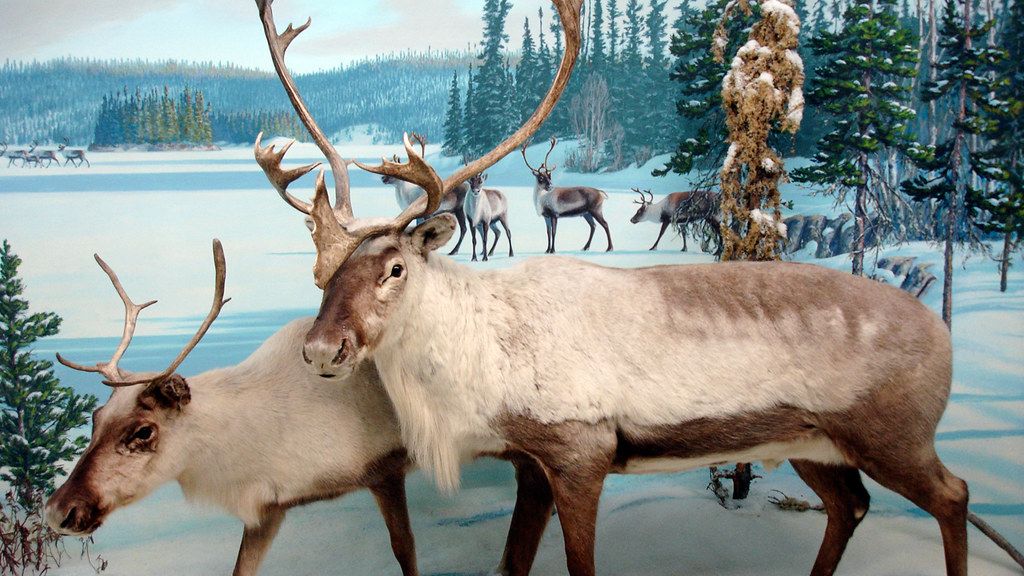
The caribou migration is the longest land migration on the planet, with these long-legged creatures migrating 2,000 miles each year between their winter and summer grounds. Arctic terns might fly farther and humpback whales swim farther, but on land, caribou are the undisputed champions.
The migratory caribou live in the Arctic tundra, boreal forests and mountains of Alaska and Canada. Witnessing these herds moving across the tundra is like watching a living river flow across the landscape. Thousands of animals move together in loose formations that can stretch for miles.
Not all caribou subspecies are migratory, but the ones that are migrate based on food availability and the presence of predators, with calves extremely vulnerable to grizzly bears, wolves and even golden eagles that share their wintering grounds, inspiring the caribou herds to move farther north in large groups.
Alaska offers some of the best opportunities to witness caribou migration, particularly in the Arctic National Wildlife Refuge and surrounding areas. The sheer number of animals, the vast landscapes they traverse, and the harsh conditions they endure make this one of the planet’s most impressive wildlife spectacles.
The rhythmic clicking sound of thousands of caribou hooves on tundra, accompanied by the grunts and snorts of the herd, creates an unforgettable sensory experience. These animals embody wilderness in its purest form.
Elk Migration in the Greater Yellowstone Ecosystem
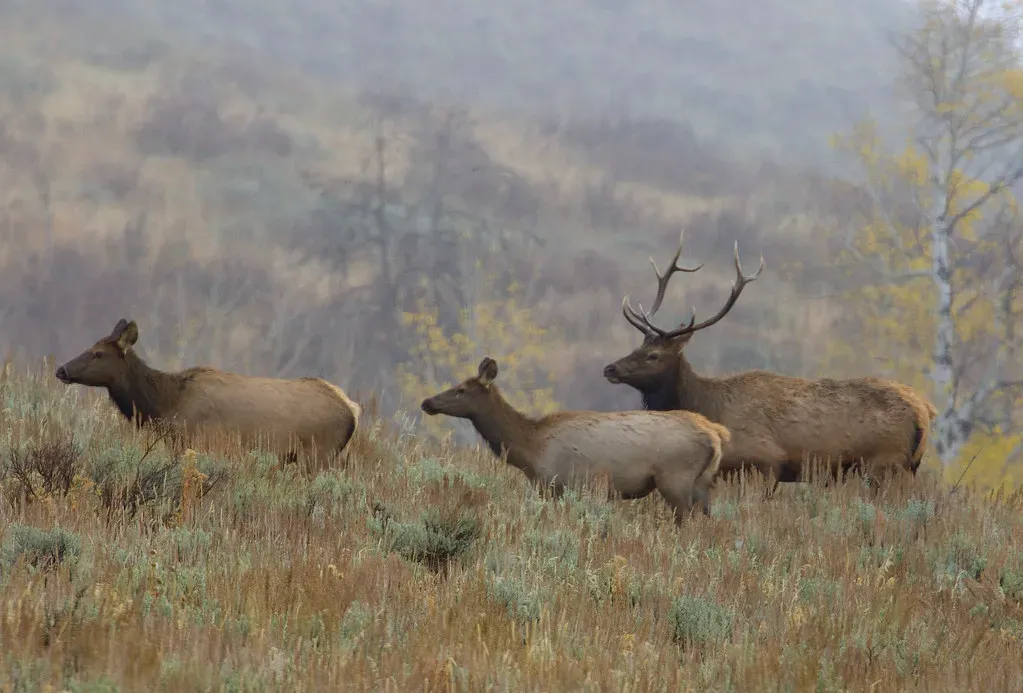
Each spring in the Greater Yellowstone Ecosystem, thousands of elk in six to eight populations migrate from far-flung winter ranges in Wyoming, Montana, and Idaho, to high-elevation summer ranges nearer to the core of Yellowstone National Park. This isn’t just any migration. It’s a defining feature of one of Earth’s last great intact ecosystems.
Every spring, tens of thousands of elk follow a wave of green growth up onto the high plateaus in and around Yellowstone and Grand Teton national parks, where they spend the summer calving and fattening on fresh grass. Come fall, they reverse course, descending to lower elevations where conditions are more forgiving during harsh winters.
What’s fascinating is the elk’s flexibility. One year, an individual female might migrate in April, but the next year in July, depending on the timing of snowmelt and green-up, as they’ve got big brains and big eyes and can look around and see changes on the landscape and react to them.
Some migrations within this system are extraordinary in distance. Some animals make migrations as far as 117 miles, while others make shorter migrations; the mean migration length is 58 miles. They traverse some of the most rugged terrain in the lower 48 states.
The National Elk Refuge near Jackson, Wyoming, offers exceptional viewing opportunities during winter months when thousands of elk gather in the valley. Watching massive bull elk bugle during the fall rut or seeing herds moving across snowfields against the backdrop of the Tetons is genuinely breathtaking.
Waterfowl Migration: The Mississippi and Central Flyways
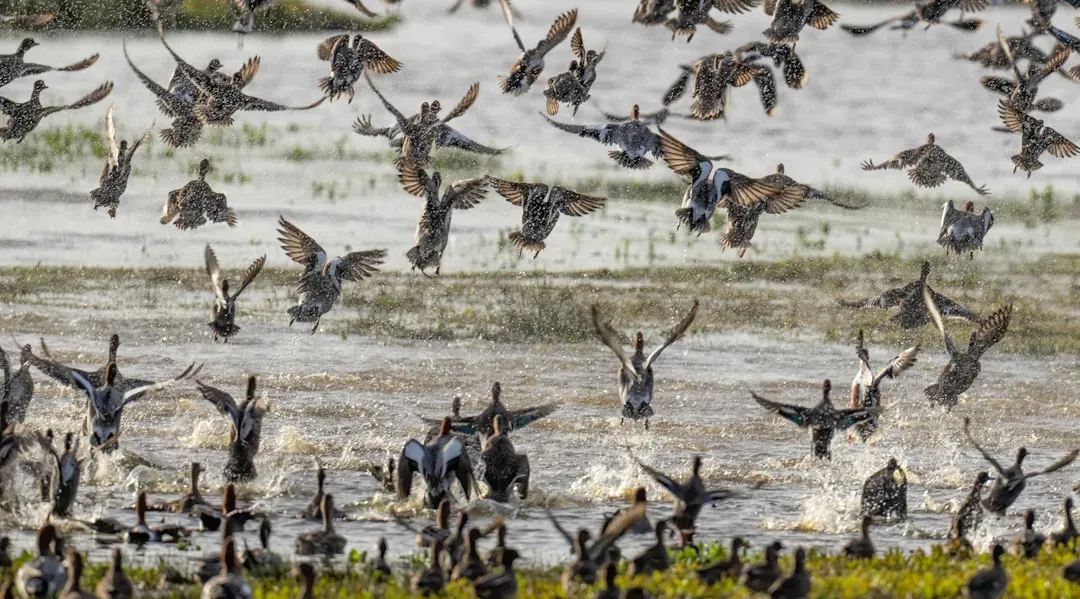
While not a single species migration, the convergence of millions of ducks, geese, and other waterfowl along North America’s major flyways represents one of the continent’s most impressive wildlife movements. The Mississippi and Central Flyways serve as aerial highways for countless birds traveling between breeding grounds in Canada and wintering areas in the southern United States and Mexico.
The spectacle peaks during spring and fall when wetlands, lakes, and rivers become temporary homes for vast flocks. Snow geese arrive in such numbers that entire fields appear to turn white. The cacophony of honking, quacking, and wing beats fills the air in a celebration of movement and survival.
Along with the cranes, come millions of migrating ducks and geese in the neighboring rainwater basins of Nebraska, creating one of the most concentrated birding experiences anywhere. Places like Horicon Marsh in Wisconsin, Squaw Creek in Missouri, and the rainwater basins of Nebraska become staging areas where birds rest and refuel.
Different species have different schedules, peak numbers, and preferred habitats, meaning the composition of flocks changes throughout the migration season. Tundra swans, pintails, mallards, Canada geese, and dozens of other species create an ever-changing avian spectacle.
The adaptability these birds show in response to weather, habitat changes, and other challenges is remarkable. They’ve been following these routes for thousands of generations, and witnessing millions of birds in flight remains one of nature’s most stirring sights.
Conclusion: Witnessing the Rhythm of the Natural World
These seven migrations represent just a fraction of the remarkable wildlife movements happening across the United States every year. Each journey tells a story of survival, adaptation, and the interconnectedness of ecosystems spanning thousands of miles. From the delicate monarch butterfly to the massive gray whale, these animals remind us that our planet’s wild places and creatures still hold mysteries and wonders beyond imagination.
Climate change, habitat loss, and human development pose serious threats to many of these migrations. The declining numbers of gray whales and monarchs serve as stark reminders that these spectacles aren’t guaranteed to continue forever. Witnessing them isn’t just about personal fulfillment. It’s about connecting with something ancient and irreplaceable, understanding what we stand to lose, and hopefully being inspired to support conservation efforts.
Let’s be real: pictures and videos can never truly capture the experience of standing in the presence of hundreds of thousands of cranes, watching whales breach off the California coast, or witnessing salmon leap waterfalls with everything they have left. These are experiences that change you, that remind you how small we are in the grand scheme of things, and how lucky we are to share this planet with such remarkable creatures.
Have you witnessed any of these incredible migrations? Which one would you most want to experience?
