
The natural world is screaming for our attention. While we scroll through our phones and worry about our daily routines, countless species are fighting for their very existence on this planet. It’s unsettling when you stop to think about it. We share this Earth with remarkable creatures that most of us will never see, yet their survival hangs by the thinnest of threads.
As the planet’s biodiversity continues to face enormous amounts of pressure, international nature conservation charity Fauna & Flora is launching its 2026 Species to Watch list. Think about what we’re potentially losing forever: animals so extraordinary they seem like they’ve been plucked from science fiction, plants that have existed for millennia, and ecosystems balanced in ways we’re only beginning to understand. The stakes couldn’t be higher.
Utila Spiny-Tailed Iguana: A Lizard On The Edge
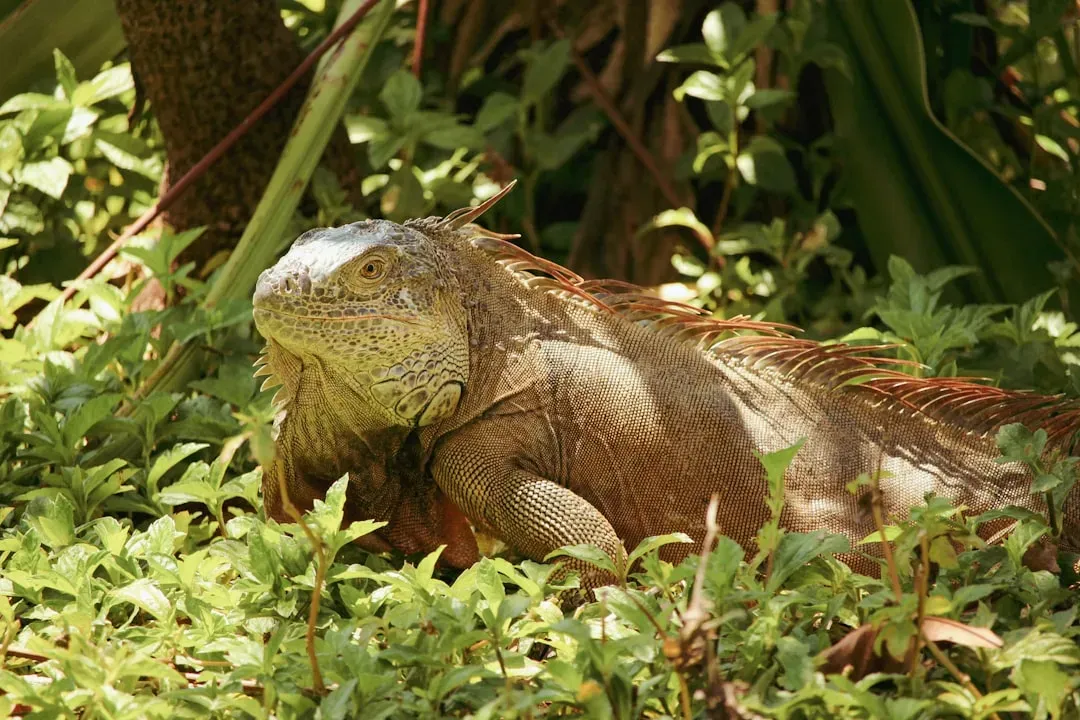
The Utila spiny-tailed iguana (Ctenosaura bakeri) is named after a small island in Honduras, the only place this reptile lives. Picture an island so small you could probably walk across it in a day, and that’s the entire world for this creature. Locals call it wishiwilly del suampo, this lizard is strictly confined to mangrove forests.
Here’s where it gets genuinely interesting though. While the Utila spiny-tailed iguana remains critically endangered, results from a recent survey suggest that its population has increased from an estimated 3,000-6,000 to an encouraging 7,000-14,000. That’s roughly doubling in numbers, which sounds like a conservation win. Still, let’s be real: when your entire species can fit into a small town stadium, you’re not exactly out of the woods yet.
Fauna & Flora is supporting its in-country conservation partners to protect and restore this forest habitat that the Utila spiny-tailed iguana and several other threatened species need to survive. The mangrove forests these iguanas depend on face constant pressure from development and coastal erosion. It’s a reminder that saving a species means saving their entire world.
These lizards have adapted perfectly to their mangrove home over thousands of years. Watching them navigate through the tangled roots and brackish water is like witnessing evolution in action.
Saker Falcon: Speed Demon In Decline

For thousands of years, falconers have prized the lightning-fast and saker falcon (Falco cherrug). Imagine a bird so magnificent that humans have coveted it for millennia, passing down the tradition of falconry through countless generations. Today, its continued popularity has seen the species plummet. There are fewer than 30,000 of these powerful raptors now left in the wild.
The numbers tell a sobering story. When something is prized, it becomes vulnerable to human desire. Saker falcons are particularly prized in parts of Asia. This demand drives illegal capture and trade, slowly draining wild populations. Think of it like this: every falcon taken from the wild is one less breeding pair, one less parent teaching young how to hunt.
Honestly, it’s hard to blame people for being captivated by these birds. They’re built for pure velocity, diving at speeds that would make your head spin. Their hunting prowess is legendary among raptors.
In Central Asia, where these falcons have historically thrived, habitat loss compounds the problem. In 2026, Fauna & Flora will assess the impact of trade on the saker falcon in Central Asia, through targeted monitoring of falcon populations and data gathering on international trade chains and local use of raptors. Knowledge is power in conservation, and understanding exactly where and how these birds are disappearing is the first step toward saving them.
Wild Tulips: When Your Garden Flower Faces Extinction

You probably don’t think twice about tulips at the grocery store or garden center. They’re ubiquitous, colorful, cheerful. Yet here’s something that might surprise you: the wild ancestors of those cultivated beauties are in serious trouble.
They have been widely cultivated for centuries, but their wild ancestors are native to the mountainous regions of Central Asia. The countries of Kazakhstan, Kyrgyzstan, Uzbekistan, and Tajikistan harbour 63 unique species, or more than half of the world’s tulip population. That’s a staggering concentration of diversity in one relatively small region of the planet.
Many wild tulip species are threatened with extinction, primarily due to overgrazing and trampling by livestock, overharvesting of cut flowers, urbanization, and climate change. It’s the perfect storm of human activity. Livestock trample them before they can reproduce, people pick them for bouquets, cities sprawl into their mountain habitats, and shifting weather patterns disrupt their growing seasons.
The irony is painful. We love tulips so much that we grow millions of them commercially, yet we’re simultaneously destroying the wild gene pools that gave us tulips in the first place. Those wild species contain genetic diversity that could be crucial for breeding disease-resistant or climate-adapted tulips in the future. Once they’re gone, that genetic library burns forever.
Clouded Leopard: Beauty As A Curse
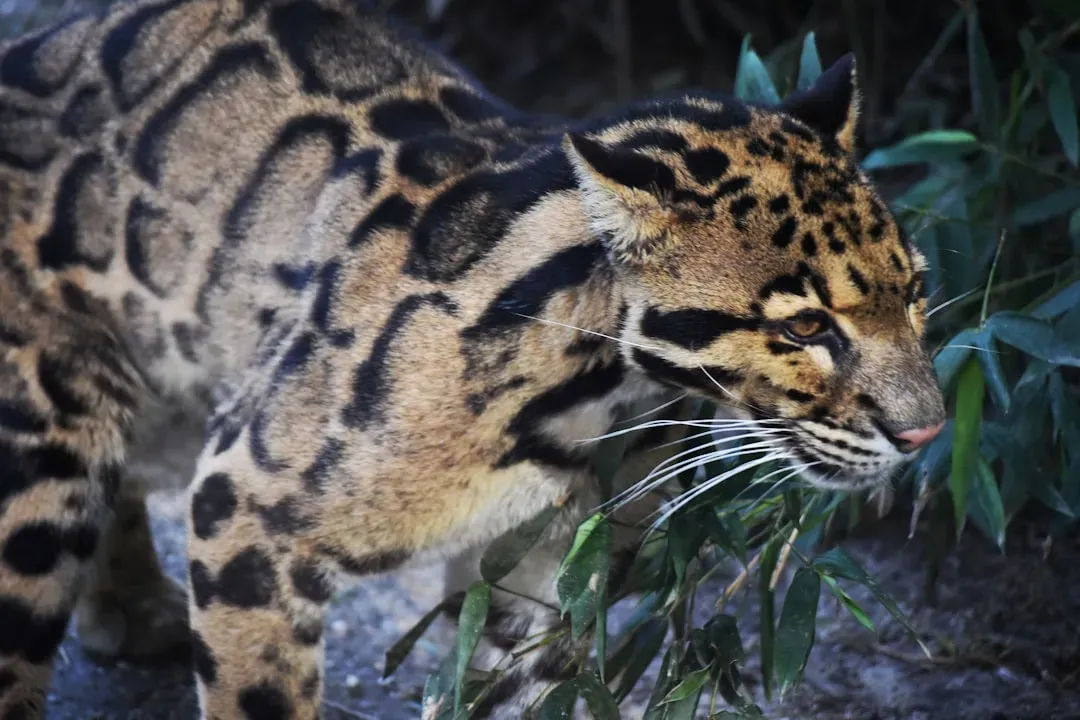
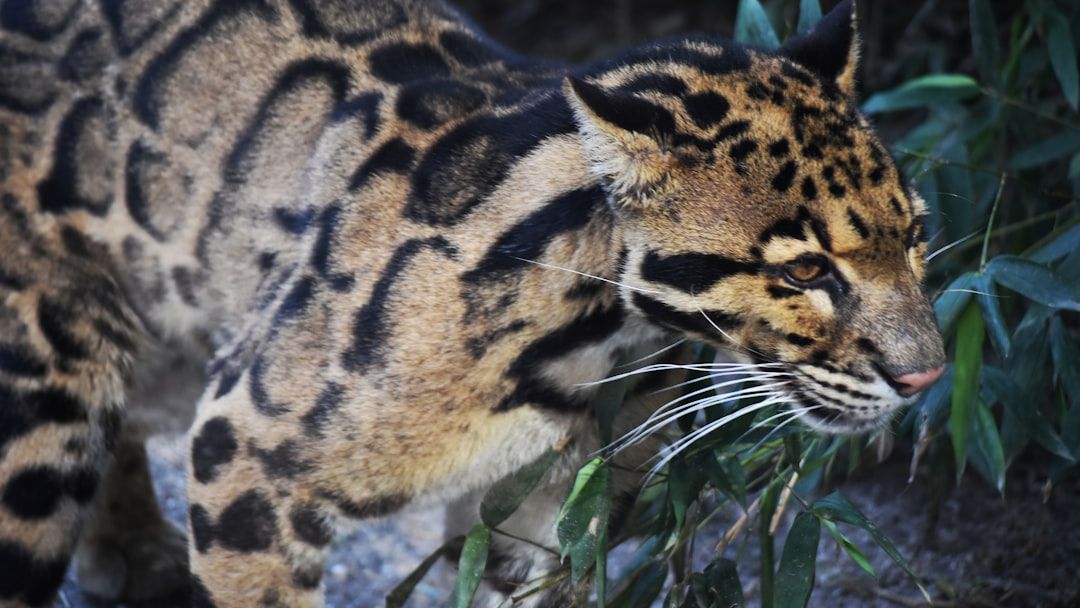
This big cat’s beautiful markings are its most striking feature. Sadly, this exquisitely patterned coat makes the clouded leopard (Neofelis nebulosa) a prime target for the illegal wildlife trade. There’s something deeply troubling about that sentence. The very thing that makes an animal magnificent becomes the reason for its destruction.
Clouded leopards are among the most elusive big cats on Earth. They spend most of their time in trees, using their incredibly long tails for balance as they navigate the canopy. Their cloud-like rosettes provide perfect camouflage in dappled forest light. Watching footage of one moving through branches is like seeing liquid grace.
The illegal wildlife trade is relentless and ruthless. Poachers target these cats for their pelts, which fetch high prices on black markets. Every skin represents a life snuffed out, a breeding opportunity lost, and a cascade of ecological consequences. Clouded leopards help control prey populations and maintain forest health.
Conservation efforts face enormous challenges. These cats range across Southeast Asia, moving through multiple countries with varying levels of law enforcement and conservation resources. Protecting them requires international cooperation, well-funded ranger programs, and education initiatives to reduce demand for illegal wildlife products. It’s a massive undertaking for an animal most people have never even heard of.
Indian Rainbow Tarantula: Psychedelic And Endangered
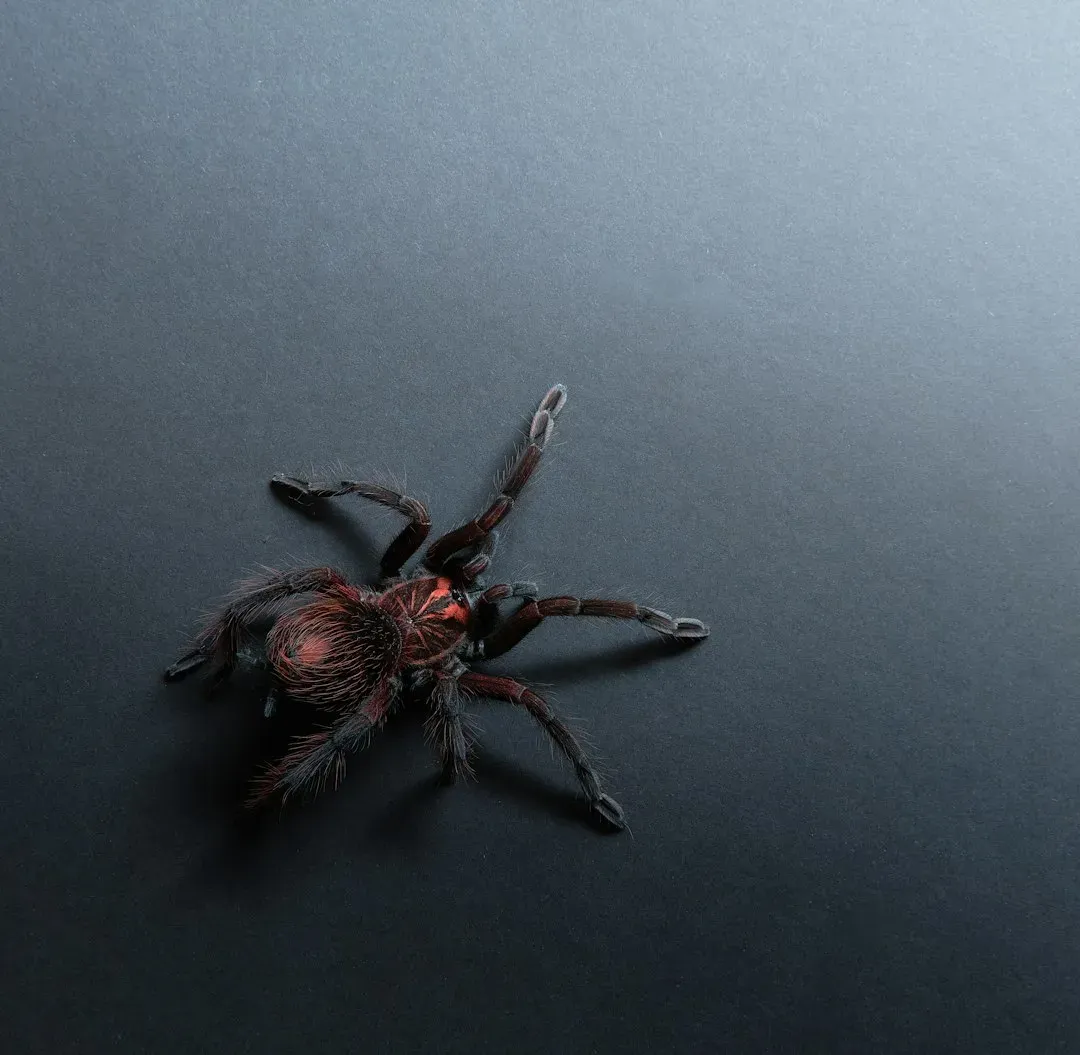
Let’s be honest: spiders don’t usually get much love from conservation campaigns. People generally fear them or find them creepy. That makes the Indian rainbow tarantula an exception worth celebrating.
Haploclastus devamatha or the psychedelic earth tiger, Indian rainbow tarantula, or LSD earth tiger is only found in the tropical forests of the southern Western Ghats in Kerala, India. It is covered in groovy colors with a metallic iridescence. The names alone tell you this isn’t your average spider. This creature looks like it wandered off a concert poster from the 1960s, with colors that seem to shift and shimmer as it moves.
It faces some serious threats, including habitat loss and degradation and demand from the illegal pet trade. The exotic pet trade is a double-edged sword for rare species. On one hand, it creates awareness and fascination. On the other, it drives collection from the wild, potentially devastating small populations.
The Conservation Leadership Programme’s spider team is working to secure long-term protection for the tarantula through field surveys, community engagement, and awareness initiatives. Here’s where conservation gets interesting: a female-led team of spider experts is pioneering protection for this species. That matters because diverse perspectives bring different approaches to problem-solving. Their work involves understanding the spider’s habitat requirements, monitoring population numbers, and working with local communities to protect forest areas.
These tarantulas play important roles in their ecosystems as predators of insects and other invertebrates. Losing them would mean losing another thread in the intricate web of forest life.
Temminck’s Pangolin: The World’s Most Trafficked Mammal
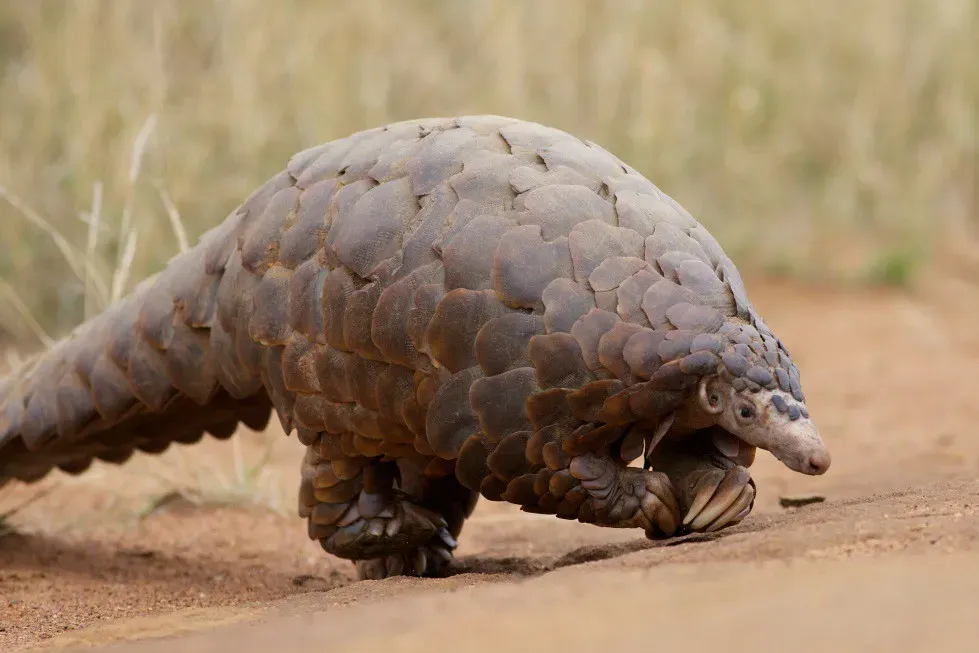
This compact, ground-dwelling pangolin is the only one of Africa’s four species found in relatively arid areas of East and Southern Africa and as far north as Chad and Sudan. It forages very slowly and deliberately, and often walks on its back legs, using its broad, relatively short tail as a counterweight. Imagine watching a creature covered in scales walking upright like a tiny dinosaur, and you’ll get a sense of how bizarre and wonderful pangolins are.
Like all pangolin species, this one is threatened by the illegal trade of its meat and scales. Pangolins have the unfortunate distinction of being the world’s most trafficked mammals. Their scales are made of keratin, the same material as human fingernails, yet they’re incorrectly believed to have medicinal properties in some traditional medicine systems. The demand is voracious and unrelenting.
Fauna & Flora is currently supporting a crisis clinic to help rehabilitate and release rescued and injured pangolins in Mozambique. Crisis clinics represent the front lines of conservation. When law enforcement rescues pangolins from traffickers, these animals are often injured, stressed, and malnourished. Rehabilitation requires specialized knowledge and careful attention before they can return to the wild.
Temminck’s pangolin forages for ants and termites with its extraordinarily long tongue, playing a crucial role in controlling insect populations. They’re solitary and nocturnal, which makes studying them incredibly challenging. Every pangolin successfully returned to the wild is a small victory in a much larger battle.
Cao Vit Gibbon: Back From The Dead
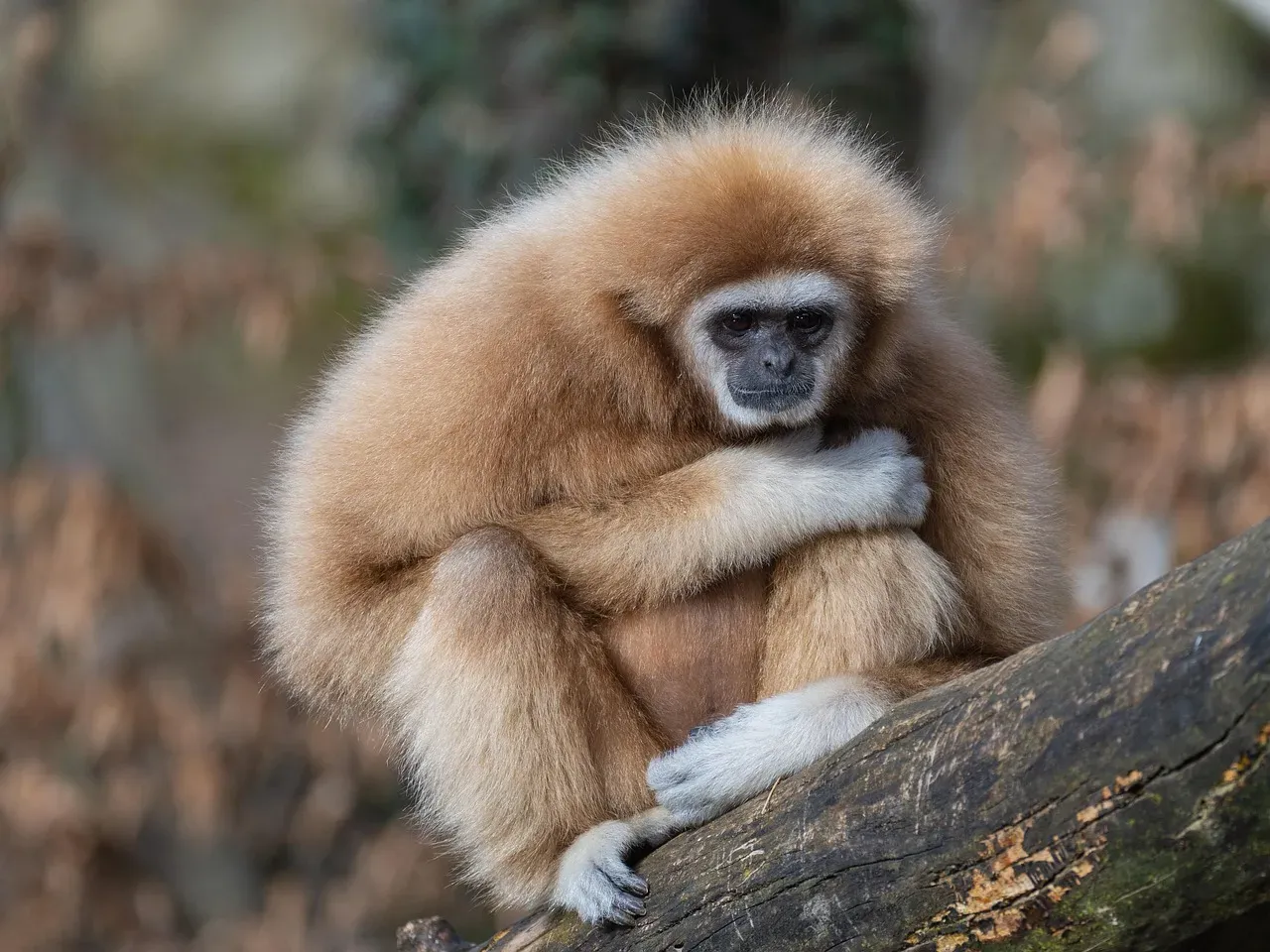
Named for its distinctive call, the cao vit gibbon (Nomascus nasutus) is Earth’s second rarest primate. Scientists thought that it was extinct but it was rediscovered in 2002. Its estimated population is only 74 individuals. Let that sink in for a moment: fewer than a hundred individuals of an entire primate species exist on this planet.
The story of this gibbon’s rediscovery is almost miraculous. Imagine the feeling when researchers heard those distinctive calls echoing through a remote forest, proof that extinction had been delayed. Yet the relief would have been immediately tempered by the reality of how few remained.
A 2021 census with acoustic recorders and drones mounted with thermal imaging cameras found that the cao vit gibbon’s population is even lower than conservationists originally suspected. This year’s census will help verify whether Fauna & Flora’s current protection and habitat restoration efforts have led to a population increase in the five years since. Technology now plays a crucial role in monitoring these endangered creatures. Acoustic recorders can detect gibbon calls from a distance, while thermal cameras can spot warm bodies in dense forest canopy.
The cao vit gibbon lives in a small forest patch along the Vietnam-China border. Their survival depends on protecting every last hectare of remaining habitat and hoping that genetic diversity is sufficient for the population to recover. With such tiny numbers, inbreeding becomes a serious concern. Each individual matters enormously when you’re counting in the dozens rather than thousands.
European Eel: A Continental Catastrophe
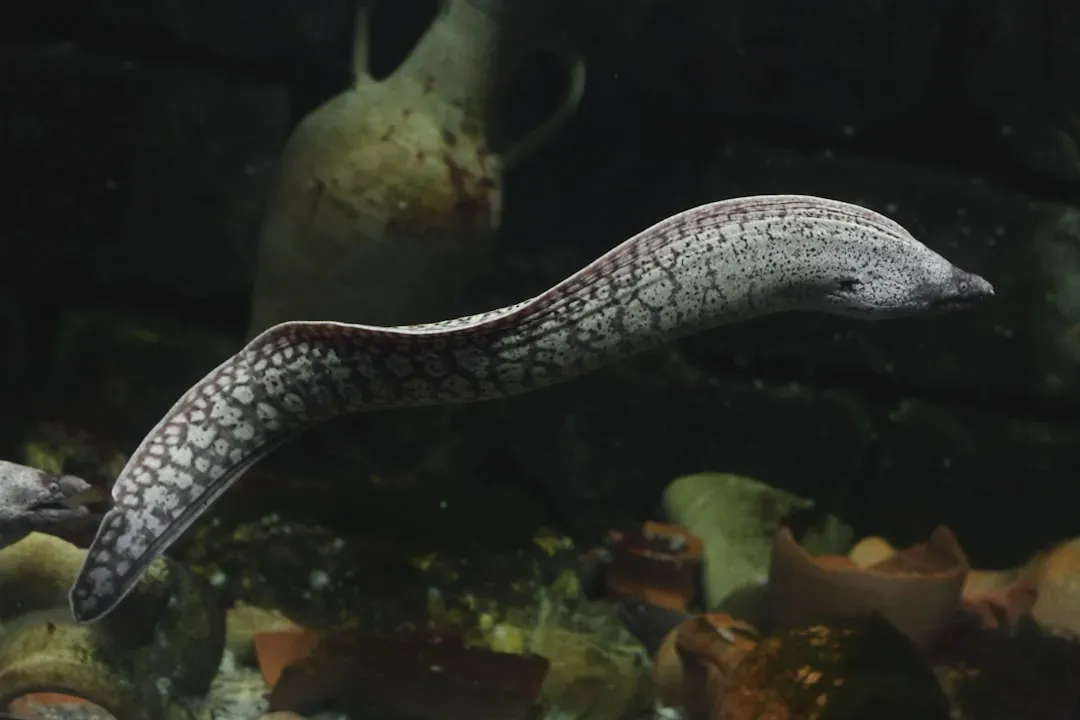
In the past 25 years, its UK population alone has plummeted by 95%. Overfishing, including for the once-popular jellied eel dish, pollution, habitat fragmentation and illegal trade have all taken a severe toll. A drop of that magnitude in just a quarter century is genuinely shocking when you think about it.
European eels have one of the most extraordinary life cycles in the animal kingdom. They’re born in the Sargasso Sea, then drift across the Atlantic Ocean as tiny transparent larvae before reaching European rivers. Years later, as adults, they make the reverse journey to spawn and die. It’s an epic migration that spans thousands of miles and multiple life stages.
European eels play a crucial role in both freshwater and coastal ecosystems and serve as a vital food source for otters, bitterns, and other fish-eaters. When a keystone species declines this dramatically, the ripples spread throughout entire food webs. Predators that depend on eels must find alternative prey or face their own population declines.
Having recently detected European eel during freshwater monitoring in Georgia – where they haven’t been recorded for some time – Fauna & Flora will conduct further research into this enigmatic and critically endangered fish in 2026. Finding eels in places they haven’t been seen for years offers a glimmer of hope. Maybe remnant populations are hanging on in unexpected corners, waiting for conditions to improve.
The jellied eel dish mentioned earlier represents a fascinating cultural connection to wildlife. Traditional foods often develop when species are abundant, but continuing those traditions when populations crash becomes unsustainable.
Blackchin Guitarfish: Evolution’s Weird Experiment
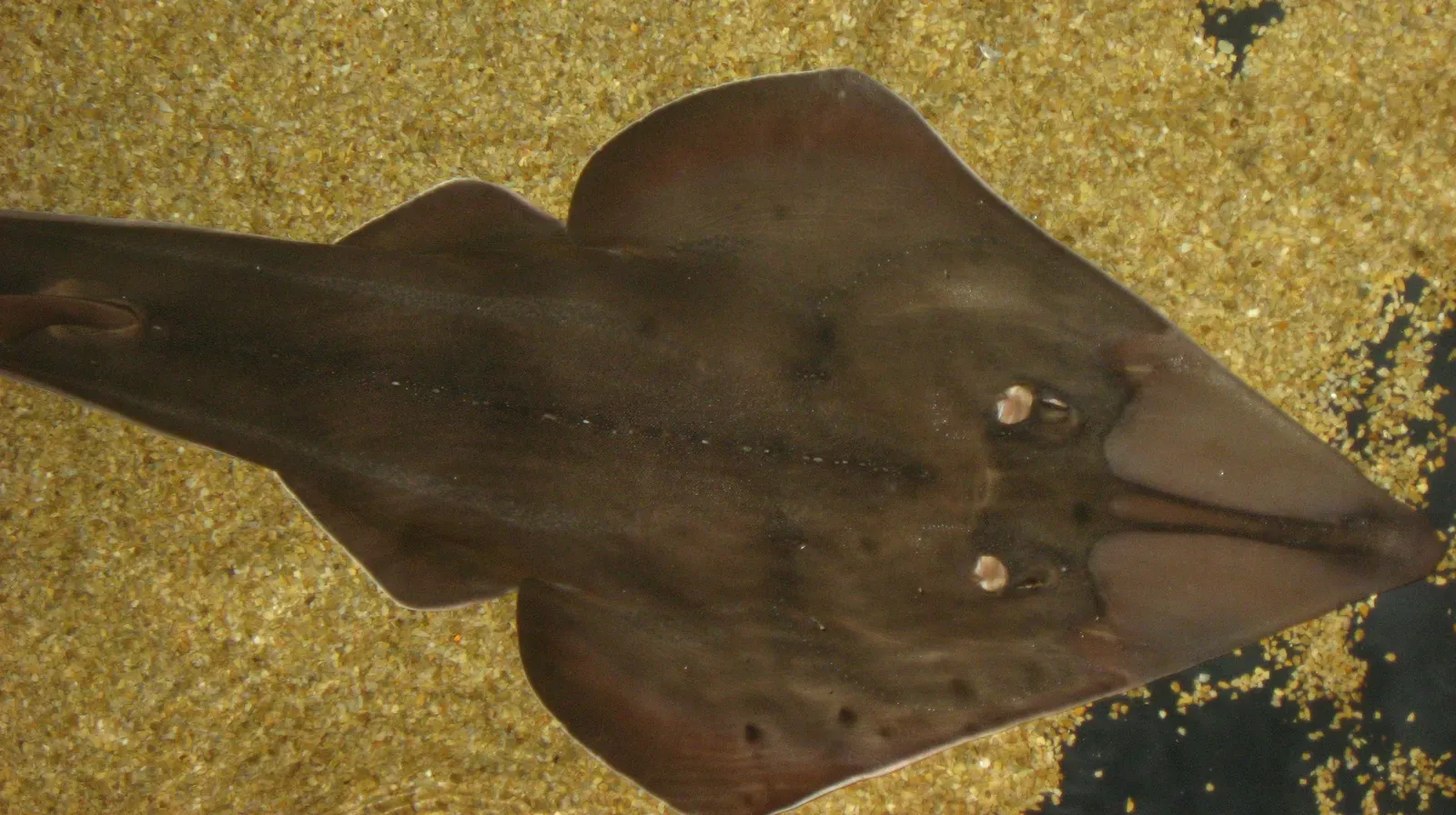
Anatomically, the weird and wonderful guitarfish appears to be in two minds about whether it’s a shark or a ray. With its flattened nose, broad, wing-like pectoral fins, and long, finned tail, it’s a fish of two halves, seemingly sewn together in a misguided scientific experiment. That description perfectly captures the bizarre appearance of these creatures, which genuinely look like someone took the front half of a ray and attached it to the back half of a shark.
As a result of overfishing, habitat destruction and its slow reproductive rate, the blackchin guitarfish is critically endangered. Slow reproduction is a death sentence for species facing intense fishing pressure. Unlike fish that produce thousands of eggs, guitarfish have relatively few offspring, making population recovery painfully slow.
The blackchin guitarfish is native to the Mediterranean Sea and the eastern Atlantic, including the waters of Cabo Verde, where Fauna & Flora is working with Biosfera, Projecto Vitó and Project Biodiversity to safeguard threatened sharks and rays. Fauna & Flora and partners are aiming to halt its decline by strengthening marine protected area networks and reducing shark and ray mortality from fishing. Marine protected areas offer refuge where fish can breed without fear of nets and hooks.
The guitarfish story highlights a broader crisis facing sharks, rays, and their relatives. These ancient lineages have survived for millions of years, weathering countless environmental changes, only to be pushed to the brink in mere decades by industrial fishing. It’s humbling and horrifying in equal measure.
Wild Tulips: Preserving Nature’s Color Palette

The mountainous regions of Central Asia hold botanical treasures that most people never see. Wild tulips in these remote areas bloom in explosions of color each spring, painting meadows in shades that cultivated varieties can only approximate.
These species have evolved over millennia to survive harsh mountain conditions: intense sun, cold winds, poor soil, and grazing pressure from wild animals. That evolutionary history has packed their genes with resilience and adaptability. When we lose wild tulip species, we lose genetic solutions to problems we might not even know we’ll face.
Climate change is shifting growing seasons and altering precipitation patterns across Central Asia. Wild tulips that once bloomed in perfect synchronization with pollinator activity might now flower too early or too late. Livestock grazing, traditionally managed in ways that allowed tulips to complete their life cycles, has intensified in some areas, leaving little opportunity for seeds to develop.
Conservation botanists are racing to collect seeds and establish ex situ populations in botanical gardens. These living collections serve as insurance policies against extinction. If wild populations vanish, at least some genetic material survives for potential reintroduction. It’s not ideal, but sometimes it’s the best option we have. The goal remains protecting wild populations in their native habitats, where they continue adapting to changing conditions.
Conclusion: What Hangs In The Balance
As the planet’s biodiversity continues to face enormous amounts of pressure, international nature conservation charity Fauna & Flora is launching its 2026 Species to Watch list. The list brings together science with field experience and frontline conservation and spotlights some of the world’s most extraordinary and highly threatened species. These ten species represent just the tip of an enormous iceberg. Behind each one are hundreds of other plants, animals, and fungi teetering on similar precipices.
The common threads running through these stories are sobering: habitat destruction, illegal trade, climate change, and human population pressure. These aren’t abstract forces. They’re the cumulative result of billions of individual decisions made every single day about what we consume, how we travel, and what we value.
Yet there’s also reason for measured optimism in these pages. Conservation works when properly funded and supported. The Utila spiny-tailed iguana’s population doubled. The cao vit gibbon was brought back from presumed extinction. These victories remind us that extinction isn’t inevitable. It’s a choice we can decide not to make.
The next few years will be critical for these species and countless others. By 2030, global conservation targets will face their reckoning. Will we have protected enough habitat? Reduced wildlife trafficking? Addressed climate change with sufficient urgency? The species on this list serve as barometers for our commitment to sharing this planet with the extraordinary diversity of life that evolved alongside us. What do you think our chances are? Can we pull off the kind of coordinated global effort these creatures desperately need?
