
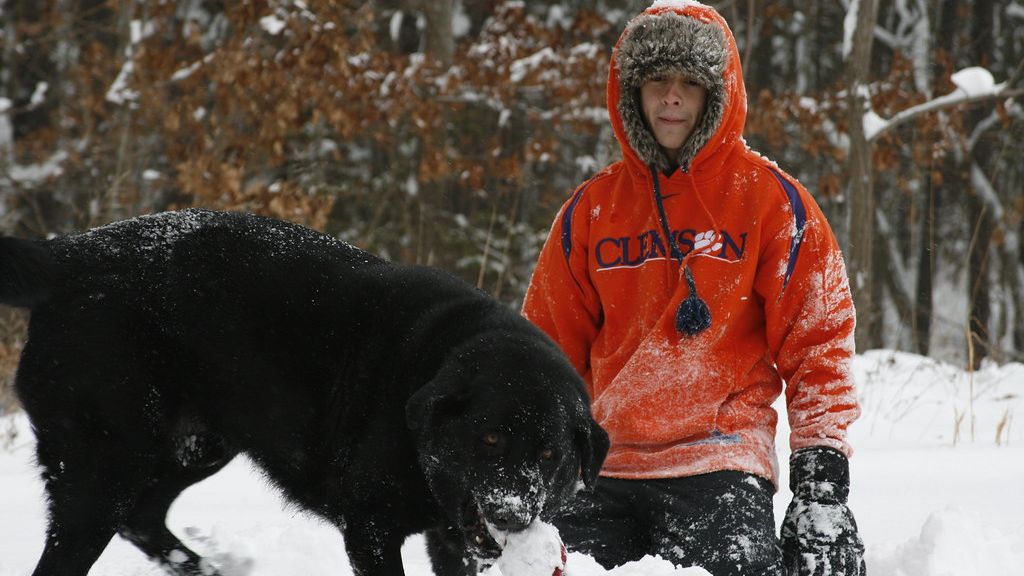
Minnesota winters aren’t exactly for the faint of heart. Subzero temperatures, biting winds that freeze your face in seconds, and snowdrifts that look more like mountain ranges than gentle hills make this state a serious test of endurance for both humans and their furry companions. While some dogs shiver at the first hint of frost and beg to go back inside after a quick bathroom break, others practically throw a party when the temperature drops and the snow starts flying.
If you’re living in the Land of 10,000 Lakes and thinking about adding a four-legged friend to your family, choosing the right breed matters more than you might think. Some pups are built for this climate, with thick double coats, sturdy paws, and a genuine love for icy adventures. Others? Well, let’s just say they’d be miserable watching snowflakes pile up while wrapped in three sweaters. So let’s dive into the breeds that don’t just tolerate Minnesota winters – they absolutely thrive in them.
Siberian Husky
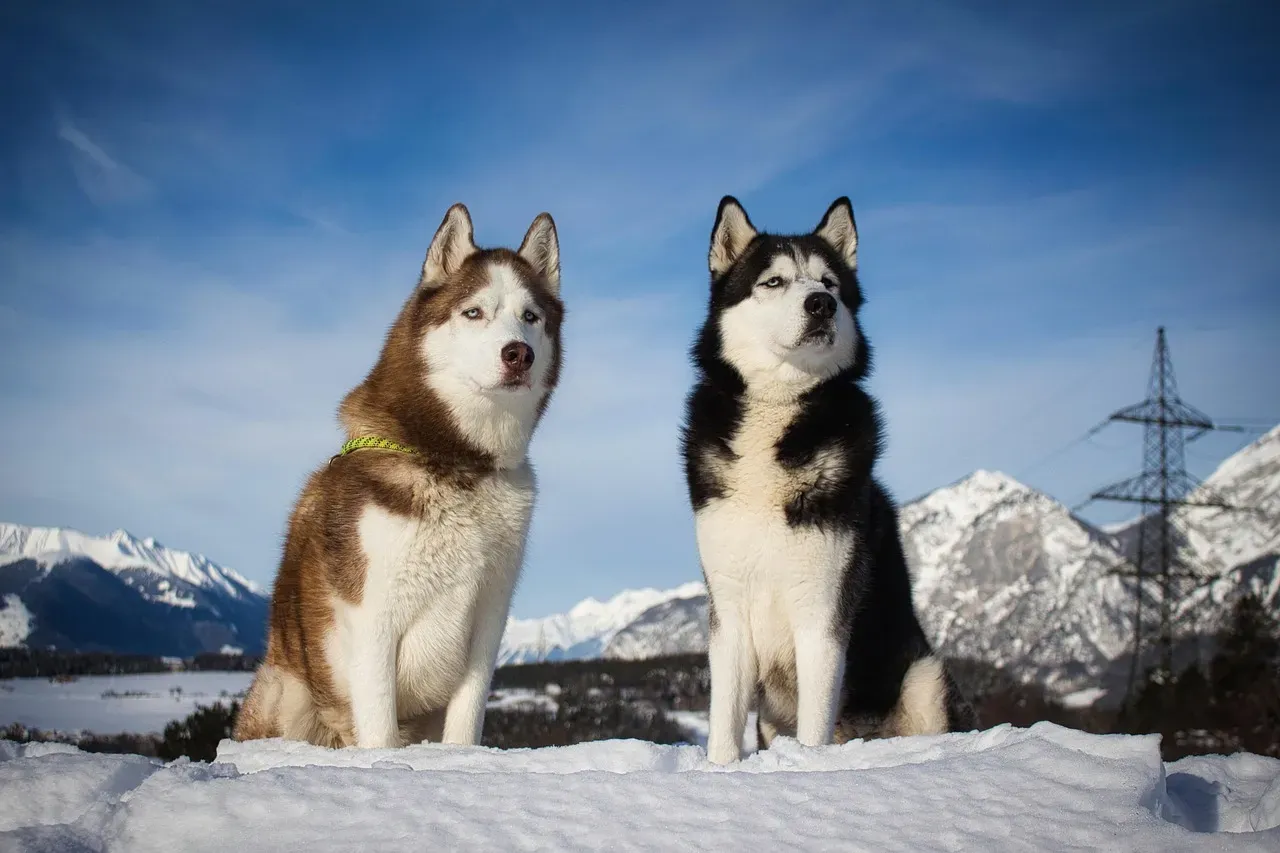
Here’s the thing: when you picture a dog romping through snow with pure joy on its face, you’re probably imagining a Siberian Husky. These energetic dogs were bred for pulling sleds in freezing conditions, with thick double coats, fluffy tails, and love of cold climates that make them perfect partners for snowy adventures. Let’s be real, a Minnesota winter is basically a Husky’s happy place.
Siberian Huskies represent the ultimate cold-weather breed, originally developed to pull sleds across Arctic tundra – conditions remarkably similar to Minnesota winters. Their dense double coat isn’t just for show. It’s like they’re wearing a built-in parka that can handle temperatures that would send most dogs running for the nearest fireplace.
These striking dogs, weighing 35-60 pounds, possess dense double coats that allow them to sleep comfortably outdoors in subzero temperatures, though they struggle with Minnesota’s summer heat and humidity. I know it sounds crazy, but these dogs would rather be outside when it’s negative ten than stuck indoors on a summer afternoon. The challenge? They need massive amounts of exercise and mental stimulation.
Huskies are notorious escape artists with extremely high prey drives, and if you have cats, small dogs, or urban chickens, a Husky may not integrate safely into your household despite training efforts. Their independent, stubborn nature challenges even experienced dog owners. That beautiful coat also means serious shedding, so be prepared for fur tumbleweeds rolling through your house like miniature snowdrifts.
Alaskan Malamute
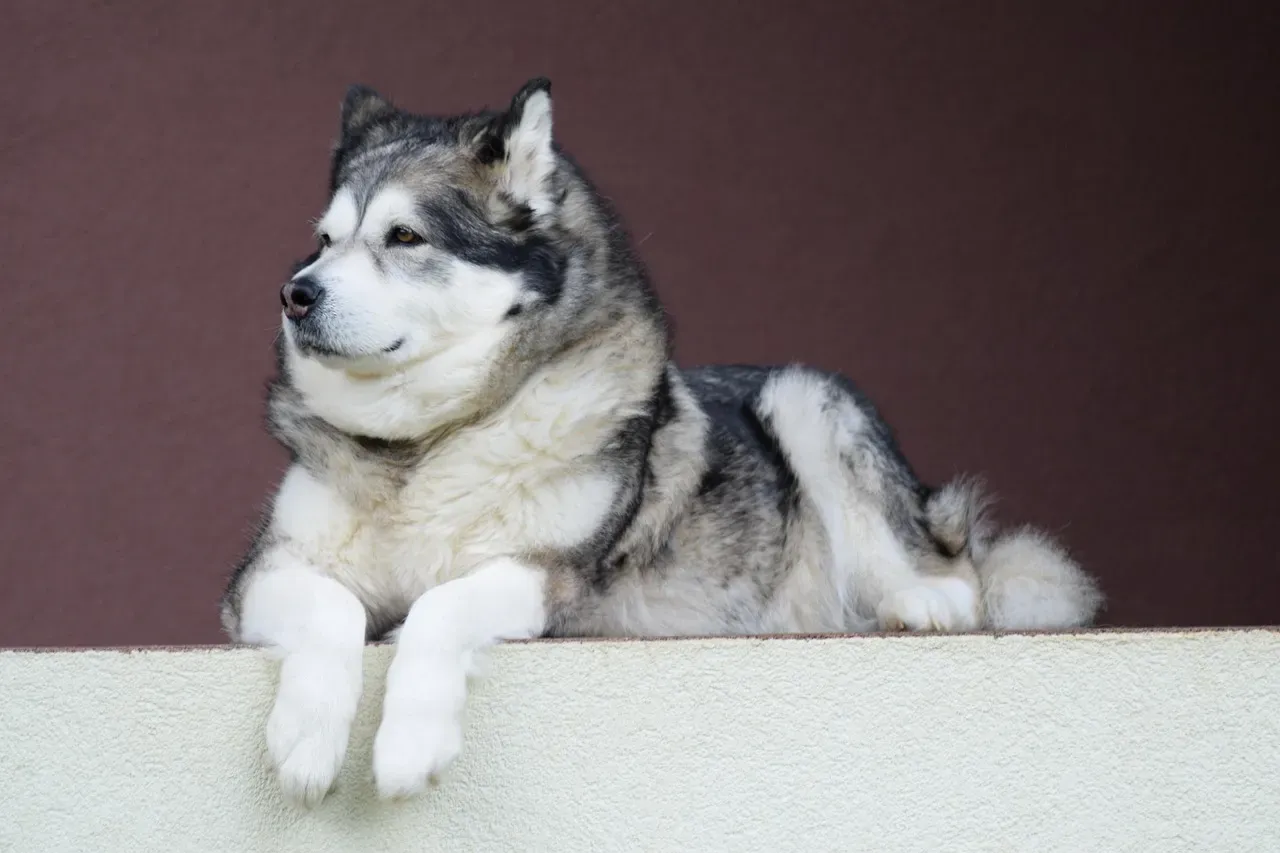
Bred by the Malamuit people of northwest Alaska, the Alaskan Malamute is one of the most iconic Alaskan dog breeds and a powerhouse among sled dogs, essential for hauling heavy loads, freighting supplies, and providing reliable transportation across frozen terrain. These dogs are the big siblings of the Husky world, often mistaken for wolves because of their impressive size and wild appearance.
A descendant of arctic wolves, the Alaskan Malamute can tolerate temperatures as low as -20 degrees Fahrenheit. That’s colder than most Minnesota winter days, which honestly makes them overqualified for our climate. Large, strong, and deeply loyal, Malamutes have a heavy coat that protects them from Arctic cold.
What separates Malamutes from other winter breeds is their sheer strength and endurance. Alaskan Malamutes have a thick double coat that protects them from freezing temperatures, and their powerful build and high energy levels make them ideal companions for active families who enjoy winter sports, though they’ll need plenty of exercise to keep them happy and healthy. Think snowshoeing treks, long trail runs, maybe even pulling you on a sled.
Honestly, if you’re a couch potato, skip this breed. These dogs were bred to work, and they’ll get destructive if they don’t have a job to do. They’re also independent thinkers, which sounds charming until you realize it means they might just ignore your commands if they think they know better.
Saint Bernard
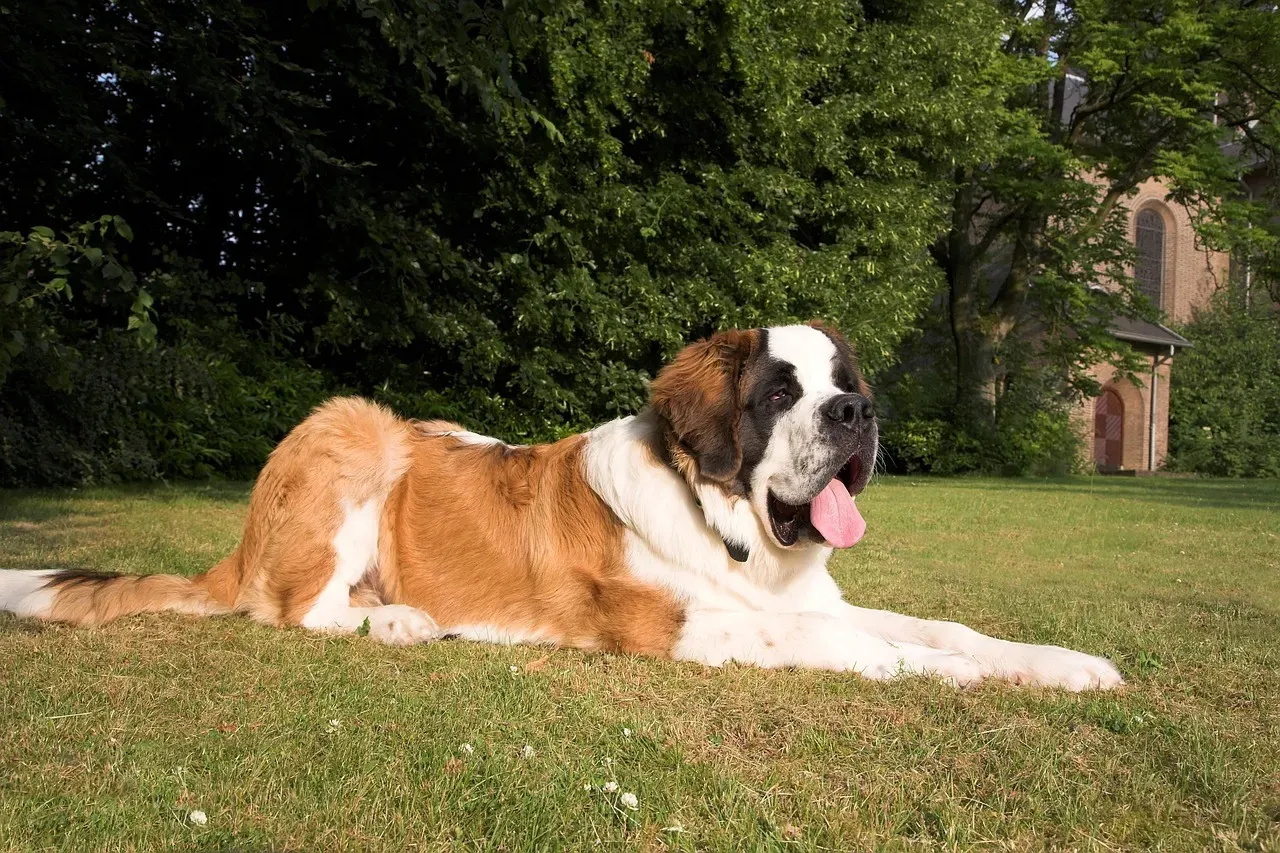
The Saint Bernard originated as a monastery dog in the mountains of Switzerland, serving as a companion and protector to monks, with their keen sense of smell and remarkable strength making them legendary snow search and rescue dogs, saving travelers stranded in the treacherous St. Bernard Pass between Italy and Switzerland. These gentle giants are basically the heroes of alpine winters, and Minnesota is no match for them.
Saint Bernards can weigh over 150 pounds and love kids. Despite their massive size, they’re incredibly patient and calm with children, making them fantastic family dogs. Unlike some of the more energetic winter dogs, Saints are pretty chill indoors and happy to lounge around but still enjoy winter walks.
Their thick coat gives them all the insulation they need for even the coldest Minnesota days. Massive and powerful, often weighing well over 100 pounds, Saint Bernards are gentle giants who enjoy winter weather. You can hide their favorite treats in a snowbank and watch them use that legendary nose to sniff them out.
Fair warning though – these dogs are legendary droolers. They drool a lot, and if you can’t handle some slobber, maybe look at another breed. We’re talking towels strategically placed around the house and learning to dodge when they shake their heads. Still, for families wanting a calm, affectionate winter companion who’s great with kids, it’s hard to beat a Saint Bernard.
Bernese Mountain Dog
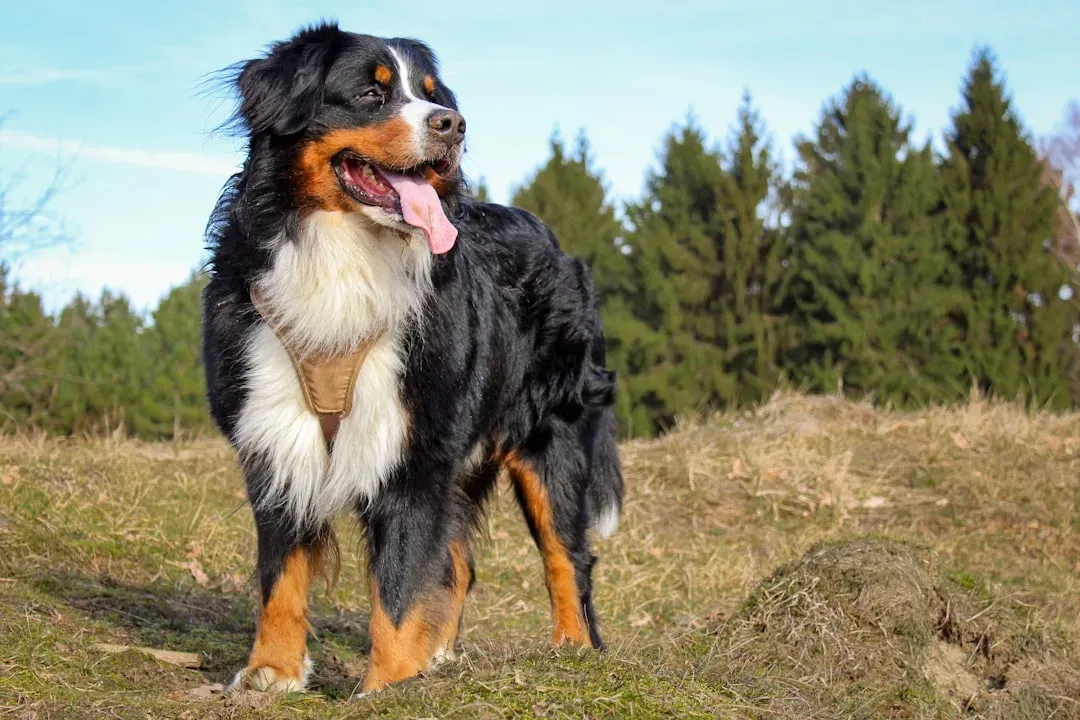
Bernese Mountain Dogs hail from the Swiss Alps, where they were bred to thrive in cold, mountainous terrain, with thick double coats and large size that help them retain body heat, making them well-suited for Minnesota winters. These dogs are basically walking teddy bears with the strength to pull carts and the temperament to charm everyone they meet.
Originating in the Swiss Alps, the Bernese Mountain Dog worked alongside farmers to herd cattle, guard livestock, and haul dairy products through the hills and valleys of Bern, with generations of pulling carts and wagons in rugged, snowy terrain building their strength and resilience. That working heritage means they’re sturdy enough to handle anything a Minnesota winter throws at them.
Well-muscled and sturdy, Bernese Mountain Dogs have a thick, tricolor coat that insulates their body from snow and wind, and they are great hiking dogs even strong enough to carry their own dog pack. Imagine having a hiking buddy who can carry their own snacks and supplies through snowy trails – that’s a Berner.
These dogs are affectionate and deeply attached to their families. Berners are friendly, affectionate dogs who are great with children and become deeply attached to their pet parents, with their ideal home being one with plenty of outdoor space to roam and explore. The downside? They don’t live as long as smaller breeds, and their gorgeous coats need regular grooming to prevent matting and tangles.
Newfoundland
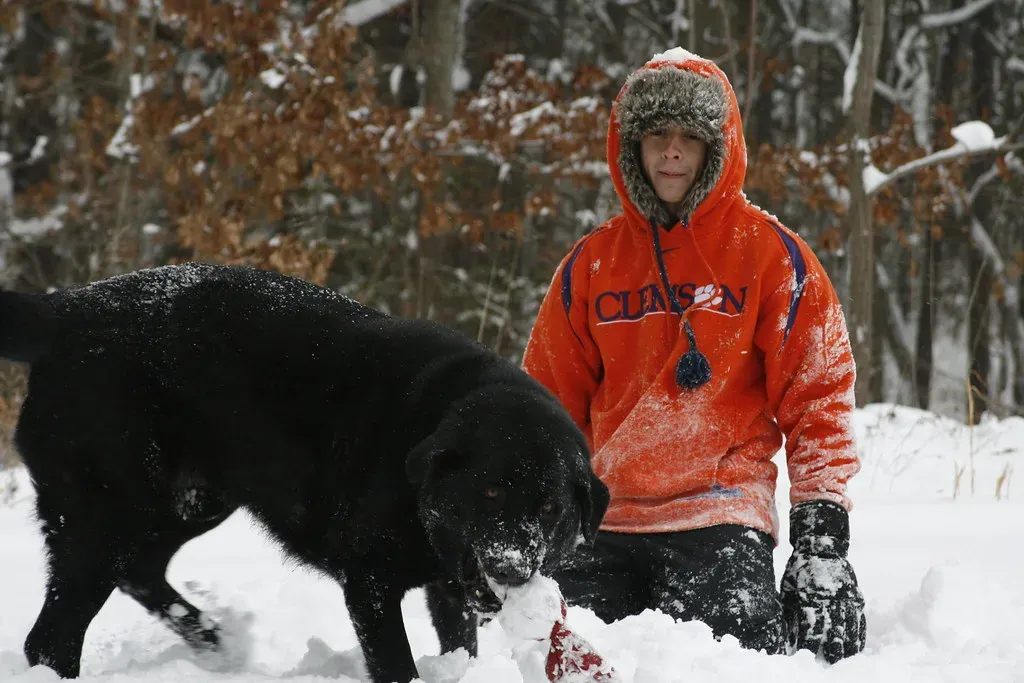
These Canadian giants have thick, water-resistant coats that work just as well in snow as in icy water, bred in Newfoundland where they dealt with both freezing ocean water and harsh winters. You might know them as water rescue dogs, but they’re equally at home in snow-covered landscapes.
What makes Newfies special is their temperament – they’re incredibly gentle and patient, especially with kids, and unlike the high-energy sled dogs, Newfoundlands are pretty calm and don’t need extreme amounts of exercise. Honestly, that makes them one of the best cold-weather dogs for families who want a winter companion without the intensity of breeds like Huskies.
The Newfoundland has a heavy coat that protected it from the icy waters it was originally bred to work in, making it ideal for colder weather. Their size alone helps them retain body heat, and that water-resistant coat means wet snow doesn’t bother them one bit.
The trade-off? They drool even more than Saint Bernards. You’ll need a serious towel collection if you bring a Newfie into your life. They also shed heavily, especially during seasonal coat changes. Newfoundlands saved over 100 shipwrecked souls in the 1800s. Their gentle nature and protective instincts make them wonderful family dogs who just happen to excel in Minnesota winters.
Great Pyrenees
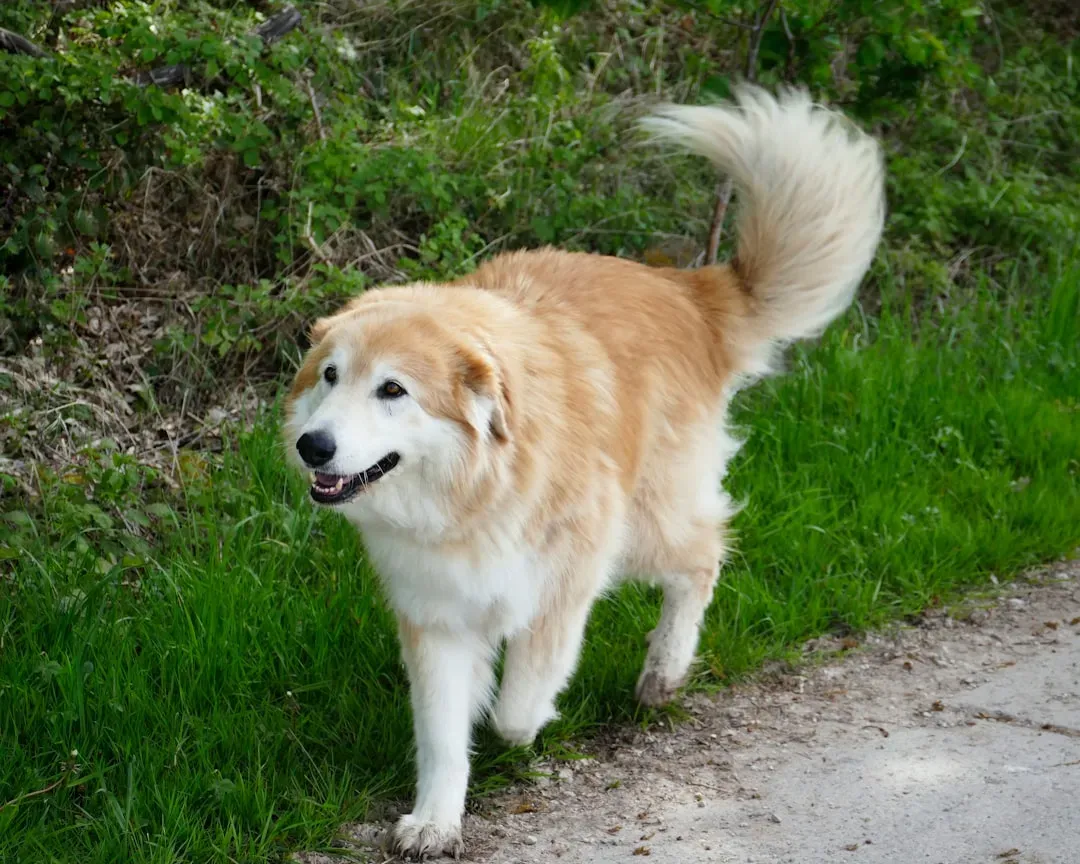
Also known as the Pyrenean Mountain Dog, the Great Pyrenees spent centuries guarding sheep in the Pyrenees Mountains between France and Spain, bred to defend the flock against wolves and bears with size, strength, and stamina to withstand cold nights outdoors. If a dog can handle wolves and bears in mountain winters, Minnesota weather is basically a vacation.
These gentle giants, weighing 85-160 pounds with thick white double coats built for protecting sheep in Pyrenean mountain winters, translate perfectly to Minnesota’s climate, actually preferring cold weather over heat and choosing to lie in snow rather than seeking indoor warmth during winter. Let that sink in – these dogs would rather sleep in a snowbank than come inside on a winter night.
Great Pyrenees are cold weather dogs known for being patient, calm, and protective of their family, and your Pyr would love to join you on a long walk in the winter. Their thick white coat is stunning, though it does require regular grooming to keep it from matting.
Their guardian heritage creates dogs with independent decision-making abilities and protective instincts toward family and property, and Great Pyrenees require secure fencing as they’re prone to patrolling property boundaries and may roam if boundaries aren’t clear. Unlike sporting breeds, they need moderate daily activity rather than intense exercise. Their calm, steady nature makes them excellent family guardians who truly love the cold.
Samoyed
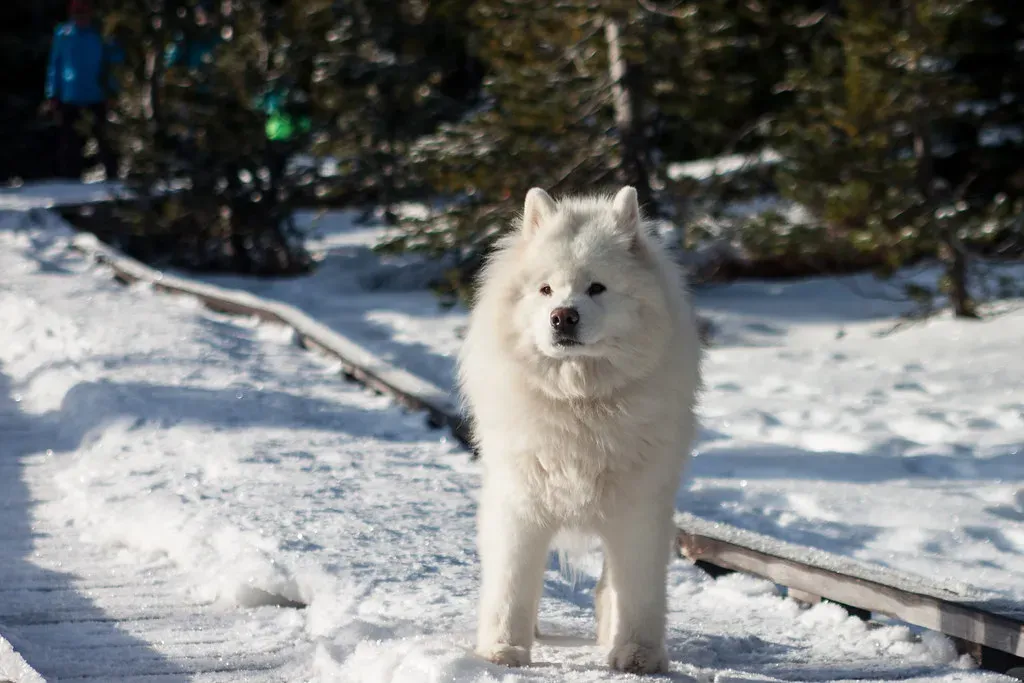
Samoyeds are the ultimate snow dog breed, with their fluffy white coat making them look right at home next to a snowbank, and they’re named after the Samoyed people of Siberia. That signature “Sammy smile” makes them look like they’re constantly thrilled about life, which honestly isn’t far from the truth.
Their fluffy double coat has a soft underlayer that can measure nearly two inches thick and keeps body heat trapped close to the skin, allowing them to survive in temperatures as chilly as -40°F. That’s colder than anything Minnesota typically throws at us, even during those brutal January cold snaps when everything feels frozen solid.
While they love the snow and being outside, Samoyeds are also happy to cuddle indoors, and historically, their warm coat kept both themselves and their humans warm through cold winter nights. Imagine a living, breathing heated blanket that also happens to be adorable. That’s basically a Samoyed.
The challenge with Sammies is their coat maintenance. That beautiful white coat will need regular brushing unless you want your house to look like it has snowed inside. They’re also incredibly social and friendly with everyone, which means they make terrible guard dogs. This exceptionally affectionate and sociable dog is very clever and likes a constant companion, being historically accustomed to sleeping in tents alongside their owners.
German Shepherd
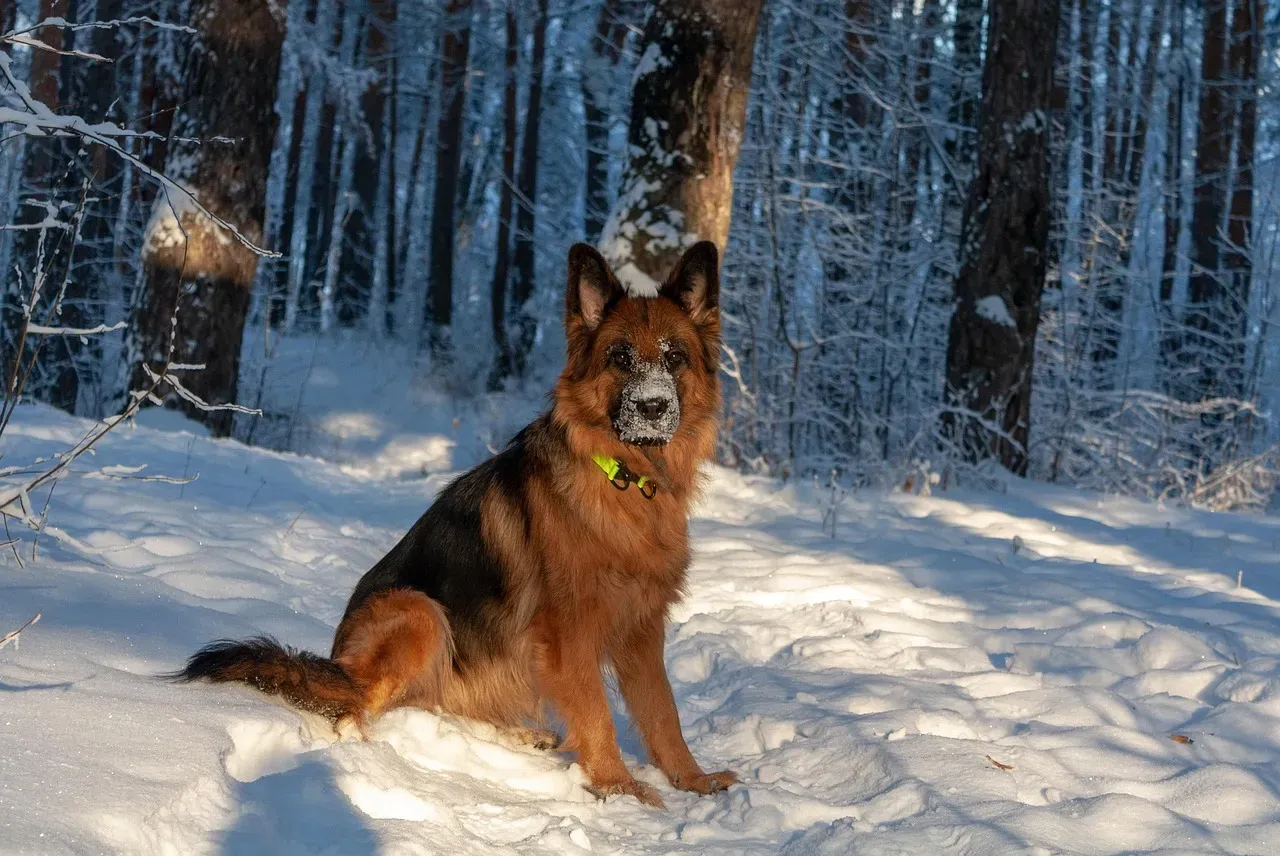
The German Shepherd is muscular and energetic, with stamina in almost any climate and a double coat. You might not immediately think of German Shepherds as cold-weather specialists, but they were bred to work outdoors in Germany’s cold winters, herding sheep through snow and harsh conditions.
The GSD’s popularity started with Captain Max, a 19th-century breeder determined to produce the perfect German herding dog that had to be strong and hardy to cope with Germany’s cold winters – you’ll rarely see a GSD in a dog jacket. That double coat provides excellent insulation against Minnesota’s winter weather.
German Shepherds are a working dog breed that weighs between 50 and 90 pounds and requires a pet parent that will provide adequate exercise and mental stimulation, offering affection and deep loyalty in exchange for proper care. These are incredibly intelligent dogs who need jobs to do, whether that’s training, agility work, or long winter hikes.
They’re versatile enough to handle both cold Minnesota winters and hot summers, though they definitely seem more comfortable when the temperature drops. Early training and socialization are crucial because of their protective instincts. Properly trained, they’re loyal family companions who excel in cold weather while being smart enough to adapt to various situations.
Akita
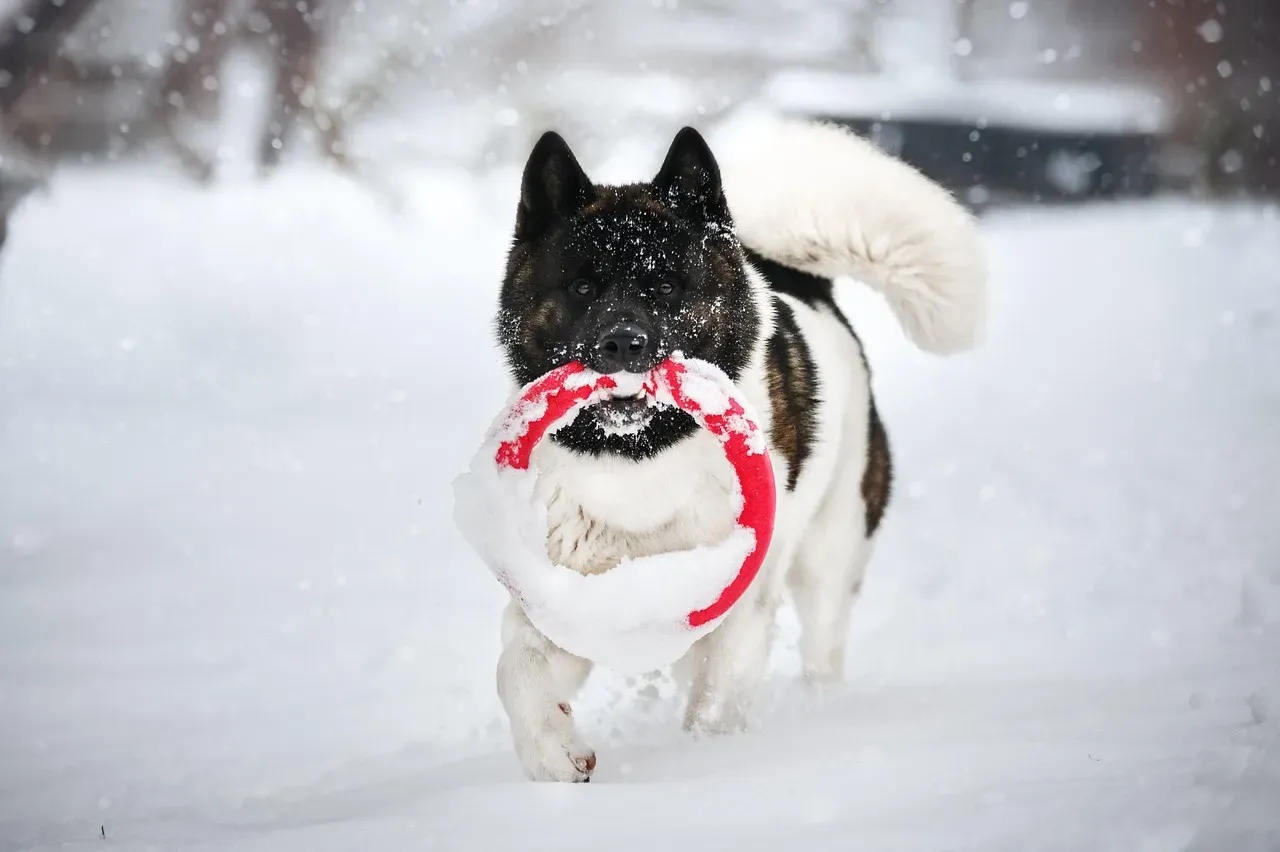
The Akita is a Japanese dog that thrives in cold weather, being one of the world’s oldest dog breeds, originating thousands of years ago in the snowy mountains of northern Japan. These dogs were bred to hunt bears and large game in harsh winter conditions, so Minnesota cold is nothing new to them.
Muscular and powerfully built, Akitas have a dense, medium-length coat that provides excellent insulation against the cold, and they especially enjoy enrichment activities that challenge both their mind and body, like winter hikes to explore new scents or advanced obedience training. They’re not the type to just wander around the yard – they want purposeful activity.
This breed was once only owned by the Imperial family in Japan, with statues given as gifts to new parents to bring health, happiness, and a long life, originally bred as a cold-weather hunting companion with a dense undercoat and harsh outer coat. That royal heritage comes through in their dignified, independent nature.
Akitas are also introverted and more than happy to cozy up with you on the couch after a winter hike through the snow. They’re loyal and protective of their families but can be aloof with strangers. Early socialization is important because of their strong-willed, independent nature. For experienced dog owners who want a winter companion that’s both capable and dignified, Akitas are excellent choices.
Minnesota winters separate the tough dogs from the shivering ones, and these nine breeds don’t just survive the cold – they genuinely love it. From the energetic Siberian Husky who treats snowdrifts like personal playgrounds to the gentle Saint Bernard who’d happily rescue you from a blizzard, these dogs were built for climates where winter isn’t just a season but a way of life. Choosing a breed that matches Minnesota’s harsh winters means more enjoyable outdoor adventures, fewer miserable bathroom breaks, and a dog who’s truly comfortable in their environment. If you’re committed to providing proper exercise, grooming, and care, any of these breeds will reward you with years of snowy adventures and cozy fireside companionship. What do you think – would you brave a Minnesota winter with one of these incredible dogs by your side?

- What It Means When Deer Stop Coming to an Area They Have Visited for Years – and What Wildlife Biologists Say They Are Detecting - July 19, 2026
- 10 Cat Breeds That Love Following Their Owners Everywhere - July 19, 2026
- The Only Place in North America Where You Can Legally Watch a Wild Jaguar From the Roadside – and Why Almost No One Makes the Trip - July 19, 2026