

Walk into any shelter or browse any dog adoption site and you’ll likely see one name topping the charts for families and first-time owners: the Golden Retriever. It sounds perfect on paper, right? Friendly, loyal, trainable, gentle with kids. What more could you ask for? Here’s the thing though. While these dogs certainly have earned their reputation for being wonderful companions, the idea that they’re breezy, low-effort pets is one of the biggest misconceptions floating around the dog world in 2026. Honestly, if you think owning a Golden Retriever is going to be a walk in the park, you might be in for a surprise.
The truth is, these popular pups demand far more from their owners than most people realize. Sure, they’re not aggressive or aloof. They won’t guard your house like a Rottweiler or require the same intense mental stimulation as a Border Collie. Still, that doesn’t mean they’re easy. Let’s be real, just because a dog smiles at everyone doesn’t mean they don’t need serious work.
They’re Advertised As Easy, But Ask Any Trainer
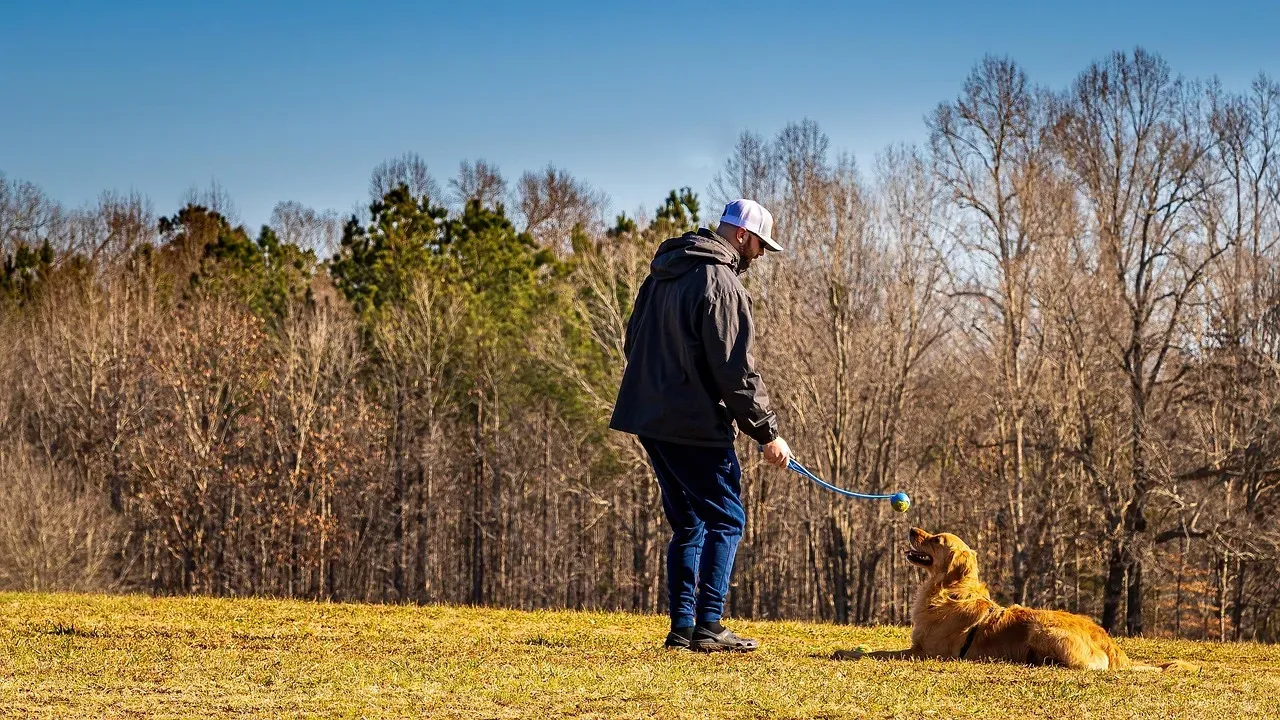
Golden Retrievers are expected to be highly obedient and trainable, yet this breed requires a disproportionately large amount of effort in the early years when it comes to training, engagement and obedience. That’s not just anecdotal. Professional dog trainers consistently point out that people expect Goldens to behave like well-mannered therapy dogs right out of the gate.
The reality? Every Golden has a tendency to be highly distractible as a puppy, with high levels of novelty seeking behaviour. This means your new furry friend will be interested in absolutely everything, from passing squirrels to that random leaf blowing across the yard. Keeping their attention? That’s a whole different challenge.
What makes it worse is that recall causes so much frustration because even when an owner is following the puppy class approved step by step process, they always find themselves being trumped by another new dog, stranger, kid on a bike, or other fast moving object. Training a Golden isn’t impossible, but it demands flexibility, patience, and a willingness to accept that your schedule might not match theirs. Golden Retrievers don’t want to do anything on anyone’s schedule.
Their Sensitivity Is Both A Gift And A Curse

One of the reasons Goldens are recommended for families is their gentle, people-pleasing nature. They respond well to calm praise, gentle guidance and repetition. Sounds ideal, right? It is, until you realize how easily that sensitivity can backfire.
Goldens may shut down or become anxious in response to harsh corrections, raised voices or inconsistent training. If you’re someone who gets frustrated easily or tends to raise your voice when things don’t go as planned, a Golden Retriever is going to pick up on that energy immediately. Their feelings can genuinely be hurt, which might sound cute until you’re dealing with a dog who refuses to engage because they’re emotionally overwhelmed.
Moreover, their eagerness to please can lead them to become overly dependent on their handlers, making it harder for them to learn independence or cope with frustration. This breed thrives on emotional connection, but that can also mean they struggle when left alone or when training becomes challenging. Their friendly, excitable nature can make it challenging to keep their focus, especially in distracting environments.
The Energy Levels Nobody Warns You About

Let’s talk about energy. Most people know Goldens need exercise, but they underestimate just how much. Both Labrador Retrievers and Golden Retrievers are categorized under the sporting group, which means they are highly energetic dog breeds with high needs for exercise and mental stimulation.
If you fail to provide enough outlets for those high energy levels, you may end up with undesirable behaviors such as chewing, excessive barking, digging and jumping. It’s not about a quick fifteen-minute stroll around the block. We’re talking about daily, vigorous exercise combined with activities that challenge their brains. Games, puzzle toys, retrieving sessions, swimming if possible.
Their high energy levels mean they can sometimes become overly excited. If you have young kids or a calmer household, that boisterous enthusiasm can quickly become exhausting. Wearing out their energy through exercise and training them to respond well to your directions will be the key to helping them adapt to your home.
Separation Anxiety And Emotional Dependency

Here’s something that doesn’t get discussed enough: Goldens are emotionally needy dogs. A Golden Retriever won’t do well if they’re not properly socialized, ideally early on in life. Beyond socialization, they crave human interaction constantly.
Both breeds are likely to develop separation anxiety and could act out by digging or chewing if socialization and training are lacking. If you work long hours outside the home or expect your dog to entertain themselves for most of the day, a Golden Retriever is probably not the right fit. They need someone who’s present, engaged, and emotionally available.
Think about it this way: these dogs were bred to work alongside humans all day long. Being left alone for eight or nine hours goes against their very nature. Without proper preparation and gradual desensitization, you could end up with a dog who destroys furniture, barks incessantly, or worse, develops serious anxiety issues that require behavioral intervention.
Grooming Is More Than You Bargained For
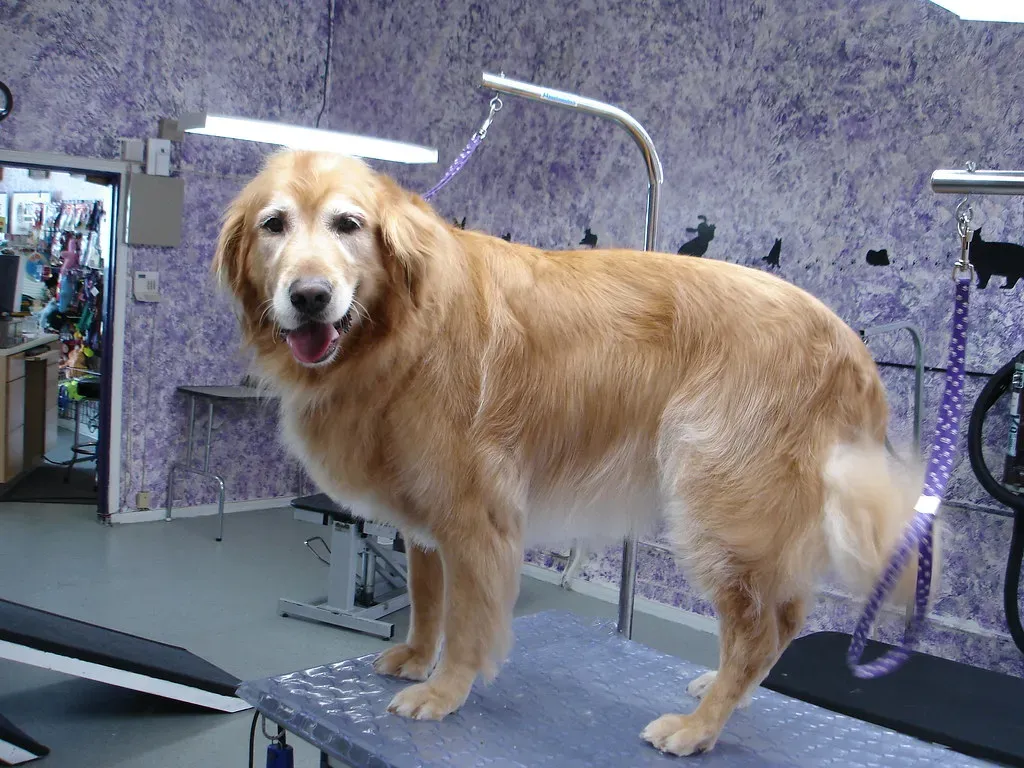
If you thought grooming a Golden Retriever just meant an occasional brush, think again. The winner for the heavier shedder is the Golden Retriever. Their beautiful, flowing coat sheds year-round, and they blow their coat heavily twice a year.
That means dog hair on your clothes, your furniture, your car, and basically everywhere you go. A Golden is for humans who love to vacuum and whose favorite fashion accessory is dog hair. It’s almost a running joke among Golden owners at this point. Vacuuming becomes a daily ritual, not a weekly chore.
Regular brushing is essential to prevent mats and tangles, especially around the ears, chest, and tail. You’ll also need to keep up with nail trims, ear cleaning, and occasional baths. Neglecting any of this can lead to skin issues, infections, or discomfort for your dog. It’s hard to say for sure, but I’d estimate that grooming a Golden properly takes at least a few hours each week when you add it all up.
The Reality Check You Need
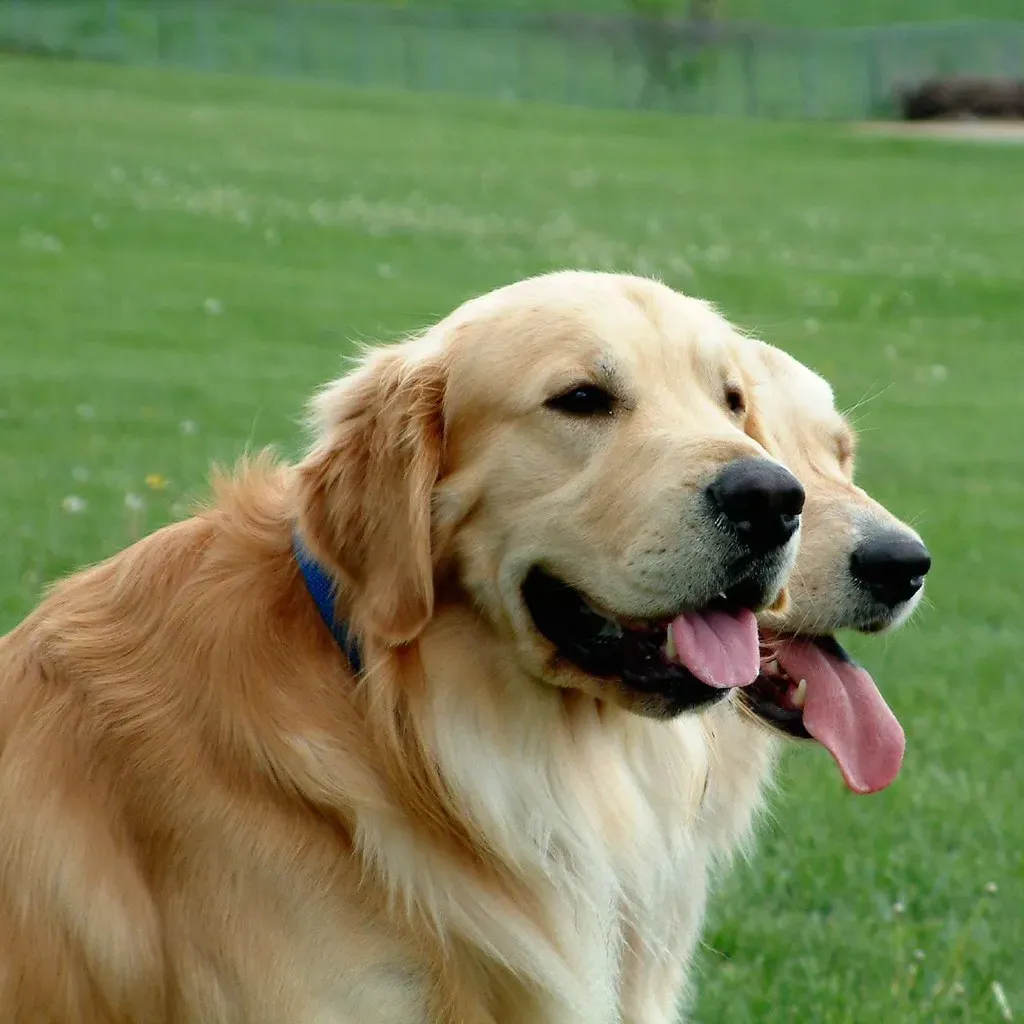
So what’s the takeaway here? Golden Retrievers are incredible dogs. They’re loving, affectionate, and can be wonderful family companions. That part is absolutely true. The problem isn’t the breed itself, it’s the expectation that they come pre-packaged as easy, beginner-friendly pets who require minimal effort.
If you have your own bad habits when it comes to conflict, stress and how you regulate yourself, your Golden Retriever is going to force you through a process of self improvement, whether or not you are asking for it. These dogs don’t tolerate inconsistency, impatience, or half-hearted training. They need structure, emotional stability, and a whole lot of time.
Until that point, you are likely to be dealing with a boisterous, overly excitable dog because that is the only real way that their genetics allow them to tell you to get your act together. They’re not trying to be difficult. They’re just being exactly what they were bred to be: active, sensitive, intelligent working dogs who need a job and a purpose.
If you’re considering a Golden Retriever as your first dog, do yourself a favor and be brutally honest about your lifestyle. Can you commit to daily exercise and mental stimulation? Are you patient enough to handle a highly distractible puppy? Can you manage heavy shedding and regular grooming? Do you work from home or have the flexibility to be around most of the day? If the answer to any of these is no, it might be worth exploring other breeds that truly are more beginner friendly.
What do you think? Did this change your perspective on Golden Retrievers?
