

The Lakota people have always maintained something that modern society often loses: a deep, almost tangible connection to the natural world. Their spiritual worldview doesn’t separate humans from animals or the earth from the sky. Everything pulses with the same energy, the same sacred force.
This profound relationship with nature shaped a belief system where observing animal behavior became woven into daily existence, offering protection and guidance to those who sought these powers. When you think about it, isn’t there something humbling about learning from creatures who navigate the world through instinct and ancient wisdom? The Lakota didn’t just admire these animals. They studied them, revered them, and understood that each creature carried lessons humans desperately needed to learn.
The Sacred Buffalo: Provider and Symbol of Sacrifice
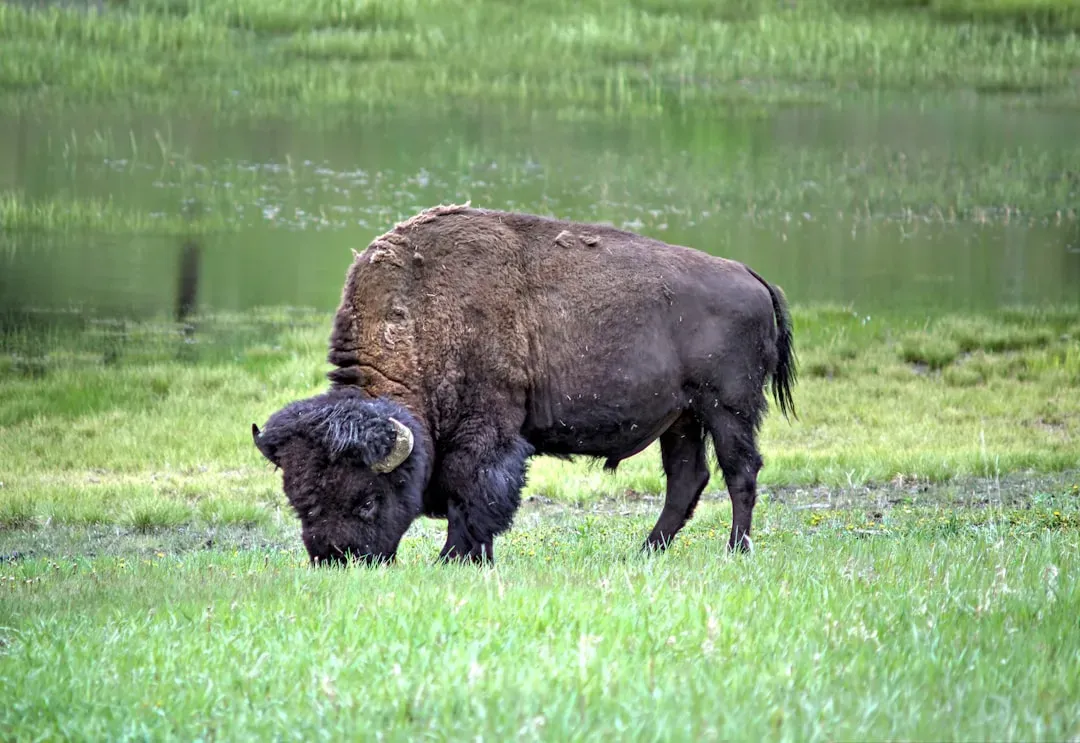
The buffalo was considered a relative of the Lakota, providing food, shelter and ceremony, and it was believed that when the Lakota first walked the earth, the buffalo sacrificed itself for the starving people. This wasn’t just mythology or poetic language. The buffalo truly gave everything.
Respected as a symbol of the divine, the buffalo was a banquet for the people, giving up its flesh and life to feed them, sheltering them with its hide over tipis, clothing their bodies, and covering their feet as moccasins. Every single part of this magnificent creature had purpose. Nothing went to waste because wasting any portion would dishonor the sacrifice.
The bear is chief of the underground supernatural forces, masculine in nature in perfect balance to the bison’s feminine nature. This balance speaks volumes about how the Lakota understood the world. The buffalo holds an essential place in Lakota spirituality, historically providing not only sustenance but also materials for clothing, shelter, and tools, serving as a symbol of abundance, strength, and perseverance.
Because of the buffalo’s great importance, a buffalo symbol or skull is present in all sacred Lakota rituals, standing as a reminder of this great animal which gives completely of itself for others. Think about what it means to give everything. The buffalo taught an entire people how to live through ultimate generosity.
The Eagle: Messenger Between Worlds
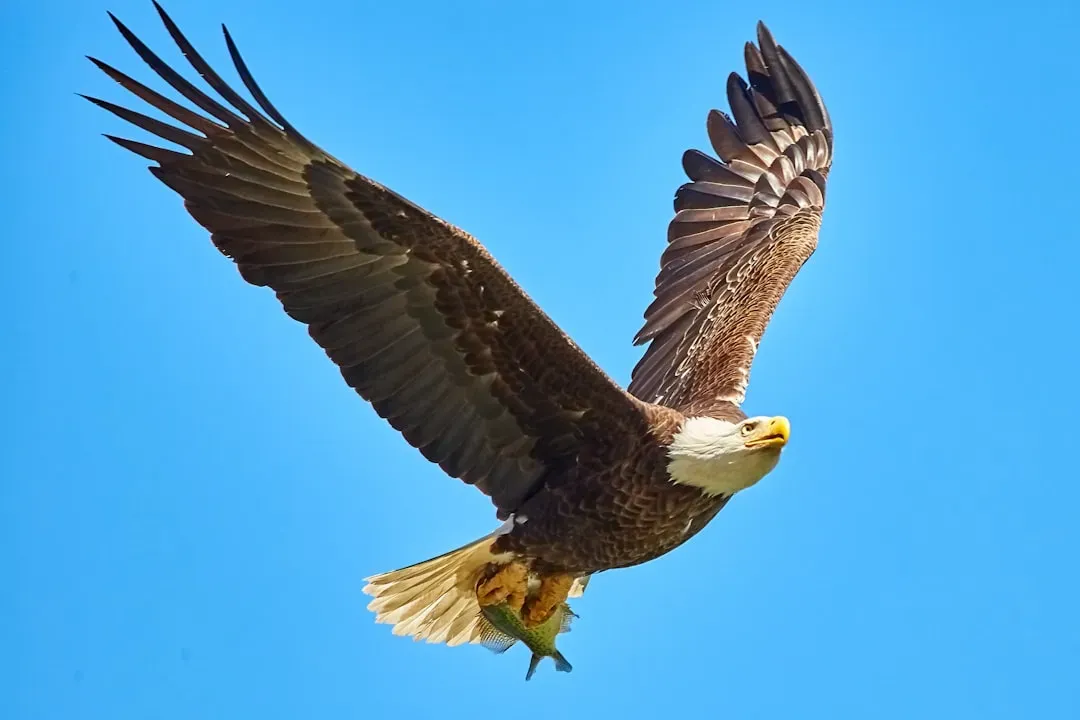
The eagle is the strongest and bravest of all birds, and for this reason, the eagle and its feathers were chosen as a symbol of what is highest, bravest, strongest, and holiest. When you look up and see an eagle soaring at heights most creatures can’t reach, you’re witnessing something extraordinary.
The eagle is revered as a powerful spirit being that connects the earthly realm with the Creator, seen as a symbol of wisdom, courage, and spirituality. It’s not hard to understand why. The eagle’s ability to soar high in the sky represents a connection to the divine, and its feathers are considered sacred, often used in traditional ceremonies and prayers.
In Lakota culture, eagle feathers are given to another in honor, and the feathers are worn with dignity and pride, treated with great respect. There’s a ceremony specifically for retrieving a dropped eagle feather during dances. The reverence runs that deep.
An eagle feather is used to adorn the sacred pipe because it is a symbol of the Great Spirit who is above all and from whom all strength and power flow. The connection isn’t symbolic in some vague way. For the Lakota, it’s absolutely real. Since the eagle holds high meaning in Lakota culture, eagle feathers and wings are used in special ways, and when held over someone’s head, it means the person is brave or is wished bravery and happiness.
The Bear: Chief Healer and Underground Force

Because bears dig for roots and herbs, and are one of the few wild animals who use medicine on themselves, bears are thought to be the chief healers among animals. Imagine watching a bear instinctively treat its own wounds with plants. The Lakota noticed this and understood something profound.
The bear’s habit of digging underground for roots and hibernating during winter demonstrated his supremacy and fearlessness, and Oglala men sought bear medicine powers fiercely. Here’s where it gets interesting, though. It was believed that women should have nothing to do with the bear because of his masculine nature.
The bear is known for his unpredictable contrary nature, fierce and brave one moment and ready to charge any enemy, cranky and growling his displeasure the next, or curious and playful the next. This unpredictability wasn’t seen as a flaw. It was power in its rawest form.
The bear is a symbol of strength and healing, and Lakota medicine men often invoke the spirit of the bear for protection and guidance in healing practices. The bear taught that true strength includes vulnerability, rest, and the wisdom to retreat when necessary. The bear represents justice and punishment, as well as courage, confidence and a grounding energy, and is also a symbol of protection, with tribes recognizing the way a mother bear defends her cubs.
The Wolf: Teacher of Unity and Strategy
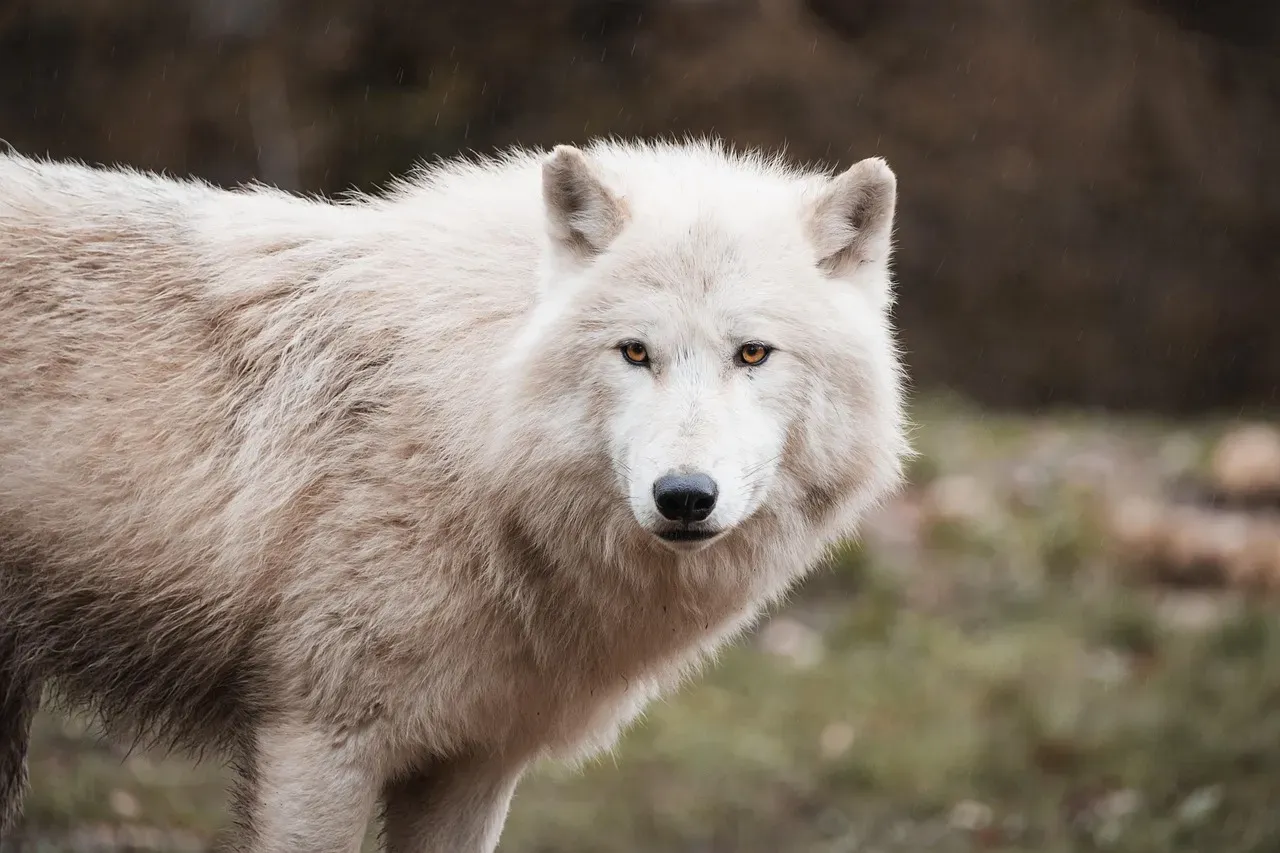
Wolf’s supernatural powers are organization, wisdom, and cooperation, and observing wolf packs gave humans valuable lessons on unity of the family structure, cooperating for the good of the community, strong observation skills, and using wisdom to adapt quickly to unusual circumstances and avoid unnecessary battles. Let’s be real here. Wolves understood teamwork long before humans wrote books about it.
Sungmanito is the Wolf Spirit of hunting and war. The wolf symbolizes loyalty, family, and teamwork, and in Lakota culture, wolves are respected for their hunting skills and their strong social structures, serving as a reminder of the importance of community.
Plains tribes such as the Lakota and Blackfoot associate wolves with loyalty and communal strength, seeing wolves embodying cooperation through their hunt-based social structure, teaching the power found in unity and collective effort. Scouts would wear wolf hides and study their methods before hunts or battles.
In Lakota tales, wolves demonstrate the importance of community, showing how cooperation transforms individual power into collective success. The wolf never acted alone when the pack was needed. That’s the lesson. Individual strength matters, but the group’s survival depends on working together with intelligence and patience.
The Coyote: Trickster and Unexpected Teacher
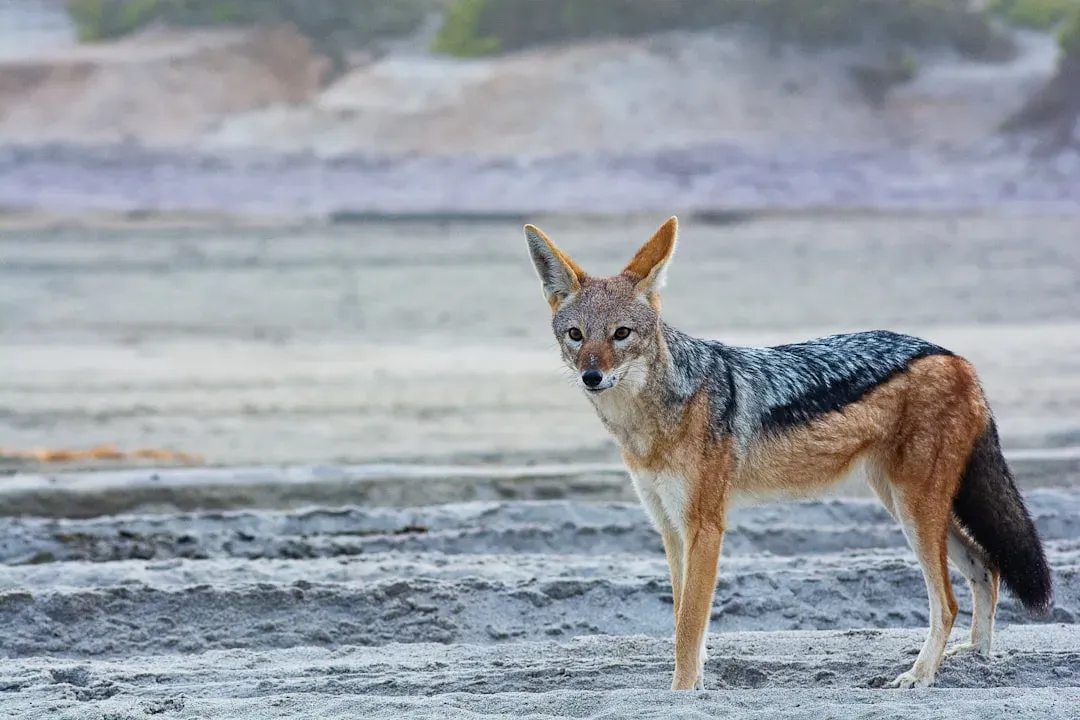
The legendary figure of the coyote is a trickster and culture hero, often described as witty, clever, obscene, vulgar, and thieving. The coyote doesn’t fit neat categories, and that’s exactly the point.
He is clever but reckless and is constantly getting himself and people around him into trouble with socially inappropriate behavior like greed, boastfulness, and lying. Yet somehow, these tales are regarded as lessons or advice. Neither children nor adults should behave as Coyote behaves in the stories.
Among the Lakota people, the coyote is seen as a powerful teacher who imparts wisdom through both its cleverness and its mistakes. Think about that for a moment. Learning what not to do can be just as valuable as learning the right path.
In Lakota stories the coyote often takes on human form to interact with people, using humor and trickery to teach important moral lessons and cultural values, and his actions may be crude and obscene but they teach humility and respect. The Lakota tribe views the coyote spirit animal as a teacher who empowers people to develop their sense of self, inner fortitude, and self-sufficiency, and the coyote has a significant influence on tribal rituals and ceremonies.
The Elk and Deer: Lessons in Relationships and Grace

From the elk, the Lakota learned about relationships between men and women, and the supernatural power called into being at creation. The elk’s ability to maneuver massive antlers that can be six feet wide through dense foliage is amazing and graceful, and beauty, gallantry, and protection became the emblems of the elk.
The Oglala admired the elk’s ability to attract a mate with one mating call, and used this as inspiration to create the love flute, thought to bestow amorous medicine, mimicking the elk mating bugle call to attract the woman that would be a perfect match for the suitor playing the flute. How remarkable that courtship rituals came from observing nature’s elegance.
While deer were thought to aid men on their journey through life, they could be cunning and wary, and it was believed a deer had the ability to change form, to appear as a young woman, lead men astray with intoxicating perfume, and then unexpectedly return to original form. The deer wasn’t just graceful. It carried warnings about deception and the need for self-control.
If a man walked away from the deer completely unscathed, he was seen by other members of the tribe to possess great power and self-control. The deer represents gentleness, peace, and empathy. Still, gentleness shouldn’t be mistaken for weakness. The deer taught balance between vulnerability and strength, between grace and cunning.
Conclusion: Living Lessons From the Animal Kingdom
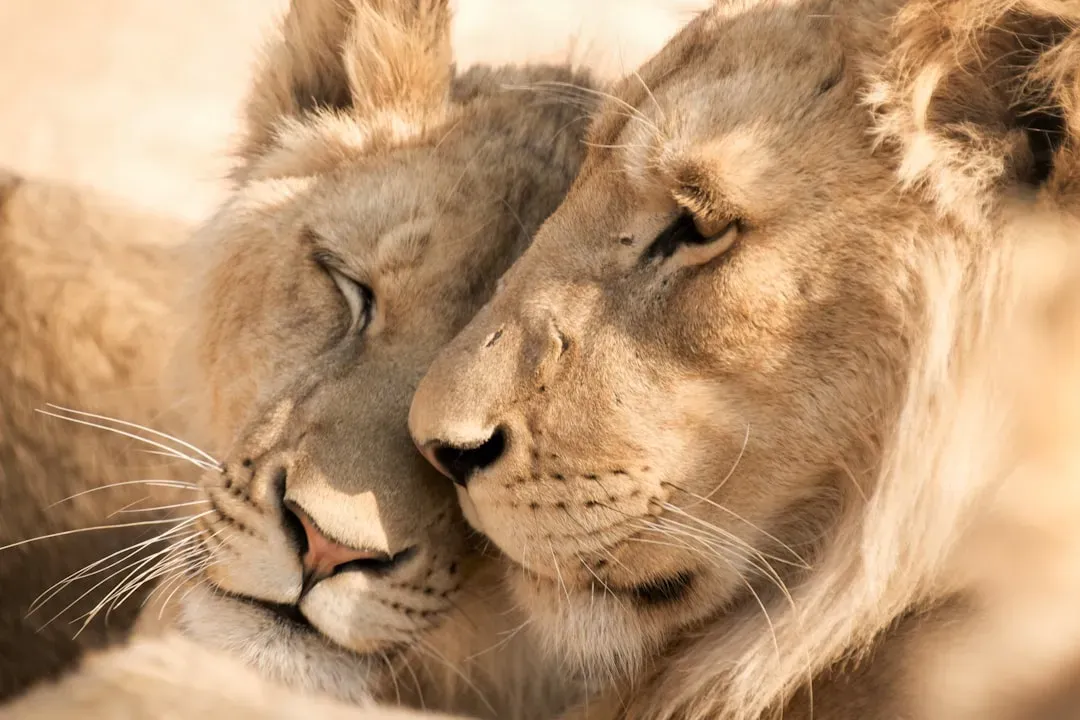
Lakota religionists believe that, due to their shared possession of wakʽą, humans exist in a state of kinship with all life forms, a relationship that informs adherents’ behavior. This isn’t just ancient history or folklore we study from a distance. These teachings about spirit animals carry weight in 2026 because they speak to something we’ve lost in our rush toward technology and disconnection from the natural world.
To the Oglala, there was no real distinction between living or supernatural beings, all were believed to be joined together by the earth and created for a single purpose, and animals teach about life, with humans able to learn lessons from all of them by observing closely, and people learn from childhood that all beings depend on one another or perish and there are lessons to be learned from all forms of life.
The buffalo taught sacrifice and generosity. The eagle showed courage and connection to the divine. The bear demonstrated healing and the power of solitude. The wolf revealed the strength of community and strategic thinking. Even the coyote, with all its tricks and mischief, taught humility and adaptability.
What would change if we approached the world this way again? What would we learn if we stopped long enough to truly observe the creatures sharing this planet with us? The Lakota understood something essential: we’re not separate from nature, we’re part of it. Maybe that’s the most important lesson these spirit animals still have to offer. What do you think? Could these ancient teachings help us navigate our modern challenges?
