
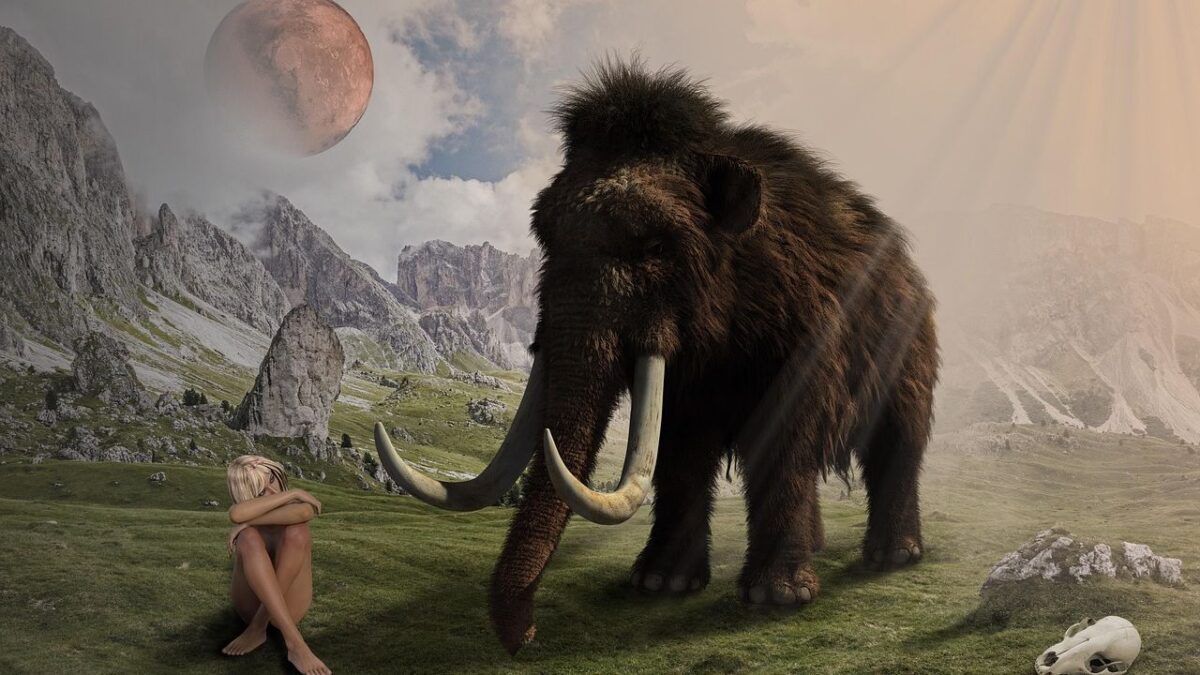
Ever wondered what kind of colossal creature you might have been if you’d roamed the frozen tundra thousands of years ago? The connection between our personalities and the animal kingdom goes deeper than we think. While modern astrology often pairs us with contemporary animals, there’s something incredibly fascinating about matching zodiac traits with the magnificent beasts that once dominated Earth during the Ice Age.
These weren’t just any animals. We’re talking about creatures that survived in one of the harshest environments our planet has ever known, each with unique adaptations and behaviors that mirror the complex personalities we see in the zodiac today. Let’s take a journey back in time and discover which prehistoric giant matches your cosmic blueprint.
Aries: The Giant Short-Faced Bear
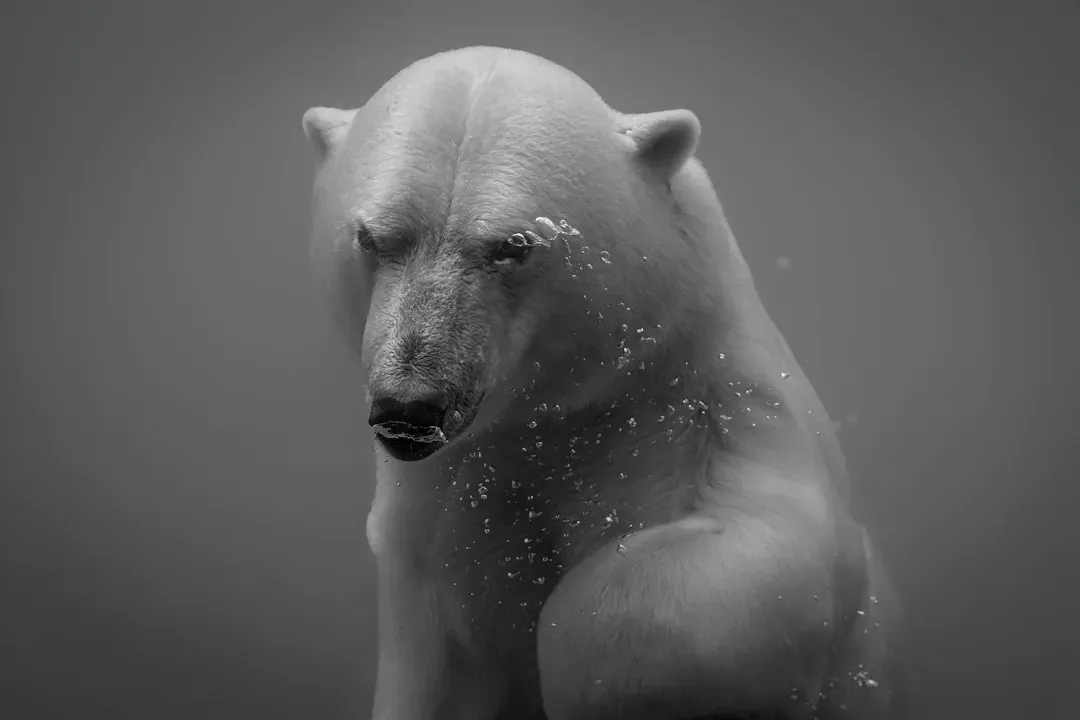
The giant short-faced bear was the largest carnivorous mammal to ever roam North America, standing over 14 feet on its hind legs. If you’re an Aries, this is your Ice Age spirit animal. There’s no question about it.
Those with their Sun in Aries are self-centered, take the initiative, act independently and are passionate about life, with ambitious individuals who want to be number one. That competitive fire burns bright, doesn’t it? The short-faced bear didn’t just survive by being big. It had long, muscular legs that made it a cursorial predator, meaning it actually ran down its prey. An apex predator that took what it wanted, much like how Aries charges headfirst into challenges.
This bear didn’t wait for opportunities to come to it. It created them with raw power and determination, exactly the way an Aries approaches life’s obstacles.
Taurus: The Woolly Mammoth
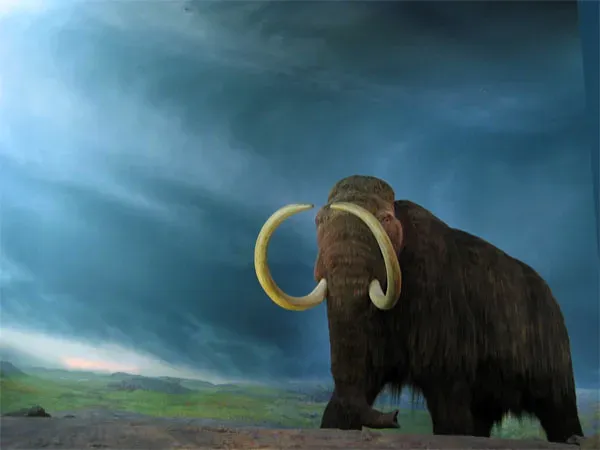
Nothing screams Taurus quite like the woolly mammoth. The woolly mammoth stood 12 feet tall at the shoulders and weighed six to eight tons, using its colossal 15-foot curved tusks to dig under snow for food. Patient, methodical, and incredibly strong.
Taurus has a unique ability to calm the energy around them, they prefer to take their time with things, and value good food and cozy spaces. Sound familiar? The mammoth wasn’t rushing anywhere, slowly grazing across the northern steppes, building up reserves for the harsh winter months. They understood the value of steady persistence over flashy displays.
These creatures represented ultimate reliability in an unpredictable world. Their thick fur coats and massive tusks weren’t just for show but practical tools for survival, much like how Taurus builds tangible security in their lives. Honestly, there’s something deeply comforting about the mammoth’s presence, wouldn’t you agree?
Gemini: The Dire Wolf
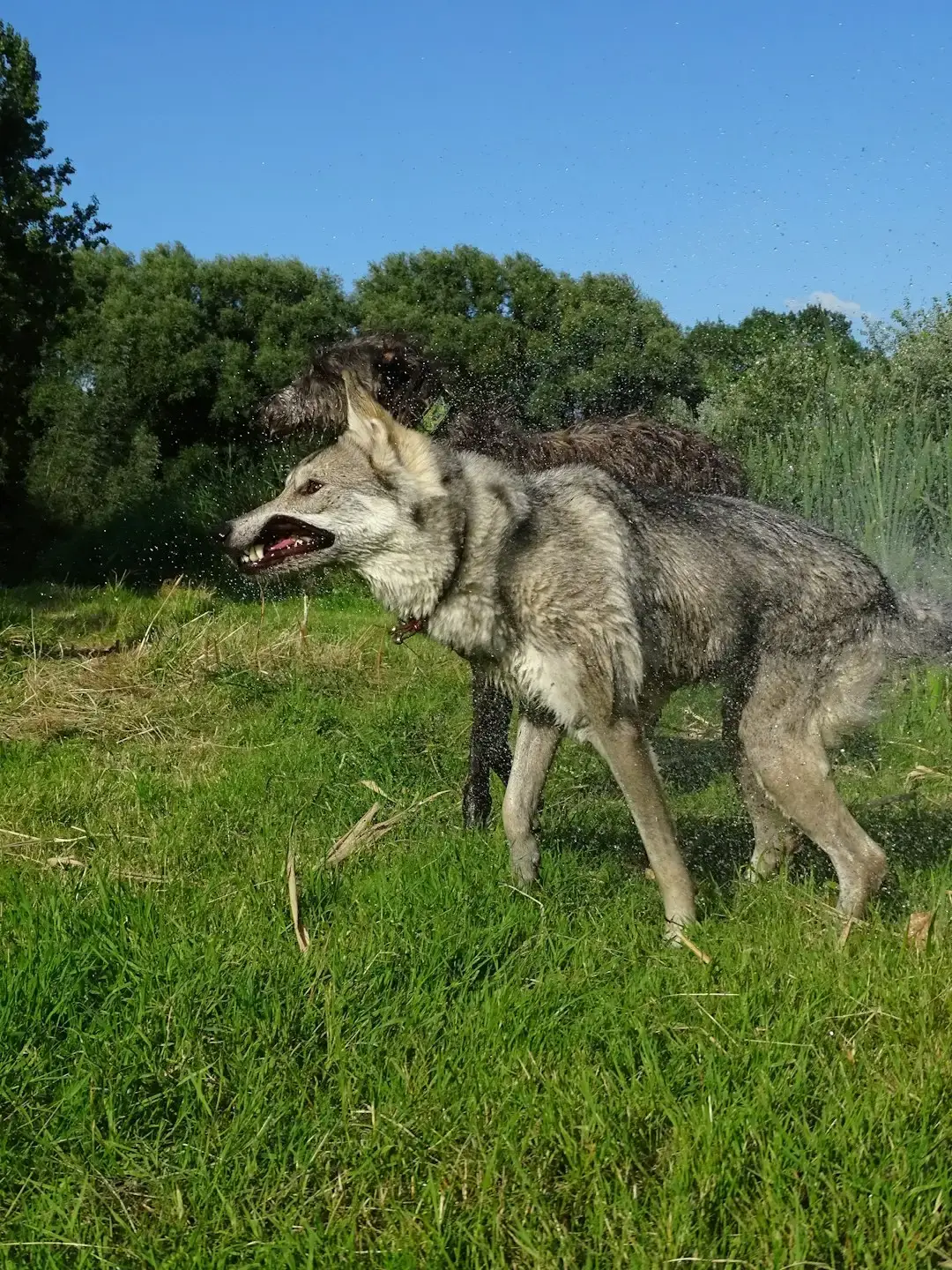
Pack dynamics, communication, adaptability. The dire wolf embodies everything a Gemini represents. These wolves weren’t solitary hunters but incredibly social animals that thrived on cooperation and strategic thinking.
Geminis have a natural talent for initiating conversations with almost anyone, their quick-thinking minds easily shift from one idea to another, and they adapt seamlessly to various groups. That’s the dire wolf in action. These canids roamed the grasslands, plains, and woods during the American Late Pleistocene, preying on megafauna including giant ground sloths.
The dire wolf succeeded through wit and versatility. They could adjust their hunting strategies based on prey, terrain, and pack composition. One day chasing horses across open plains, the next coordinating ambushes in forested valleys. If that doesn’t scream Gemini energy, I don’t know what does.
Cancer: The Giant Beaver
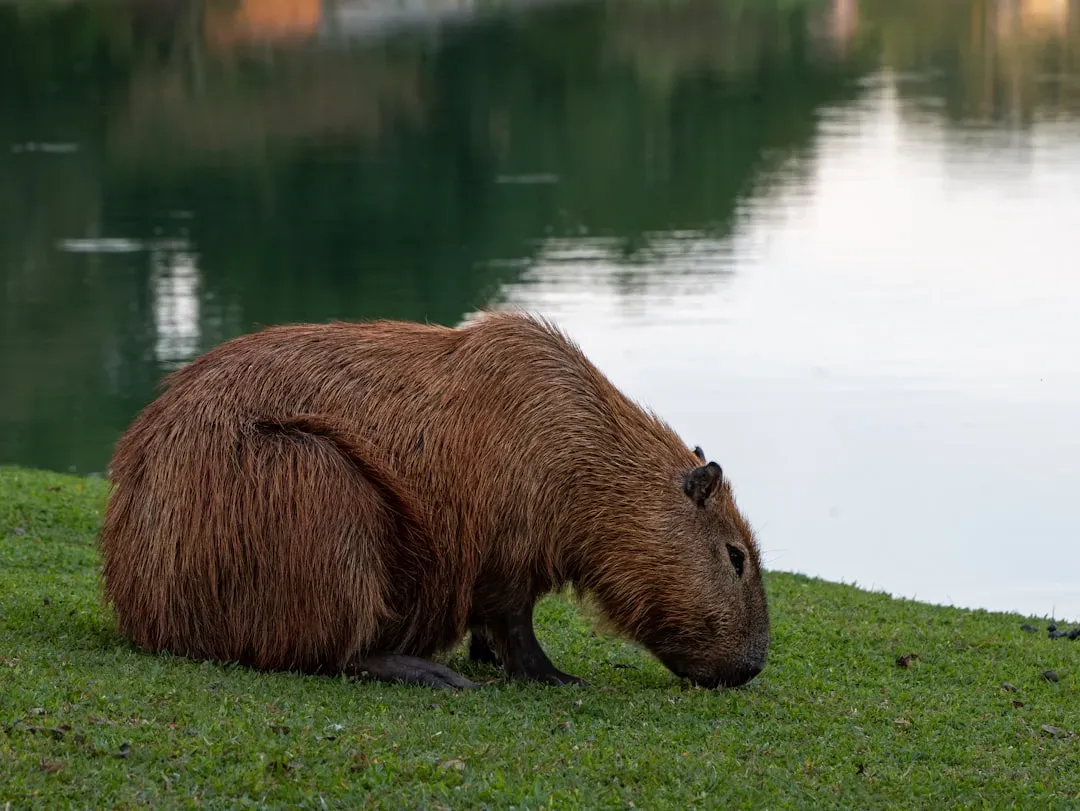
Before you laugh at the idea of a beaver representing Cancer, consider this. The giant beaver grew up to two metres long and weighed up to 100 kilograms, making it the largest rodent known from ice age North America. This wasn’t some tiny creek-dweller.
Cancers are deeply emotional and have an intuitive understanding of what their loved ones need. The giant beaver was all about creating safe spaces, building elaborate lodges and dam systems that protected not just themselves but entire ecosystems. They were architects of security, constructing physical manifestations of home and family.
These creatures understood the importance of emotional and physical shelter. They worked tirelessly to maintain their aquatic sanctuaries, creating environments where they could nurture and protect their young. That protective, nest-building instinct? Pure Cancer energy through and through.
Leo: The Smilodon (Saber-Toothed Cat)
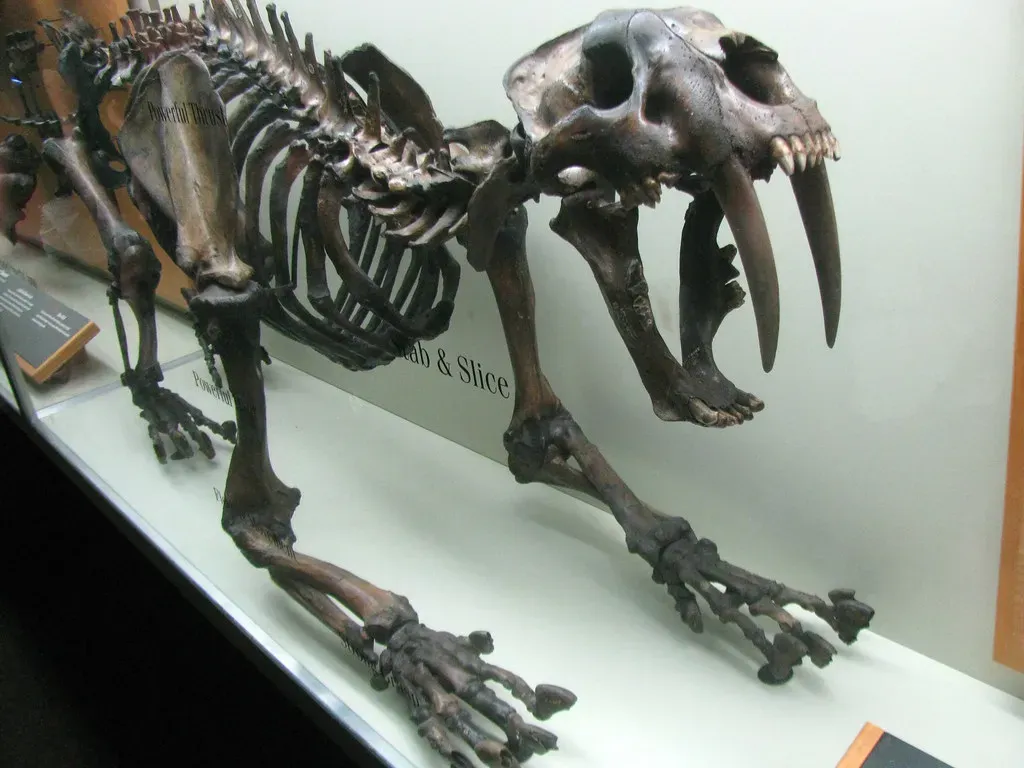
Let’s be real, there’s only one Ice Age animal dramatic enough for Leo. The saber-toothed cat, with its iconic fangs and commanding presence, is the undisputed king of prehistoric charisma. More than 3,000 fossilised saber tooth cat individuals have been pulled from the La Brea tar pits, which tells us these cats made quite the impression.
Leos are confident and larger-than life, easily charming people they encounter, though this sign can be dramatic from time to time. Those massive canines weren’t just functional weapons but statement pieces. The smilodon didn’t sneak around like modern cats. They were ambush predators similar to many modern-day big cats, but with way more flair.
Picture this: lying in wait, perfectly groomed and poised, then launching a spectacular attack that left no doubt about who ruled that territory. That’s Leo capturing everyone’s attention the moment they enter a room.
Virgo: The Steppe Bison
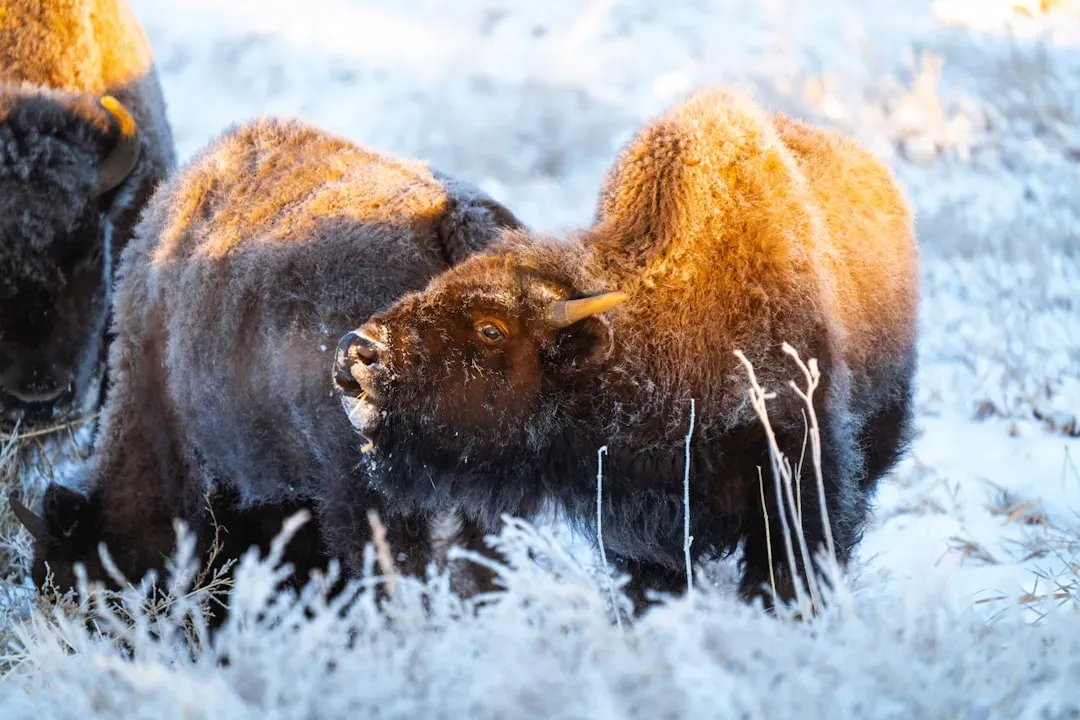
The steppe bison is now extinct but was the ancestor to our modern plains bison. These animals were meticulous grazers, methodically working their way across vast grasslands with purposeful efficiency. Every blade of grass consumed served a practical function.
Virgos are the zodiac’s perfectionists, detail-oriented and systematic in everything they do. The steppe bison embodied these qualities through their grazing patterns and herd behavior. They didn’t waste energy on unnecessary movements or risky ventures. Instead, they followed proven migration routes and seasonal patterns that had been refined over thousands of years.
The relative numbers of horse and bison changed throughout the last 45,000 years, suggesting that environmental fluctuations differentially favored some species over others. The steppe bison adapted through careful analysis of their environment, adjusting behaviors based on changing conditions. That analytical approach to survival? Textbook Virgo problem-solving.
Libra: The Irish Elk
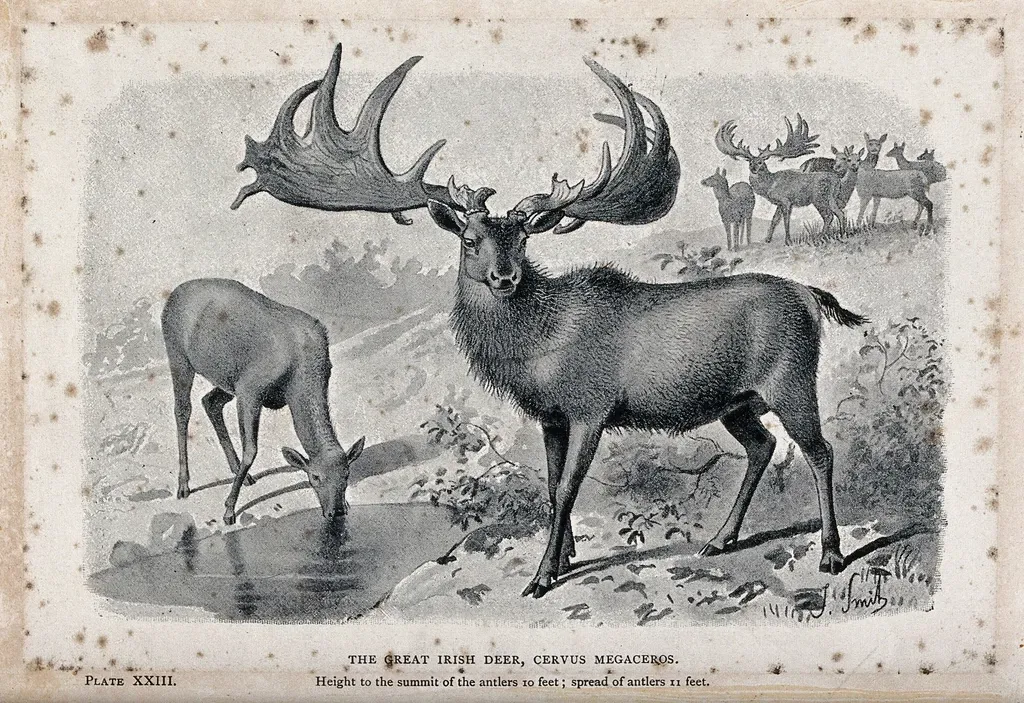
The Irish elk stood at over 1.8m tall at shoulder height and had the largest antlers of any known deer, with colossal antlers spanning up to 3.5 metres. These weren’t just big antlers but perfectly symmetrical works of natural art. Balance, beauty, and impressive social display.
Libras value harmony, aesthetics, and social grace above almost everything else. The Irish elk’s massive antlers served dual purposes: attracting mates and establishing social hierarchy without excessive violence. Rather than brutal combat, these animals preferred displays of magnificence to settle disputes. Diplomacy through beauty, essentially.
Can you imagine the effort required to maintain those antlers? Growing them each year, carrying that weight with poise and elegance, all while trying to navigate through forests. That’s a Libra managing multiple social obligations while still looking effortlessly put-together. The Irish elk understood that presentation matters, and they weren’t afraid to make a statement.
Scorpio: The Cave Lion
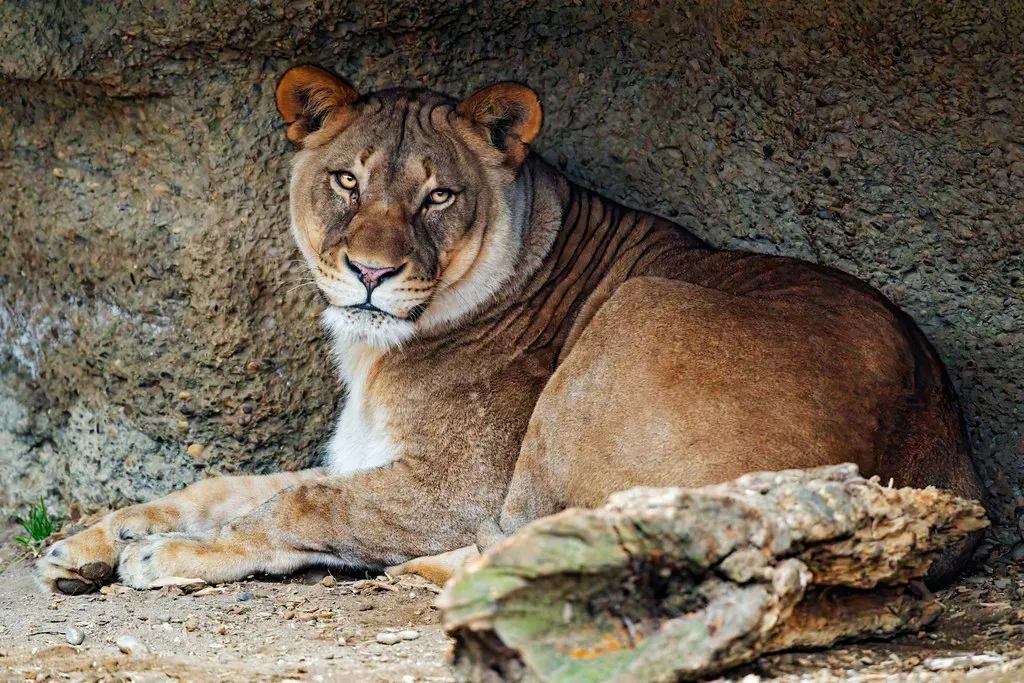
Beringian lions were the largest and most abundant cat of ice age Yukon, inhabiting the territory from around 125,000 to 13,000 years ago. These weren’t just oversized housecats. Cave lions were apex predators that commanded respect and fear in equal measure, operating in the shadows of Ice Age landscapes.
Scorpio is the most enigmatic of the zodiac signs, where others might be content with what they can easily see or do, Scorpio’s courage takes them beyond, probing the depths. The cave lion lived by similar principles. It survived not through brute strength alone but through strategic thinking and an almost supernatural ability to read its environment and prey.
These lions understood power dynamics better than any other predator. They knew when to strike, when to retreat, and how to maintain dominance without exhausting themselves in unnecessary conflicts. That intensity, that penetrating gaze that seems to see right through you? That’s Scorpio and the cave lion sharing the same knowing look.
Sagittarius: The Woolly Rhinoceros
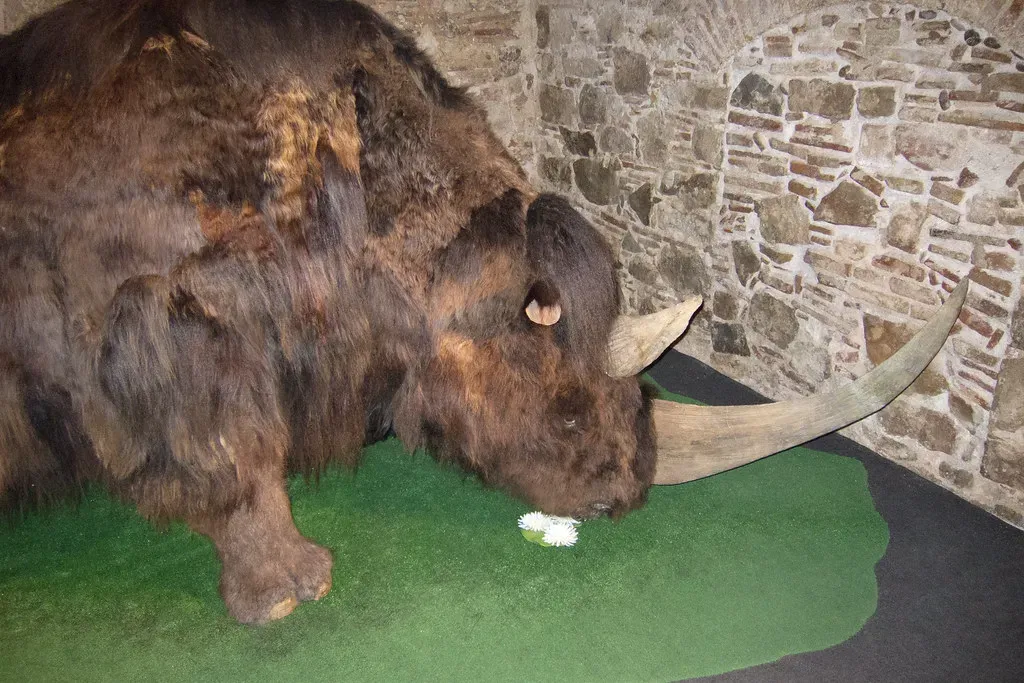
Picture a creature built like a tank, covered in thick wool, charging across frozen steppes with wild abandon. The woolly rhinoceros was an adventurer in every sense, exploring vast territories across Ice Age Eurasia and adapting to the harshest environments imaginable.
The archer shoots the arrow into the far distance, not knowing where it will land, which is part of the excitement of life for Sagittarius, since they identify as citizens of the world. The woolly rhino embodied this philosophy perfectly. These animals didn’t stick to safe, familiar territories. They roamed through blizzards, crossed frozen rivers, and ventured into unknown regions with remarkable confidence.
That horn wasn’t just for defense but for clearing snow to reach vegetation underneath, essentially removing obstacles that stood between them and their goals. Sagittarius approaches life the same way, charging forward with optimism and refusing to let barriers slow them down. Both the sign and the rhino share an unshakeable belief that the next horizon holds something worth discovering.
Capricorn: The American Mastodon
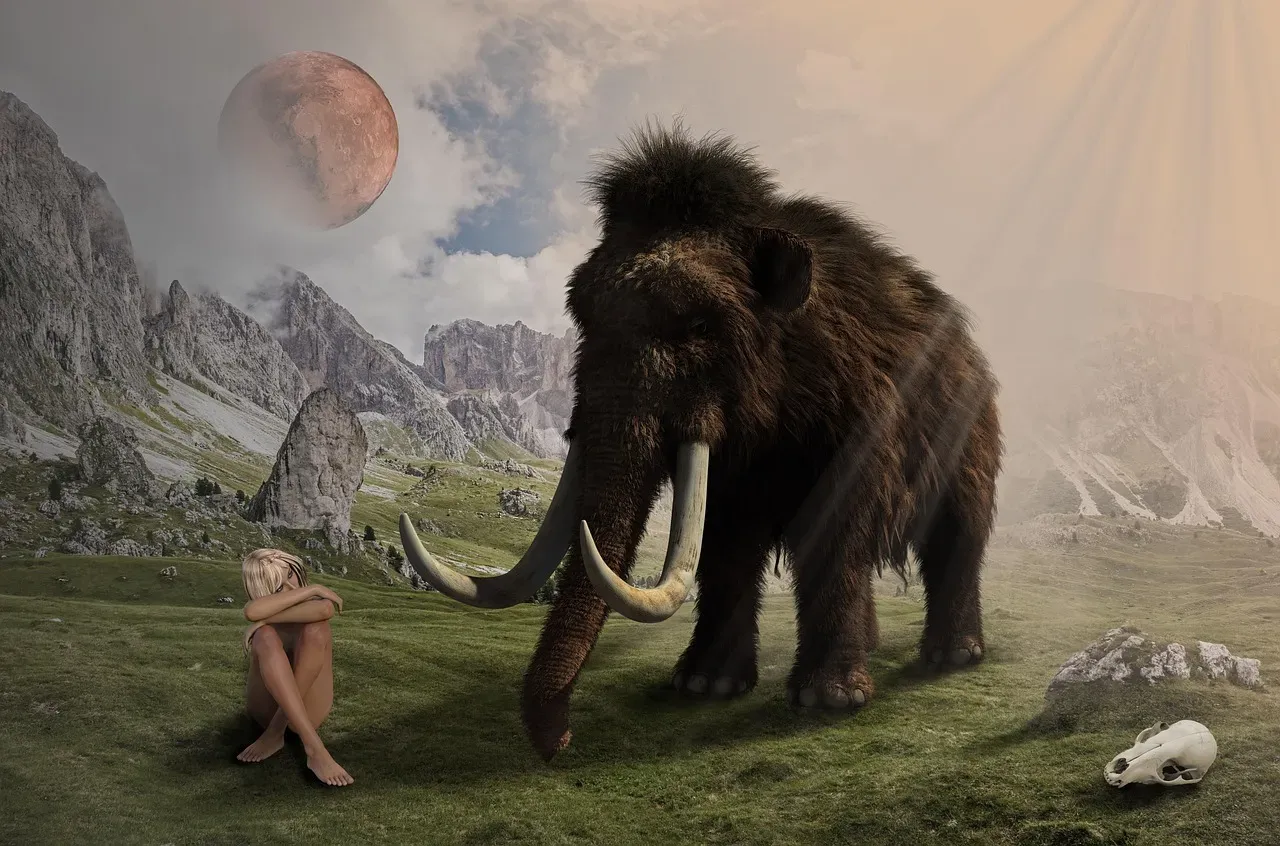
The American mastodon’s ancestors crossed the Bering Strait roughly 15 million years ago and evolved into the American mastodon 3.5 million years ago, being shorter and stockier than later mammoths. These creatures represented persistence, tradition, and the slow accumulation of wisdom over geological timescales.
Capricorn is the mountain goat, sure-footed in its determined ascent to the summit, with a trajectory upwards striving towards accomplishment. The mastodon didn’t need speed or flash. It had something better: endurance and an proven blueprint for success that had worked for millions of years. They methodically stripped branches from trees, building strength and reserves for the long haul.
Capricorns understand that real success isn’t about quick wins but sustainable systems built over time. The mastodon’s evolutionary strategy wasn’t adaptation to rapid change but perfecting a reliable approach and sticking with it through countless climate shifts. That’s Capricorn’s career plan right there, millennia before LinkedIn existed.
Aquarius: The Giant Ground Sloth
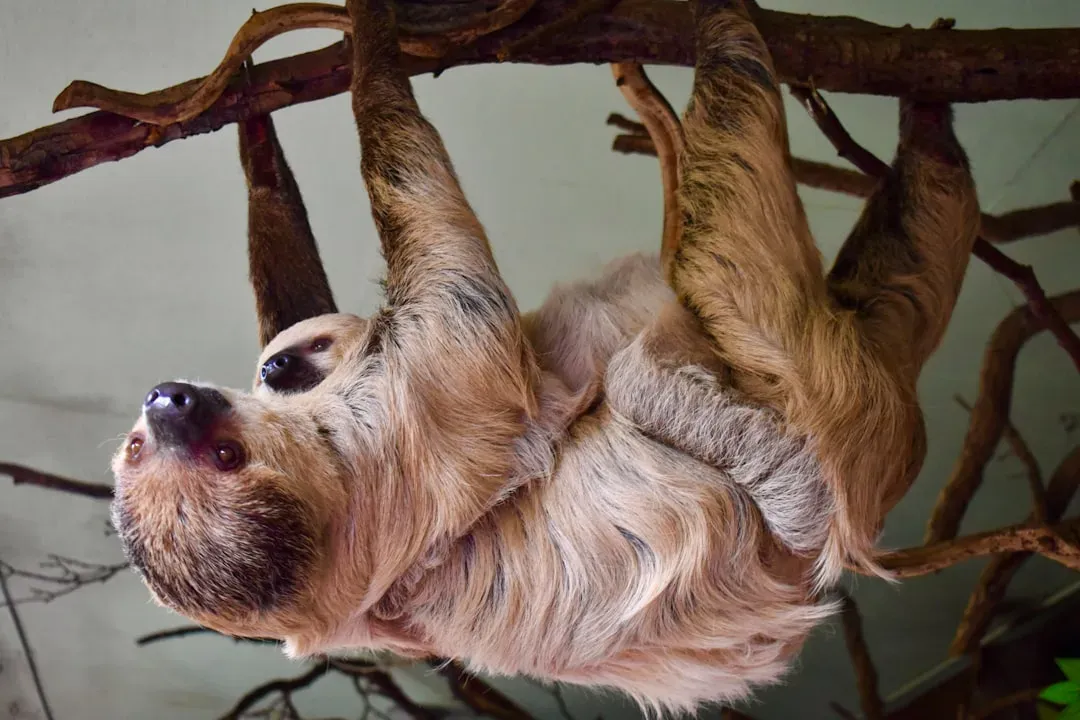
Now here’s where things get interesting. In Ice Age North America, sloths were an entirely different beast, with giant ground sloths standing 12 feet on their hind legs and weighing up to 3,000 pounds. These weren’t conventional creatures by any measure. They moved differently, ate differently, and approached survival from a completely unique angle.
Aquarius is the sign of the water bearer, and the water pouring from the jar is a symbol of knowledge acquired and poured forth for the benefit of others. The giant ground sloth didn’t compete directly with other megafauna. It carved out its own ecological niche, reaching vegetation that other herbivores couldn’t access. Innovation through unconventional methods.
These creatures were individualists in a world dominated by herd animals. They thought outside the box, or in this case, outside the horizontal grazing pattern. Standing on hind legs to reach tree branches while others munched grass? That’s Aquarius refusing to follow the crowd just because everyone else is doing it.
Pisces: The Megaloceros (Giant Deer)
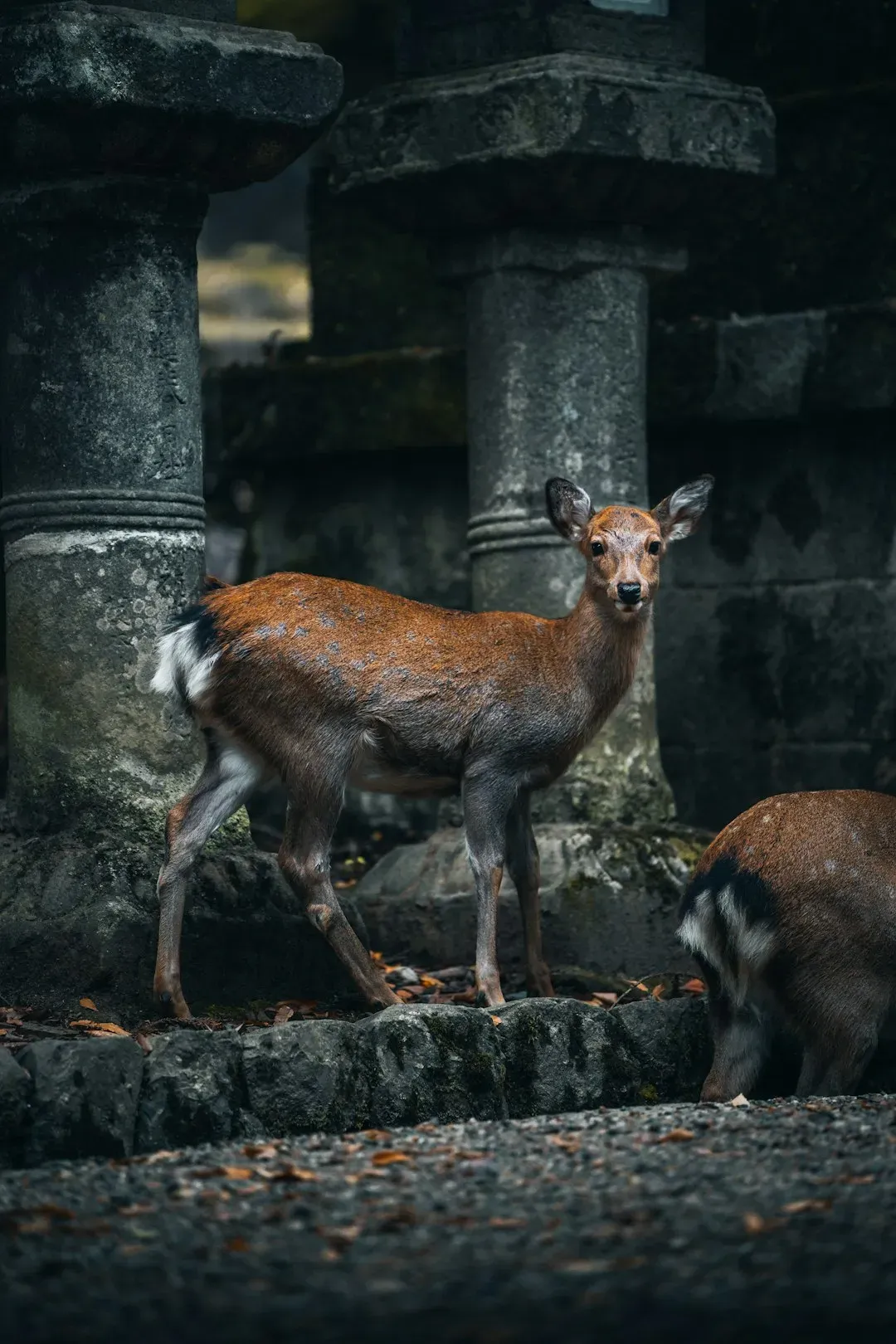
The megaloceros, another name for the Irish elk, deserves a second look through the Pisces lens. Beyond those magnificent antlers lies something deeper: a creature that seemed to exist between worlds, neither fully adapted to forests nor completely at home on open plains.
Pisces is the sign of the fishes, bound to each other by a cord and swimming in opposite directions, representing the dilemma of knowing one must live in the world but always longing to escape from it. The megaloceros carried this duality in its very physiology. Those massive antlers were simultaneously its greatest asset and its heaviest burden, beautiful yet impractical, impressive yet limiting.
Pisceans are known for their compassionate nature and creative talents, being empathetic, artistic, and intuitive. The megaloceros represented this artistic soul trapped in a practical world. It created beauty for beauty’s sake, growing those spectacular antlers not purely for survival but as expressions of something greater. They were the poets of the Ice Age, carrying works of art on their heads even when it made navigating dense forests nearly impossible.
Conclusion: Your Prehistoric Spirit
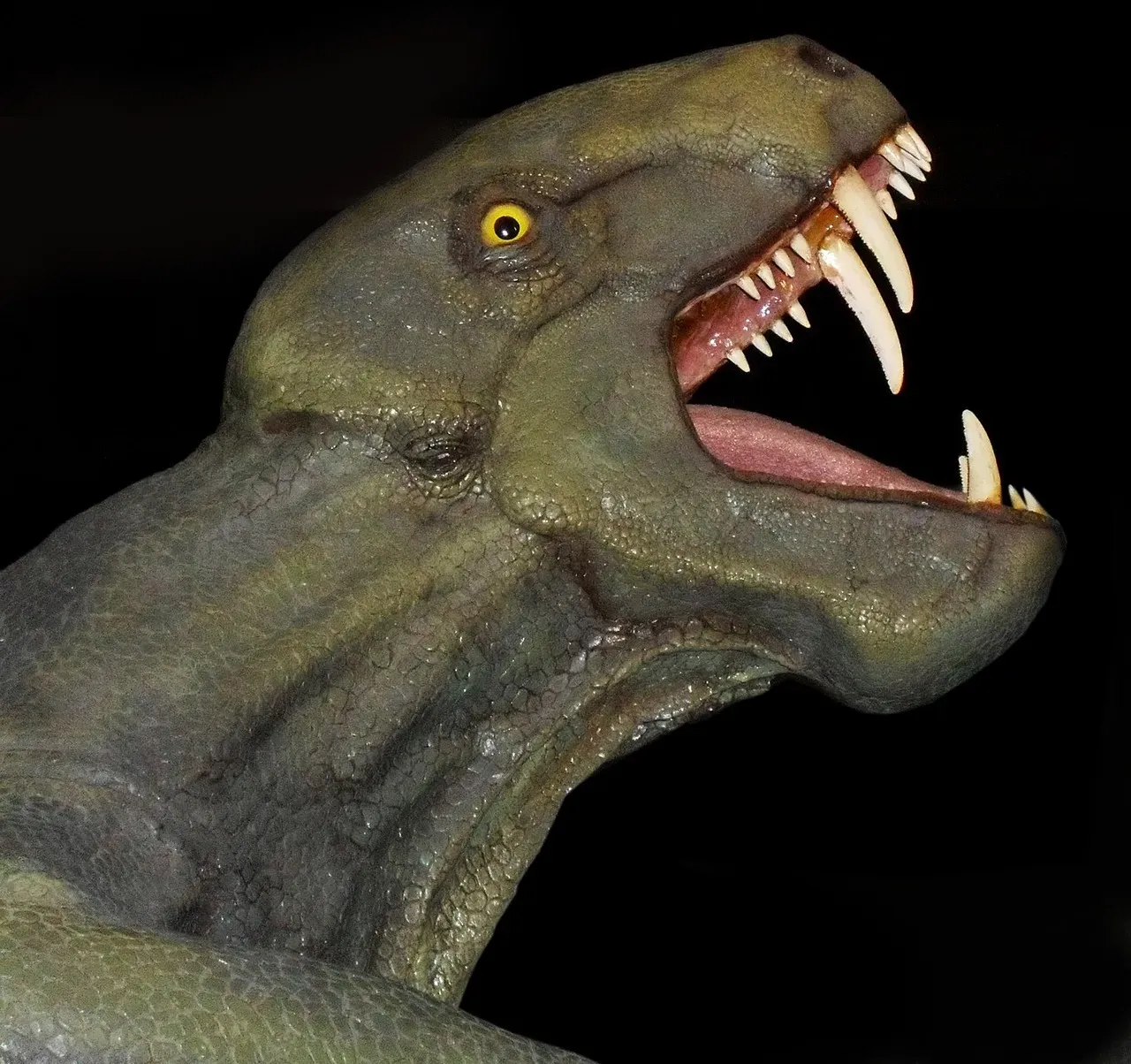
The Ice Age wasn’t just a period of survival. It was an era where personality traits determined who thrived and who disappeared into history. Each of these magnificent creatures embodied characteristics we still recognize in ourselves today through the lens of astrology.
The Late Pleistocene saw the extinction of the majority of the world’s megafauna, which resulted in a collapse in faunal density and diversity, with extinctions differentiated by their extreme size bias towards large animals. Yet the traits these animals represented, those essential survival strategies and personality types, they’ve persisted through us.
What fascinates me most is how these prehistoric giants faced challenges not so different from our own. Finding their place in a changing world, balancing individual needs with community dynamics, adapting to environments that shifted faster than seemed fair. They were us, just wrapped in fur and equipped with tusks instead of smartphones.
So which Ice Age animal resonates with your zodiac soul? Did you see yourself in your prehistoric counterpart, or did another creature call out to you instead? Tell us in the comments which megafauna you’d choose to embody, and whether your zodiac assignment rang true or surprised you completely.
