
You might think hiding in plain sight is impossible. Yet every day, across every continent and every ocean, countless creatures perform this feat with breathtaking perfection. Nature has crafted an arsenal of disguises so convincing that predators often pass right by their prey without ever knowing they were inches away from a meal.
The evolutionary arms race between hunter and hunted has sculpted some of the most remarkable survival strategies on Earth. These aren’t just pretty patterns or lucky color matches. They’re millions of years of trial and error written into DNA, each adaptation a testament to the relentless pressure of staying alive in a world full of teeth and claws.
The Leafy Sea Dragon’s Floating Garden Disguise
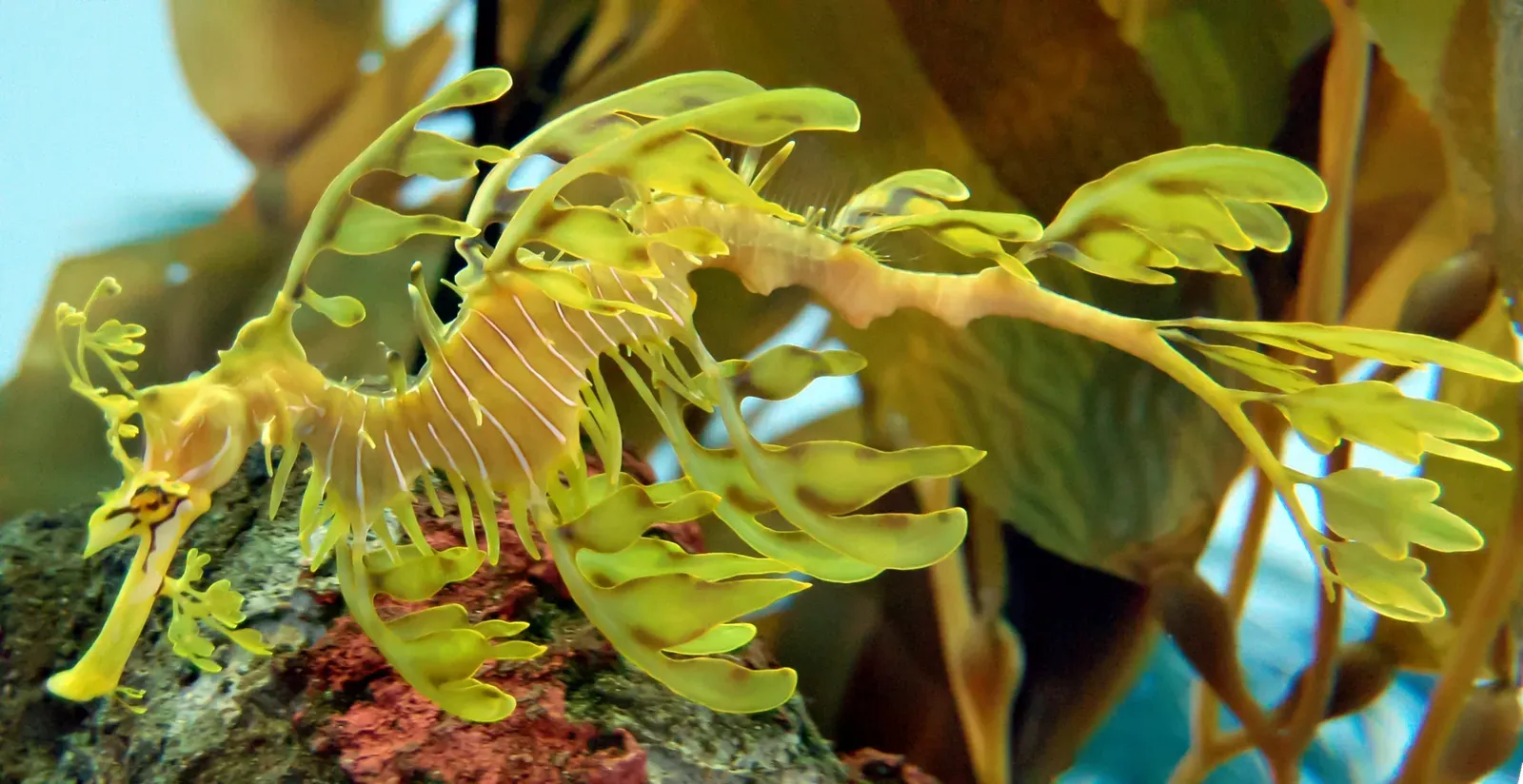
The leafy sea dragon looks like floating seaweed, a perfect adaptation for life among seaweed beds and kelp forests. Swimming through the waters off southern Australia, this enchanting creature has taken camouflage to an artistic level that borders on the absurd.
Its body is covered with leaf-like appendages that move with ocean currents, allowing it to navigate with grace and stealth while avoiding detection. Think about it for a moment. This fish doesn’t just look vaguely plant-like. It’s covered in actual leaf-shaped protrusions that sway as water flows past.
Their vibrant colors and delicate structures make them one of the most visually stunning camouflaged animals in the ocean. Watching one drift past is like seeing a piece of kelp suddenly decide to take a swim. The illusion is so complete that even experienced divers do double takes.
The common seadragon is hailed as one of the most captivating camouflaged creatures, with its remarkable ability to seamlessly blend with surroundings attributed to special leaf-like appendages and striking coloration. Honestly, nature really outdid itself with this one. It’s hard to imagine a more elaborate costume.
Walking Stick Insects Master the Art of Standing Still
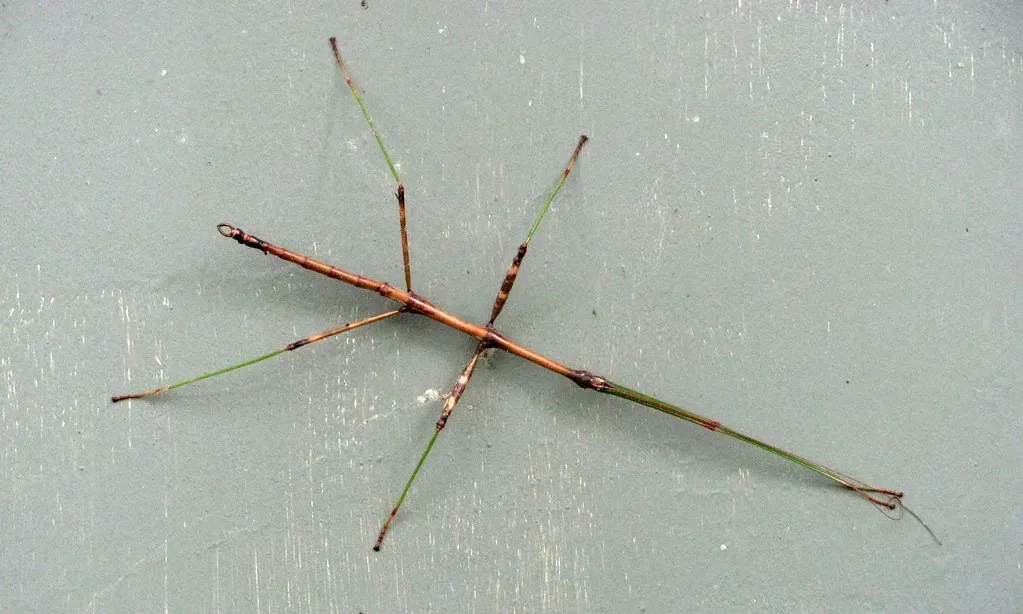
These insects didn’t earn their name by accident. Walking stick insects epitomize botanical mimicry in the insect realm, with their slender, elongated bodies and twig-like appearance allowing them to blend into branches and stems of trees. When you spot one, you’ll wonder how many you’ve walked past without ever noticing.
They sometimes remain motionless, but also sway like twigs in the breeze, and this impressive camouflage deters predators by making them look like inanimate plant parts. The swaying is genius. A perfectly still branch on a windy day would actually look suspicious. These insects understand that sometimes the best disguise includes a little movement.
Caterpillars that disguise themselves as twigs are one of the most striking examples of masquerade strategy, like the brimstone moth caterpillar which appears most effective at evading recognition by predators. The commitment is total. Some species can hold their rigid, branch-mimicking pose for hours.
More complex forms of background matching include the walking stick and walking leaf, both native to southeast Asia, which look and act like their namesakes. Here’s the thing about walking sticks: they’ve been perfecting this act for millions of years, and it shows in every detail of their bodies.
The Dead Leaf Butterfly’s Masterclass in Deception
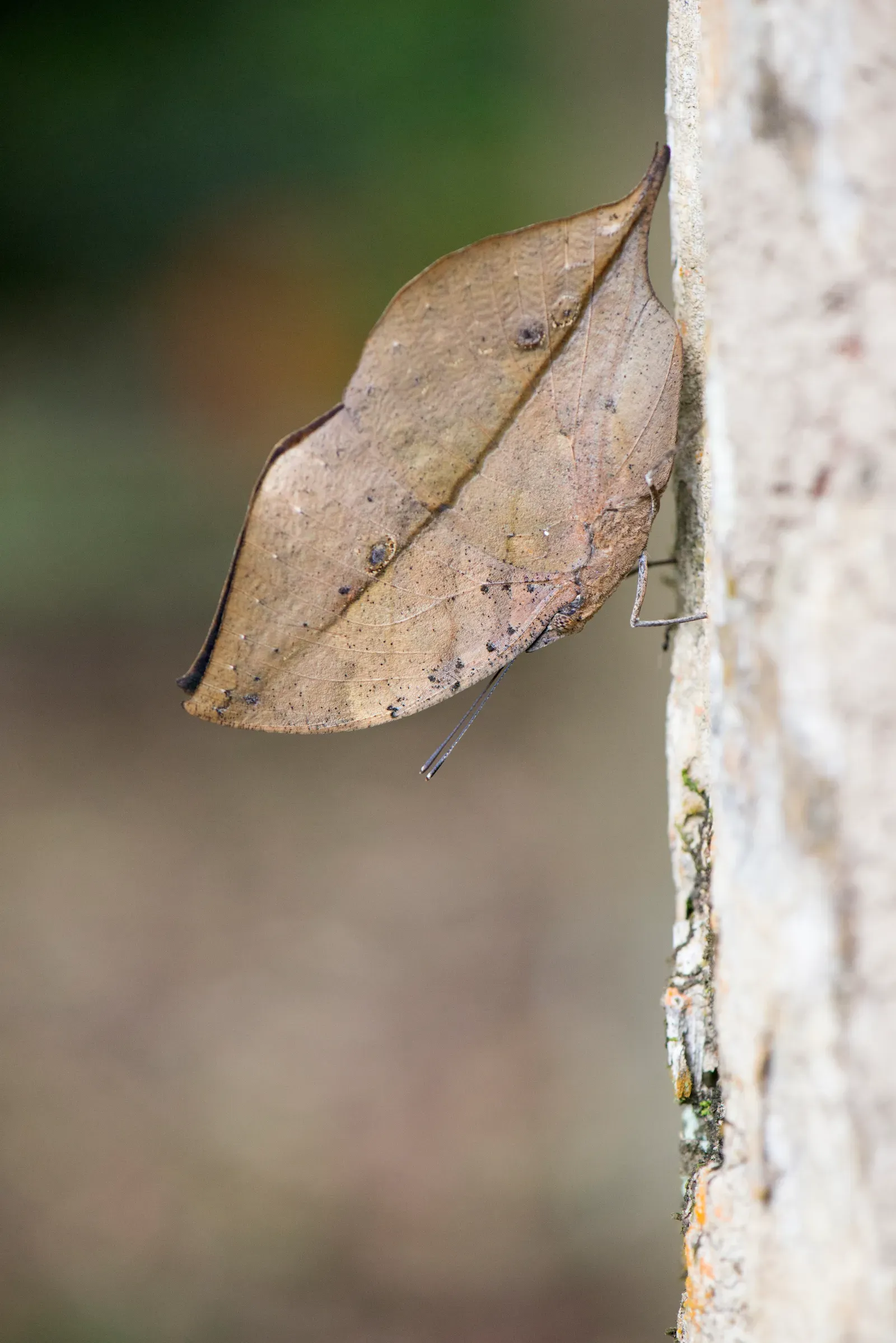
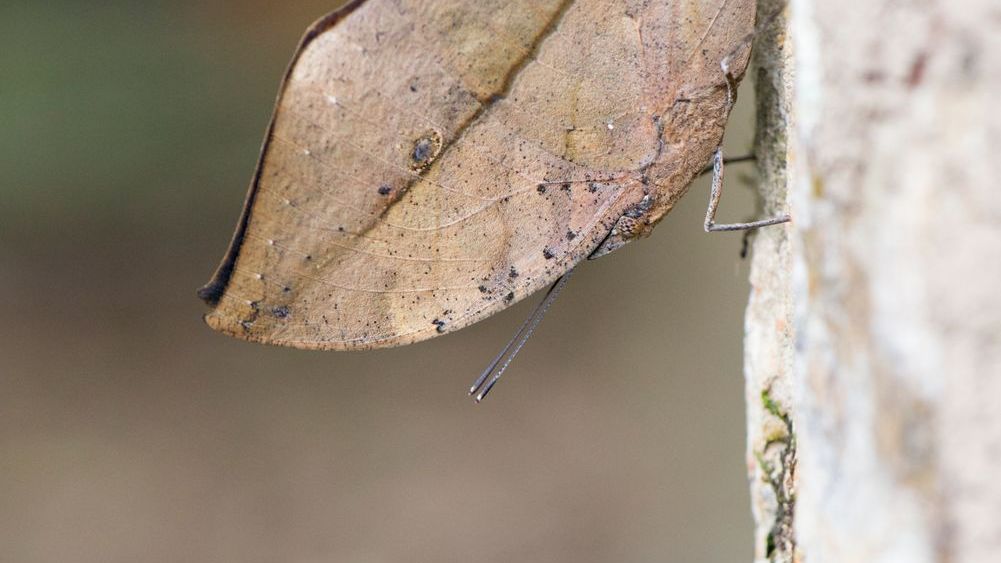
The Dead Leaf Butterfly has one of nature’s most realistic camouflages, looking just like a dry leaf. When it lands on the forest floor, the transformation is instant and complete. One second you’re watching a butterfly, the next you’re staring at leaf litter.
Native to the dense forests of South Asia, this butterfly boasts wings that have vein-like markings and mottled brown coloration of a decaying leaf, and when at rest, it spreads its wings flat making it appear inedible and uninteresting. The veins are what really sell the illusion. They mirror the patterns you’d find on actual dead leaves with eerie accuracy.
Patterns on the edge of the walking leaf’s body resemble bite marks left by caterpillars in leaves, and the insect even sways from side to side as it walks to better mimic the swaying of a leaf in the breeze. Some species take it further with ragged edges that look like decay or insect damage. Nothing says “not worth eating” quite like looking already eaten.
The level of detail is staggering. Every marking, every irregular edge serves a purpose. This isn’t approximate camouflage. It’s photographic realism painted on wings that weigh almost nothing.
Mossy Leaf-Tailed Geckos Become the Tree Itself
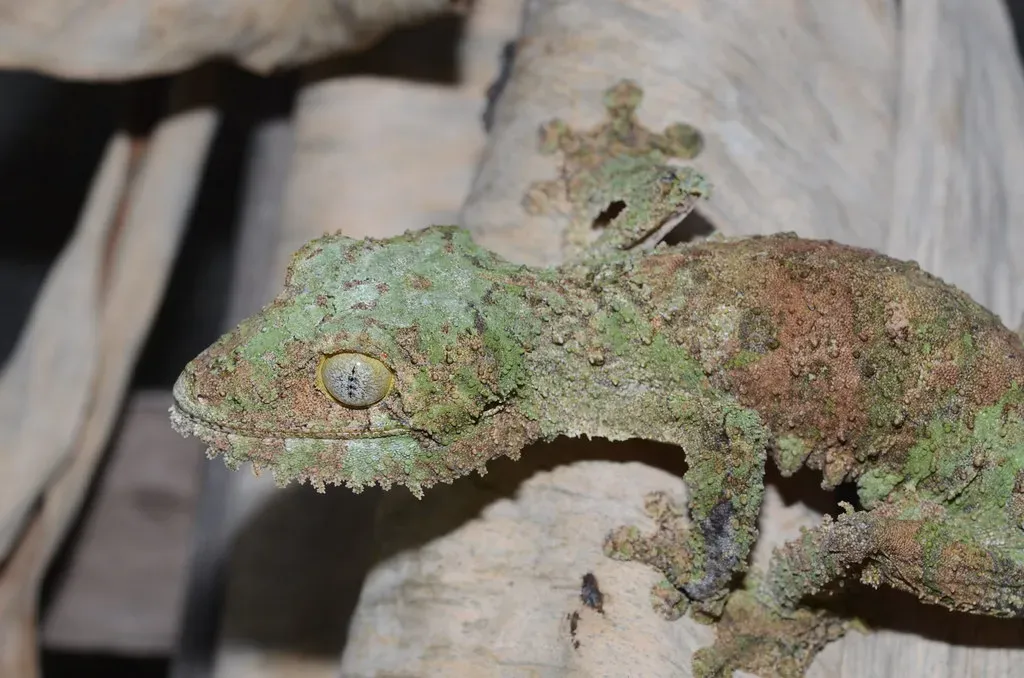
Mossy leaf-tailed geckos resemble both moss and leaves, with bodies colored to match moss, lichens, and tree bark as they spend much of their time in the trees of Madagascar’s forests. Madagascar’s forests are packed with predators, so these geckos needed something special to survive.
Their tails are wide and flat, resembling leaves, and their camouflage helps them avoid being preyed on by larger animals like rats, snakes, and birds of prey. The tail isn’t just leaf-shaped. It’s the right shade, the right texture, even the right level of apparent rigidity.
When pressed against tree bark, these geckos essentially vanish. Their skin mimics not just the color but the three-dimensional texture of their perch. Rough patches match lichen colonies. Smooth areas mirror bare bark. Let’s be real, finding one takes serious patience and a trained eye.
Evolution carved these creatures into living tree decorations. They’re proof that in the survival game, the best defense is sometimes just becoming part of the furniture.
The Decorator Crab’s DIY Camouflage System
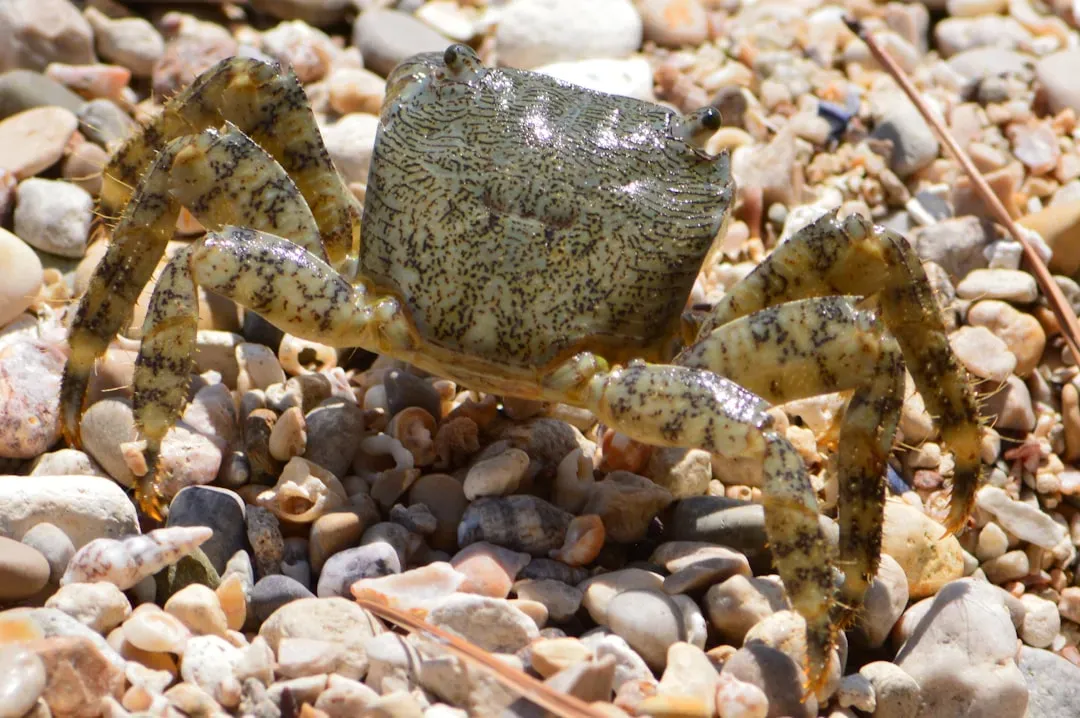
Here’s where things get truly creative. Decorator crabs are found predominantly in the Indo-Pacific region inhabiting coral reefs, and what sets them apart is their ability to attach various materials from their surroundings, such as algae, sponges, shells, and debris, to specialized structures on their exoskeletons.
Think about that. These crabs literally decorate themselves with whatever’s available in their neighborhood. It’s like wearing camouflage you assembled yourself from a craft store, except it actually works against predators with millions of years of hunting experience.
The process of decorating is highly selective and adaptive, with decorator crabs choosing materials that best match their immediate habitat. They’re not just grabbing random stuff. They’re interior designers with a very specific brief: don’t get eaten.
When a decorator crab moves to a new area, it often strips off its old decorations and starts fresh with local materials. The attention to environmental detail is remarkable. It’s adaptive camouflage that adjusts to changing circumstances, powered entirely by the crab’s own instincts.
Arctic Foxes and Their Seasonal Wardrobe Changes
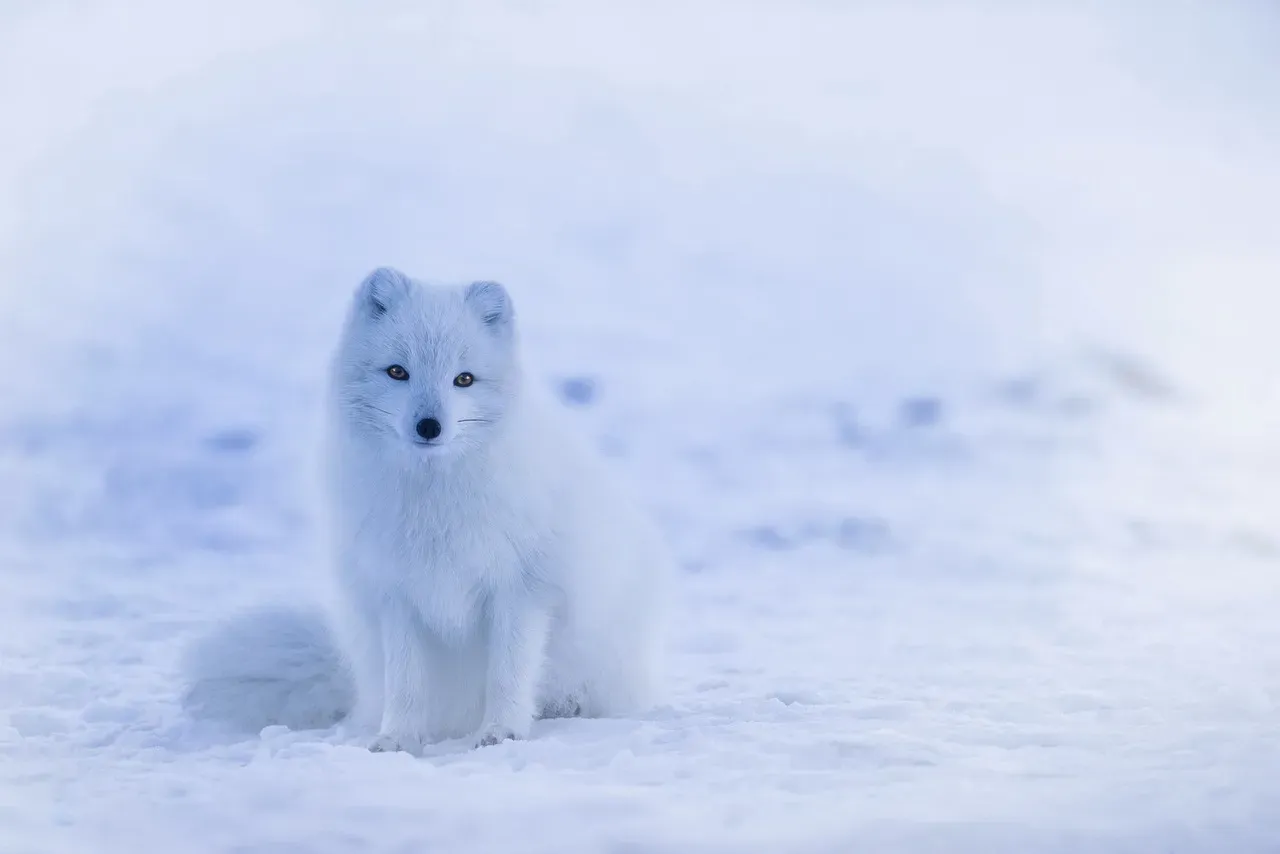
Arctic foxes are known for their striking white fur, but they aren’t white year-round, shedding their winter coats in summer for shorter, grey or brown fur. This seasonal transformation is one of nature’s most practical solutions to changing environments.
These foxes live in the Arctic tundra and their fur changes color with the seasons; in summer they are brownish-gray allowing them to blend with plants and rocks, while in winter they turn stark white to escape detection in the snow. Imagine having a coat that automatically changes based on the weather and landscape. That’s evolutionary engineering at its finest.
Arctic hares rely on speed and stealth to evade predators like foxes and wolves, and their camouflage buys them crucial seconds in a chase – enough to disappear into a blizzard’s blur. Those seconds matter when you’re being hunted across frozen tundra with nowhere to hide.
The white winter coat isn’t just about color. The fur is also denser and provides better insulation. So the fox gets camouflage and warmth in one evolutionary package. Nature really doesn’t waste opportunities.
What do you think about these incredible survival strategies? Have you ever spotted a camouflaged animal in the wild and felt that moment of shock when it suddenly moves? These creatures remind us that nature’s creativity far exceeds anything we could design from scratch.
