
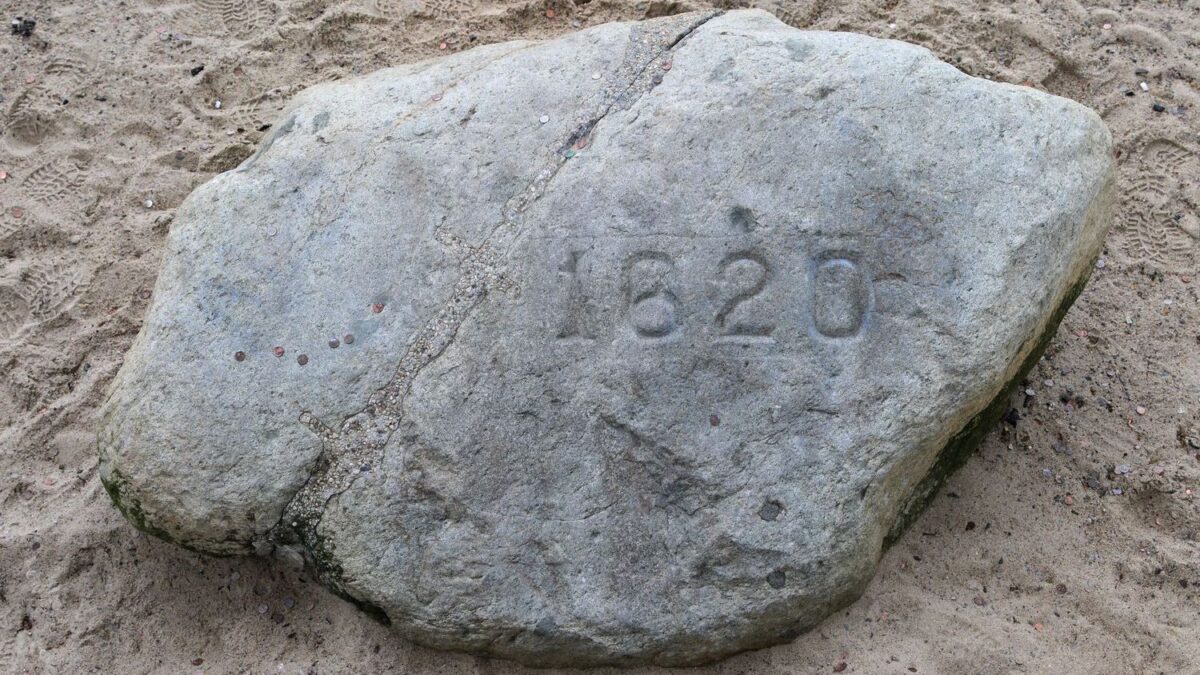
Ever wonder what it was like to walk the same streets where America’s greatest moments unfolded? There’s something almost magical about stepping into a place where you can still feel the weight of centuries pressing down on you. It’s different from reading about history in books or watching documentaries. These towns aren’t frozen in time, they’re alive with stories that shaped an entire nation.
Across the country, there are towns that carry the DNA of America’s earliest days. Some were founded by Spanish explorers seeking fortune and glory, others by English settlers yearning for religious freedom. Each one holds secrets, triumphs, and sometimes painful memories that deserve attention. Let’s dive into eight of the America that continue to captivate visitors with their authentic glimpses into the past.
St. Augustine, Florida: The Nation’s Oldest Continuous Settlement
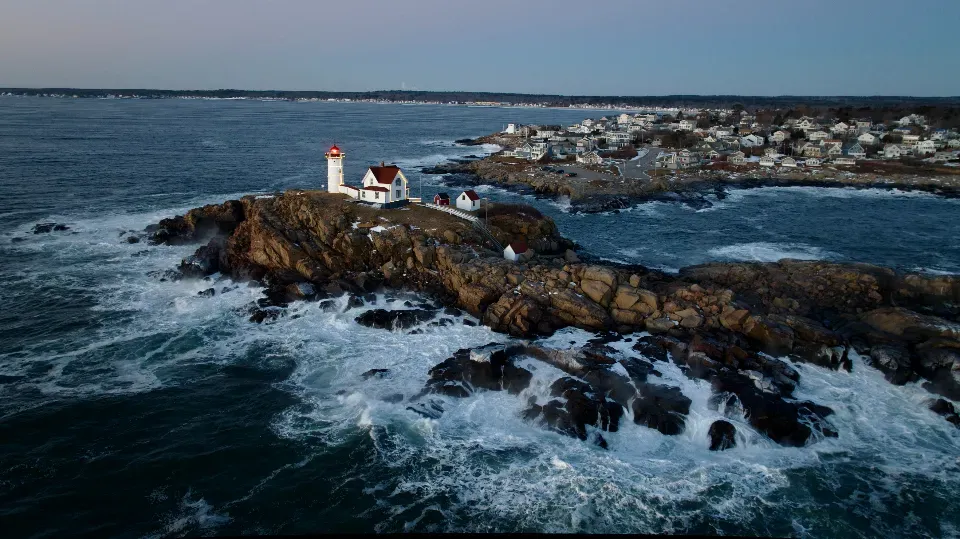
Established by admiral Pedro Menéndez de Avilés as a Spanish town in 1565, St. Augustine has a storied past that weaves through eras of colonization, pirate incursions and significant civil rights battles. Walking through this coastal town feels like stepping onto a movie set, except everything here is genuinely old. The Castillo de San Marcos fortress still stands guard over the harbor, its coquina stone walls made from tiny shells that somehow withstood centuries of attacks.
St. George Street is the most preserved part of town, with bright buildings, cute porches, and that perfect old-world charm. It’s hard not to get swept up in the atmosphere as you wander past Spanish colonial homes and imagine what life must have been like before Florida was even part of the United States. The town survived British sieges, pirate raids, and shifting colonial powers.
Honestly, what strikes me most about St. Augustine is how it refuses to let you forget that American history didn’t start with the English. It’s widely believed to be the oldest continually inhabited city in the U.S. That Spanish influence runs deep here, from the architecture to the street layout. Even today, you can sense the layers of different cultures that called this place home over the centuries.
Plymouth, Massachusetts: Where The Pilgrims Landed
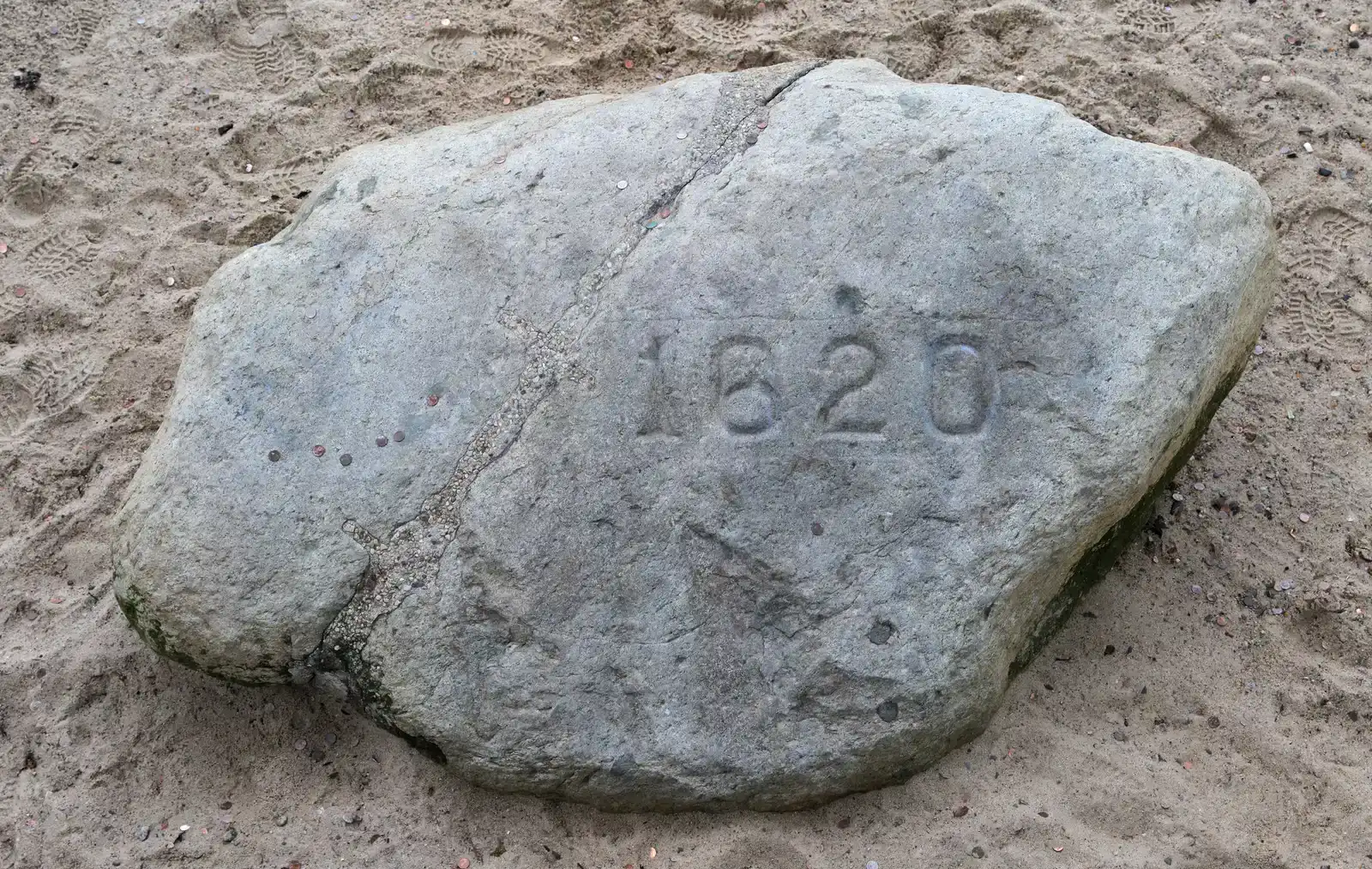
The Mayflower’s first voyage across the Atlantic ended, marking the founding of Plymouth Colony in late 1620. This is the spot where American mythology really begins. You’ve probably heard about Plymouth Rock a thousand times, but standing in front of it is a different experience altogether. It’s smaller than you’d expect, which somehow makes the whole story feel more intimate.
The colony was established by Protestants who believed the Church of England had strayed from Reformation principles and sought religious freedom in the New World. These weren’t wealthy adventurers, they were ordinary people risking everything for the chance to worship as they chose. The settlement they carved out of the wilderness became one of the earliest successful European colonies in North America.
What’s fascinating is how Plymouth has managed to balance tourism with genuine historical preservation. As the landing site of the pilgrims and the birthplace of the first Thanksgiving, Plymouth attracts many visitors eager to explore U.S. history, see Plymouth Rock, and experience the town’s rich heritage firsthand. You can walk through living history museums where interpreters recreate 17th century life with remarkable accuracy. It’s educational without feeling like a lecture.
The legacy here isn’t just about one moment in time. Plymouth represents the beginning of a complex story about religious freedom, Native American relations, and survival against overwhelming odds. Some parts of that story are celebrated, others are more complicated and uncomfortable. It’s a town that makes you think.
Santa Fe, New Mexico: America’s Oldest State Capital
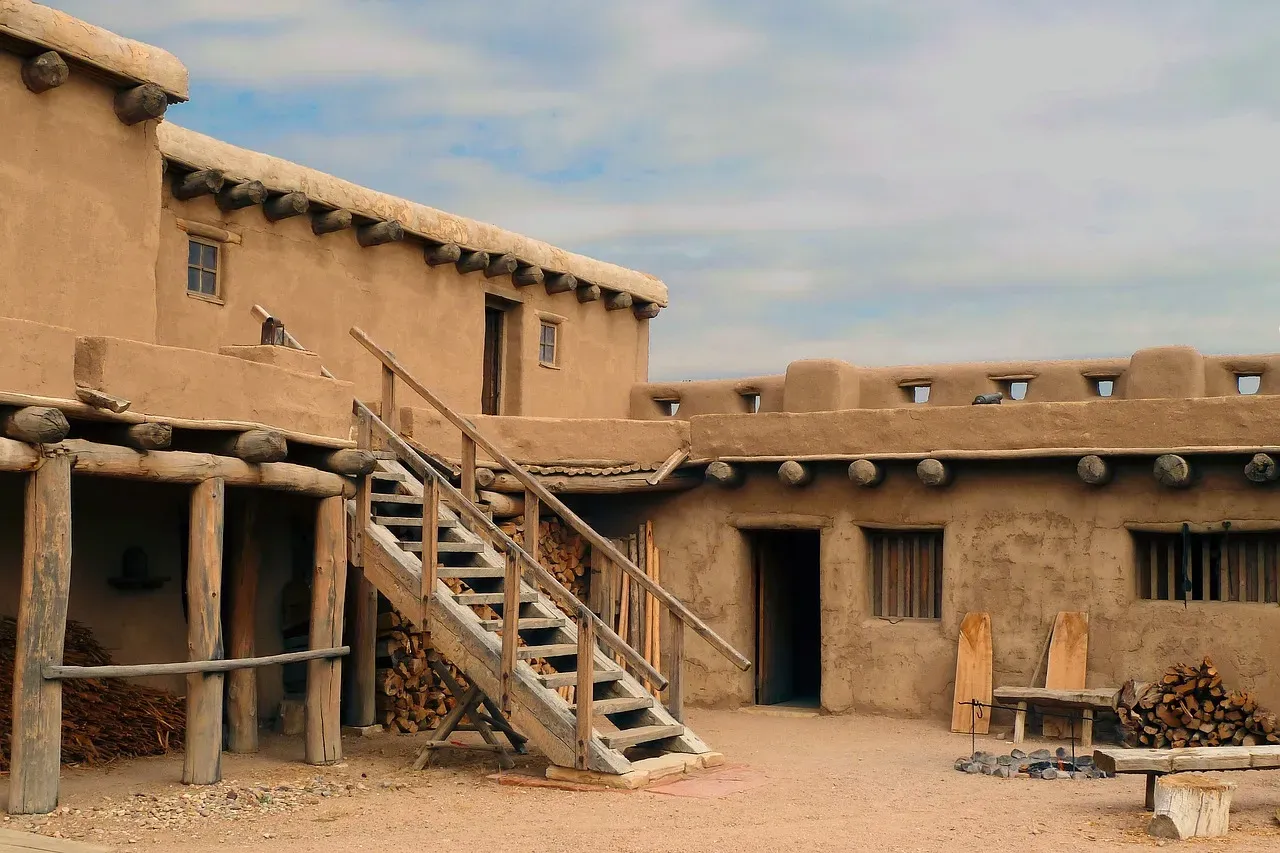
Santa Fe was founded in 1610 by the Spanish in New Mexico (ten years before the founding of Plymouth and only three years after the founding of Jamestown). Here’s something most people don’t realize: Santa Fe was already a thriving Spanish colonial outpost while the Pilgrims were still settling into Plymouth. The Palace of the Governors in Santa Fe is regarded as the oldest European building in the mainland USA.
The city center is full of charming adobe buildings, many of which surround the historic Plaza, which has been the heart of town since the early 1600s. Those distinctive adobe structures give Santa Fe a look that’s unlike anywhere else in America. The earth-toned buildings seem to grow organically from the desert landscape, and they’ve been standing there for centuries.
Unlike the East Coast historic cities that are mainly dominated by European colonial history, Santa Fe’s history is marked by indigenous peoples and Spanish colonization, making it distinct as a cultural hub in the Southwest. That blend of Native American, Spanish, and later American influences creates a rich cultural tapestry that you can still see and feel throughout the town. The art scene here is legendary, with galleries showcasing both traditional and contemporary works.
Santa Fe was also the endpoint of the famous Santa Fe Trail, a major trading route connecting Missouri to the Southwest. The town’s strategic location made it a crossroads of commerce, culture, and conflict for centuries. Today it remains a place where history isn’t just preserved but actively lived.
Williamsburg, Virginia: Living Colonial History
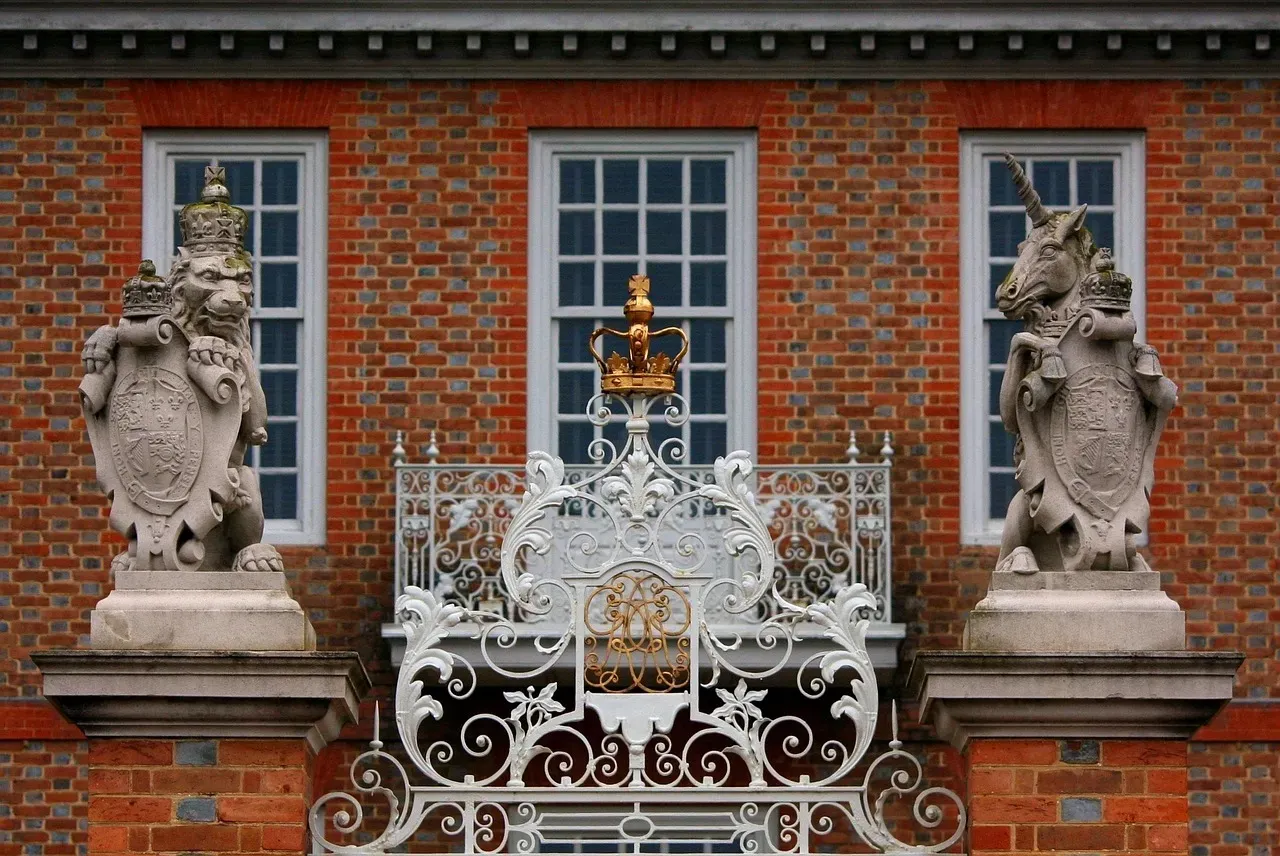
Visiting Colonial Williamsburg is about as close as you can get to experiencing early America in the 1700s. This isn’t your typical historic town, it’s essentially an enormous living museum. Home to 89 original 18th-century buildings – and hundreds of historically accurate reconstructions – the original capital of the Virginia Colony aims to educate visitors through live reenactments and theatrical performances.
What makes Williamsburg special is the level of immersion. Costumed interpreters stay in character, blacksmiths work at their forges, and you can ride through town on horse-drawn carriages. It feels theatrical, sure, but it’s also surprisingly effective at transporting you back to colonial times. You start to understand how daily life actually functioned before electricity and modern conveniences.
The Governor’s Palace, an impressive Colonial Revival mansion that served as the official residence of seven royal governors and two post-colonial governors, Patrick Henry and Thomas Jefferson. Standing in rooms where Revolutionary leaders once debated the future of a nation gives you goosebumps. These weren’t just abstract historical figures, they were real people who walked these same floors.
The town played a crucial role in the American Revolution. Major decisions that shaped the country’s future were made here. Let’s be real, Williamsburg can feel a bit like a theme park at times, but the educational value is undeniable. It’s where American democracy took some of its first real steps.
Boston, Massachusetts: Cradle of the Revolution
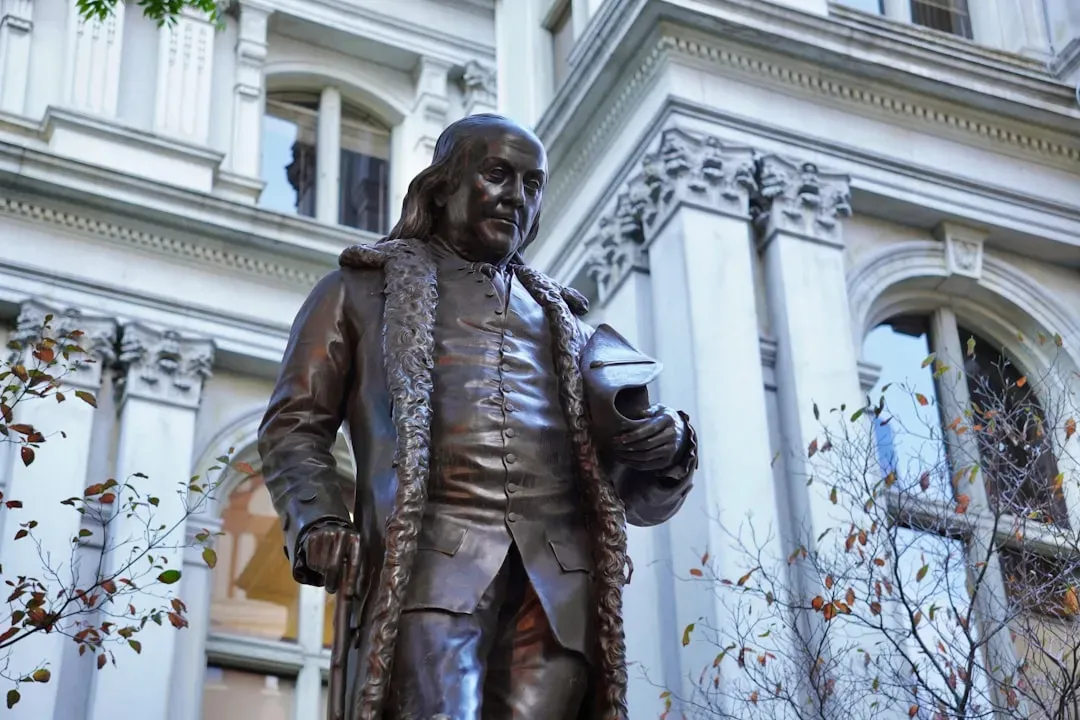
When it comes to history, Boston takes some beating. The 2.5-mile Freedom Trail is the best way to appreciate this handsome city’s historical importance. This red-brick path connects sixteen historic landmarks, and walking it is like taking a crash course in American Revolutionary history. From the Old North Church to Faneuil Hall, every stop tells a story about rebellion and independence.
Built in 1741, the hall has hosted many significant meetings over the centuries, including America’s very first town meeting. Faneuil Hall earned the nickname “the Cradle of Liberty” because so many revolutionary ideas were debated within its walls. You can almost hear the passionate arguments echoing through the centuries when you stand inside.
The historic harbor was the setting for the infamous Boston Tea Party. The informative and interactive Boston Tea Party Ships & Museum brings to life the story of the protest that helped start the American Revolution. That single act of defiance against British taxation became a defining moment in American history. Boston didn’t just witness the Revolution, it helped ignite it.
The city’s historic neighborhoods like Beacon Hill preserve that colonial atmosphere beautifully. Red-brick rowhouses line narrow, gas-lit streets that look much as they did two centuries ago. It’s a city that honors its past while remaining thoroughly modern. Boston proved that a group of colonists could stand up to an empire, and that’s a legacy the city wears proudly.
Philadelphia, Pennsylvania: Birthplace of American Democracy
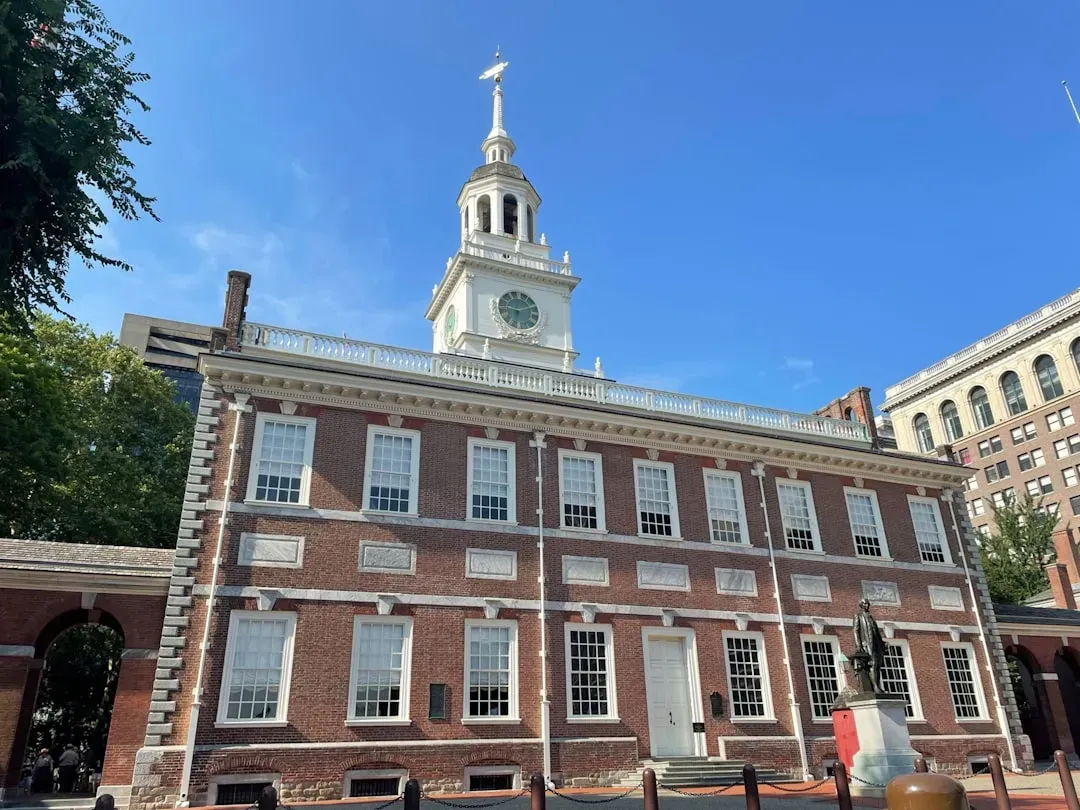
It is the most historic city and small town in the United States with 2630 Reddit upvotes. Philadelphia absolutely earns that recognition. Philadelphia/Old City, sometimes known as “Olde City”, is the most historic square mile . This is where the Declaration of Independence and the Constitution were both signed, making it the literal birthplace of American democracy.
Independence National Historical Park offers a host of marvellous attractions that truly succeed in bringing the past to life, ranging from Georgian-style Independence Hall (the site of the signing of the Declaration of Independence and the US Constitution), to Liberty Bell, Franklin Court and Betsy Ross House. Walking through Independence Hall, you can stand in the actual room where the founding fathers debated and signed documents that changed world history forever. The Liberty Bell, with its famous crack, remains a powerful symbol of American freedom.
What I find remarkable about Philadelphia is how walkable the historic district is. All these sights, along with plenty more, are located in the heart of the Old City, characterised by quaint townhouses and old cobblestone streets that make the area easily navigable on foot. You can spend an entire day just wandering from one significant site to another, each one adding another layer to your understanding of how America came to be.
Beyond the well-known sights, Philadelphia has more than its fair share of beautifully preserved colonial-era buildings, vintage row homes (see America’s oldest inhabited residential street, Elfreth’s Alley) and federal-style mansions, many of which can be found scattered around its neighbourhoods and surrounding hills. The city takes its preservation seriously, and it shows.
Annapolis, Maryland: A Colonial Gem on the Bay
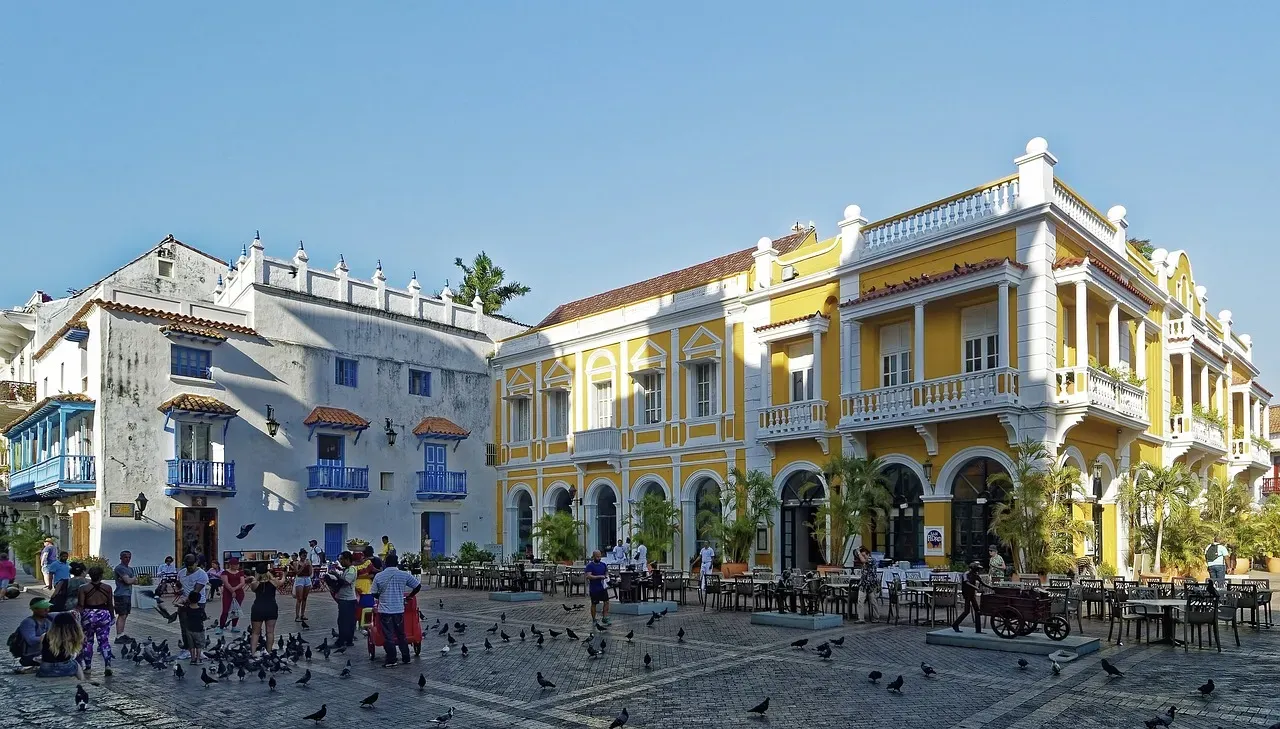
Sitting on Chesapeake Bay, Maryland’s picturesque capital has more 18th-century buildings than anywhere else in the US and plenty of quaint cobblestone streets. Annapolis might not have the fame of Boston or Philadelphia, but it’s an absolute treasure for history enthusiasts. The concentration of colonial architecture here is simply stunning, and the waterfront location adds an extra layer of charm.
The city was named Annapolis by the Royal Governor Sir Francis Nicholson in honor of Britain’s Princess Anne, who became Queen Anne in 1702. Must-see landmarks in the city’s historic center include the Maryland State House, where the Treaty of Paris – which ended the American Revolutionary War – was ratified. That makes the State House a site of enormous historical significance. Standing where peace was formally declared between Britain and its former colonies is a powerful experience.
The town’s maritime heritage is equally important. As a major port on the Chesapeake Bay, Annapolis has been connected to the sea for centuries. Today it remains a hub for sailing and boating enthusiasts, with the United States Naval Academy adding to its nautical character. The blend of colonial history and living naval tradition creates a unique atmosphere.
Walking through Annapolis feels like discovering a secret. It doesn’t get the tourist crowds of larger cities, which means you can explore at a more relaxed pace. The historic district is beautifully preserved, with brick sidewalks and period architecture creating an authentic colonial ambiance. It’s a town that rewards those who take the time to wander and explore.
Salem, Massachusetts: Witchcraft Trials and Maritime History
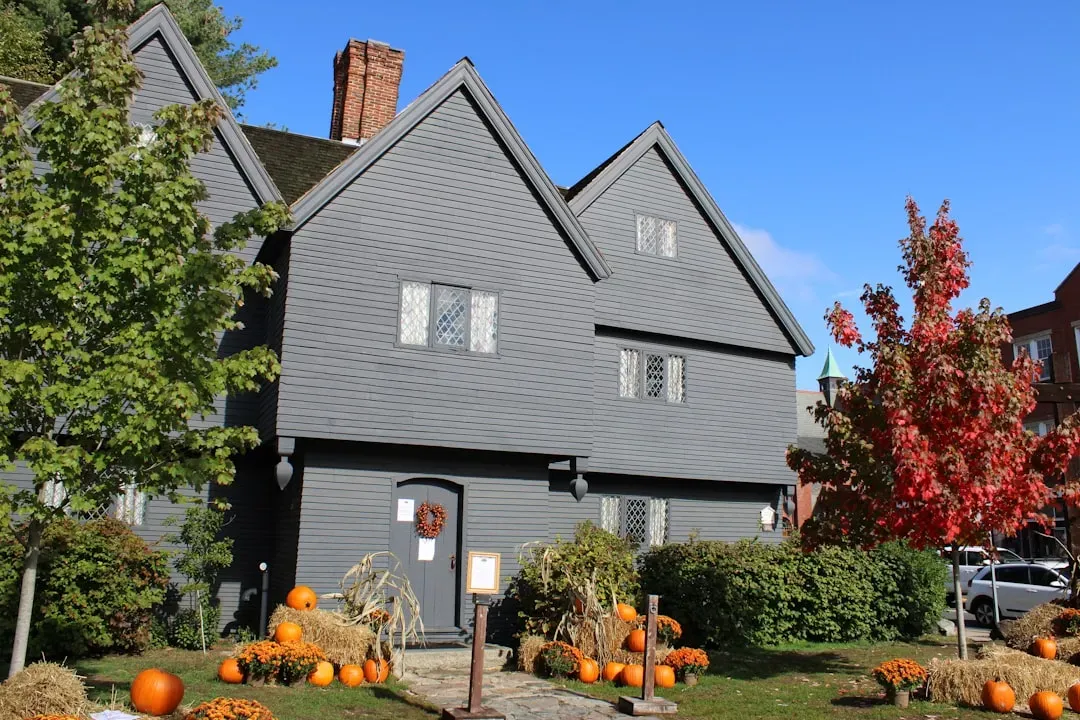
Luring travelers interested in learning about everything from witches and pirates to Colonial and maritime history, Salem was founded in 1626. Let’s be honest, most people know Salem because of the infamous witch trials of 1692. This town situated on the northern coast of Massachusetts is best known for its ties to the Salem witch trials, which curious visitors can get an overview of at the Salem Witch Museum.
Those trials represent one of the darkest chapters in American colonial history. Mass hysteria led to accusations, trials, and executions based on superstition and fear. It’s a sobering reminder of what can happen when reason gives way to paranoia. Salem doesn’t shy away from this history, it confronts it directly through museums and historical sites like The Witch House.
Yet Salem is so much more than witches. A former major trading and fishing port, Salem became famous for the Salem Witch Trials of 1692. Today, it has capitalized on its colonial past with attractions like the Witch House, Peabody Essex Museum, and a thriving tourism industry centered around its colonial history. The Peabody Essex Museum houses an incredible collection of maritime art and artifacts from Salem’s glory days as a major seaport.
During the 18th and early 19th centuries, Salem merchants grew wealthy through international trade, particularly with Asia. Grand mansions built by sea captains still line historic streets, testament to that maritime prosperity. The town successfully balances its witch trial notoriety with its broader colonial and maritime heritage, offering visitors multiple layers of American history to explore.
Conclusion
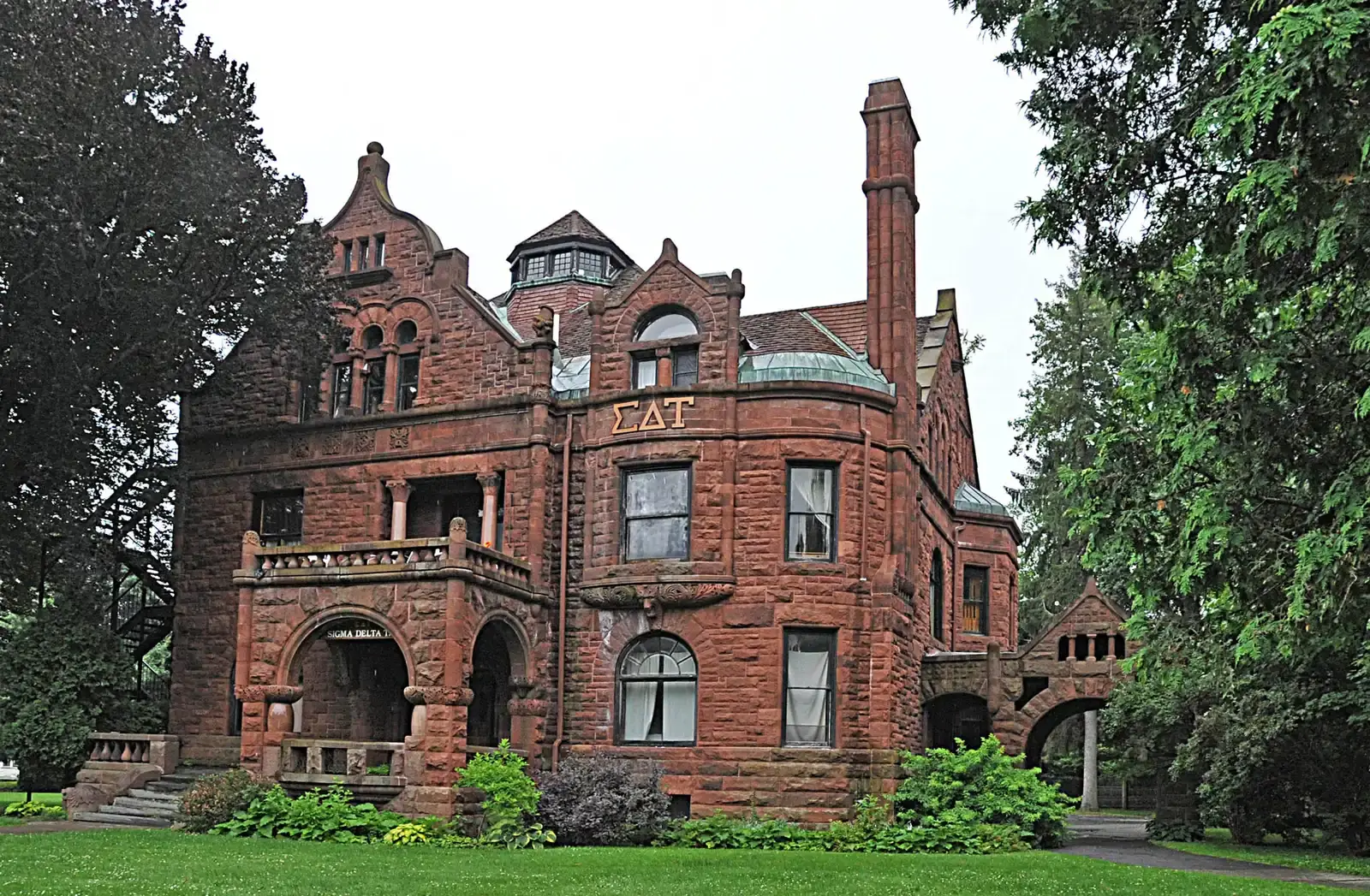
These eight historic towns offer something that photographs and textbooks simply cannot: the tangible connection to America’s complex past. Each one preserves not just buildings and artifacts, but the stories of real people who shaped the nation’s identity. From Spanish explorers in St. Augustine to Revolutionary patriots in Boston, these places remind us that history isn’t abstract, it’s real and still resonating today.
Walking through these towns, you realize that American history is far more diverse and complicated than any single narrative can capture. There are moments of triumph and pride, alongside chapters of conflict and injustice. Preserving these places means preserving all those stories, the comfortable and the uncomfortable ones alike. They challenge us to learn from the past while building a better future. What parts of your own community’s history do you think deserve preservation? Tell us in the comments.
