
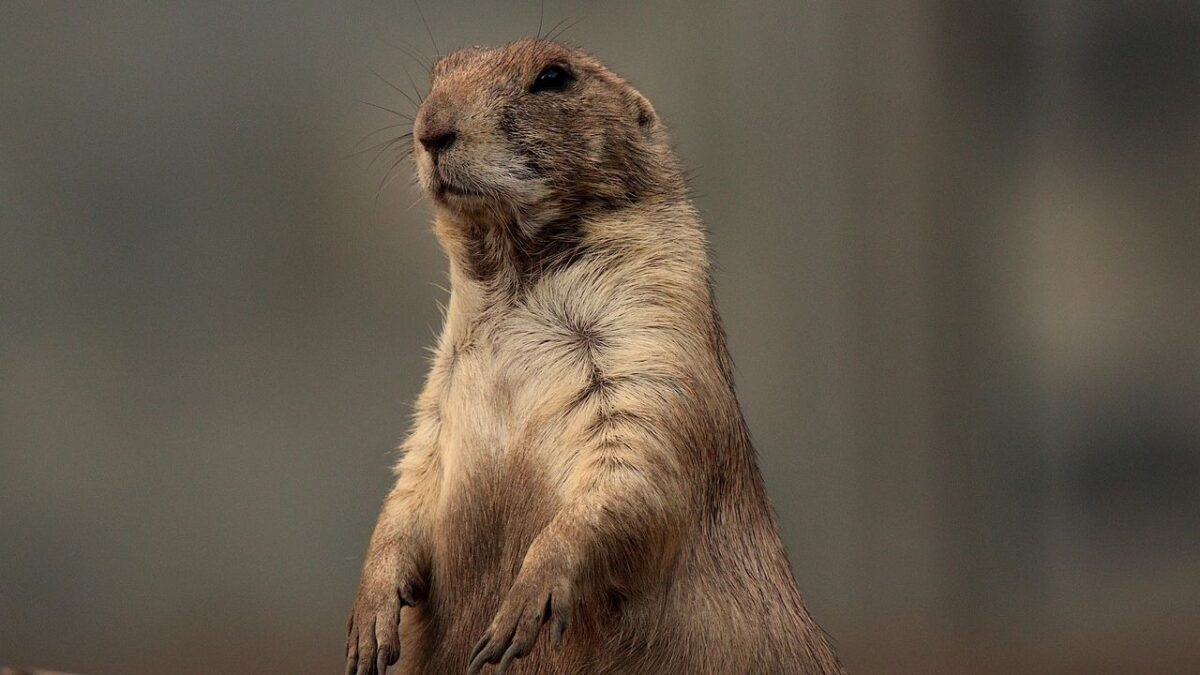
These days, if you drive through the wide grasslands of the American West, you might catch a glimpse of a small, furry sentinel standing atop a dirt mound. , those chattering ecosystem architects, have long captivated observers with their complex social networks and surprisingly sophisticated communication. Think of them as the neighborhood watch of the Great Plains, constantly on alert and chattering to warn their colony of approaching danger.
Yet despite their charm and ecological importance, these creatures occupy a mere fraction of the territory they once called home. Today, this ecosystem – stretching from Canada to Mexico – is one of the most endangered in the world, with widespread declines in native wildlife, including the near extirpation of wolves and grizzly bears, more than 95% decline in bison and prairie dog populations and a 50% decline in grassland bird species. The story of where still thrive is really a story about survival, adaptation, and the states that have become their last strongholds. So let’s get started.
South Dakota: The Prairie Dog Capital
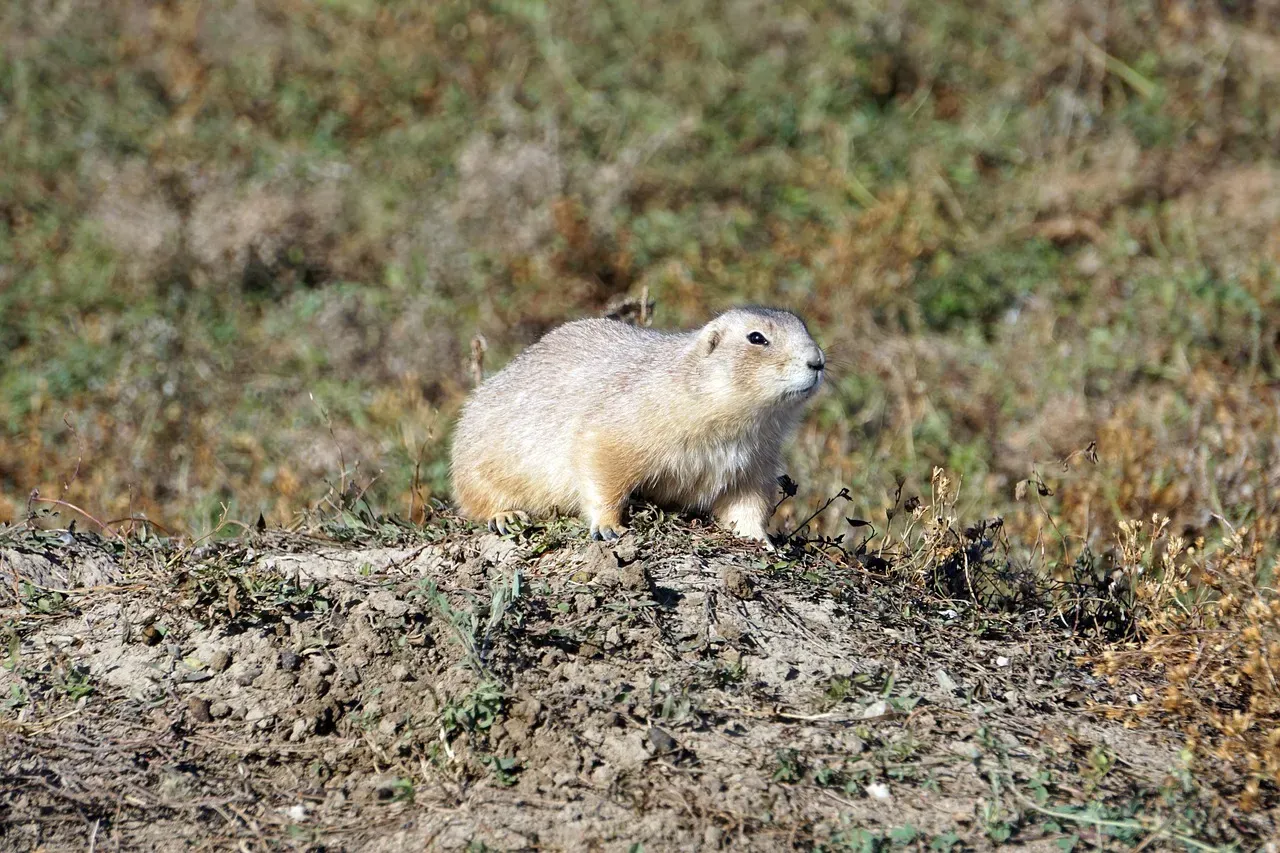
When it comes to sheer numbers, South Dakota emerges as a clear frontrunner. Roughly half of the U.S. prairie dog population lives in South Dakota, Montana and Wyoming. The western regions of South Dakota, particularly around Badlands National Park and the surrounding mixed-grass prairies, provide ideal conditions for these burrowing rodents.
What makes South Dakota so attractive? The landscape here offers everything a prairie dog could want. Open terrain with short vegetation gives them excellent sightlines for spotting predators like coyotes and hawks. The soil is perfect for digging those elaborate underground tunnel systems that can stretch for acres.
After considering the distribution, habitat preferences, and conservation status of prairie dogs across the United States, South Dakota emerges as the state with the most prairie dogs. South Dakota’s unique combination of vast open spaces, suitable climate, and protected areas creates an environment conducive to large prairie dog populations. The state has implemented various conservation measures, creating wildlife reserves and national parks where these creatures can live without constant threats from habitat destruction.
Local communities in South Dakota have gradually shifted their perspective too. While ranchers once viewed prairie dogs purely as pests competing with cattle for grass, some now recognize their ecological value. It’s hard to say for sure, but this changing attitude has likely helped preserve more colonies than might have existed otherwise.
The Black Hills region and the sprawling grasslands of the northwestern part of the state continue to harbor thriving colonies. Visitors to places like Wind Cave National Park can observe these animals up close, watching them engage in their famous “prairie dog kiss,” a behavior they use to recognize family members.
The state is home to both black-tailed and white-tailed prairie dogs, with their colonies scattered across the grasslands and prairies, particularly in the western and central regions. South Dakota has implemented various conservation measures to protect its prairie dog populations. These efforts include working with local communities and landowners to foster coexistence rather than eradication, a subtle but meaningful shift in management philosophy.
Montana: A Northern Stronghold
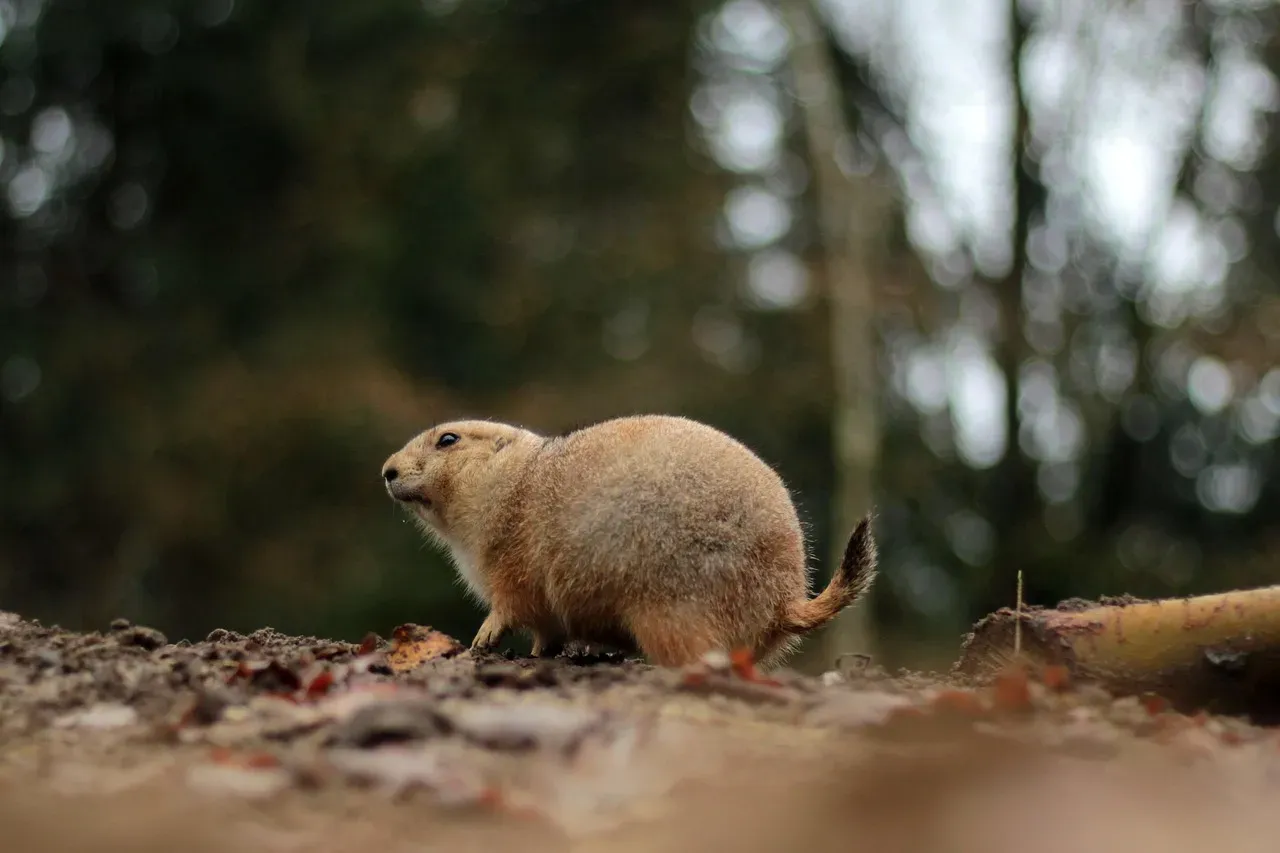
Montana ranks right alongside South Dakota as one of the top states for prairie dog populations. The eastern plains of Montana, particularly around areas like the Charles M. Russell National Wildlife Refuge, harbor some of the largest and most important prairie dog colonies remaining in North America.
The Charles M. Russell National Wildlife Refuge in Montana is home to one of the largest prairie dog colonies in the country, with thousands of animals living in the area. Here, the landscape stretches endlessly, providing the kind of uninterrupted habitat these social creatures need to establish their complex underground cities.
Montana’s prairie dog populations have benefited from a combination of federal land protection and sheer geographic scale. The state’s mixed-grass prairies offer rich vegetation during growing seasons, though winters can be harsh. Black-tailed prairie dogs, the most common species here, don’t hibernate but instead enter periods of torpor during the coldest months, emerging periodically to forage.
Interestingly, prairie dog colonies in Montana often occur near rivers and creeks, taking advantage of the slightly richer vegetation and more stable water availability. Colonies in Phillips County, Montana, were often associated with reservoirs, cattle salting grounds, and other areas affected by humans. This adaptability has allowed them to persist even as landscapes have changed.
The relationship between Montana ranchers and prairie dogs remains complicated. Let’s be real, not everyone loves having these creatures on their land. Some view them as competition for livestock forage, while others appreciate their role in soil aeration and nutrient cycling.
Conservation efforts in Montana have focused on maintaining connectivity between colonies. When prairie dog towns become isolated, they’re more vulnerable to disease outbreaks and local extinction. Organizations like the Western Association of Fish and Wildlife Agencies work across state lines to develop management strategies that balance agricultural interests with wildlife conservation.
Wyoming: White-Tailed Havens and Black-Tailed Territories
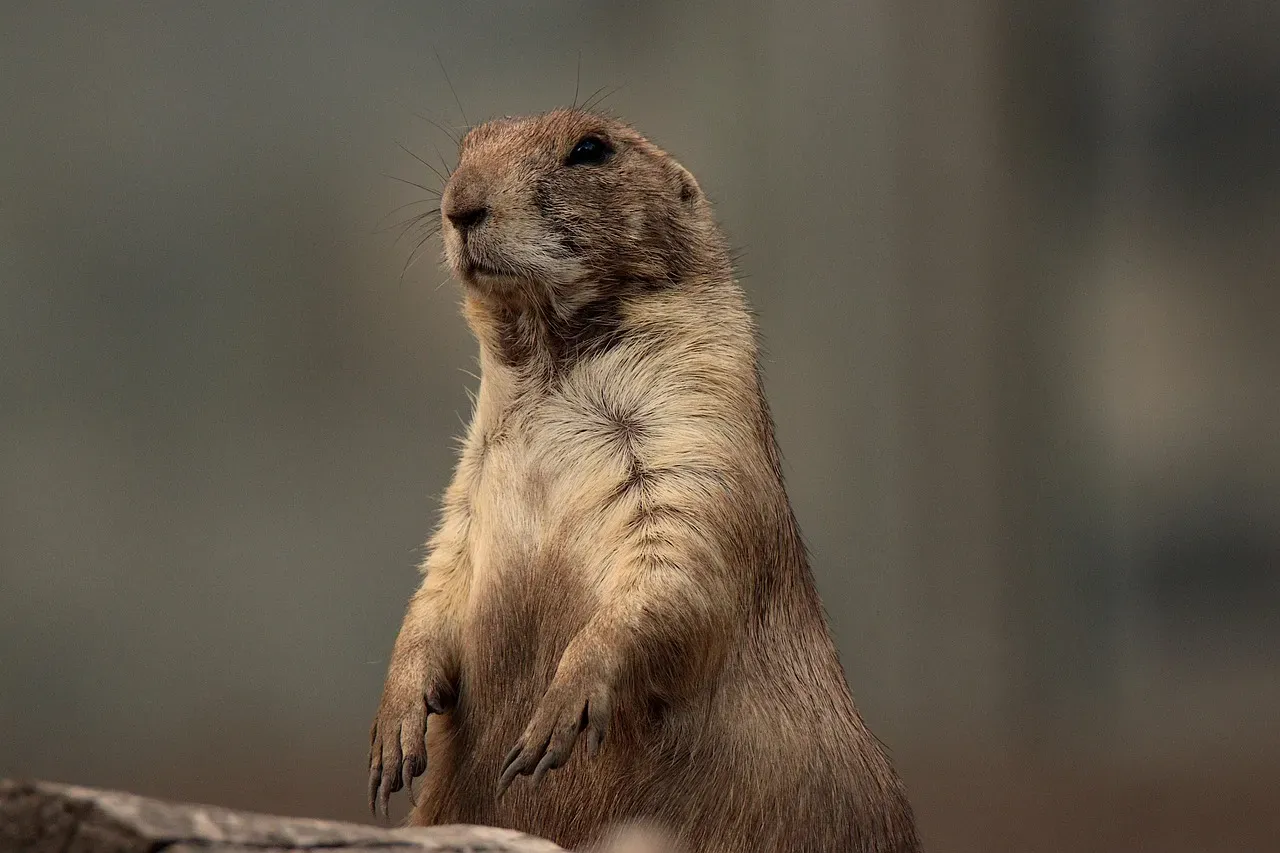
Wyoming presents a fascinating case because it hosts multiple prairie dog species across its diverse landscapes. The white-tailed prairie dog (Cynomys leucurus) is found in western Wyoming and western Colorado with small areas in eastern Utah and southern Montana. The largest populations are in Wyoming where they are known colloquially as “chiselers”. These white-tailed prairie dogs prefer higher elevations than their black-tailed cousins, occupying mountain valleys and grasslands between 5,000 and 10,000 feet.
The eastern part of Wyoming, meanwhile, is home to substantial black-tailed prairie dog populations. These animals inhabit the shortgrass prairies that blend seamlessly into similar habitat extending into South Dakota and Montana.
Here’s the thing about Wyoming: the state has a peculiar dual approach to prairie dogs. The Wyoming Department of Agriculture labels prairie dogs as pest species and offers training in properly using pesticides to kill them; at the same time, the Wyoming Game and Fish Department lists the black-tailed prairie dog as a species of greatest conservation need. This contradiction reflects the ongoing tension between agricultural interests and conservation priorities.
Despite these challenges, Wyoming’s vast open spaces continue to support robust prairie dog populations. Areas like Shirley Basin have become important research sites where scientists study prairie dog ecology and their relationships with other species. The white-tailed prairie dogs here are generally more tolerated by landowners than black-tailed species because they occur at lower densities and are less obvious landscape modifiers.
Wyoming’s prairie dog colonies play a crucial role in supporting other wildlife. Swift foxes, for instance, depend heavily on prairie dogs for both food and shelter, using abandoned burrows as dens. The reintroduction of endangered black-footed ferrets, whose diet consists almost exclusively of prairie dogs, has focused on Wyoming’s colonies as critical habitat.
The state’s climate and topography create natural corridors where prairie dogs can expand during favorable conditions. When drought strikes and vegetation becomes sparse, however, these populations can contract just as rapidly, reminding us how precarious their existence remains.
Colorado and Kansas: Southern Plains Populations
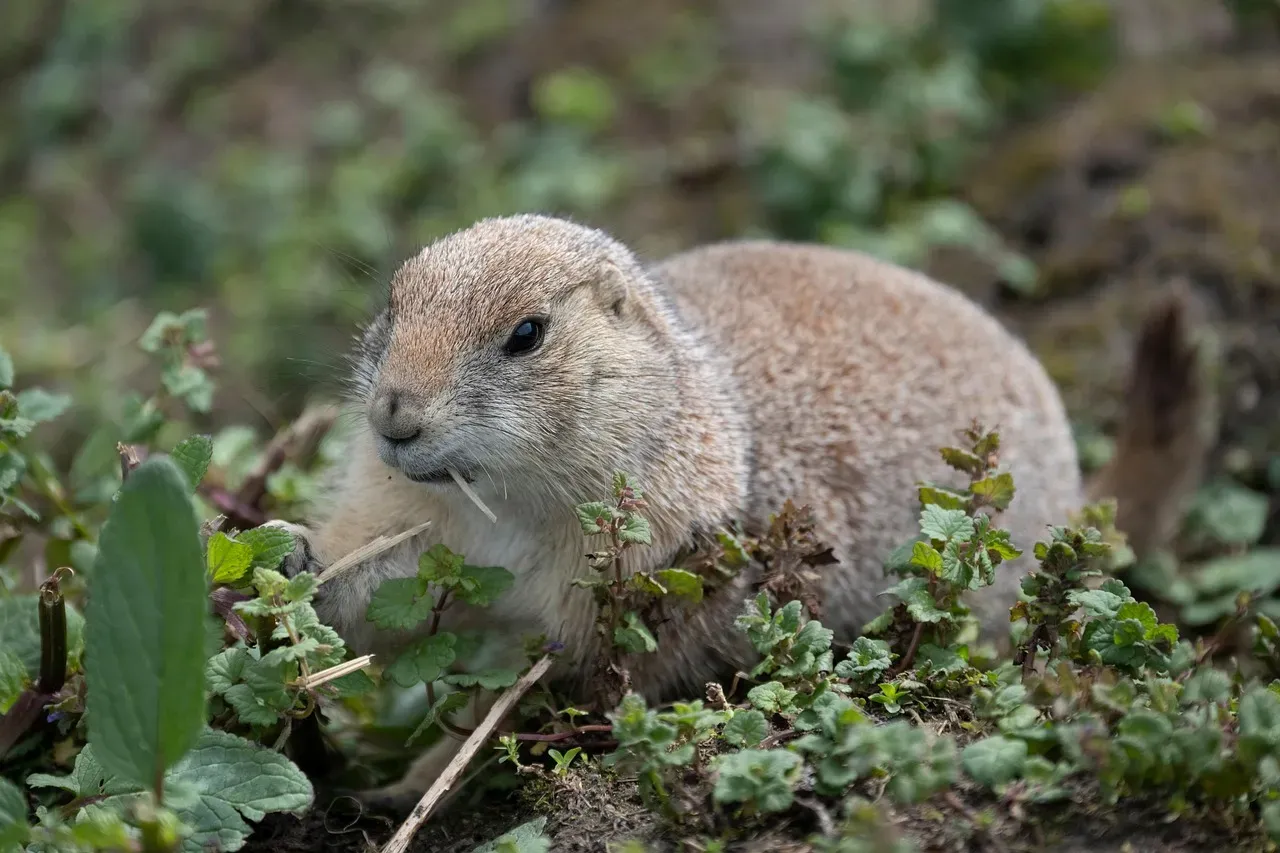
Colorado hosts a diverse array of prairie dog species, making it an ecological hotspot for these animals. Gunnison’s prairie dog habitat occurs in four states – Arizona, Colorado, New Mexico, and Utah, with Colorado holding substantial portions of this species’ range. Black-tailed prairie dogs occupy the eastern plains, while white-tailed and Gunnison’s prairie dogs inhabit various niches across the western part of the state.
The Pawnee National Grassland in northeastern Colorado has become one of the more accessible places to observe prairie dog colonies. Conservation initiatives here have sought to balance recreational use, ranching, and wildlife protection. Colorado has been somewhat proactive in prairie dog management, though conflicts with agricultural interests continue.
Kansas represents the southeastern edge of prairie dog range. Within the Southern Plains Network (SOPN), the species occurs at Fort Larned National Historic Site (NHS) (FOLS) in Kansas and Bent’s Old Fort NHS (BEOL) and Sand Creek Massacre NHS (SAND) in Colorado. While Kansas doesn’t rival South Dakota or Montana in total prairie dog numbers, it nonetheless maintains important populations, particularly in the western part of the state.
Both Colorado and Kansas have seen substantial prairie dog habitat loss over the past century. Conversion of grasslands to cropland, urban development, and deliberate extermination campaigns have all taken their toll. What remains, however, continues to serve essential ecosystem functions.
Prairie dogs in these states face the ongoing threat of sylvatic plague, an introduced disease that arrived in North America in the late 1800s. An exotic disease known as sylvatic plague is prevalent among prairie dogs and can be extremely dangerous during outbreaks. Because colonies are so close-knit, the flea-borne disease can wipe out 99% of colony members. This has made conservation efforts all the more urgent, with researchers developing oral vaccines and other interventions.
Texas, North Dakota, and Other Prairie Dog States
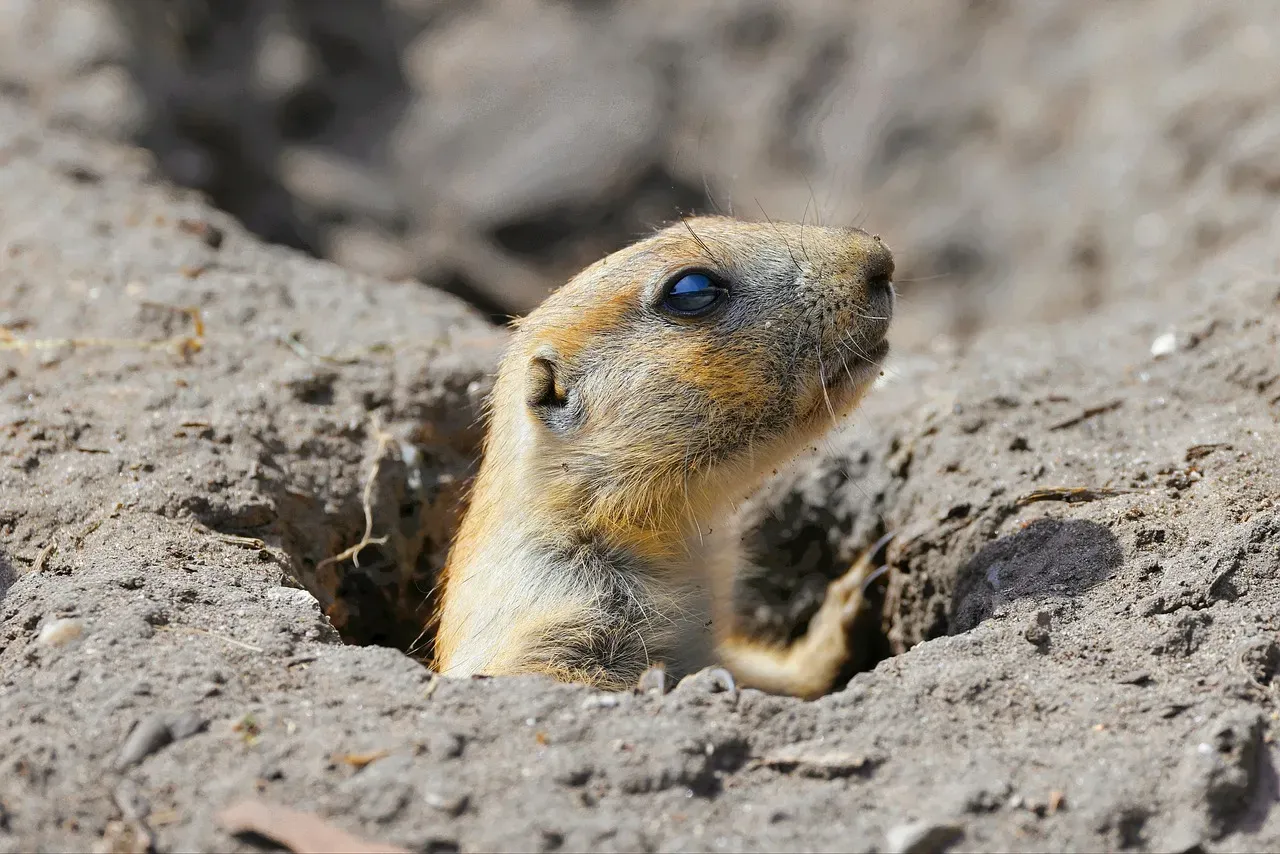
Texas once harbored some of the most extensive prairie dog colonies ever documented. Huge prairie dog towns, such as one that covered 25,000 square miles and supported a population of approximately 400 million prairie dogs, once were reported from Texas. Let me tell you, that’s almost impossible to imagine today. Although prairie dogs still locally are common, today less than one percent of the prairie dog population and habitat remain.
The Panhandle region of Texas continues to support scattered colonies, though these are mere fragments of what once existed. Ranching and agricultural development have dramatically reduced available habitat. Still, in places like the Lubbock area and surrounding counties, prairie dogs persist, adapting to life alongside human activity.
North Dakota represents the northern limit of black-tailed prairie dog range. Black-tailed Prairie Dogs occur in two distinct population complexes in ND; the Little Missouri National Grasslands complex and the Standing Rock complex which includes Sioux County and portions of Grant and Morton Counties. These populations are relatively isolated but remain ecologically significant.
The most recent survey estimated the North Dakota has roughly 20,000 acres. While this may sound substantial, it represents a tiny fraction of historical habitat. North Dakota conducts regular surveys to monitor population trends, recognizing that these animals serve as indicators of overall grassland ecosystem health.
New Mexico, Oklahoma, and Nebraska also maintain prairie dog populations across various species. New Mexico hosts both black-tailed and Gunnison’s prairie dogs, with colonies scattered across state and federal lands. Oklahoma’s shortgrass prairies in the western part of the state provide suitable habitat, though populations have declined significantly.
Nebraska’s Sandhills region once supported extensive prairie dog colonies, and while reduced, important populations persist. The varied topography and protected grasslands in places like the Nebraska National Forest continue to harbor these ecosystem engineers.
What’s fascinating about all these states is how prairie dog distribution often correlates with land management practices. Federal lands, tribal territories, and certain state parks tend to maintain healthier populations, while privately owned agricultural lands have seen the steepest declines. It’s a reminder that conservation requires coordinated efforts across ownership boundaries.
Conclusion: A Species Worth Protecting
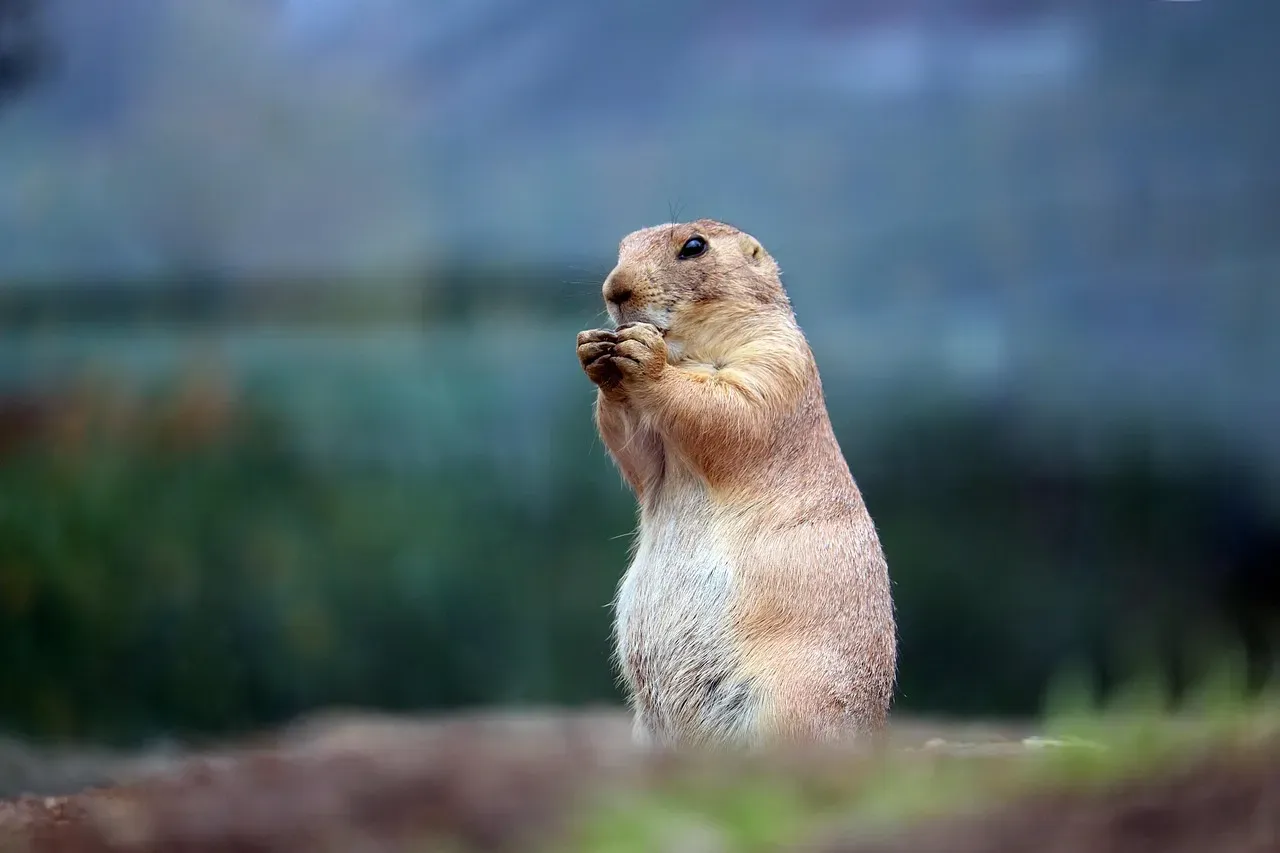
The geography of prairie dog populations tells a story of dramatic decline and stubborn resilience. South Dakota, Montana, and Wyoming emerge as the clear leaders, hosting roughly half the remaining prairie dog population in the United States. These states offer the combination of suitable habitat, adequate protection, and sheer land area necessary for prairie dogs to maintain viable populations.
Yet the picture isn’t entirely bleak. Conservation awareness has grown considerably in recent years. After looking at ecological, political and social factors, climate change, and land use throughout the central and western United States, CSU researchers have mapped a blueprint that identifies the best landscapes for black-tailed prairie dog conservation. Scientists, land managers, and increasingly, ranchers, recognize that prairie dogs are keystone species whose presence supports entire ecosystems.
From the black-footed ferret that depends on them for survival to the burrowing owl that uses their abandoned tunnels, countless species benefit from prairie dog colonies. Their constant digging aerates soil, their selective grazing creates habitat diversity, and their alarm calls echo across landscapes that would be diminished without them.
The aren’t just harboring cute rodents. They’re maintaining living remnants of the vast grassland ecosystem that once stretched across North America’s heartland. Whether you’ve ever seen a prairie dog or not, their fate matters. These small mammals connect us to a landscape that shaped this continent’s history and continues to support remarkable biodiversity. What would our prairies look like without them?
