
You scrubbed the kitchen counters. Set out traps. Maybe even called an exterminator. Yet there they are again, scurrying across your floor when you flip on the lights at midnight. It’s maddening, isn’t it? You’re doing everything right, or so you think. Here’s the thing: there’s usually one critical mistake that keeps inviting these resilient pests back into your home, night after night.
Most people don’t realize they’re making it. It’s not about being dirty or lazy. Sometimes the cleanest homes have the worst cockroach problems. Ready to discover what you might be overlooking? Let’s dive into the hidden reasons these unwelcome guests refuse to leave.
Leaving Dirty Dishes in the Sink Overnight

We’ve all left dishes to soak overnight at some point, but that stack of dirty plates is a buffet for hungry cockroaches, as even small amounts of food residue or grease are enough to keep them coming back. Think about it like this: you’re basically setting out an all-you-can-eat restaurant sign for pests. Those few pasta crumbs stuck to a plate? A feast. That greasy film on your frying pan? Pure gold to a roach.
It sounds almost too simple to matter. But honestly, this one habit causes more recurring infestations than you’d believe. Washing dishes right after meals or giving them a good rinse if you plan to wash them later, using a dishwasher regularly, and avoiding leaving used utensils, pots, or food containers in the sink overnight can fix the problem.
People think cockroaches only come for major messes. Wrong. These creatures can survive on microscopic food particles. A single unwashed coffee mug with dried milk residue is enough. The warmth of your kitchen combined with accessible food creates the perfect environment.
I know it sounds crazy, but even rinsing your dishes before bed can make a dramatic difference. No plates piled high means no midnight snack bar for roaches. It’s one of those things where a tiny adjustment in your routine has outsized results.
Try this tonight: clear that sink completely before you sleep. You might be shocked at how quickly the problem starts to fade. Sometimes the biggest solutions come from the smallest changes.
Ignoring Hidden Egg Cases That Survive Treatment
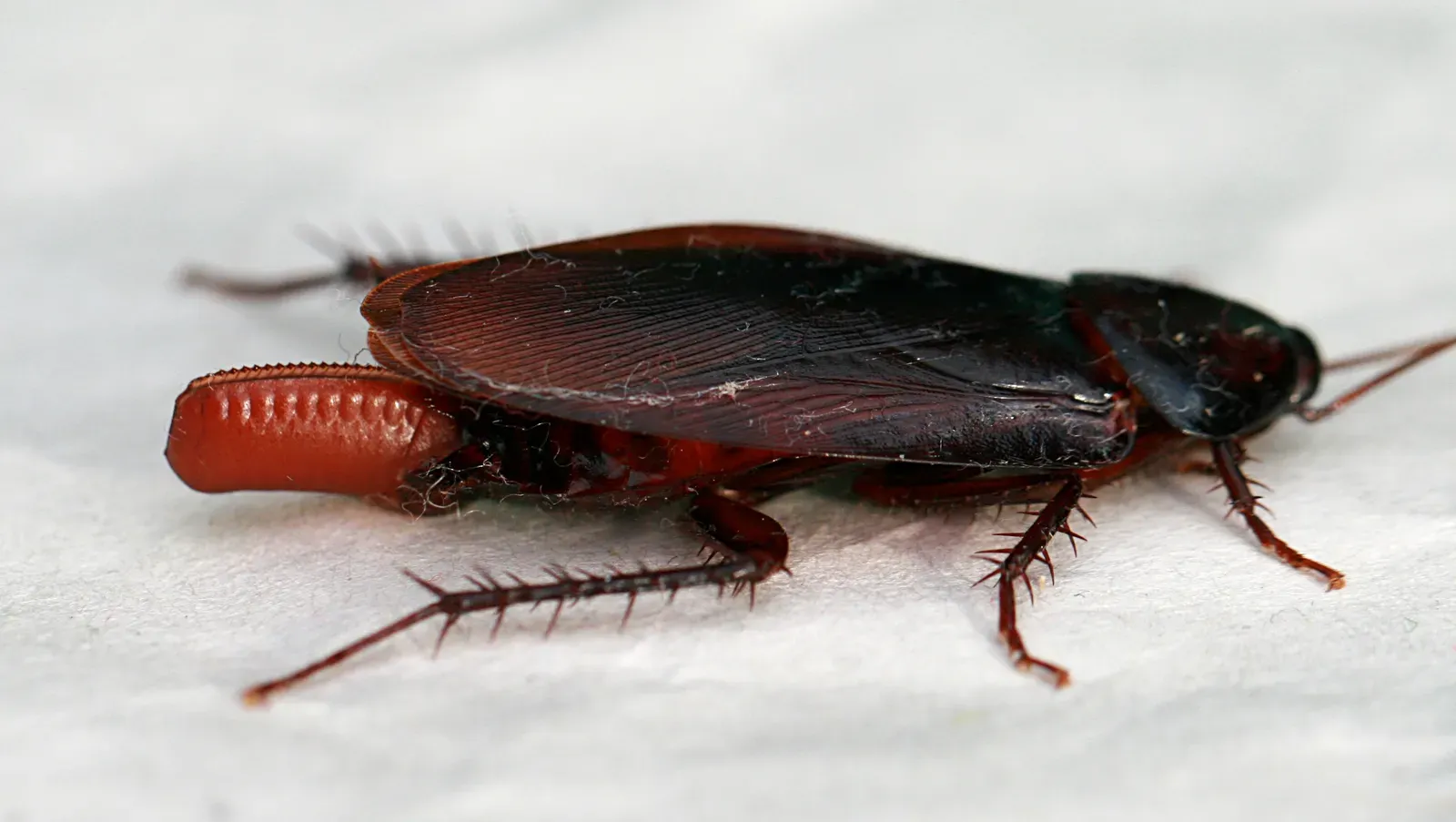
One of the main reasons you see baby roaches after extermination is that cockroach eggs, or oothecae, were already hidden in your home, and these egg cases are tough and can resist many pest control treatments. This is where people get frustrated. You had the place treated, everything seemed fine for a week or two, then boom – baby roaches everywhere.
After hatching, cockroach nymphs begin looking for food and water sources, with German cockroaches being particularly troublesome because they lay egg cases in small crevices near baseboards and appliances, and if egg cases were hidden during extermination, you might see baby cockroaches hatching in the weeks after treatment. It’s hard to say for sure, but many professional exterminators estimate that a single egg case can contain dozens of future roaches.
The tricky part is that these egg cases are incredibly well-hidden. Behind your refrigerator. Inside wall cracks. Under cabinets. Places you’d never think to look. Even the best pest control treatments sometimes can’t penetrate every hiding spot.
Here’s the reality: some people think that a single visit from the exterminator will solve their roach problem, but it likely won’t, and although you may see a dramatic decrease in roach activity, your home will likely need multiple treatments to permanently solve your cockroach problem. Patience matters here. Those eggs are just waiting to hatch.
The solution involves follow-up treatments and being vigilant. Keep monitoring. Set out sticky traps to catch the nymphs as they emerge. Don’t assume the problem is solved after one round.
Failing to Seal Entry Points and Cracks

Even after a pest control service, baby roaches and adult roaches can still enter your home through cracks, gaps, and other entry points, as German cockroaches and American cockroaches can squeeze through tiny openings around windows, doors, and plumbing, and sealing entry points with caulk can help prevent new cockroaches from entering. Let’s be real – if the door is wide open, it doesn’t matter how clean your house is.
Cockroaches are basically escape artists. They can flatten their bodies to fit through gaps you’d swear were too small. A crack the width of a credit card? No problem for them. Roaches may be hiding in hard-to-find areas such as inside walls, in between floorboards or other small gaps, and may have laid eggs in secluded spots, so sealing all gaps and repairing holes can help prevent the spread of cockroaches within your home.
Most homeowners focus on killing the roaches already inside but forget about reinforcing the perimeter. That’s the mistake. You need to think defensively. Check around pipe entrances, electrical outlets, baseboards, window frames, and door sweeps. Any opening is an invitation.
Use caulk, foam sealant, or weatherstripping depending on the location. It’s tedious work, I’ll admit. But it’s one of those preventive measures that pays off massively. No entry means no new arrivals.
The goal isn’t perfection – it’s reduction. Make it as difficult as possible for them to get in. Every sealed crack is one less highway into your home. Think of it as cockroach-proofing your space, similar to childproofing but way less cute.
Overlooking Moisture Sources and Leaky Pipes
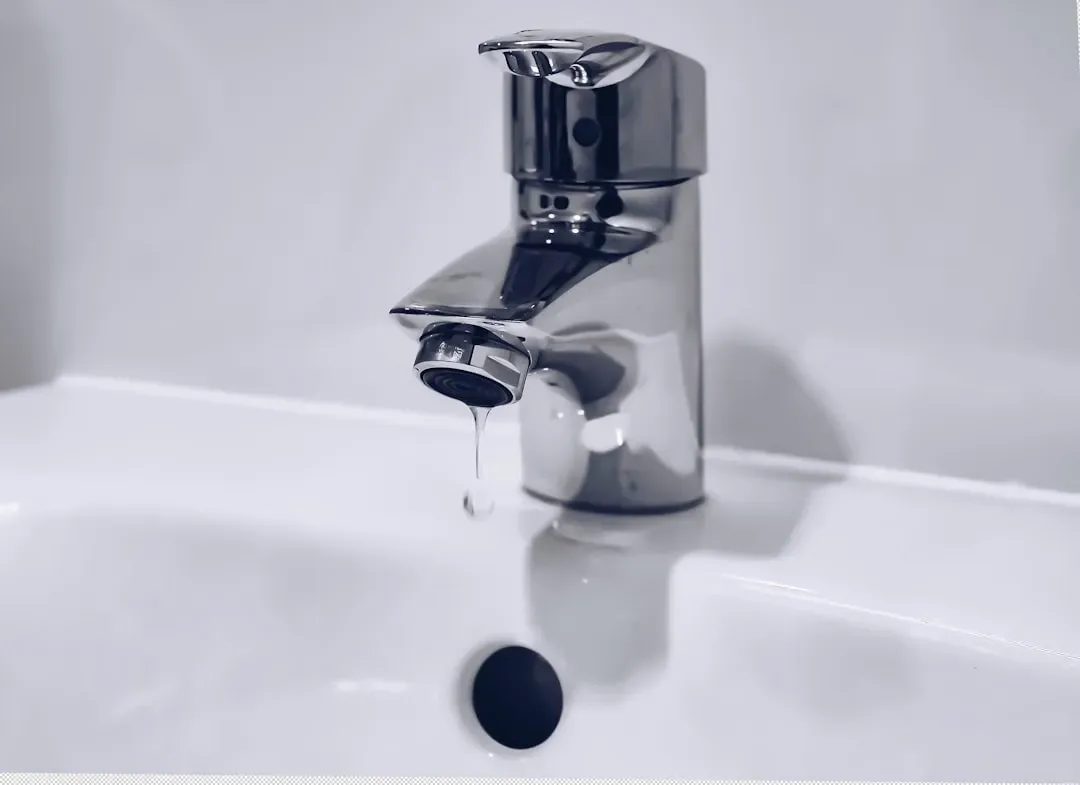
Roaches thrive in damp environments, so fixing leaky pipes, dripping faucets, and other water sources as soon as possible is crucial, and for extra protection, consider using dehumidifiers in areas like basements or laundry rooms to keep humidity levels under control. Water is actually more important to cockroaches than food. They can survive weeks without eating, but only days without moisture.
That slow drip under your bathroom sink? A roach oasis. The condensation around your water heater? A hydration station. Roaches can hide in sewer pipes or drain pipes and will then follow the pipes into your home, so to prevent them from staying in your pipes, continually flush toilets and run water down faucets.
Many folks don’t realize just how attractive a humid environment is to these pests. Bathrooms, kitchens, laundry rooms, and basements become prime real estate when moisture is present. Even pet water bowls left out overnight can contribute to the problem.
Fix those leaks immediately. Dry up any standing water. Wipe down sinks and tubs before bed. It sounds excessive, but moisture control is genuinely one of the most effective deterrents. Honestly, I’ve seen homes transform just by addressing their plumbing issues.
Don’t underestimate the power of a dry environment. Cockroaches hate it. Without accessible water, they’re forced to look elsewhere – hopefully far away from your home.
Using the Wrong Pest Control Products or Methods
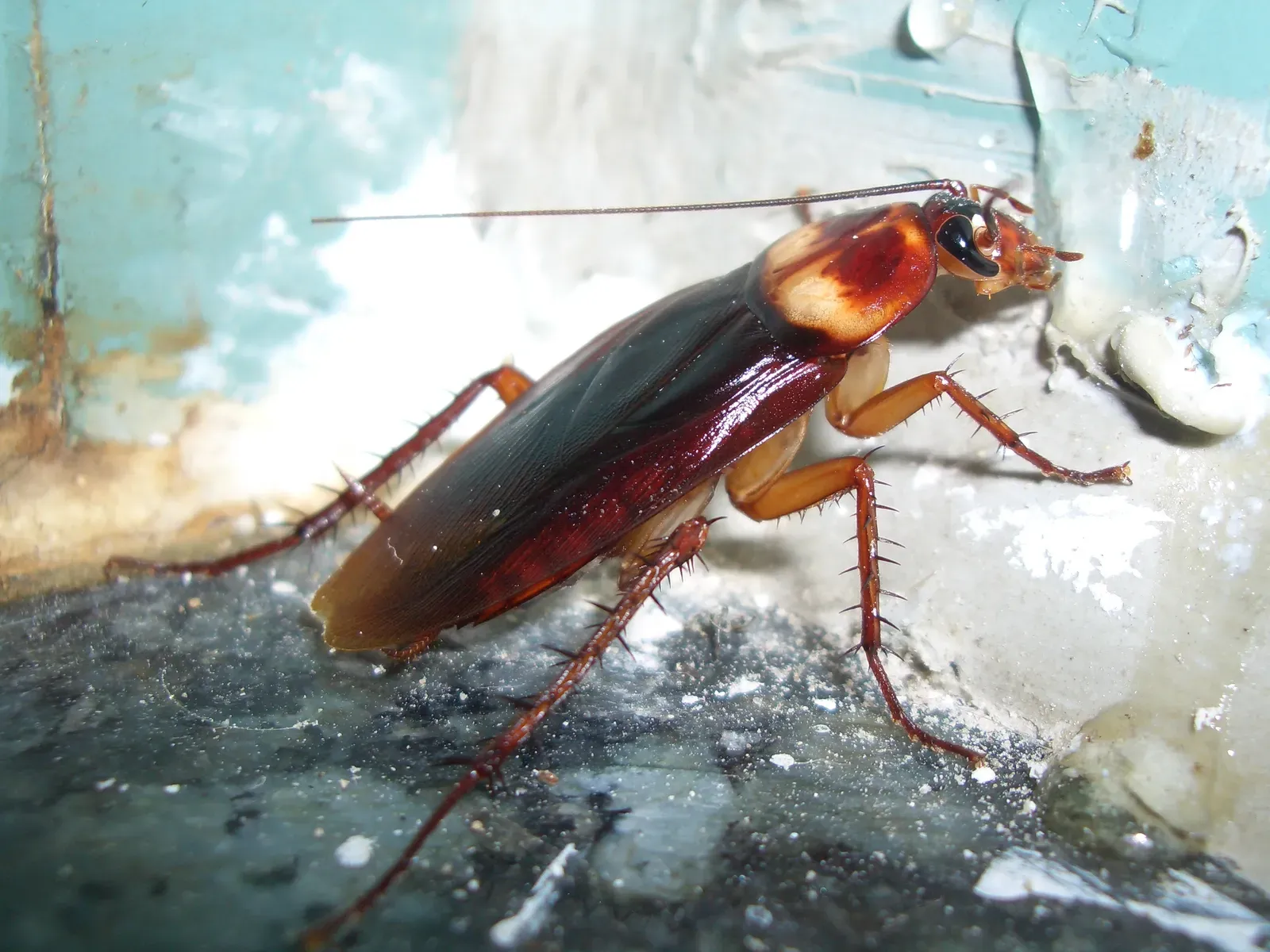
Three main blunders to avoid include using the wrong products, not applying insecticides properly, and overlooking key home cleaning and maintenance tasks, and many over-the-counter products are not effective against cockroaches, especially if the roaches are harboring in hard-to-reach areas. Store-bought sprays often just scatter roaches to other parts of your home rather than eliminating them.
Some pesticides may repel and disperse cockroaches to other areas of the building from which they may return later, and cockroaches have also become resistant to many insecticides in common sprays and aerosols that formerly controlled them. So you spray the kitchen, and they just relocate to the bedroom. You haven’t solved anything – you’ve just moved the problem around.
Here’s what actually works: gel baits and boric acid dust applied strategically. These products allow roaches to take poison back to their nests, spreading it throughout the colony. It’s slower than a spray but infinitely more effective. The key is patience and proper application.
Many people make huge globs of bait when they should be making many small placements. When using syringe-type applicators, avoid putting out large globs or lines of bait as many smaller-sized placements are better, and besides treating cracks, corners and edges, be sure to bait wherever you see fecal spotting or cockroaches themselves without spraying around bait placements with cleaning agents or other insecticides.
If you’re going the DIY route, do your research first. Understand what you’re dealing with. Or better yet, call a professional who knows which products actually work and how to apply them correctly. Sometimes trying to save money costs you more in the long run.
Neglecting Regular Cleaning and Clutter Control

Letting your space get overly cluttered or dirty attracts cockroaches, as access to food, standing water, and clutter provides cockroaches with the resources they need to thrive, and unsealed pantry items, leaky pipes, piles of laundry, and other messes are just a few things that attract roaches. Clutter isn’t just unsightly – it’s a roach hotel.
Stacks of newspapers, cardboard boxes, piles of clothes – all perfect hiding spots. Cockroaches like to hide in piles of clutter to use as shelter and enjoy warm, dark areas as well, so keeping your home clutter-free and clean will help to deter these pests. They don’t need much. Just a dark corner where they won’t be disturbed.
The vast majority of recurring infestations happen in homes with too much stuff lying around. It’s not about being a neat freak – it’s about eliminating harborage areas. Fewer hiding spots means fewer roaches feel comfortable setting up camp.
Regular vacuuming helps too. It removes crumbs, cockroach droppings, shed skins, and even eggs before they hatch. Sweep under appliances. Clean out cabinets periodically. Keep surfaces wiped down. These aren’t just good housekeeping tips – they’re pest prevention strategies.
What would you have guessed was the biggest mistake? Most people think it’s about cleanliness, but often it’s the combination of small oversights that creates the perfect storm. Address them together, and you’ll finally break the cycle that’s been driving you crazy.

- 10 Facts About the Black-Footed Ferret's Fight for Survival - July 27, 2026
- 8 Ways Wildlife Corridors Help Mountain Lions Cross Fragmented Landscapes - July 27, 2026
- The US States With The Most Armadillos - July 27, 2026