

When you think about the cultural fabric of America, certain threads stand out more vividly than others. The Cherokee Nation represents one of those brilliant, enduring threads that has woven itself through American history in ways both visible and hidden. Their story is one of resilience, innovation, and cultural preservation that continues to shape our nation today.
Most people know fragments of Cherokee history, perhaps the Trail of Tears or Sequoyah’s famous syllabary. Yet the complete picture reveals something far richer and more complex than what typically appears in textbooks. The contributions of the Cherokee people extend far beyond historical footnotes. They’ve fundamentally influenced language, governance, education, and the very concept of cultural survival in the face of overwhelming adversity. Let’s dive into six remarkable facts that illuminate just how profoundly the Cherokee Nation has shaped American culture.
They Created One of History’s Most Revolutionary Writing Systems
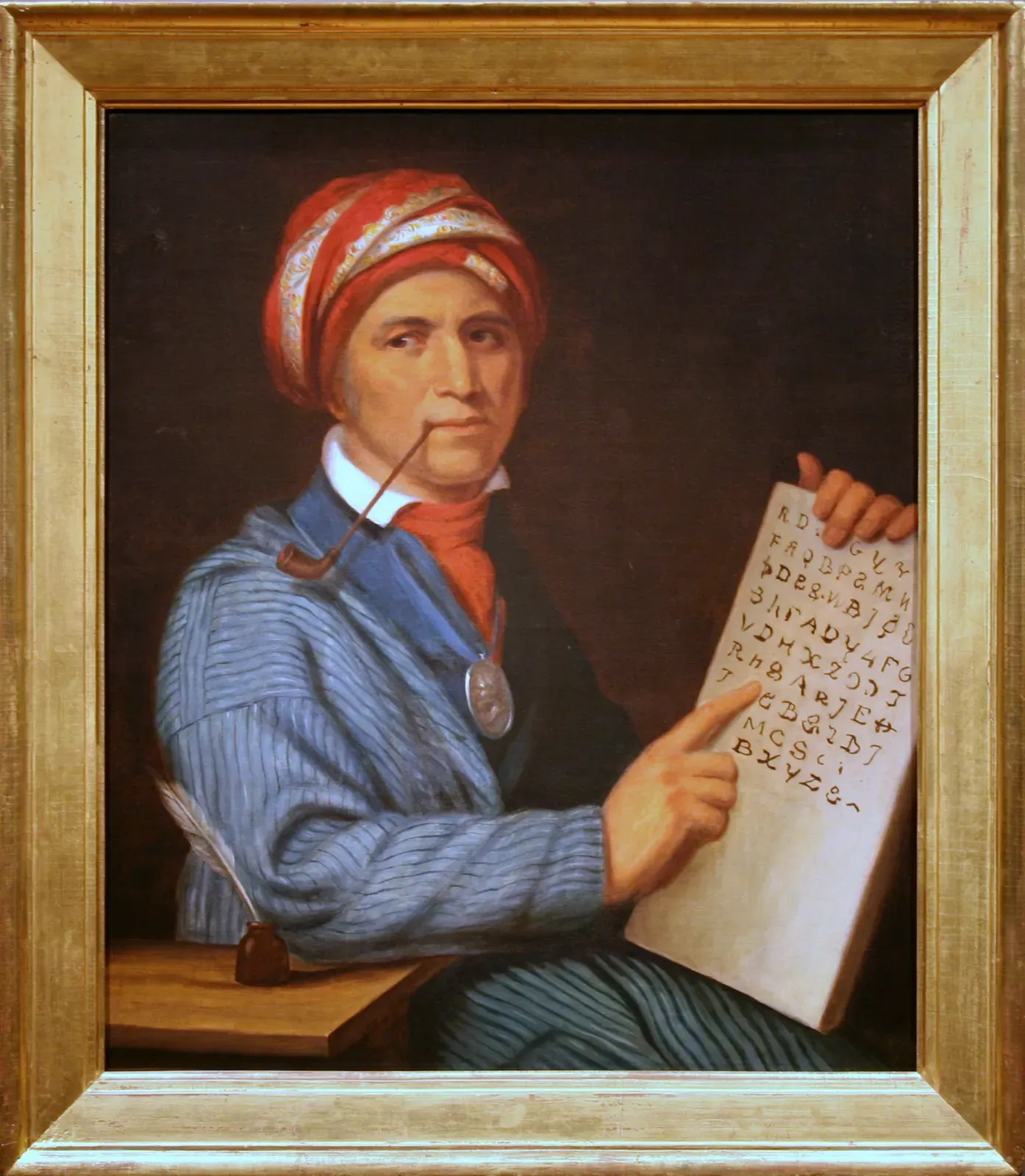
In 1821, Sequoyah, a Cherokee man who had never learned to read or write in any language, developed a complete syllabary for the Cherokee language. Think about that for a moment. Someone who was himself illiterate created an entirely functional writing system from scratch. The system consisted of 85 characters, each representing a distinct syllable in the spoken Cherokee language.
What makes this achievement even more stunning is the speed with which it transformed Cherokee society. After the syllabary was completed in the early 1820s, it achieved almost instantaneous popularity, and by 1825, the majority of Cherokees could read and write in their newly developed orthography. Imagine an entire nation achieving mass literacy within just a few years. Within a quarter-century, the Cherokee Nation had reached a literacy rate of almost 100%, surpassing that of surrounding European-American settlers.
The impact didn’t stop with the Cherokee. A literate Cherokee who emigrated to Liberia discussed his people’s syllabary, inspiring others to create their own syllabaries in West Africa, while a missionary in China followed the Cree syllabary example to write a local Chinese language, resulting in the development of 21 known scripts used to write more than 65 languages. One man’s determination rippled across continents, changing how people communicated forever.
They Established the First Native American Newspaper
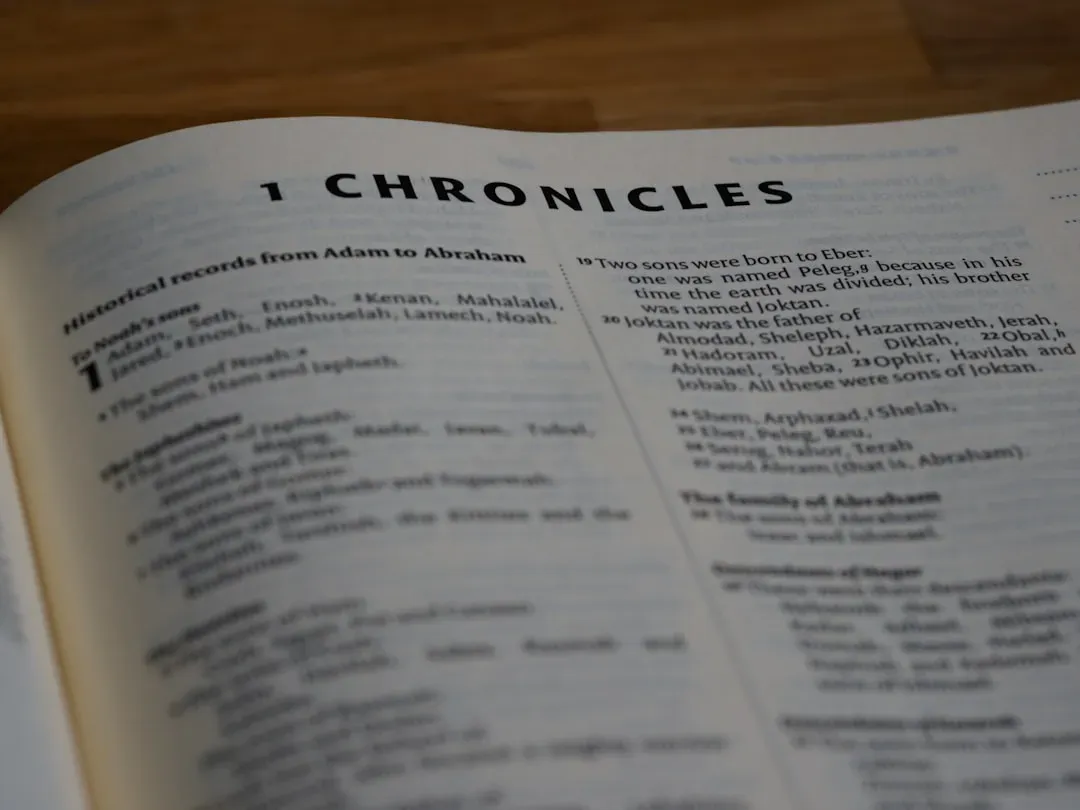
The Cherokee Phoenix began publication in February 1828, becoming Native Americans’ first newspaper. This wasn’t just a historical milestone; it was a bold declaration of cultural sovereignty and intellectual independence. The paper has operated nearly continuously since 1828, publishing editions in both English and the Cherokee syllabary, and it holds historical significance as both the first newspaper to be published by Native Americans in the United States and the first to be published in a Native American language.
The existence of such a publication demonstrated something powerful to both Cherokee citizens and the wider world. It showed that Indigenous peoples could master European technologies while maintaining their own linguistic and cultural identity. In 1844, the Cherokee Advocate, printed in both Cherokee and English languages, became the first newspaper in Indian Territory and the first in a Native American language.
Here’s the thing that really strikes me about this achievement. At a time when many Americans still believed Native peoples were incapable of “civilization,” the Cherokee were running sophisticated media operations. They were debating policy, sharing news, and preserving their language in print. Today, the Cherokee Nation publishes the Cherokee Phoenix, the tribal newspaper, in both English and Cherokee, using the Sequoyah syllabary. The paper that started nearly two centuries ago continues to inform and unite Cherokee citizens worldwide.
They Formed a Constitutional Government Before Oklahoma Statehood
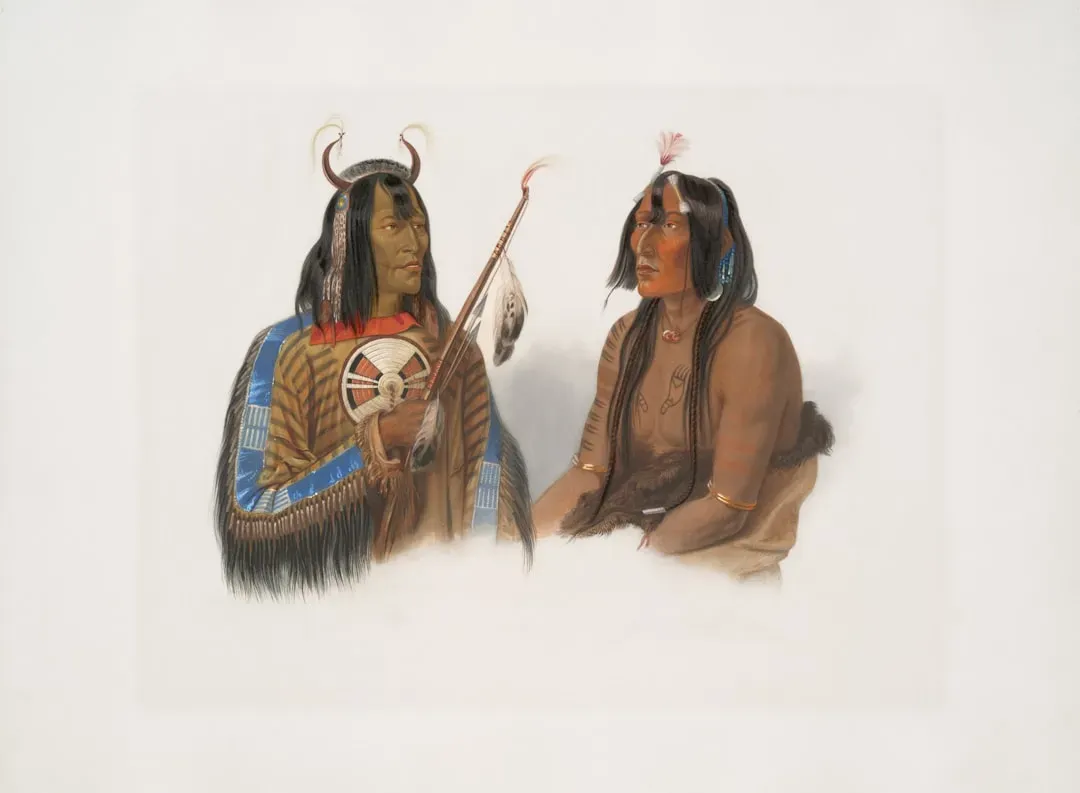
Long before Oklahoma became a state, the Cherokee Nation had already established a sophisticated constitutional democracy. In 1827, the Cherokee Nation adopted a written Constitution modeled on that of the United States. This wasn’t simply imitation; it was strategic adaptation designed to protect Cherokee sovereignty by operating within a framework American leaders claimed to respect.
The government they created was remarkably comprehensive. The tribal nation formed a government modeled on that of the United States, complete with executive, legislative, and judicial branches. Even after the devastating forced removal known as the Trail of Tears, the Cherokee didn’t abandon their democratic experiment. After settling in Indian Territory following the Indian Removal Act, the Cherokee people established a new government in what is now Tahlequah, Oklahoma, and adopted a constitution on September 6, 1839, 68 years prior to Oklahoma’s statehood.
Let’s be real here. The Cherokee maintained their governmental structures through forced removal, civil war, and relentless pressure from the federal government to dissolve. During the 1970s, the Cherokee Nation sprung back to life with a third constitution, and in 2020, the US Supreme Court ruled that Congress had never fully abolished these governments at all, meaning these Indigenous republics had quietly remained alive for the entirety of the twentieth century. That kind of institutional persistence is nothing short of remarkable.
They Built an Educational System That Rivaled Any in America
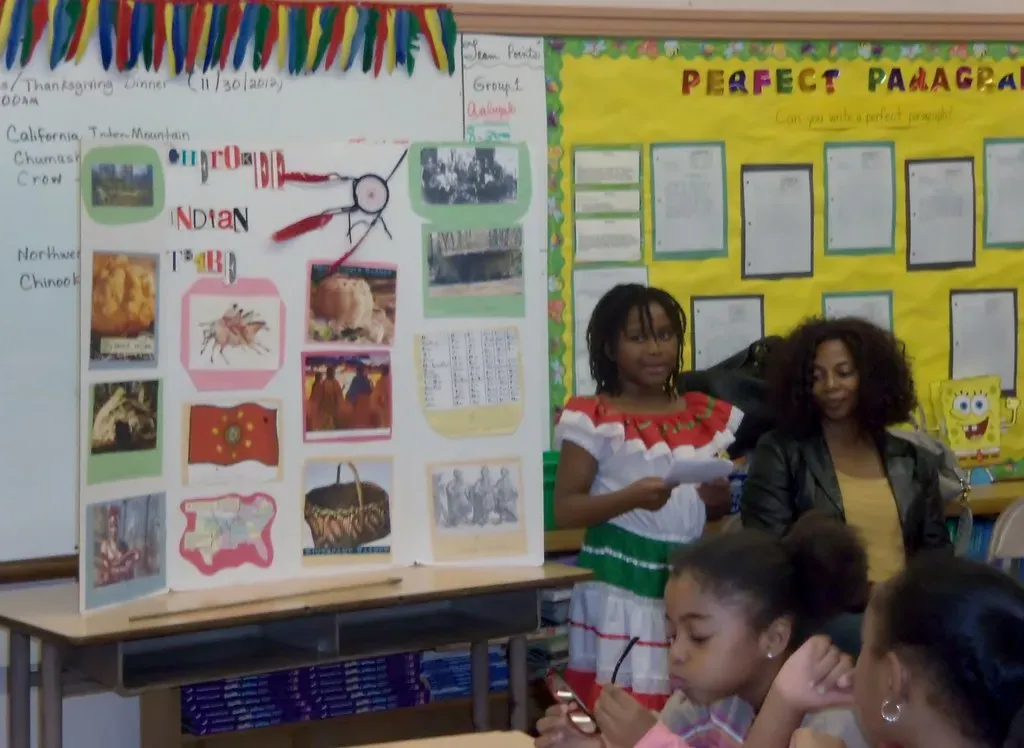
Education has always been central to Cherokee culture and survival. The Cherokee’s educational system of 144 elementary schools and two higher education institutes, the Cherokee Male and Female Seminaries, rivaled all others, and many white settlements bordering the Cherokee Nation paid tuition to have their children attend the Cherokee schools. Think about that for a second. White settlers were paying to send their children to Cherokee schools because they recognized the superior quality of education being offered.
The Male and Female Seminaries particularly stand out as institutions of higher learning that educated Cherokee youth to the highest standards of the era. The Cherokee erected over 100 public schools all over their country, but prized their Male and Female Seminaries most of all, where these two prestigious schools mostly educated the children of elites before shipping them off to American universities such as Dartmouth College, while other graduates went straight into government and helped create the Orphan Asylum, the National Prison, the Insane Asylum, and a new capitol building.
This investment in education wasn’t just about academic achievement. It was about ensuring cultural continuity and preparing future generations to navigate both Cherokee and American societies. Today, services provided by the Cherokee Nation include health and human services, education, employment, housing, economic and infrastructure development, environmental protection and more. That commitment to education continues to shape Cherokee communities and contributes to the broader American educational landscape.
They’re a Major Economic Force in Modern America

Today, the Cherokee Nation is the largest tribe in the United States with more than 450,000 tribal citizens worldwide, and more than 141,000 Cherokee Nation citizens reside within the tribe’s reservation boundaries in northeastern Oklahoma. This isn’t just about population numbers; it’s about economic power and influence that extends far beyond tribal boundaries.
With approximately 11,000 employees, Cherokee Nation and its subsidiaries are one of the largest employers in northeastern Oklahoma. That’s a staggering employment footprint that supports not just Cherokee citizens but entire regional economies. The Cherokee Nation was the greatest economic force and the largest employer in northeastern Oklahoma, contributing close to one-half billion dollars to the region’s economy.
The Cherokee Nation has constructed health clinics throughout Oklahoma, contributed to community development programs, built roads and bridges, constructed learning facilities and universities for its citizens, instilled the practice of Gadugi and self-reliance, revitalized language immersion programs for its children and youth, and is a powerful and positive economic and political force in Eastern Oklahoma. The scope of these contributions demonstrates how Indigenous nations can thrive economically while maintaining cultural integrity. It’s hard to say for sure, but this model of economic development paired with cultural preservation might offer valuable lessons for communities across America.
They’ve Preserved and Protected Their Cultural Heritage for Future Generations
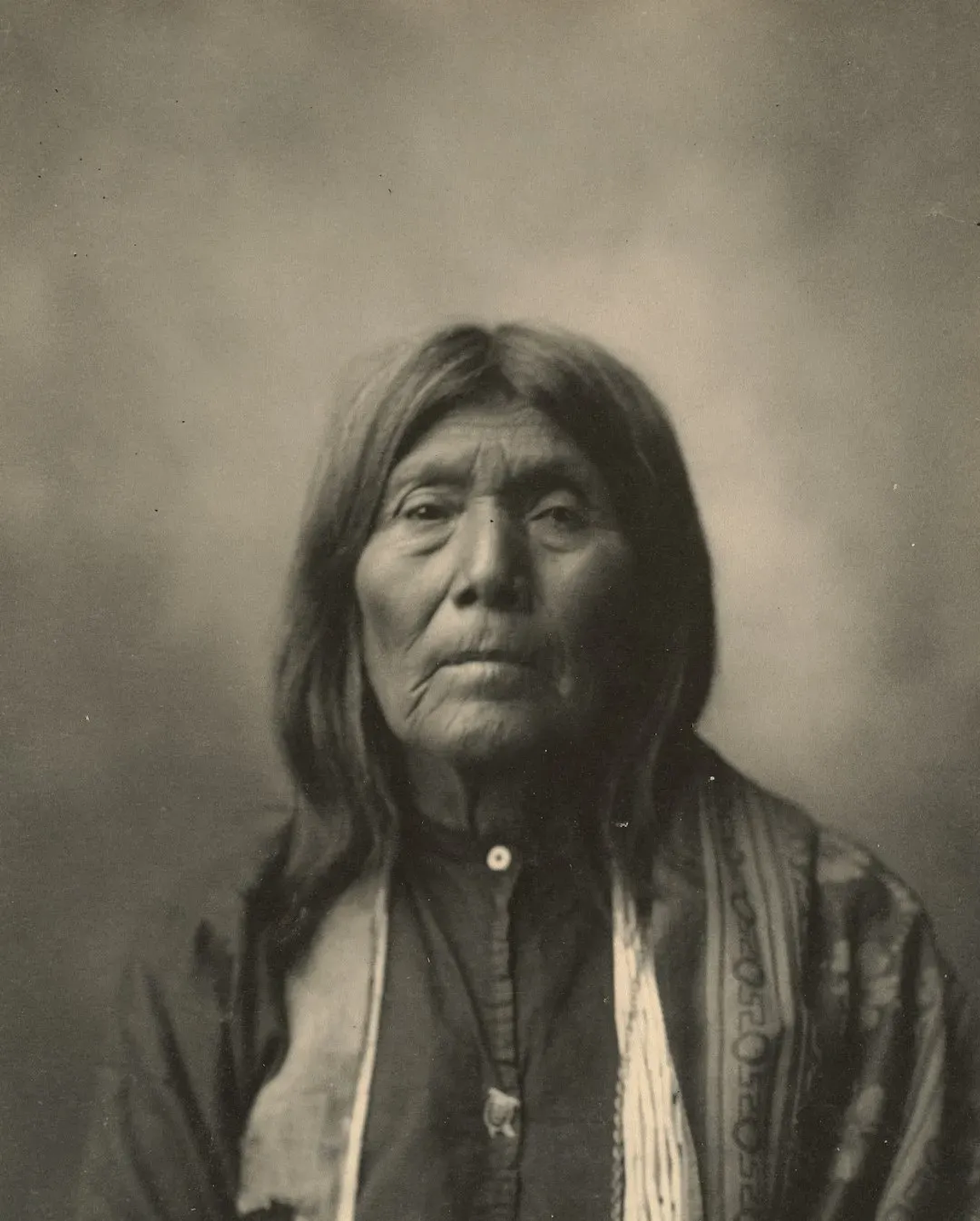
Cultural preservation isn’t just about looking backward; it’s about ensuring future generations have access to their heritage. Cherokee Nation was recently named as the 2020 Tribal Destination of the Year by the American Indian Alaska Native Tourism Association, with the award representing the dedication of the Nation to tell their stories in a manner that is honest and meaningful to not only Cherokee Nation but to the world.
The commitment runs deep. The Cherokee Nation council appropriates money for historic foundations concerned with the preservation of Cherokee culture, and it supports the Cherokee Nation Film festivals in Tahlequah, Oklahoma and participates in the Sundance Film Festival in Park City, Utah. These aren’t token gestures but substantial investments in ensuring Cherokee stories are told authentically and reach wide audiences.
Language revitalization stands at the heart of these preservation efforts. Today’s Cherokee Nation is teaching tribal history and language courses, building a national university, and restoring traditional tribal property while increasing the financial strength and independence of the tribe and tribe members. When a language survives, entire worldviews, philosophies, and ways of understanding the world survive with it. Sequoyah’s Cherokee syllabary remains in use in the 21st century and is visible on street signs and buildings across the Cherokee Nation in northeast Oklahoma, where Cherokee is the co-official language alongside English, and the syllabary is taught to students of all ages in schools and universities in Oklahoma and North Carolina.
Conclusion
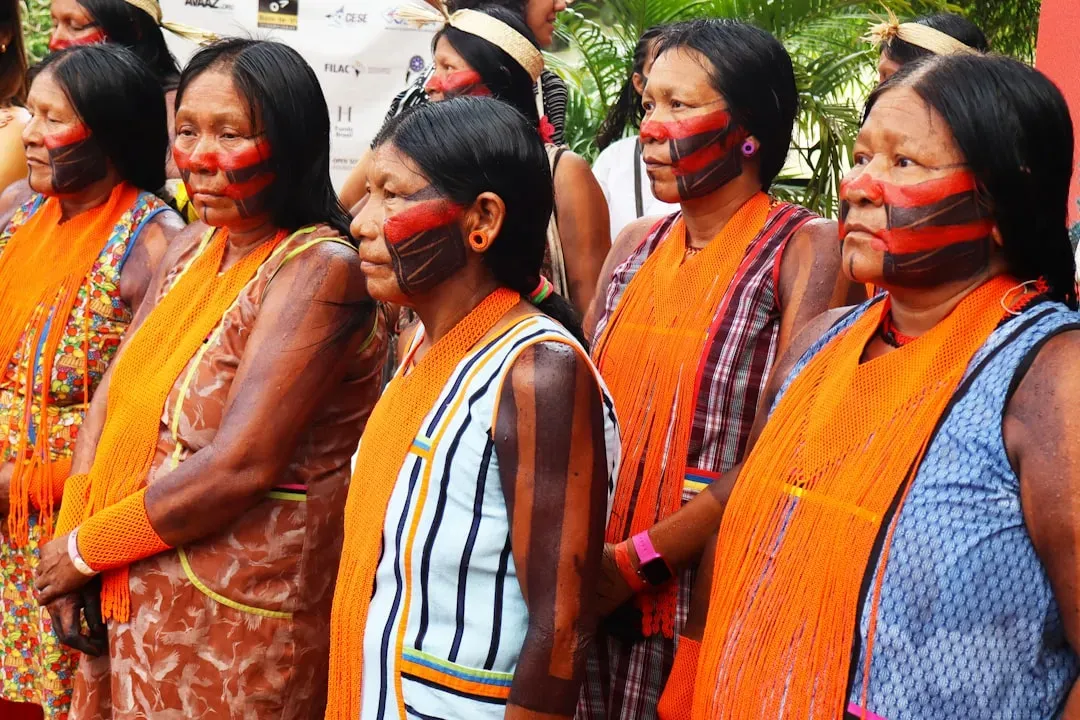
The Cherokee Nation’s contributions to American culture extend far beyond what most people realize. From creating revolutionary writing systems to establishing sophisticated governments, from building world-class educational institutions to driving regional economies, the Cherokee people have fundamentally shaped the American experience. Their story is one of remarkable innovation, resilience, and adaptation without assimilation.
What strikes me most about these six facts is how they challenge simplistic narratives about American history. The Cherokee didn’t just survive; they innovated, governed, educated, and thrived even in the face of overwhelming attempts to erase their culture. Their achievements demonstrate that cultural preservation and modern progress aren’t opposing forces but can strengthen each other.
Today, as the Cherokee Nation continues to grow and evolve, their legacy serves as a powerful reminder of what’s possible when a people refuse to abandon their identity. What do you think about these contributions? Did any of these facts surprise you?
