

You’re standing at the edge of the ocean when the waves start glowing with an electric blue light. Or maybe you witness rocks sliding across a desert floor, leaving long trails behind them with no visible force pushing them. Perhaps you spot a mysterious orb of lightning floating through the air during a thunderstorm.
Throughout history, people witnessing these events have reached for explanations involving gods, demons, or magic. Honestly, it’s hard to blame them. When nature pulls off something this spectacular and bizarre, the supernatural seems like the most logical answer.
Yet science has a different story to tell. Each of these jaw-dropping phenomena, no matter how otherworldly they appear, has a perfectly rational explanation rooted in chemistry, physics, and the laws of nature. What once seemed like evidence of forces beyond our world turns out to be evidence of just how extraordinary our world actually is. Let’s dive in.
Glowing Ocean Waves That Light Up the Night
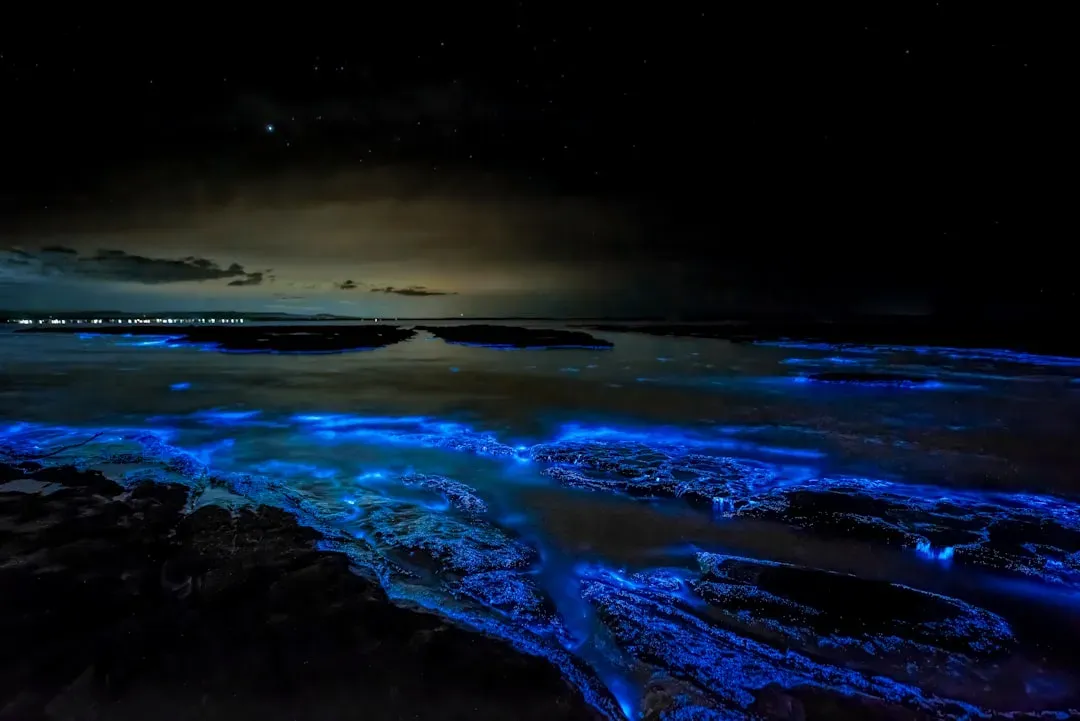
Bioluminescence is light produced by a chemical reaction within a living organism. Walking along certain beaches at night, you might witness waves that glow an intense neon blue as they crash against the shore. It looks like something from a science fiction film.
Most often, the glow is due to the unicellular Noctiluca scintillans algae, which release light in response to external stimuli – in this case to the coastal waves throwing them from side to side. These microscopic creatures contain a molecule called luciferin that, when combined with oxygen and the enzyme luciferase, produces light without generating heat.
Dinoflagellates use bioluminescence as a predator avoidance behavior. When disturbed by waves, boats, or even swimmers, millions of these tiny organisms flash simultaneously, creating a spectacular light show. After producing a flash of light the individual phytoplankton has spent its entirety of luciferin and will be unable to produce another until it has ‘recharged’ during the daytime hours of the next day. This means that when you are watching the magical glow of these bioluminescent waves, what you are really seeing is millions of individual plankton emitting a series of rapid single flashes.
The phenomenon tends to occur during algal blooms when conditions are just right. From June to October, the rivers and lagoons of Florida’s Space Coast glow an otherworldly blue thanks to the natural bioluminescence of dinoflagellates and comb jellies. While the glowing water is mesmerizing, it’s worth noting that some algal blooms can be harmful to marine life.
Antarctica’s Waterfall That Bleeds
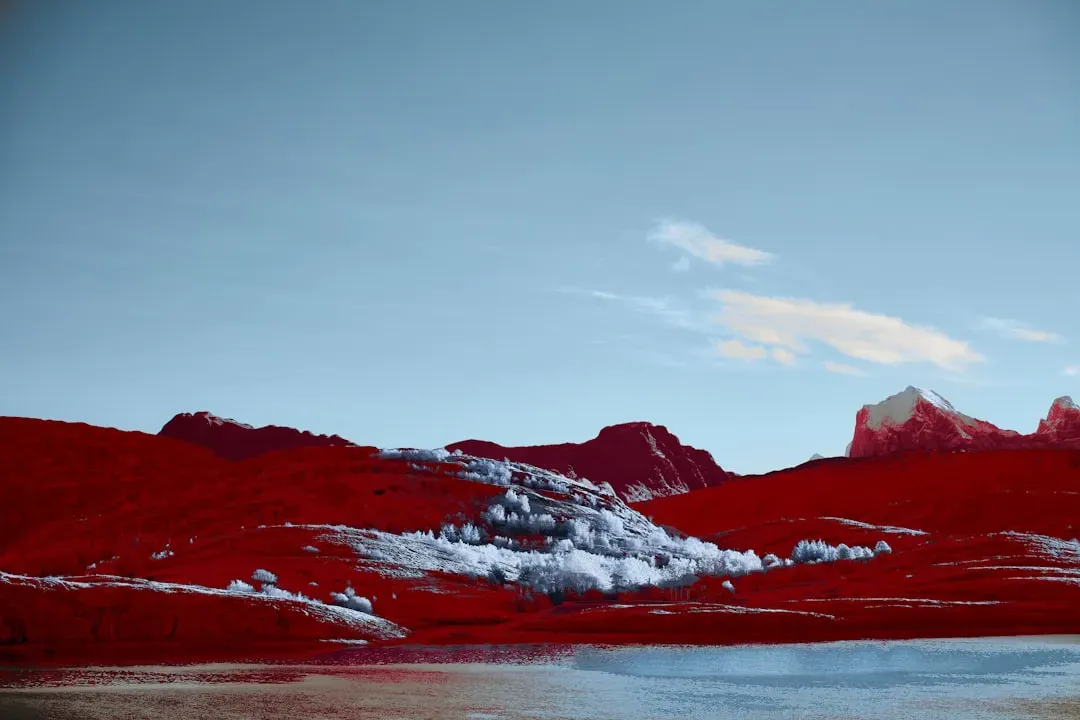
Blood Falls is an outflow of an iron(III) oxide–tainted plume of saltwater, flowing from the tongue of Taylor Glacier onto the ice-covered surface of West Lake Bonney in the Taylor Valley of the McMurdo Dry Valleys in Victoria Land, East Antarctica. Imagine stumbling across what appears to be blood pouring from a massive white glacier. That’s exactly what happened in 1911.
The reddish deposit was found in 1911 by the Australian geologist Thomas Griffith Taylor, who first explored the valley that bears his name. The Antarctica pioneers first attributed the red color to red algae, but later it was proven to be due to iron oxides. Deep beneath the glacier lies an ancient lake that has been sealed off from the outside world for possibly millions of years.
Chemical and microbial analyses both indicate that a rare subglacial ecosystem of autotrophic bacteria developed that metabolizes sulfate and ferric ions. According to geomicrobiologist Jill Mikucki at the University of Tennessee, water samples from Blood Falls contained at least 17 different types of microbes, and almost no oxygen.
Here’s the thing: Imaging from underneath the glacier helped solve the mystery, revealing a complex network of subglacial rivers and a subglacial lake – all filled with brine high in iron, giving the falls its reddish tint. According to the study, the makeup of the brine explains the fact that it flows instead of freezes. When this iron-rich water escapes through fissures in the ice and meets the air, the iron oxidizes instantly, creating that horrifying crimson color. It’s rust on a spectacular scale.
A study released in 2023 found that, specifically, oxidation of the water in Blood Falls produces tiny nanospheres of material rich in iron as well as other elements such as calcium and magnesium, which may also contribute to the unique color.
Rocks That Move By Themselves Across the Desert
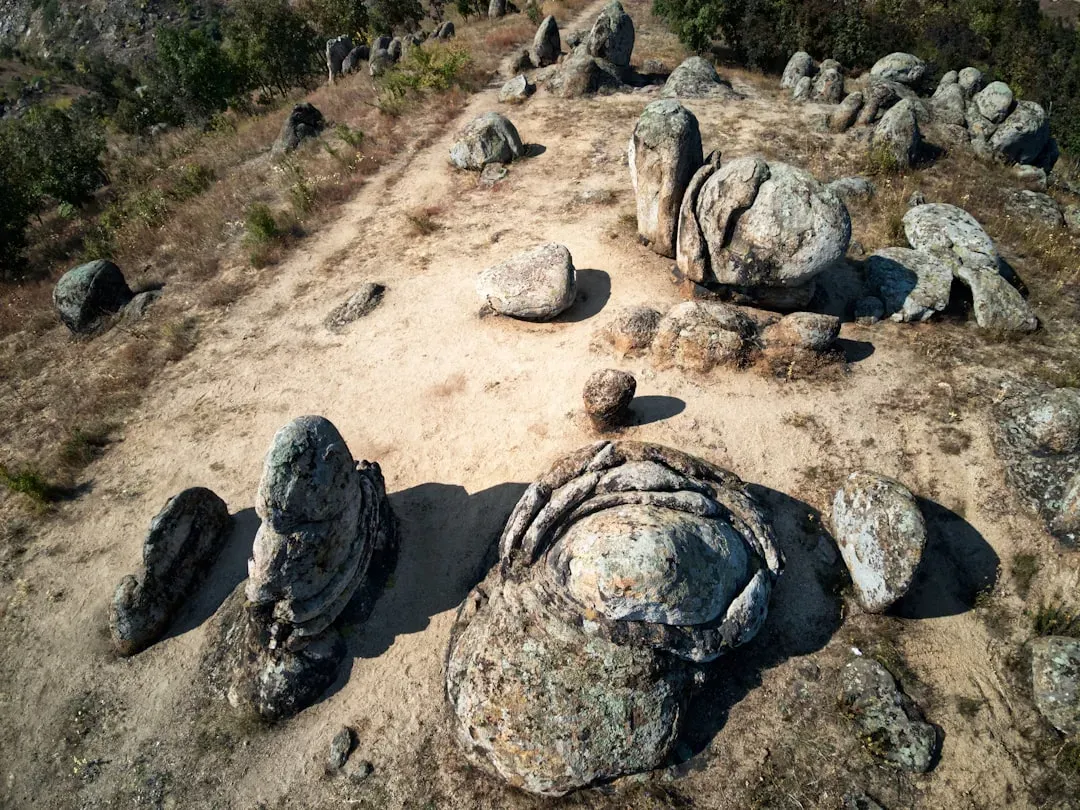
Located on the border of California and Nevada, Death Valley National Park was designated in 1933, and is home to one of the world’s strangest phenomena: rocks that move along the desert ground with no gravitational cause. For decades, visitors to Death Valley’s Racetrack Playa found massive boulders sitting in the middle of a flat, dry lakebed, each trailing a long path behind it as if someone had dragged it across the ground.
Though no one has ever seen them actually move in person, the trails left behind the stones and periodic changes in their location make it clear that they do. Some of these trails stretch for hundreds of feet. Theories ranged from magnetic fields to dust devils to, inevitably, aliens.
The mystery remained unsolved until 2014. The definitive solution to this long-standing mystery finally came in 2014, from two cousins. Their work showed that the rocks are nudged into motion by melting panels of thin floating ice, driven by light winds, in winter.
In the winter of 2014, rain formed a small pond that froze overnight and thawed the next day, creating a vast sheet of ice that was reduced by midday to only a few millimeters thick. Driven by a light wind, this sheet broke up and accumulated behind the stones, slowly pushing them forward. The rocks weren’t moving on their own at all. They were being shoved by thin ice panels acting like gigantic sails.
I think the most remarkable part is that this only happens when a very specific combination of conditions aligns: rainfall must create a pond, temperatures must drop to freeze the water into a thin sheet, and then gentle winds must push the ice. No wonder it took so long to witness.
Mysterious Floating Orbs of Lightning
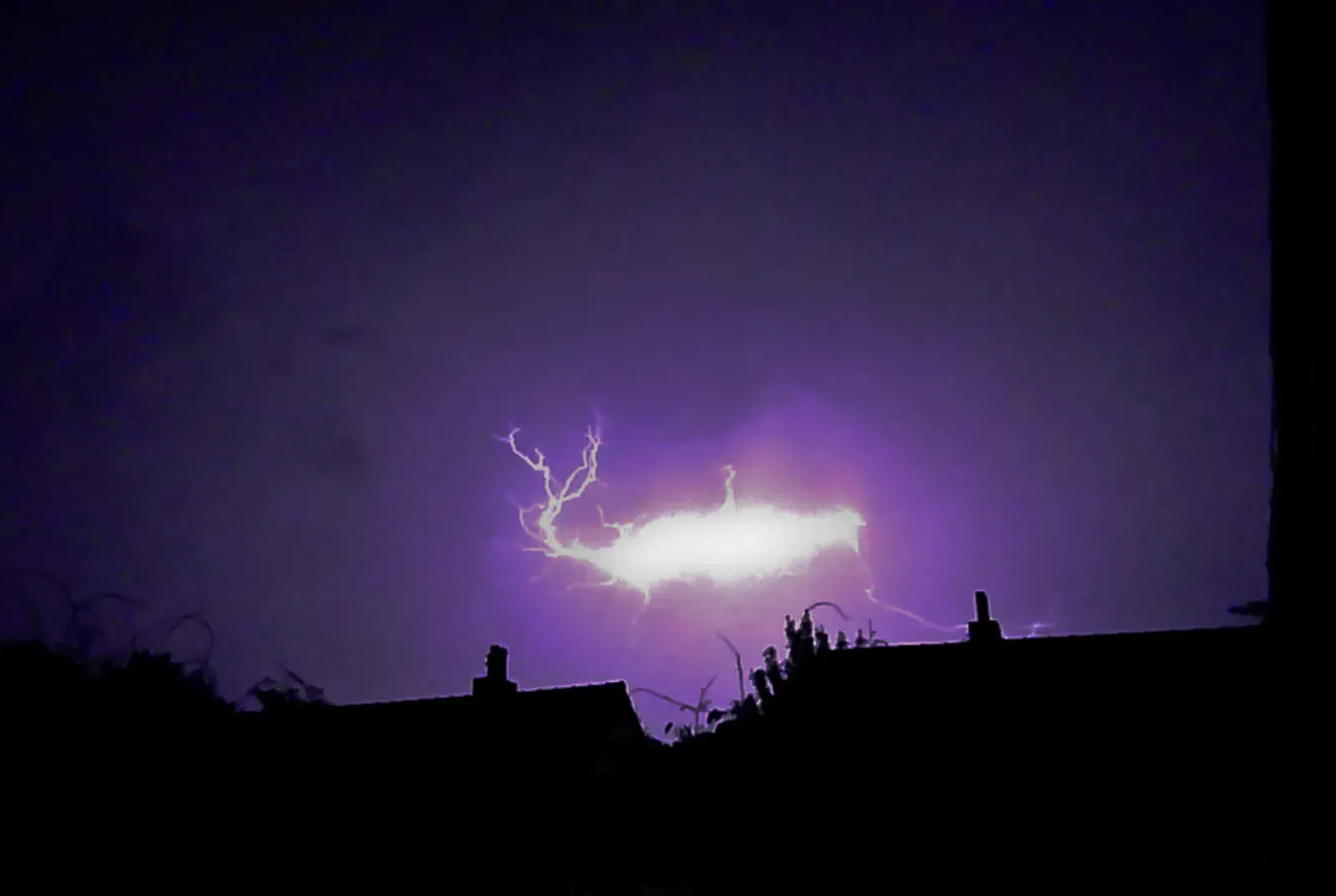
Ball lightning has puzzled scientists for centuries. Instances of ball lightning – glowing, electric orbs in the sky – have captivated and mystified us for centuries. The bizarre phenomenon, also known as globe lightning, usually appears during thunderstorms as a floating sphere that can range in color from blue to orange to yellow, disappearing within a few seconds.
There is at present no widely accepted explanation for ball lightning. Several hypotheses have been advanced since the phenomenon was brought into the scientific realm by the English physician and electrical researcher William Snow Harris in 1843, and French Academy scientist François Arago in 1855. People have reported seeing these glowing spheres float through windows, drift down chimneys, and even pass through walls.
One of the leading theories involves vaporized silicon. This hypothesis suggests that ball lightning consists of vaporized silicon burning through oxidation. Lightning striking Earth’s soil could vaporize the silica contained within it, and somehow separate the oxygen from the silicon dioxide, turning it into pure silicon vapor. As it cools, the silicon could condense into a floating aerosol, bound by its charge, glowing due to the heat of silicon recombining with oxygen.
Researchers from Lanzhou, China’s Northwest Normal University inadvertently recorded a ball lightning event while studying a 2012 thunderstorm using video cameras and spectrometers. The ball appeared just after a lightning strike and traveled horizontally for about 10 meters (33 feet). The spectrometer detected silicon, iron, and calcium in the ball, all of which were also present in the local soil.
The phenomenon remains rare and difficult to study. Still, progress is being made. Scientists finally have some hard data to work with rather than just eyewitness accounts.
Pillars of Light Reaching Into the Sky
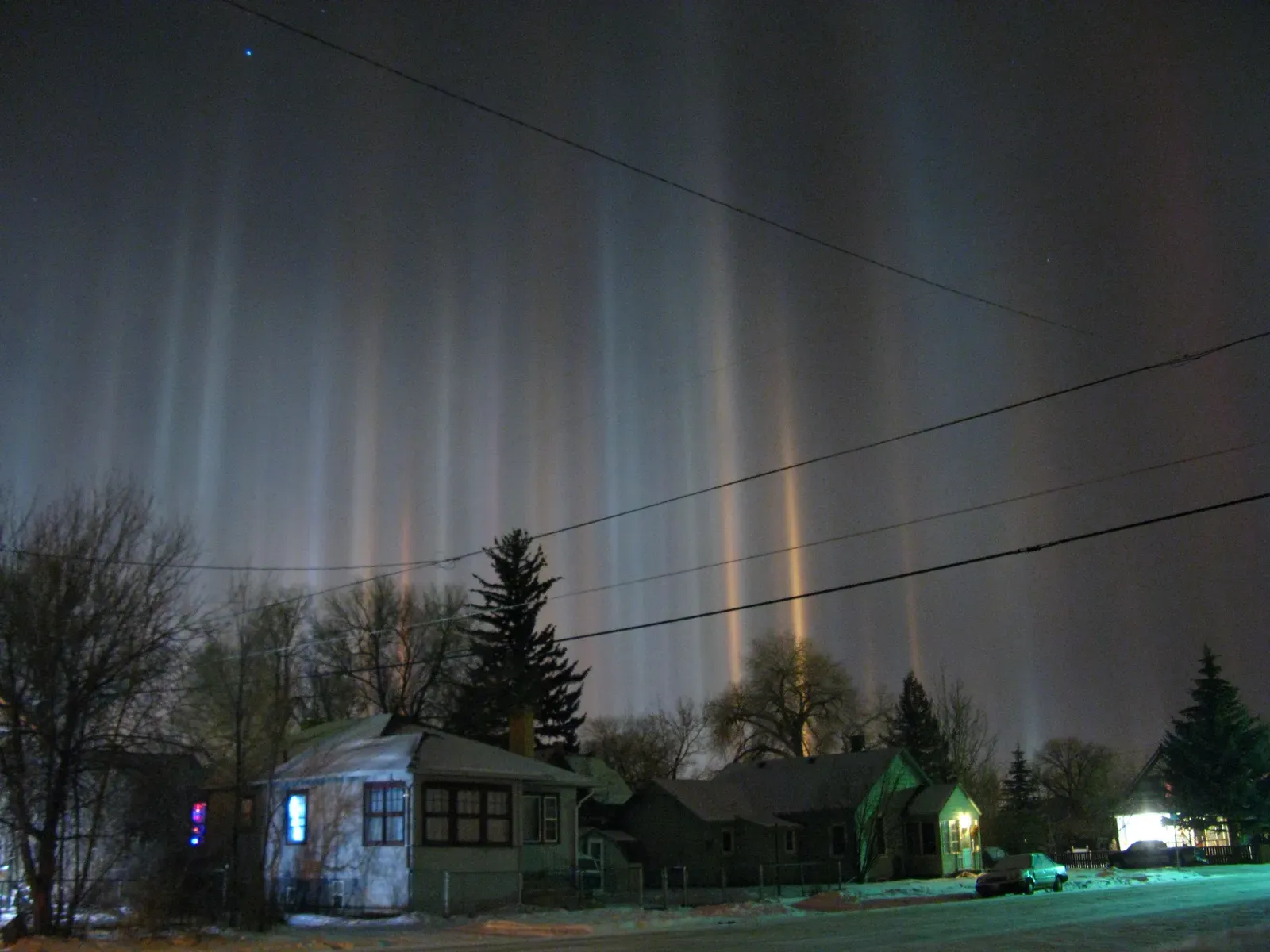
Picture yourself looking up on a freezing winter night and seeing massive columns of light shooting straight up from the ground into the heavens. They look like searchlights or alien beams piercing through the atmosphere. In reality, you’re witnessing an optical phenomenon created by ice crystals.
Light pillars occur when flat, hexagonal ice crystals float horizontally in the atmosphere and act like millions of tiny mirrors. When light from the sun, moon, or artificial sources like streetlights hits these crystals at just the right angle, they reflect the light back toward observers on the ground.
The crystals need to be oriented fairly horizontally and distributed through a large volume of air to create the pillar effect. As the crystals slowly flutter downward through calm air, they maintain their horizontal orientation due to air resistance. This creates the illusion of a vertical beam extending far above or below the light source.
The phenomenon is most commonly seen in polar regions or during extremely cold weather when ice crystals form in the lower atmosphere. Unlike aurora borealis, which involves charged particles from the sun interacting with the atmosphere, light pillars are purely an optical effect requiring nothing more than ice, light, and the right atmospheric conditions. Nature’s light show doesn’t always need supernatural forces, just frozen water and geometry.
Trees That Explode in Freezing Temperatures
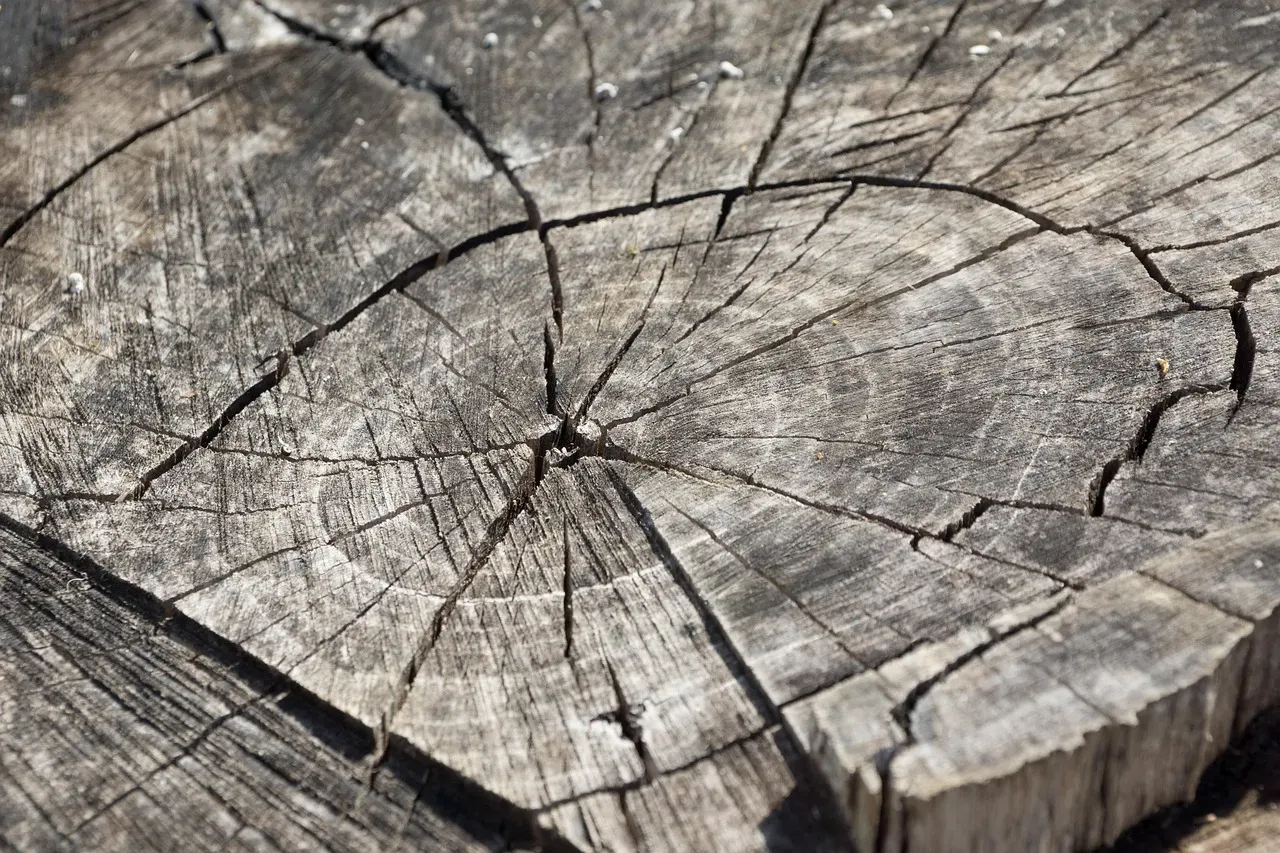
In the depths of winter in places like Alaska or Siberia, residents sometimes hear what sounds like gunshots echoing through the forest. Yet when they investigate, they find no hunters, no firearms, just trees that have literally exploded from the cold.
When temperatures plummet to extreme lows, the water inside a tree’s cells can freeze rapidly. Water is unusual because it expands when it freezes, unlike most substances. As the sap and moisture inside the tree turn to ice, they expand with enormous force, building pressure within the wood.
Eventually, that pressure becomes too much for the tree’s structure to contain. The trunk splits violently, sometimes with enough force to send wood fragments flying. The sound can resemble a rifle shot or even a small explosion. These events, known as frost cracks or frost quakes in trees, typically happen on the coldest nights when temperatures drop suddenly.
The cracks themselves can be several feet long and create permanent damage to the tree. Some trees develop vertical splits that remain visible for years afterward. Interestingly, the phenomenon tends to affect certain species more than others. Trees with higher moisture content or those that have previously suffered damage are more susceptible.
To anyone unfamiliar with the physics at play, hearing explosions in a silent, frozen forest at midnight would certainly seem supernatural. The reality is simply water doing what water does best: breaking the rules and expanding when other liquids contract.
Blood-Red Rain Falling From the Sky

Imagine looking out your window and seeing rain the color of fresh blood falling from the sky. This has happened in various places around the world, from India to Spain, and throughout history it’s been interpreted as everything from divine punishment to an omen of war.
The scientific explanation is considerably less dramatic. Red rain is typically caused by dust or sand particles suspended in water droplets. In many documented cases, strong winds have carried reddish dust from deserts like the Sahara high into the atmosphere, where it mixes with water vapor. When the clouds eventually release their moisture as rain, the water carries the dust particles down with it.
In 2001, Kerala, India experienced red rain over several months, which sparked intense scientific investigation. Initial theories suggested the color came from algal spores or even extraterrestrial microorganisms. Subsequent analysis confirmed the presence of spores from locally growing algae that had been swept into the atmosphere.
The phenomenon isn’t limited to red, either. Rain can appear yellow, black, or even milky depending on what particles are suspended in it. Yellow rain often contains pollen, while black rain might carry particles from industrial pollution or volcanic ash.
The key factor is that something colored needs to be airborne and available to mix with precipitation. Once you understand this simple principle, the mystery vanishes. What seemed like a biblical plague becomes a lesson in meteorology and atmospheric circulation patterns.
Singing Sand Dunes That Produce Mysterious Sounds
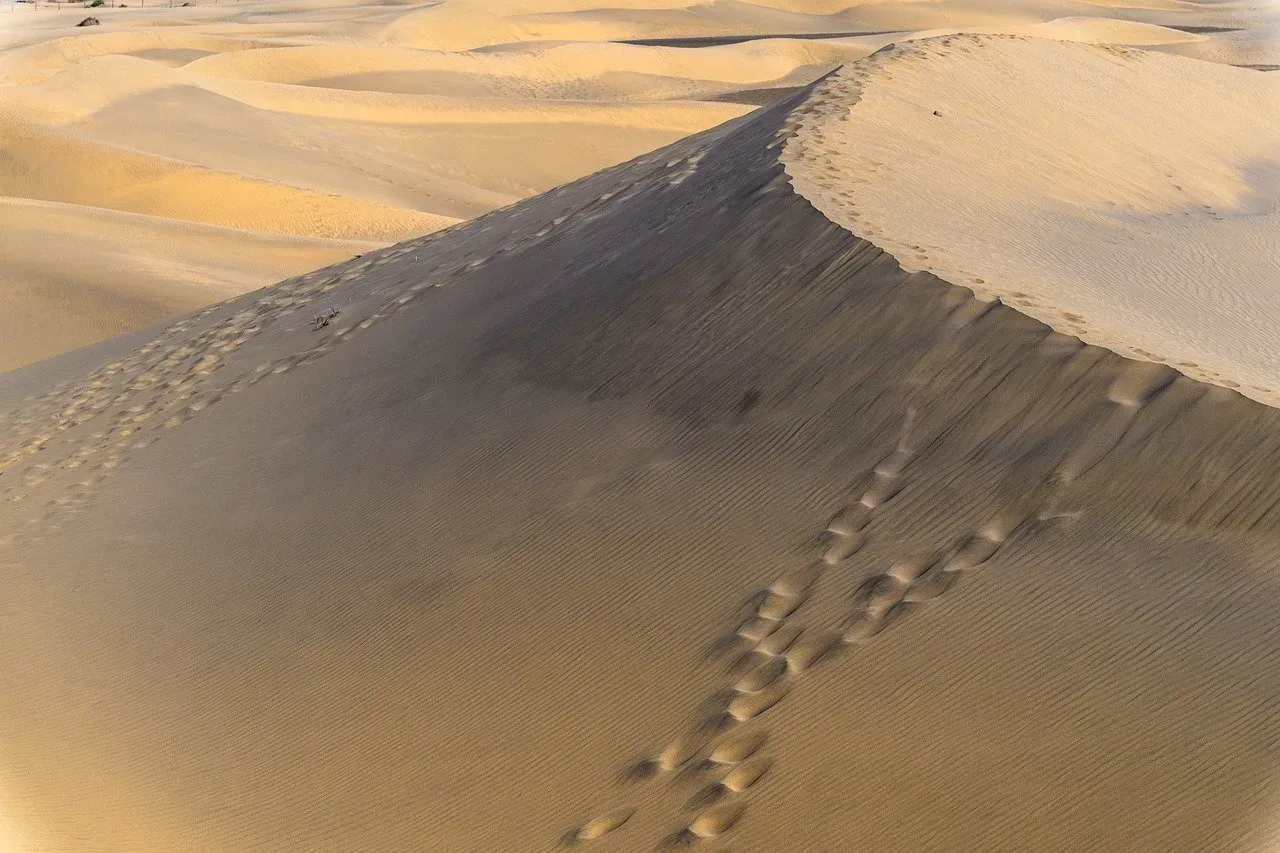
In deserts around the world, from the Mojave to the Sahara to the Gobi, certain sand dunes produce deep, resonant sounds that can last for minutes. The sounds have been described as humming, booming, singing, or even roaring. Some dunes produce notes loud enough to be heard several kilometers away.
For centuries, people attributed these sounds to spirits, buried bells, or supernatural forces dwelling beneath the sand. The phenomenon was documented in Marco Polo’s travels and appears in ancient texts from multiple cultures. Yet the explanation is entirely physical.
The sound occurs when large amounts of sand cascade down the face of a dune. As the grains slide over one another, they create vibrations. When conditions are perfect, these vibrations synchronize into a coherent sound wave. The dune itself acts as a resonating chamber, amplifying the sound.
Several factors must align for the singing to occur. The sand grains need to be round and similar in size. The sand must be dry, the dune must be large enough, and the slope must be steep enough for the avalanche to maintain momentum. Humidity kills the sound because wet sand grains don’t slide past each other cleanly.
Different dunes produce different notes depending on their size, the composition of their sand, and their shape. Scientists have measured frequencies ranging from around fifty to several hundred hertz. It’s essentially a massive musical instrument played by gravity and physics, no ghosts required.
Conclusion: When Nature Outperforms Magic
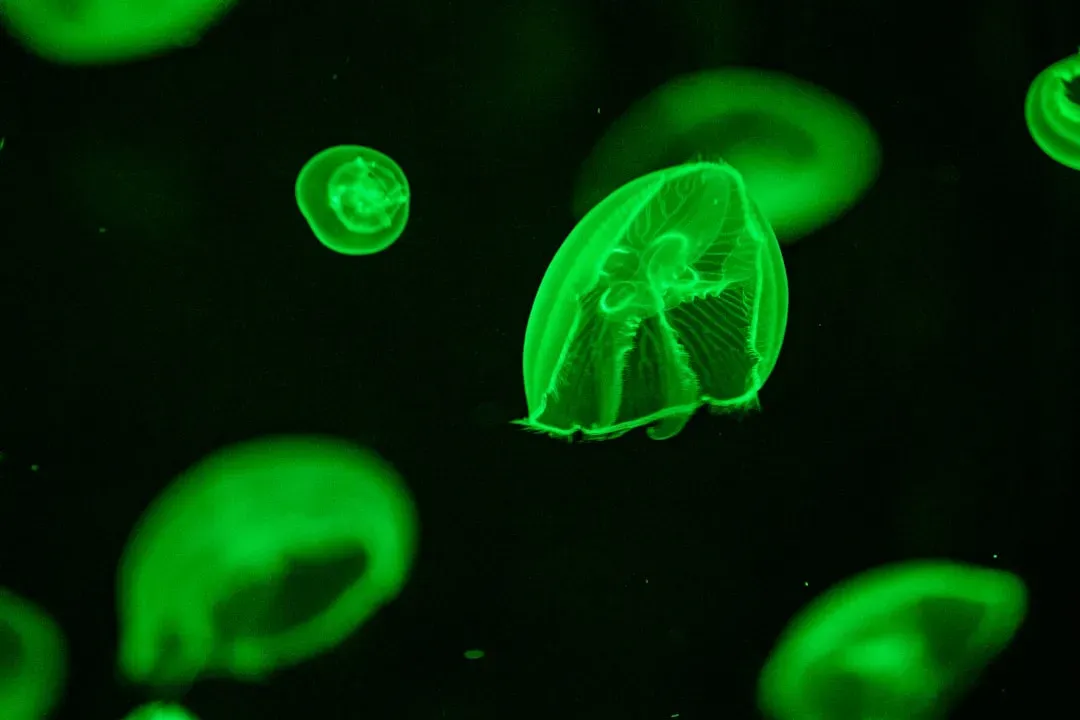
The phenomena we’ve explored might seem supernatural at first glance, yet every single one follows the laws of physics, chemistry, and biology. From glowing plankton lighting up ocean waves to ancient bacteria creating blood-red waterfalls in Antarctica, nature consistently produces spectacles that our ancestors could only explain through myth and magic.
What’s fascinating is how understanding the science behind these events doesn’t diminish their wonder. If anything, knowing that sailing stones need a precise combination of rain, ice, and wind makes witnessing them even more special. Realizing that ball lightning might be vaporized silicon recombining with oxygen adds layers of complexity to an already mysterious phenomenon.
These natural wonders remind us that our planet remains full of surprises. Even in 2026, with all our advanced technology and scientific knowledge, we’re still discovering new things about how the world works. Some phenomena took centuries to explain, and others still puzzle researchers today.
The supernatural and the scientific aren’t really opposites. They’re just different stages of human understanding. What once seemed beyond explanation becomes tomorrow’s textbook material. The magic doesn’t disappear when we learn the mechanism behind it; it just transforms into a different kind of appreciation for the remarkable universe we inhabit.
What do you think? Which of these phenomena would you most want to witness in person?
