
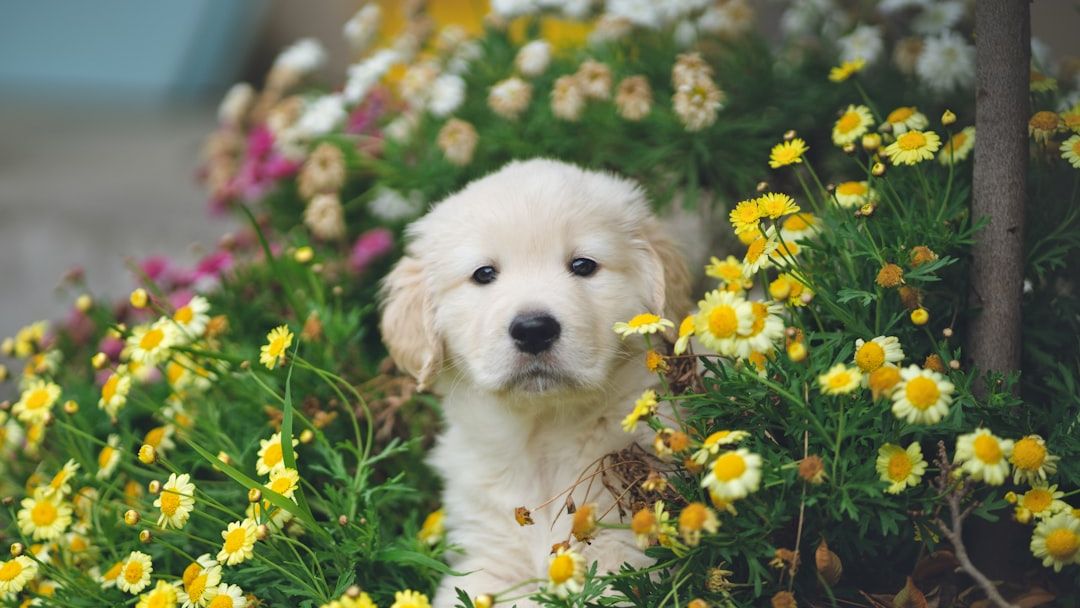
There’s something special about watching a child grow up alongside a loyal dog. That unique bond between kid and canine isn’t just heartwarming, it shapes lives in ways that last long after puppy breath and wiggly tails become distant memories. Thing is, not every breed is built for the chaos of family life. Some dogs get anxious around loud sounds, quick movements, or that unpredictable energy kids naturally bring.
Choosing the right dog means looking beyond adorable puppy photos. You need a breed that can handle accidentally stepped-on paws, surprise hugs, and endless games of fetch without losing patience. The best family dogs possess temperaments that remain steady through all the beautiful mayhem of raising children.
Labrador Retriever

Labs are super smart, gentle, and couldn’t be more family friendly. These dogs seem to understand instinctively what makes kids happy. Whether it’s swimming in the lake during summer or romping through autumn leaves, Labs throw themselves into family activities with boundless enthusiasm.
Playful but patient, Labs forgive the occasional accidental tail pull, making them perfect for households with younger children still learning boundaries. Their eagerness to please translates into relatively easy training, though you’ll need to stay consistent.
One thing to know: these dogs have serious energy levels. Daily exercise is a must well into their adult years. A bored Lab can become destructive, so active families suit them best. They’re not exactly couch potatoes, which honestly is part of their charm.
Their retrieving instincts run deep. Throw a ball, and a Lab will happily fetch until your arm gives out before their enthusiasm does. Their paws are webbed, so they cut through cold water with impressive skill, a trait leftover from their original purpose as fishing companions.
These dogs are loyal and friendly, and they get along well with other pets and people. That social nature means Labs typically welcome your children’s friends without suspicion or aggression. Though weekly brushing helps, expect seasonal shedding that leaves fur on everything you own.
Golden Retriever
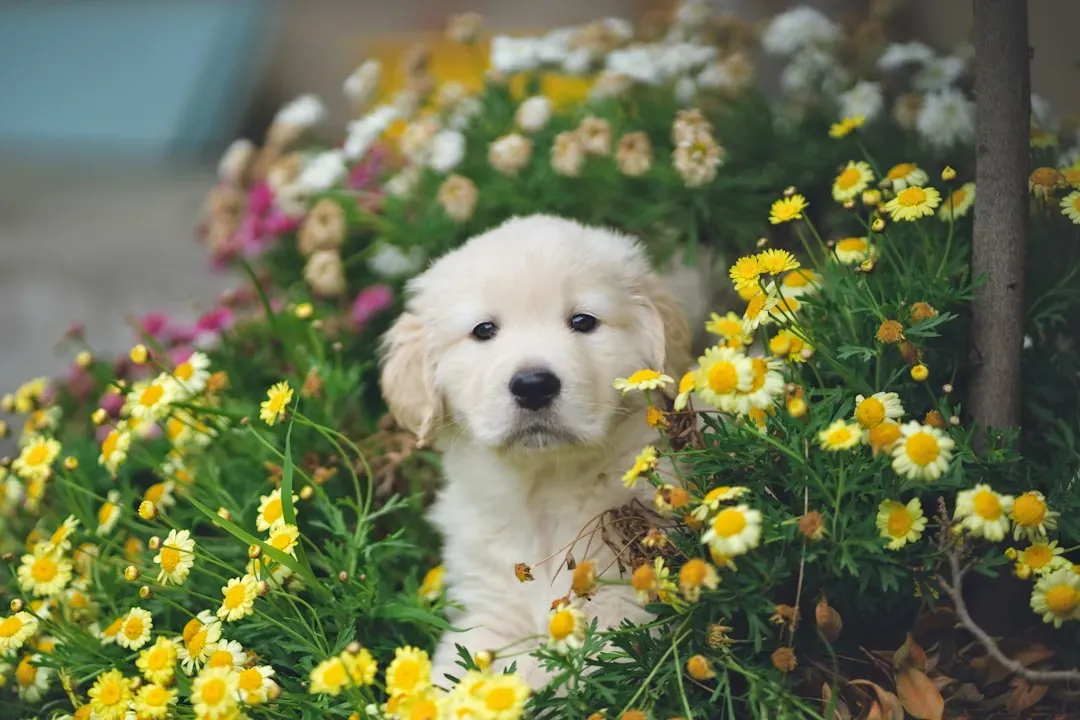
Honestly, if there’s a breed that embodies pure kindness, it’s the Golden Retriever. Golden Retrievers are known for their calm and kind personality. There’s something about their gentle eyes and patient demeanor that makes them naturals around children of all ages.
Legendary for their “soft mouth” (able to carry a raw egg without breaking it), they may adapt energy from wild backyard zoomies to quiet, soothing cuddles with a timid toddler. That versatility proves invaluable in busy households where moods and energy levels shift constantly throughout the day.
These dogs possess remarkable emotional intelligence. They sense when a child needs comfort versus when it’s time for play. Golden retrievers seem to have kindness built right into their DNA. Their gentle, steady nature makes them one of the most beloved family dogs.
Training Goldens feels almost effortless compared to more stubborn breeds. They genuinely want to please their humans, responding well to positive reinforcement. Still, they require regular exercise and mental stimulation to stay happy.
They typically live 10-12 years and are prone to cancer and hip problems that families should understand before committing. Weekly grooming sessions help manage their beautiful coats, which shed year-round with heavier periods seasonally.
Beagle

Beagles are curious, cheerful, and surprisingly sturdy for their size. They love being in the thick of family life and thrive on attention and play. Their compact build makes them manageable for families living in smaller spaces without sprawling yards.
These hounds possess an infectious enthusiasm for life. Watch a Beagle explore the backyard, nose to the ground, and you’ll see pure joy in action. Their size, energy, and friendly nature make them wonderful companions for children.
Let’s be real, Beagles have personalities that can’t be ignored. They’re vocal dogs who aren’t shy about howling when excited or alerting you to…well, pretty much anything. That strong nose sometimes gets them into trouble, especially around unattended food.
They get along well with other pets and are known for their gentle temperament with children. Their pack mentality translates beautifully to family dynamics, where they view everyone as part of their group.
One quirk worth mentioning: Beagles can be stubborn during training. Their hunting instincts mean interesting scents often prove more compelling than commands. Patient, consistent training works best, ideally starting young.
Newfoundland
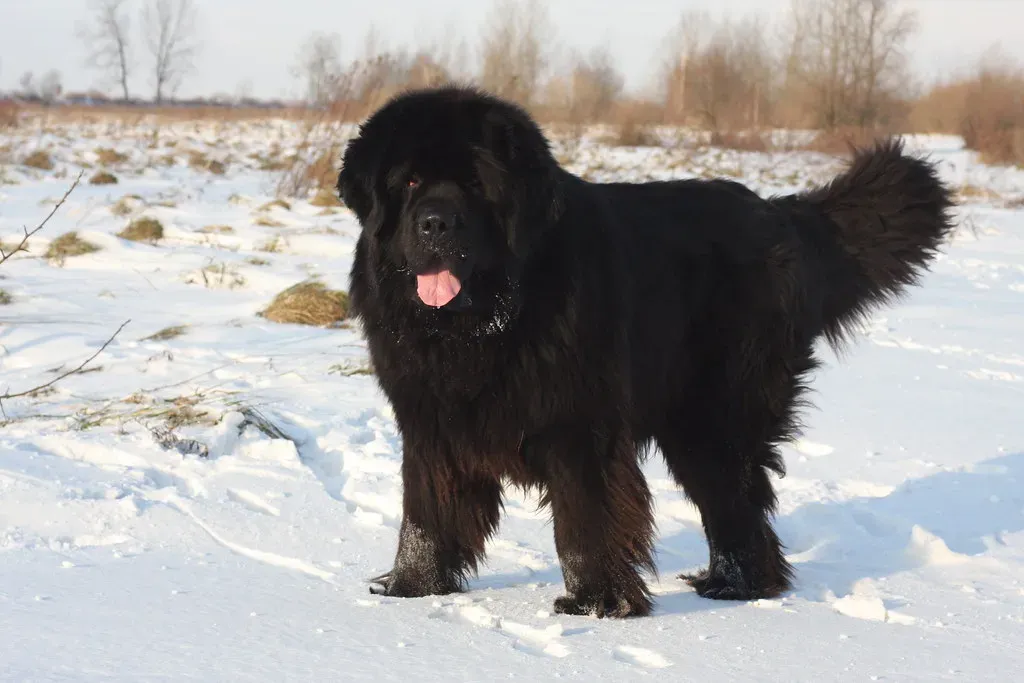
The gentlest of giants, the Newfie may look like a wild bear, but its disposition is pure teddy. They’re sweet and devoted, especially to children, often assuming the role of nanny dog. Their reputation as natural caregivers isn’t just marketing hype.
These massive dogs possess an almost supernatural patience with kids. They may be huge, but they are also gentle and protective of children. Watching a Newfoundland carefully position themselves near playing children, ready to intervene if things get too rough, reveals their protective instincts.
Loving and people-oriented, Newfies rate a 5 out of 5 for being good with young children and being affectionate with the family. That maximum rating speaks volumes about their temperament consistency across individual dogs.
Here’s the thing: young Newfoundlands need training around their size. Young Newfies are clumsy when it comes to their size and can easily hurt a small child without meaning to. They simply don’t realize how much space they occupy or their own strength.
Space requirements and grooming needs run high with this breed. They drool, they shed, and they need regular coat maintenance. Newfies are intensely social and don’t do well if left alone for long periods of time.
Cavalier King Charles Spaniel
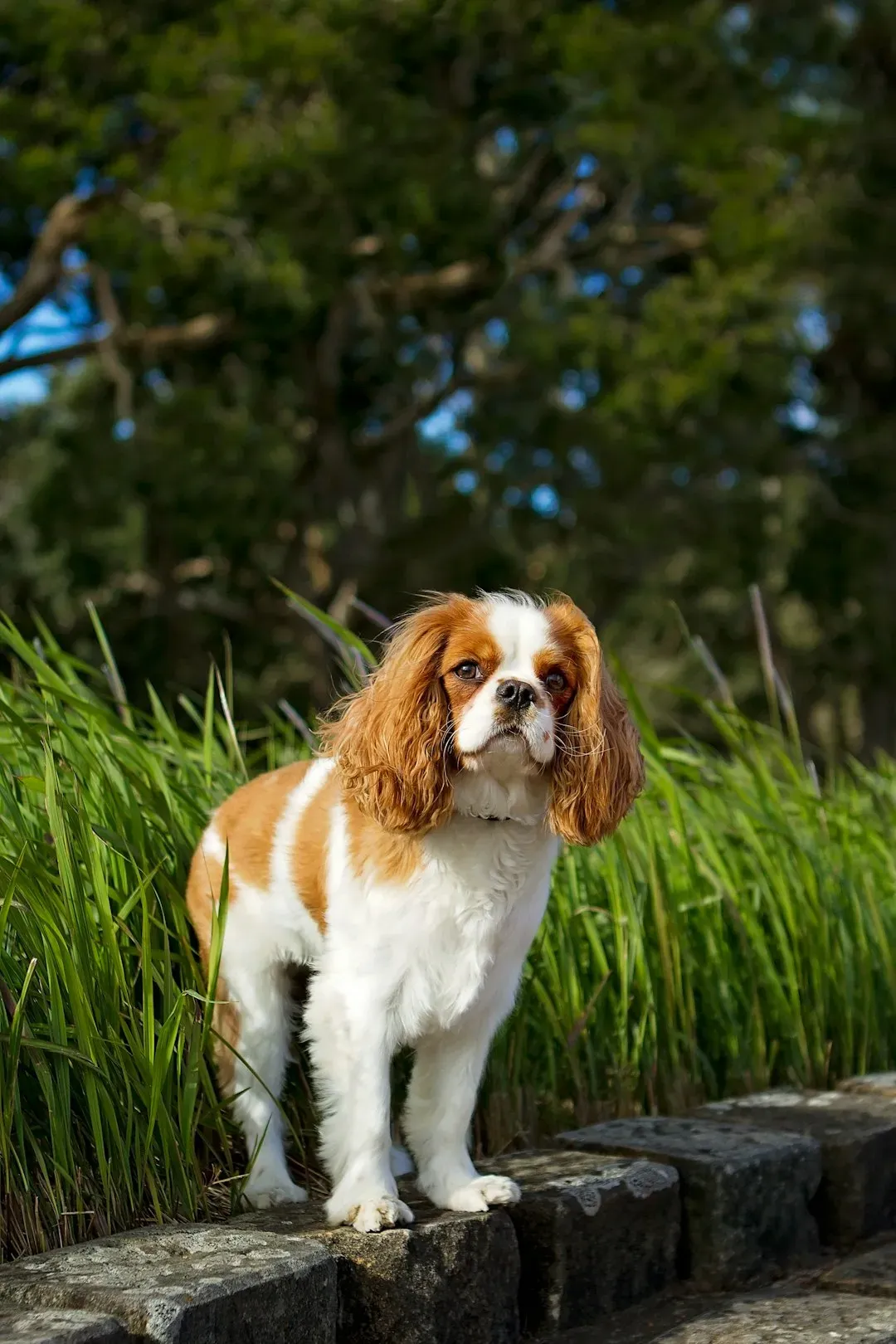
Cavalier King Charles Spaniels are widely regarded as one of the gentlest companion breeds and are known for being tolerant and patient with children. Cavaliers are typically friendly, calm, and rarely show aggression. Their small size makes them less intimidating for younger kids still learning to interact with dogs.
These spaniels were literally bred for centuries to be companions. For hundreds of years, these dogs were bred to sit next to kings and queens and just be comforting. You can still see that in how they attach themselves to their families today.
Their affectionate, gentle nature makes them a good fit for homes with young kiddos. Cavaliers adapt beautifully to various living situations, whether apartment or house, active or relaxed household. They’re equally content playing or cuddling.
Training comes easily with these eager-to-please dogs. Cavaliers are cheerful and easily trained, especially when food is around. That food motivation makes teaching new behaviors straightforward for even first-time dog owners.
Their silky coats require regular brushing to prevent matting. These dogs form incredibly strong bonds with their families, sometimes to the point of developing separation anxiety. They genuinely prefer constant companionship.
Collie
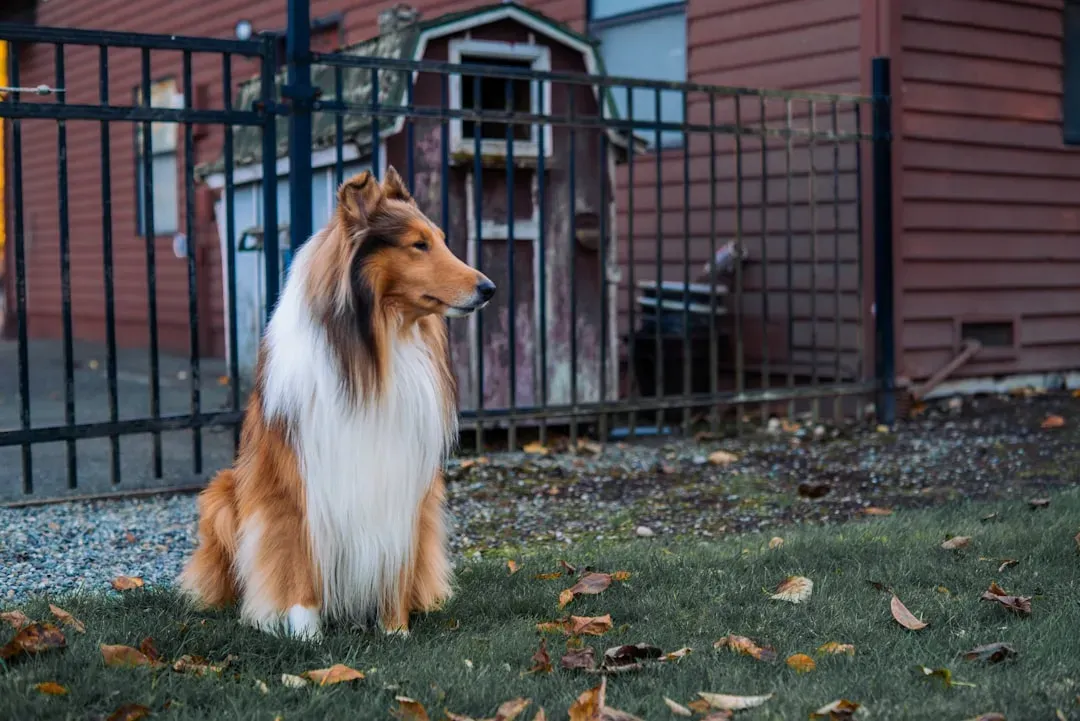
They’re loyal, affectionate family companions who are usually great with kids and love to play. The Lassie legend wasn’t built on fiction. Real Collies possess that same devotion and gentle watchfulness their fictional counterpart made famous.
Collies link closely with their “flock” – your household – and tend to watch over everyone with a gentle but alert presence. That herding background means they often position themselves where they can monitor all family members simultaneously.
These intelligent dogs excel at reading situations. They know when children are playing safely versus when intervention might be needed. Collies are calm and protective without being overbearing. Their patience and affectionate nature make them one of the friendliest family dogs around.
Training Collies proves relatively straightforward given their intelligence. Collies do tend to display typical herding behaviors, but they are relatively easy to train. Sometimes they might try herding running children, a behavior that needs gentle correction.
Their gorgeous coats require regular maintenance. Weekly brushing prevents tangles and manages shedding. These dogs thrive in active families where they receive both physical exercise and mental challenges.
Bernese Mountain Dog
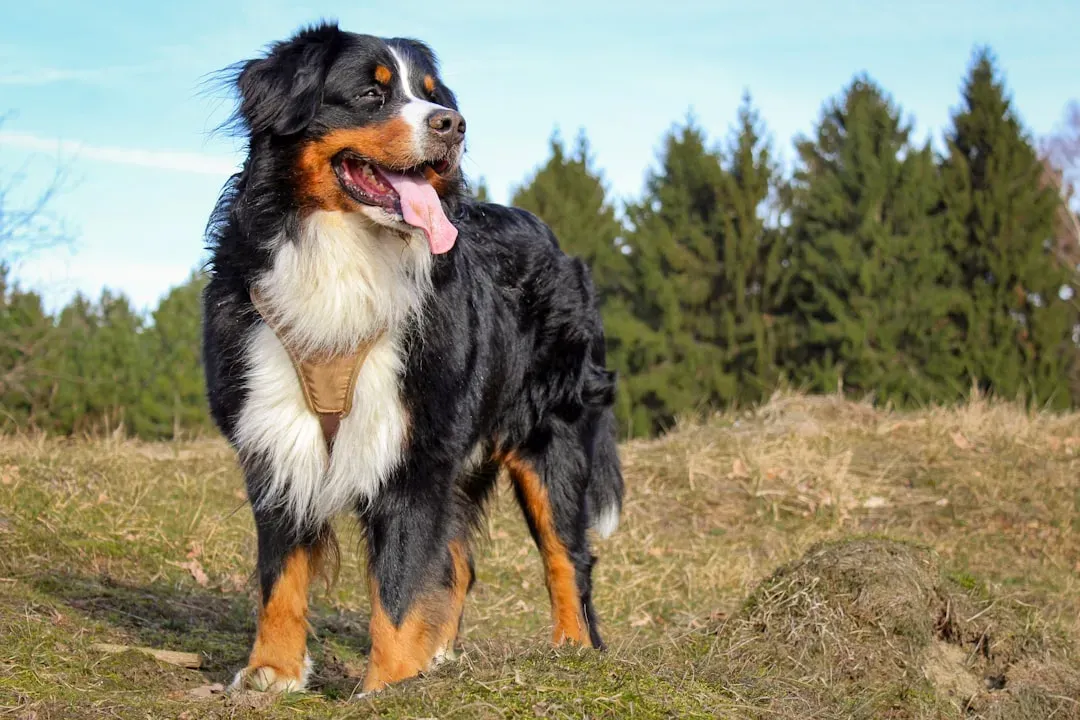
Bernese Mountain Dogs are calm, loving, and great with children. Even though they are large, they are gentle and patient. Their combination of size and temperament creates impressive guardians who wouldn’t hurt a fly unless their family faced genuine danger.
These striking dogs with their tri-color coats originally worked on Swiss farms. That working heritage translates to dogs who want purpose and inclusion in daily family activities. Berners are strong, sturdy dogs that are particularly gentle with children. Though bred for hard work, they have a soft and affectionate nature.
I think what surprises people most about Bernese Mountain Dogs is how they balance activity levels. They’re equally content hiking mountain trails or lounging indoors during movie night. That adaptability suits families with varying energy throughout the week.
Their size requires adequate space and comes with shorter lifespans than smaller breeds, something families should consider before committing. Regular grooming maintains their beautiful double coats, which shed heavily.
Their size requires space, but their personality is perfect for families who want a large, gentle dog. Watching these gentle giants interact carefully with small children reveals their natural awareness and control.
Boxer
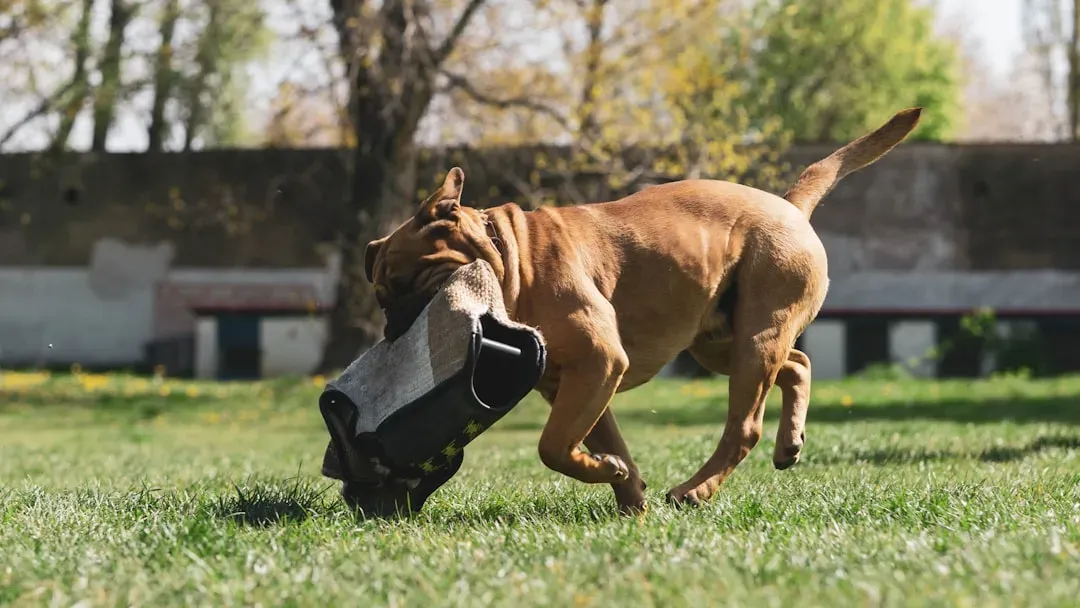
Boxers are known for their high energy and goofy personalities. They love to play and often mirror the lively spirit of children. Their enthusiasm for life proves infectious, turning ordinary backyard time into adventures.
With a protective yet gentle nature towards children, this breed is the perfect family dog in a noisy, playful, and all-out messy home. They don’t get rattled by chaos, instead seeming to thrive in households where something’s always happening.
These dogs possess boundless playfulness well into adulthood. They behave puppylike for most of their lives, even earning the name “Peter Pan” dogs since they refuse to grow up! That perpetual puppy energy means families need to commit to daily exercise and play.
These lovey-dovey powerhouses are also patient and protective, earning them high praise as kid-friendly pets. Smart and loyal, they’re as easy to train as they are eager to cuddle.
Training should emphasize appropriate play behaviors early. Boxers get their name from their tendency to stand on their haunches and “punch” with their front paws, a behavior that needs management around small children. Their short coats require minimal grooming maintenance.
Irish Setter
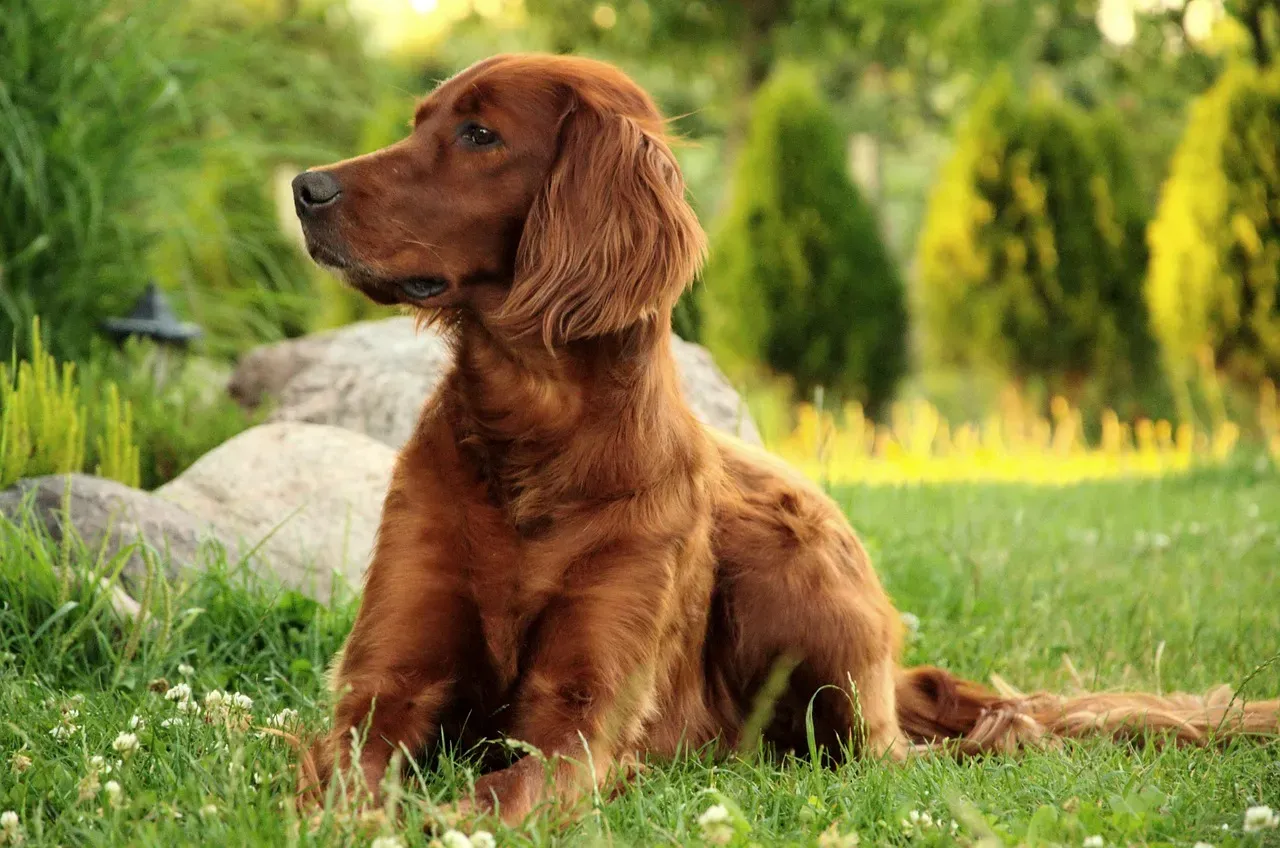
Known for their striking red coats and joyful personalities, these dogs thrive in active environments. Irish Setters bring an almost contagious zest for life that energizes entire households.
Lively, loving, and social, the Irish Setter is always ready to play. They thrive in active households and are known for forming strong, joyful bonds with their families. These aren’t dogs for sedentary lifestyles. They need families who genuinely enjoy outdoor activities.
Their friendly disposition extends beyond immediate family. Irish Setters make good family dogs. They are great with kids of all ages and other pets, welcoming visitors with enthusiastic greetings rather than suspicion.
Exercise requirements run high with this sporting breed. Long walks, running, hiking, or fetch sessions should happen daily. Without adequate physical activity, Irish Setters can become restless and potentially destructive.
The beautiful, lovable Irish Setter combines a friendly disposition with a willingness to play all day. These gentle, sensitive pets are a good dog breed for kids of all ages, including babies. Their sensitivity means they respond best to positive training methods rather than harsh corrections.
Conclusion
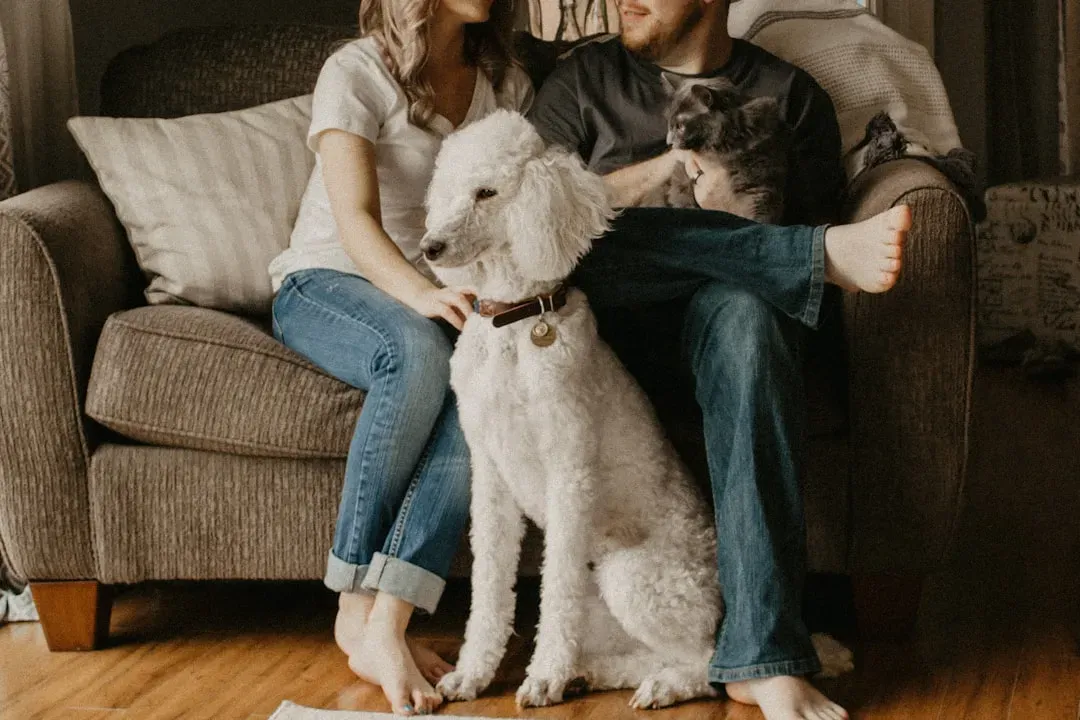
Finding the right dog for your family isn’t about choosing the most popular breed or the cutest puppy. It’s about matching temperament, energy levels, and care requirements with your household’s reality. The breeds we’ve explored share common traits: patience with children’s unpredictability, gentle dispositions that stay steady through chaos, and genuine enjoyment of family life.
Every dog, regardless of breed, needs proper socialization and training from puppyhood. Even naturally gentle breeds benefit from learning boundaries and commands. Teaching children how to respectfully interact with dogs matters just as much as selecting a kid-friendly breed.
The bond between a child and their dog creates memories that shape who they become. Dogs teach empathy, responsibility, and unconditional love in ways few other experiences can match. Which of these gentle breeds sounds like the perfect fit for your family?

- What a Horse Does When Its Favourite Person Walks Into the Yard: 14 Signs Riders Rarely Notice - August 3, 2026
- 18 Things a Horse Does for Its Chosen Rider That It Will Never Do for Anyone Else - August 3, 2026
- 17 Dog Breeds That Have Quietly Vanished From Neighbourhoods Where They Were Once Everywhere - August 3, 2026