
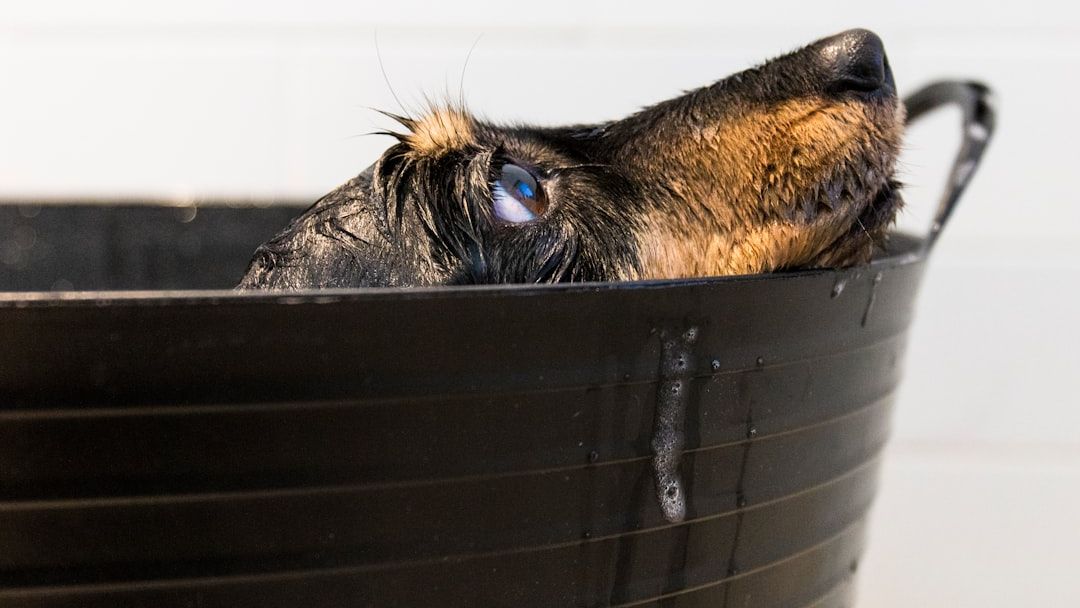
Getting your first dog is one of those experiences that fills your life with joy, fur, and let’s be real, a whole lot of responsibility you probably didn’t see coming. You’ve bought the toys, picked out the perfect bed, and stocked up on treats. Then reality hits when you realize grooming isn’t just about making your pup look cute for social media posts. It’s about their health, comfort, and honestly, preventing some pretty uncomfortable situations down the line. Yet, so many first-time dog owners stumble into the same grooming traps.
Here’s the thing: grooming mistakes are incredibly common, even among people who genuinely care about their pets. Sometimes it’s because nobody tells you the right way to do things. Other times, you’re just following what seems logical from a human perspective, which doesn’t always translate well to our four-legged friends. The good news? Most of these mistakes are completely avoidable once you know what to look for. So let’s dive in and explore the grooming pitfalls that trip up new dog owners time and time again.
Brushing Only The Surface
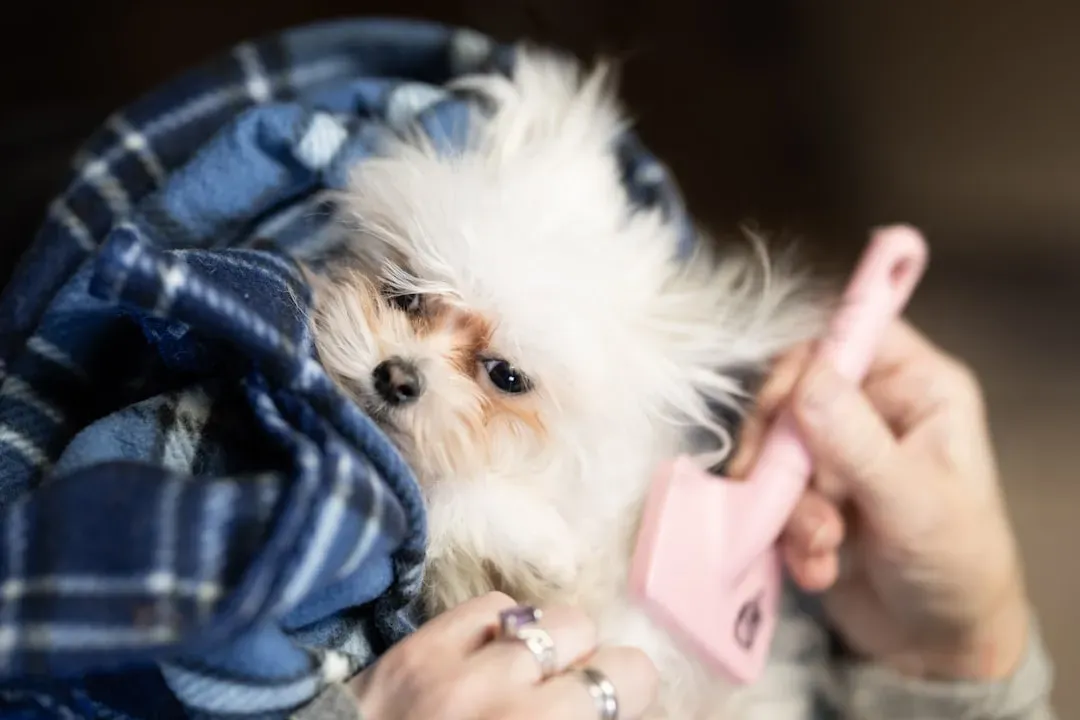
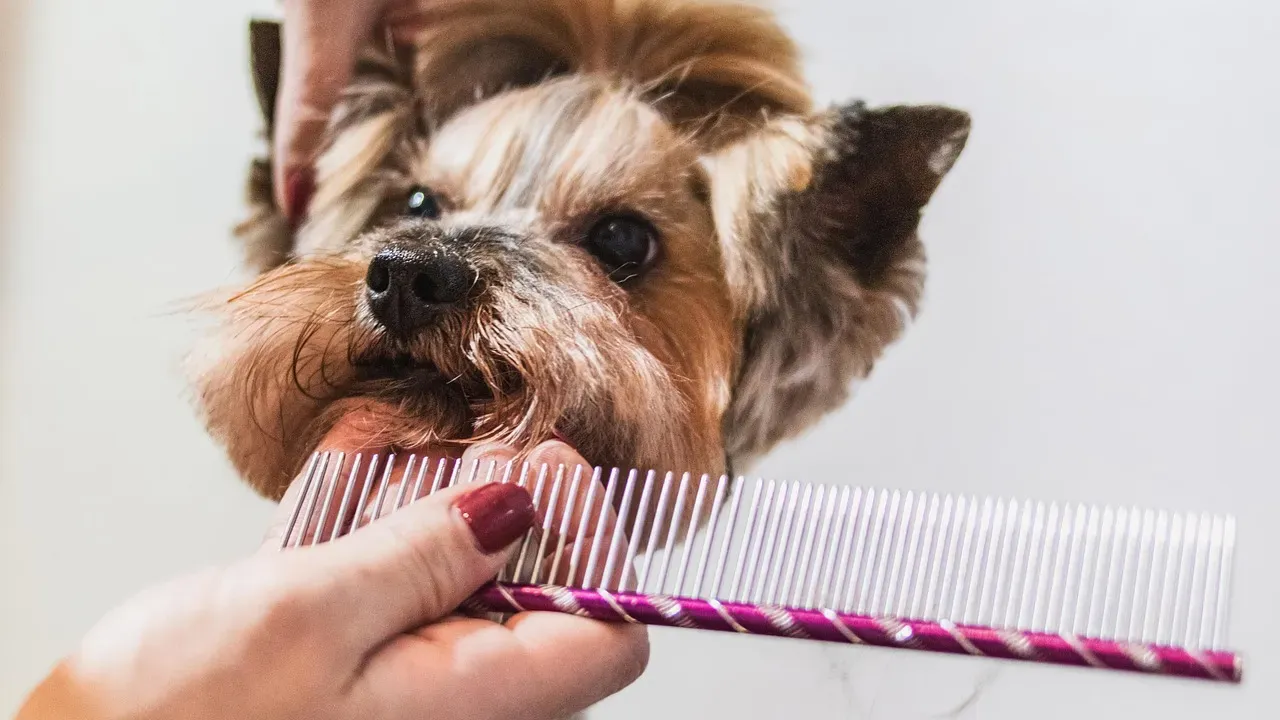
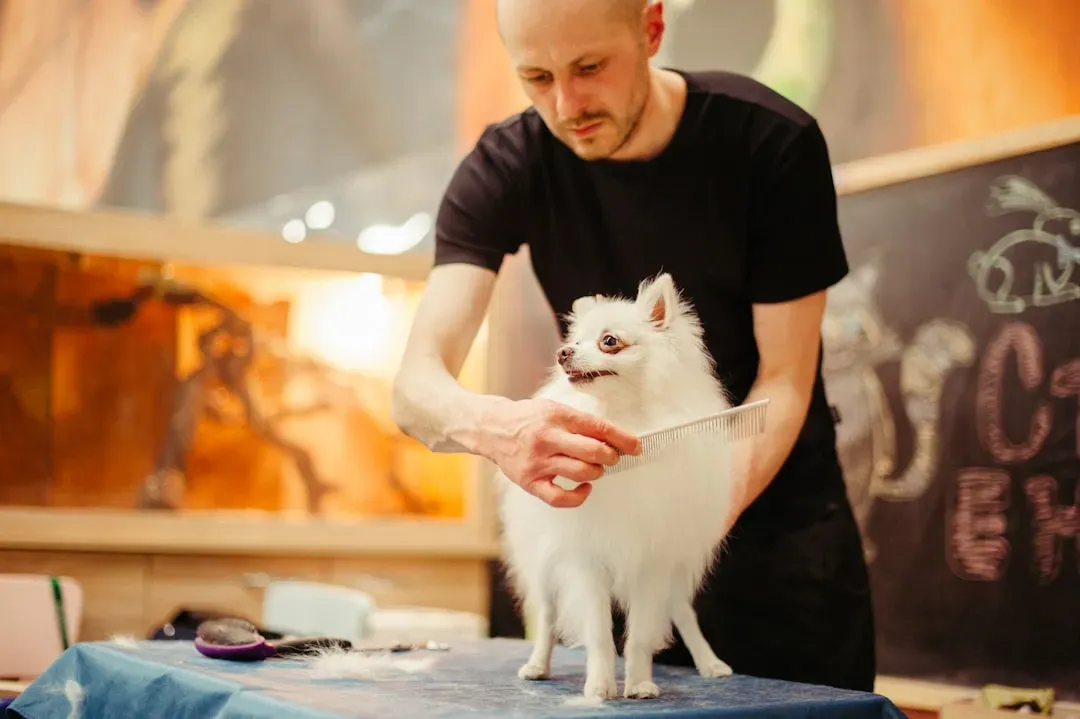
You grab a brush, run it over your dog’s back a few times, and call it done. Seems efficient, right? Wrong. The biggest mistake people make is not combing with a wide toothed metal comb after brushing, as many mats can be left behind in the dog’s coat. What looks fine on the surface can hide a tangled mess underneath, especially for breeds with thick or double coats.
Think of it like this: you’re only dealing with the top layer while everything beneath is slowly turning into felt. Those hidden tangles become painful mats that pull at your dog’s skin. Running a comb through their fur and being able to see their skin is key to ensuring your dog doesn’t get shaved down at the groomers.
I know brushing can feel like a chore when you’re tired after work. Still, spending just a few extra minutes to brush thoroughly can save your pup from serious discomfort. Use that metal comb to check your work, particularly around the armpits, behind the ears, and along the belly where mats love to hide.
Bathing Way Too Often
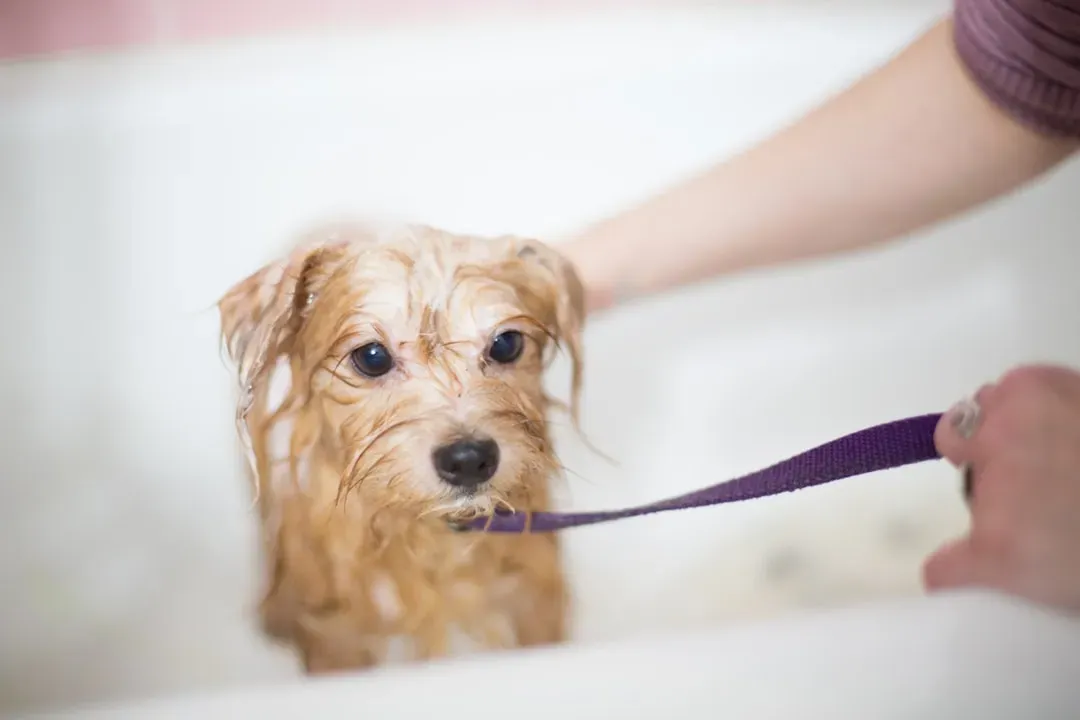
There’s something satisfying about a freshly bathed dog that smells like lavender or coconut. The temptation to bathe them weekly is real, especially if they love rolling in things they shouldn’t. Yet this well-intentioned habit actually harms more than it helps.
Daily baths strip your dog’s coat of its natural oils and can make dry skin even worse. Your dog’s skin produces oils that keep their coat healthy and protected. Wash those away too frequently and you’re left with a pup that’s itchy, flaky, and uncomfortable. Barring any skin issues, bathing your dog once a month should be sufficient.
Of course, some dogs need more frequent baths than others depending on their lifestyle. A dog who spends weekends hiking through muddy trails obviously needs more cleaning than one who lounges on the couch all day. Just pay attention to how their skin reacts and adjust accordingly.
Skipping The Pre-Bath Brush
Picture this: your dog’s coat has a few tangles, nothing too serious. You figure the bath water will loosen things up, making brushing easier afterward. Unfortunately, that logic works perfectly in reverse of what actually happens.
Improper bathing techniques can cause a dog’s fur to become matted. It will become very difficult to brush out your dog once matted this way. Dogs with matted fur should never be washed without first brushing the fur to remove the mats. Water causes existing tangles to tighten and compress into solid mats that are nearly impossible to remove without scissors.
The solution is simple but requires a bit of patience. Brush your dog thoroughly before bath time, working through any tangles or loose hair. Your future self will thank you when you’re not wrestling with a wet, matted mess that’s causing your dog pain every time you try to comb through it.
Using Human Shampoo
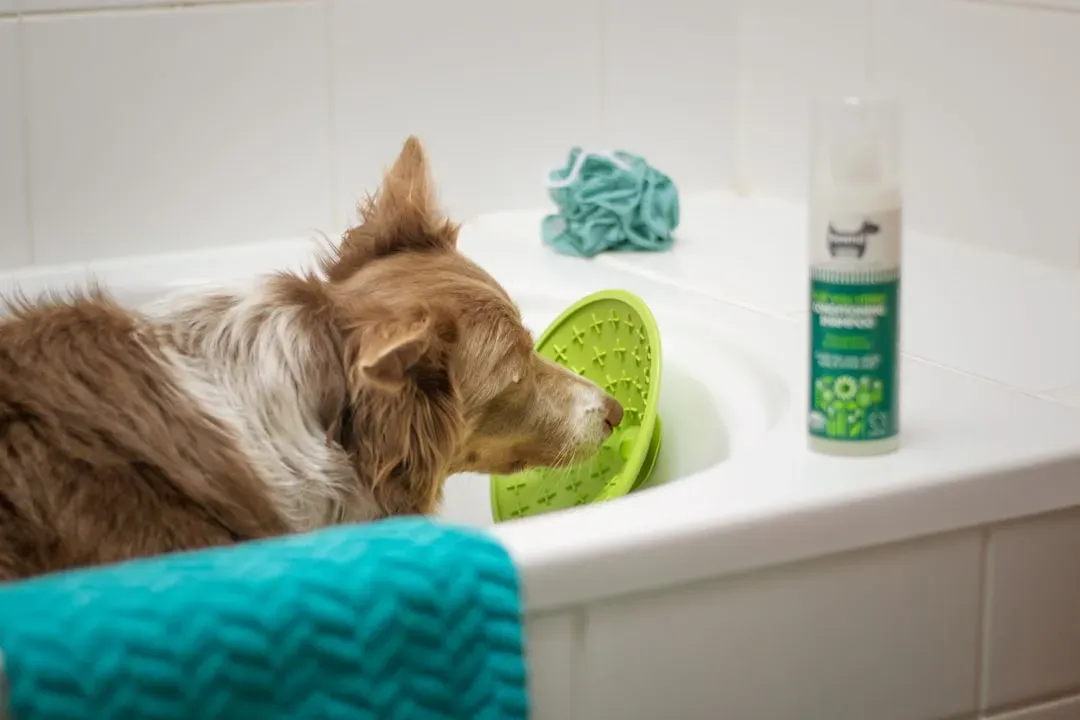
It’s late, you’ve run out of dog shampoo, and your pup desperately needs a bath. Your own shampoo is sitting right there in the shower, smelling fantastic. What’s the harm in using it just this once? Turns out, quite a bit.
The most common error is using human shampoo on dogs. Dogs’ skin has a different pH level than human skin, and our shampoos are too harsh for them, stripping natural oils and disrupting their skin’s protective barrier. What works perfectly for your hair can leave your dog with irritated, dry, flaky skin.
Dog-specific shampoos are formulated to match the pH of canine skin. They clean effectively without causing the damage human products can inflict. Honestly, it’s worth keeping an extra bottle of dog shampoo on hand to avoid the temptation of reaching for your own. Your dog’s skin will stay healthier, and you’ll avoid dealing with itching and irritation that could have been prevented.
Shaving Double-Coated Breeds In Summer
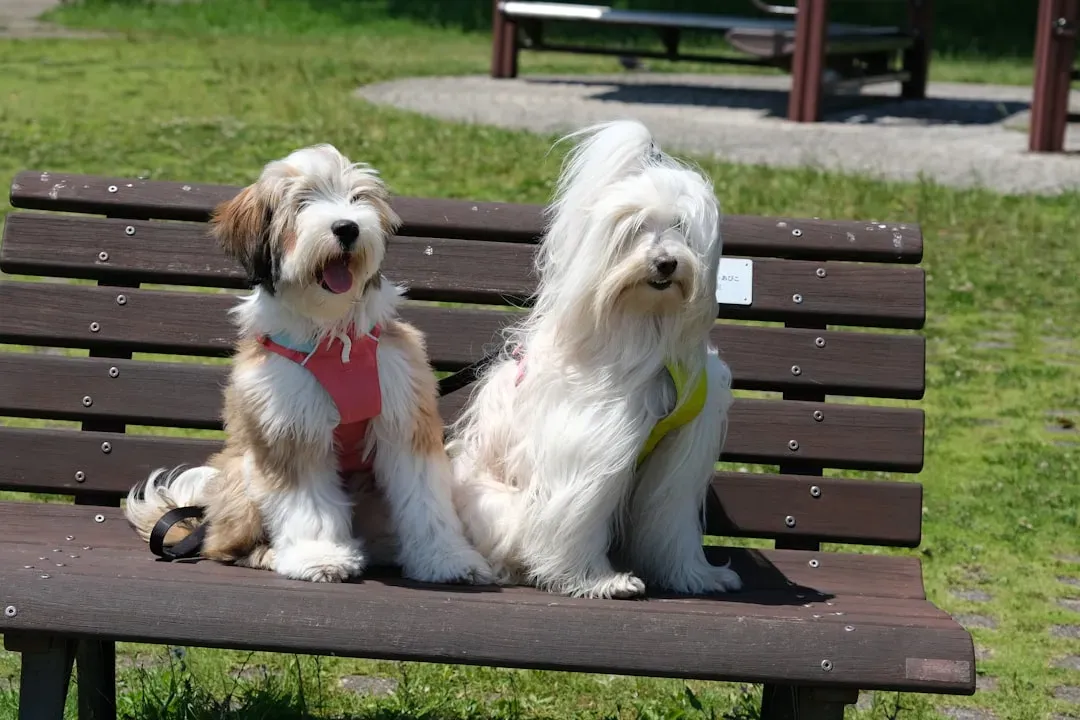
Summer arrives with its blazing heat, and you look at your Husky or Golden Retriever thinking they must be miserable under all that fur. Shaving them down seems like a kind gesture to help them stay cool. Here’s where good intentions go wrong in a big way.
Shaving your pet during warm-weather months is usually unnecessary, for three reasons: It can make them more prone to sunburn. It can interfere with their natural body temperature regulation. Dogs with undercoats, like German Shepherds, Huskies, Pomeranians, and Chows, among others, are very efficient at trapping air within their undercoat, which helps keep them cool in the summer and warm in the winter.
That double coat acts like insulation, working both ways depending on the season. Remove it and you’ve stripped away their natural cooling system, exposing their skin to harmful UV rays. The coat may also grow back patchy or with a different texture. Instead of shaving, focus on regular brushing to remove loose undercoat and keep air flowing through their fur.
Letting Water Get In Their Ears
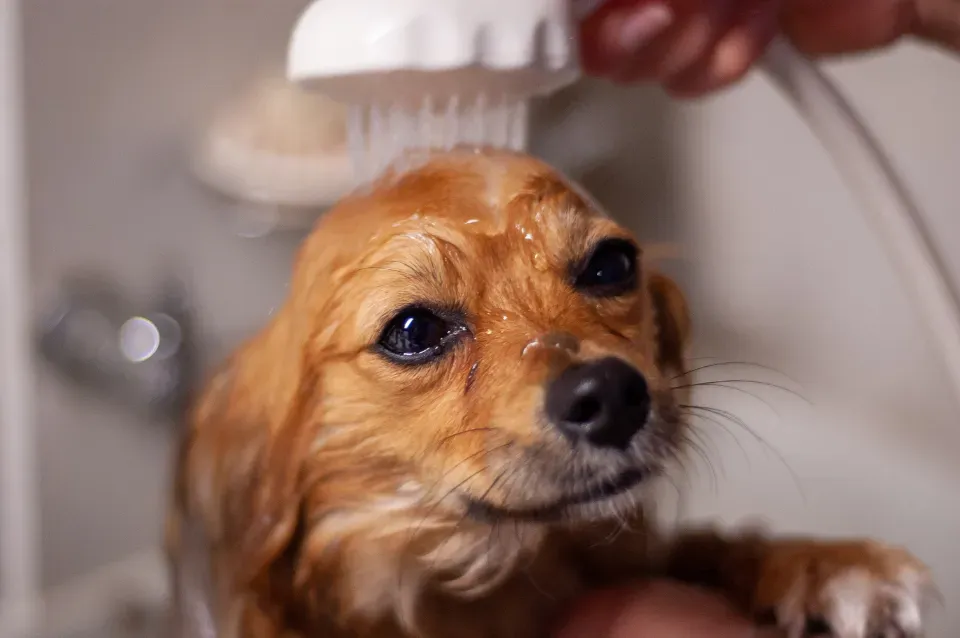
Bath time involves water everywhere, and it’s easy to accidentally splash some into your dog’s ears while rinsing their head. No big deal, right? Actually, this creates the perfect environment for bacteria to throw a party in your dog’s ear canals.
Water that enters the ear canal creates the perfect environment for bacteria to grow, often resulting in painful ear infections. If not promptly treated, an ear infection can lead to swelling, irritation, and discomfort for your pet. The vertical shape of a dog’s ear canal makes it particularly easy for moisture to get trapped inside.
To prevent water from entering your pet’s ears, form a barrier with cotton balls. Place them gently in your dog’s ears before bath time, and remove them once you’re finished. For washing their face, use a damp washcloth instead of direct water. These small adjustments make a huge difference in preventing painful infections.
Cutting Nails Too Short
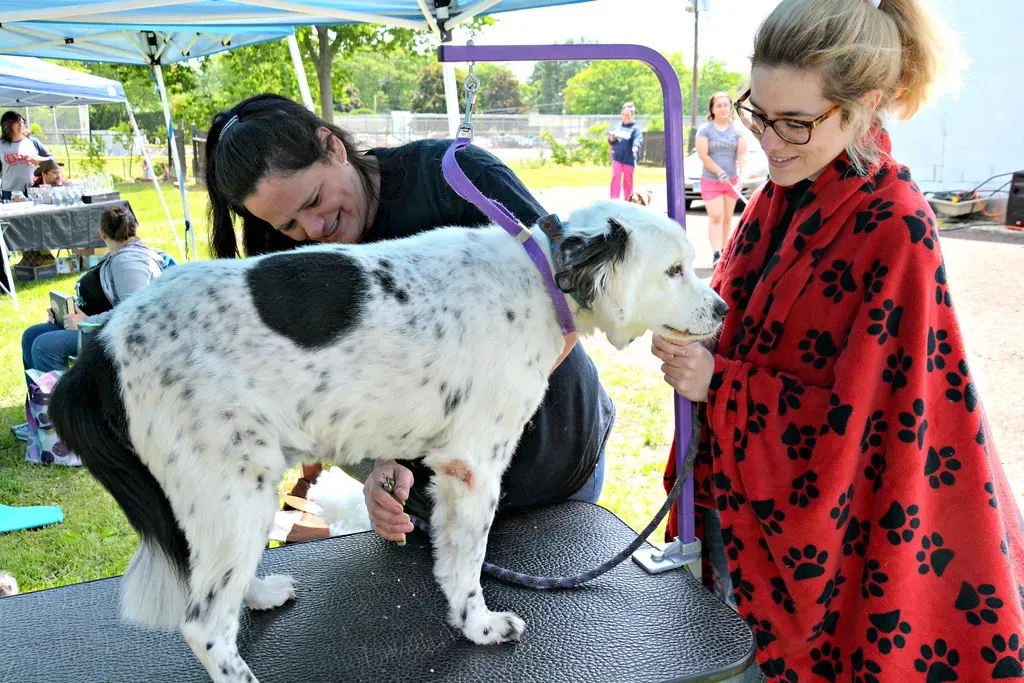
Nail trimming ranks high on the list of grooming tasks that stress out both dogs and their owners. You’re nervous about hurting them, they’re wiggling around, and in the rush to get it over with, you cut too deep. The quick starts bleeding, your dog yelps, and now they’re terrified of nail trims forever.
Rushing the nail clipping process can increase the risk of accidentally clipping your pet, resulting in bleeding and pain. That blood vessel running through each nail, called the quick, is incredibly sensitive. Cut into it and you’ve created a painful, bloody situation that teaches your dog to fear the nail clippers.
To avoid this, trim small sections of the nail at a time and keep a styptic powder on hand to stop any bleeding if you accidentally cut the quick. Go slowly, offer treats and praise, and stop if your dog becomes too stressed. It’s better to trim a little bit frequently than attempt to take off a lot at once and risk disaster.
Not Rinsing Thoroughly Enough
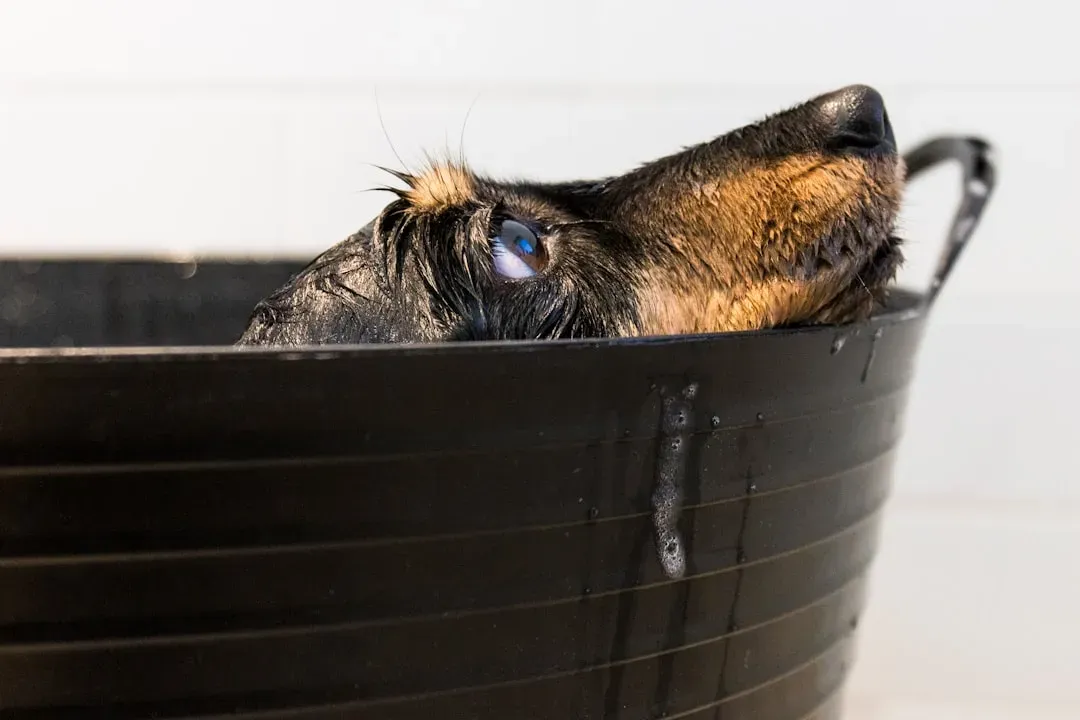
You’ve shampooed your dog, they’re all sudsy and clean-smelling, and you give them a quick rinse. The water runs clear pretty fast, so you figure that’s good enough. Problem is, shampoo residue is sneaky and loves to hide in thick coats where you can’t see it.
Poor rinsing can lead to serious skin irritation, hair loss, matted fur and other problems. However, if you do a poor rinse job when giving your dog a bath, shampoo residue could cause skin problems ranging from flakiness to irritation to infections. That leftover soap sits against your dog’s skin, causing itching, dryness, and potentially more serious issues.
To make sure your dog’s coat is thoroughly rinsed after shampooing, use a decent amount of water pressure to ensure the water penetrates the layers of their coat. Continue rinsing until you stop seeing any bubbles coming from their fur–then rinse a little more. Run your hands through their coat while rinsing to feel for any slippery spots that indicate leftover shampoo. It takes longer than you think, particularly for thick-coated breeds.
Neglecting Dental Care
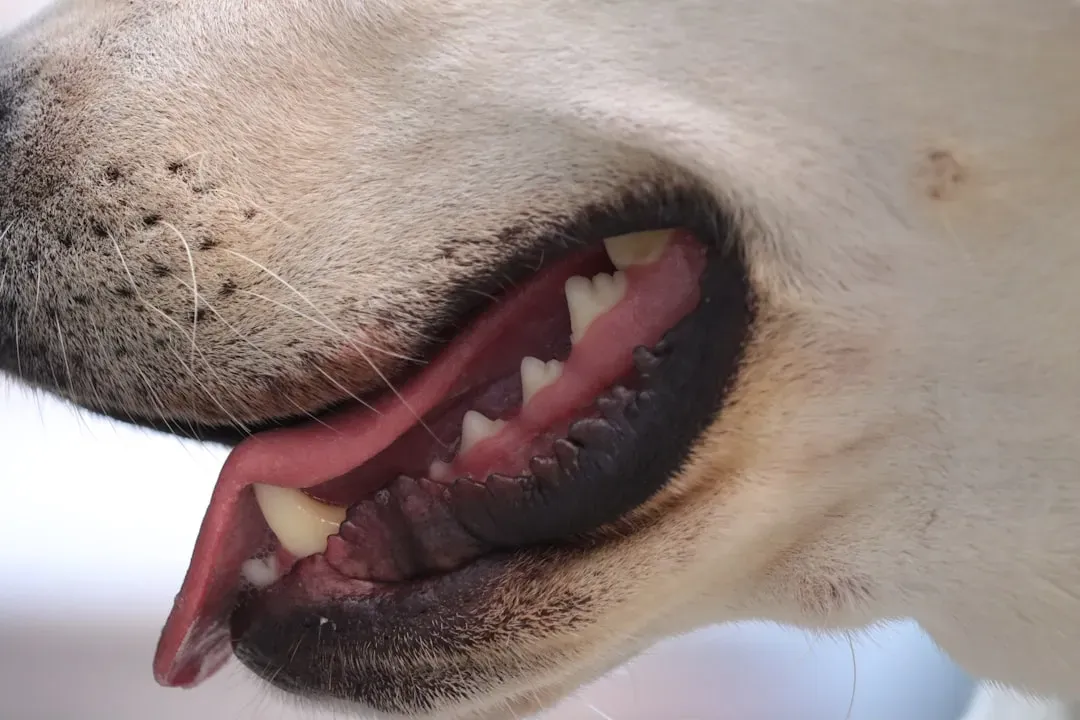
Grooming tends to focus on the outside of your dog, the parts everyone can see. Teeth often get overlooked until bad breath becomes impossible to ignore or a vet points out dental disease during a checkup. By then, the damage is already underway.
Dental hygiene is a vital yet often neglected aspect of dog grooming. Poor dental care can lead to plaque build-up, gum disease, and even more serious health issues. We’re not just talking about cosmetic concerns here. Bacteria from dental disease can spread through the bloodstream and affect your dog’s heart, liver, and kidneys.
Ideally, you should brush your dog’s teeth several times a week using a dog-specific toothpaste and toothbrush. Start slow if your dog isn’t used to it, maybe just rubbing their gums with your finger at first. Work up to using a brush and dog toothpaste (never human toothpaste, which can upset their stomach). The earlier you start this habit, the easier it becomes for both of you.
Forgetting To Brush After Bathing
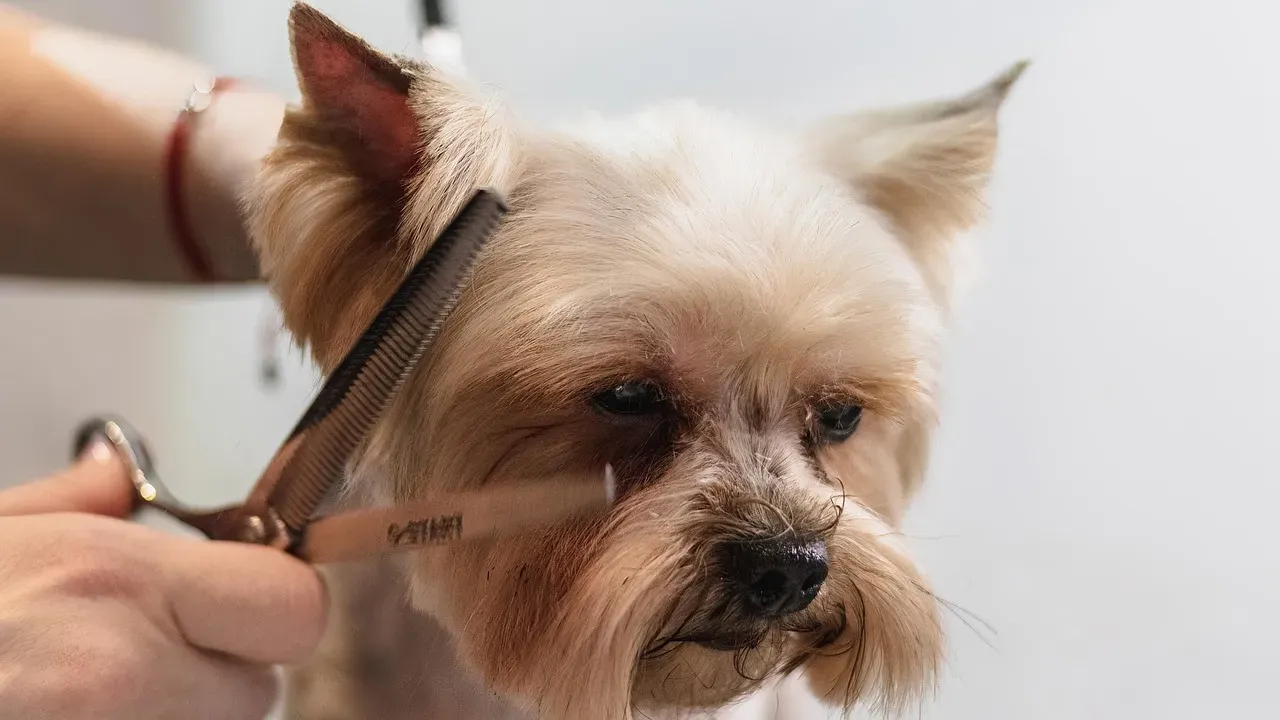
The bath is done, your dog is mostly dry, and you’re exhausted from wrestling a wet, squirmy animal. Brushing feels like an optional extra step you can skip. Not quite. This will be much easier and more painless if you’ve brushed beforehand, and it’s important because the bathing process can loosen more dead hair. These hairs can get tangled in the coat if they’re left there, so remember that brushing is always a before and after activity.
That post-bath brush removes all the dead hair that loosened up during washing. Leave it in there and it tangles with the existing coat, creating new mats you’ll have to deal with later. The coat is also at its most vulnerable when wet, making it prone to tangling.
It is also important to towel dry the dog gently by patting or squeezing dry after bathing and not vigorously rubbing the coat so as not to cause friction between the hairs. Always completely dry the fur with a cool setting on a hair dryer. Never air-dry a dog with long fur, as this is a recipe for matting disaster. Brush gently while drying to keep everything smooth and tangle-free.
Skipping Professional Grooming Entirely
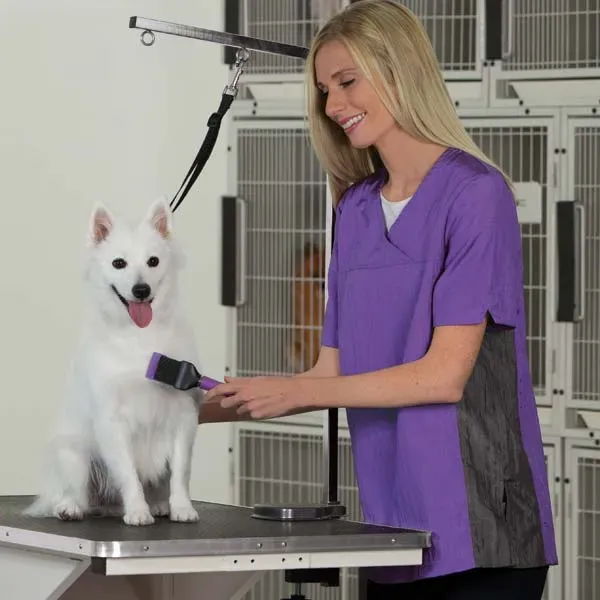
You’ve watched a few YouTube videos, bought some decent tools, and figured you can handle all the grooming yourself at home. While doing some grooming between professional appointments is great, trying to replace professional groomers entirely is where many first-time owners get in over their heads.
Many dog owners underestimate the value of professional grooming, viewing it as a luxury rather than a necessity. Professional groomers have the training, experience, and proper equipment to handle tricky tasks safely. They can spot early signs of skin problems, ear infections, or other health issues you might miss.
Think about it: would you cut your own hair with kitchen scissors and expect salon results? Some grooming tasks, like trimming around sensitive areas, removing severe mats, or giving breed-specific cuts, really do require professional skills. Finding a good groomer and taking your dog regularly creates a relationship that benefits everyone involved. Your dog gets expert care, you get peace of mind, and the groomer gets a well-socialized client who’s used to the process.
Wrapping It All Up
Grooming your first dog comes with a learning curve steeper than you probably expected. These mistakes happen to almost everyone starting out, which means you’re in good company if you’ve stumbled into a few of them already. The important thing is recognizing where you can improve and making those changes for your dog’s sake.
Regular grooming isn’t just about aesthetics or keeping your house from turning into a fur factory. It’s fundamental to your dog’s health, comfort, and quality of life. From preventing painful mats to catching health issues early, proper grooming makes a real difference. Start building good habits now, and both you and your pup will benefit for years to come.
What grooming mistake surprised you the most? Have you made any of these with your first dog?

- 15 Things Dogs Only Do Around the One Person They Trust Completely - August 5, 2026
- 13 Signs a Dog Has Chosen Their Person for Life – Vets Say It Happens in the First Few Days and Never Changes - August 5, 2026
- 16 Ways Senior Dogs Try to Comfort Their Families in the Weeks Before They Go - August 5, 2026