

There’s something magical that happens when you actually meet a pit bull. That muscular frame, the wide smile, those soulful eyes. You’ve probably heard all the stories, seen the headlines, formed your opinions. Yet here’s the thing about pit bulls that most people never get to discover: they’re nothing like what you’ve been told. These dogs have been unfairly judged for decades, painted with a broad brush that couldn’t be further from the truth.
Let’s be real, misinformation spreads faster than wildfire. It’s easier to believe the scary story than to dig deeper and find out what these incredible dogs are actually like. Throughout this article, you’ll discover some genuinely surprising facts about pit bulls that might just flip everything you thought you knew on its head. These aren’t just statistics or cherry-picked anecdotes. These are verified truths about a breed that deserves so much better than the reputation it’s been stuck with. So let’s dive in.
They Score Higher on Temperament Tests Than Many Beloved Family Breeds
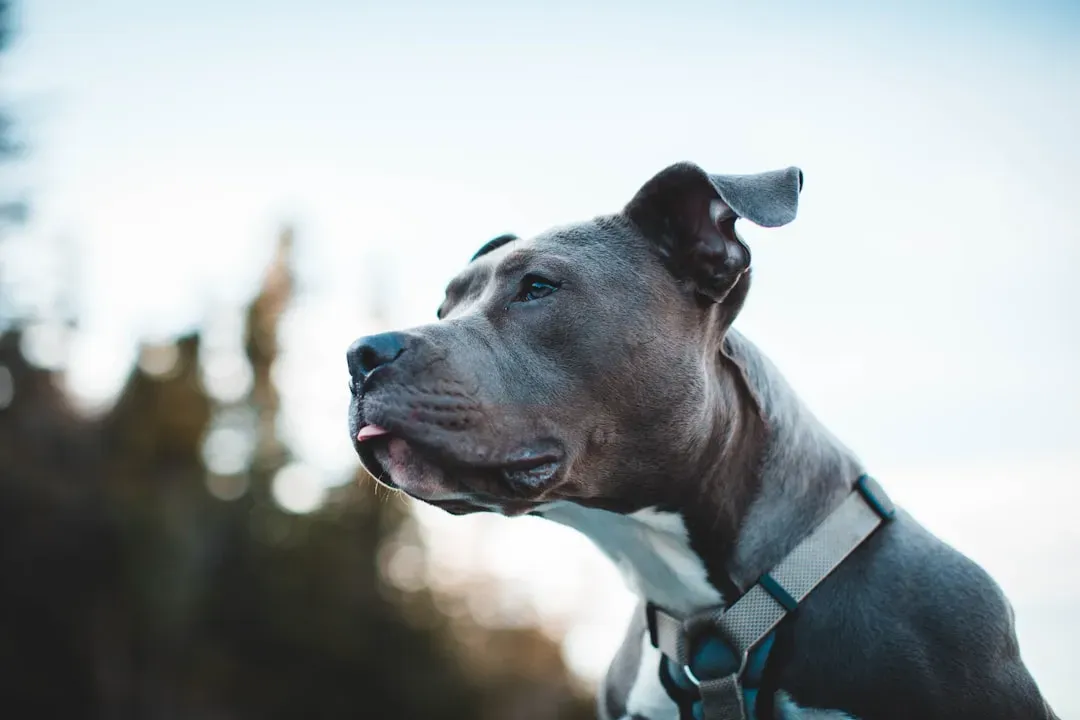
Temperament test average for pitbull-type breeds is 91.3%, compared to the 83.0% average across all breeds. Think about that for a second. Pit bulls aren’t just doing okay on these tests, they’re crushing them. Pitbull-type breeds score within the top 20% of all breeds evaluated.
When you compare them to dogs people happily welcome into their homes without a second thought, the results become even more interesting. In the American Temperament Test Society rankings, the Staffordshire bull terrier and the American pit bull terrier earned high marks for affability, with scores of 90.9% and 87.4%, respectively, less likely to show aggression than many traditional “family dogs,” including the beagle, golden retriever and St. Bernard.
These results reflect their exceptional temperament and support their success as service animals, therapy dogs, K9 police dogs, and, most commonly, beloved family pets. It’s honestly kind of shocking when you see the numbers laid out like this. The disconnect between public perception and actual tested behavior couldn’t be more dramatic.
Breed Explains Less Than Ten Percent of Aggression in Dogs
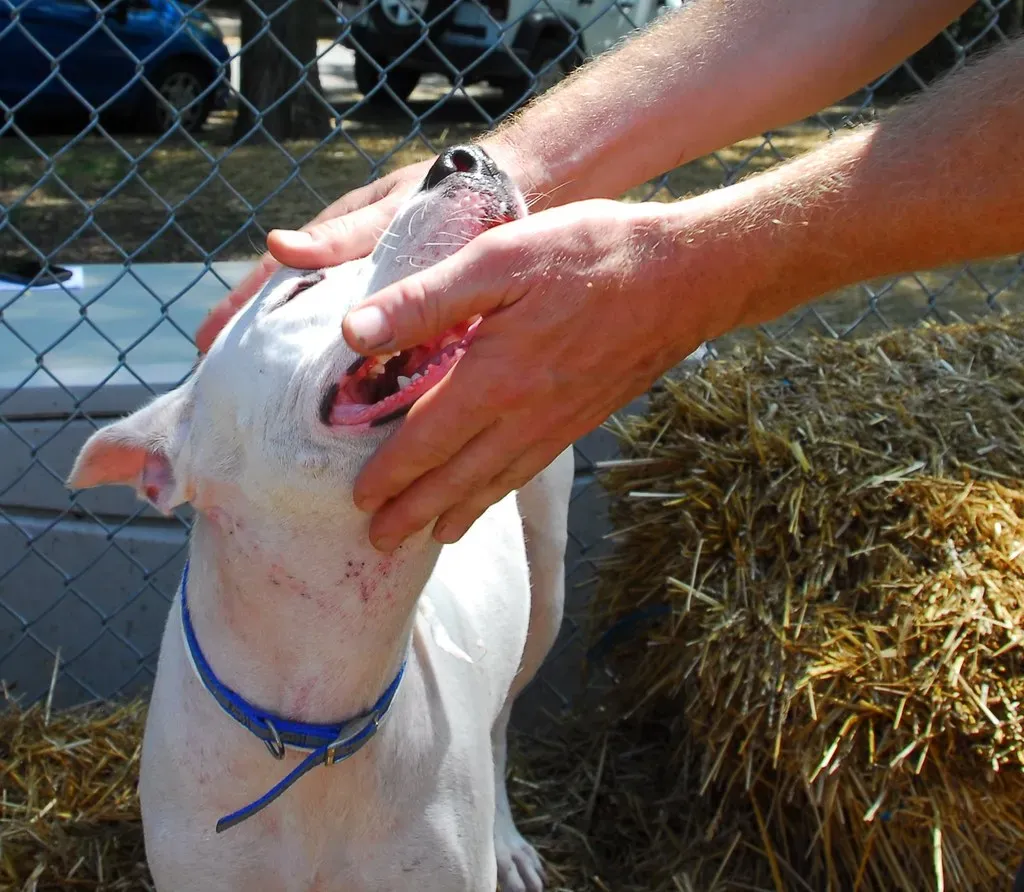
Here’s where things get really interesting. Factors such as breed explained less than 10% of the variance in dog aggression, individual experiences play a much larger role. So when someone tells you a dog is dangerous because of its breed, they’re missing the bigger picture entirely.
Aggression is strongly linked to an individual dog’s experiences and environment – it is not a trait that can be associated with any specific breed. This isn’t just about pit bulls either. This applies to every single dog out there. What matters is how they’re raised, how they’re treated, and what experiences shape their worldview.
There were no significant differences in aggression between the legislated breed group (including pitbull-type breeds, Dobermans, Rottweilers, and others) and the Golden Retriever control group. Let that sink in. Golden Retrievers, the poster child for family-friendly dogs, showed the same levels of aggression as the so-called dangerous breeds. The difference? Nobody writes news stories about Golden Retrievers.
Dogs are individuals with unique personalities shaped by countless factors. In fact, only 9% of behavior variation is attributed to the breed of the dog. The rest comes down to training, socialization, and the environment they grow up in.
They Were Historically Bred to Be Gentle With People
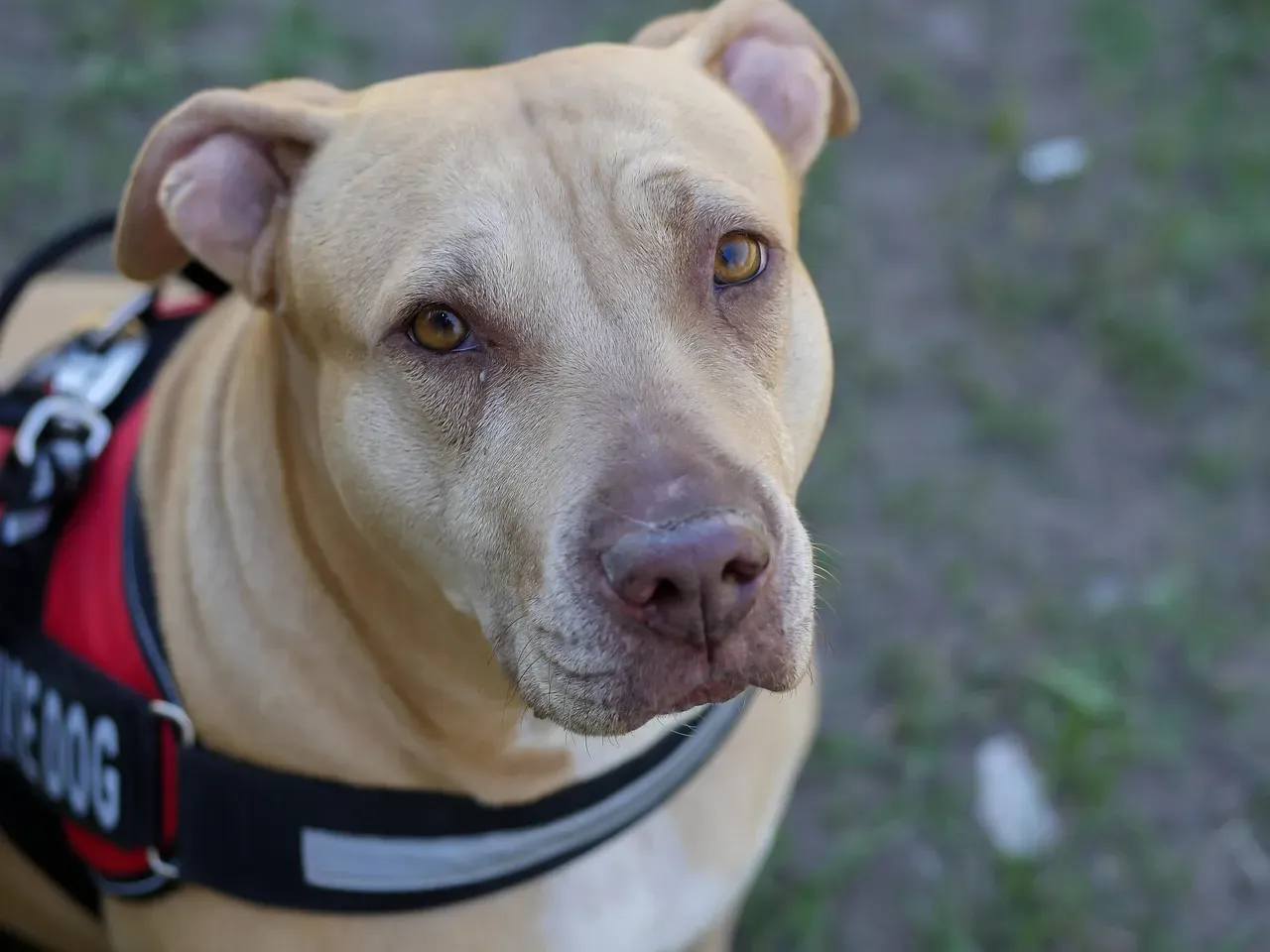
Even those pit bulls bred to fight other animals were not prone to aggressiveness toward people. Dogs used for fighting needed to be routinely handled by people; therefore aggression toward people was not tolerated. Any dog that behaved aggressively toward a person was culled, or killed, to avoid passing on such an undesirable trait.
This historical fact completely contradicts the modern narrative. Other pit bulls were specifically bred for work and companionship. These dogs have long been popular family pets, noted for their gentleness, affection and loyalty.
Pit Bulls were not bred as guard dogs because they were too friendly. Can you imagine? They were literally considered too people-oriented to be effective guard dogs. They were originally bred to drive and catch livestock and to serve as the ideal family companions.
It’s kind of ironic when you think about it. The very dogs that were selectively bred to avoid human aggression are now feared as man-eaters. History tells a completely different story than the one most people believe.
Their Loyalty and Affection Are Absolutely Legendary
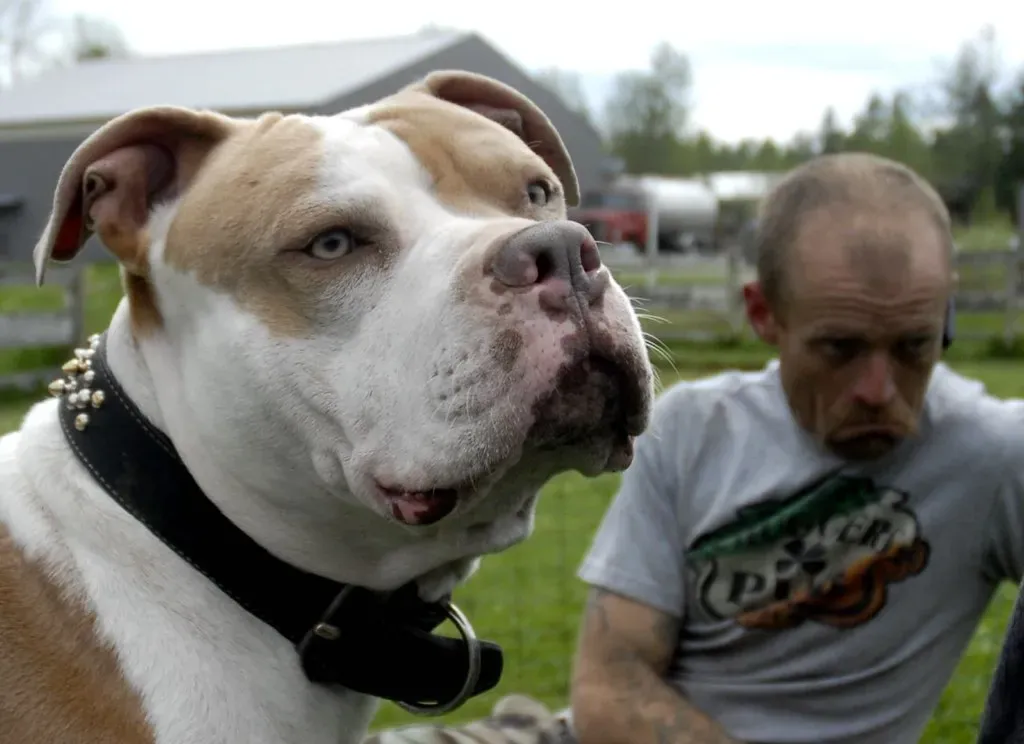
Pit Bulls are super loyal. When you adopt a Pit Bull, you have a friend for life, through thick and thin. Anyone who’s ever loved a pit bull will tell you this without hesitation. These dogs bond with their families in ways that seem almost supernatural.
Owners of Pit Bulls often describe them as “velcro dogs” – they love being close to their humans, and they form incredibly strong bonds with their families. They don’t just want to be near you. They need to be near you. Pit Bulls love to cuddle. Even the most athletic Pit Bull will also have a sedentary side and crave being hugged and petted. Adopt a Pit Bull and you will have a constant companion keeping you warm in bed, on the couch, on your lap in your favorite chair.
These dogs are indeed remarkably affectionate, and crave human attention. They are wonderful cuddlers and nothing beats a belly rub. In fact, most Pit Bulls think they are lap dogs! Never mind that they’re built like compact muscle machines.
Pit Bulls are very eager to please people. A Pit Bull will do almost anything his favorite people ask of him, just to hear their praise. These dogs crave our attention and approval, and are very social with humans. This eagerness to please makes them incredibly trainable, despite what you might have heard.
They’re Highly Intelligent and Incredibly Trainable
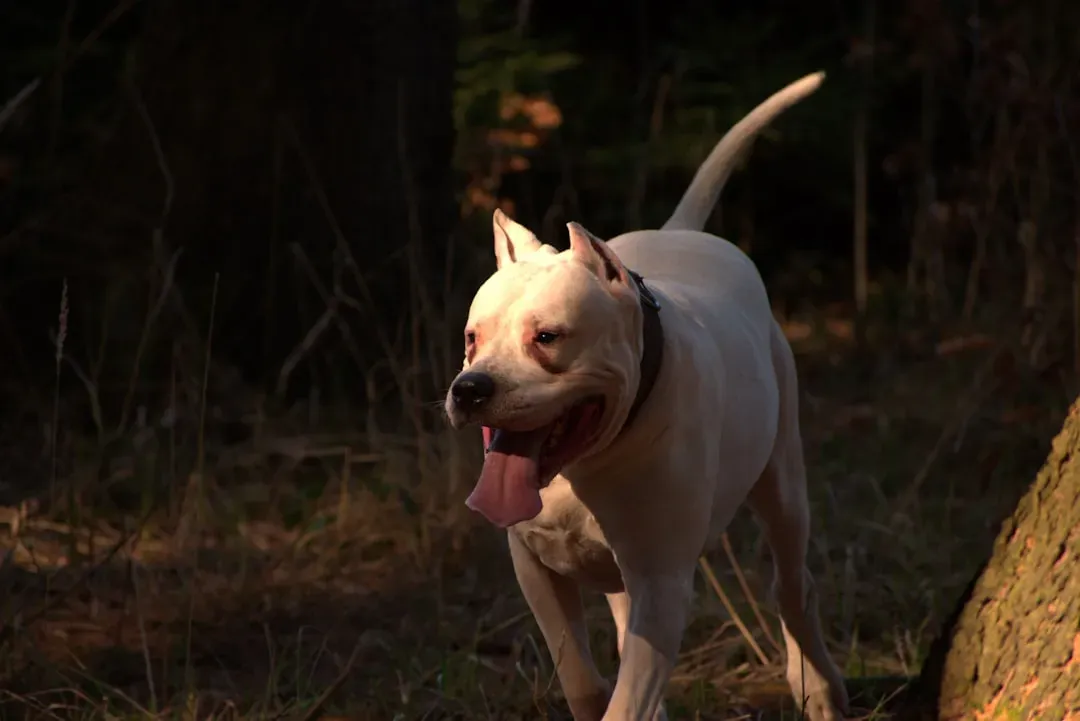
Pitbulls are highly intelligent dogs, which makes them very trainable. They respond well to positive reinforcement training and are eager to learn new commands. Pitbulls can excel in obedience training, agility courses, and even advanced tricks when given the right guidance and encouragement.
Their intelligence isn’t just about learning tricks either. Their intelligence also helps them adapt well to different environments, making them a versatile breed. These dogs can thrive in apartments, houses with yards, urban settings, or rural areas. They adjust to what life throws at them.
Although stubborn at times, pit bulls are fast learners, capable of advanced obedience. That stubbornness can actually work in your favor once you channel it properly. Pit Bulls are very responsive to training and eager to please. It is therefore strongly recommended to take them to obedience classes as soon as they are up to date with their shots.
For this reason and because they are so trainable, Pit Bulls can be excellent therapy dogs! They serve in hospitals, nursing homes, schools, and disaster relief situations. These aren’t the actions of an inherently dangerous breed. These are the contributions of intelligent, empathetic companions doing what they do best: loving people.
Pit Bulls Love Children and Can Be Wonderful Family Dogs
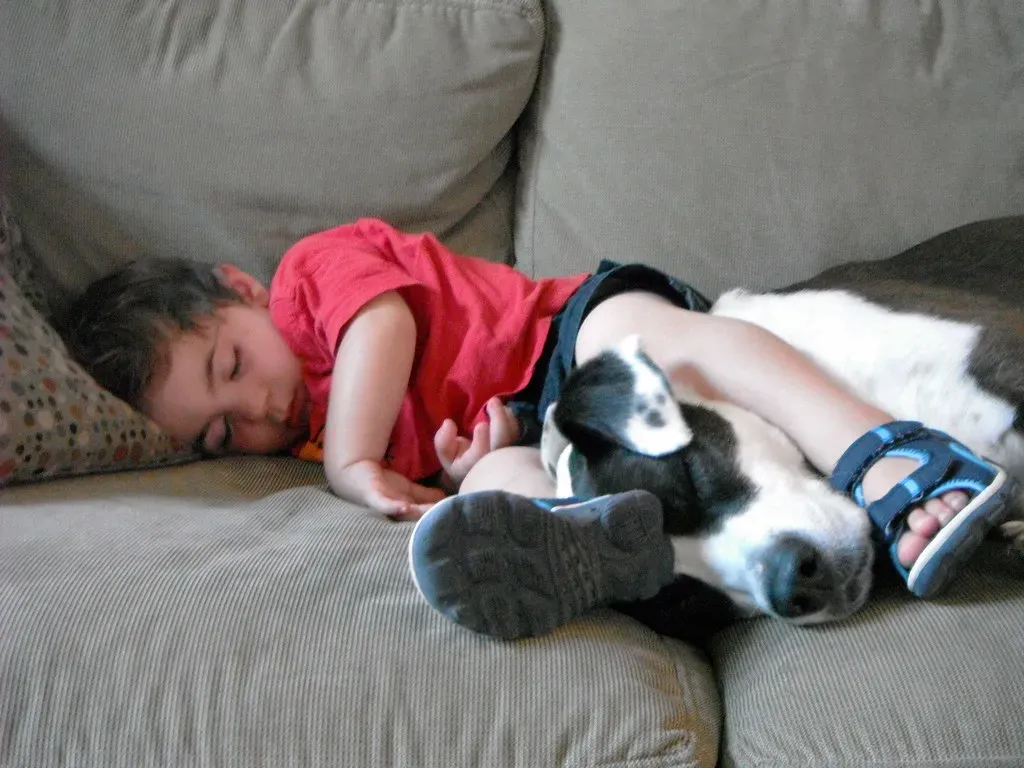
One of the most remarkable qualities of pit bulls is their gentleness, especially with children. Historically, pit bulls were referred to as “nanny dogs” due to their natural protective instincts and patience with kids. The historical nickname alone should tell you volumes about their true nature.
Pit Bulls are great with children. Pit Bulls are a loyal, people-oriented breed that thrive as part of the family. They are affectionate with both adults and children. Of course, like with any dog, supervision is important. It’s always important to supervise interactions between kids and dogs to ensure mutual respect and safety.
Pit Bulls are tolerant of the noise and activity that come with children and are often incredibly playful and affectionate. Their sturdy build means they can handle roughhousing without getting easily overwhelmed. They’re built tough enough to keep up with energetic kids without getting knocked over or hurt.
Pit Bulls have a natural affinity for children, often earning them the nickname “nanny dogs.” They are patient, tolerant, and gentle with kids, making them fantastic family pets when properly trained and socialized. Honestly, it’s hard to say for sure, but the evidence strongly suggests that the whole dangerous-around-kids narrative is completely backwards.
They’re Playful, Fun-Loving, and Have Amazing Personalities

Pit Bulls are hilarious. Just like people, all dogs are distinct individuals, but Pit Bulls are usually bursting with personality and they love to make us laugh by clowning around. They are fun and playful, even as they get older.
For many people, they are ideal companions: playful, willing to please, and moderately active. They are fun, generally obedient dogs that love to play games, especially those that are challenging and physical. They bring joy into their families’ lives every single day.
American Pit Bull Terriers can be a playful breed. They have adorable smiles and a zest for life many pet owners find irresistible. That pit bull smile is absolutely legendary. Once you’ve seen it, you can’t unsee it.
Pit Bulls remain playful all their life and have a great sense of humor. These dogs will make you laugh like no other. They’re the comedians of the dog world. The Pit Bull smile. Pit Bulls are great for your mental health. If you are having a bad day, one look at your Pit Bull’s huge smile and lolling tongue will surely make you smile and their zest for life is infectious.
The Lock Jaw Myth Is Completely False
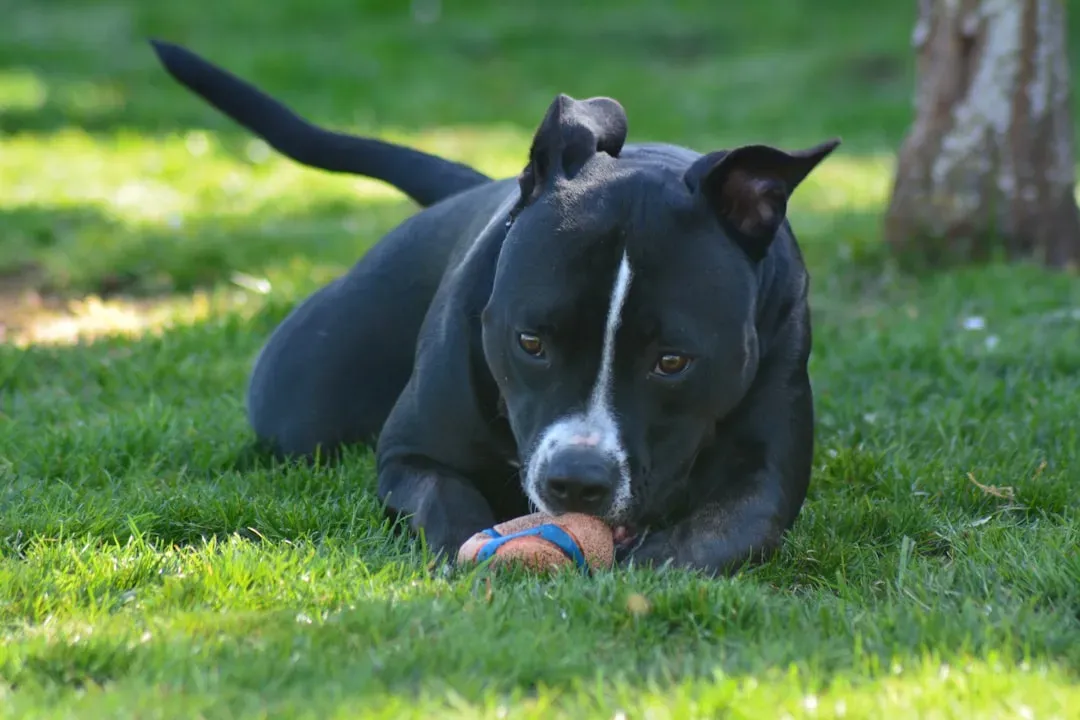
The truth is lock jaw in pit bull-type dogs, or any breed or mix of dog, simply does not exist. No dog breed has a jaw structure that acts like a locking mechanism. This myth has persisted for years, fueling unnecessary fear.
A pit bull’s jaws don’t lock. Veterinarians and anatomical experts have confirmed this repeatedly. Pit Bulls also don’t have the strongest bite among all dog breeds. German Shepherds and Rottweilers actually have a more powerful bite.
The myth probably persists because pit bulls are tenacious and determined. “Determination” is one of their most notable traits. Whatever they set out to do, they will put their heart and soul into it. When they commit to something, whether it’s playing with a toy or showing you affection, they go all in.
Their jaw anatomy is exactly the same as any other dog breed. There’s no special locking mechanism, no unique structure that makes them more dangerous. It’s just another false narrative that needs to be put to rest once and for all.
They’re Actually Really Healthy and Low Maintenance
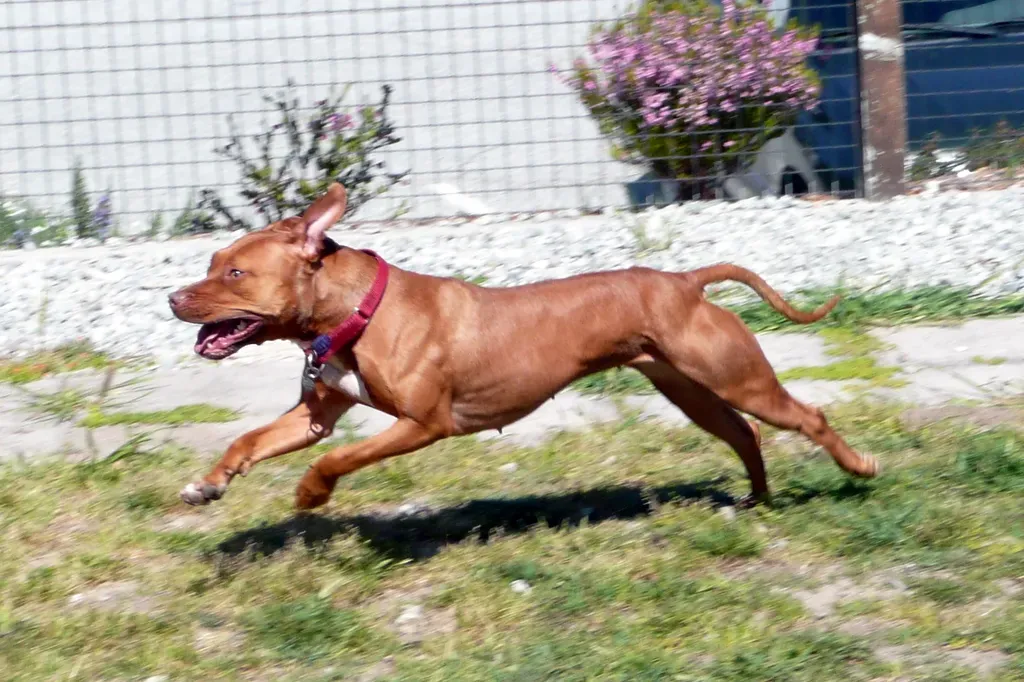
Pit Bulls are relatively healthy. It is true that any breed of dog (including mixed breed dogs) can inherit genetic issues. I have rescued thousands of Pit Bulls and the genetic issues that I have personally seen most often in Pit Bulls — demodectic mange, hip dysplasia, and patellar luxation — are not usually fatal.
Pit Bulls don’t require much grooming. Their short coat is very low maintenance and they can be bathed in very little time — not that they need to be bathed often. They do not need to be brushed (though most enjoy it) or get doggie haircuts, and their fur is not naturally odiferous.
Their average lifespan is 12-16 years, which is relatively long for a medium-sized breed. Common health issues include hip dysplasia and allergies, so it’s essential to maintain regular vet check-ups and a healthy diet. That lifespan gives you plenty of years to build memories together.
Compared to some purebred dogs that require constant grooming, expensive health interventions, and specialized care, pit bulls are refreshingly straightforward. They’re sturdy dogs who just need love, exercise, proper nutrition, and regular vet care like any other pet.
Pit Bulls Are Misidentified More Often Than Any Other Breed
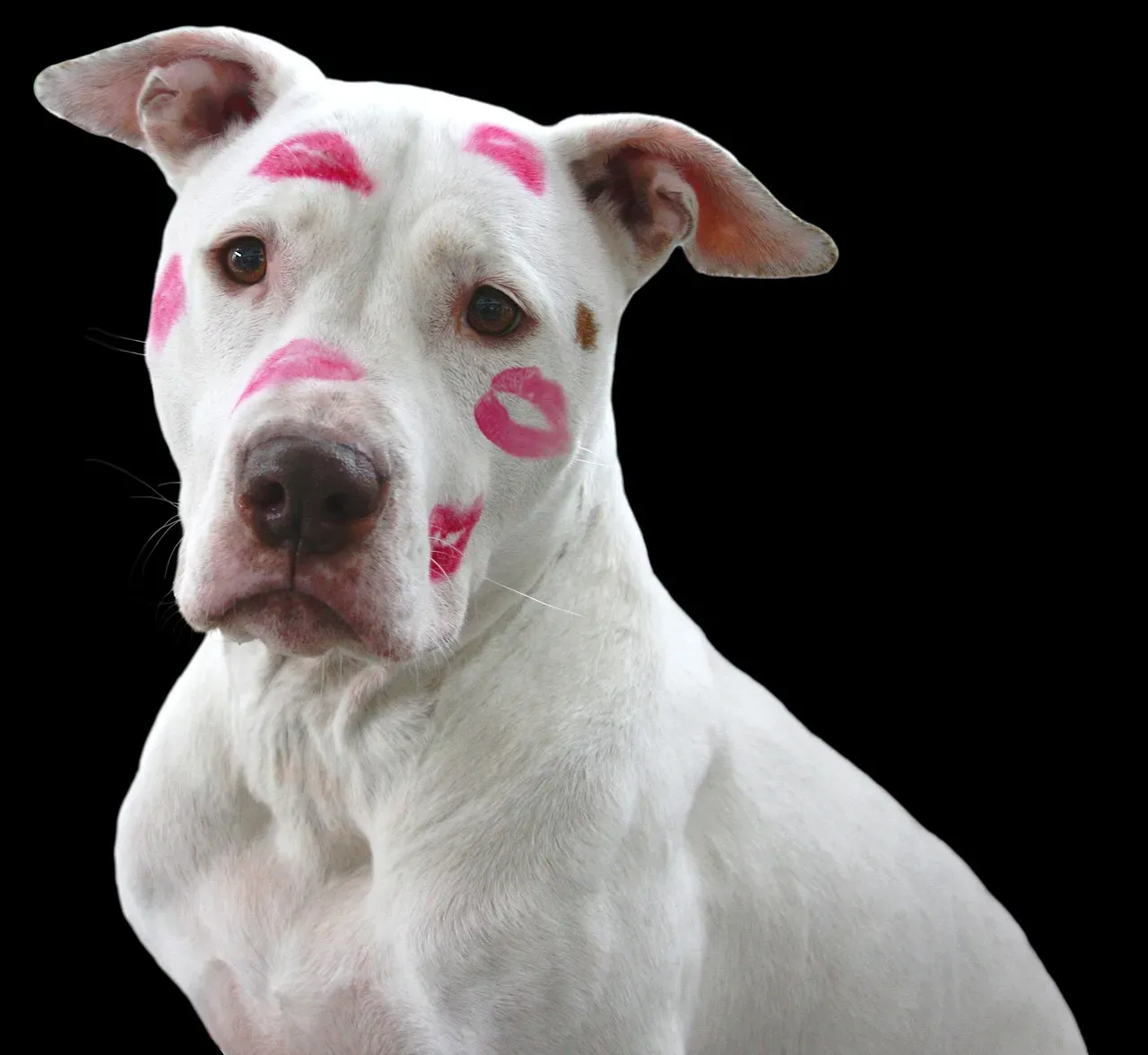
A 2016 study backed by Maddie’s Fund showed that even shelter employees (who can be considered subject matter experts) can’t reliably identify a “true” pit bull. Only 36% of the dogs identified as pit bulls by shelter staff were actually pit bulls by DNA analysis, and staffers missed 20% of the true pit bulls.
This misidentification has serious consequences. A 2016 study from Arizona State University found that dogs labeled as pit bulls stayed in shelters three times longer than “phenotypically similar” (lookalike) dogs labeled as another breed. The study also found that when breed labels were removed from the adoption process, pit bulls were more likely to be adopted – and in fact, so were other breeds.
As many as 75% of mixed breed dogs in animal shelters, including Pit Bulls and Pit Bull mixes are misidentified as the wrong breed. Think about the implications here. Three out of four dogs labeled as pit bulls might not even be pit bulls. Yet they face discrimination, longer shelter stays, and higher euthanasia rates based on a label that’s often wrong.
When a dog labeled as a pit bull bites someone, it makes the news. When that same dog turns out to be a mixed breed with no pit bull ancestry at all, the correction rarely gets the same attention. The damage is already done.
Conclusion: Time to Rethink Everything You Thought You Knew
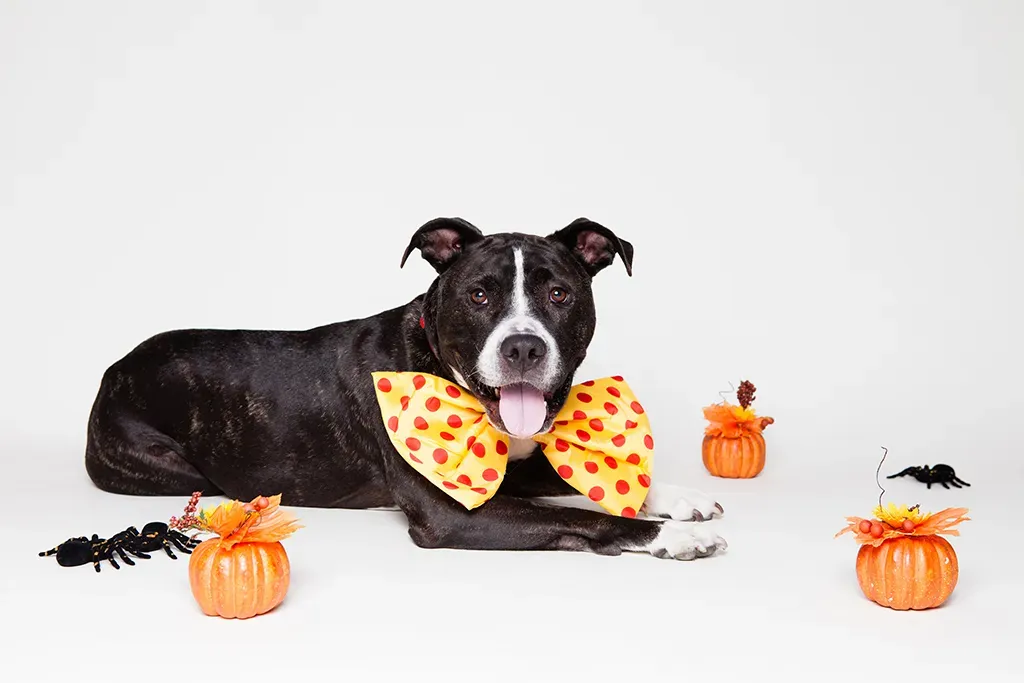
The facts speak for themselves. Pit bulls score higher on temperament tests than most beloved family breeds. They’re loyal, intelligent, trainable, and absolutely wonderful with children when properly socialized. Their supposed lock jaw doesn’t exist, and breed accounts for less than ten percent of aggressive behavior in dogs.
These aren’t dangerous monsters. They’re goofy, affectionate companions who think they’re lap dogs. They’re therapy animals, service dogs, and beloved family members in millions of homes across the country. The reputation they carry is built on myths, misidentification, and decades of unfair media portrayal.
Perhaps it’s time we judge dogs as individuals rather than by outdated stereotypes. Perhaps it’s time we look at the science, the temperament testing, and the countless families who will tell you their pit bull is the best dog they’ve ever had. What do you think about it? Has anything here surprised you? Tell us in the comments.

- What It Means When Wrens Build Several Nests but Use Only One - August 7, 2026
- 6 US States With the Most Javelinas - August 7, 2026
- Why Do Octopuses Change Color Instantly? The Scientific Reason Explained. - August 7, 2026