
Life finds a way, even when conditions seem impossible. From scorching deserts to icy polar wastelands, from the crushing depths of the ocean floor to the blistering heat of volcanic vents, our planet hosts creatures that don’t just survive but actually flourish in places most organisms would never dare venture. These animals have evolved extraordinary adaptations over millions of years, transforming what appears hostile to us into their perfect home.
What makes an environment extreme, anyway? It’s all about perspective. To a tardigrade drying out in moss, or a Pompeii worm thriving near superheated water, these aren’t brutal conditions. They’re just home. Let’s be real, the ingenuity of nature never ceases to amaze, and these twelve remarkable species showcase evolution’s most creative solutions to life’s toughest challenges.
Tardigrades: The Microscopic Titans of Survival
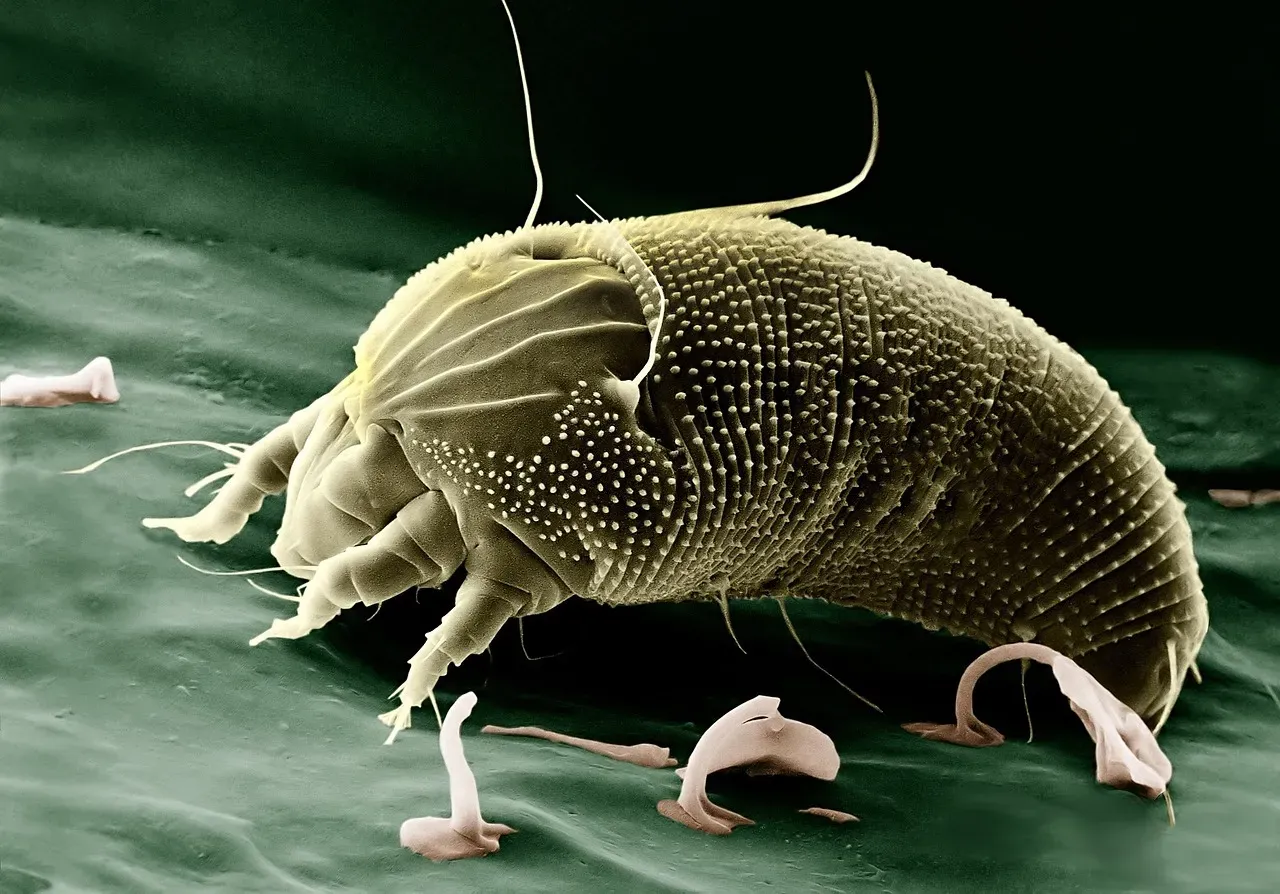
These microscopic animals, commonly known as water bears or moss piglets, live in diverse regions from mountaintops to the deep sea and Antarctic environments, and are among the most resilient animals known with individual species able to survive extreme temperatures, pressures, radiation, dehydration, and starvation. Picture something smaller than a grain of salt that can withstand conditions found in outer space. Sounds like science fiction, right?
In unforgiving habitats as varied as Antarctica, mountain peaks and deep-sea vents, tardigrades facing extreme temperatures or dehydration retract their eight arms and transform into protective, dried-out balls in the tun state, lying dormant in environments that would kill most other life-forms. This dormant state can last for decades. When the tardigrade enters its desiccated state, it replaces some of its cell contents with a sugar molecule called trehalose, which researchers believe not only replaces water but can physically constrain the remaining water molecules.
In 2007, dehydrated tardigrades were taken on the FOTON-M3 mission and exposed to vacuum or to both vacuum and solar ultraviolet for 10 days, and back on Earth more than 68% of the subjects protected from ultraviolet were reanimated by rehydration. Laboratory tests have shown that tardigrades can endure both an utter vacuum and intense pressures more than five times as punishing as those in the deepest ocean, even temperatures up to 300 degrees Fahrenheit and as low as minus 458 degrees Fahrenheit. That’s a temperature range that would obliterate virtually any other creature on Earth.
Experiments exposing both hydrated and dehydrated animals to gamma radiation and heavy ion bombardment showed mean lethal radiation doses in the thousands of Grays, while for humans, a lethal dose of radiation could be as little as 5 to 10 Grays. Think about that for a moment. These tiny critters can handle radiation levels that would turn us into dust. Honestly, it’s hard to say for sure what their upper limits might be, but scientists keep discovering new extremes they can tolerate.
Emperor Penguins: Masters of Antarctic Endurance
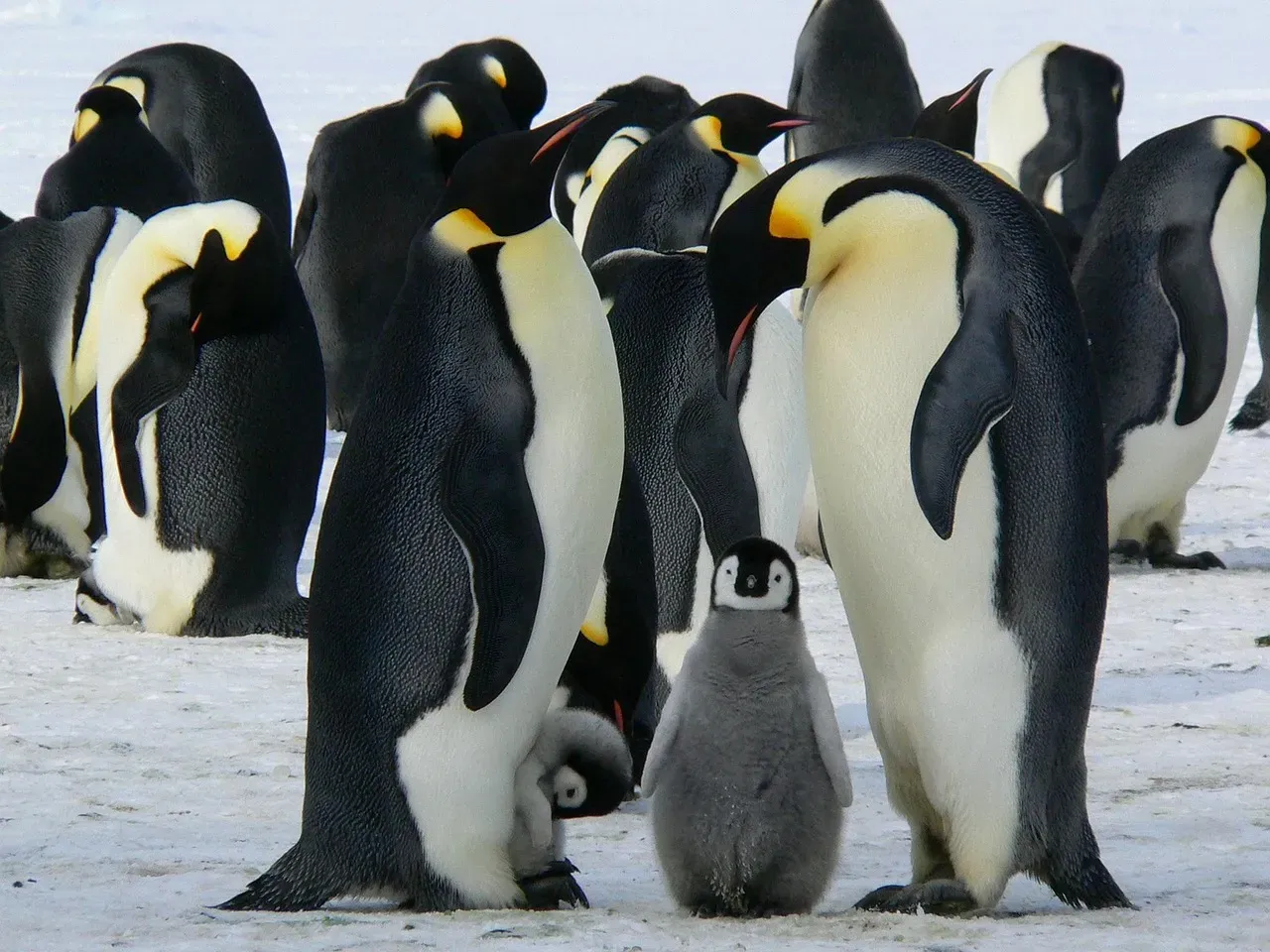
Emperor penguins have small extremities with a very small bill and flippers meaning less blood is required for these areas, and they have special nasal chambers which recover heat lost through breathing along with closely aligned veins and arteries, adaptations that enable them to recycle their own body heat. Walking across the frozen Antarctic landscape, these birds endure some of the harshest winters on the planet.
Emperor penguins form counter-rotating huddles that reduce wind chill by up to 50°C and allow individuals to conserve energy during long Antarctic winters. The penguins gather in large huddles in extreme Antarctic cold and wind with groups consisting of hundreds of individuals, taking turns occupying the warmer centre of the huddle where ambient temperatures can reach 37.5°C. It’s like a living, breathing survival machine where cooperation becomes the key to making it through months of darkness and cold.
These birds breed during the Antarctic winter, the coldest time of year. Males balance eggs on their feet for roughly two months while females travel to the ocean to feed. Hibernation involves an animal’s breathing rate, body temperature, and heart rate becoming much lower than normal. Yet emperor penguins don’t hibernate; they remain active throughout winter.
Their feathers provide exceptional insulation. The layers overlap each other to form a good protection from the wind, even in blizzard conditions. Whales, seals and some penguins have thick layers of fat or blubber, and these fat layers act like insulation, trapping body heat in. The combination of physical and behavioral adaptations makes emperor penguins perfectly suited for life at the bottom of the world.
Arctic Foxes: Surviving the Frozen North
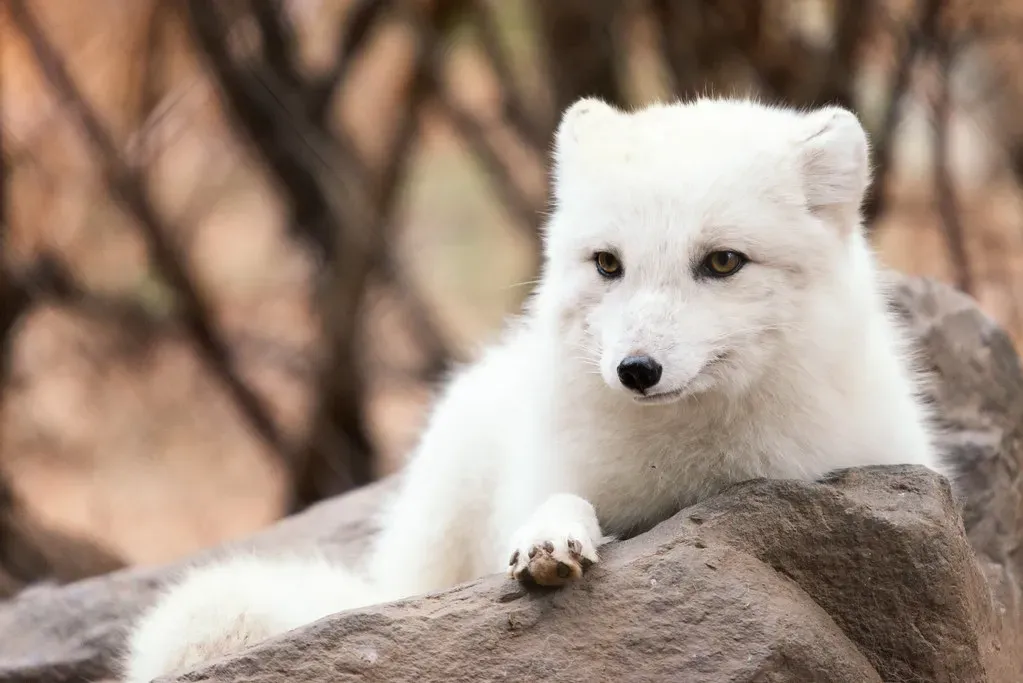
The Arctic fox has mastered extreme cold and can survive temperatures as low as minus 70 degrees Fahrenheit in their native Arctic habitats, making them true cold-weather specialists. Their appearance changes dramatically with the seasons, and this isn’t just for looks.
Arctic foxes preserve 90% of leg warmth through countercurrent heat exchange, while dense fur traps a 1 cm insulating air layer equivalent to R-5 insulation, and they also change fur density seasonally. Imagine wearing a coat so effective it keeps you warm in temperatures that would freeze most mammals solid within minutes. The Arctic fox’s survival in sub-zero environments relies on several key adaptations: compact body with short legs, ears, and muzzle to minimise heat loss, thick fur that changes from brown or gray in summer to white in winter for camouflage, and fur-covered footpads that provide insulation and traction on ice.
Their hunting strategies are equally impressive. These foxes can hear lemmings moving beneath the snow and will leap high into the air before plunging down to break through the crust. They cache food during plentiful times, storing it in the permafrost where it remains frozen and preserved for months.
Reindeer and caribou have dense fur for insulation, with hollow guard hairs that provide air-filled cavities for additional warmth. Similarly, the Arctic fox’s fur isn’t just thick but specially structured. Their compact body shape minimizes surface area exposed to the cold, following a principle called Bergmann’s rule where animals in colder climates tend to have stockier builds.
Saharan Silver Ants: Racing Across the Desert Inferno
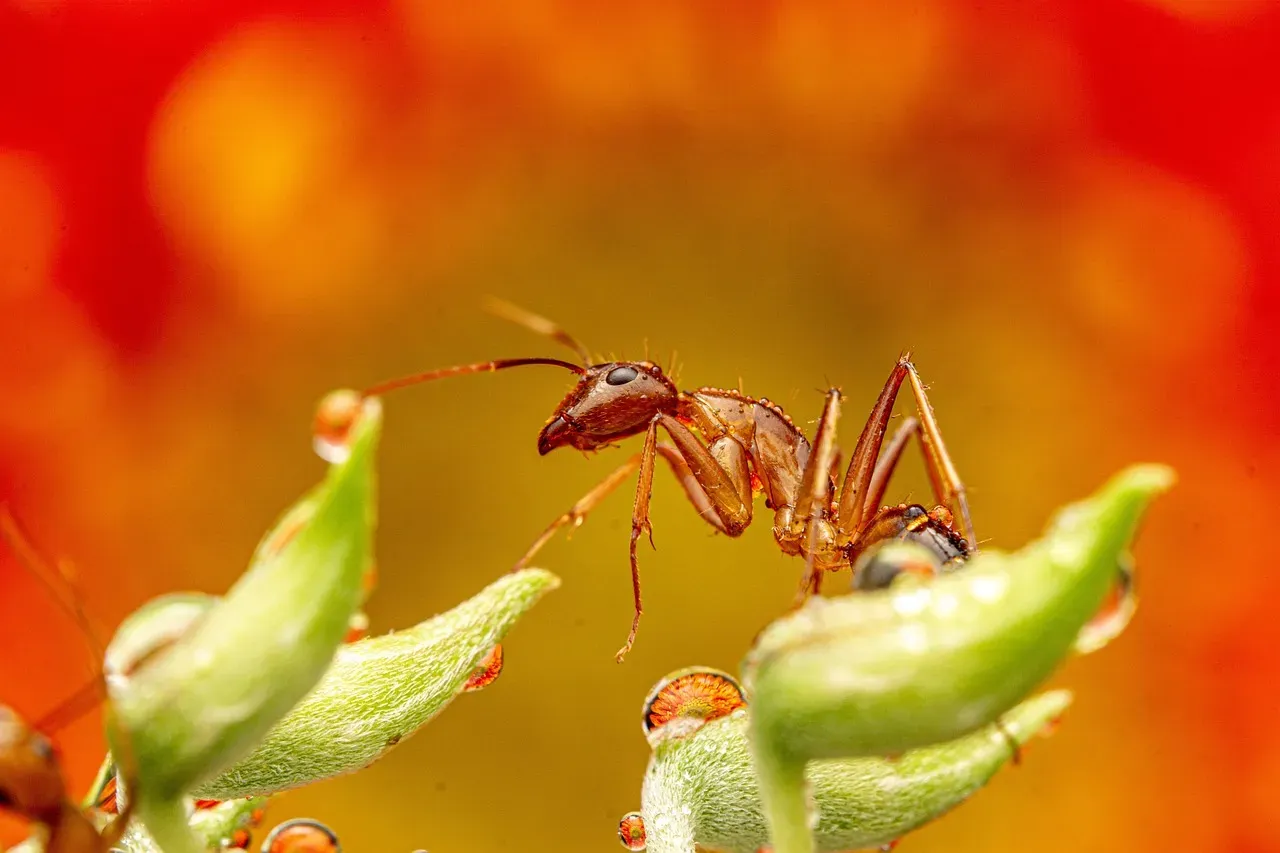
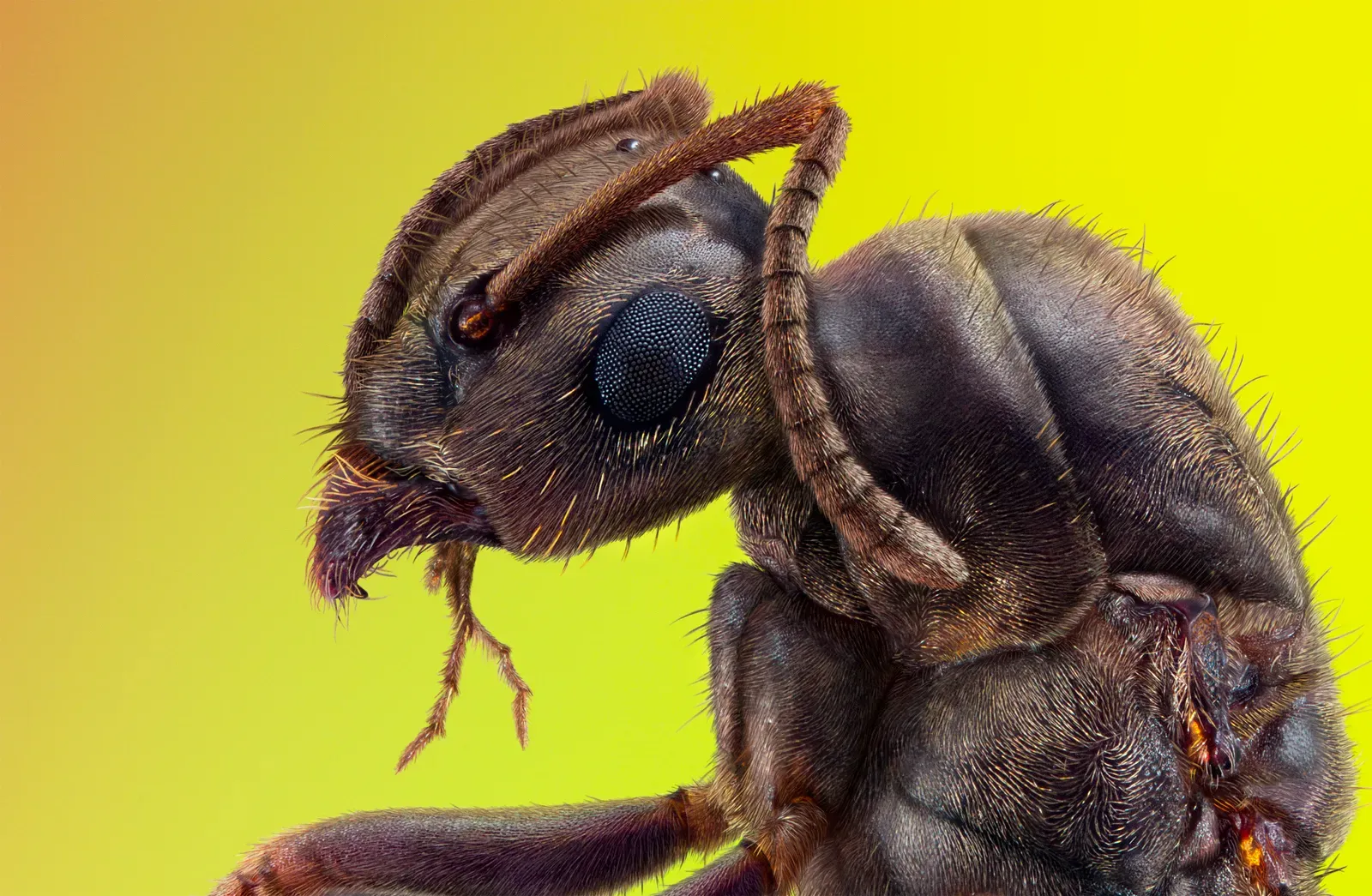
Some desert insects use reflective hair structures that bounce solar radiation away, and Saharan silver ants show a bright reflective coating that reduces heat absorption while they run across extreme surfaces. These tiny insects venture out during the hottest part of the desert day when most predators have retreated to shade.
Their entire foraging period lasts just minutes. Surface temperatures can exceed 150 degrees Fahrenheit, hot enough to fry an egg. The ants race across the sand at incredible speeds, covering roughly three feet per second. Their long legs keep their bodies elevated above the scorching ground, and they move with a distinctive galloping gait.
Reflection in deserts is not decoration; it functions as temperature control. The reflective hairs covering their bodies are triangular in cross-section, creating a mirror-like surface that deflects sunlight. While other creatures hide from the midday sun, Saharan silver ants exploit this harsh window of opportunity to scavenge insects that have succumbed to the heat.
These ants navigate using polarized light and can remember their route home with remarkable precision. After foraging, they return to their underground nests in nearly a straight line. If they stayed above ground too long, they would literally cook, so speed and efficiency aren’t just helpful, they’re essential for survival.
Pompeii Worms: Living on the Edge of Hydrothermal Hell
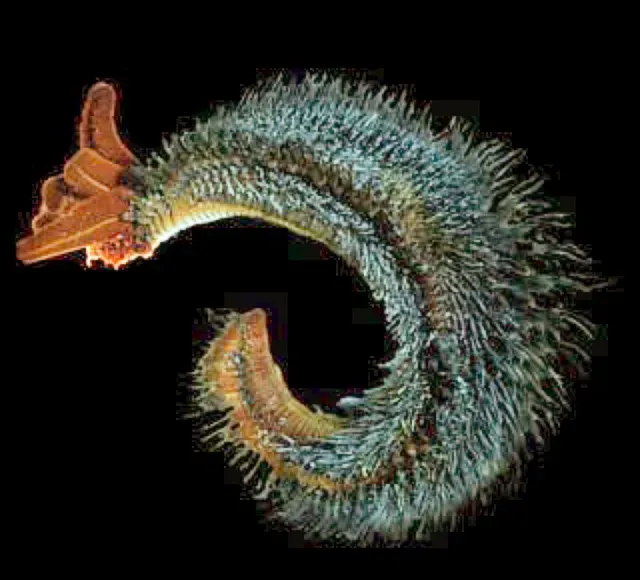
Named after the explosive eruption of Mount Vesuvius in Pompeii, the Pompeii worm is the most heat tolerant animal we know of, surviving temperatures as high as 80°C, having evolved heat shock proteins that provide cells with thermal stability. These creatures dwell near deep-sea hydrothermal vents where superheated water bursts from the ocean floor.
Water emerges from hydrothermal vents at temperatures ranging from 60 degrees Celsius up to as high as 464 degrees Celsius. The Pompeii worm lives in tubes attached to chimney structures at these vents, with their tail end facing the scorching water and their head exposed to near-freezing ocean temperatures. Talk about living in two worlds at once.
Their bodies are covered with a fleece-like material that turns out to be colonies of bacteria. Chemosynthetic bacteria found at hydrothermal vents use toxic hydrogen sulphide released by vents to convert carbon dioxide into organic carbon molecules, and animals living here have formed symbiotic relationships with these bacteria which can be incorporated into tissues or on animal surfaces, with bacteria providing energy from the environment for their host.
The thermal gradient these worms experience across their body length is staggering. Their tail might experience temperatures around 80 degrees Celsius while their head stays at about 20 degrees. Heat shock proteins prevent cellular damage by stabilizing other proteins that would otherwise denature under such extreme heat. The Pompeii worm essentially lives in a temperature range that spans from a cold room to boiling water.
Antarctic Krill: Thriving in Freezing Waters
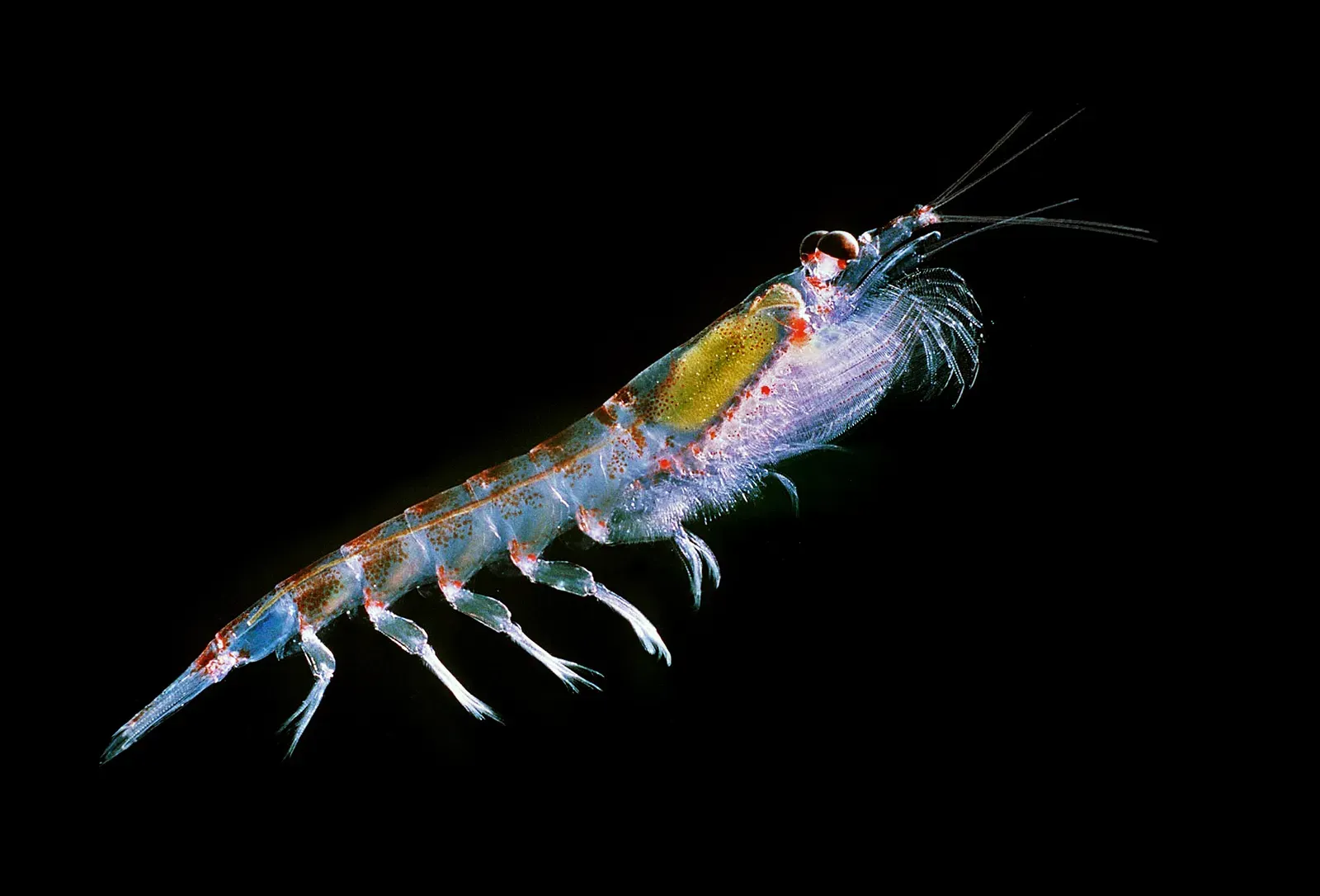
Antarctic krill thrive at minus 1.9 degrees Celsius by producing antifreeze glycoproteins that prevent ice crystal formation in their hemolymph. These small crustaceans form the backbone of the Antarctic food web, supporting whales, seals, penguins, and countless other species.
Antarctic krill must survive the dark winter months when food is scarce, surviving more than 200 days of starvation by shrinking their body size, with downsizing enabling them to use their own body proteins as a source of fuel. This remarkable adaptation allows them to essentially reverse their growth cycle. When food becomes available again during the Antarctic summer, they resume feeding and growing.
Living in water that hovers just above freezing point requires special biochemistry. The antifreeze proteins in their system bind to tiny ice crystals that enter through their gills, preventing these crystals from growing large enough to damage tissues. Without this adaptation, ice formation inside their bodies would puncture cell membranes and kill them.
Krill undertake massive swarms that can contain millions of individuals, forming dense clouds visible from space. They feed on phytoplankton beneath sea ice, scraping algae from the underside of ice sheets during winter. Their population fluctuates with sea ice extent, and climate change poses serious challenges to these critical creatures. Honestly, they might be small, but their role in the Antarctic ecosystem is absolutely enormous.
Kangaroo Rats: Desert Specialists Who Never Drink
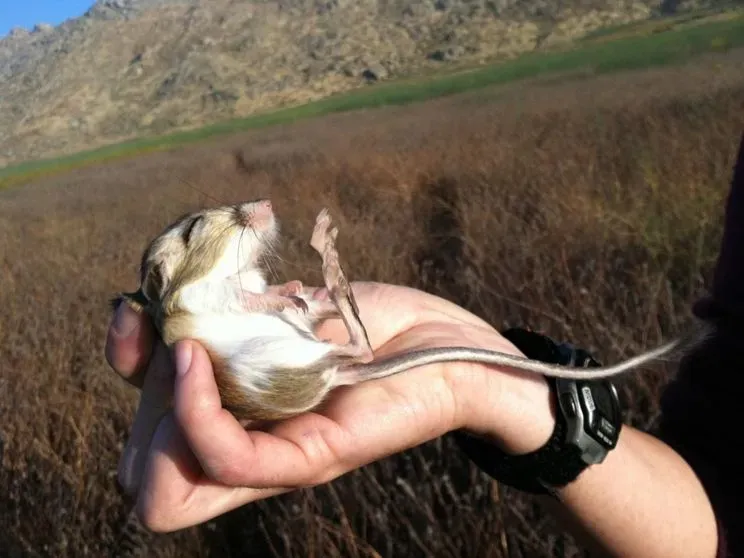
Certain desert mammals such as kangaroo rats live in underground dens which they seal off to block out midday heat and recycle moisture from their own breathing, have specialized kidneys with extra microscopic tubules to extract most water from urine and return it to the bloodstream, recapture moisture that would be exhaled in breathing in nasal cavities, and actually manufacture water metabolically from the digestion of dry seeds.
The kangaroo rat eats primarily dry, high carbohydrate seeds, with one gram of grass seed producing one-half gram of oxidation water. These highly specialized desert mammals will not drink water even when it is given to them in captivity! Let’s be real, that’s one of the most remarkable adaptations in the entire animal kingdom.
Kangaroo rats live in deep underground burrows, which they seal off to keep out midday heat and to recycle the moisture from their own breath. The sealed burrow creates a humid microenvironment where moisture accumulates. They emerge only at night when temperatures drop and humidity rises.
Their kidneys are exceptionally efficient, producing urine so concentrated it appears as crystals. Kangaroo rats rely heavily on metabolic water combined with behavior and kidney efficiency to survive with minimal direct drinking, producing highly concentrated urine that reduces water loss, with kidneys performing extreme waste concentration that removes salts with minimal fluid. They avoid foods high in protein because processing protein waste requires water. Their entire physiology revolves around extreme water conservation.
Yeti Crabs: The Fuzzy Farmers of Deep-Sea Vents
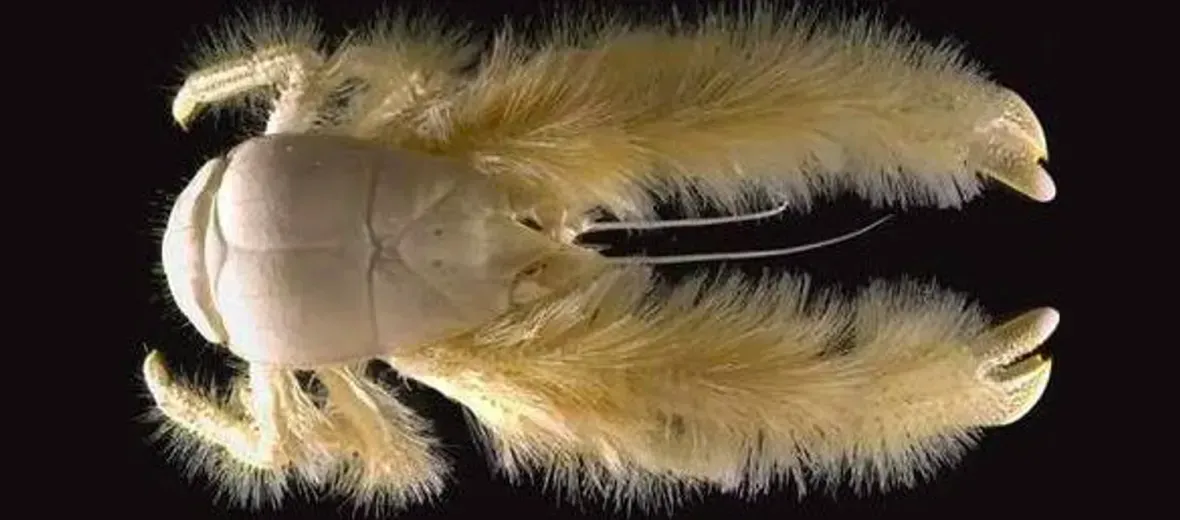
Yeti crabs were discovered in 2005 and have claws covered in dense setae or stiff bristles, getting almost all their food from chemoautotrophic bacteria that live in these bristly structures. Other animals, like the Yeti crab, feed on microbes that grow on their surfaces. These pale, hairy crustaceans essentially cultivate bacteria on their bodies like underwater gardens.
Hydrothermal microorganisms are able to thrive just outside the hottest waters in temperature gradients that form between hot venting fluid and cold seawater, harvesting chemical energy from minerals and chemical compounds that spew from vents in a process known as chemosynthesis. Yeti crabs position themselves strategically near these chemical-rich plumes, waving their claws through the water to provide the bacteria optimal exposure to nutrients.
They scrape bacteria off their bristles with specialized mouthparts, essentially harvesting their crop. The relationship between crab and bacteria is mutually beneficial: the bacteria get a mobile platform with access to nutrients, while the crab gets a renewable food source. It’s agricultural practice in one of Earth’s most extreme environments.
The vent crab Bythograea thermydron was first discovered in the 1980s and is known to exist only around hydrothermal vents and other volcanic undersea environments, with research in 2002 finding that the species develops optic systems allowing them to see using infrared light produced at the vent. While Yeti crabs and vent crabs are different species, both showcase remarkable adaptations to hydrothermal environments. Some can even detect the faint infrared glow from superheated water, helping them navigate near the vents without getting cooked.
Wood Frogs: Freeze-Tolerant Amphibians
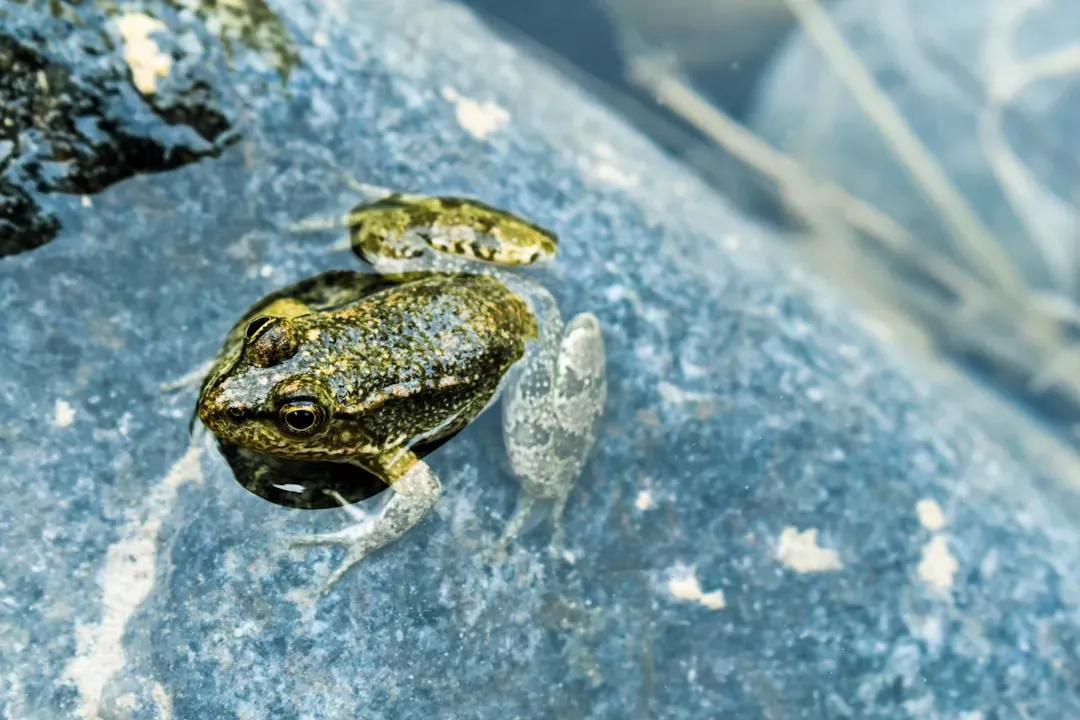
The wood frog performs one of nature’s most remarkable survival feats, with these amphibians preparing for something extraordinary as winter approaches in their native habitats ranging from Alabama to Alaska, freezing solid for up to eight months of the year with up to 60% of the body freezing completely. Imagine being frozen like a popsicle and then thawing out completely unharmed when spring arrives.
This adaptation allows wood frogs to be the only frogs living north of the Arctic Circle, surviving in environments where temperatures can plummet to minus 80 degrees Fahrenheit. When temperatures drop, these frogs stop breathing and their heart stops beating. Ice forms in the spaces between cells, but specialized glucose molecules prevent ice from forming inside cells where it would cause fatal damage.
The frogs essentially produce their own antifreeze by flooding their cells with glucose, sometimes increasing glucose concentration by nearly 100 times normal levels. This prevents cells from dehydrating as water moves out to form extracellular ice. When spring thaws the ice, the frog’s heart resumes beating and it hops away as if nothing happened.
This ability to survive freezing opens up habitats unavailable to other amphibians. While most frogs must migrate to deep water or underground cavities to avoid freezing, wood frogs simply hunker down under leaf litter and let winter do its worst. Their adaptation represents one of the most extreme examples of cold tolerance in any vertebrate animal.
Giant Tube Worms: Gutless Wonders of the Deep
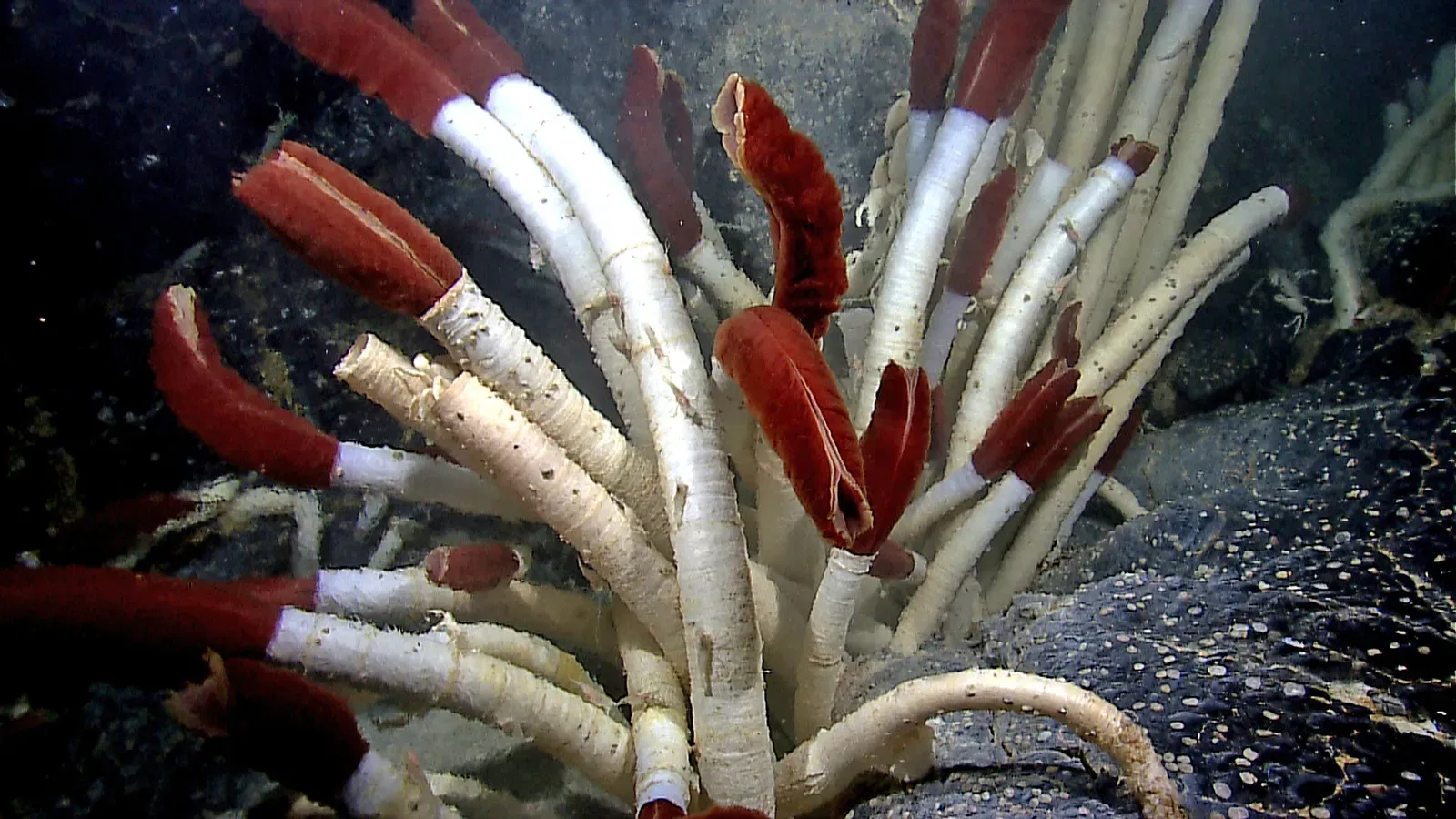
Tube worms absorb hydrogen sulfide and other chemicals from vent fluids to feed bacteria living in them, and in return the bacteria provide the carbon necessary for the tube worms to live. Some bacteria live as symbiotic partners in the tissues of larger host organisms, like the giant gutless vent tube worms, which are fed by the microbes in exchange for providing them with shelter.
Giant tube worms, whose exposed bright-red, feathery gills make them look like six-foot-long lipstick tubes, grow in dense patches around vents and provide habitats for other vent dwellers. These creatures have no mouth, no stomach, and no anus. Their entire nutrition comes from bacteria housed in a specialized organ called the trophosome, which can make up more than half their body weight.
When eruptions or earthquakes alter the area’s volcanic activity, these strongholds of hardy worms are wiped out, but when new hydrothermal vents pop up dozens or even hundreds of kilometers away, they are quickly colonized by towering thickets of giant tube worms within a few years. Scientists found evidence of vent animals like tubeworms traveling underneath the seafloor through vent fluid to colonize new habitats, with very few of their young found in the water above hydrothermal vents, leading researchers to suspect they travel beneath the earth’s surface to create new hydrothermal communities.
The bright red plume extending from their tube is packed with hemoglobin, which binds both oxygen and hydrogen sulfide. Hydrogen sulfide is deadly toxic to most animals, but tube worms transport it to their bacterial symbionts who use it as an energy source. They essentially live off a substance that would poison nearly everything else. The symbiosis is so complete that neither partner can survive without the other.
Bactrian Camels: Desert Endurance Champions
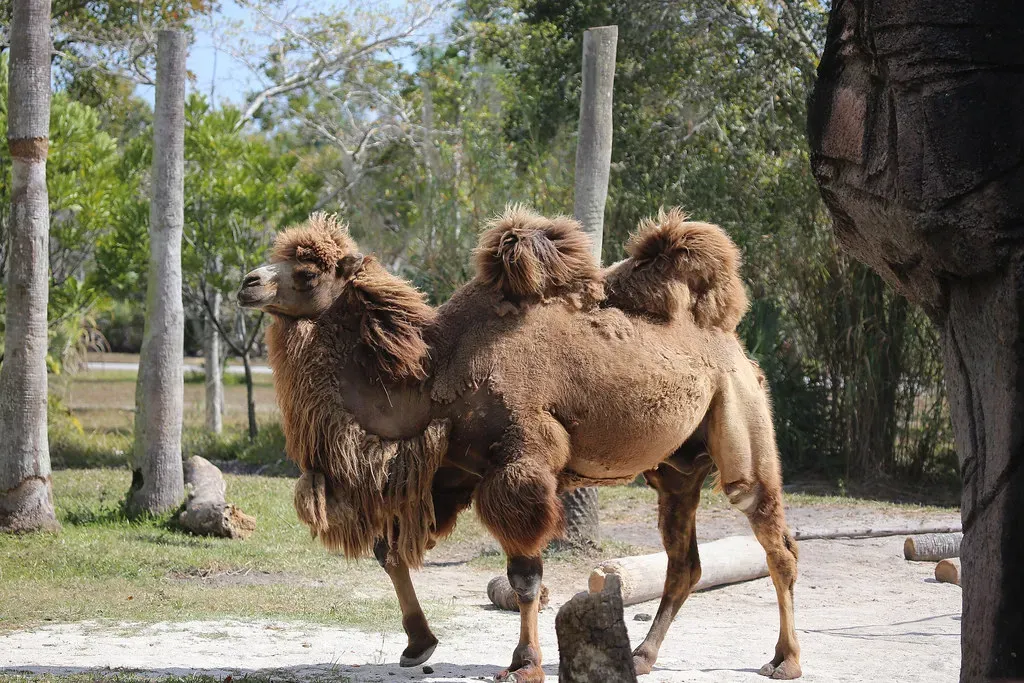
Camels store up to 36 kg of fat in their humps, producing around 10 liters of water through metabolic breakdown. Camels store fat in their humps and can go long stretches without food. Contrary to popular belief, the humps don’t store water directly but fat, which breaks down to produce water as a metabolic byproduct.
Some species like the camel have developed efficient water conservation mechanisms, such as highly concentrated urine and nasal passages that trap moisture from exhaled air. Camels can drink roughly 30 gallons of water in just 13 minutes, rehydrating rapidly when water becomes available. Their blood cells are oval-shaped rather than round, allowing blood to keep flowing even when the animal becomes severely dehydrated.
Desert days burn hot, nights turn cold, and thick fur works both ways, with camel fur limiting heat entering the body during the day while slowing heat loss at night. Their fur acts as insulation against both heat and cold. They can also tolerate body temperature fluctuations that would be dangerous for most mammals, allowing their temperature to rise during the day to reduce the need for evaporative cooling.
Their feet are broad and padded, spreading their weight across sand and preventing them from sinking. Long eyelashes and closable nostrils protect against blowing sand. Camels can survive losing over 25% of their body weight through water loss, a level of dehydration that would kill most mammals. Everything about their physiology screams desert specialist, from their metabolism to their behavior.
Crocodile Icefish: The Blood That Runs Clear
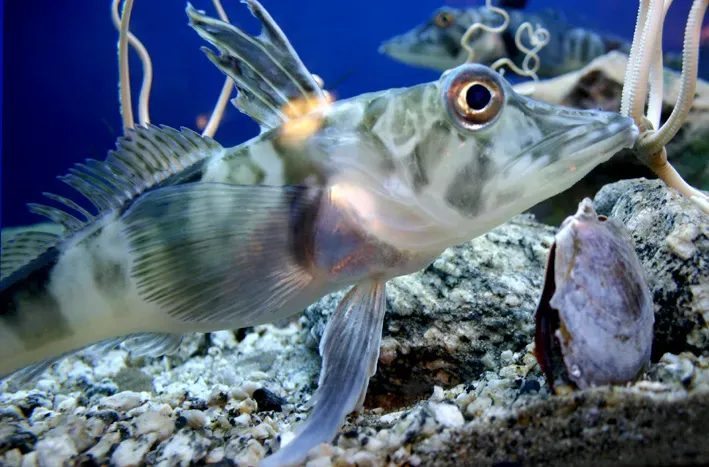
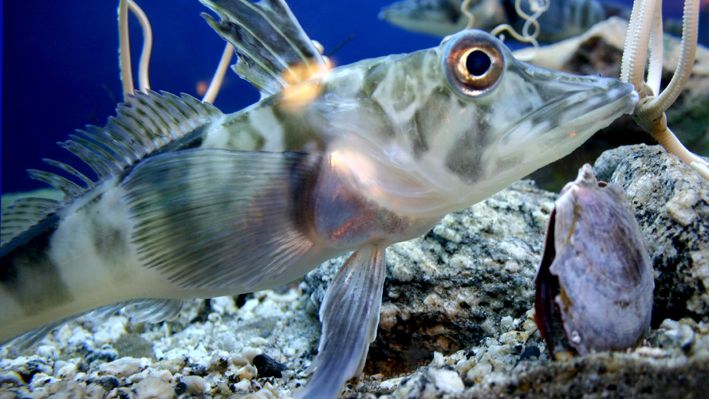
Red blood cells are important as they help animals transport oxygen from their lungs or gills to the rest of the body via a protein called hemoglobin, but in place of hemoglobin, crocodile icefish have a range of adaptations to help them absorb oxygen including larger gills and smooth, scale-free skin which allows them to absorb oxygen directly from the ocean. These Antarctic fish have transparent blood, lacking the red blood cells that give blood its color in virtually every other vertebrate.
Antarctic fish have developed antifreeze proteins in their blood along with other strange and wonderful adaptations, with these fish collectively called notothenioidei making up roughly 90% of all fish in Antarctic continental waters. Certain fish have antifreeze proteins that lower the freezing point of their blood, with these proteins attaching to small ice crystals that enter the circulatory system through gills and preventing the ice crystals from growing.
The absence of hemoglobin means their blood carries less oxygen, but Antarctic waters are oxygen-rich because cold water holds more dissolved oxygen than warm water. Their large heart and blood volume compensate for reduced oxygen-carrying capacity. While their white blood doesn’t necessarily have any evolutionary value for icefish, it may make them particularly vulnerable to rising ocean temperatures, as cold water holds more dissolved oxygen than warmer water, and as the ocean heats up and dissolved oxygen becomes less available, their method of absorbing oxygen may become less efficient.
These fish move slowly and deliberately, conserving energy in an environment where food can be scarce. Their metabolism runs at a fraction of the rate of similar fish in warmer waters. Living at temperatures that would freeze the blood of most fish, icefish represent an extreme example of biochemical adaptation. It’s hard to say for sure how they’ll cope as waters warm, but their very existence depends on the cold.
Conclusion
The twelve creatures we’ve explored showcase nature’s remarkable creativity when faced with seemingly impossible challenges. From tardigrades surviving the vacuum of space to Pompeii worms thriving at scalding temperatures, from kangaroo rats that never drink to penguins that endure Antarctic darkness, each species demonstrates that “extreme” is truly relative. These animals remind us that life’s boundaries are far broader than we once imagined.
Extremophiles are remarkable organisms capable of growing and developing in extreme environments such as volcanic areas, polar regions, deep seas, salt and acidic lakes, deserts, and even space, playing an important role in understanding the limits of life and expanding our knowledge of biology. Studying these extraordinary survivors helps scientists understand the fundamental requirements for life itself. Their adaptations might one day inspire technologies for preserving organs, protecting crops, or even enabling human exploration of hostile environments on Earth and beyond.
What strikes me most about these creatures is their resilience in the face of conditions we would consider utterly unbearable. They’re not just hanging on by a thread or barely surviving. They’re thriving, reproducing, and have been doing so for millions of years. Their success stories challenge our assumptions about what’s possible and remind us that evolution finds solutions we could never predict. What would you have guessed about these remarkable survivors? Did any of their adaptations surprise you?

- According to Irish Folklore, Ravens Were Guardians of Forgotten Wisdom - August 5, 2026
- According to Native American Tradition, Ravens Were World-Creators Rather Than Omens of Death - August 5, 2026
- According to Native American Tradition, Eagles Were Divine Messengers Rather Than Just Birds of Prey - August 5, 2026