
There’s something primal about facing down an aggressive dog. Your heart starts racing, your muscles tense up, and every instinct screams at you to do something. The problem is, what feels natural in that terrifying moment is often exactly the wrong move. Millions of people are bitten by dogs each year in the United States, with hundreds of thousands seeking medical attention.
Understanding how to react when a dog shows signs of aggression could literally save your skin. It’s hard to say for sure, but many of these encounters escalate not because the dog intended to attack, but because we humans make critical errors in judgment. Dogs that bite feel threatened or afraid for some reason, and instinctively react by attacking. Knowing what NOT to do is often more important than knowing what to do. Let’s dive into the five absolute worst mistakes you can make when a dog is about to attack.
Never Make Direct Eye Contact
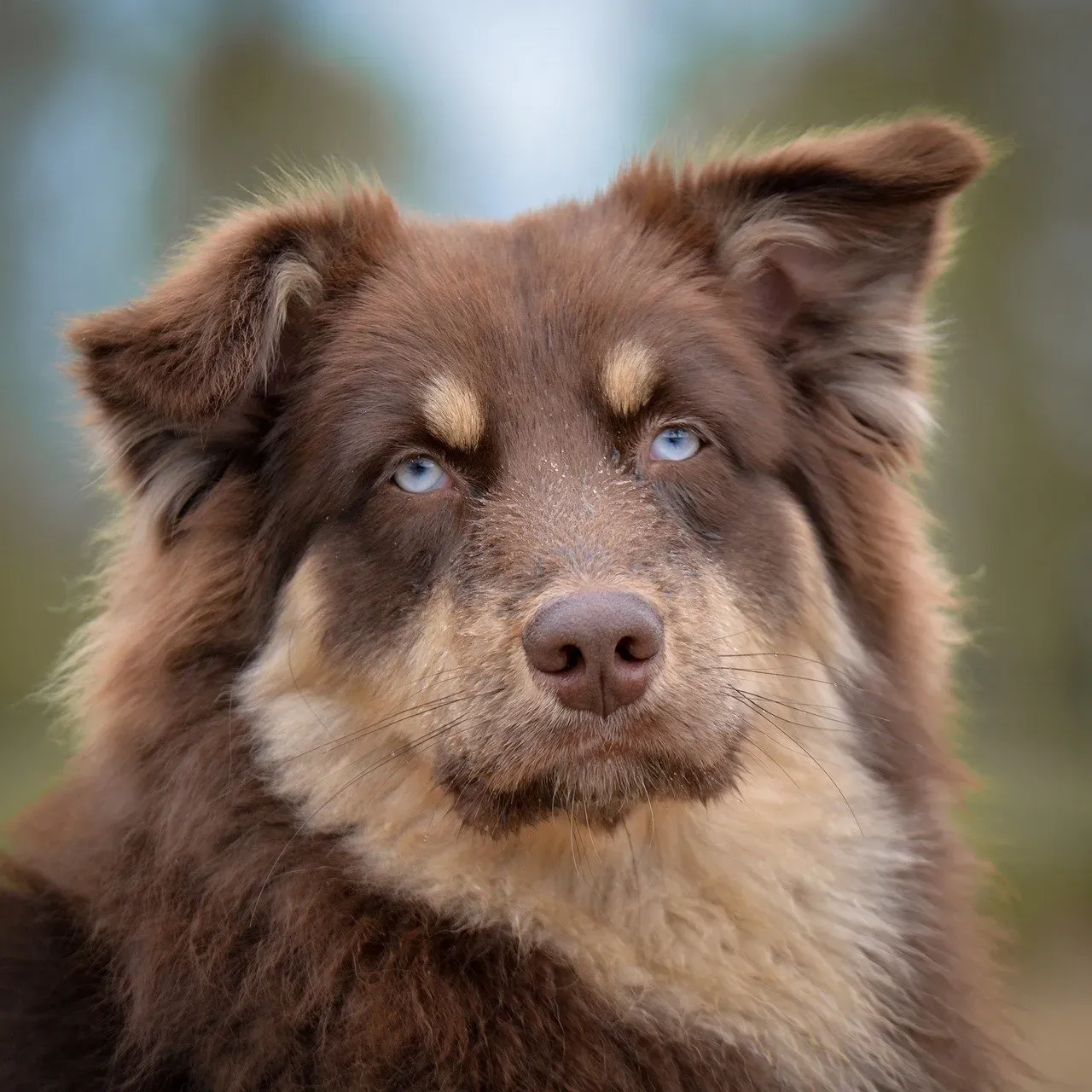
Here’s the thing about staring down a potentially aggressive dog. It doesn’t make you look tough or dominant. In the dog’s world, direct eye contact is a challenge, a threat, an invitation to conflict. When you lock eyes with a dog that’s already feeling threatened, you’re basically telling them you’re ready to fight.
You should avoid eye contact and lower your head, turning your gaze away from the dog. Think about it from the dog’s perspective. They’re already stressed, already on edge, and now here you are staring them down like you’re preparing for battle. It escalates everything.
The safer approach is to soften your gaze or look away entirely. You can keep the dog in your peripheral vision without making that confrontational eye lock. Some experts even suggest looking at the dog’s feet or the ground nearby rather than their face. This sends a message that you’re not interested in conflict.
If a dog approaches you when it’s off leash, don’t run away and yell or make loud noises, but stand still with your arms held close to you and avoid eye contact with the dog. Your body language speaks volumes. Dogs read us better than we often realize, and that hard stare could be the trigger that pushes an anxious animal over the edge.
Honestly, it feels counterintuitive to look away when something dangerous is approaching you. Every fiber of your being wants to watch the threat. Still, resisting that urge and averting your eyes might be what keeps the situation from exploding into violence.
Never Run Away From The Dog
Let’s be real, when something with teeth is coming toward you, your first instinct is to bolt. Running triggers something deep and primal in dogs, though. Never run from a dog and never scream around a dog. Their prey drive kicks in almost instantly. Suddenly you’re not a person anymore; you’re something to chase.
Do not run but try to get to a place where there is a barrier between you and the dog. Running also puts you in a vulnerable position. You’re moving fast, off balance, and if the dog catches you, you’re likely to fall. Once you’re on the ground, you’re in an even worse spot.
The movement itself can transform a dog that was just barking and posturing into one that’s actively pursuing. Dogs are built to chase, and many breeds can run faster than any human. You won’t outrun them. Even if you think you can make it to your car or a door, that sprint could be the very thing that provokes an attack.
Don’t try to outrun him. Instead, moving slowly or standing completely still is your better bet. It might feel terrifying to stay put, but sudden movements and attempts to flee make everything worse. Stay completely still with your arms crossed on your chest.
The hardest part is fighting every survival instinct that’s screaming at you to get away. I know it sounds crazy, but staying calm and still gives the dog a chance to assess the situation and decide you’re not worth the trouble.
Never Yell Or Scream
When fear takes over, raising your voice seems natural. You might think shouting will scare the dog off or alert others to help you. The reality is quite different. Do not speak to or yell at the dog. Loud noises can actually heighten the dog’s anxiety and arousal, making them more likely to attack rather than back down.
The more you attempt to communicate, the greater the chances are of provocation, as dogs don’t speak our language. Your screaming doesn’t translate to words the dog can understand. It’s just noise, threatening noise that puts them further on edge. An already agitated animal will interpret your shouting as aggression.
Think about how you’d react if someone started screaming at you during a tense moment. You’d probably get more defensive, right? Dogs work the same way. They feed off energy, and your panicked yelling sends all the wrong signals.
Some people try using commands like “sit” or “stay,” but unless that specific dog has been trained to respond to your voice, it’s unlikely to work. The less interaction you have with the dog, the more likely they will assess and decide to move away. Silence, as uncomfortable as it feels, is often your friend in these situations.
The urge to yell for help or try to verbally control the dog is powerful, especially when you’re terrified. Resisting that impulse and staying quiet might feel impossible, yet it dramatically reduces the chances of triggering an attack. Keep your mouth closed and your body language non-threatening.
Never Wave Your Arms Or Make Sudden Movements
Flailing your arms around when a dog approaches might seem like a way to make yourself look bigger or more intimidating. It actually does the opposite. Sudden, erratic movements signal panic and unpredictability, two things that can push an already tense dog into attack mode.
Turn your body slowly to the side but do not turn your back to the dog, crossing your arms across your chest and remaining standing still. The key word here is slowly. Any quick gesture can be interpreted as a threat or trigger the dog’s instinct to grab at moving objects.
Dogs are incredibly attuned to motion. Their eyes are designed to track movement, and when you start waving your arms, you become even more of a target. It’s similar to how waving a toy in front of a dog during play makes them want to chase and grab it. You don’t want to become that toy.
If you are carrying treats, you can very slowly and calmly throw some treats behind or over to the side of the dog, but this needs to be done slowly and calmly as too much movement might make the dog fearful and prompt him to keep approaching. Even helpful gestures need to be executed with extreme caution and minimal sudden motion.
I think the hardest part about this is that standing perfectly still with your arms tucked in feels so passive. You want to do something, anything, to defend yourself. The truth is, that stillness is your defense. It tells the dog you’re not a threat and you’re not going to fight back, which often prompts them to lose interest and move on.
Never Use Aggression Or Try To Fight Back
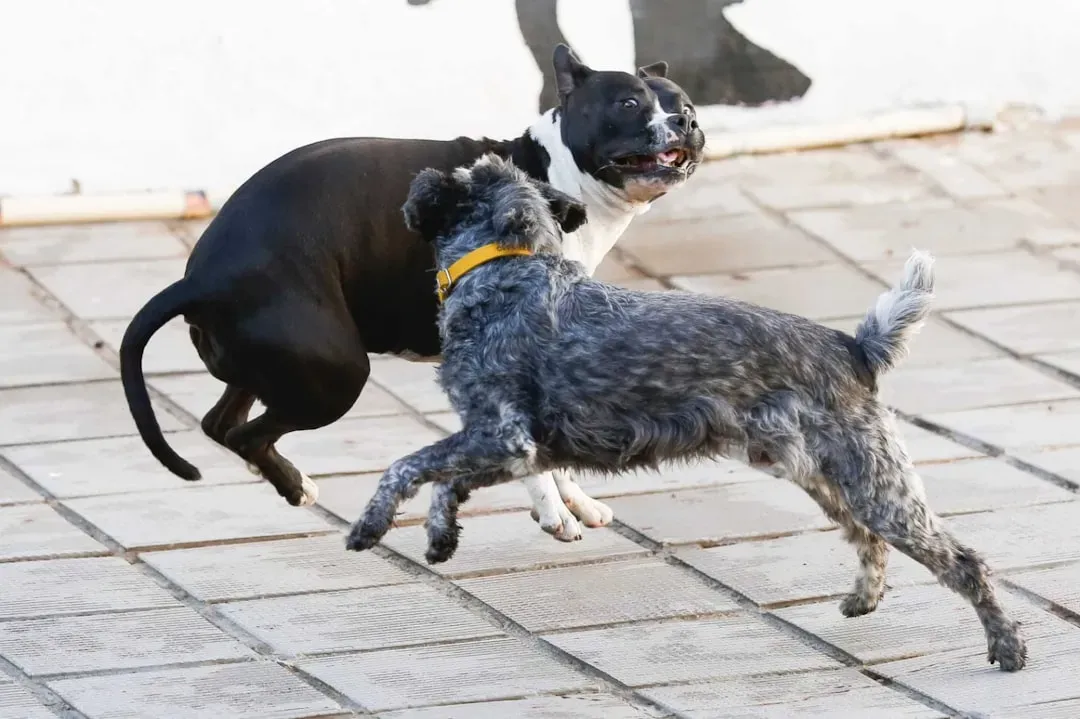
This might surprise you, but hitting, kicking, or trying to physically dominate a dog that’s about to attack is usually a terrible idea. As hard and counterintuitive as it may seem, resist the urge to yell or fight back, because dogs are going to fight until they feel you are no longer a threat. When you escalate with physical aggression, you’re entering a fight you’re unlikely to win.
If the dog is not yet attacking you, spraying him with pepper spray might be the trigger for an explosion, as treating aggression with aggression only makes things worse. Even defensive tools can backfire if used too early or aggressively. The dog doesn’t understand you’re defending yourself; they just know you’re attacking them now.
Dogs have powerful jaws, fast reflexes, and a much lower center of gravity than humans. If you start swinging at them, you’re giving them a target and a reason to fight harder. They’ll latch on, and once they do, extracting yourself becomes exponentially more difficult.
There are exceptions, of course. If you’re actually being bitten and in the middle of an active attack, you may have no choice but to defend yourself. If you are in the ground slowly curl into a ball on your knees with your hands clasped behind your neck protecting your head and throat. Even then, the goal is protection rather than retaliation.
The instinct to fight back when threatened is maybe the most powerful human response there is. Yet when it comes to dogs, that response often makes a bad situation catastrophic. Staying calm, protecting vulnerable areas, and waiting for the dog to disengage takes tremendous self control but offers the best chance of avoiding serious injury.
Conclusion
Facing an aggressive dog is one of those experiences that tests everything you think you know about self preservation. The natural responses – staring, running, screaming, flailing, fighting – are almost universally the wrong choices. Most aggression is driven by fear, so intervening early if you have a fearful dog is best, and don’t wait for aggression to escalate to a bite or attack.
Understanding that dogs operate on a completely different set of rules can save your life. They’re reading your body language, your energy, and your intent in ways that don’t always match up with human communication. When you know what not to do, you give yourself and the dog a chance to de-escalate before things get dangerous.
The most important takeaway is this: stillness, silence, and avoiding confrontational gestures are your best tools. Let the dog make the decision to walk away. If the dog does not perceive you as a threat, he will move away. Give them that option by not doing the five things we’ve discussed here.
Have you ever had a close call with an aggressive dog? What would you do differently now? Share your thoughts in the comments below.

- Animal Science Says Chimpanzee Grooming Builds Alliances as Much as It Removes Dirt - August 9, 2026
- What Happens If You Never Brush Your Dog’s Teeth? - August 9, 2026
- What Ancient Creature Are You According to Your Zodiac Sign - August 9, 2026