
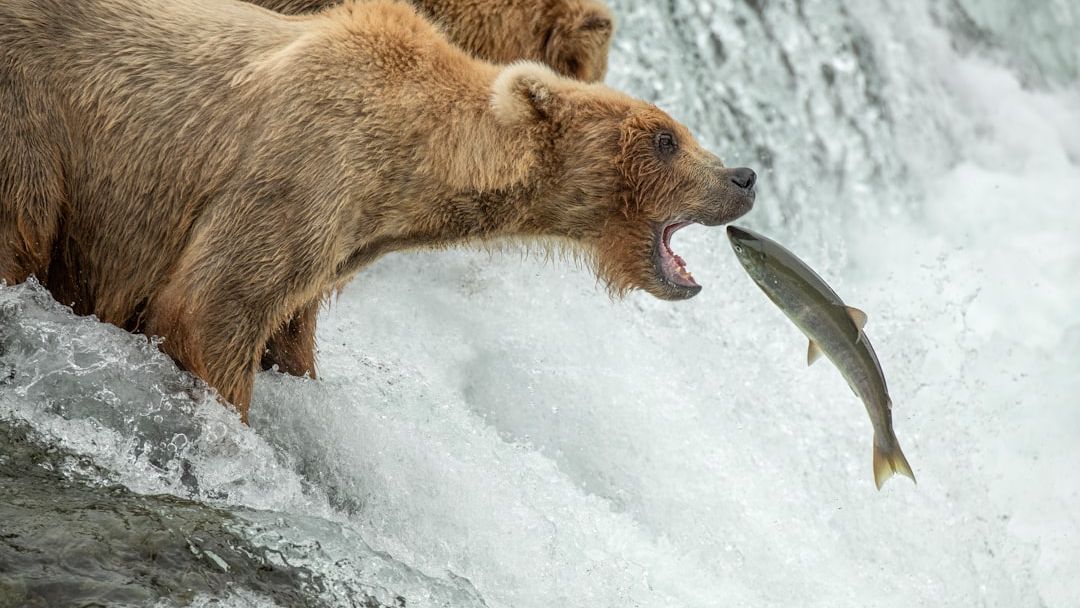
Picture this: you’re hiking through pristine wilderness, breathing in that crisp mountain air, when suddenly you round a corner and there it is. A massive brown bear, only yards away, staring directly at you. Your heart pounds, your mouth goes dry, and every survival instinct starts screaming at once. Do you run? Drop to the ground? Fight back with everything you’ve got?
The truth is, what you do in those critical seconds could mean the difference between walking away with an incredible story or never walking away at all. The conventional wisdom you’ve heard might not be as straightforward as you think. There’s a lot more nuance to surviving a brown bear encounter than just memorizing a single piece of advice. Let’s dive into what actually works when you’re face to face with one of nature’s most powerful predators.
Understanding Why Brown Bears Attack in the First Place
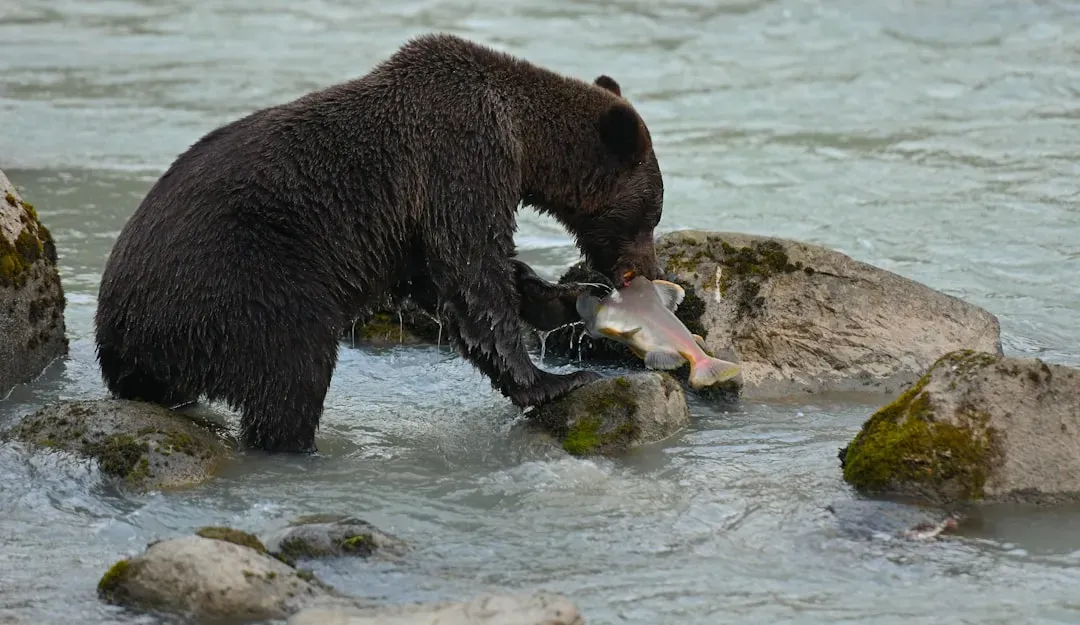
Here’s the thing most people don’t realize. Nearly half of brown bear attacks worldwide result from defensive reactions by females with cubs. That mother bear isn’t trying to eat you. She’s protecting her babies from what she perceives as a deadly threat.
A defensive attack occurs when a bear perceives a human as a threat to its cubs, a food cache, or its personal space, with the bear’s goal being to neutralize the threat. Think of it from the bear’s perspective for a moment. You’ve just stumbled into her territory, gotten too close to her family, and she’s doing what any parent would do.
Although rare, attacks on humans have occurred, inflicting serious injuries and death, yet there is no single strategy that will work in all situations and that guarantees safety. Most encounters happen because we surprised them. Almost all recorded bear attacks in the wild have resulted from humans surprising them.
It’s honestly a bit terrifying when you consider how quickly things can escalate. The bear doesn’t wake up planning to attack anyone. She’s just reacting to what seems like danger.
The Critical Difference Between Defensive and Predatory Attacks
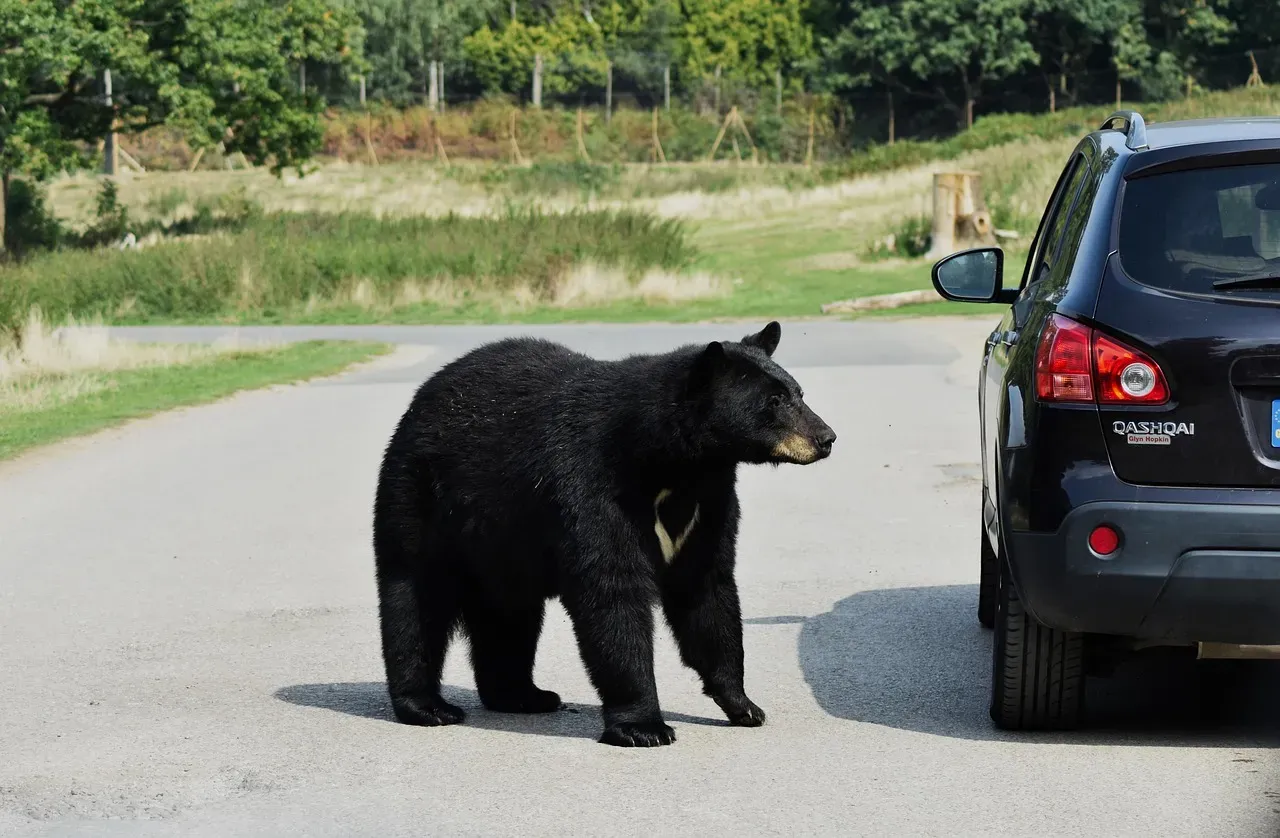
Now this is where things get really important. Not all brown bear attacks are the same, and your response absolutely has to match the situation. A predatory attack, though rare, happens when a bear views the human as potential prey or a food source, more commonly observed in black bears but characterized by stalking, circling, or approaching with intense focus.
In predatory attacks, the bear will be intensely interested, with its full attention concentrated on you, head up and ears erect. This is completely different from a defensive encounter. The bear isn’t trying to eliminate a threat. It’s hunting.
I know it sounds crazy, but you need to recognize these behavioral cues instantly. In a predatory attack, the animal is actually looking at you as a food source, typically stalking you, and predatory attacks are extremely rare. The good news? These situations are incredibly uncommon with brown bears.
The bear’s intent is the key factor; a defensive attack requires a non-threatening response, whereas a predatory attack demands aggressive resistance. Getting this wrong could be fatal.
When Playing Dead Actually Saves Your Life
Let’s be real about when you should hit the ground and pretend you’re not a threat anymore. If you are attacked by a brown bear, leave your pack on and play dead by laying flat on your stomach with your hands clasped behind your neck and spreading your legs to make it harder for the bear to turn you over.
When a grizzly starts to attack, play dead by tucking and covering, getting into a fetal position, wrapping your hands around your neck, and laying on your stomach. The position matters because you’re protecting your vital organs and showing complete submission.
If a brown bear knocks you down, assume a defensive posture with your face down, hands interlocked to protect the neck, and legs spread so the bear can’t roll you over, then lie still. Honestly, this goes against every instinct you have. Your body wants to fight or flee. Doing neither feels impossible.
But here’s why it works. Playing dead works as a survival technique if you’re dealing with a brown bear whose attack was defensive, and simply stopping movement causes the bear to stop attacking. She’s removing the threat. Once you’re no longer moving, you’re no longer threatening.
Premature movement has triggered bears to attack again and again until the person figures out they had best stop moving. That’s the terrifying part. You have to stay completely still even when everything in your body screams to get up and run.
Wait around 20 minutes, until you’re sure that the brown bear has gone, before getting up again. Twenty minutes can feel like an eternity when you’re lying there wondering if the bear is truly gone.
Why Running Is Almost Always the Wrong Choice
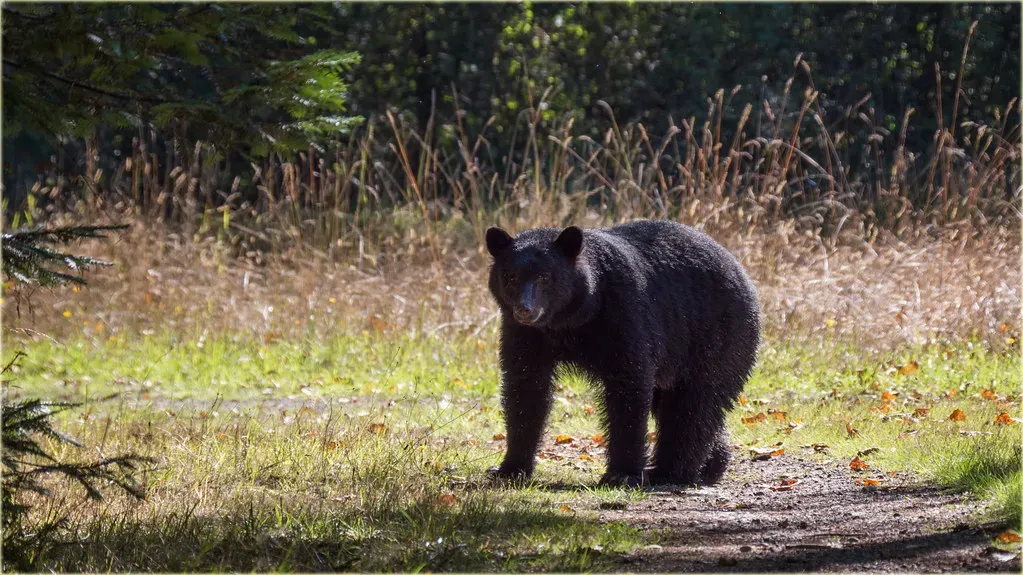
I’ll admit, the urge to bolt when you see a bear is overwhelming. Your adrenaline spikes, your muscles tense, and every fiber of your being wants to put distance between you and that massive animal. Terrible idea.
Never run from a surprised bear because it can cause a predatory reaction from the bear. Think about it. What do predators chase? Things that run. With either grizzlies or black bears, please don’t run as bears can outrun anybody.
Do not try to climb a tree as you cannot outrun or out climb a bear. People have this misconception that they can shimmy up a tree and wait it out. Brown bears might not climb as readily as black bears, but they’re still perfectly capable. Besides, you’re not getting up that tree fast enough anyway.
Turning and running may alarm a bear and trigger it to run after you; instead, simultaneously group together while readying deterrents and back away slowly. Backing away gives you distance without triggering that chase instinct. You’re leaving the bear’s space without acting like prey.
The bottom line? Your legs aren’t your salvation here. Running transforms you from a perceived threat into something the bear might actually want to pursue.
When Fighting Back Becomes Your Only Option
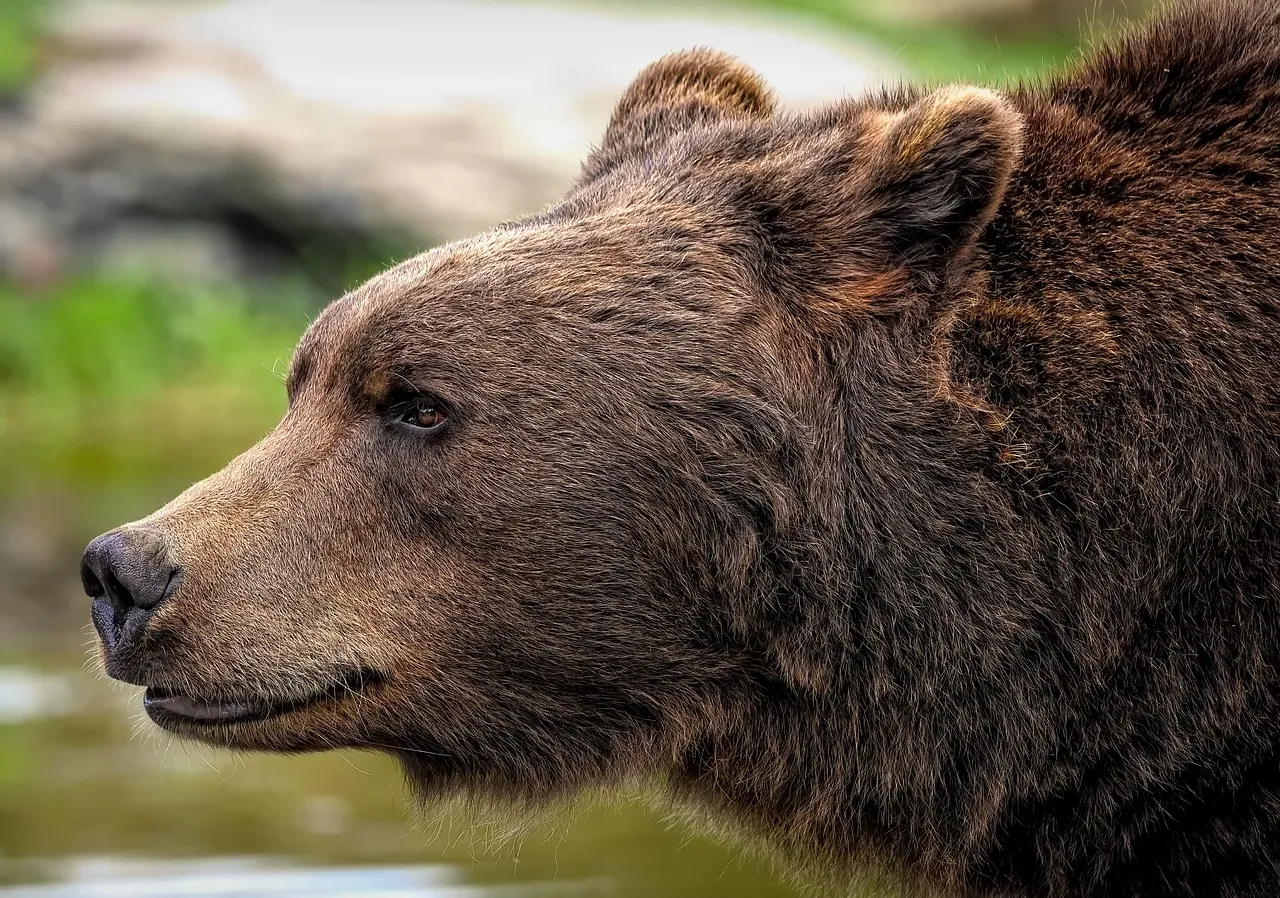
Here’s where things shift dramatically. If you surprise a grizzly and it charges or attacks, do not fight back, but only fight back if the attack persists. That persistence is the key indicator.
If the attack persists for an extended period, transition to fighting back to convince the bear you are too difficult to kill. A truly defensive bear should lose interest once you play dead. If she keeps attacking, something else is happening. If you encounter a bear that’s curious or stalks you like a predator, be ready to fight as you are the prey, and if that isn’t an option, be ready to fight.
If the bear attacks you, fight back with anything that you have, using any available weapon to fight the bear like sticks, rocks, bear spray, even your fists, as no matter the species, fight back with everything you have. Target sensitive areas. Focus your counterattack on the bear’s most sensitive areas, specifically the eyes and the nose, and do not relent as the objective is to make the bear realize that you are not worth the effort and risk of injury.
Fighting a brown bear sounds absolutely insane. It is. That’s why this is truly a last resort, when playing dead hasn’t worked and the bear continues its assault. At that point, you’ve got nothing to lose and everything to gain by showing you’re not easy prey.
Conclusion: Knowledge Is Your Best Defense
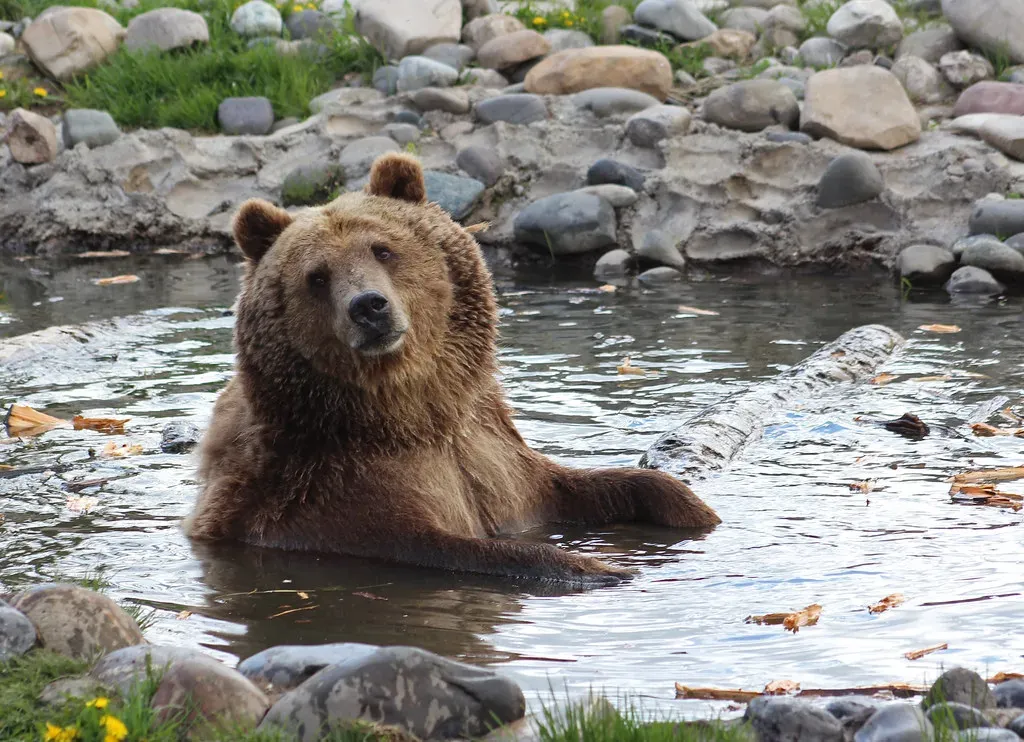
The reality is that surviving a brown bear attack isn’t about memorizing one simple rule. It’s about reading the situation, understanding bear behavior, and responding appropriately to whether you’re dealing with a defensive mother or something far more dangerous.
Of all persons carrying bear spray, 98% were uninjured by bears in close-range encounters, with all bear-inflicted injuries associated with defensive spraying involving brown bears being relatively minor. Prevention through deterrents like bear spray remains your best bet. Bear spray stopped a bear’s undesirable behavior in 92% of cases according to research conducted in Alaska.
Still, if you find yourself in that nightmare scenario, remember: play dead for defensive attacks, fight back only if the attack persists or seems predatory, and never, ever run unless you want to trigger every hunting instinct that bear possesses. The wilderness is their home, not ours. We’re just visitors who need to understand the rules.
What would you do if you came face to face with a brown bear tomorrow? Have you thought through your response, or are you relying on gut instinct that might get you hurt?
