
The Everglades is far more than just a collection of swamps and sawgrass stretching across South Florida. This sprawling wetland system, often called the River of Grass, pulses with life that depends on a delicate balance between hundreds of interconnected species. From massive reptiles that sculpt the landscape to tiny snails that feed endangered birds, each creature has carved out its niche in this subtropical wilderness.
What makes this ecosystem truly remarkable is how certain animals hold the entire system together. Remove just one of these key players, and the ripple effects could cascade through every level of the food web, altering habitats and threatening countless other species. Let’s dive into the surprising world of ten animals whose roles are absolutely essential to keeping the Everglades alive and thriving.
American Alligator: The Ecosystem Engineer
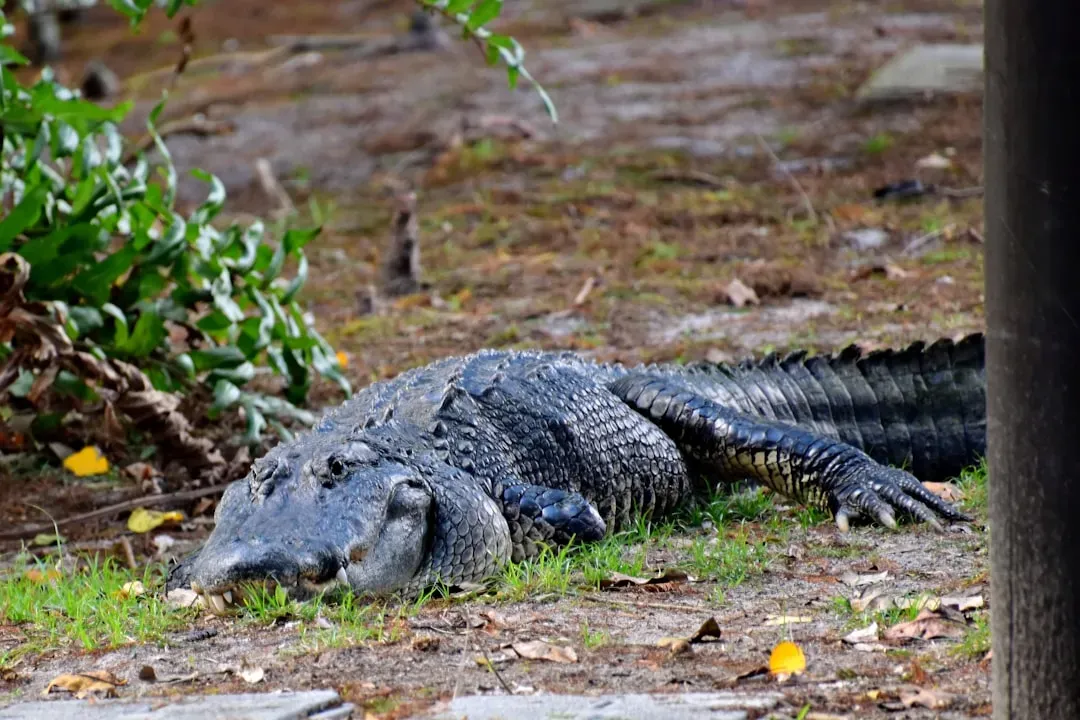
The American alligator is truly an ecosystem engineer that shapes the entire landscape, and honestly, it’s hard to overstate just how crucial these reptiles are. During the dry season, when water levels plummet across the wetlands, alligators dig deep depressions with their snouts, claws, and tails to create what are known as alligator holes. These holes retain water during the dry season, providing habitat for a variety of other species.
Think of these gator holes as oases in a temporarily parched landscape. Fish, turtles, wading birds, and countless invertebrates congregate around these refuges when water becomes scarce elsewhere. The disturbance enriches the soil, with alligator ponds showing higher nutrient levels compared to what was found in surrounding marshes. The nests they build also create elevated platforms where other reptiles nest and plants germinate, demonstrating how one species can reshape an entire habitat.
Florida Panther: The Apex Predator Keeping Balance
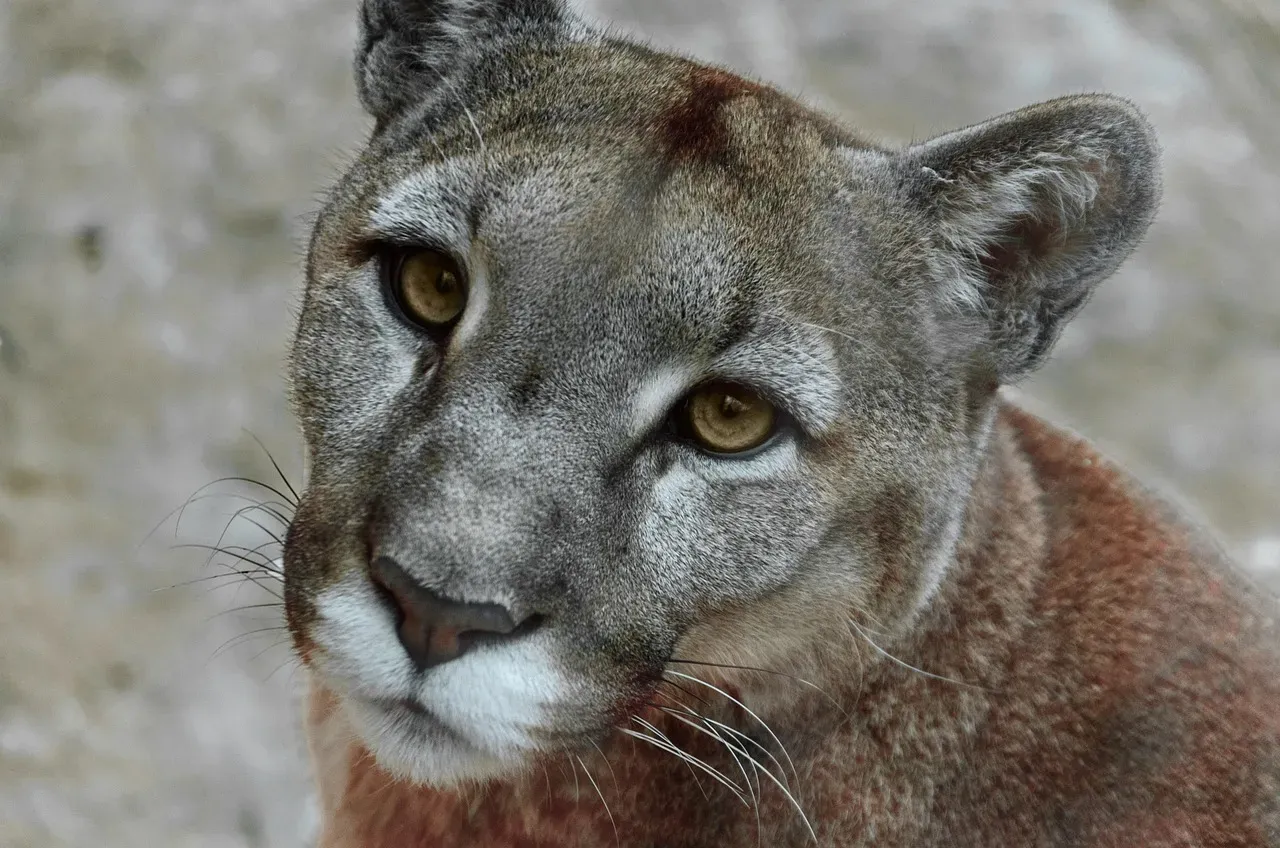
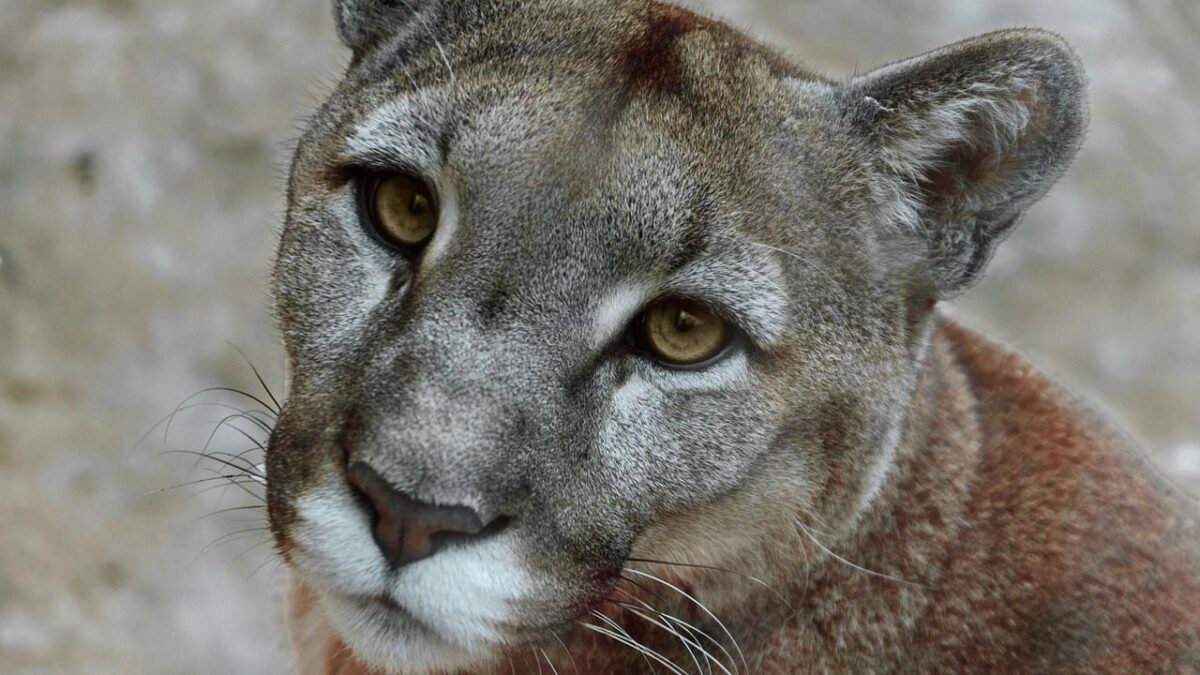
As a keystone species, the panther plays a pivotal role in maintaining the health of its ecosystem, though you’d be lucky to ever glimpse one in the wild. As of 2024, about 200 individuals are left in the wild, making every single one of these magnificent cats critically important. They prowl through hardwood hammocks, cypress swamps, and pine flatwoods, primarily hunting white-tailed deer, wild hogs, and raccoons.
By predating on these species, Florida panthers play a crucial role in regulating their numbers, thus preventing overpopulation and the subsequent overgrazing or depletion of resources. Let’s be real, without these top predators, herbivore populations would explode, stripping vegetation and fundamentally changing plant communities. The Florida Panther is an umbrella species, which means they are the heart of the ecological community within their habitat, and protecting panthers in Florida indirectly conserves other threatened and endangered wildlife in the state.
Wading Birds: Living Indicators of Everglades Health
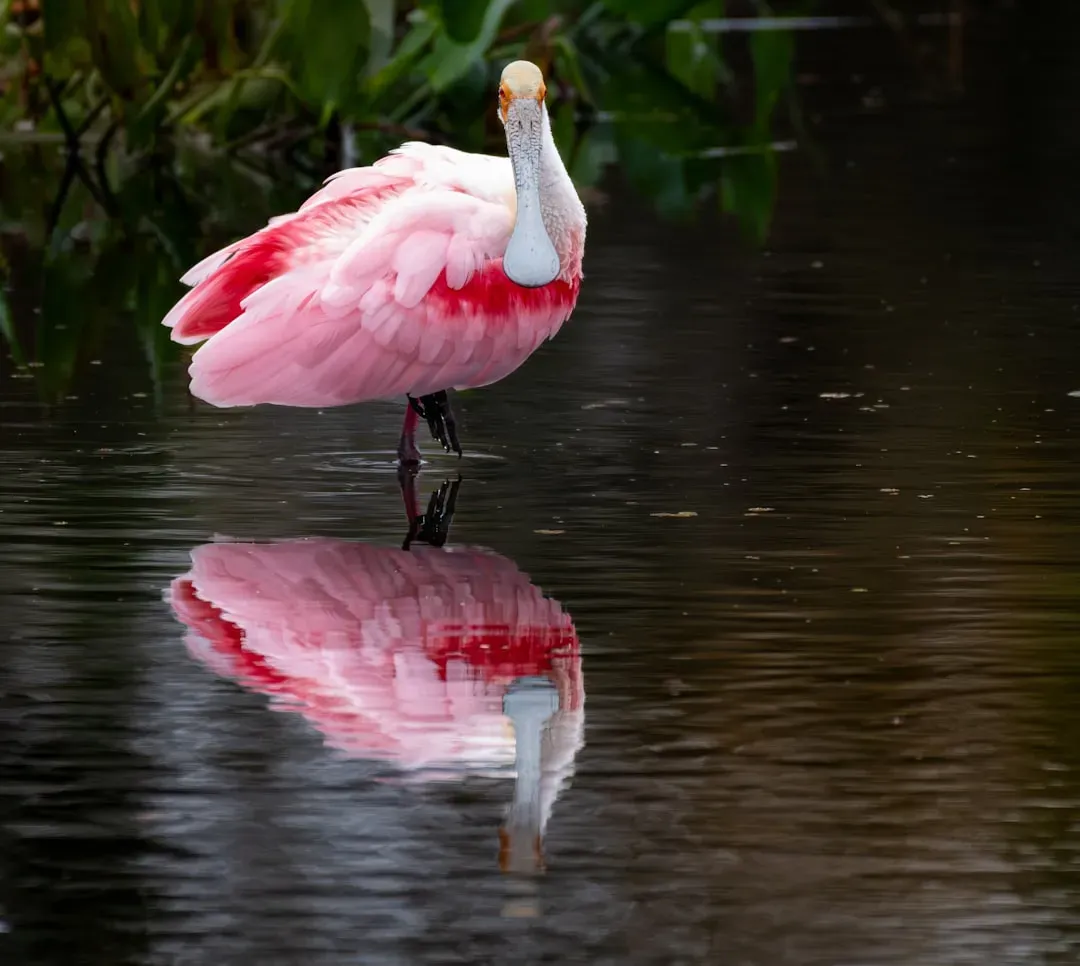
Large populations of long-legged wading birds are a defining characteristic of this ecosystem and a key component of the Comprehensive Everglades Restoration Plan. Species like great egrets, white ibises, wood storks, roseate spoonbills, and herons create spectacular nesting colonies that were once far more common than they are today.
Here’s the thing about wading birds: they help us understand the health of the Everglades; we know that if we get the water right for wading birds, we’re getting it right for the ecosystem. Wading birds need the right combination of wet and dry conditions throughout the year to breed successfully, with a wet summer that promoted high prey production followed by a dry winter and spring that concentrates fish and invertebrates in shallow pools. Scientists estimated that wading birds initiated almost 102,000 nests in the 2021 nesting season, showing the ecosystem can still respond when conditions align perfectly.
Florida Apple Snail: The Humble Foundation of the Food Web
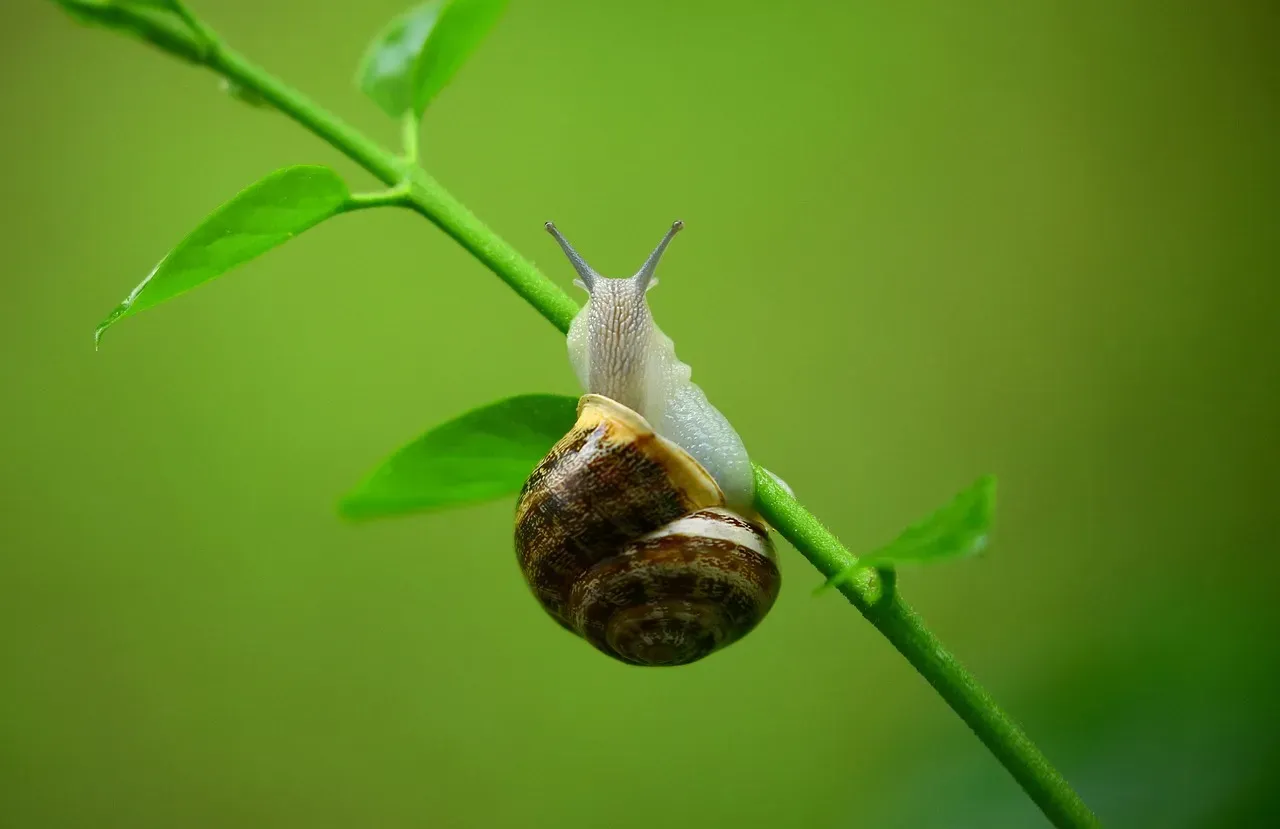
It might sound crazy, but a golf ball-sized snail could be one of the most important creatures in the entire Everglades. It is the principal food of the Everglades kite, Rostrhamus sociabilis plumbeus Ridgway, and should be considered beneficial. The snail is an important indicator of how the ecosystem itself is doing, and if we lose the apple snail, then we can be pretty sure it will affect animals further up the food chain.
In Florida, some of the natural predators of applesnails include limpkins, Everglades (snail) kites, raccoons, turtles and alligators. These snails lay their distinctive white egg clusters on vegetation above the waterline, and their populations have adapted to survive the natural wet and dry cycles of the wetlands. Apple snail populations have adapted to the periodic dry periods that are a natural part of the Florida wetland landscape, and research shows they can survive out of water for as long as four months.
Everglades Snail Kite: The Specialized Hunter
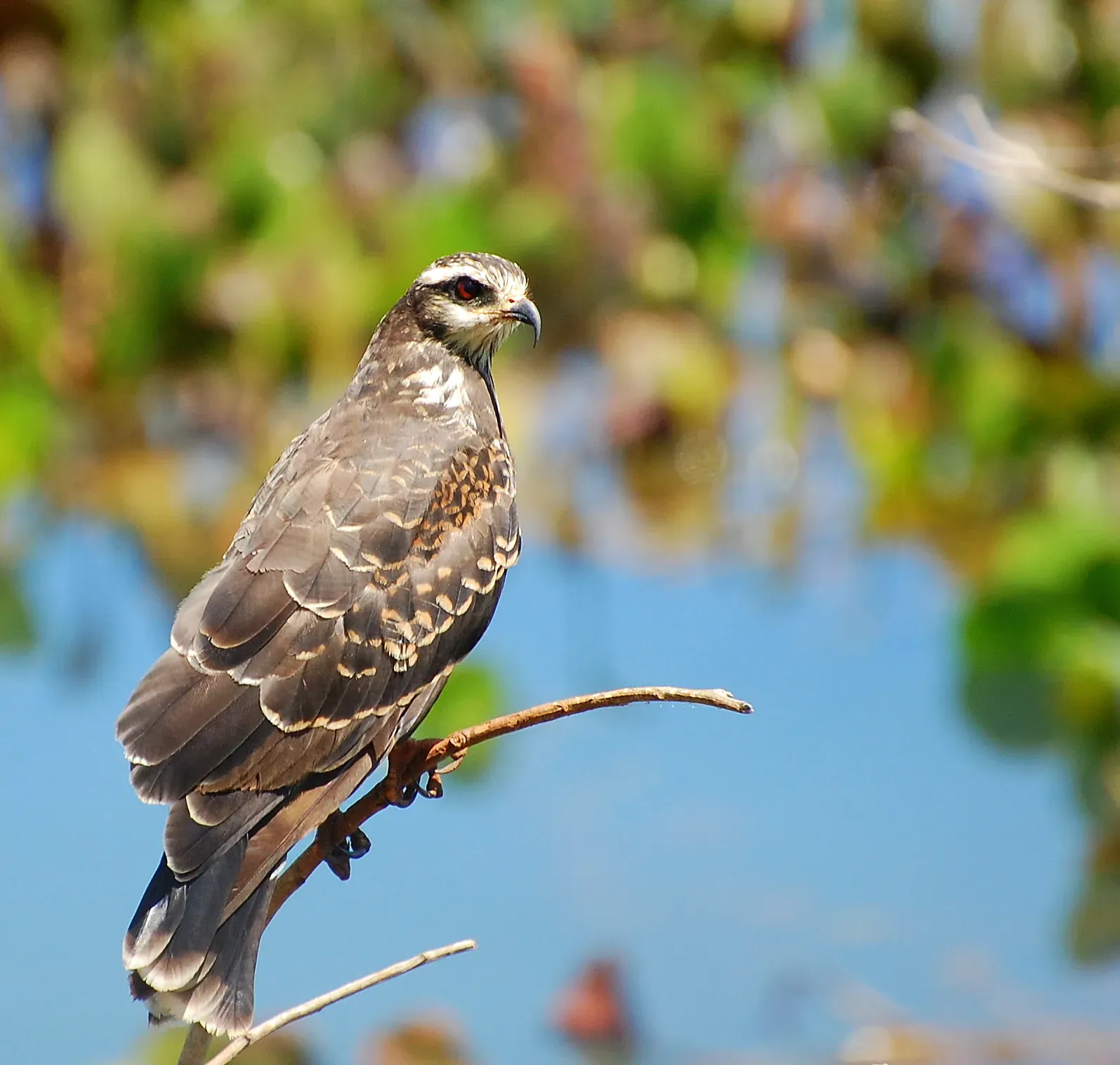
The snail kite represents one of nature’s most extreme examples of specialization. Snail kites, along with their fellow prairie resident the limpkin, have evolved to eat almost exclusively one thing – snails, with large freshwater apple snails, common in the vast expanses of the South Florida Everglades, being the primary food source for this bird. Their curved beak is perfectly adapted to extract snails from their shells, a skill that sets them apart from other raptors.
This specialization makes them incredibly vulnerable to changes in snail populations, which is why they’re federally endangered. Interestingly, the arrival of invasive apple snails has actually provided an unexpected food source. The invasive species was first spotted in 2004, and it was around that time that scientists started to see snail kite number increase, demonstrating the complex and sometimes surprising ways ecosystems adapt to change.
Freshwater Crayfish: Energy Transporters of the Wetlands
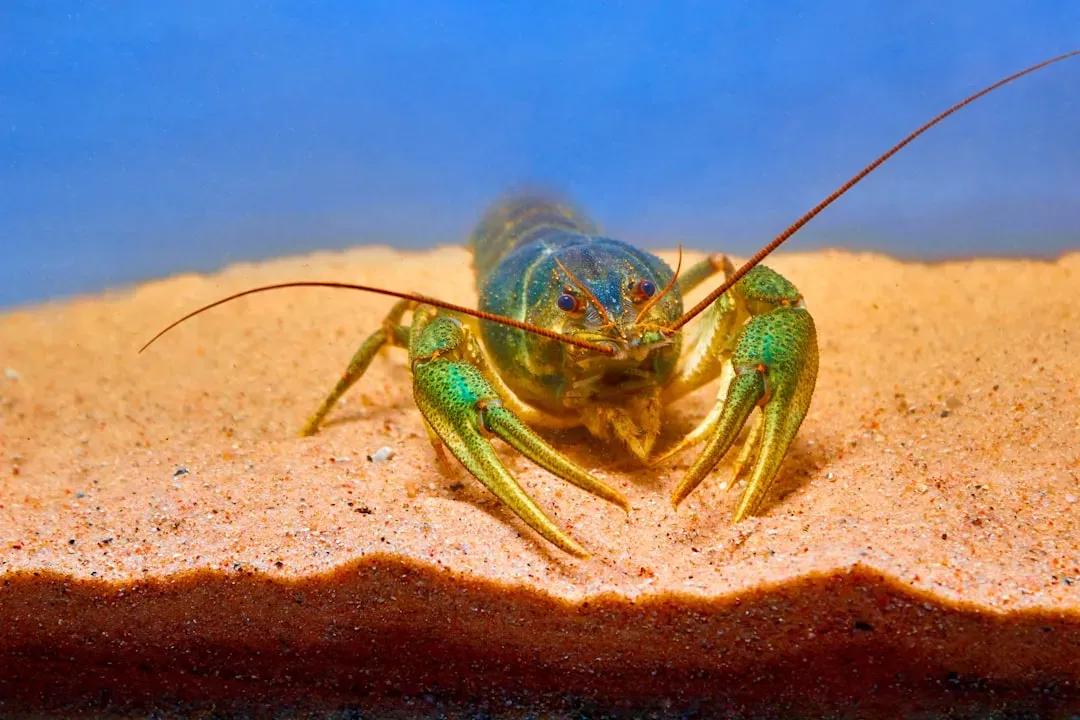
The Everglades ecosystem is home to two species of freshwater crayfish: the Everglades crayfish Procambarus alleni and the slough crayfish Procambarus fallax, and these species play a key ecological role by transporting energy from primary producers to higher trophic levels. These small crustaceans might not grab headlines like alligators or panthers, but their abundance makes them absolutely vital.
Two other abundant crustaceans in the Everglades are the riverine grass shrimp and the sideswimmer amphipod, both considered keystone species because of their importance in food chains. Crayfish and other invertebrates consume plant material and detritus, converting it into protein that fuels fish, wading birds, and other predators. Without these industrious little creatures processing organic matter at the base of the food chain, energy simply wouldn’t flow efficiently through the system.
Eastern Oyster: Nature’s Water Filter
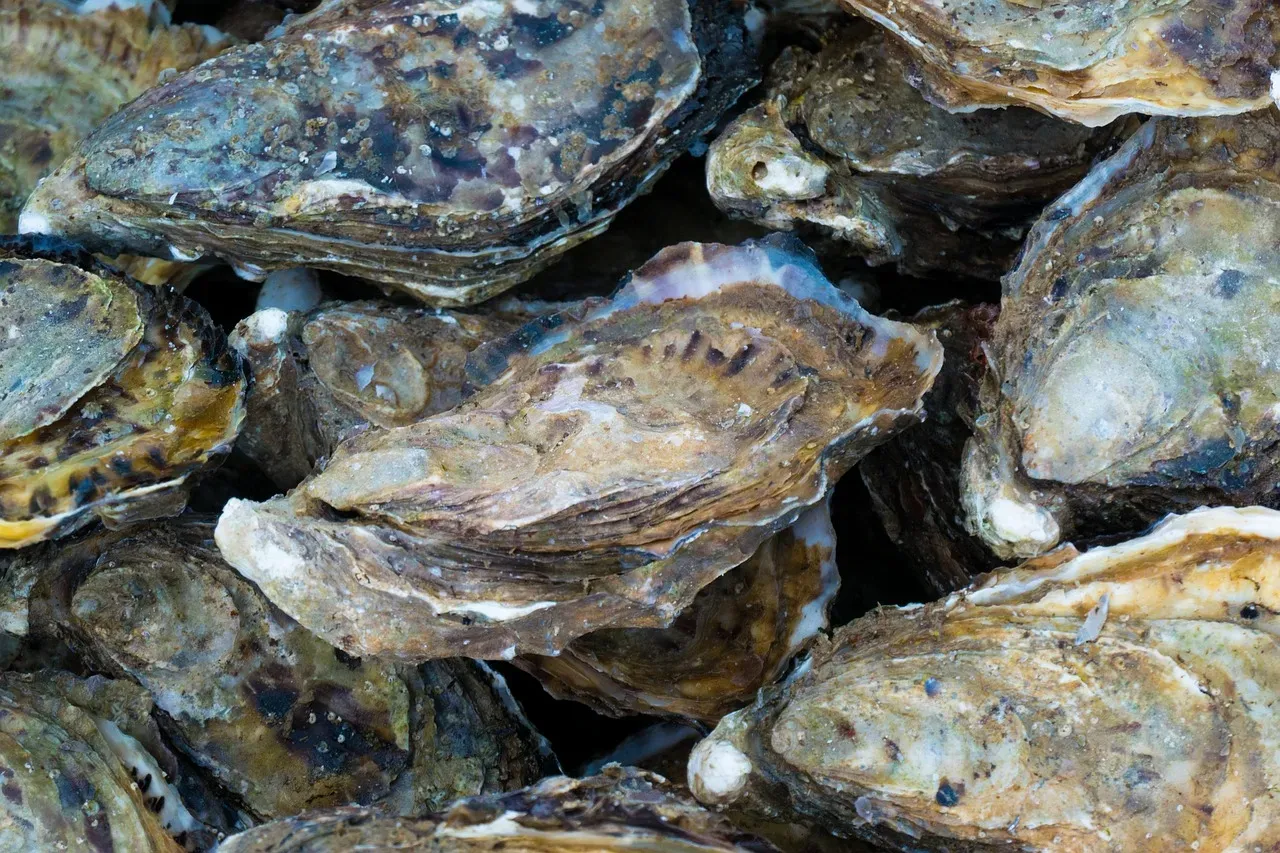
The eastern oyster (Crassostrea virginica) is a natural component of estuaries in south Florida and can provide water quality benefits including reduction of nutrients and particulate matter, and the control of phytoplankton. A single oyster can filter more than 50 gallons of water per day, removing excess nutrients and improving water clarity.
They also provide habitat and food for many estuarine species, and are an important commercial, recreational, and economic resource for coastal communities, while oyster reefs also protect shorelines by the attenuation of wave action and other perturbations from recreational boating. These reefs create three-dimensional structures in otherwise flat estuarine environments, offering hiding places for juvenile fish and invertebrates. The water filtration services they provide help maintain the delicate balance between fresh and saltwater ecosystems where the Everglades meets the sea.
American Crocodile: The Coastal Guardian
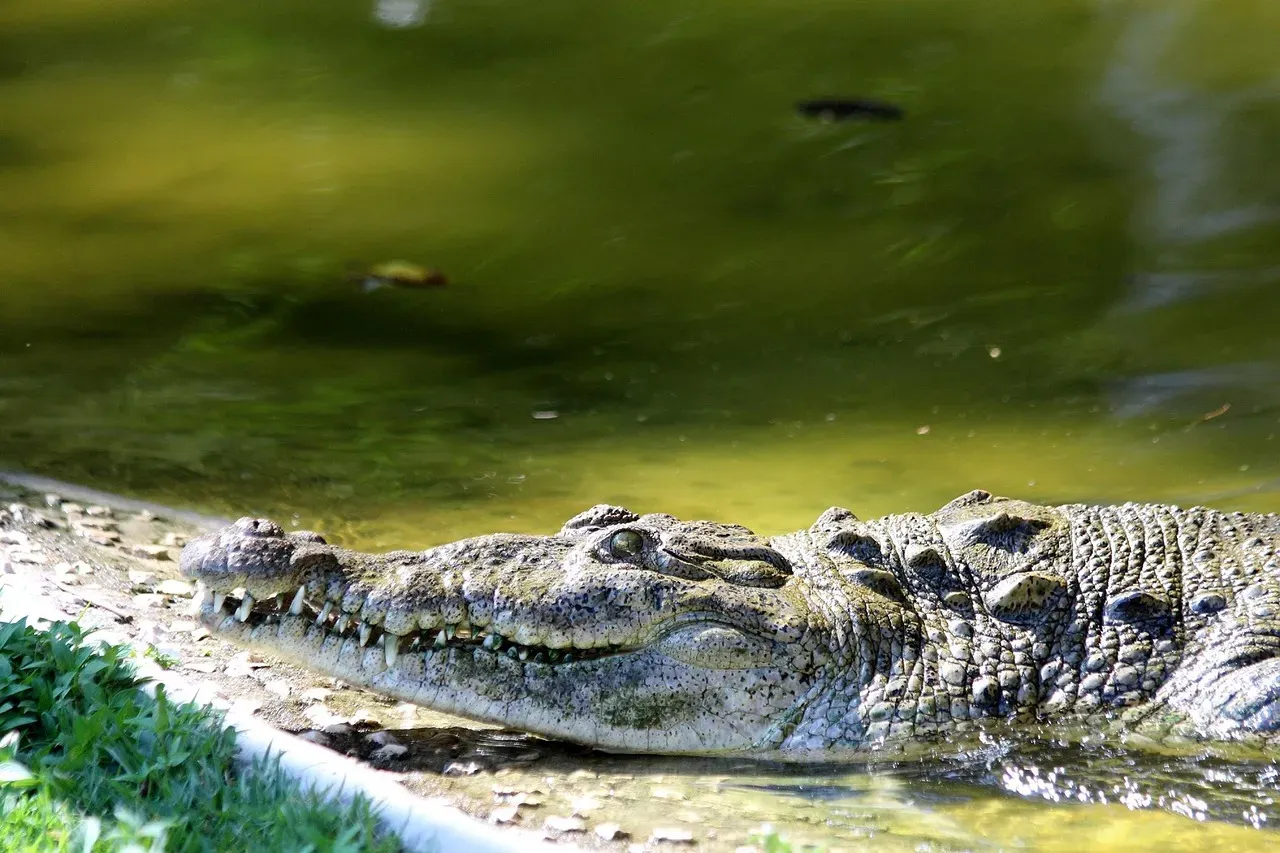
The Everglades is the only place in the world where both alligators and crocodiles exist, which is pretty remarkable when you think about it. Crocodilians are an important part of the Everglades ecosystem and are considered a keystone species in South Florida. While alligators dominate freshwater habitats, crocodiles prefer the brackish and saltwater environments of mangrove estuaries and coastal areas.
The crocodile was declared endangered in 1975, and although the population has significantly recovered and was reclassified as threatened in 2007, it continues to face issues related to habitat loss from development and effects of altered freshwater flow into estuaries. Their presence indicates healthy salinity levels and adequate freshwater flow into coastal zones, making them excellent indicators of restoration success in these transitional habitats.
Periphyton: The Algae Mat That Feeds Everything
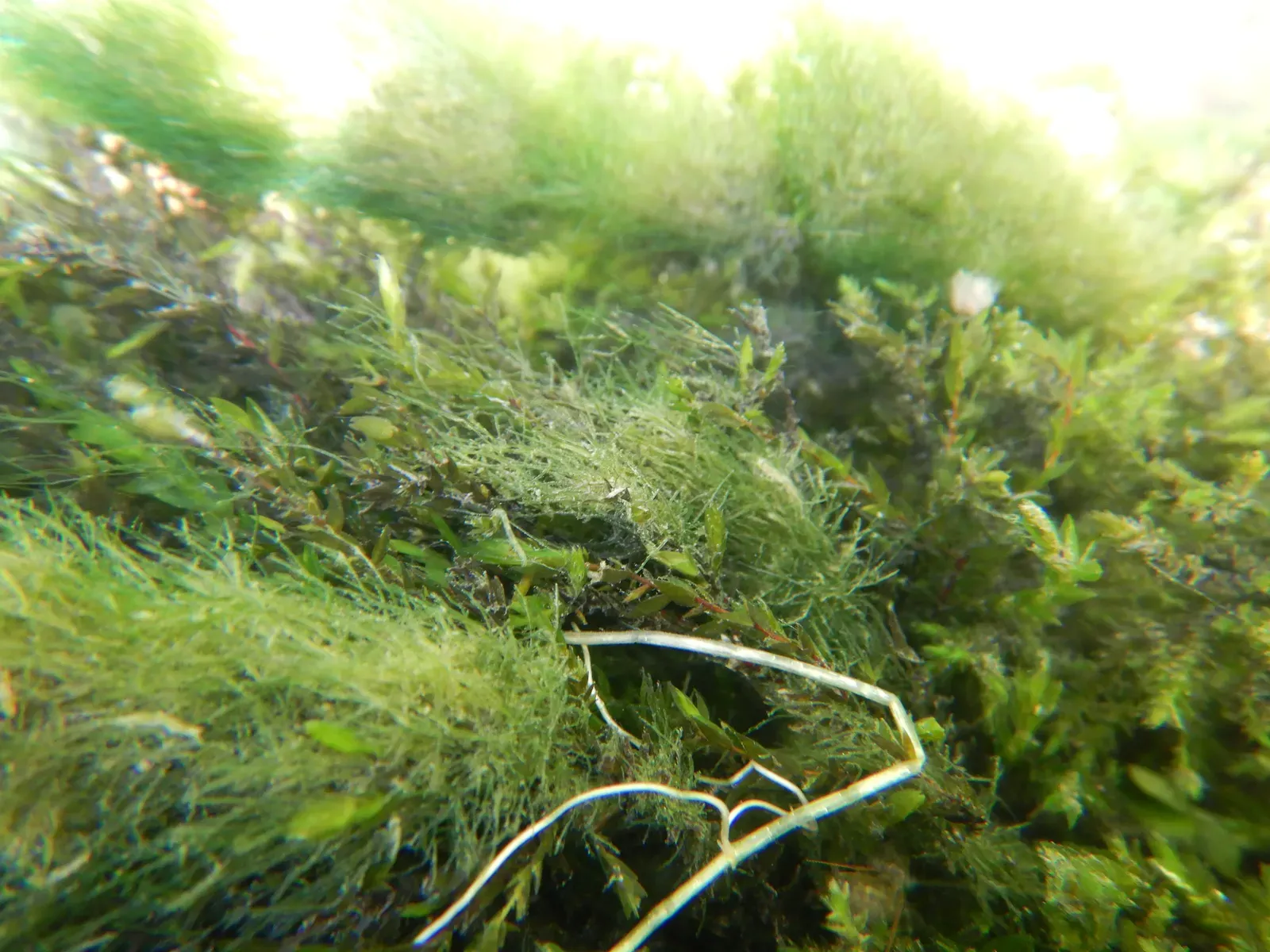
I know it sounds strange to include microscopic algae on a list dominated by charismatic megafauna, but periphyton mats are absolutely foundational. When marshes receive phosphorus at concentrations exceeding background levels, the microbes comprising the periphyton mats of the Everglades remove the added phosphorus from the water, and when endemic species are replaced, the mats disintegrate, resulting in a loss of calcareous periphyton mat biomass that provides habitat and food for aquatic animals.
These slimy, mat-forming communities of algae, bacteria, and fungi coat submerged surfaces and create the base of the entire Everglades food web. They produce oxygen, absorb nutrients, and provide food for countless invertebrates. Ultimately, a cascade of changes occurs that result in a transition to a cattail-dominated marsh when periphyton communities are disrupted, fundamentally altering habitat structure across vast areas.
Roseate Spoonbill: The Pink Sentinel
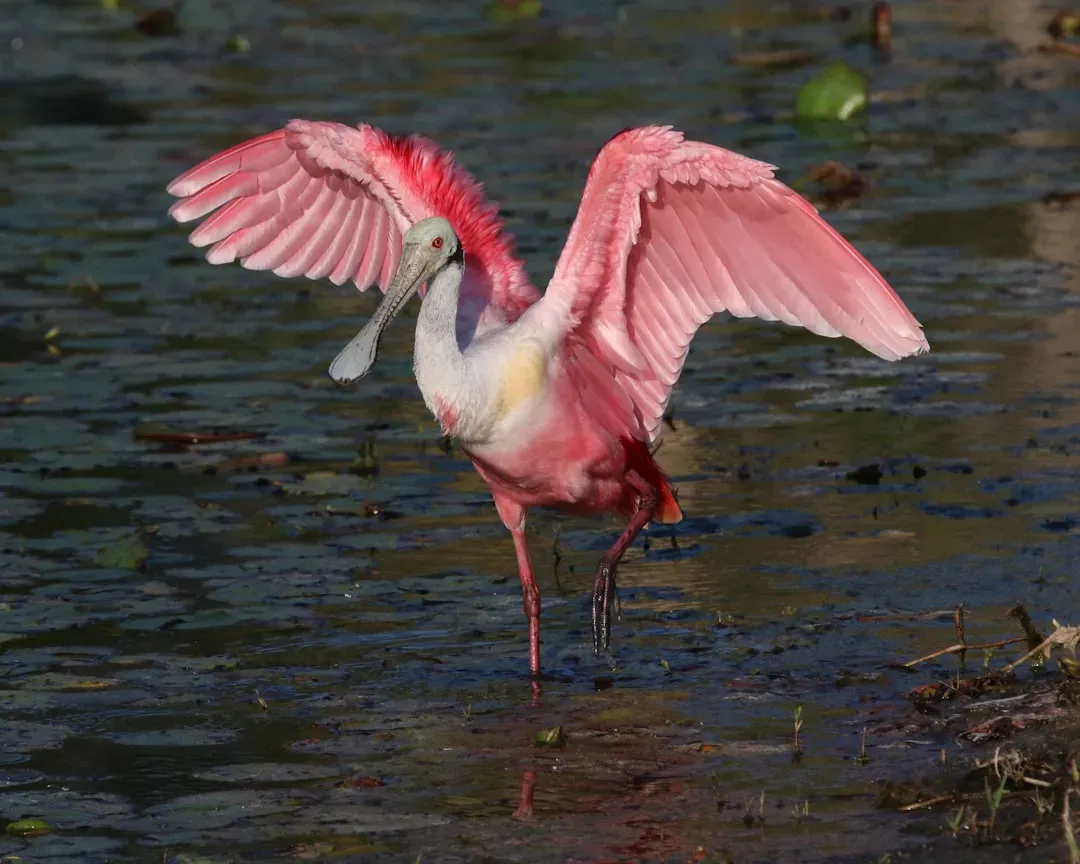
Roseate spoonbills have been demonstrated to be an umbrella indicator species for Everglades restoration efforts that affect Florida Bay and metrics have been defined to assess the response of spoonbills to restoration efforts. These striking pink birds with their distinctive spatulate bills sweep through shallow water, filtering out small fish, shrimp, and aquatic insects.
Their population health reflects the overall condition of coastal and estuarine ecosystems. When spoonbills nest successfully and raise multiple chicks, it signals that water quality, prey abundance, and habitat conditions are favorable. Their decline would indicate problems rippling through multiple trophic levels, making them valuable sentinels that help scientists monitor the effectiveness of restoration projects in real time.
Conclusion: An Interconnected Web of Life
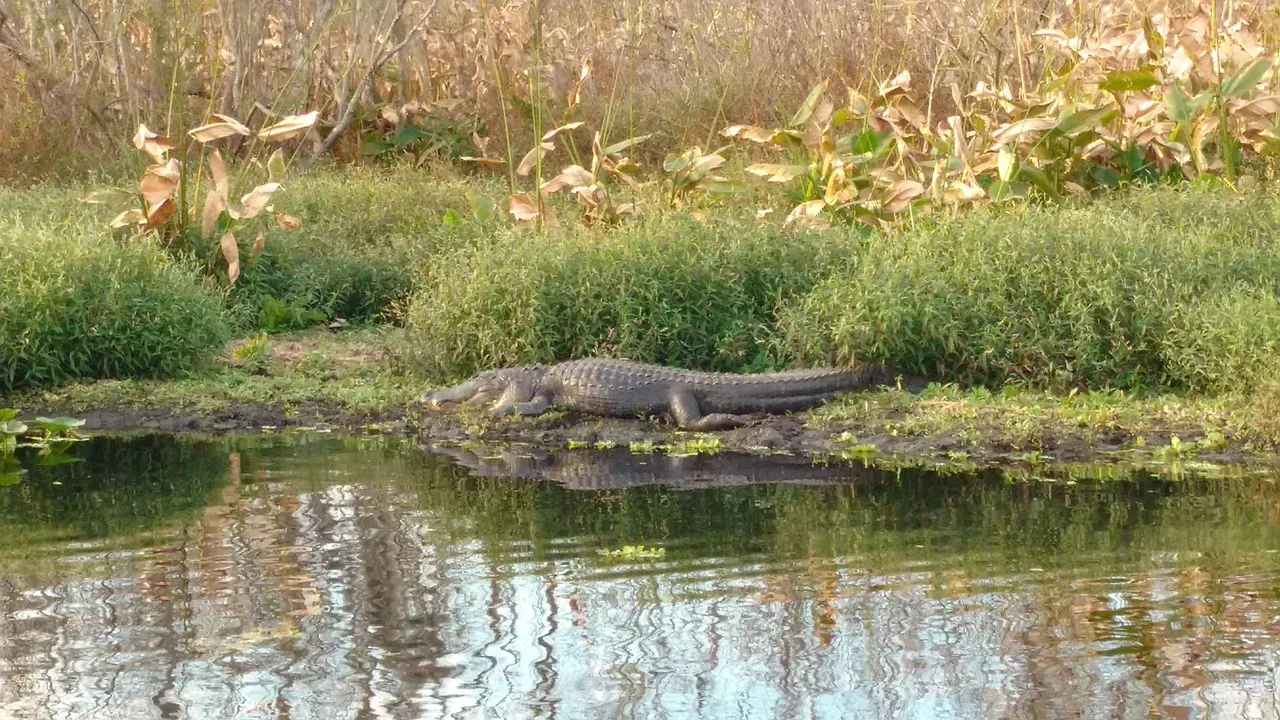
The Everglades ecosystem demonstrates just how interconnected life truly is. From alligators sculpting the physical landscape to microscopic algae processing nutrients, from specialized snail-eating birds to top predators regulating prey populations, each species performs irreplaceable functions. The alligator is an indicator of ecosystem responses to Everglades restoration because it is sensitive to hydrology, salinity, and system productivity, all factors that are expected to change as a result of restoration, and this principle applies to many species discussed here.
The challenges facing this ecosystem remain substantial, with altered water flow, invasive species, sea level rise, and development continuing to threaten its integrity. Restoration efforts have shown promising results when implemented correctly, proving that these species can bounce back when given the right conditions.
What strikes me most is how removing just one of these key players could unravel centuries of evolutionary relationships. Did you expect that a snail or a mat of algae could be just as important as a panther or alligator? That’s the beauty and fragility of ecosystems like the Everglades. Every thread matters in this intricate tapestry of life.

- 17 Animals That Bond With One Person for Life and 17 That Never Really Attach at All - August 13, 2026
- 16 Things Your Dying Cat Quietly Asks For in Its Last Weeks That Almost Nobody Recognises - August 13, 2026
- What Vets Notice About an Older Cat in the First Minute 18 Things Owners Never See - August 13, 2026