
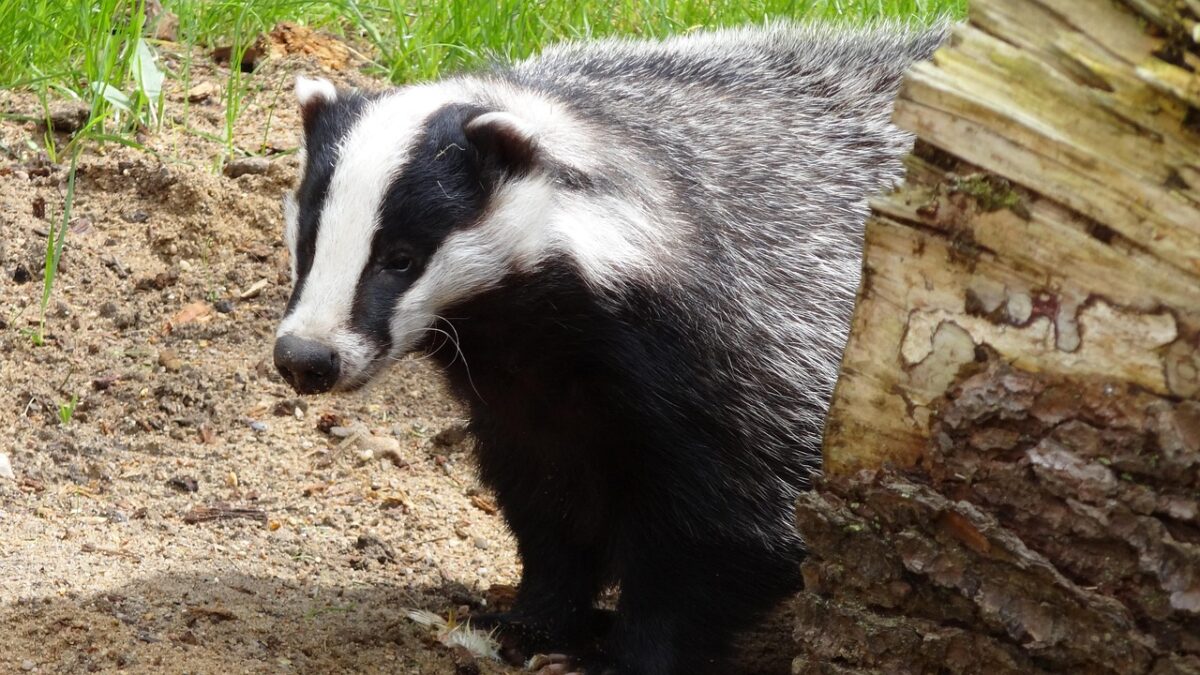
Picture a creature that can dig through asphalt, hunt alongside its supposed enemies, and basically shrug off snake venom like it’s nothing. That creature is the American badger, and honestly, it deserves way more recognition than it gets. These stocky little powerhouses are roaming the grasslands and prairies of North America right now, doing things that sound completely made up.
Most people have never even seen an American badger in the wild, which is a shame because their abilities border on the absurd. From their underground engineering feats to their unlikely partnerships with coyotes, these members of the weasel family are full of surprises. Let’s dive in and uncover the jaw-dropping truths about these remarkable animals.
They Can Literally Dig Through Concrete and Pavement
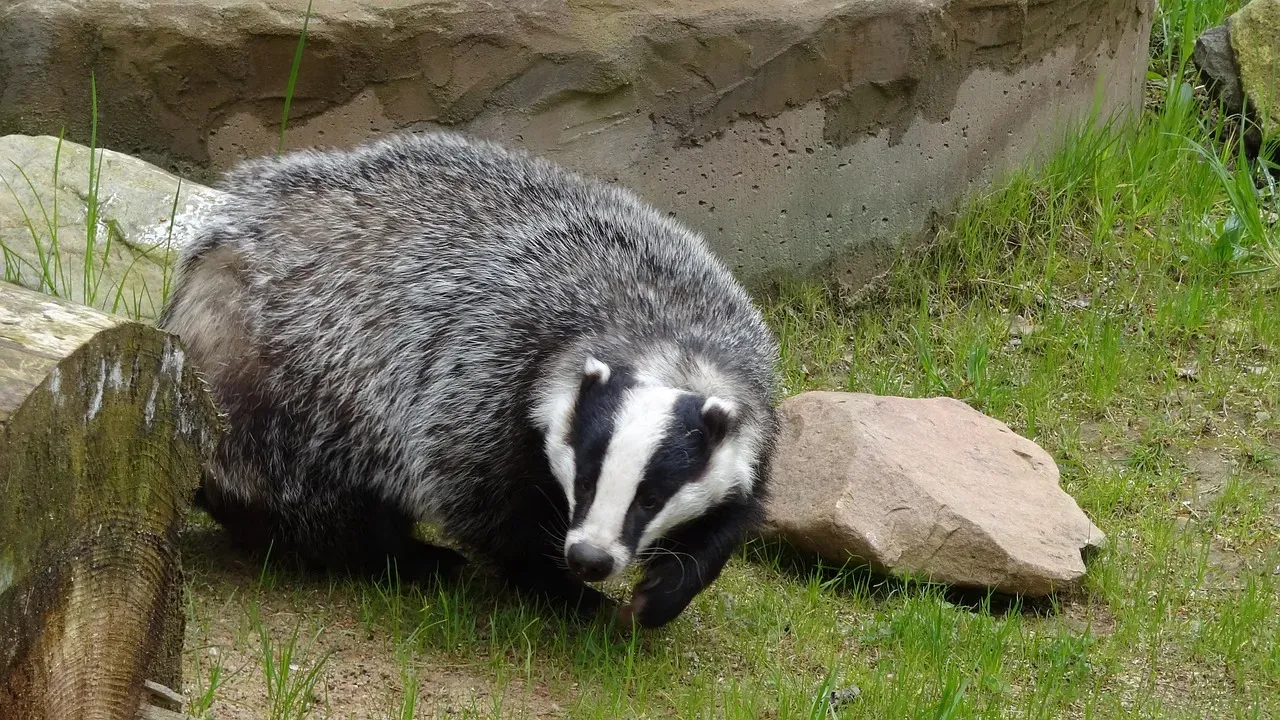
Let’s be real, when someone tells you an animal can tunnel through pavement, it sounds like a tall tale from some old rancher. Their powerfully built forelimbs allow them to tunnel rapidly through the soil, and apparently through other harder substances as well. There are stories of badgers emerging from holes they have dug through blacktopped pavement and two inch thick concrete. Those front claws can reach up to five centimeters in length, and they’re not just for show.
American badgers have stocky and low-slung bodies with short, powerful legs, they are identifiable by their huge foreclaws and possess a strong humerus and large bony processes for the attachment of muscles. Think about the engineering required for this kind of power. Their entire skeletal structure is optimized for digging, with specialized bone processes that allow massive muscle attachment. Badgers are very powerful diggers and are capable of digging up through blacktop roads or thin concrete.
This isn’t some occasional party trick either. In summer months, a badger might dig an entirely new burrow every single day. Their dens can extend roughly three meters below the surface with around ten meters of tunnels snaking through the earth. It’s like having a tiny excavation crew that never takes a break.
They Hunt Alongside Coyotes in a Bizarre Partnership
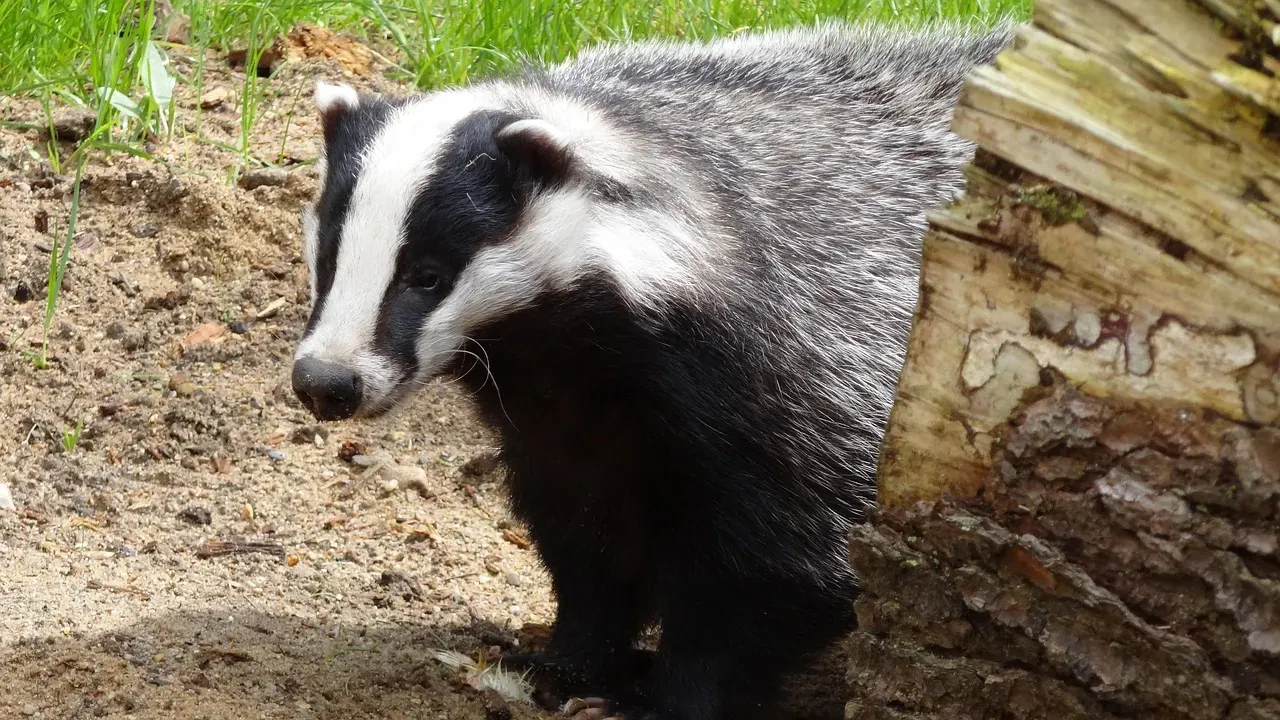
Here’s where things get really interesting. The American badger has been seen working with a coyote in tandem while hunting. Typically this pairing is one badger to one coyote; however, one study found about 9% of sightings included two coyotes to one badger. This duo seems completely backwards when you think about predators typically competing for the same food sources.
According to research, this partnership works due to the different hunting styles of the predators and how their prey reacts to them. A ground squirrel, upon spotting a coyote, will crawl into its hole to escape; while upon seeing a badger, the ground squirrel will climb out of its hole and use its speed to outrun the badger. It’s actually brilliant when you break it down like that.
The coyote benefits massively from this arrangement. Researchers have found that the coyote benefits by an increased catch rate of about 33%. The badger probably gains something too, though scientists debate exactly what. What’s undeniable is that these two predators have figured out cooperation beats competition, at least sometimes. They’ve even been observed engaging in what looks like play behavior together, which is honestly adorable for two fierce hunters.
Their Sense of Smell Rivals Dogs
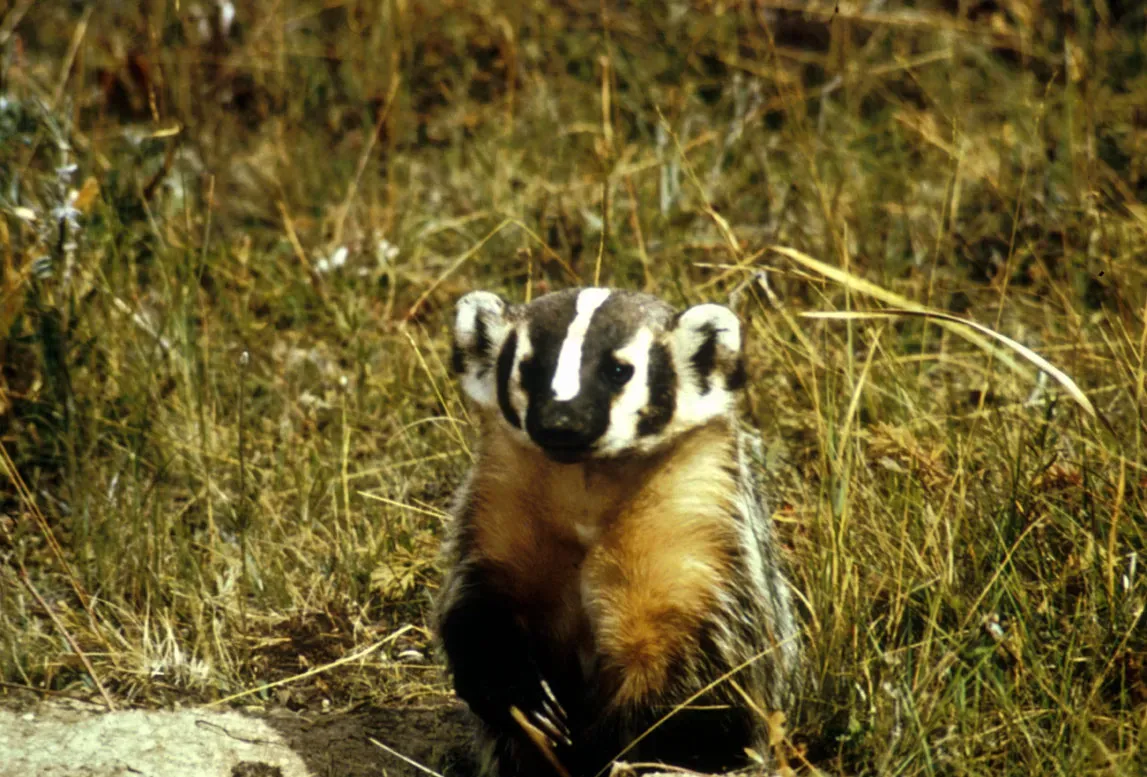
American badgers have a keen sense of smell – second only to members of the dog family. That’s genuinely impressive when you consider how many mammals exist with powerful noses. This extraordinary sense of smell isn’t just a fun bonus feature either; it’s essential for survival when you spend much of your life underground in complete darkness.
American badger has a keen sense of olfaction and hearing, meanwhile being almost blind. So basically, badgers traded vision for an incredible ability to smell and hear their prey through layers of soil and rock. Badgers have keen vision, scent, and hearing. Still, that sense of smell does the heavy lifting when hunting burrowing rodents in pitch-black tunnel systems.
Their specialized adaptations go even further. They’ve got bristles on their ears to keep dirt out and nictitating membranes over their eyes for protection while digging. Every part of their sensory system is fine-tuned for life as an underground predator. When you’re hunting pocket gophers in their own territory, you need every advantage you can get.
They’re Basically Immune to Snake Venom
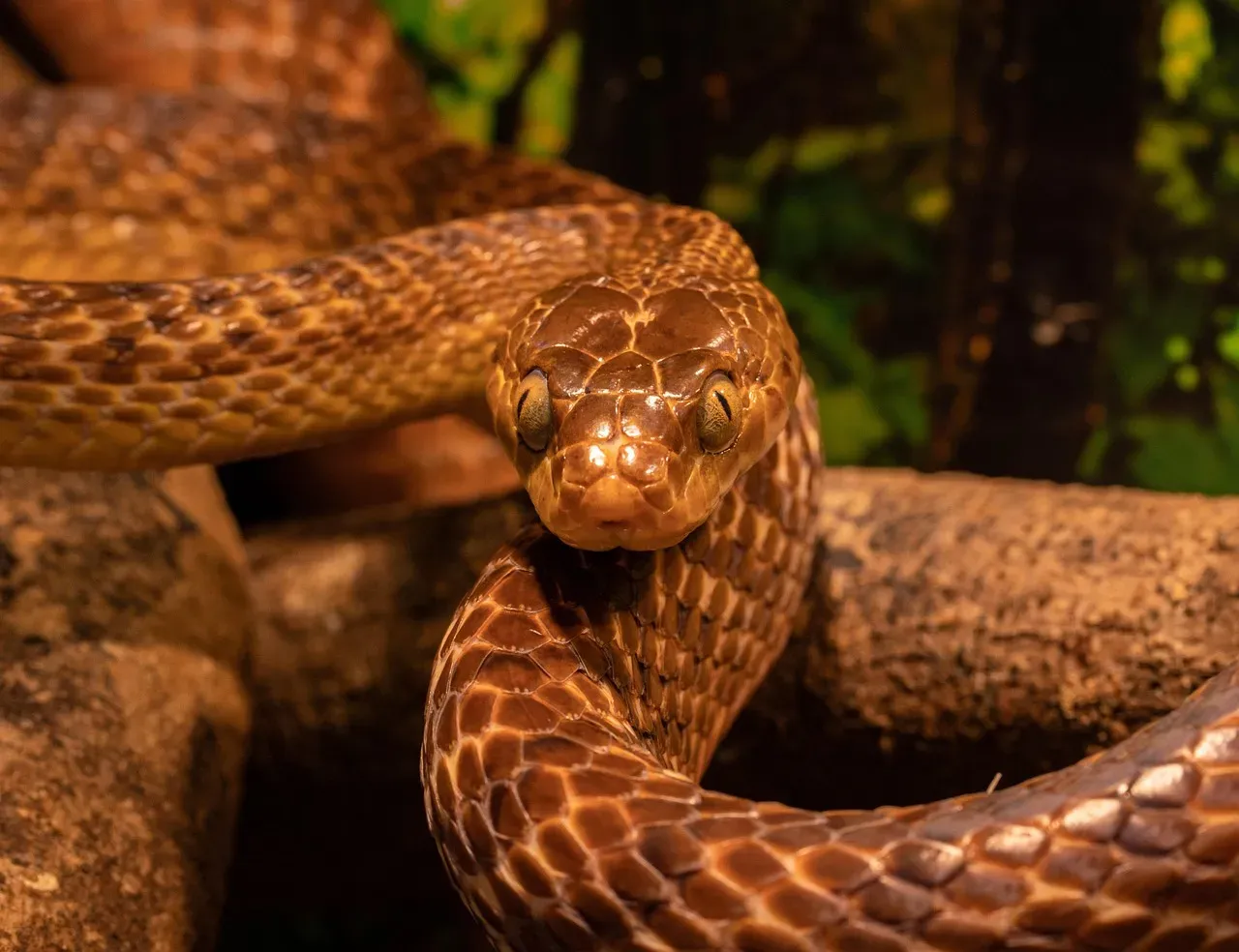
This fact sounds like something from a superhero origin story. They are also willing to hunt and eat ground-nesting birds, lizards, and insects, including scorpions and snakes! Interestingly, the scorpion and snake poison do not seem to affect badgers whatsoever, leading to the assumption that badgers are simply immune to their venom. Imagine being able to treat venomous snakes as casual snacks.
They help to control rodent populations, kill venomous snakes, and eat insects and carrion. This makes them incredibly valuable in ecosystems where venomous snakes are common. While other predators have to carefully avoid or approach venomous prey with extreme caution, badgers can just dig them up and have lunch without worrying about getting bitten.
The exact mechanism behind this immunity isn’t completely understood, which makes it even more fascinating. Some researchers think it might be related to their thick, loose skin that makes it harder for fangs to penetrate deeply enough to deliver a lethal dose. Others suspect there might be actual biological resistance in their bloodstream. Either way, it adds to their reputation as one seriously tough animal.
They Cache Food Including Entire Cows
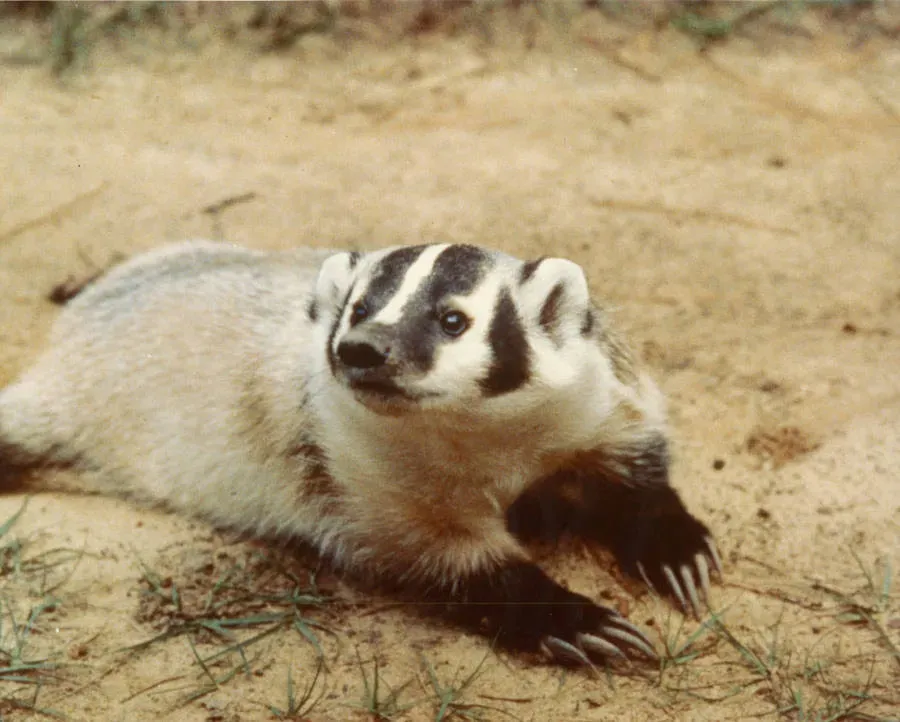
Superb diggers, these animals will sometimes will cache food for later use (and in one remarkable case, even an entire cow). Wait, what? An entire cow? Yes, you read that correctly. A badger was documented burying an entire calf carcass for future meals, which is both impressive and slightly terrifying when you think about the logistics involved.
This behavior shows remarkable intelligence and planning. Most predators eat what they can and abandon the rest, but badgers understand the concept of saving for later. They’ll dig elaborate underground food storage chambers and plug up the entrances to keep other scavengers away. It’s like having a combination pantry and root cellar, except underground and maintained by a furry excavation expert.
The cow incident is extreme, obviously, but badgers regularly cache smaller prey items. When food is abundant, they’re smart enough to stock up for leaner times. This forward-thinking behavior requires cognitive skills that many people don’t associate with smaller carnivores.
They Don’t Hibernate But Enter Torpor During Winter
Badgers are mainly active at night, and tend to be inactive during the winter months. They are not true hibernators, but spend much of the winter sleeping. During this time they let their body temperatures fall to about 9 degrees Celsius and their heart beats at about half the normal rate. This state is called torpor, and it’s different from true hibernation in several important ways.
Torpor is similar to hibernation in that animals have a lower heart rate, breathing rate, metabolic rate and temperature, which helps them conserve energy. However, unlike hibernation, entering torpor is not voluntary. Basically, their bodies automatically shift into energy-saving mode when temperatures drop and food becomes scarce. They can stay in torpor for extended periods, sometimes weeks at a time during particularly harsh winters.
While they’re active all year, American badgers will sleep for several days, or even weeks, in deep winter. This flexibility gives them an advantage over true hibernators who are completely out of commission for months. If there’s a warm spell or an opportunity for food, a badger in torpor can wake up and take advantage of it. Then they just go back to their low-energy state when conditions worsen again.
Conclusion
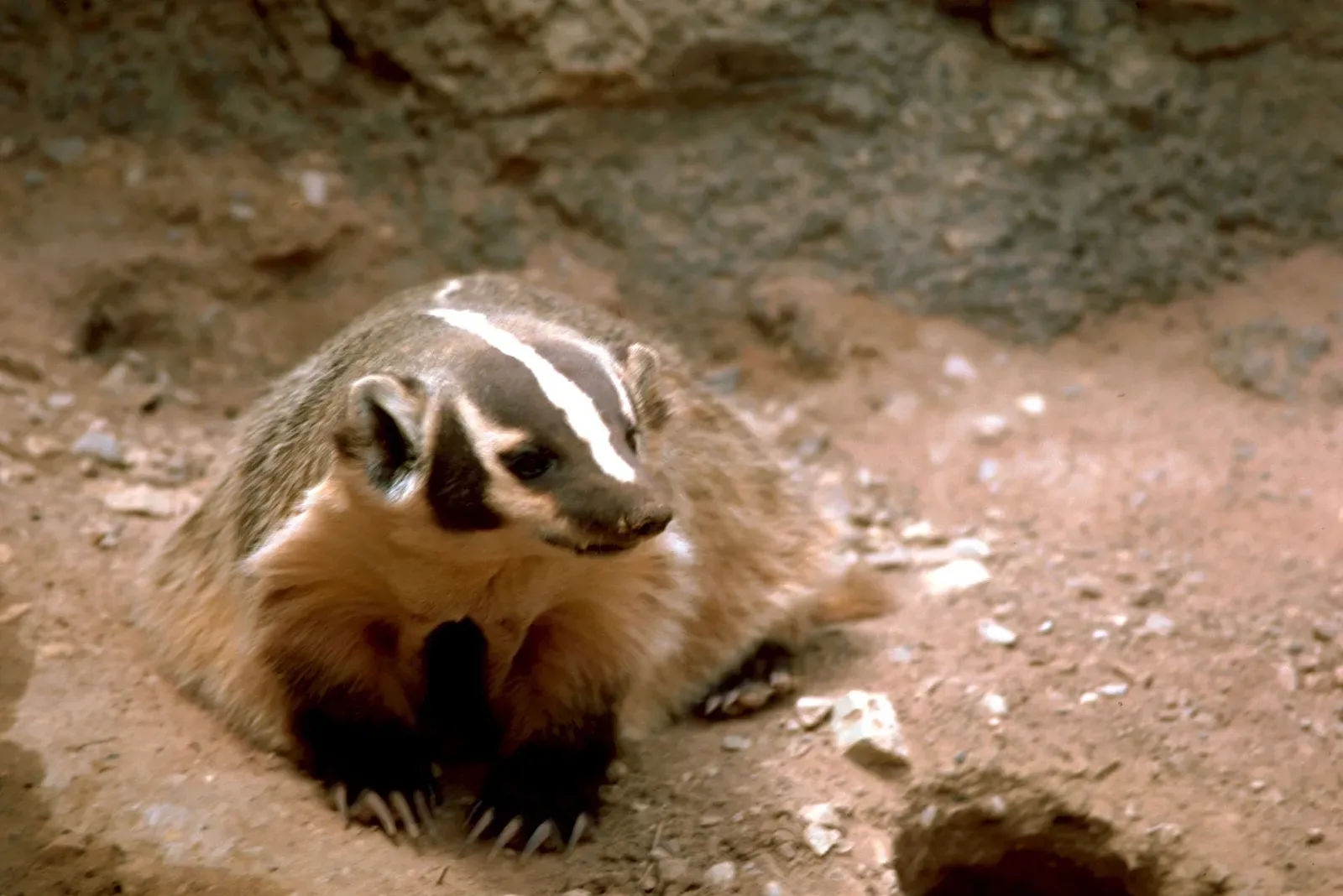
The American badger is proof that some of the most extraordinary animals are hiding in plain sight across North America’s grasslands. From their ridiculous digging strength to their unlikely friendship with coyotes, these creatures consistently defy expectations. Their venom immunity and food-caching intelligence show they’re far more sophisticated than their grumpy reputation suggests.
These solitary hunters face increasing challenges from habitat loss and human development, making it more important than ever to appreciate and protect them. Next time you’re driving through prairie country and spot a large burrow with fresh dirt mounds, remember there might be one of nature’s most impressive engineers living just below the surface. What other seemingly ordinary animals do you think are secretly extraordinary? Share your thoughts in the comments.

- 17 Animals That Bond With One Person for Life and 17 That Never Really Attach at All - August 13, 2026
- 16 Things Your Dying Cat Quietly Asks For in Its Last Weeks That Almost Nobody Recognises - August 13, 2026
- What Vets Notice About an Older Cat in the First Minute 18 Things Owners Never See - August 13, 2026