

Picture this: thousands of tiny workers inside a dark hive, moving rapidly across uneven honeycomb surfaces, performing elaborate figure-eight patterns at breakneck speeds to share critical survival information. This isn’t choreography for entertainment. This is one of nature’s most sophisticated communication systems, refined over millions of years.
Honeybees have developed something truly remarkable. Through a series of movements scientists call the waggle dance, they convey precise details about food sources, water locations, and potential nesting sites to their colony members. What’s really surprising is how much recent research has revealed about this seemingly simple behavior. It turns out that what we thought we understood about bee communication barely scratches the surface.
The Mechanics Behind Nature’s GPS System
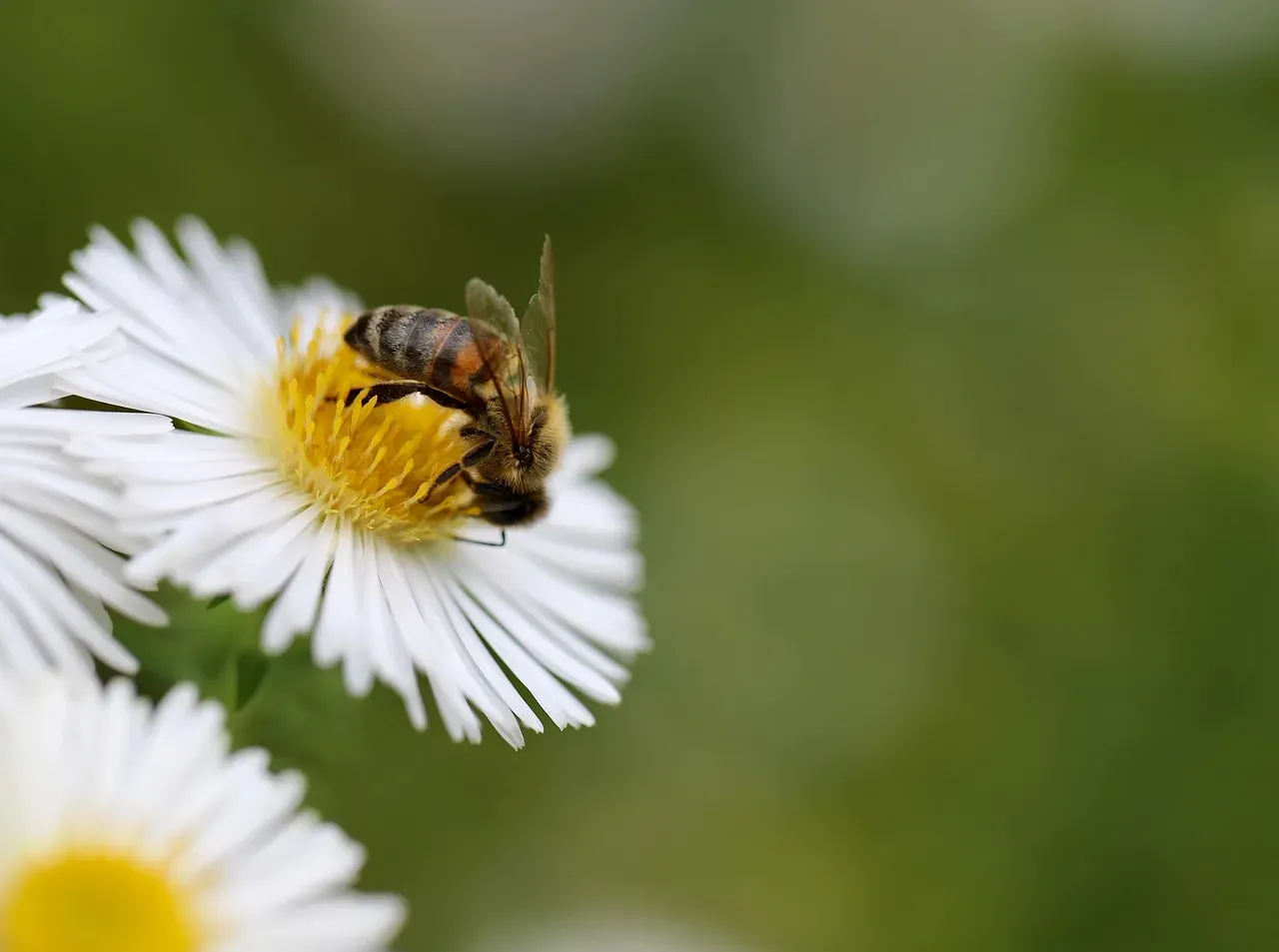
Bees circle around in figure-eight patterns while waggling their bodies during the central part of the dance. Each bee moves a body length in less than one second, making this one of the fastest forms of animal communication known to science. The entire performance happens in total darkness, which means visual cues aren’t the primary communication method here.
The waggle dance communicates the direction, distance, and quality of a resource by encoding celestial cues, retinal optic flow, and relative food value into motion and sound. The angle of the waggle run relative to vertical corresponds to the angle between the sun and the food source. If a bee waggles straight up, she’s telling others to fly toward the sun. An angled waggle means they need to adjust their flight path accordingly.
Distance encoding works differently. The length of the middle line, called the waggle run, shows roughly how far it is to the flower patch. Longer waggle runs mean greater distances to travel. The precision here is honestly impressive when you consider these tiny creatures are essentially creating a map inside a completely dark environment.
Young Bees Must Learn the Language
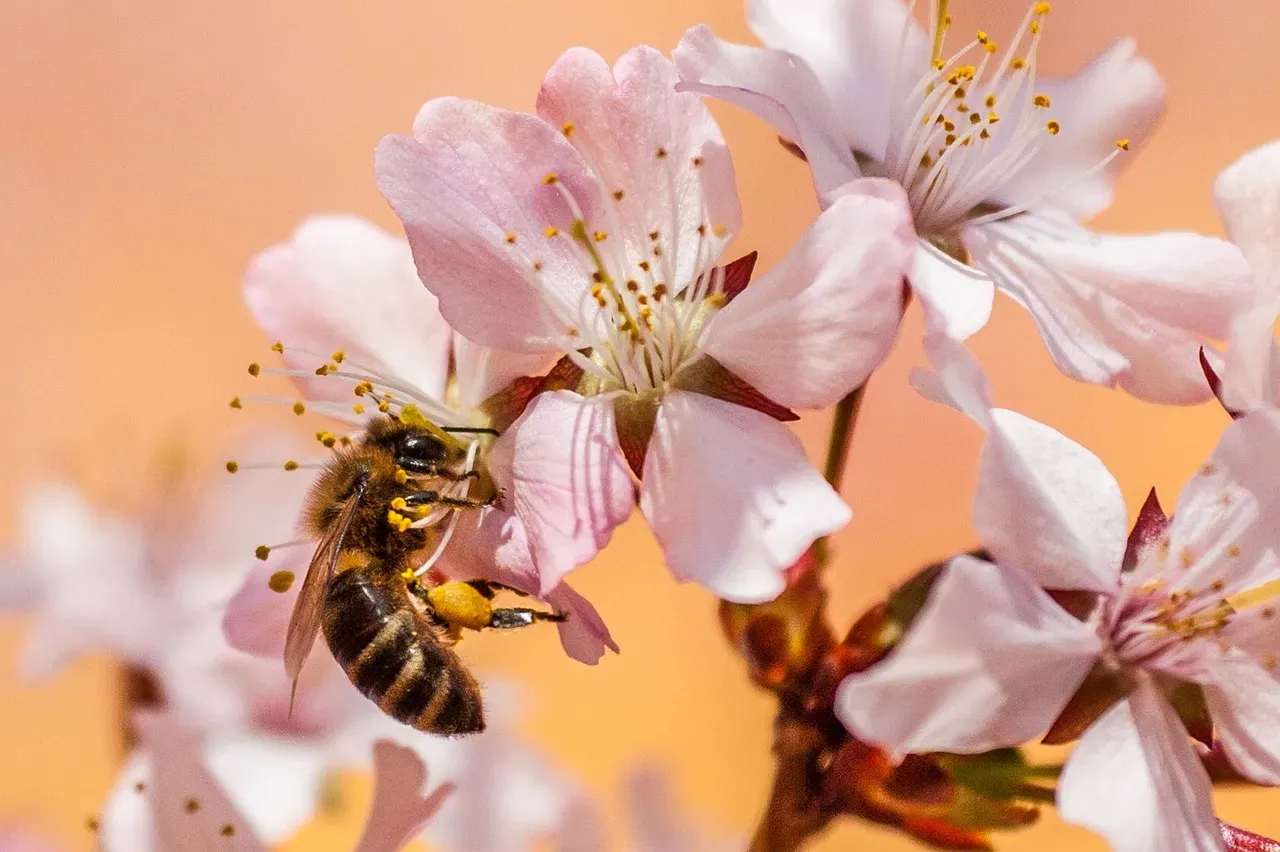
Here’s something most people don’t realize: bees aren’t born knowing how to dance perfectly. Correct waggle dancing requires social learning, and bees without the opportunity to follow any dances before they first danced produced significantly more disordered dances with larger waggle angle divergence errors and encoded distance incorrectly.
Researchers created experimental colonies where young bees never observed experienced dancers before attempting their first dance. The results were striking. These untrained bees struggled significantly compared to their peers who had mentors. Those that did not learn the correct waggle dance early on were able to improve by subsequently watching other dancers and by practicing, but they were never able to correctly encode distance. This creates distinct dialects between different bee populations, shaped by their local environments and passed down through generations.
Honey bees appear to have a critical period for language acquisition, much like human infants learning to speak. The parallel between bee communication and human language development is both fascinating and unexpected. Social learning in insects challenges our assumptions about which creatures can transmit cultural information across generations.
Every Bee Has Her Own Unique Style
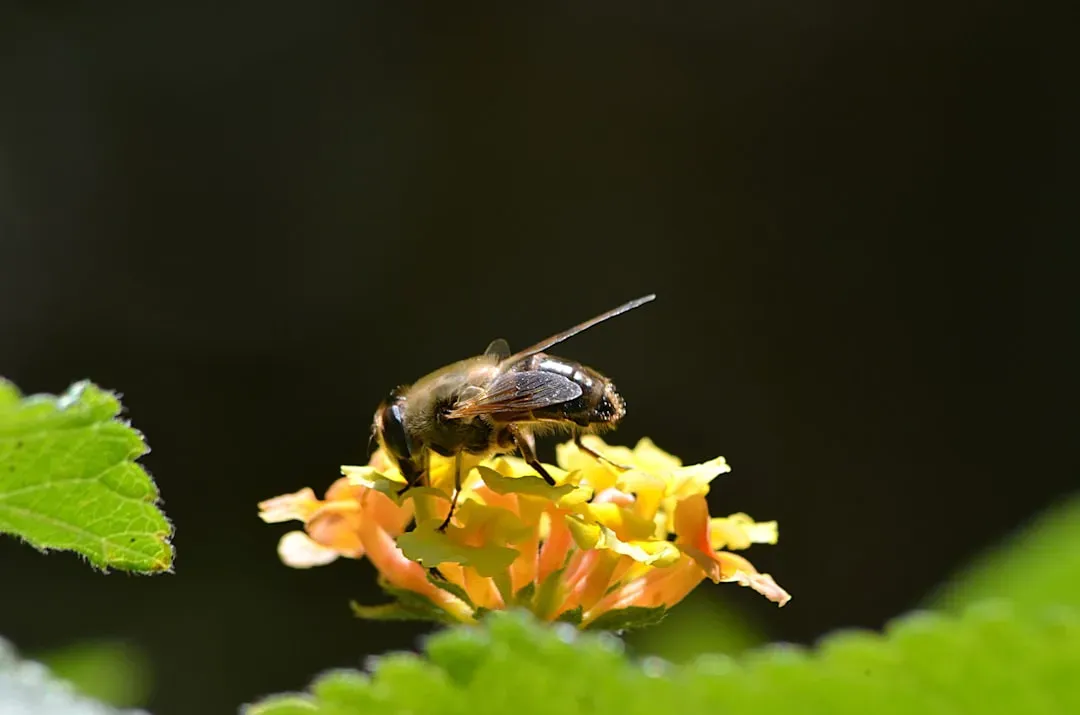
Recent discoveries from Virginia Tech have revealed something surprising about bee communication. Bees have consistent, unique ways of dancing, meaning each bee has its own “style” that it adds to the communication. Think of it like different accents or speaking patterns among humans. Each forager measures distance according to her own individual calibration curve.
Each bee measures the real-world distance she perceived from the resource to the colony and scales it down to a waggle run duration according to a calibration that is particular unto herself. You might think this individuality would create chaos, making communication less effective. The reality is quite the opposite.
Dances that had a longer run, effectively telling the recruits to overshoot the food source, were more successful than dances describing similar, more accurate, distances, suggesting that the “overshooting” instructions may have led to additional opportunities to find the food. Diversity in communication styles actually improves the colony’s overall foraging success. It gives recruits multiple chances to locate resources, creating a safety net against missed opportunities.
Bees Integrate Dance Information With Mental Maps
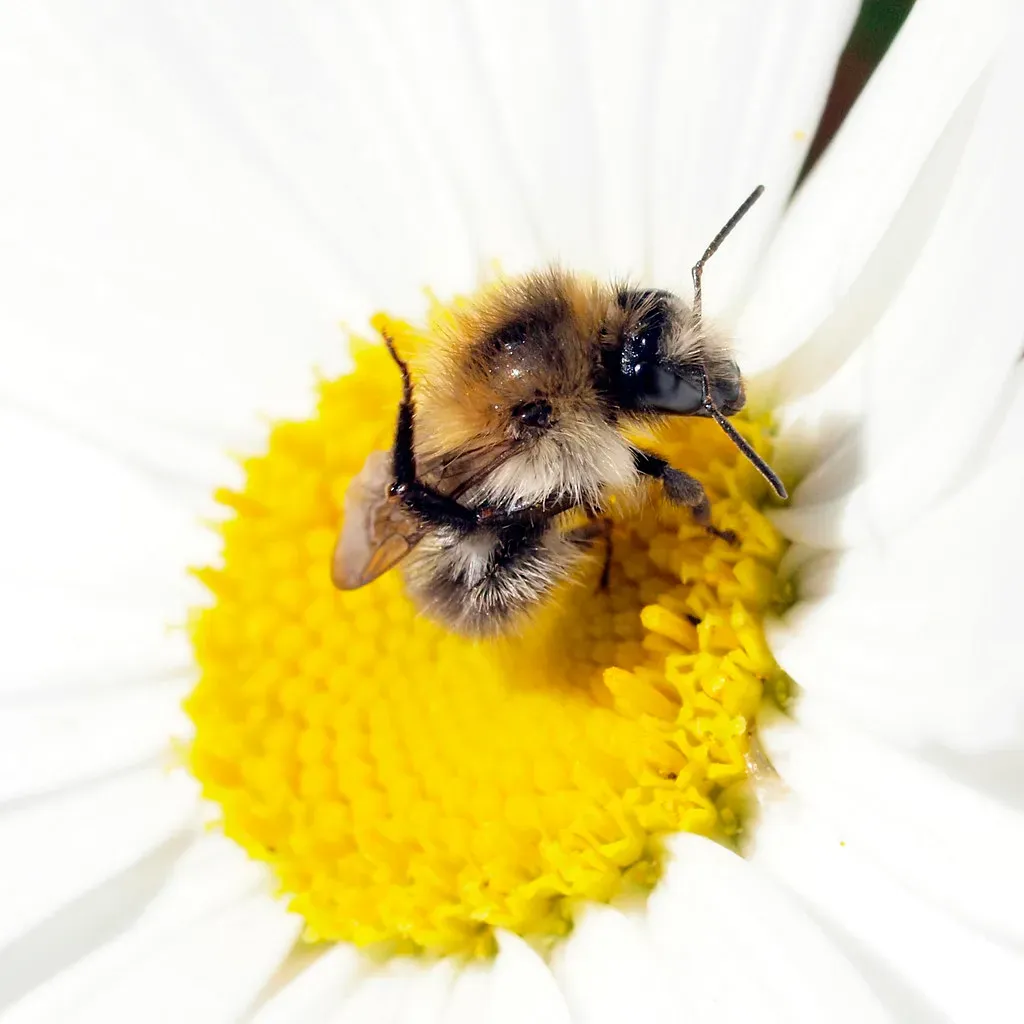
The waggle dance isn’t just a simple instruction manual that bees follow blindly. Waggle dance-following bees do not simply follow a blind vector instruction, they integrate it with a cognitive map of their surroundings built during earlier exploratory flights. This reveals a level of cognitive complexity that continues to surprise researchers.
Follower bees take the vector information from the dance and combine it with their own spatial memories of landmarks. They form expectations about the landscape based on previous experience. This means the communication system is far more sophisticated than just transmitting coordinates. It’s a collaborative process where both the dancer and the follower contribute knowledge.
The implications are profound. Bees aren’t just tiny biological robots executing programmed behaviors. They possess genuine cognitive abilities, using memory, expectation, and spatial reasoning to navigate their world effectively.
Modern Threats Are Disrupting Ancient Communication
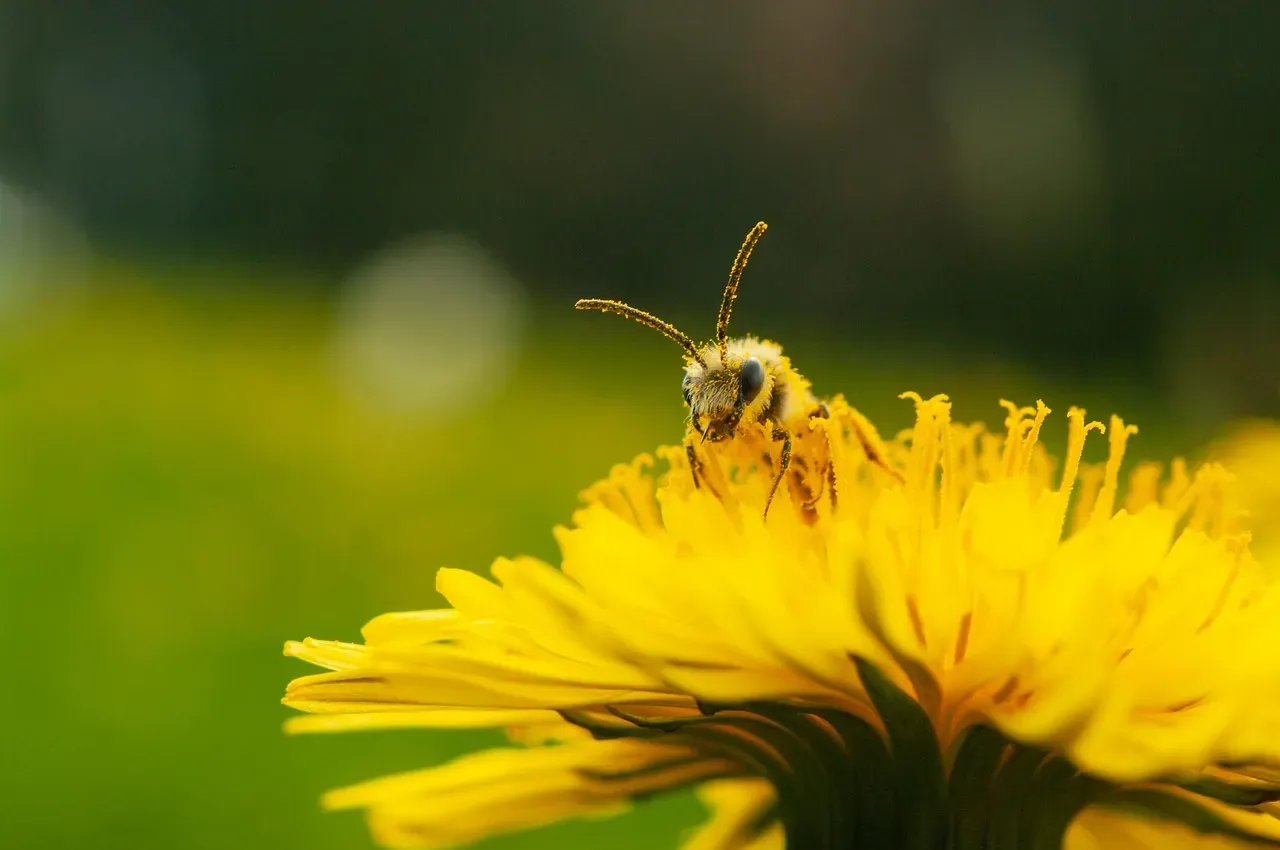
Anthropogenic change, such as habitat conversion, climate change and the use of agrochemicals, are altering the world bees occupy, and it is becoming increasingly clearer that this affects communication both directly and indirectly. Pesticides can harm cognitive functions that bees rely on for learning and performing the waggle dance correctly.
Insecticides used for treatment against pest mites had a negative impact on honeybees’ communication. When their communication system breaks down, colonies struggle to exploit food resources efficiently. This creates a cascading effect throughout the entire hive, affecting everything from brood care to colony survival.
The challenge facing researchers and conservationists is understanding exactly how various environmental stressors interact to impact bee communication. Changes in food source availability, alterations to social interactions among nestmates, and impairment of cognitive functions all compound the problem. Whether bees can adapt their communication strategies fast enough to cope with rapidly changing human-dominated landscapes remains an open and urgent question.
Conclusion
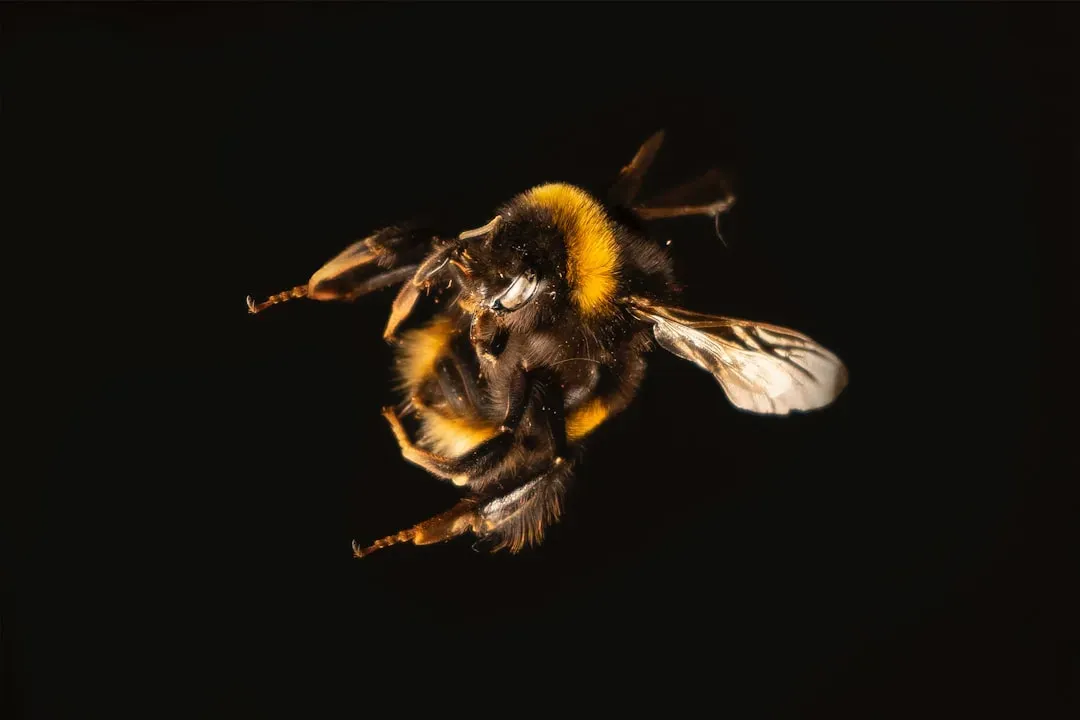
The waggle dance represents far more than just an interesting animal behavior. It’s a window into the remarkable cognitive abilities of insects, the power of social learning, and the fragility of complex biological systems. From individual dance styles to culturally transmitted dialects, from mental maps to critical learning periods, bees continue revealing layers of sophistication we never suspected.
The threats facing these tiny communicators should concern us all. When a system this elegant and ancient starts breaking down, it signals broader ecosystem troubles. Next time you see a bee buzzing around flowers, remember she might be preparing to return home and share her discoveries through one of nature’s most intricate languages. What do you think about the complexity hidden in such small creatures? Share your thoughts.
