
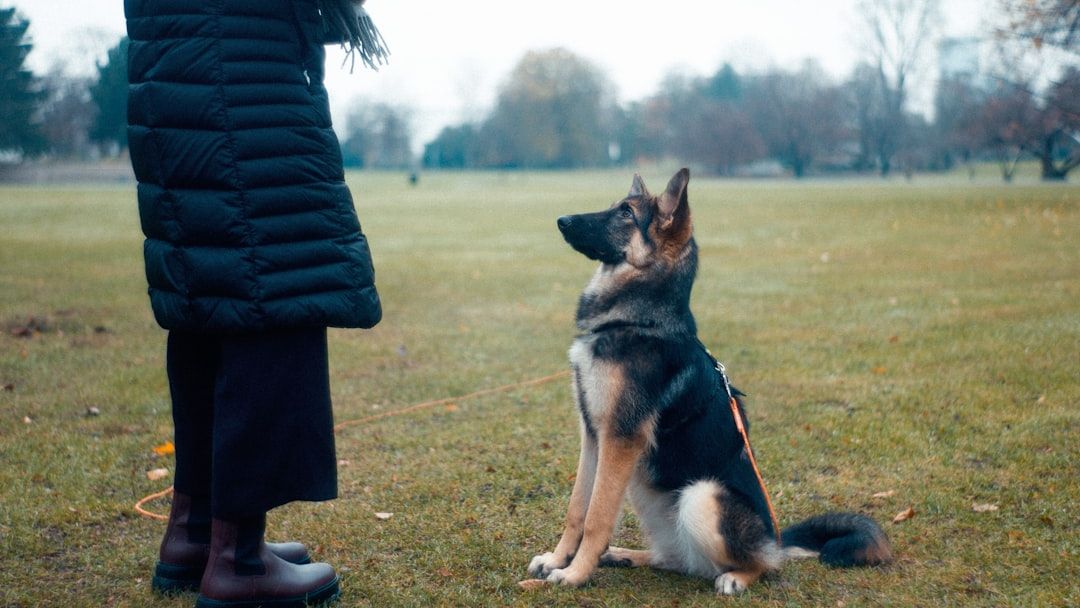
You watch your neighbor’s dog respond instantly to every command. Sit. Stay. Come. Perfect execution every single time. Meanwhile, your own furry friend looks at you like you’re speaking a foreign language when you ask for the simplest behavior. It’s frustrating, embarrassing even, especially when everyone keeps telling you it’s just a matter of being consistent.
Here’s the thing though. There’s way more going on beneath the surface than most people realize. The truth about why certain dogs struggle with basic commands has almost nothing to do with stubbornness or lack of intelligence, despite what conventional wisdom might suggest. Let’s dive into what’s really happening.
The Communication Gap Nobody Talks About
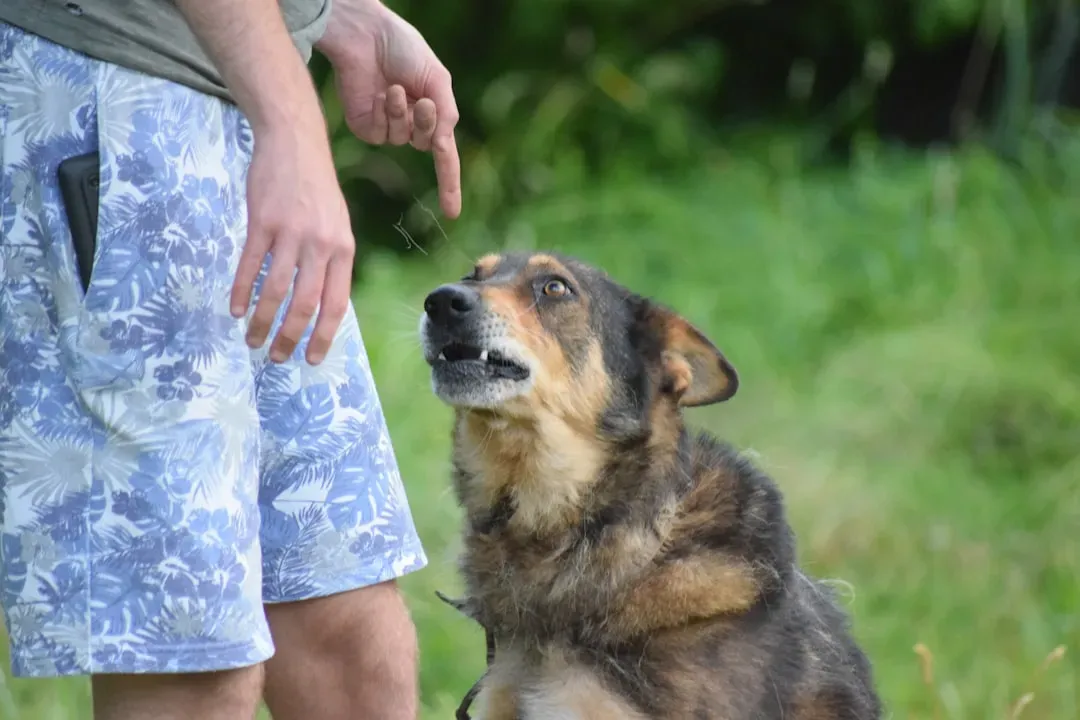
Dogs communicate primarily through body language and vocalizations, yet we expect them to decode our verbal cues flawlessly. Think about that for a second. We’re asking an animal whose entire evolutionary history centers on reading physical signals to suddenly become fluent in human speech patterns.
When we want to communicate with them that they are doing something right or wrong, we need to do it in a way they understand. Unfortunately, we can’t sit them down and explain what they did was wrong like we can with children. The real issue isn’t that your dog won’t learn. It’s that you might be speaking a language they genuinely don’t comprehend yet.
I think this explains so much of the frustration owners feel. If you’re not successfully articulating what you want, don’t expect your dog to listen. To ensure your dog understands your directions, study and employ clear communication tactics. Sometimes the problem isn’t on their end at all.
Intelligence Versus Obedience: They’re Not the Same Thing

Let’s be real about something that might blow your mind. Intelligent dogs may learn orders fast, but they may also be more independent and less eager to obey directions. This is because they have a strong sense of self and may not feel compelled to obey directions if the advantage is not apparent.
So that “stubborn” dog of yours? Might actually be pretty smart. While a smart dog will learn everything that you want the dog to know, it will also learn everything that it can get away with. This means you may have to spend much more time “civilizing” your clever dog so that it learns the limits of behavior in your household.
Certain breeds were never bred for obedience in the first place. The Afghan hound is considered the least intelligent breed because it needs at least 80 repetitions to understand a new command. This may stem mainly from the fact that it is one of the most stubborn breeds, notorious for ignoring its owners’ commands. That’s not stupidity. That’s a dog literally designed to make independent decisions while hunting.
The Consistency Problem Every Owner Faces
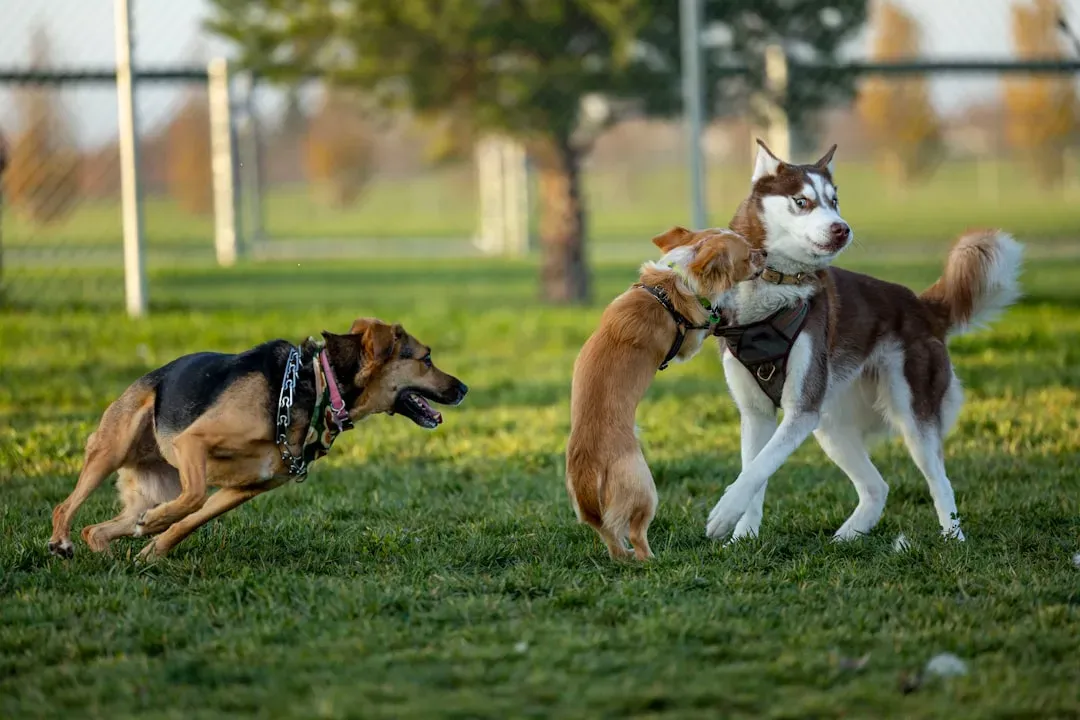
When commands are not reinforced regularly, dogs may struggle to remember them. This lack of consistency leads to mixed signals. Dogs become unsure of what is expected. Over time, this confusion can erode previously learned behaviors.
Most people don’t realize they’re being inconsistent. One day you let your dog on the couch. The next day you’re annoyed about the fur. Using different words for the same command can create confusion. Dogs need to hear the same cue repeatedly. Mixed signals only make training harder.
Different family members using varied techniques can create inconsistencies, too. Your spouse uses hand signals while you rely on verbal cues. Your kids reward jumping while you’re trying to eliminate it. The dog isn’t being difficult. They’re genuinely confused about what the rules actually are.
Training in a Bubble Won’t Work in Real Life

One of the challenges many dog owners face is getting their pups to generalize behaviors, which means that the dog understands and obeys commands in various settings and situations. Your dog might perform perfectly in your quiet living room, then act like they’ve never heard the word “sit” at the park.
You’ve trained your dog to sit nicely at home, but as soon as you step outdoors, they turn into a squirrel chasing crazy. Does this sound familiar? Dogs must learn how to react appropriately in a variety of places and situations. If you fail to teach dogs how to behave outside of the home, their obedience may crumble when distractions occur.
This isn’t failure on your dog’s part. There are many competing distractions outdoors, and most owners don’t practice consistently in different environments. Dogs don’t naturally generalize commands across settings. They need to be explicitly taught that “sit” means the same thing whether you’re in the kitchen, at the vet’s office, or surrounded by other dogs at the park.
The Hidden Factors You’d Never Guess
Sometimes the issue has nothing to do with training at all. Dogs suffering from illnesses or chronic pain may find it harder to focus. This can result in forgetting even the most basic commands. Regular veterinary check-ups ensure any health problems are addressed promptly.
Age matters too. Older dogs are generally more prone to memory loss due to cognitive decline. Aging can affect their ability to retain and recall commands. However, regular mental stimulation and consistent training can help older dogs maintain their memory.
Here’s something surprising: We’ve all rewarded our dogs when they misbehave, unwittingly reinforcing their negative habits. Dogs, whether positive or bad, desire our attention. We unknowingly encourage unpleasant habits to continue by mistakenly rewarding them with our attention. That whining at the door? You opened it, so the behavior worked. The begging at dinner? Someone slipped them scraps. They learned those “commands” perfectly.
Conclusion
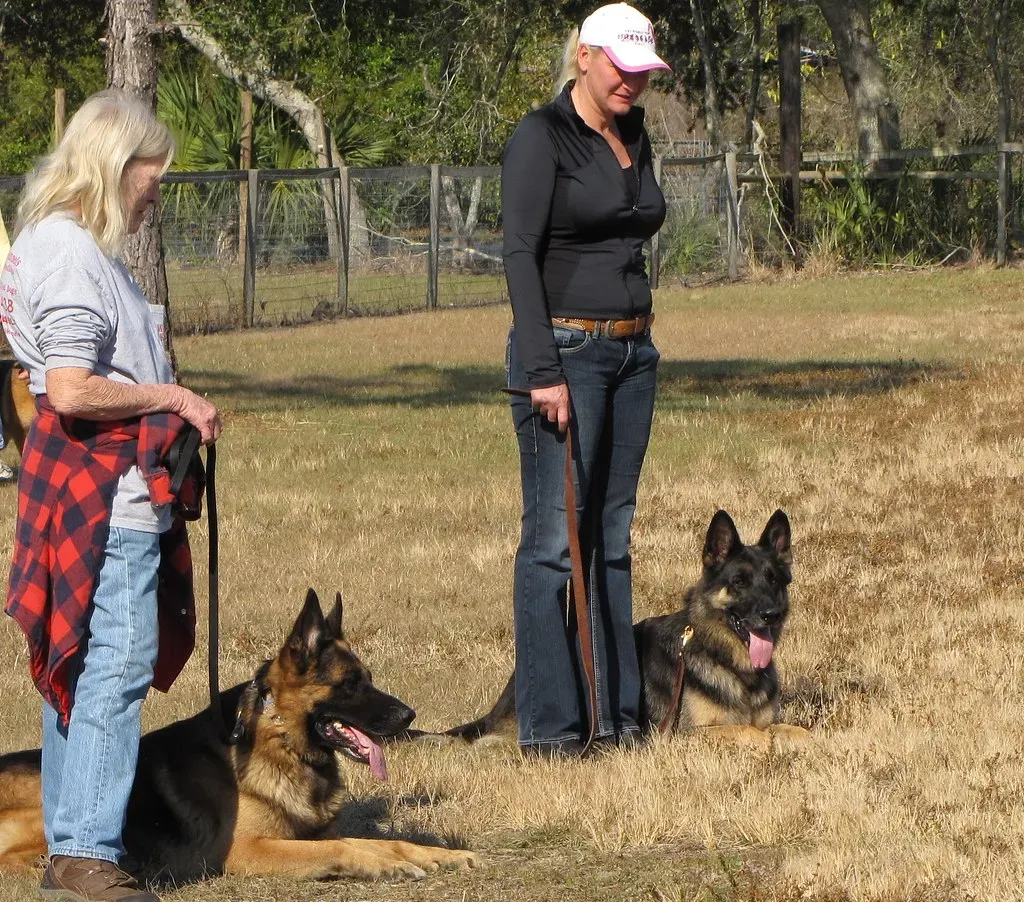
The reality is that dogs who seem unable to learn basic commands usually aren’t stupid, defiant, or broken. They’re responding to mixed messages, struggling with unclear communication, dealing with environmental factors we haven’t considered, or simply built differently than the breed next door. While teaching simple commands to dogs may seem straightforward on the surface, the reality is far more intricate. At Positive Pets Dog Training, we embrace the complexity of canine learning and empower dogs and their owners to overcome obstacles together.
The good news? Once you understand what’s actually blocking your dog’s learning, you can adjust your approach and finally see progress. It’s rarely about working harder. It’s about working smarter and meeting your dog where they actually are, not where you think they should be. What’s been your biggest challenge with training? Tell us in the comments.

- 15 Things Veterinary Nurses Quietly Notice About Dogs in Waiting Rooms That Owners Never See - June 18, 2026
- 14 Strange Hummingbird Behaviours Experienced Gardeners Say They Wish They Had Understood Sooner - June 18, 2026
- 16 Horse Breeds Rescue Centres Have Quietly Stopped Accepting Because Nobody Wants Them - June 18, 2026