

There comes a moment in every dog owner’s life that feels impossibly heavy. You know it’s approaching, but nothing prepares you for the weight of that decision. Your loyal companion, the one who’s been by your side through everything, is fading. The question isn’t just about when, though. It’s about how you’ll be there, or if you can even bear to stay. I get it. This might be one of the hardest things you’ll ever face.
Yet, as much as we want to look away, there’s something profoundly important about those final moments. Something that transcends our discomfort and speaks to the very heart of the bond we share with our dogs. Let’s talk about why being present truly matters and what those last precious minutes mean, both for you and for them.
The Science Behind Your Dog’s Emotional Awareness
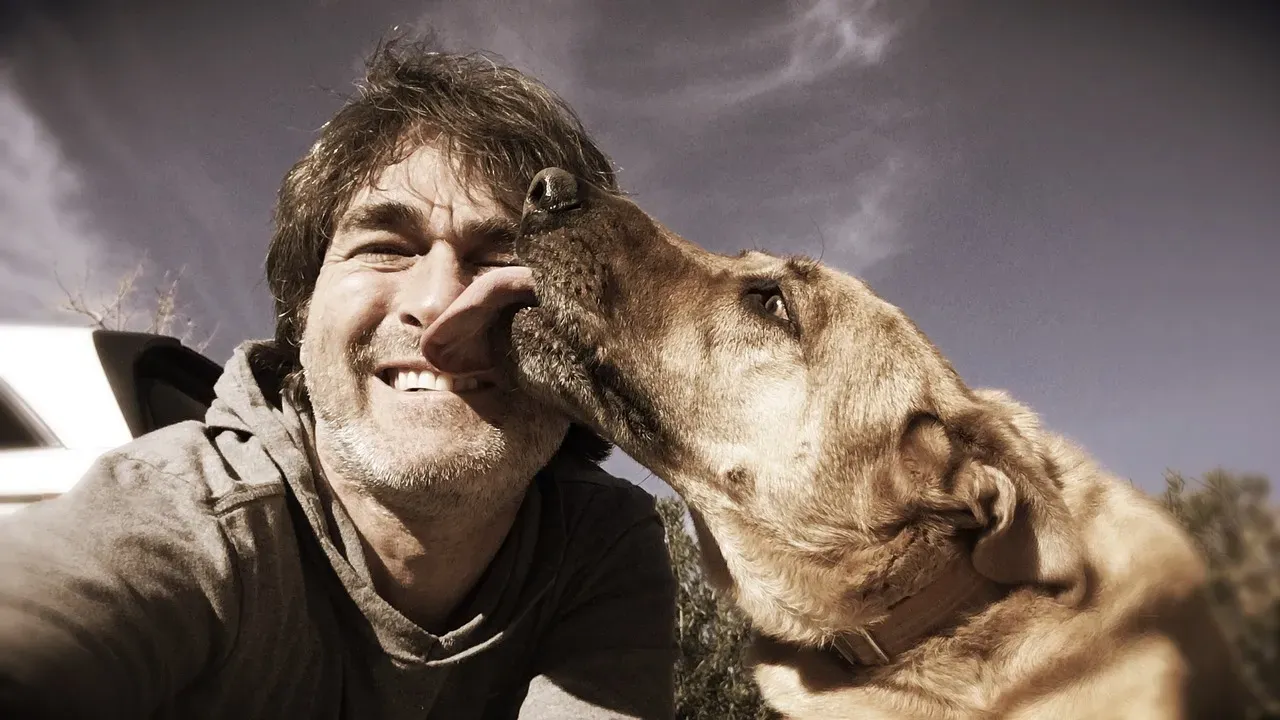
Dogs aren’t just good at reading us – they’re experts at it. Research confirms that dogs have remarkably complex abilities to perceive emotional expressions not only of their own species but also of human beings. They’ve spent thousands of years evolving alongside us, learning to decode our facial expressions, our tone of voice, even the chemical changes in our bodies when emotions shift.
Studies show that dogs use three main senses to determine human emotions: sight, smell, and hearing, and they can recognize six basic emotions including anger, fear, happiness, sadness, surprise, and disgust. When you’re scared, your body releases adrenaline and changes your scent. Your dog picks up on this instantly. When you’re sad, the subtle shifts in your facial muscles and voice register with them in ways that are almost uncanny.
Research examining dogs’ responses to their owners’ authentic emotions found that dogs behaved differently depending on the owner’s emotional state, gazing and jumping less at owners when they were sad. Think about that for a moment. Your dog knows what you’re feeling even when you try to hide it.
What Happens When Owners Leave During Euthanasia

Here’s the thing nobody wants to talk about. When veterinarians have to put an animal down, roughly ninety percent of owners don’t actually want to be in the room when the injection happens, so the animal’s last moments are usually spent frantically looking around for their owners. That image alone should break your heart.
Veterinarians emphasize that owners shouldn’t make their pets transition from life to death in a room full of strangers, in a place they don’t like, because the thing people need to know is that pets search for you when you leave them behind. Imagine being in an unfamiliar place, feeling scared and confused, and the one person who makes you feel safe suddenly disappears.
Veterinary technicians have shared that when owners can’t stay with their pets during the process, they’re never alone and staff members even kiss dogs for their owners as their last goodbye. While this compassion from vet staff is beautiful, it doesn’t replace you. Your scent, your voice, your touch – these are what your dog knows and trusts most.
The Comfort Your Presence Provides in Those Final Moments
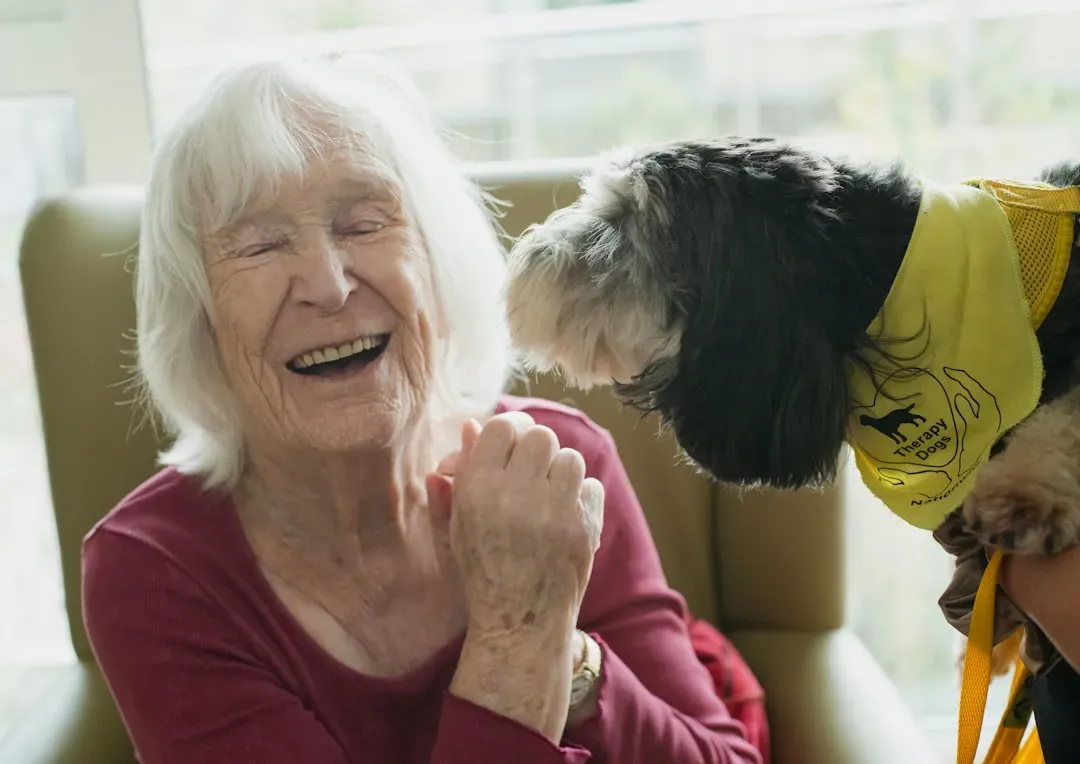
Let’s be real – this is about more than just being physically present. Intuition and witness accounts suggest that in the last stages of dying, beings can hear and feel the loved ones beside them as they approach death, with hearing being the last sense to go in humans and possibly similar for pets. Your dog may not be able to respond, but they know you’re there.
Research indicates that smell is the strongest sense in dogs and cats and possibly the last sense to go for them, and dogs and cats are likely not scared or sad as they pass and may even feel bliss or awe. When you’re beside them, talking softly, stroking their fur, you’re providing exactly what they need. You become their anchor in those disorienting final moments.
Staying with your dog during these final hours means reassuring them with gentle stroking and a soft voice, because dogs will look to their people for comfort and you shouldn’t make your dog face the end alone. Your presence transforms what could be a frightening experience into something peaceful. That’s not just sentiment. That’s the truth.
Understanding the Veterinary Perspective on Owner Presence

Veterinarians carry an emotional burden most of us can’t imagine. For many vets, euthanasia is the most difficult yet most rewarding part of their job, and they view helping pets pass peacefully and with dignity as the final and greatest gift they can give them. They’ve seen countless families make this choice, and they understand both sides of the struggle.
Research shows that euthanasia of companion dogs is often framed through shared decision making with guardians, emotional preparation, and post-procedural grief rituals, and while still emotionally taxing, these cases are supported by relational presence and mutual acknowledgment. When you’re there, you’re not just helping your dog. You’re participating in a ritual of love and respect that acknowledges the profound relationship you shared.
Whether to stay or not stay with a pet is a very personal decision, and some owners feel they could comfort their pet in its final minutes while others feel their emotional upset would only upset their pet. Still, most veterinarians will tell you honestly that your dog benefits from your presence, even if it’s hard for you.
How to Be Fully Present When Saying Goodbye
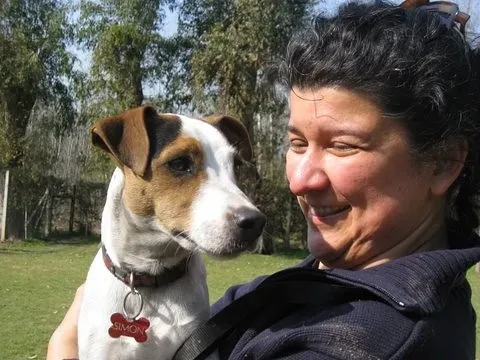
So how do you actually do this? How do you hold yourself together when your heart is shattering? As difficult as it is, try not to break down emotionally and do everything you can to hold it together so as not to distress your dog. I know it sounds impossible. Honestly, it might be one of the hardest things you’ll ever attempt.
Gather their loved ones around them if possible, give them something that smells like you or their favorite things, and hold them close, lay beside them, scratch their neck, squeeze their paw, or otherwise let them know you’re there. These small gestures matter more than you realize. Your familiar scent wraps around them like a blanket of safety.
Talk to them. Tell them they were a good dog. Remind them of your favorite memories together. Let your voice be the last thing they hear. Some people find it helpful to play soft music or choose a favorite spot in their home for the procedure. Home euthanasia veterinarians often spend time sharing stories and talking about what the pets were like in their younger years, creating nice family time during these sacred moments.
Conclusion
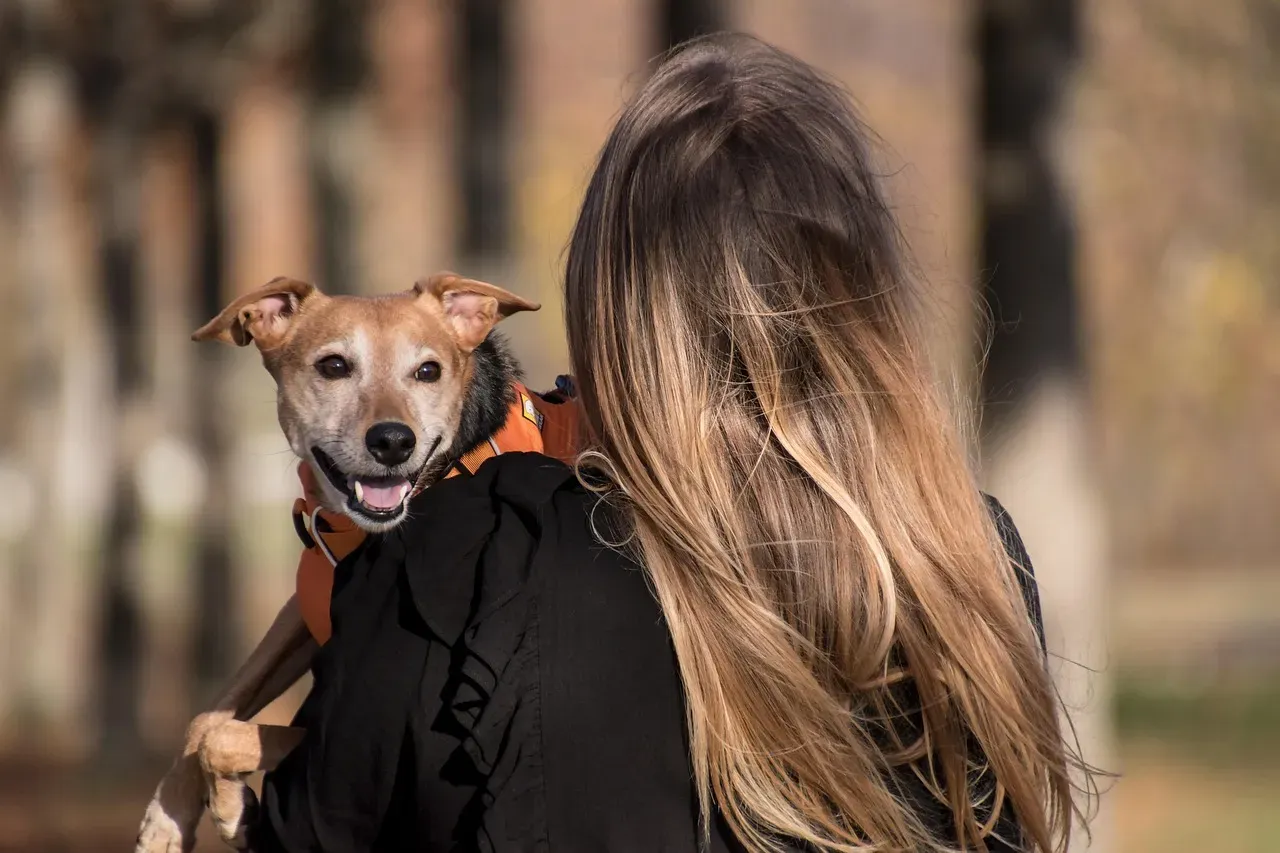
The decision to stay with your dog during euthanasia is deeply personal, and no one should judge you for whatever choice you make. Yet, I think it’s worth acknowledging that your presence provides something irreplaceable. Your dog has spent their entire life loving you unconditionally, following you from room to room, celebrating your arrivals, and mourning your departures.
For many pet owners, being with their pet during the final moments is a comfort, even though the emotion may be overwhelming. This final act of courage isn’t really for you anyway. It’s for them. It’s the last gift you can give after years of devotion, belly rubs, walks in the rain, and quiet companionship on difficult days.
When you look back on this moment years from now, you’ll never regret being there. You might regret not being there, though. Your dog deserves to drift away surrounded by love, hearing your voice, feeling your touch, and knowing that the most important person in their world never left their side. What do you think about it? Could you be there for your best friend when it matters most?
