

Every year, something extraordinary unfolds above our heads, usually while we’re asleep. Millions of birds take to the skies on journeys that defy logic, traveling thousands upon thousands of miles between continents. We often notice them arriving with the changing seasons, but rarely stop to consider what they actually went through to get here.
The truth is, these migrations are more complex and mind-blowing than most people realize. Some birds navigate using tools we’re only beginning to understand, while others perform physical feats that seem impossible for their size. Let’s dive in and explore what makes bird migration one of nature’s most spectacular phenomena.
The Epic Distances Birds Travel Between Continents
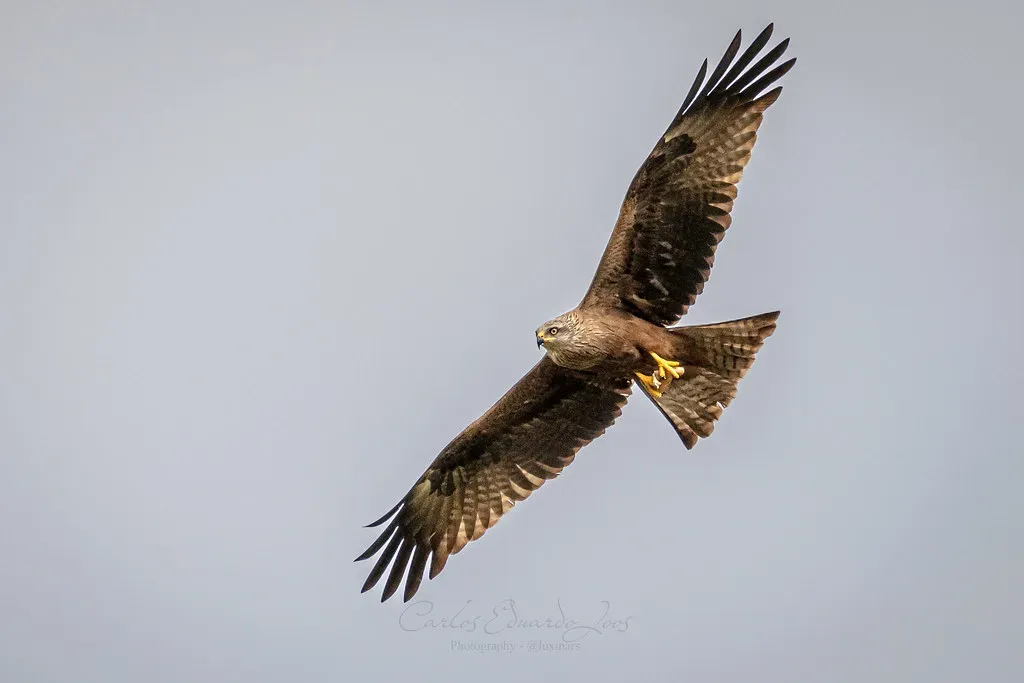
Let’s be real, when we think about traveling long distances, we imagine cramped airplane seats and jet lag. Birds? They laugh at our complaints. The Arctic tern holds the long-distance migration record for birds, travelling between Arctic breeding grounds and the Antarctic each year.
Recent studies have shown average annual round-trip lengths of about 70,900 km for birds nesting in Iceland and Greenland, and about 48,700 km for birds nesting in the Netherlands, while an individual from the Farne Islands in Northumberland with a light level geolocator tag covered a staggering 96,000 km in ten months. That’s roughly three round trips to the moon over their lifetime. Think about that for a second.
The bar-tailed godwit deserves special mention here. The migration of the subspecies across the Pacific Ocean from Alaska to New Zealand is the longest known non-stop flight of any bird, and in 2022, a juvenile godwit flew a minimum of 13,560 km in 11 days 1 hour, a record non-stop distance. No rest stops, no snacks. Just eleven days of continuous flight across open ocean.
In 2024, BirdCast recorded over 4.7 billion birds crossing the continental United States during peak migration periods. It’s hard to wrap your head around numbers like that. The sheer scale is astonishing.
How Birds Navigate Across Thousands of Miles

Here’s where it gets truly weird and wonderful. How do birds, many weighing less than your smartphone, find their way across entire continents without GPS?
Many migratory birds appear to sense the geomagnetic, Earth’s magnetic-field-based environmental pattern, giving them information about both direction and position. They basically have a built-in compass that we’re only now figuring out. The protein cryptochrome 4, found in birds’ retinas, is sensitive to magnetic fields and could well be the long-sought magnetic sensor.
Other cues such as star patterns, odors, and landmarks likely work alongside magnetic information, giving experienced birds multiple ways to locate each segment. Honestly, it’s like they’re using every navigation tool available, all at once. They have at least three different compasses at their disposal: one allows them to extract information from the position of the sun in the sky, another uses the patterns of the stars at night, and the third is based on Earth’s ever present magnetic field.
As the magnetic field of Earth moved slightly, the sites to which birds returned moved with it, suggesting that birds homed to a moving magnetic target, with magnetic inclination in particular telling birds that they had arrived at their breeding location. It’s almost like they’re following invisible highways in the sky that shift ever so slightly each year.
The Remarkable Routes and Stopover Sites
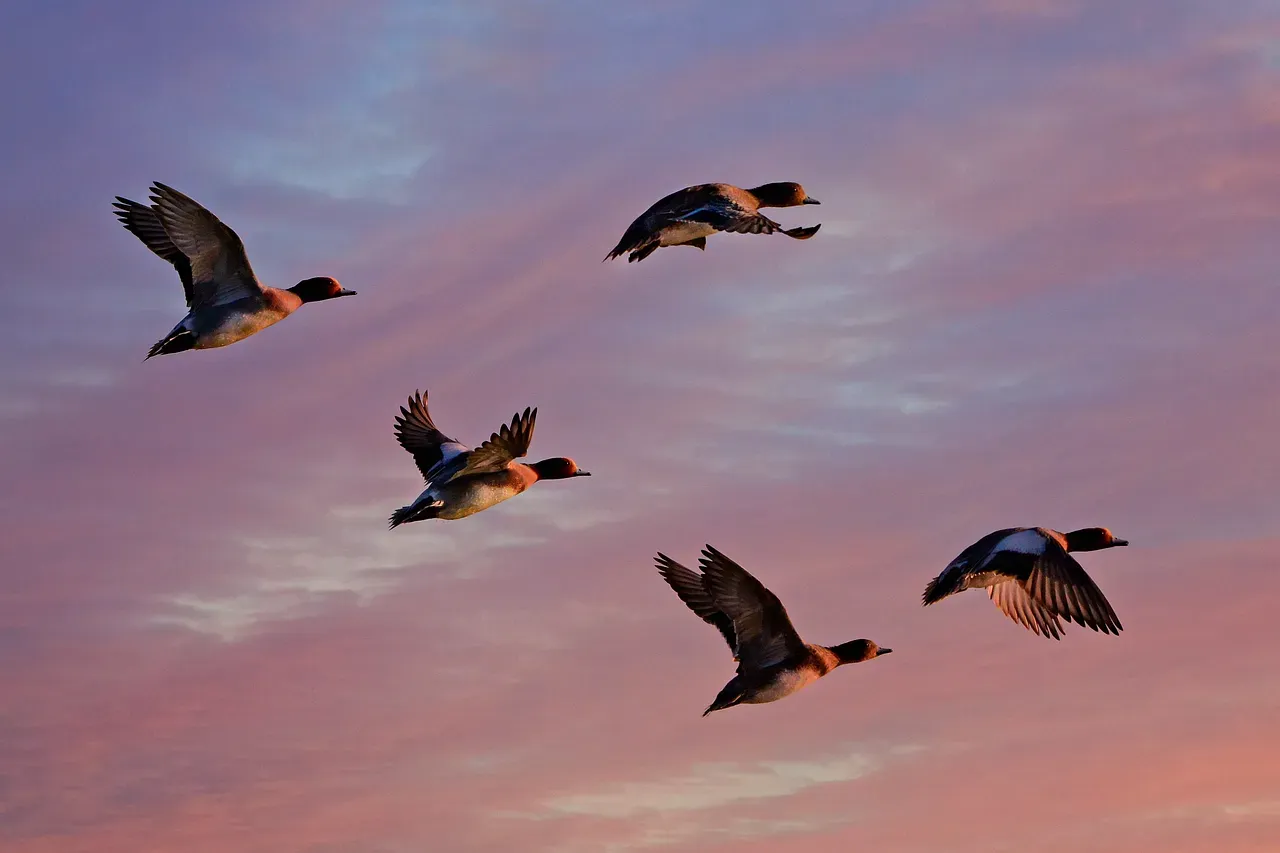
Migration isn’t just about flying from point A to point B. These journeys are carefully orchestrated with crucial pit stops along the way.
Shrikes follow consistent routes divided into repeated flight segments and carefully timed rest stops, and this schedule likely comes from a sophisticated genetic program rather than on-the-spot decisions. The programming is literally in their DNA. Young birds making their first migration somehow know where to stop, even though they’ve never been there before.
Tagged birds traveled southwest to a stopover region of deep water in the eastern portion of the Newfoundland Basin, in which they remained for an average of 24.6 days, and this previously unknown oceanic hotspot for terns was located at the junction between cold, highly productive northern water and warmer, less-productive southern water.
The Atlantic Flyway extends along the eastern coast from Canada to South America, supporting over 500 bird species annually, while the Mississippi Flyway follows the Mississippi River valley, accommodating approximately 40% of all North American waterfowl and shorebirds. These migration corridors are like superhighways connecting entire hemispheres.
The Yellow Sea between China and Korea is particularly critical. The birds complete over 10,000 km in a single flight, taking between six and eight days, with almost the entire baueri race believed to pass through the area each spring.
Physical Adaptations That Make Extreme Migration Possible
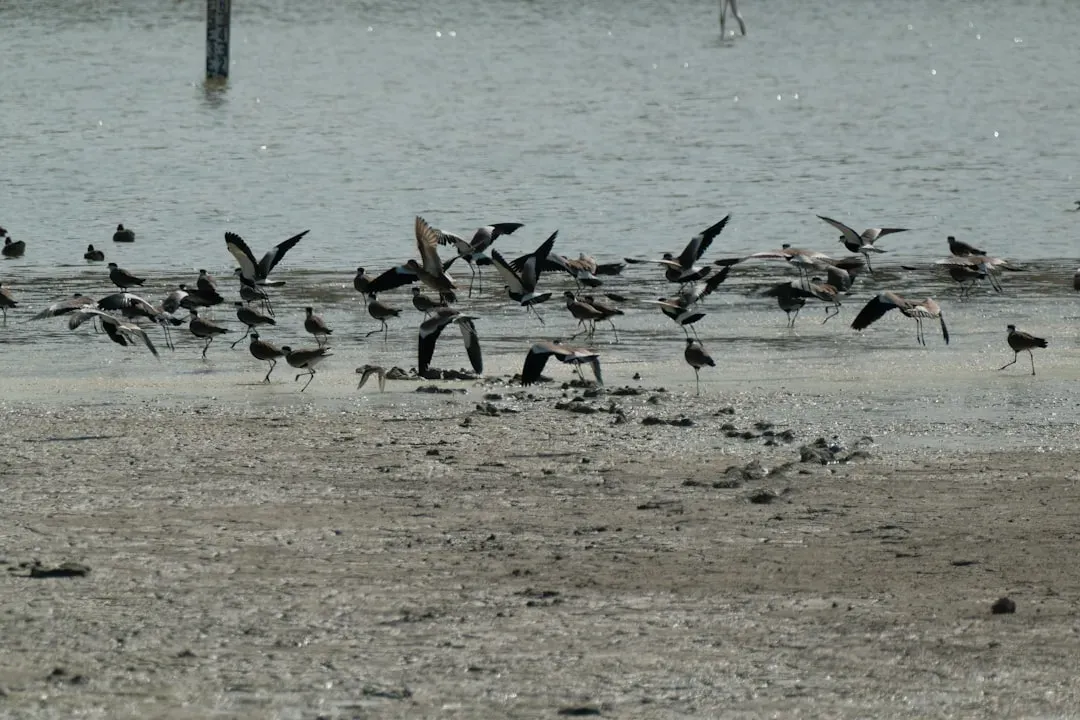
You might wonder how a bird the size of your fist can fly nonstop for over a week. The answer is both fascinating and slightly disturbing.
By shrinking their organs, the birds shed about half of their non-fat weight before migrating, which creates space for more fat and makes the bird lighter and thus more efficient on the wing, with the godwit becoming up to 55 per cent lard by departure day. They essentially cannibalize their own digestive systems to make room for fuel. Then, incredibly, once the godwit is at its winter destination, it regrows its internal organs in their entirety.
Arctic terns are lightweight, weighing 3.2-4.2 oz, which means the ocean-driven wind can carry them for long distances which requires little effort on the part of the bird. Their whole body design is optimized for efficiency. Arctic terns can sleep and eat while gliding, and they’re able to hover in midair much like hummingbirds.
Think about what your body goes through on a long international flight. Now imagine doing that for eleven days straight, powered only by your own fat reserves, with your kidneys and stomach temporarily shutting down to save weight. That’s what these birds do, twice a year, every year.
Climate Change and Modern Threats to Migration

Unfortunately, this ancient marvel faces modern challenges that these birds never evolved to handle.
As the Sahara and Mediterranean regions become increasingly inhospitable, vital stop-over sites in North-Africa are shrinking and drying up due to climate change, and with fewer safe havens, birds reach their destinations weaker, reducing their chances of survival and successful breeding.
As global climate change causes spring to start earlier, birds like western tanagers are arriving at their destinations after green-up, when flowers begin blooming and insects emerge, and this kind of timing mismatch between migrants and their food sources could have dire consequences for migratory birds’ survival. The analysis showed that, as spring shifted earlier, roughly 110 of 150 bird species failed to keep up by migrating in time.
The problem is timing. If you’re a bird that’s wintering in South America, you have no understanding, no ability to know whether or not it’s an early spring or late spring here in North America. Short-distance migrants can adjust more easily, but birds traveling between hemispheres are essentially flying blind.
Around 200 migratory bird species across the world are impacted by cyclones and droughts, and with these extreme weather events only set to worsen under a warming planet, the future of these species is at risk. Rising sea levels increase distances, habitat destruction eliminates stopover sites, and changing weather patterns disrupt ancient rhythms these birds have followed for millennia.
Conclusion
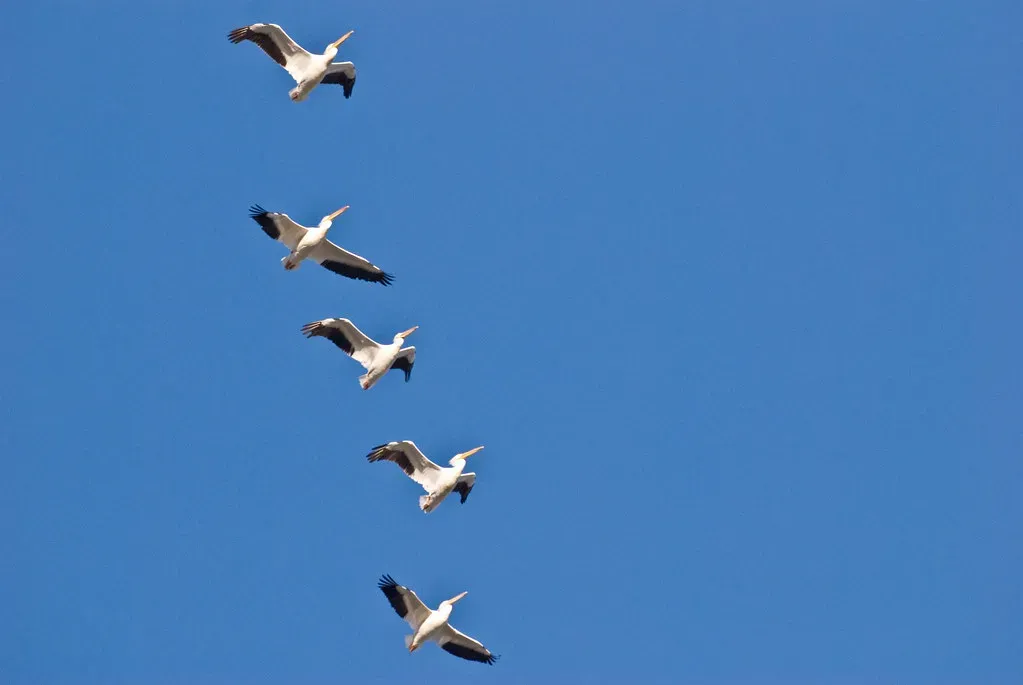
The migratory journeys birds undertake across continents represent one of the most extraordinary accomplishments in the natural world. From Arctic terns experiencing more daylight than any other creature to bar-tailed godwits literally reshaping their internal organs for transcontinental flights, these feathered travelers possess abilities that continue to astound scientists.
Yet these ancient pathways face unprecedented threats from climate change, habitat loss, and human development. The magnetic maps, the genetic programming, the physical transformations – all evolved over countless generations – may not be enough to adapt to the rapid changes we’re witnessing.
Every spring and fall, billions of birds navigate invisible highways across our planet, following routes perfected over millennia. It’s happening right now, mostly unseen, mostly unappreciated. What do you think we can do to protect these incredible journeys for future generations?
