
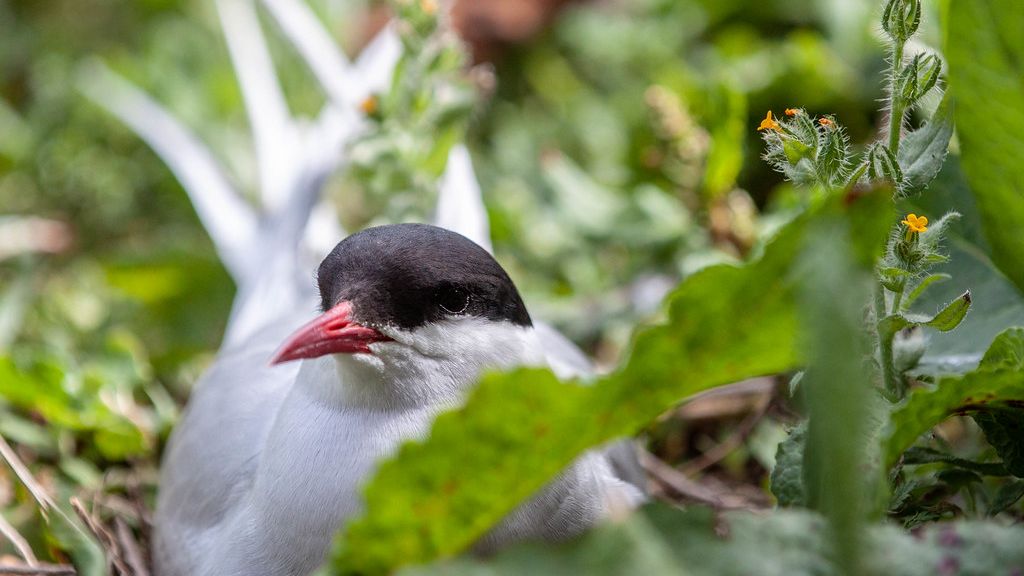
Worried about unexpected vet bills?
Pet insurance can cover thousands in unexpected vet costs. Get a free quote from Lemonade in under 2 minutes.
Get My Free Quote →Sponsored · Opens Lemonade.com
Have you ever wondered what it would be like to chase endless summer? While most of us dream about it during cold winter months, there’s a remarkable creature that actually lives this reality. Imagine a bird no heavier than a deck of cards, journeying from one end of the planet to the other, twice a year, covering distances that would make even the most seasoned traveler dizzy.
The Arctic tern pulls off what seems impossible. This small seabird doesn’t just migrate for survival. It’s rewriting the rules of what we thought animals could achieve. While you’re reading this, thousands of these birds are somewhere over open ocean, gliding toward their next destination. Let’s dive in and discover why this feathered traveler holds one of nature’s most astonishing records.
The Champion of All Migrations
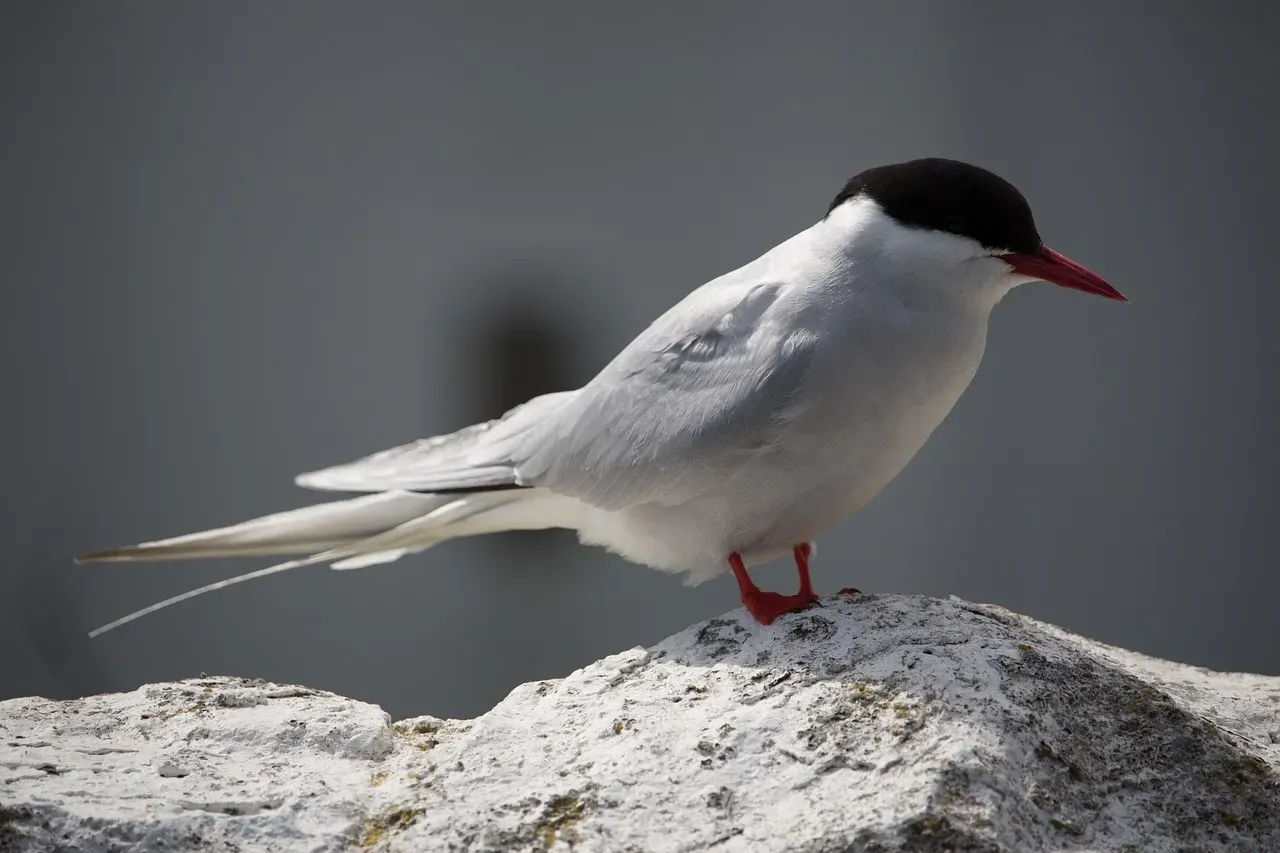
The Arctic tern completes a round-trip migration of roughly 37,000 to 51,000 miles annually, with some individuals from specific breeding populations covering about 70,900 kilometers on average. Here’s the thing though: that’s just the average.
One particular bird tagged ‘G82’ from the Farne Islands in Northumberland covered a staggering 96,000 kilometers in just ten months, setting a new global migration record. Think about that for a second. This tiny creature, weighing less than your smartphone, flew the equivalent of circling the Earth more than twice in under a year.
This represents the longest round-trip animal migration ever recorded electronically. No other animal on the planet comes close to matching this feat. Not whales, not butterflies, not even other long-distance bird migrants.
Why Would Any Bird Do This?
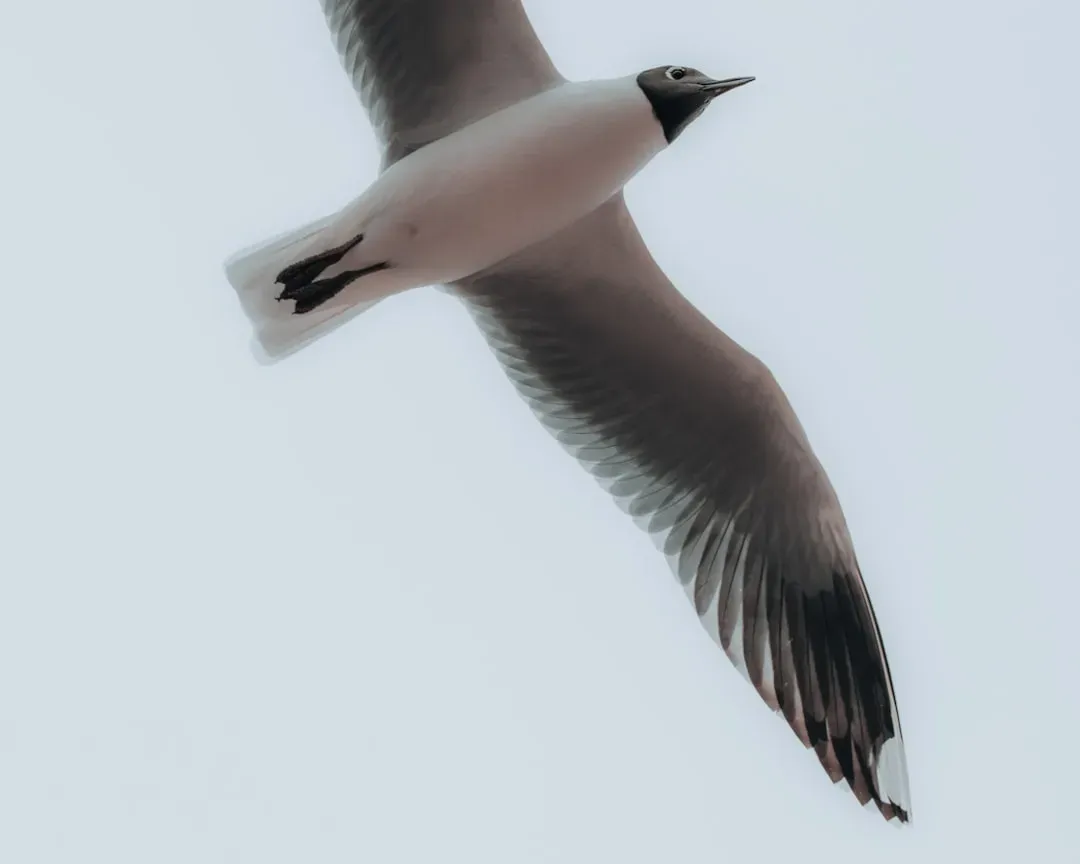
Let’s be real, flying tens of thousands of miles sounds exhausting. So why bother? Arctic terns migrate in search of summer sunlight, which illuminates the ocean surface and helps them see food more easily, and they may experience more daylight than any other animal by going from Arctic summer to Antarctic summer.
It’s actually a brilliant survival strategy when you think about it. The long journey ensures that this bird sees two summers per year and more daylight than any other creature on the planet. While the rest of us endure dark winter days, Arctic terns are essentially living in perpetual summer.
Arctic terns need to migrate each year because polar winters are too dark for them to hunt, as these birds hunt by sight by plunging into the water for small fish, crustaceans, and insects. The clever solution? Follow the sun. When darkness descends on the Arctic, they simply fly to where the sun still shines.
The Incredible Journey and Flight Mechanics
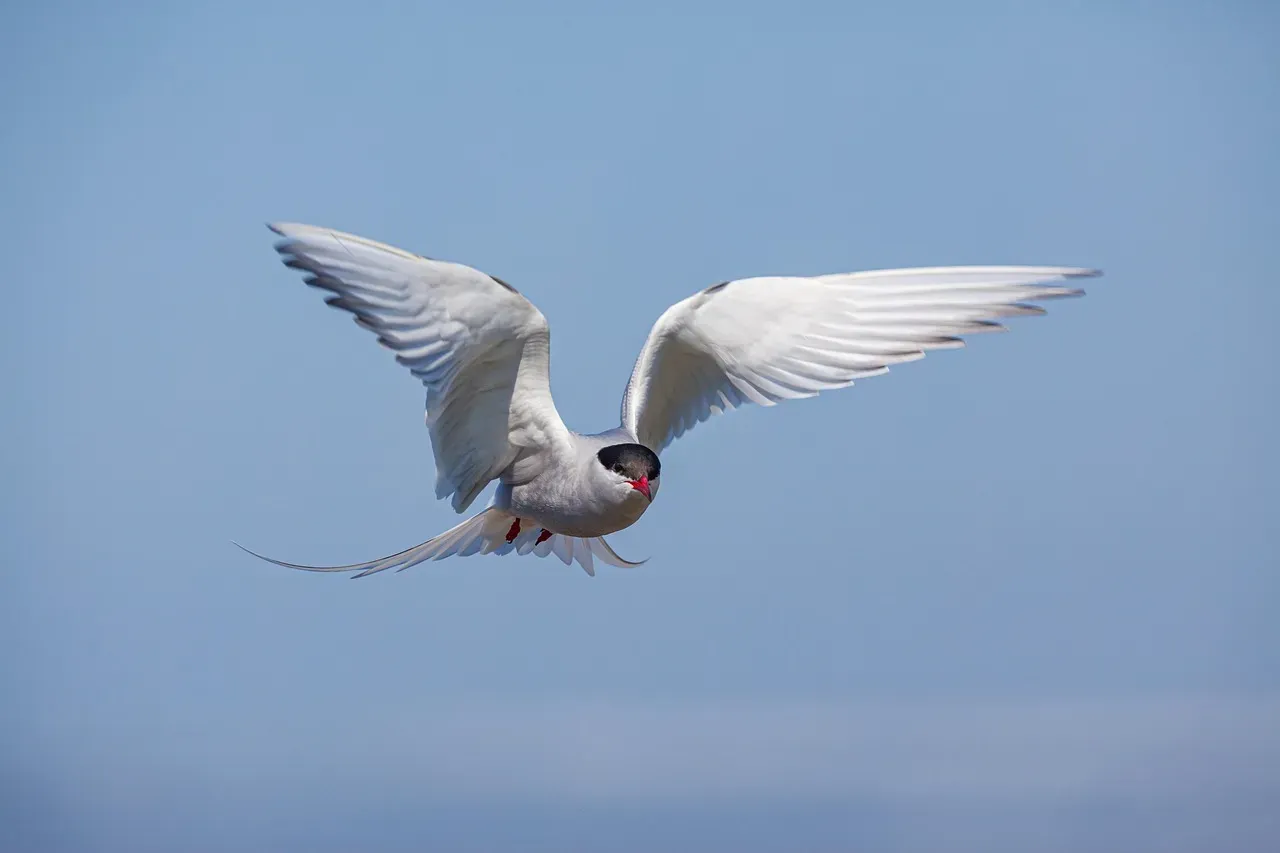
The northbound migration takes less than half the time of the southbound journey, about 40 days versus 93 days, despite being three quarters the length. The birds are clearly in more of a hurry to get back to breeding grounds than they are leaving them.
After scientists fitted birds with trackers, they learned that arctic terns fly thousands of miles out of their way to take advantage of the best weather and food, bouncing around continents instead of flying in a straight line. They’re not just mindlessly following a compass bearing. These birds are strategic navigators.
Arctic terns like to glide in the air, and because they’re lightweight at around 90-120 grams, ocean-driven wind can carry them for long distances with little effort, and they can sleep and eat while gliding. Honestly, the ability to sleep while flying is probably the most enviable superpower in the animal kingdom.
A Life Spent in Flight
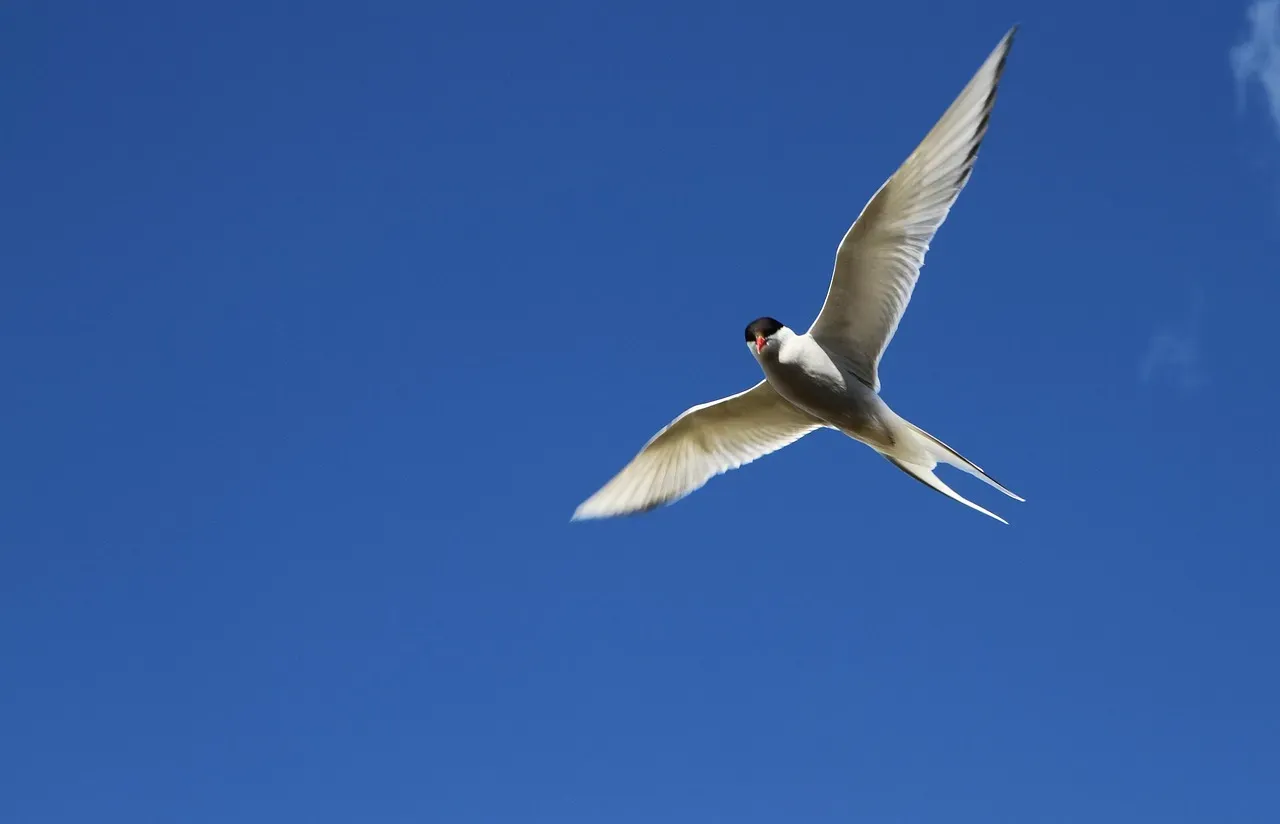
Arctic terns, which mate for life, can live to be more than 30 years old, which is a very long lifespan for such a small bird with such an extreme lifestyle. Over three decades of relentless travel adds up to something truly mind-boggling.
The average Arctic tern will travel some 2.4 million kilometers during its lifetime, the equivalent of a roundtrip from Earth to the Moon more than three times. Let that sink in for a minute. To the moon and back. Three times. And they do it all with wings barely longer than a ruler.
Just as migration is about to take place, the normally noisy colony will fall silent in a behavior called dread, after which the colony takes to the air and leaves their home nests all at once. It’s hard to say for sure, but maybe this eerie silence reflects the enormity of the journey ahead.
Conservation and Future Challenges
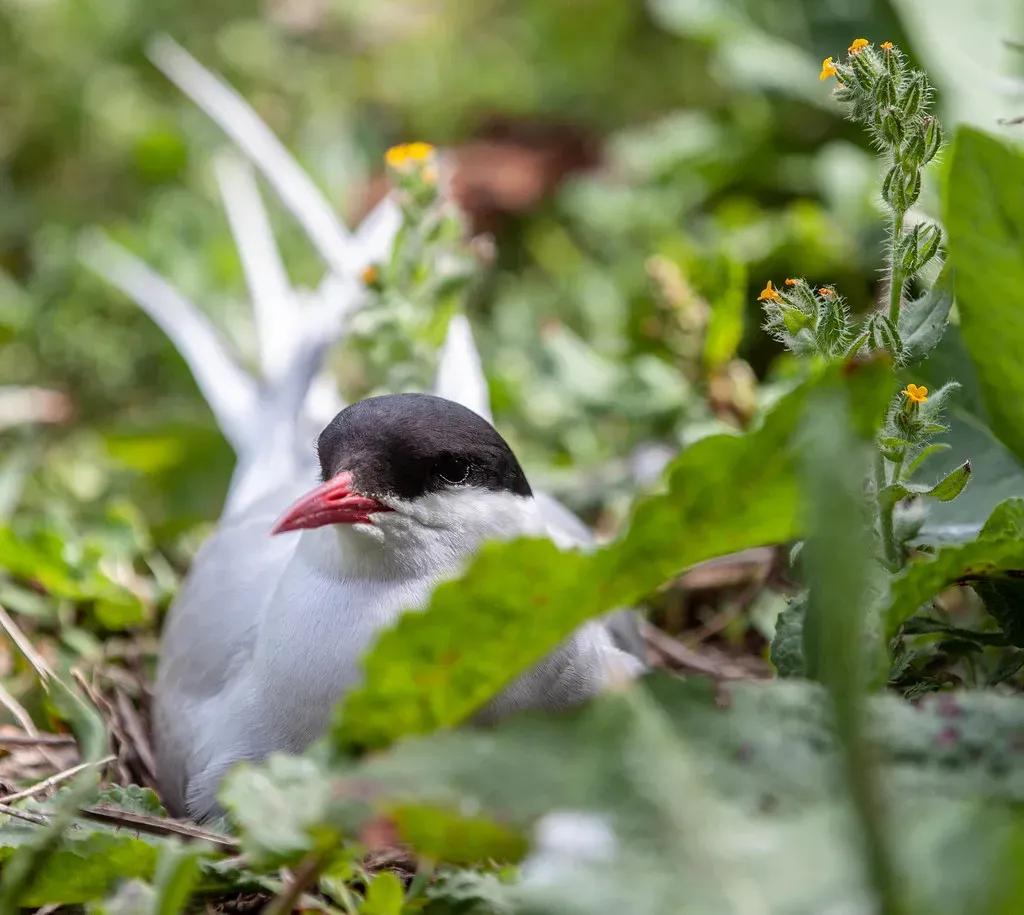
Research suggests the Arctic tern population stands at about 2 million individuals, and they are considered a Least Concern species, although their population trend is decreasing. The good news is they’re not endangered yet. The concerning part? Numbers are slipping.
Though the global population of Arctic Terns is not yet threatened, researchers believe they are slipping into a soft decline, and their numbers have slumped especially after harsh summer storms, events predicted to intensify with climate change. Climate change poses a particular threat to birds that depend on such specific conditions at both poles.
Zeroing in on the terns’ migration hotspots and what threatens them will immeasurably aid their conservation by identifying areas that are important not just for one bird, but for many. The more we understand about their incredible journeys, the better equipped we are to protect the routes and feeding grounds they depend on.
Conclusion
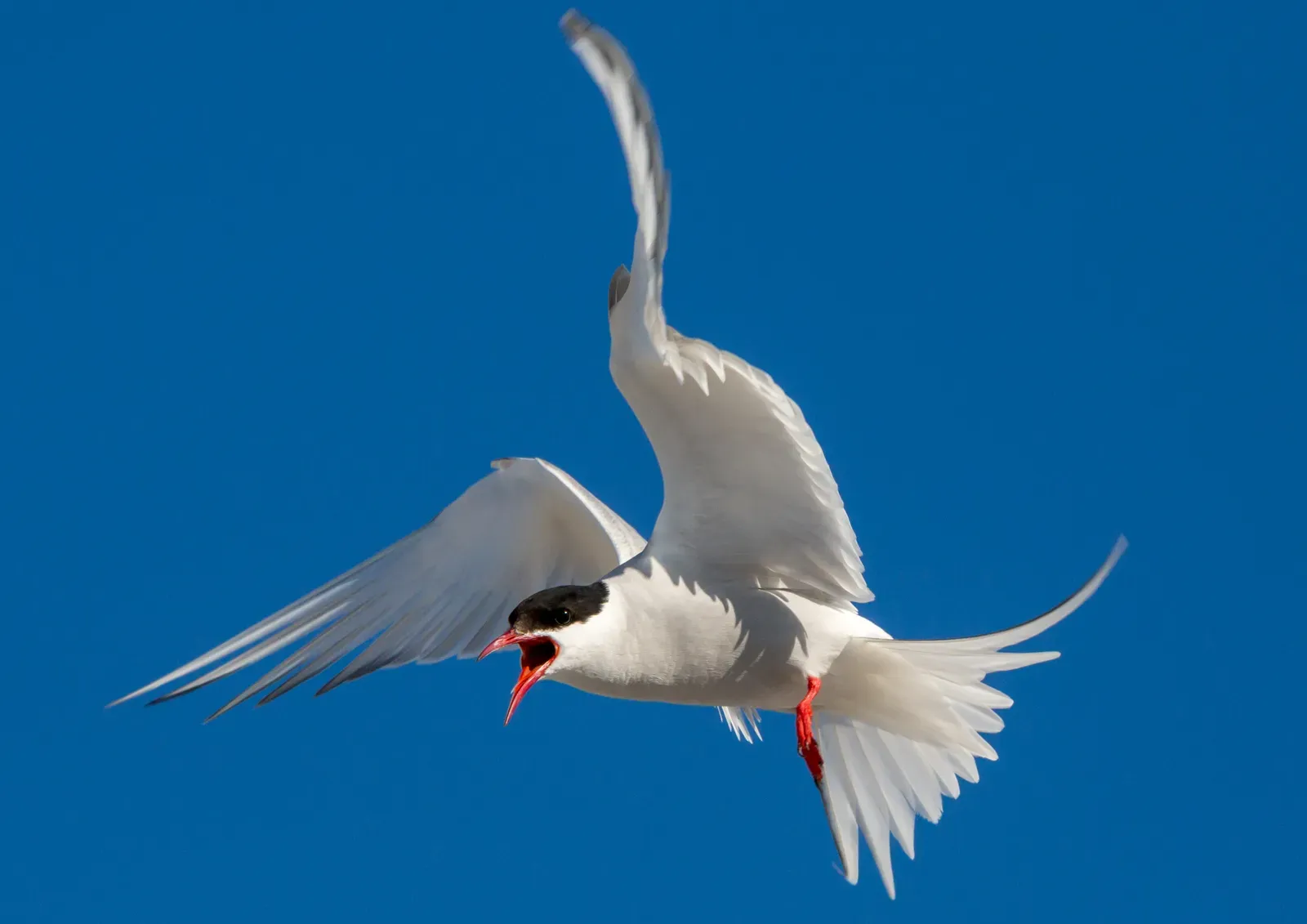
The Arctic tern’s migration stands as one of nature’s most extraordinary achievements. This hand-sized bird defies logic, covering distances that seem impossible for its tiny frame, all while chasing endless daylight across the globe. From Arctic summers to Antarctic summers and back again, these remarkable travelers experience more of our planet than most creatures could dream of.
Their story reminds us that size doesn’t limit capability. The smallest among us, whether in nature or in life, can accomplish the greatest feats when driven by the right instincts and adaptations. As climate patterns shift and their populations face new pressures, protecting these incredible migrants becomes increasingly important.
What do you think about the Arctic tern’s epic journey? Could you imagine spending most of your life in constant motion, forever chasing the sun? Tell us in the comments.
Worried about unexpected vet bills?
Pet insurance can cover thousands in unexpected vet costs. Get a free quote from Lemonade in under 2 minutes.
Get My Free Quote →Sponsored · Opens Lemonade.com
