
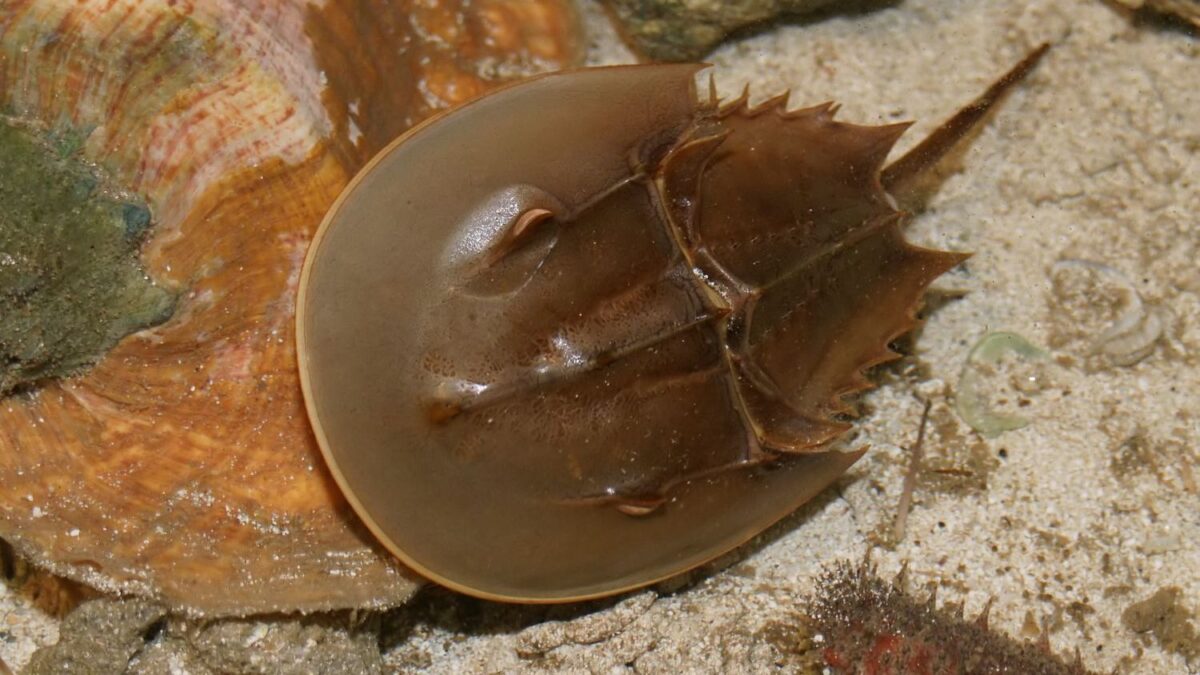
Picture an animal so ancient that it watched dinosaurs come and go. Imagine a creature that weathered mass extinctions, survived climate catastrophes, and yet somehow looks almost identical to its ancestors from hundreds of millions of years ago. It sounds impossible, right? Yet this animal exists today, crawling along ocean floors, seemingly untouched by time.
The horseshoe crab is one of nature’s most puzzling survivors. While the world around it transformed beyond recognition, this armored arthropod barely budged. Let’s dive into the mystery of why evolution sometimes hits pause.
The Ancient Blueprint That Refuses to Change
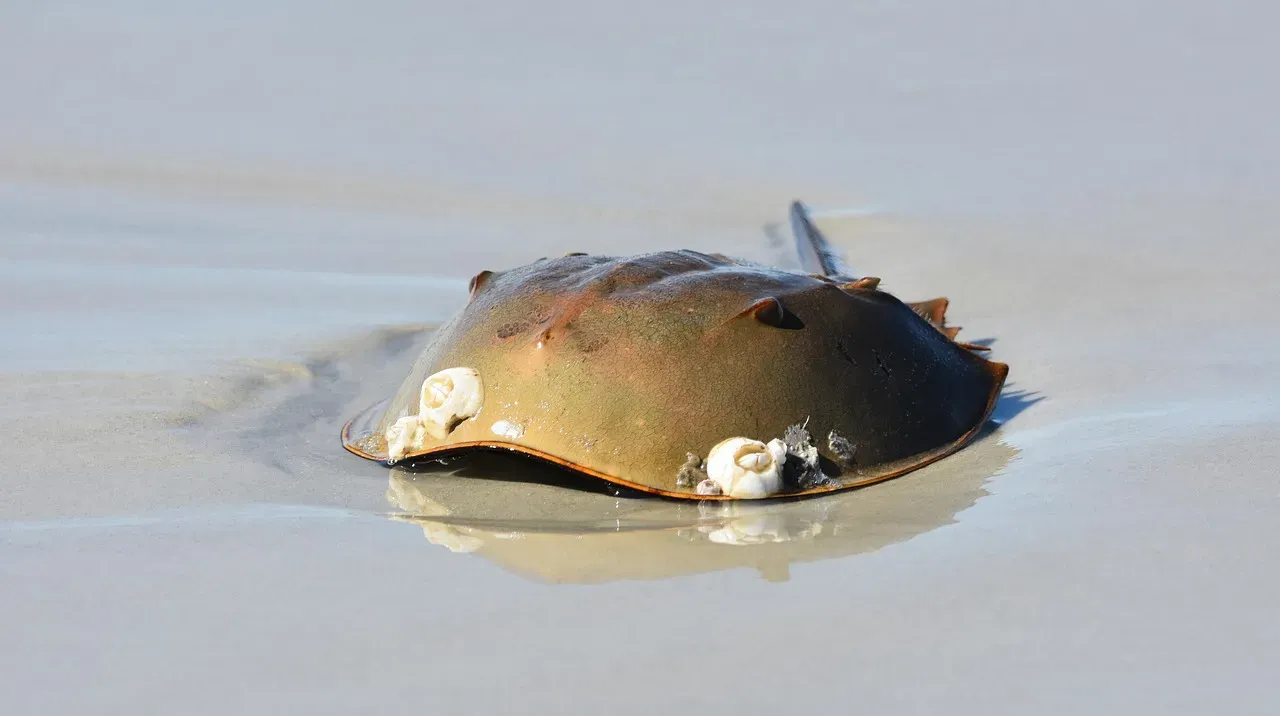
Horseshoe crab fossils from 445 million year-old Ordovician age rocks have been discovered, making these creatures older than almost any other complex animal alive today. Think about that for a second. When the first horseshoe crabs appeared, life on land was just getting started. There were no trees, no insects buzzing around, no vertebrates walking on dry ground.
Horseshoe crabs first appeared at least 480 million years ago and don’t appear to have changed much since. The fossil record shows specimens that look strikingly similar to the four species alive today. Their distinctive horseshoe-shaped shell, their odd arrangement of legs tucked beneath that armor, even the long tail spine they use to flip themselves over when stranded upside down – all of it recognizable across an almost incomprehensible stretch of time.
What’s truly mind-bending is this: Scientists have discovered fossils of their ancient ancestors that lived 445 million years ago, while dinosaurs first appeared about 200 million years later. Horseshoe crabs were already ancient when T. rex was young.
Not Really Crabs at All
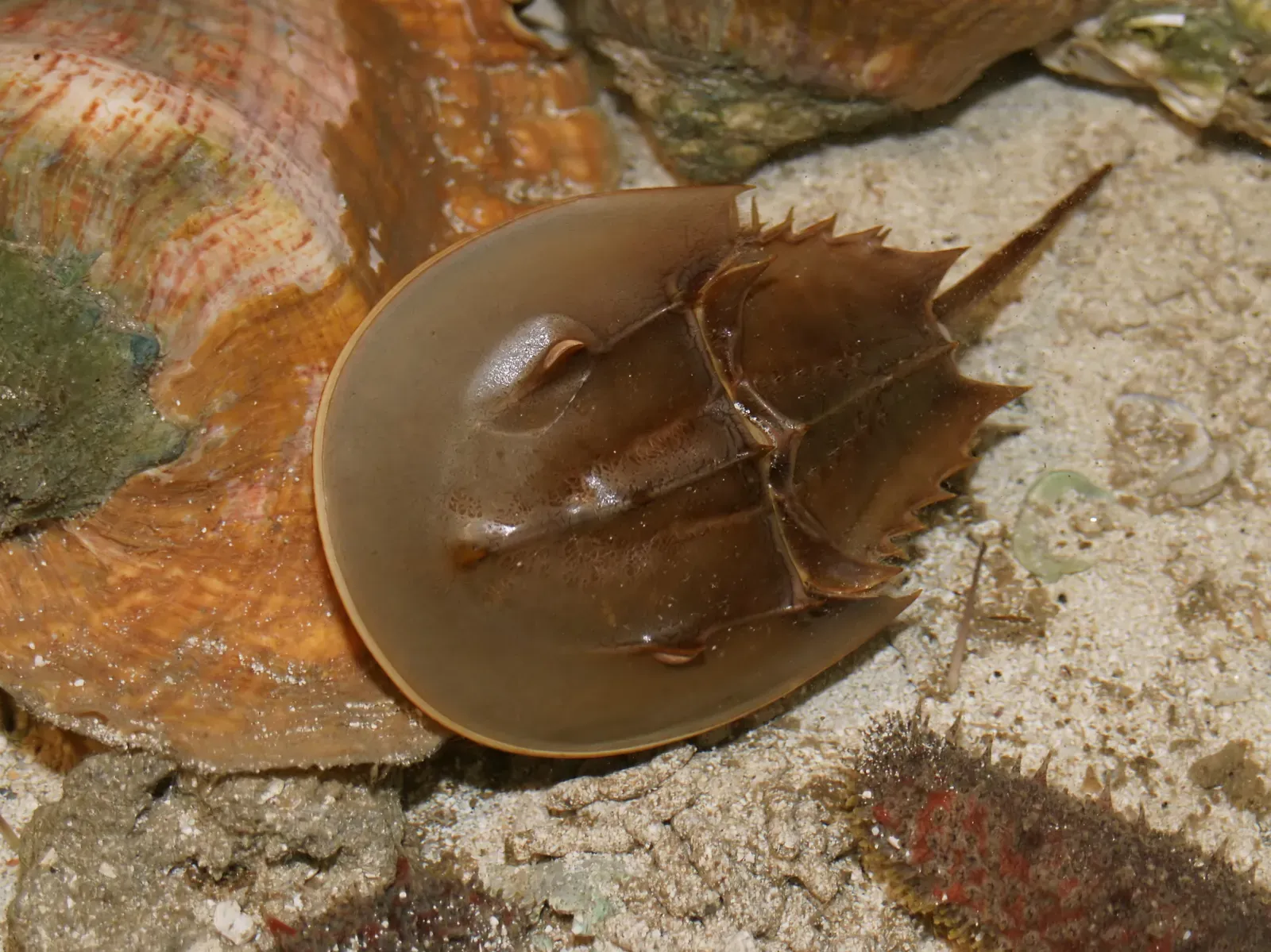
Here’s the thing. Despite their name, horseshoe crabs are not crabs at all, but chelicerates and therefore more closely related to spiders and sea scorpions. This misidentification tells you something about how strange these animals are. They don’t fit neatly into our categories.
Horseshoe crabs are arthropods more closely related to scorpions and spiders than crustaceans, and they are the only living members of the Xiphosura order. Imagine being the last representative of an entire lineage that once teemed with diversity. It’s like being the only surviving member of an ancient royal family.
Today, only four species remain. The Atlantic horseshoe crab native to the eastern coast of North and Central America, as well as the mangrove horseshoe crab, tri-spine horseshoe crab and Indo-Pacific horseshoe crab, which are native to South, South East, and East Asia. That’s it. Four species left from a group that survived longer than almost anything else with a backbone – or without one, technically.
The Myth of Evolutionary Standstill
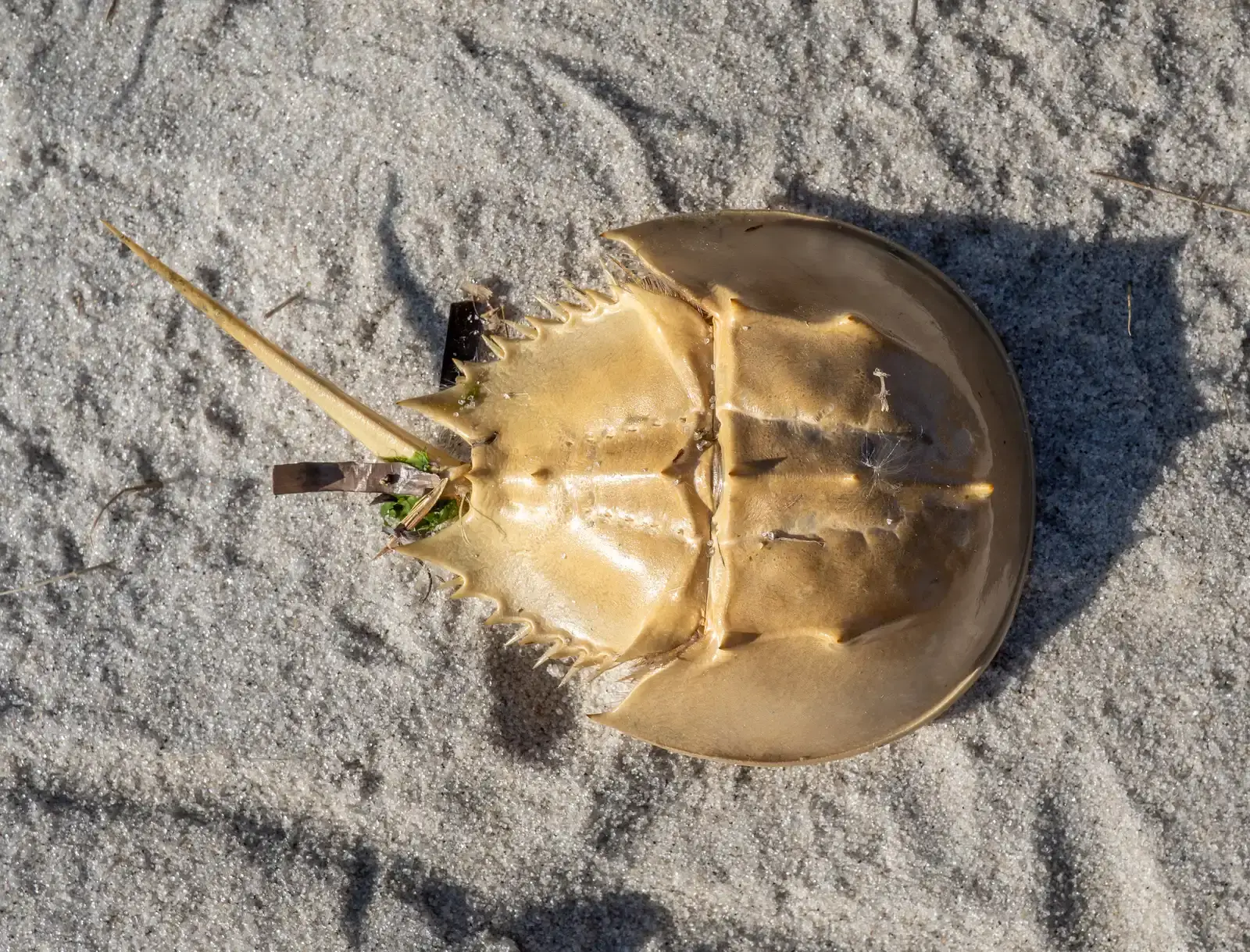
Now, let’s be real. When we say horseshoe crabs haven’t evolved, we’re talking about their physical appearance. Despite their prehistoric appearance, animals like crocodiles and horseshoe crabs are not truly evolutionary relics – they’ve been evolving all along, just not in ways that are immediately obvious. This is crucial to understand.
Anatomically, these species tend to look unchanged, although genetically species are always evolving. At the molecular level, changes continue. DNA mutates. Genes shift. The horseshoe crab of today isn’t genetically identical to one from 400 million years ago, even if they look nearly the same on the outside.
The coelacanth has been evolving over the past several hundred million years – in 2021, researchers discovered that approximately 10 million years ago, the African coelacanth acquired 62 new genes through interactions with other species. So even the most famous “living fossils” are constantly adapting beneath the surface. It’s just that their body plans proved so successful that natural selection kept pushing them back toward the original design.
Why Stasis Wins Sometimes
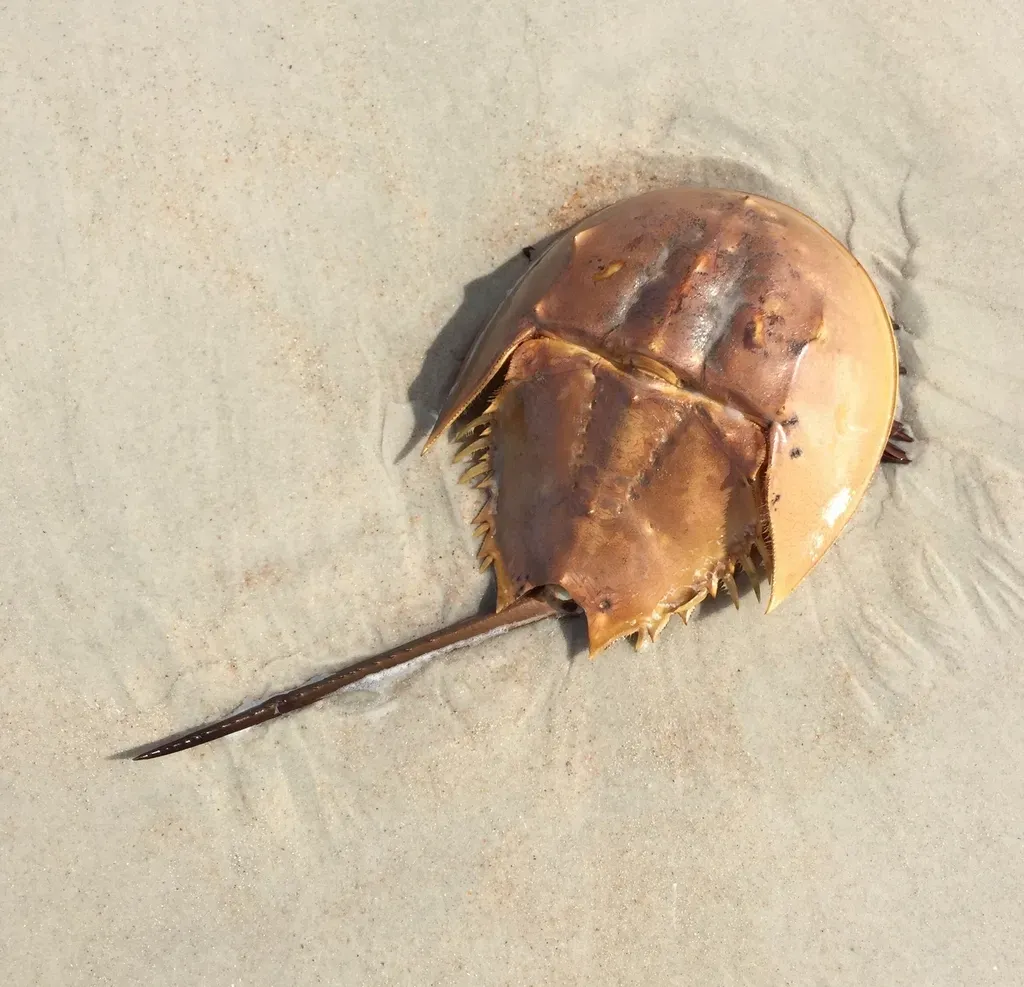
So why do horseshoe crabs look so much like their ancient ancestors? It’s not fully understood why some species remain unchanged for such a long time, but stable environments and little competition might play a role – the water-loving platypus doesn’t have much competition to deal with. Think of it this way: if you’ve found a winning formula, why mess with it?
One reason is hitting on a winning formula early on; another is living in a stable, predictable environment where there is little competition for resources, which may initially be abundant. Horseshoe crabs inhabit ocean floors and shallow coastal waters. These environments have remained relatively stable for eons compared to the upheavals on land.
Evolution isn’t about constant change for the sake of change. It’s about survival and reproduction. The minimal superficial changes to living fossils are examples of stabilizing selection, which is an evolutionary process – and perhaps the dominant process of morphological evolution. When something works this well, natural selection becomes a conservative force, weeding out variations that stray too far from the proven design.
Blue Blood and Modern Medicine
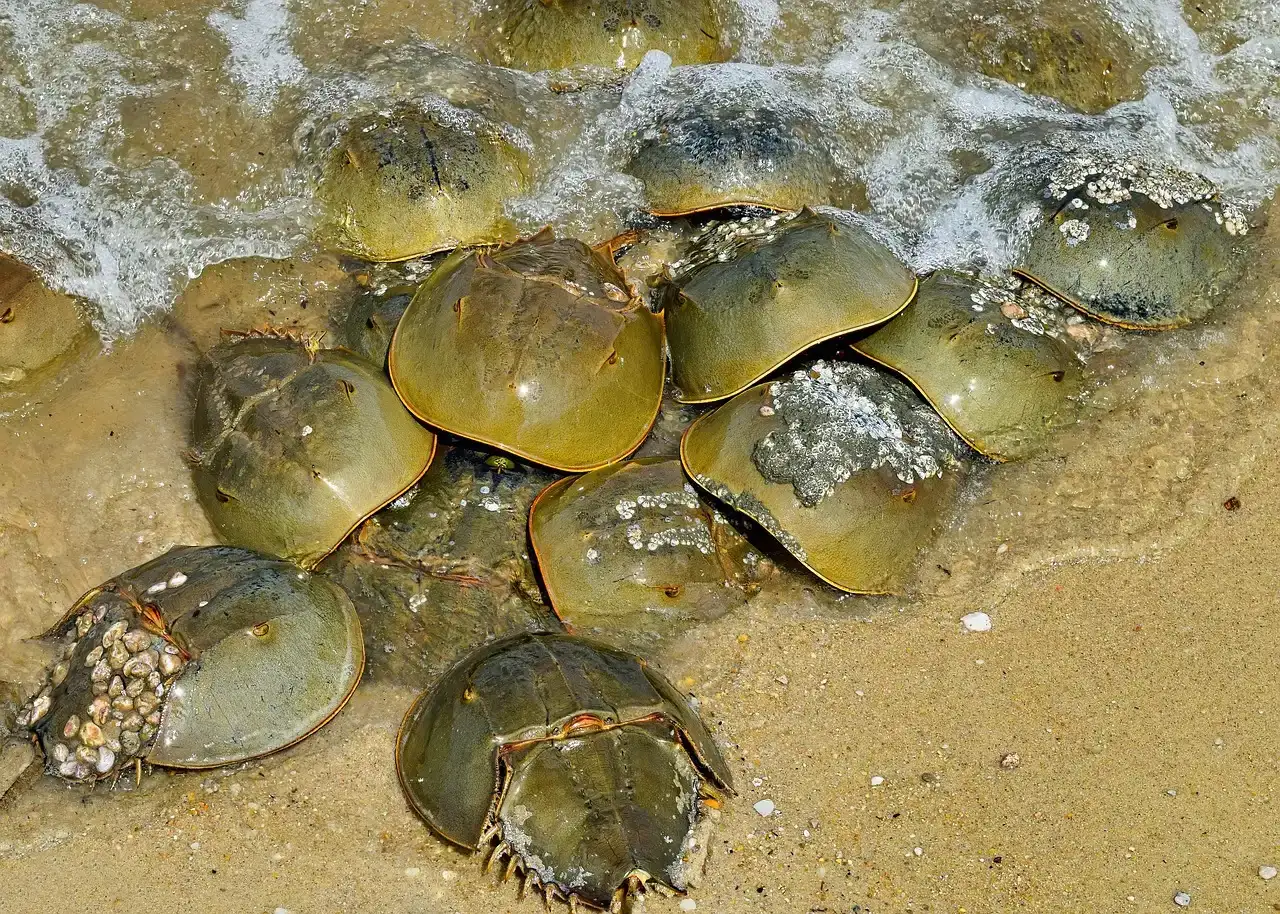
There’s another twist to this story. Horseshoe crabs have evolved over the past several hundred million years in response to changing environmental conditions, and the evolution of their blue blood, which is highly sensitive to toxic bacteria, has helped them persistently survive in hazardous environments. Their blood isn’t just blue for show.
Horseshoe crab blood contains a unique enzyme called limulus amebocyte lysate which causes the blood to coagulate when exposed to bacterial endotoxins, and biomedical companies use it to test medicines, vaccines, implants, and more for endotoxins. This adaptation has saved countless human lives by ensuring medical equipment is sterile.
Honestly, it’s both fascinating and troubling. Unfortunately, many horseshoe crabs die in the process of collecting their blood, and scientists are exploring synthetic alternatives – finding a replacement will help ensure a future for horseshoe crabs. These ancient survivors have endured for half a billion years, only to face threats from the very species trying to understand them.
Conclusion: Ancient Survivors in a Modern World
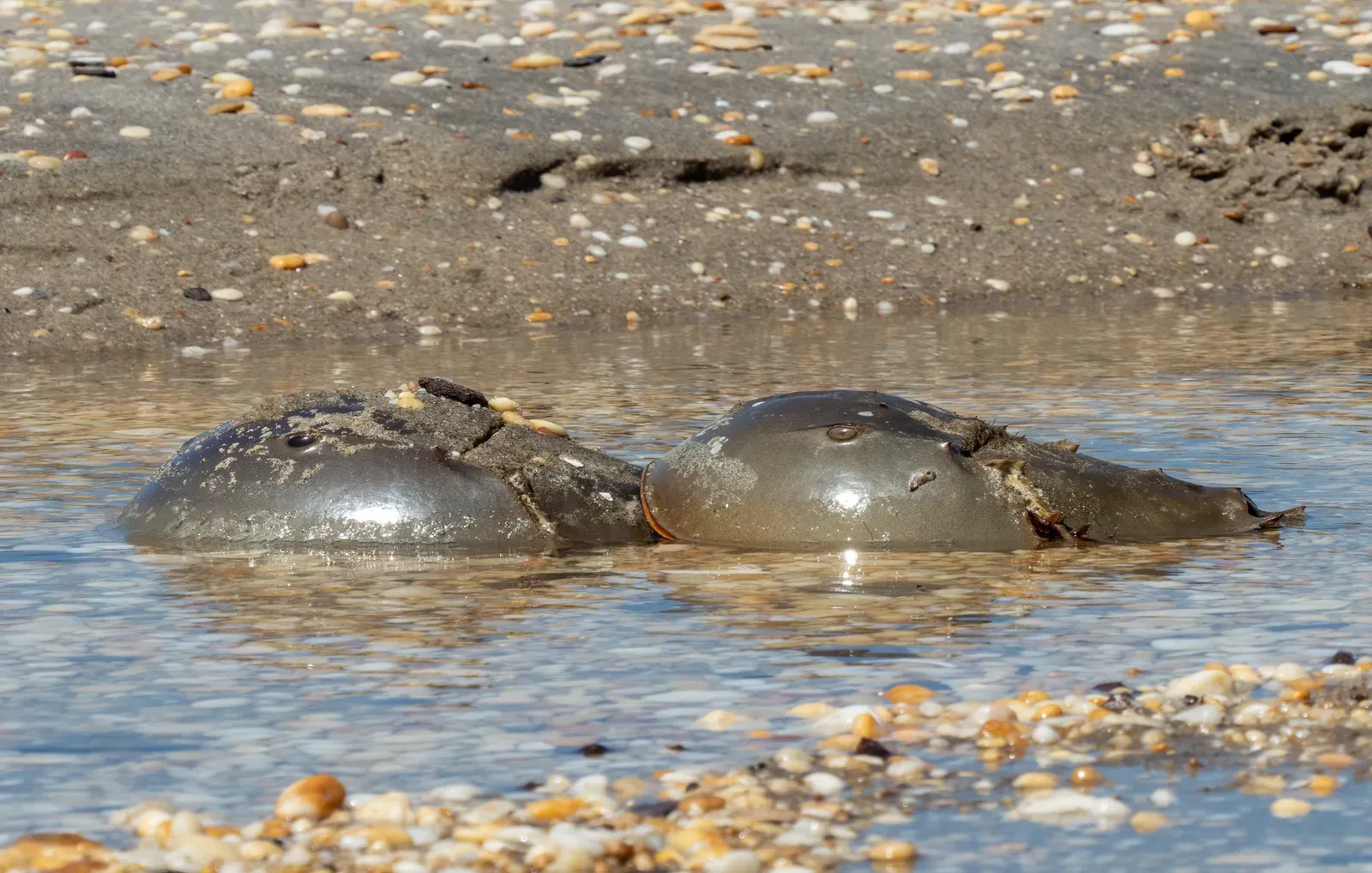
The horseshoe crab’s story isn’t really about a creature that stopped evolving. It’s about an animal that found an incredibly effective way to exist and stuck with it. Evolution didn’t freeze – it just kept saying, “Yeah, this still works.”
They are all evolving, humans included, partially because there is more to biology than meets the eye, with things changing constantly at the cellular and biochemical level. The lesson here is that evolution is more nuanced than we often imagine. Sometimes the most radical thing a species can do is remain the same on the outside while adapting invisibly within.
The horseshoe crab survived the extinction event that killed the dinosaurs, outlasted countless other species, and continues to patrol ocean floors much as its ancestors did when the first fish were learning to breathe air. That’s not evolutionary failure. That’s one of nature’s greatest success stories. What would you guess has changed more – the horseshoe crab or the world around it?

- The Ancient River System Hidden Beneath the Sahara of North America - June 22, 2026
- 12 Hippo Facts That Will Blow Your Mind - June 22, 2026
- 10 Animal Behaviors So Intelligent They Still Baffle Scientists - June 22, 2026