
Ever wonder what it would feel like to come face to face with a creature that existed when dinosaurs walked the Earth? The thing is, you don’t need a time machine. Some animals on our planet today look almost exactly like they did hundreds of millions of years ago. These remarkable survivors, often called living fossils, offer us a rare glimpse into the distant past.
Here’s the thing: while countless species have come and gone through countless extinction events, these animals have somehow managed to dodge every bullet evolution threw at them. Let’s dive in and meet these ancient wonders still sharing our world.
The Horseshoe Crab: An Armored Survivor From the Ancient Seas
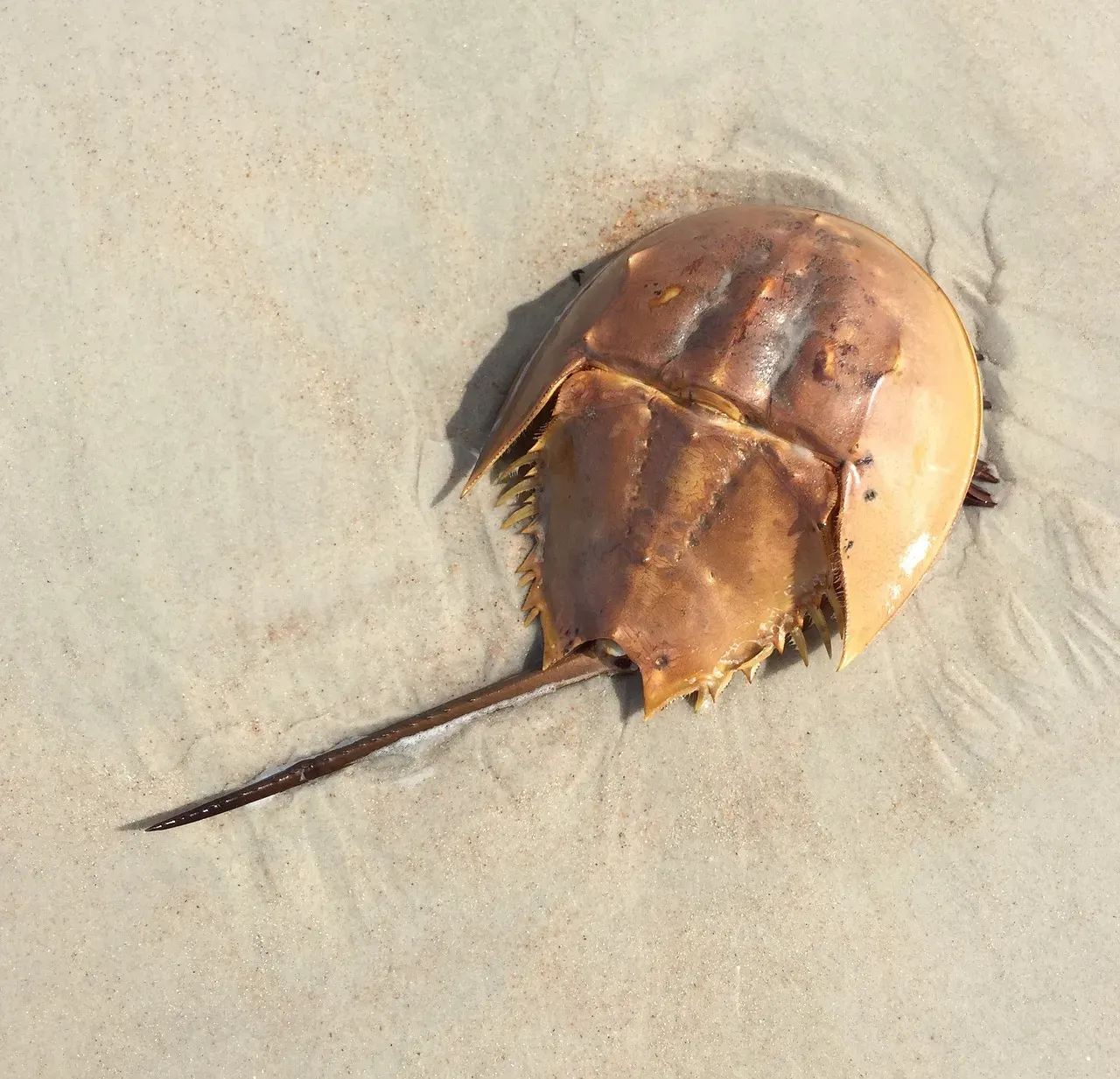
Horseshoe crabs have been around almost unchanged for roughly 450 million years, outliving the dawn of dinosaurs and five mass extinctions. That’s older than trees, if you can believe it. They aren’t actually crabs and are more closely related to spiders and scorpions.
These animals have ten eyes but they still can’t see very well. What makes them truly remarkable is their blue blood, which has become invaluable to modern medicine. Their blue blood is used in the medical field to test for bacterial contamination in vaccines and medical equipment. Despite surviving for so long, these armored arthropods now face threats from overfishing and habitat loss.
The Coelacanth: The Fish That Time Forgot
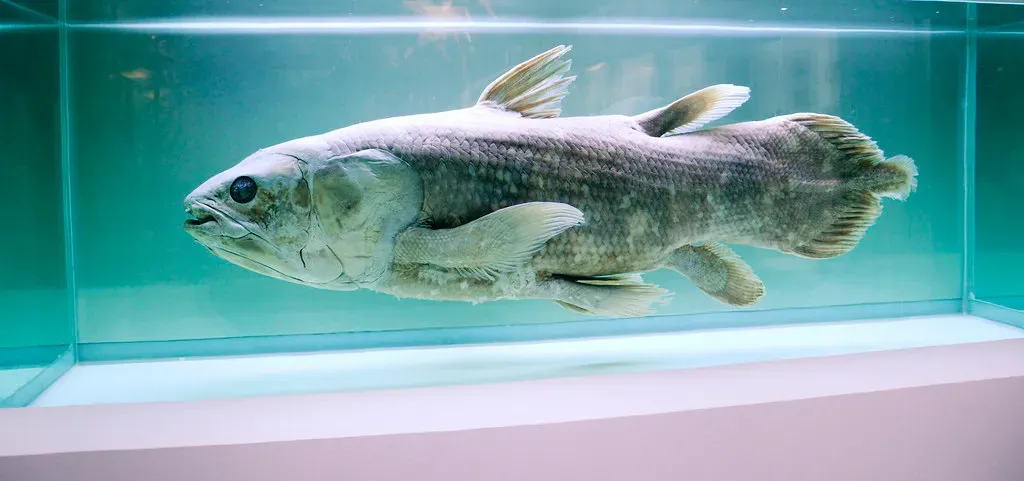
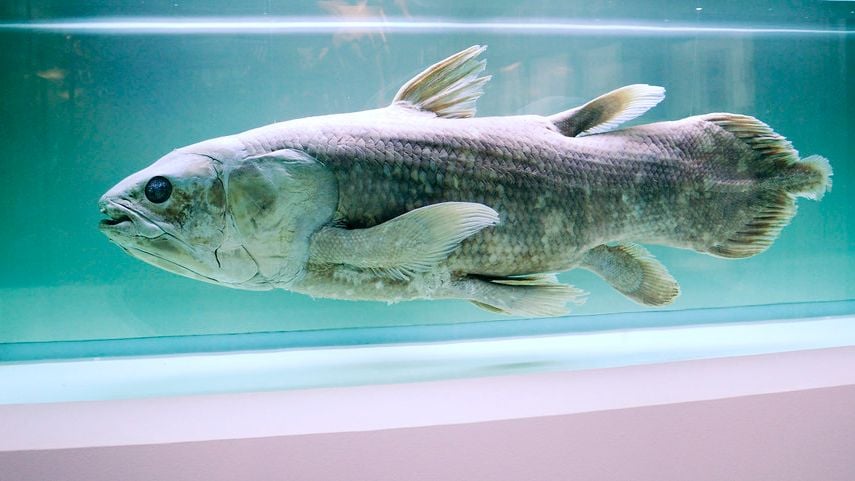
It was once thought coelacanths had gone extinct alongside dinosaurs about 70 million years ago, as they disappear from the fossil record around this time. So imagine the surprise when a living specimen was dredged up from the deep ocean in 1938! This discovery sent shockwaves through the scientific community.
The coelacanth is an elusive, deep-sea dwelling ancient bony fish found off the coasts of Africa and Indonesia, first emerging in the fossil record 400 million years ago during the Devonian Period. These fish have unusual lobed fins that move almost like legs, which is why scientists believe they provide clues about how fish evolved to walk on land. One study found evidence that these creatures can live up to 100 years.
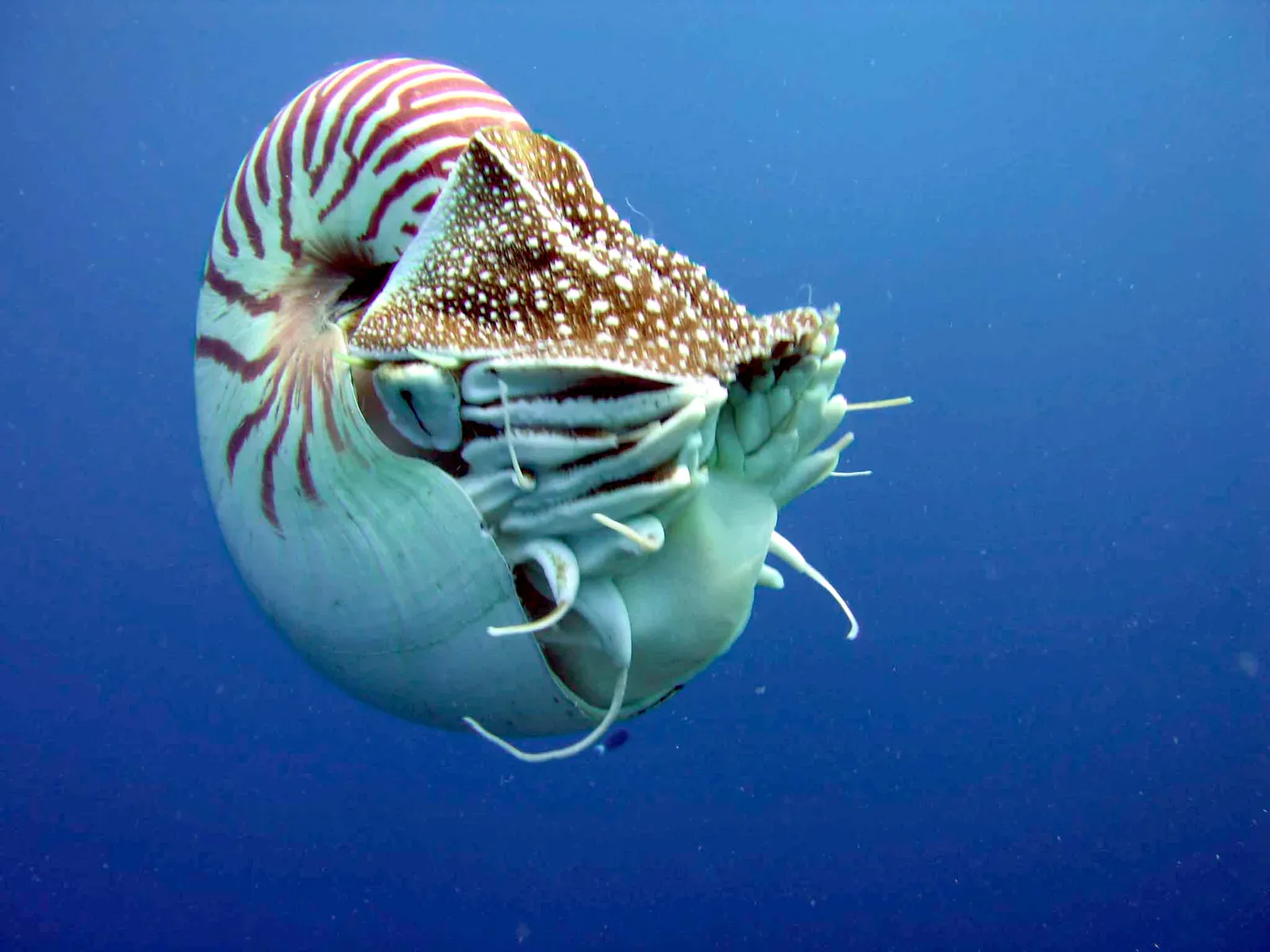
The Nautilus: Nature’s Perfect Spiral
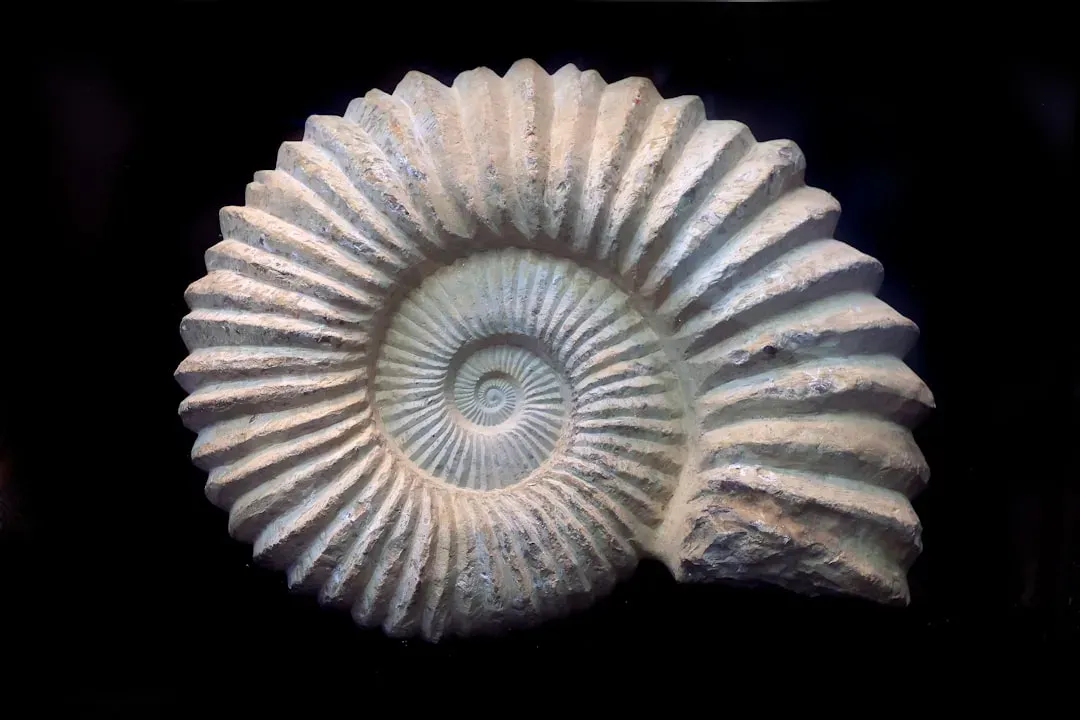
Nautiluses are Earth’s oldest living fossils dating back hundreds of millions of years, with spiral-shelled creatures that have hardly changed since they first appeared over 500 million years ago during the early Paleozoic era. You’d struggle to tell an ancient Nautilus from a living one.
These marine mollusks drift through the deep waters of coral reefs in the Indo-Pacific Ocean. Chambered nautiluses hunt for fish, crabs and lobsters by using chemosensors on their 90 retractable, sucker-less tentacles to pick up food scents. Honestly, it’s a bit heartbreaking that their beautiful shells have made them targets for collectors, pushing several populations toward decline.
Sturgeon: Ancient Giants of Rivers and Seas
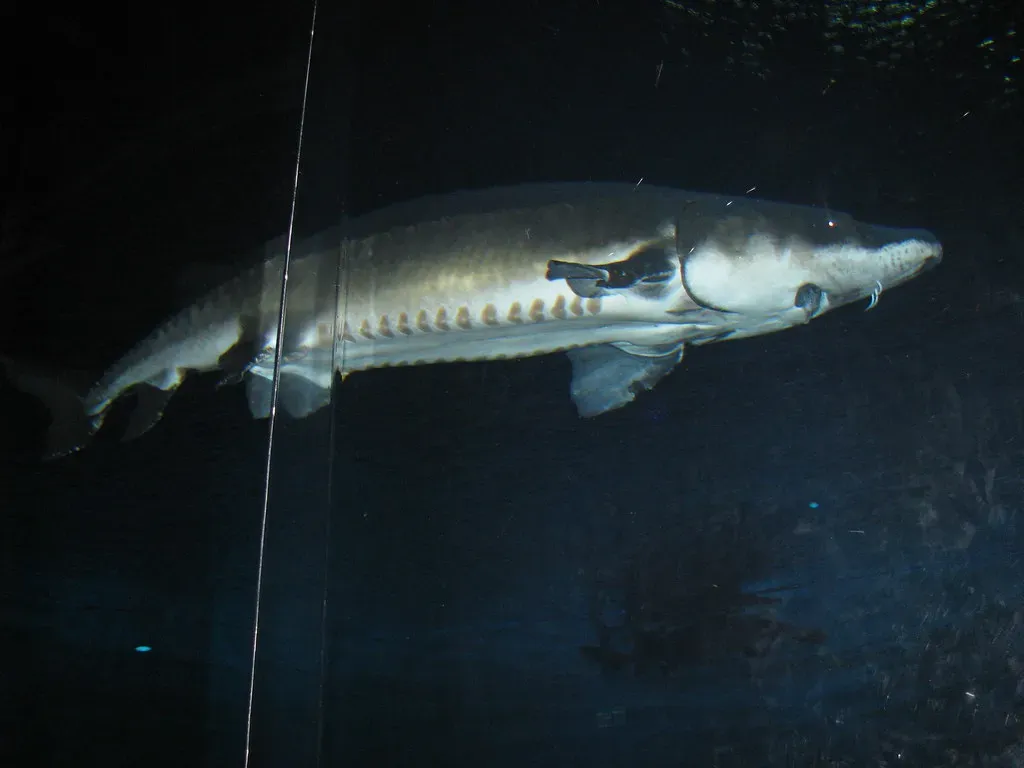
The oldest known fossil of sturgeon dates back to the Middle Jurassic age, about 174 to 163.5 million years ago. Sturgeon have existed for 100 million years and they’re found in both fresh and saltwater environments. The largest sturgeons are well over 1,000 pounds.
These massive fish can live for a century, growing slowly and majestically through the years. Yet their eggs, prized as caviar, have become their biggest curse. Some of the best caviar in the world is harvested from sturgeon which has put some species at risk of extinction. The irony is hard to ignore: a fish that survived for over 100 million years now struggles against human appetite.
The Lamprey: A Jawless Parasite From Prehistory
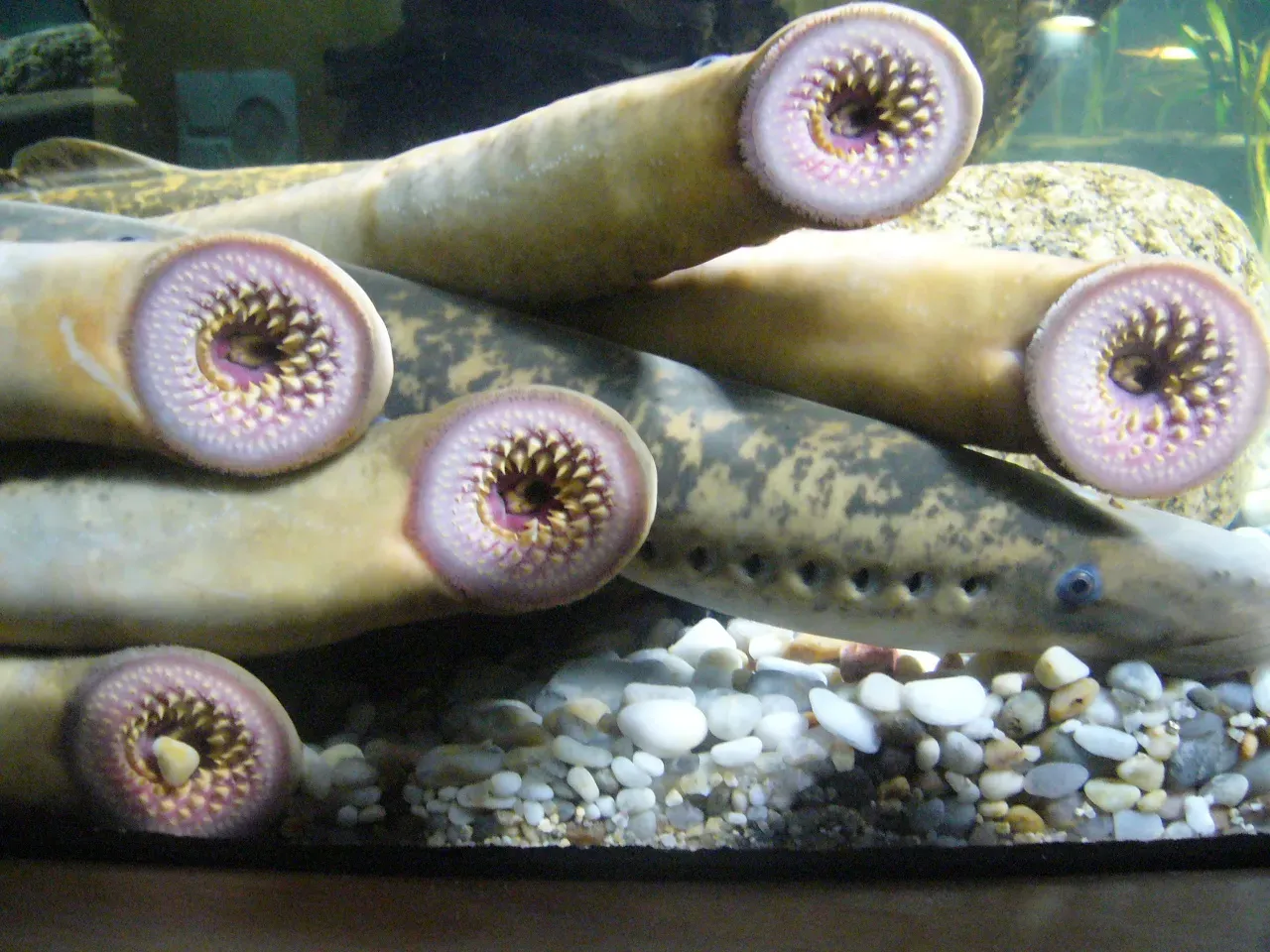
The lamprey is a parasitic fish that has survived four major evolutionary extinctions in their 360 million years of swimming the ocean. Scientists studied a 360-million-year-old lamprey fossil, only to discover that it was essentially the same as the lampreys we have today.
While lampreys lack jaws, they use a large suction-like mouth filled with tiny horned shaped teeth and a razor-sharp tongue, though the teeth can look intimidating, it’s the tongue you need to watch out for. Let’s be real, these eel-like creatures are the stuff of nightmares. They latch onto fish and feed on their blood, making them one of nature’s most effective parasites.
The Tuatara: A Living Link to the Dinosaur Age
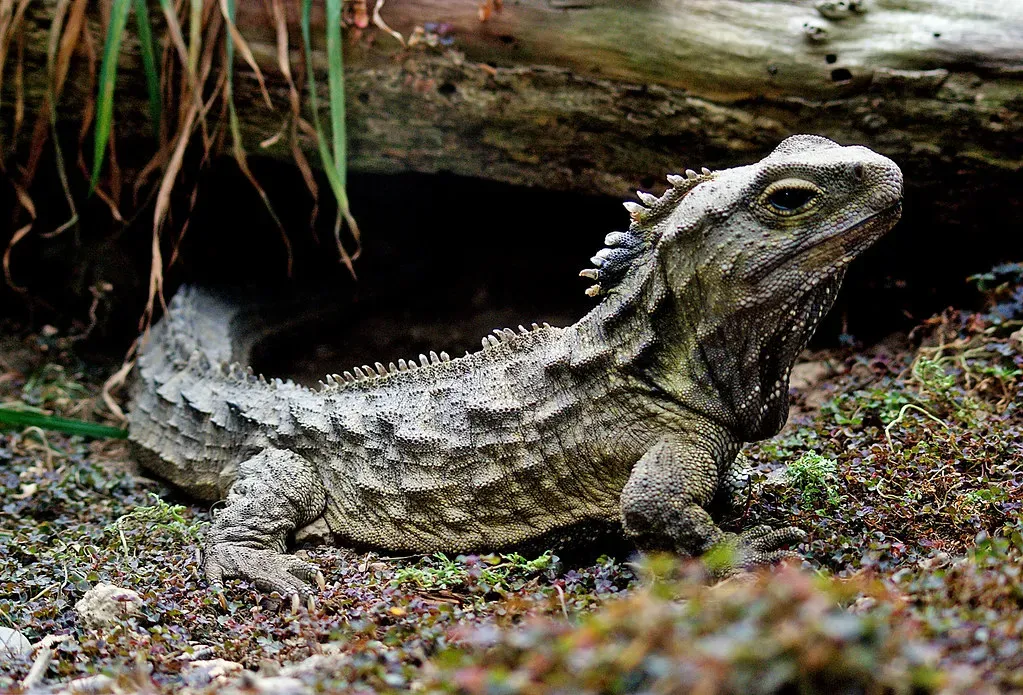
Tuataras are reptiles from New Zealand that came into being around 250 million years ago, existing somewhere between what a dinosaur was and what makes a lizard today. The tuatara has hardly changed in some 190 million years.
It boasts a light-sensing third eye, teeth that grow directly from the jawbone and a slow metabolism that enables it to live for over a century. They’re the last of their kind on the planet. This makes them both fascinating and vulnerable. Scientists study them intensely because they offer a unique window into how reptiles evolved.
Jellyfish: Drifting Through Half a Billion Years
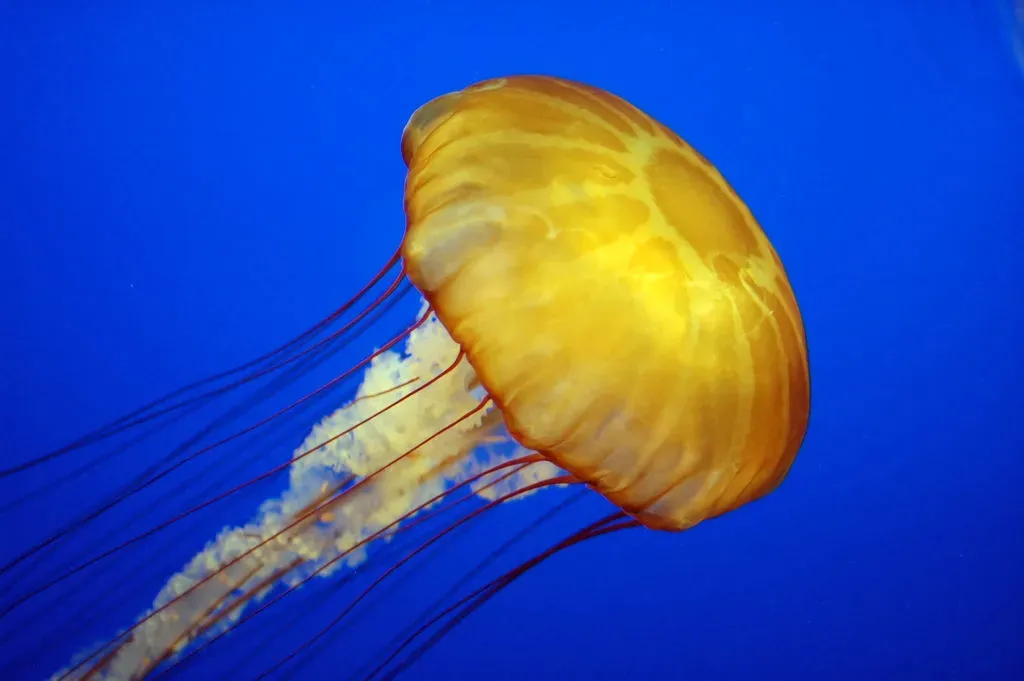
Jellyfish are invertebrates that have existed on earth for at least 500 million years, and today there are more than 4,000 species of these animals in the world’s oceans though there may be a lot more to be discovered. Jellyfish lack brains, hearts, and bones, relying on a decentralized nerve net to sense their environment.
These gelatinous blobs might seem simple, but their simplicity is precisely what has allowed them to endure. They drift through every ocean on Earth, from sun-drenched shallows to the crushing darkness of the deep sea. It’s hard to say for sure, but their ability to thrive in almost any marine environment probably explains their incredible longevity better than anything else.
Conclusion
These seven ancient animals remind us that survival isn’t always about being the strongest or the smartest. Sometimes it’s about finding a niche and sticking with it for hundreds of millions of years. From the armored horseshoe crab to the drifting jellyfish, each of these creatures carries within them the secrets of deep time.
Yet here’s the unsettling part: many of these ancient survivors now face their greatest threat not from asteroids or ice ages, but from us. Climate change, overfishing, and habitat destruction are pushing species that survived multiple mass extinctions toward the brink. What do you think we owe these living relics of Earth’s distant past?
