
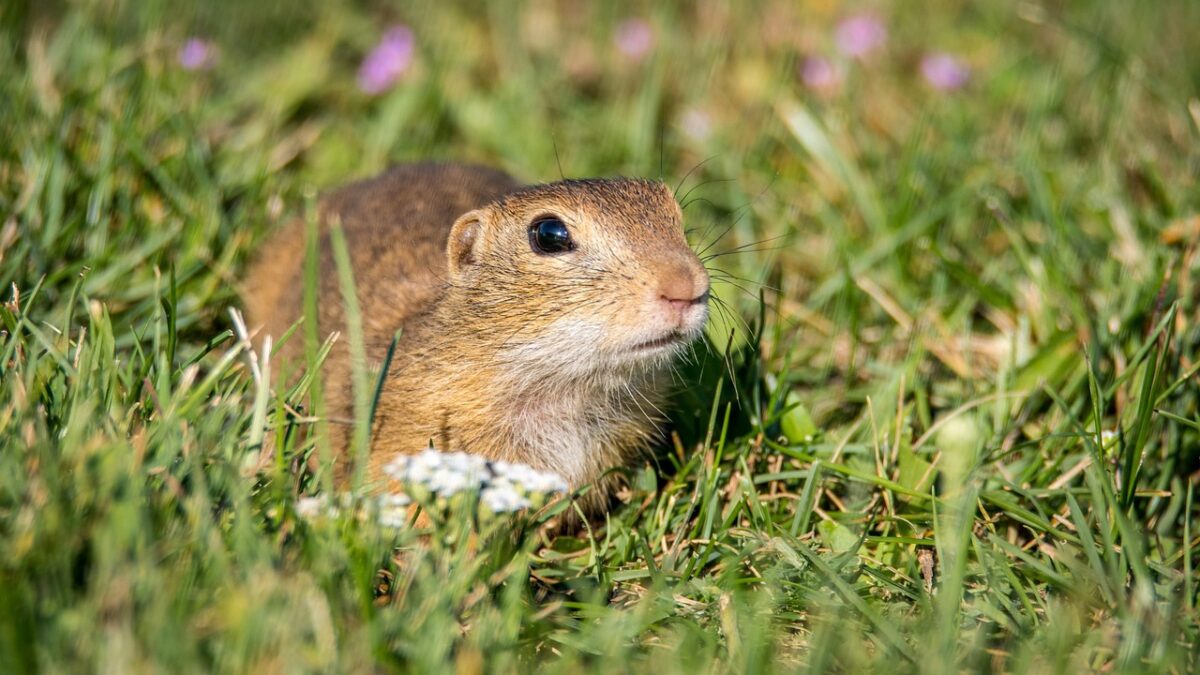
Most people have never actually seen a gopher in the wild. They hear about them, sure. Maybe they’ve watched one wreck a neighbor’s garden or spotted the telltale mound of pushed-up soil in a field. These small, secretive creatures spend the vast majority of their lives underground, invisible to the world above.
Yet gophers are everywhere across huge swaths of America. Quietly. Relentlessly. Digging. What’s surprising is just how unevenly distributed they are across the country, and which states absolutely teem with them. Let’s dive in.
What Makes a State a Gopher Haven?
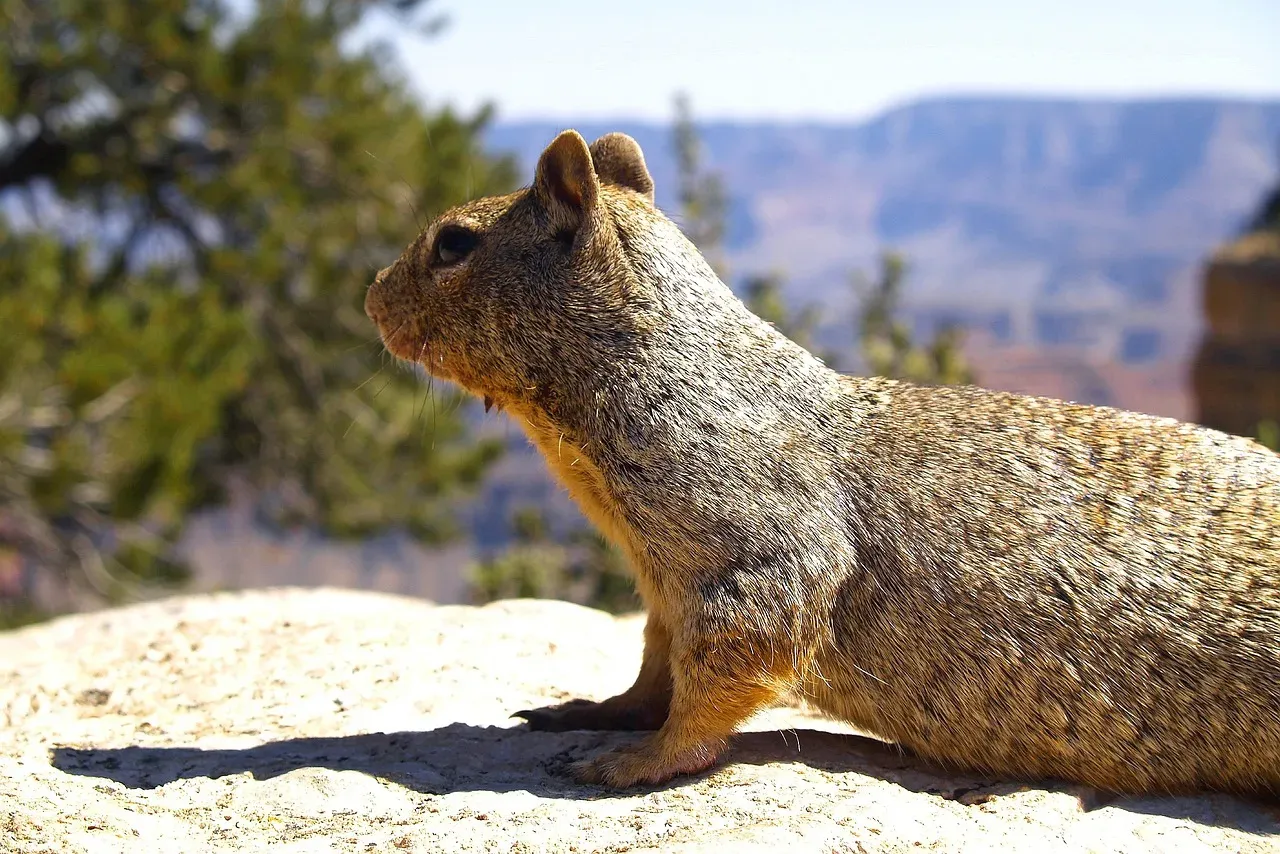
Here’s the thing about gophers: they don’t just live anywhere. They are deeply particular about where they set up shop. Pocket gophers thrive in a variety of environments and a range of altitudes, but because they are fossorial and live underground, they prefer moist, porous soils with good drainage.
Think of it like real estate. Location matters, but so does what’s underneath the surface. A wide variety of habitats are occupied by pocket gophers, and they occur from low coastal areas to elevations in excess of 12,000 feet. That’s a staggering range, honestly.
Pocket gophers reach their greatest densities on friable, light-textured soils with good herbage production, especially when that vegetation has large, fleshy roots. So the softer, looser, and more plant-rich the soil, the more gophers you are likely to find. Simple as that.
All 34 species of pocket gophers are found in the western hemisphere, and of these, 13 reside in the United States. That means the US is home to an impressive slice of the world’s gopher diversity, concentrated in some very specific regions.
California: The Gopher Capital of the West
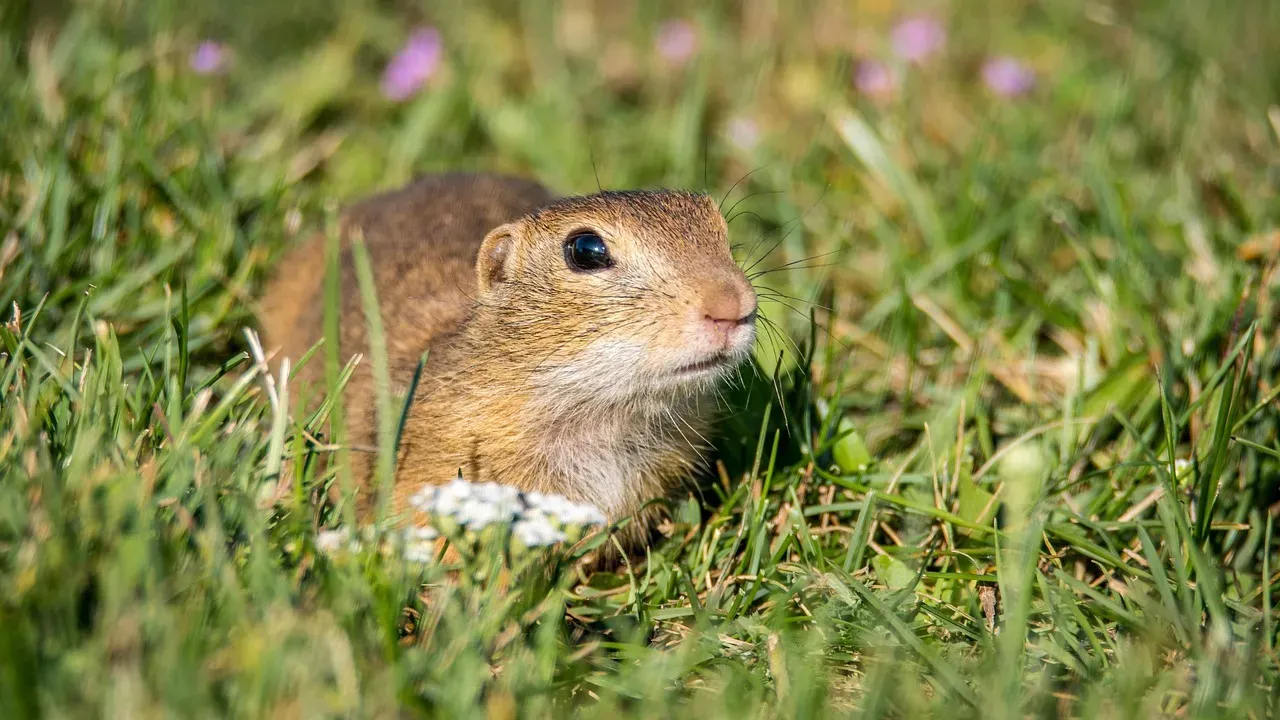
If there’s one state that arguably tops the gopher chart for the western US, it’s California. Honestly, it’s not even close. There are five gopher species across California, and the most widespread is the T. Bottae pocket gopher.
The California Department of Fish and Wildlife classifies pocket gophers as nongame mammals. They live everywhere in California, though they do not live by or in extreme deserts and river barriers. That’s an enormous footprint for a single rodent species.
Picture California’s vast agricultural valleys, its rolling coastal hills, its grassy meadows stretching for miles. Every single one of those landscapes is prime gopher territory. Botta’s pocket gophers are found in most of the southern half of the western United States, with California sitting at the heart of that range. Farmers in the state know this all too well.
Colorado: Every Corner Covered
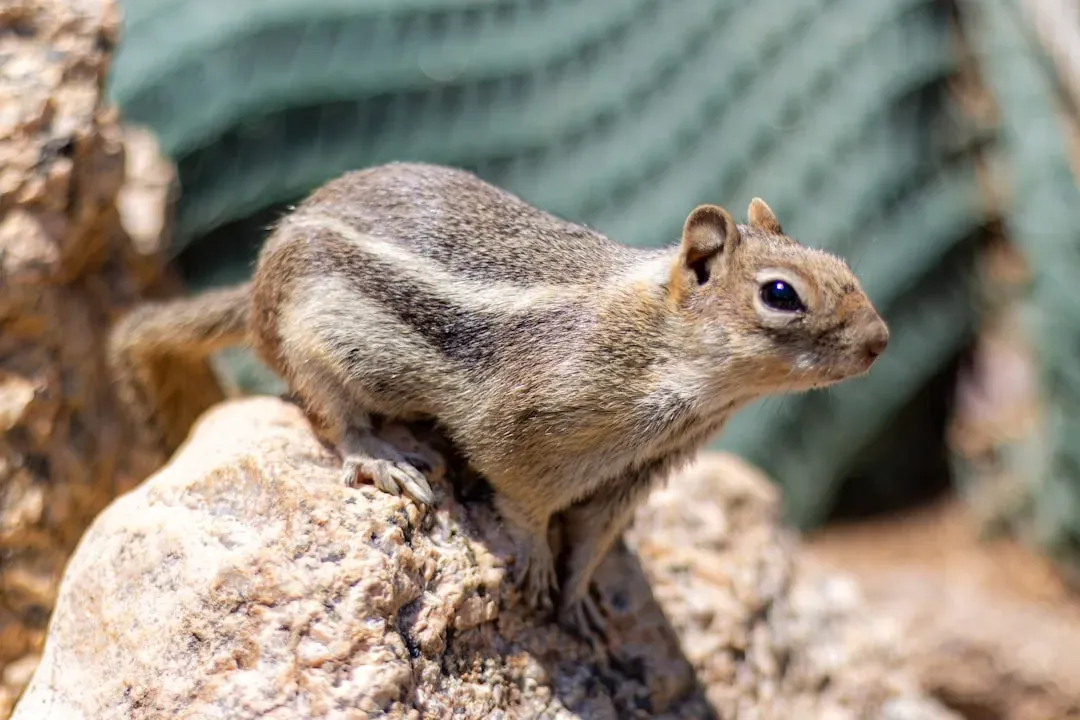
Colorado might just be the most impressive gopher state in terms of sheer geographic coverage. What makes it remarkable is the variety. Every part of Colorado has some kind of pocket gopher, and the animals vary widely in color, often matching the soil in which they live – dark in mountain meadows and ashy pale in the San Luis Valley.
The northern pocket gopher lives in the mountains and northwest, the valley pocket gopher inhabits southern and western valleys, the chestnut-faced pocket gopher is found in the southeast, and the plains pocket gopher lives on the plains. It’s like a perfectly organized gopher empire, each species ruling its own domain.
Size ranges from a diminutive gopher of less than eight inches long and less than four ounces in the sagebrush hills of Moffat County to a whopping 12 inches long and nearly 11 ounces in some plains pocket gophers. That kind of size diversity within a single state tells you just how adaptable these creatures truly are. Colorado’s varied terrain essentially acts as a giant gopher hotel, with different rooms for different guests.
Texas, Montana, and the Great Plains Belt
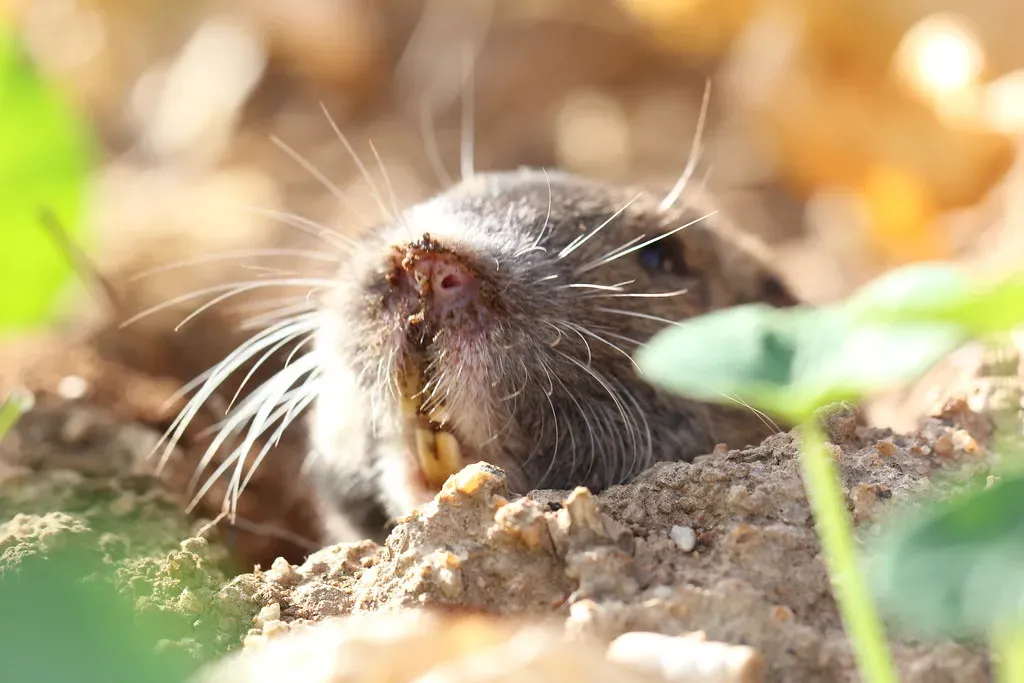
The Great Plains states form what I’d call the gopher superhighway of North America. Texas, Montana, Kansas, and their neighbors host enormous gopher populations spread across millions of acres of grassland and agricultural land. Plains pocket gophers are found in the central plains from Canada south through Texas and Louisiana, making this one of the most continuously gopher-dense corridors in the entire country.
The state of Montana plays host to the Northern Pocket Gophers, which thrive in the agricultural state with its many grassy areas and farms filled with crops and vegetables. The moist soil from the forest and mountainous areas makes it the perfect place for these gophers to build an ecosystem.
Texas adds another layer of complexity. Yellow-faced pocket gophers populate Texas in its most western parts, while also spreading through New Mexico, Colorado, Kansas, and Oklahoma. That’s an impressive multi-state footprint for a single species. In Texas alone, multiple gopher species overlap, making it one of the more diverse gopher states in the nation.
Plains pocket gophers prefer deep, sandy, friable soils to facilitate their burrowing lifestyle and their herbivorous diet of plant roots. The local vegetation is less significant than the nature of the soil, and the gophers are found in prairie grasslands, agricultural land, and even urban areas. Urban areas. Let that sink in.
The Surprising Southeast: Florida, Georgia, and Alabama
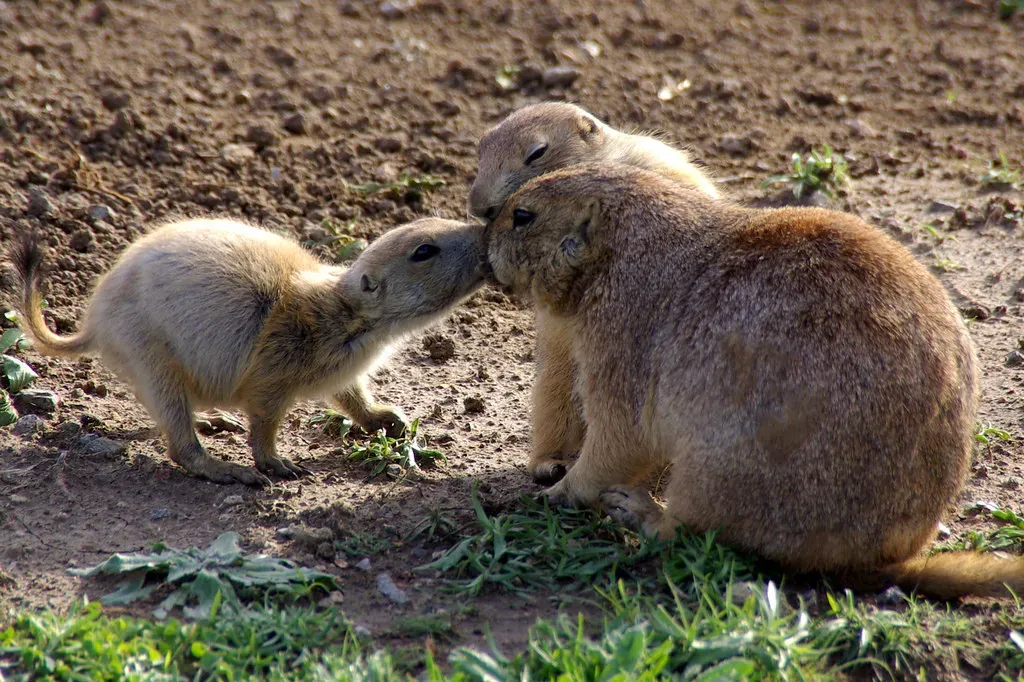
Most people assume gophers are purely a western or midwestern thing. That assumption is wrong. US species are only found in the midwest and western states, with the exception of the southeastern pocket gopher, which can be found in parts of Alabama, Florida, and Georgia. Three states that most people would never picture as gopher territory.
Florida’s gophers have a colorful local identity. Known as “sandy mounders” or “salamanders” to Florida locals, these gophers are pests to many natives due to how they destroy yards, and can be seen in random pockets across the state. The southeastern pocket gopher is particularly adapted to Florida’s sandy coastal soils.
The range of this species is restricted to dry, deep sandy soils of the coastal plains of Florida, Georgia, and Alabama, and they are most abundant in pine-oak woodlands, open pine flatwoods, and grassy fields. It’s a very specific niche, but they fill it remarkably well.
Georgia tells a more troubling story. Studies were done to monitor several sites in Georgia to get an updated population range, and out of 177 sites, only 41 sites had gophers present – roughly 23 percent of total sites. That’s a significant decline. Southeastern pocket gophers are listed as a species of greatest conservation need in all three states and are listed as threatened in Georgia, with the biggest threats being human-induced land use changes that degrade or fragment their habitats.
Conclusion: Underground Giants of the American Landscape
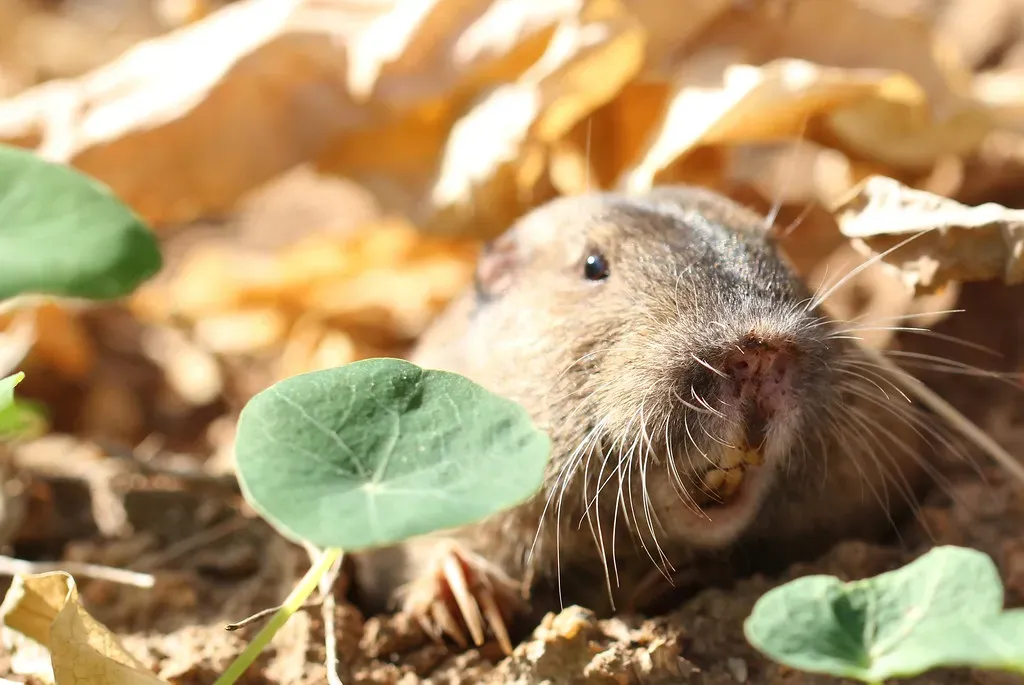
Gophers rarely get the spotlight they deserve. They are not cute in the way a fox is, or majestic like an eagle. They’re small, they’re hidden, and they spend their lives in the dark. Yet their impact on American ecosystems is enormous. In their native range, pocket gophers are beneficial components of ecosystems. They move enormous amounts of soil every year and therefore help to aerate the soil, which is especially important when soil has been compacted by grazing livestock or agricultural machinery.
Their tunnels also serve to capture snowmelt and rainfall that would otherwise run over the soil surface and cause erosion, and abandoned tunnels provide habitat for a number of other species while the waste left behind by pocket gophers fertilizes the soil. Think about that the next time you call an exterminator.
From California’s sprawling valleys to the pine flatwoods of Florida, gophers are woven into the fabric of American land. States like California, Colorado, Texas, and Montana host some of the densest and most diverse gopher populations on the planet. They are, without question, some of the most underappreciated engineers in nature’s workforce. The real question is: would you have ever guessed just how many states these little underground architects actually call home?
