
Worried about unexpected vet bills?
Pet insurance can cover thousands in unexpected vet costs. Get a free quote from Lemonade in under 2 minutes.
Get My Free Quote →Sponsored · Opens Lemonade.com
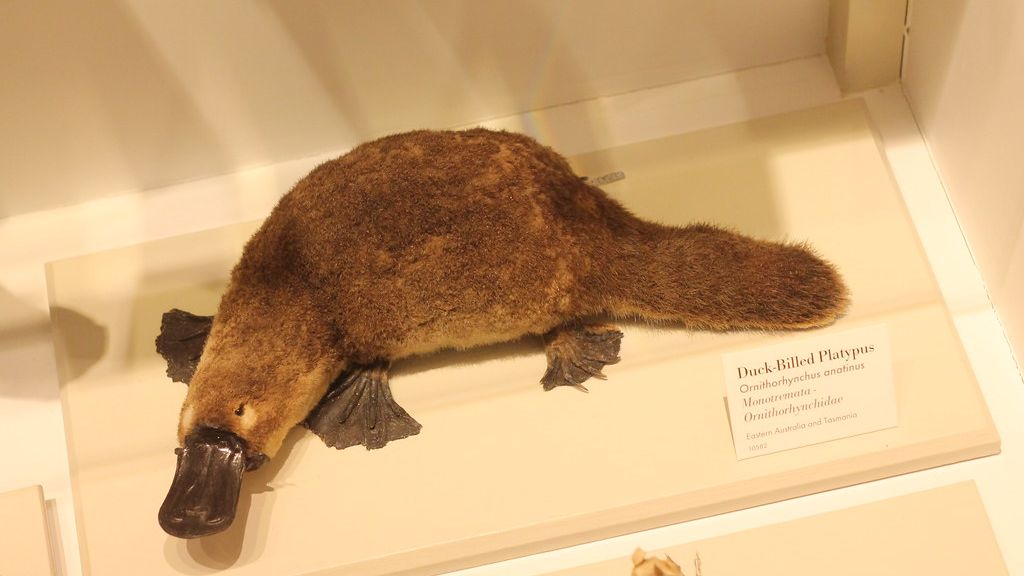
There are animals that make you stop, tilt your head, and genuinely wonder what nature was thinking. is one of those creatures. It looks like someone assembled it from a spare parts bin – a duck bill here, a beaver tail there, some otter feet thrown in for good measure. Honestly, it’s the kind of animal that feels more like a fever dream than a biological reality.
Yet here it is. Thriving. Evolving. And surprising scientists at every turn. The deeper you look into the world of , the stranger things get. Let’s dive in.
The Animal That Made Scientists Think It Was a Prank
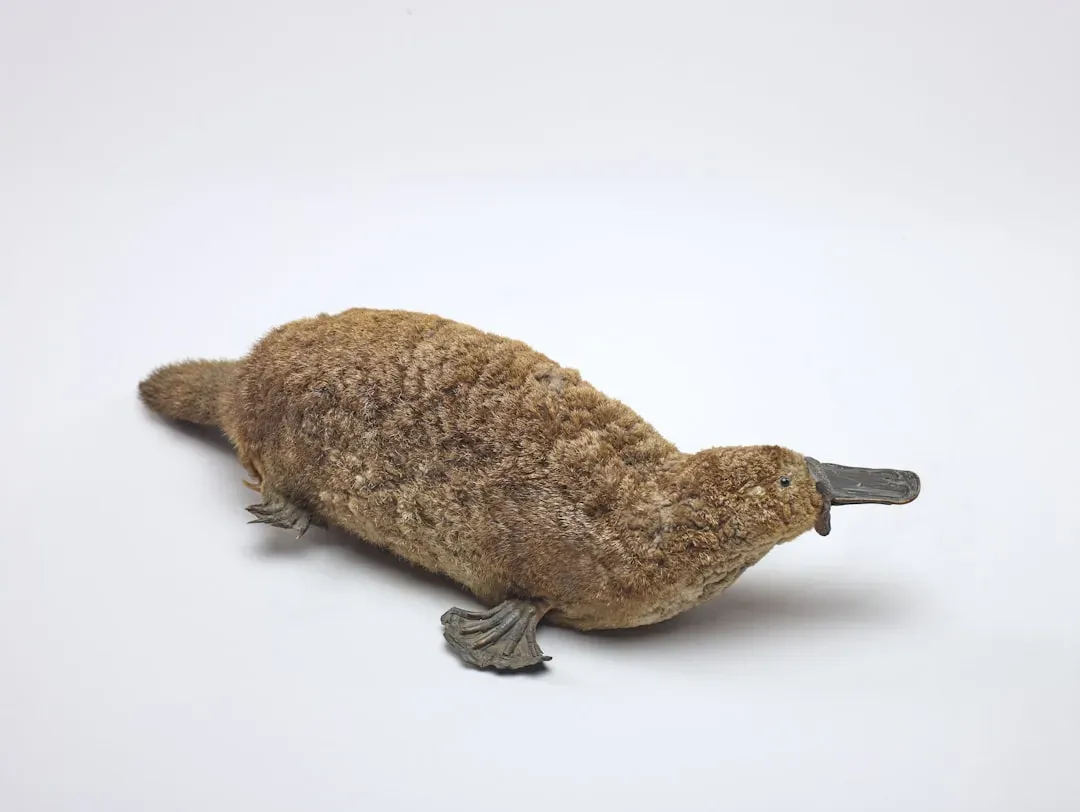
When platypuses were first discovered in 1798, British scientists thought they were a hoax created by combining parts of different animals – webbed feet and a bill like a duck, a body like an otter, and a tail like a beaver. That reaction is honestly understandable. If someone handed you a stuffed platypus today, without any context, you’d probably suspect something was off too.
One scientist diligently cut the specimen apart to look for stitches or other signs someone had cobbled the animal together, Frankenstein style. Finding none, he had to accept it was real. Think about that. A respected scientist, scissors in hand, searching a dead animal for seams.
One of the most remarkable and weird aspects of – its ability to lay eggs – wasn’t discovered for another 100 years after that initial encounter. Which means, just when scientists thought they had wrapped their heads around it, pulled another surprise out of its bill.
It’s a Mammal That Lays Eggs – No, Really
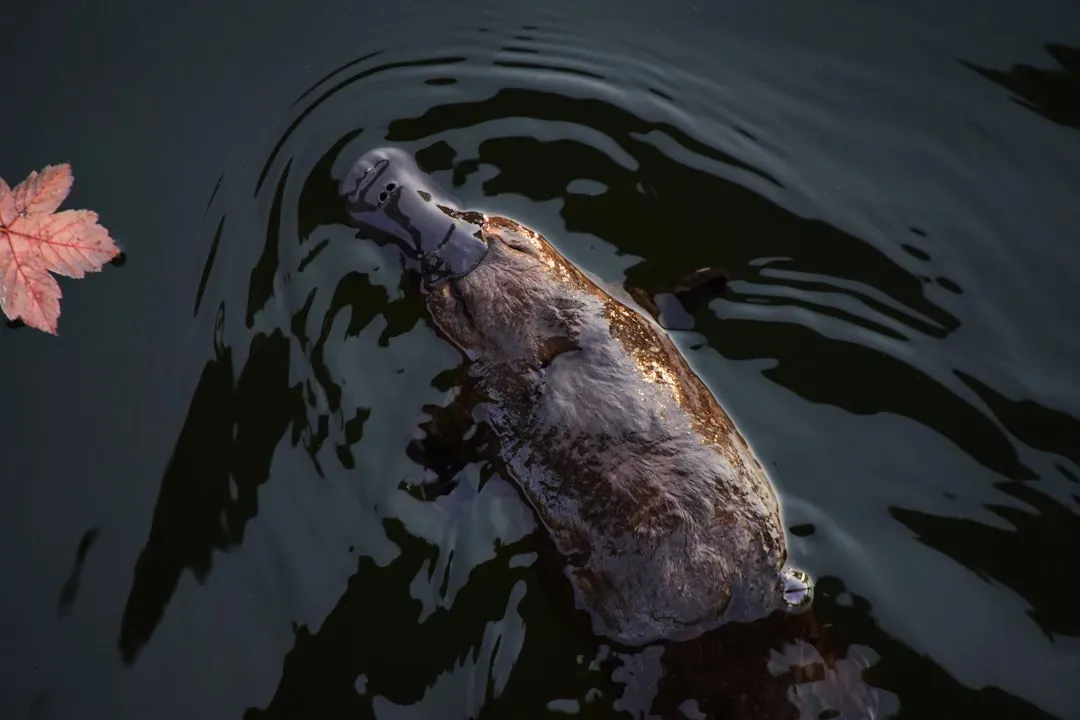
Here’s the thing: mammals give birth to live young. That’s practically the definition. never got that memo. Platypuses are monotremes, a type of mammal that lays eggs instead of giving birth to live young, and the four species of echidna are the only other monotremes alive today. Female platypuses typically lay between one and three marble-sized eggs, which they incubate for about two weeks in an underground burrow.
When the young – called puggles – finally hatch, they’re only the size of a jellybean. A jellybean. The smallest, most vulnerable start imaginable. Yet these tiny creatures grow into one of nature’s most resilient oddities.
New genetic research revealed that and echidnas share a common semi-aquatic ancestor, and scientists theorize that egg-laying allowed monotremes to adapt to a semi-aquatic lifestyle and occupy an evolutionary niche not accessible to most marsupials, whose pouch young would drown if submerged. So the egg-laying wasn’t a quirk – it was a survival strategy. Clever, in a deeply ancient sort of way.
It Has a Sixth Sense – Literally
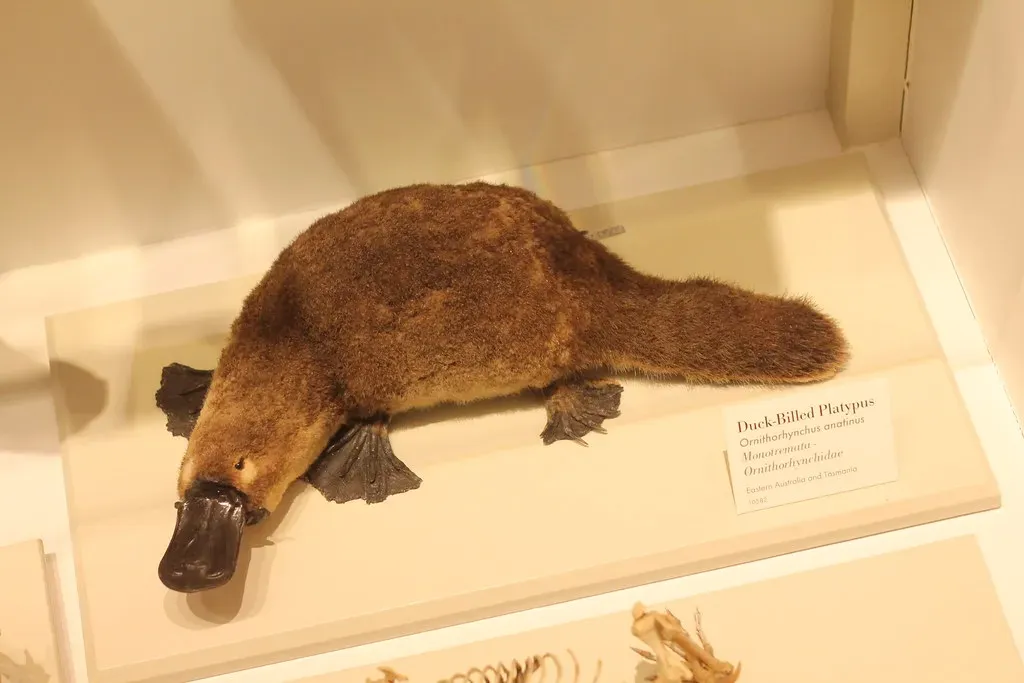
I know it sounds crazy, but can essentially feel electricity. A platypus’s bill has thousands of cells that give it a sort of sixth sense, allowing them to detect the electric fields generated by all living things. It’s so sensitive that can hunt with its eyes, ears, and nose all closed, relying entirely on the bill’s electrolocation.
The bill of a platypus is teeming with sensory receptors – about 40,000 electroreceptors that can sense current, as well as about 60,000 mechanoreceptors that sense physical movement. For a reference point, the human tongue has only about 10,000 taste buds. bill makes our most sensitive organ look rather underwhelming.
As a platypus moves through its watery world, it rapidly moves its head from side to side to determine the direction and distance of its prey from information gathered by these receptors, and the large surface area of the beak gives higher sensitivity to the exact direction of prey. It’s essentially a living sonar system wrapped in fur. Nature is remarkable sometimes.
The Venom That Even Morphine Can’t Touch
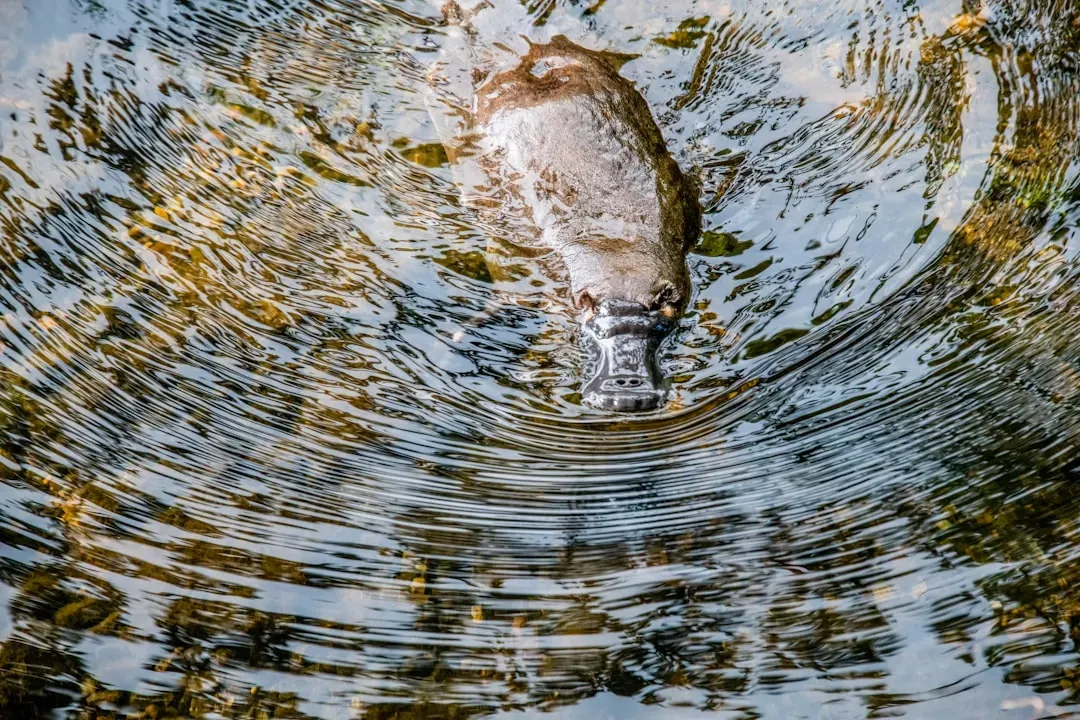
You probably wouldn’t look at a small, fuzzy, duck-billed creature and think “danger.” That would be a mistake. Male platypuses are among the few venomous mammals in the world. They have sharp, hollow spurs measuring about 1.5 centimetres long in their hind feet, and these spurs deliver venom when feels threatened or competes with other males during the breeding season.
Platypus venom disrupts blood regulation, cell membranes, and pain regulation to cause nausea, swelling, and excruciating whole-body pain that lasts for weeks in humans and cannot be alleviated by morphine. Nerve-blockers must instead be used for pain relief. Yes, you read that right. Morphine doesn’t work. This tiny riverbank creature produces pain that laughs at one of the strongest painkillers known to medicine.
Venom production peaks during breeding season, which runs from August to October, suggesting the spurs evolved for competition between male platypuses rather than hunting. It’s essentially nature’s version of a bar fight – tiny, furry, and absolutely excruciating.
It Glows in the Dark Under UV Light
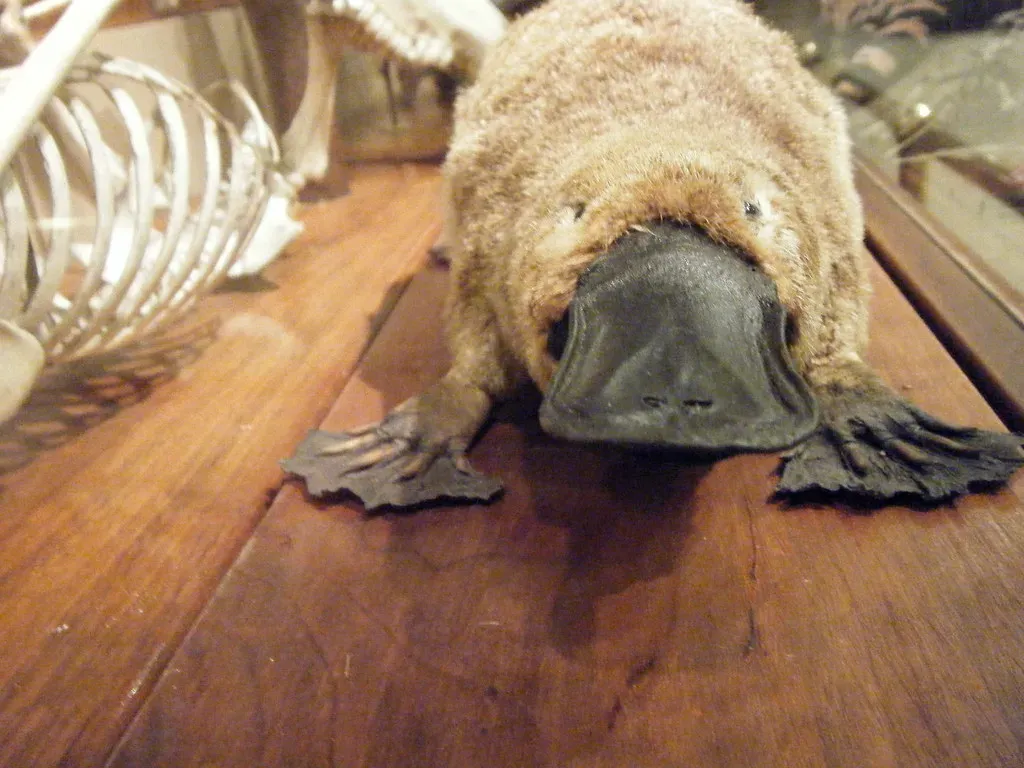
If the venom and the sixth sense weren’t enough, let’s add glowing to the list. When small brown platypuses are put under UV lights, they give off a biofluorescent blue-green glow – which is strange, but even stranger are the people who keep putting them under UV lights. This trait was discovered in 2020 and is still not fully understood.
Some researchers suggest it may help platypuses camouflage in moonlit environments, while others believe it could be a vestigial trait from ancient ancestors. So we genuinely don’t know why this happens yet. That’s both exciting and a little humbling.
The glow observed in platypuses and other nocturnal mammals may be an ancestral trait that only some mammals have kept. Think of it like an old genetic hand-me-down that nobody bothered to throw away. just never stopped glowing. And honestly, good for it.
It Has No Stomach – At All
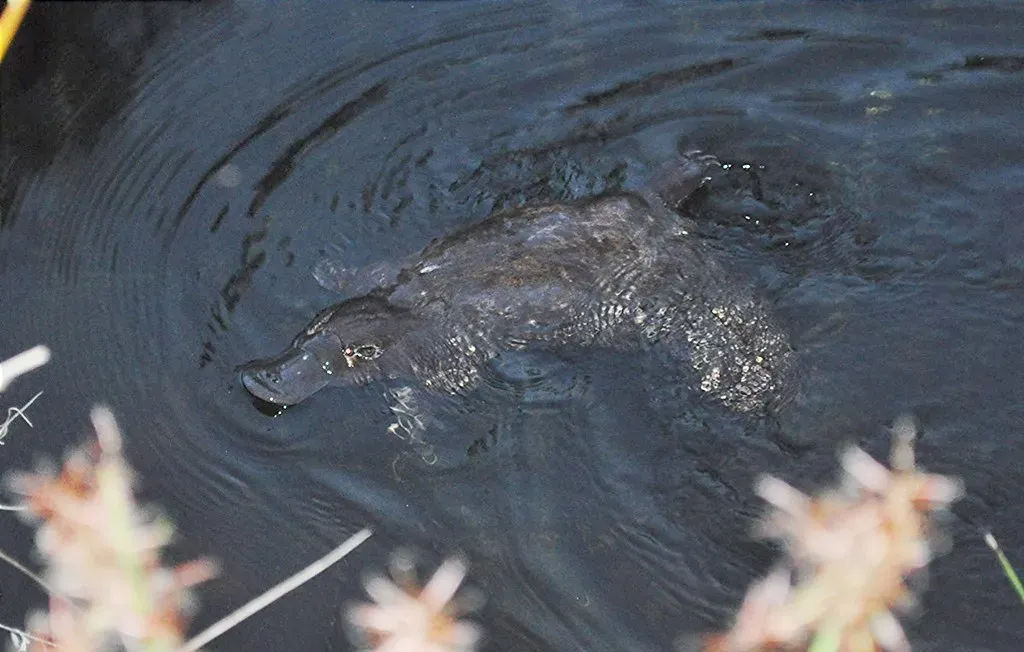
Most animals need a stomach to digest food. decided that rule didn’t apply to it. Platypuses are missing a basic part of normal mammalian anatomy – the stomach. Animal stomachs perform the same function across species, secreting acids and digestive enzymes to break down food before it moves to the intestines. But if you peer inside a platypus, you’ll find that the gullet connects directly to the intestines.
When a platypus dines on its favorite insects, shellfish, and worms, the food first goes into a small pouch-like section, which contains Brunner’s glands that produce a mucus-rich fluid that aids in nutrient uptake. It’s not an elegant system by any measure, but it clearly works.
Platypuses don’t have teeth either, which makes it difficult to chew some of their favorite foods – so along with worms, insects, and shellfish, also picks up gravel from the riverbed. It packs it all into pouches in its cheek, carrying it up to the surface where it munches away, using the bits of gravel as makeshift teeth to break up tougher food. Improvised tools, no stomach, glows blue – this animal truly does not follow the rules.
It “Sweats” Milk Through Its Skin
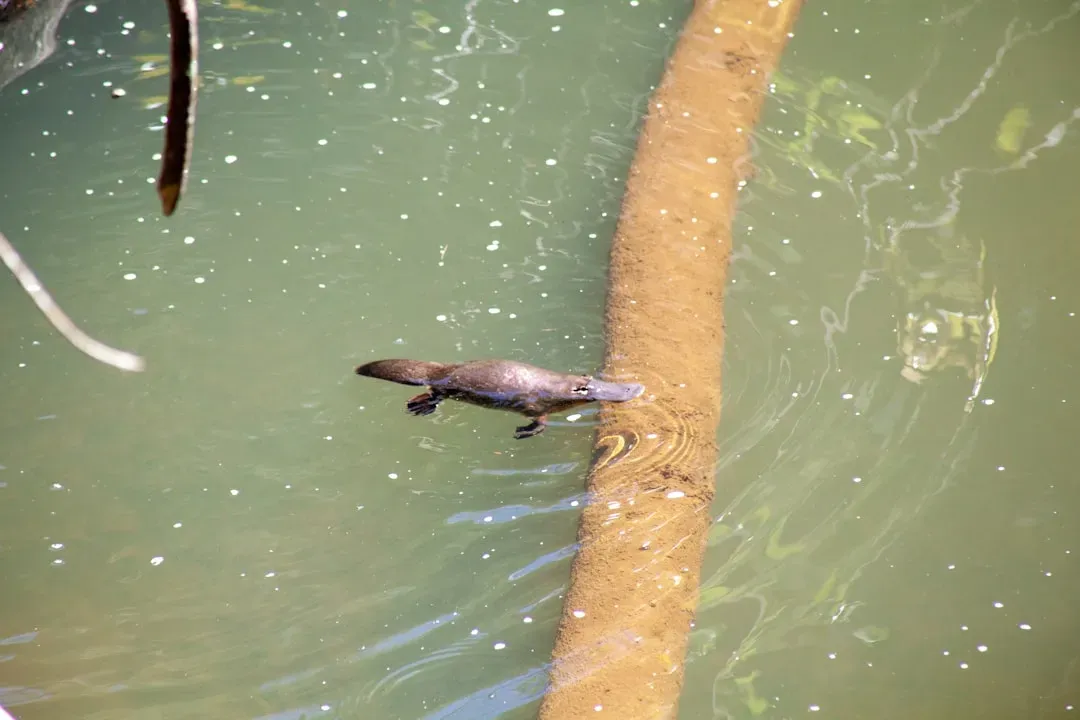
Let’s be real – this one sounds completely made up. Platypuses have evolved to nurse their young without nipples. Every other species of mammal on the planet nurses young via milk produced in a mammary gland and excreted through nipples. But platypuses and echidnas do things differently – they “sweat” milk through specialized glands in the skin.
They release milk from pores in their mammary glands, giving rise to the popular notion that platypuses “sweat” milk. When female platypuses lactate, the milk pools in natural grooves in their bodies, where the puggles can lap the milk up. It’s less like breastfeeding and more like licking a sweaty patch of fur. Strange as that sounds, it works perfectly well for raising puggles.
This fact alone places in a biological category so unusual that it forces scientists to rethink what “mammal” even means at its most fundamental level. And I think that’s worth sitting with for a moment.
Its Venom Could Help Treat Diabetes
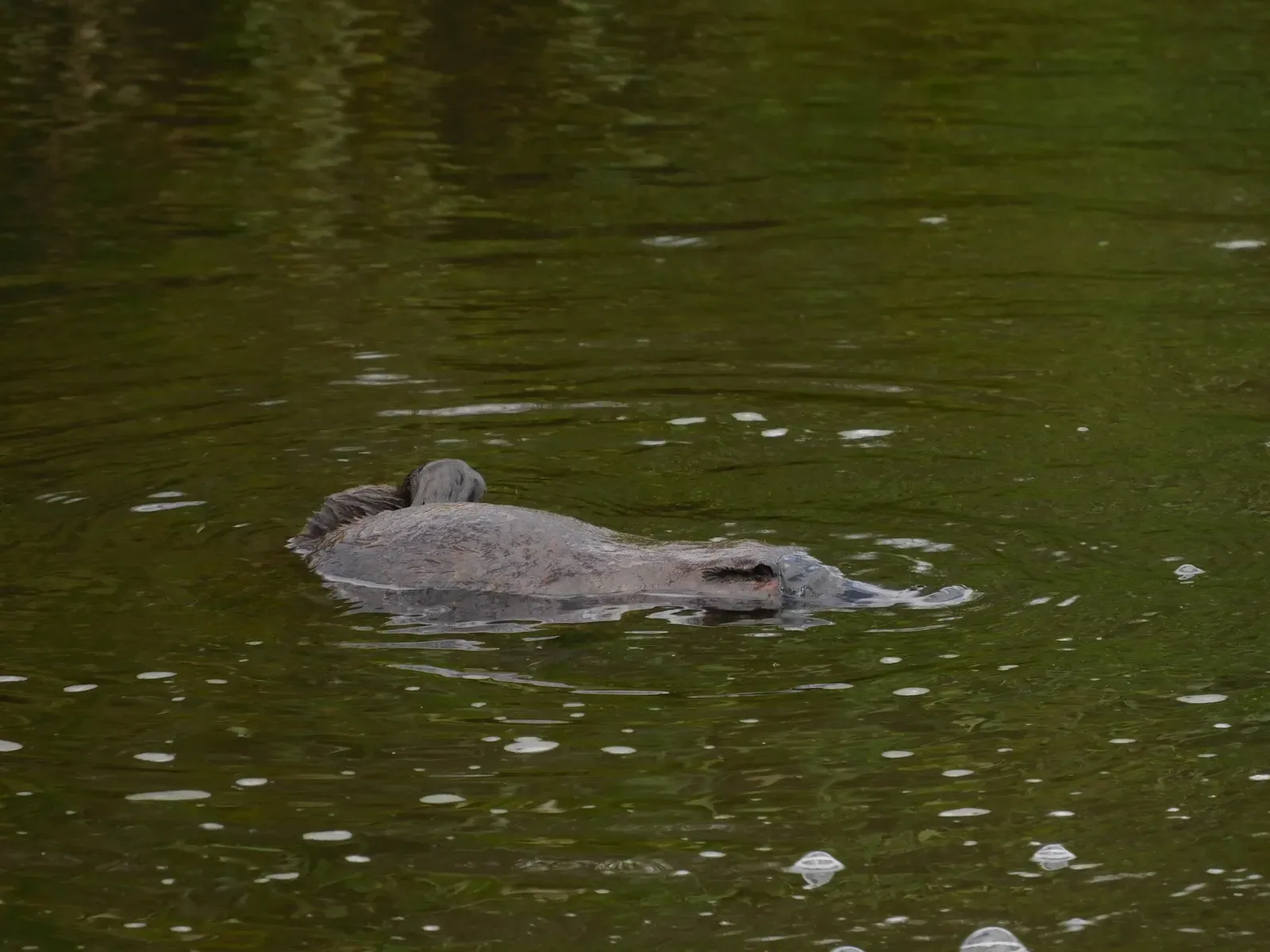
Here’s the twist that nobody saw coming. , already venomous and already bizarre, might be quietly holding one of the keys to treating a condition that affects hundreds of millions of people worldwide. Scientists discovered that platypus venom contains a hormone called GLP-1 (glucagon-like peptide-1), which promotes insulin release and in turn lowers blood glucose levels. Humans produce GLP-1 too, and a modified version is already used in diabetes treatments – but human GLP-1 degrades very quickly. Platypus GLP-1 is much longer lasting, and scientists think it could one day lead to new medications for diabetes.
Despite their biological differences, platypus sex chromosomes are also giving medical researchers insights into fighting human cancers. Geneticists discovered that DNA on platypus sex chromosomes is similar to the DNA affected by ovarian cancer and other reproductive diseases, including male infertility – and they hope the discovery could help pinpoint which cancer-caused DNA changes are most important in disease development.
So this strange little animal – the one that made Victorian scientists reach for their scissors – may one day contribute to treatments that save human lives. It’s hard to say for sure how far that research will go, but the early signs are genuinely exciting.
Conclusion: Nature’s Greatest Rule-Breaker
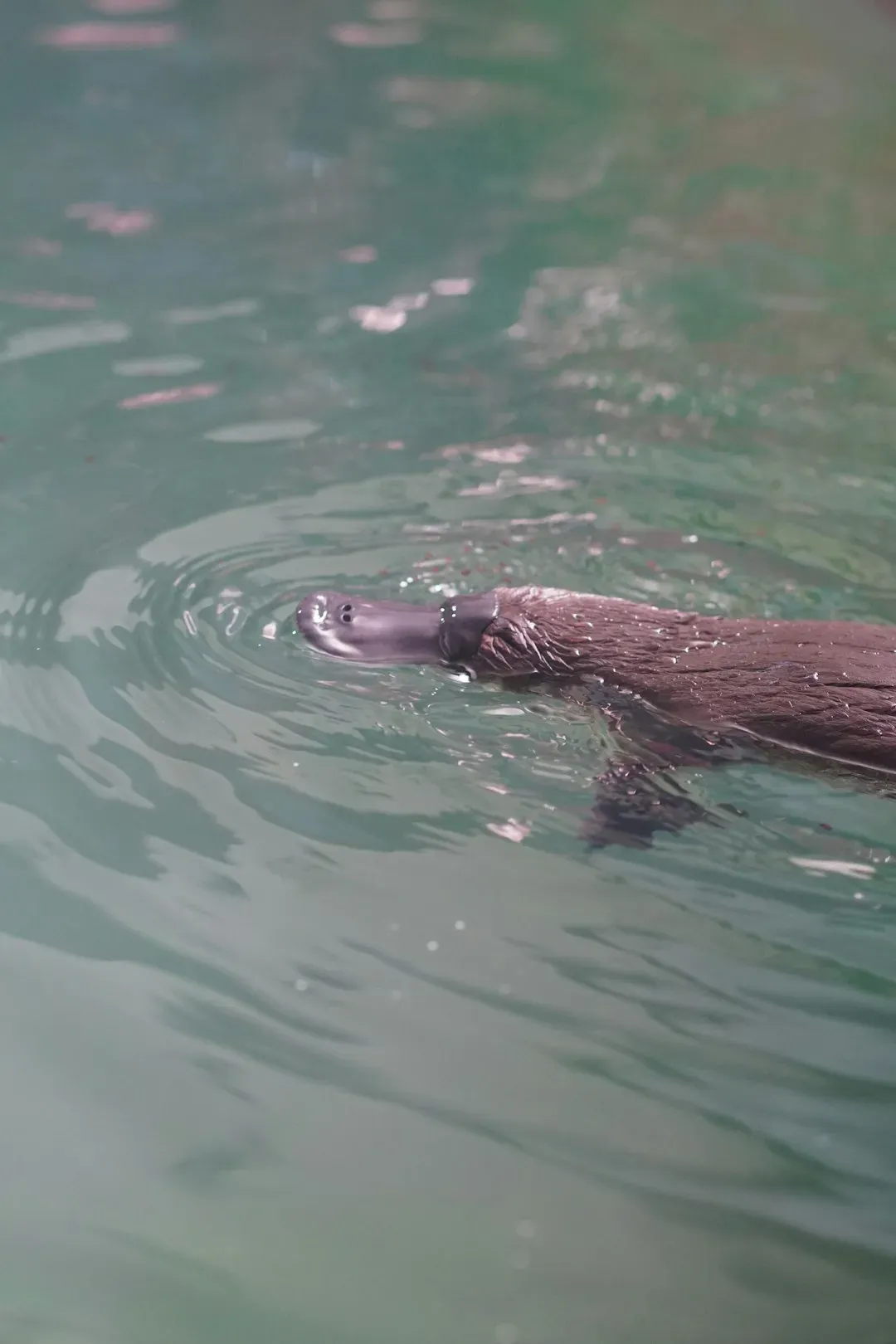
doesn’t fit. That’s not a flaw – it’s the whole point. It lays eggs but nurses its young. It hunts blind but never misses. It looks harmless but carries venom that defeats morphine. It glows, it has no stomach, and it might cure diabetes.
Fossils indicate that ‘s ancestors were already roaming the Earth about 110 million years ago, during the early Cretaceous period, placing among the planet’s oldest living species of mammals. It survived the dinosaurs, the ice ages, and the bewildered stares of Victorian naturalists with scissors. That kind of resilience deserves genuine respect.
Every time science thinks it has fully mapped this animal, reveals something new. In a world where everything feels increasingly predictable, there’s something quietly wonderful about a small, glowing, venomous, egg-laying mammal that still manages to surprise us.
What other secrets do you think this little creature is still hiding? Drop your thoughts in the comments below.
Worried about unexpected vet bills?
Pet insurance can cover thousands in unexpected vet costs. Get a free quote from Lemonade in under 2 minutes.
Get My Free Quote →Sponsored · Opens Lemonade.com

- The Ocean’s Deepest Creatures Hold Surprising Secrets to Longevity - June 10, 2026
- 6 Scents That Make Mosquitoes Target You First - June 10, 2026
- The Forgotten Deserts of America Where Wildlife Still Thrives - June 10, 2026