
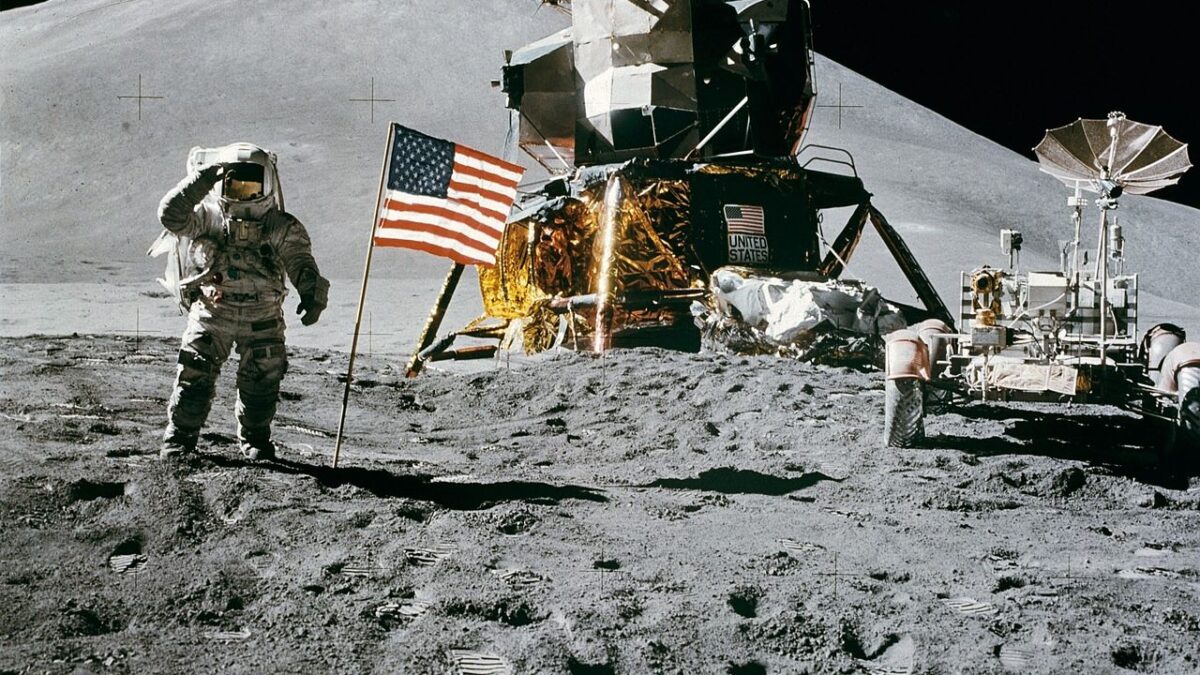
For most of human history, the Moon has been our silent companion overhead – beautiful, mysterious, and by all appearances, utterly frozen in time. A dead rock, orbiting. Nothing more. That is what the science textbooks told us. That is what most people still believe today.
Here is the thing, though. The science is changing. Fast. And what researchers have found in just the past few months might completely upend the way you think about our closest celestial neighbor. The Moon is not as quiet as it looks. Let’s dive in.
A World We Thought Was Frozen Solid
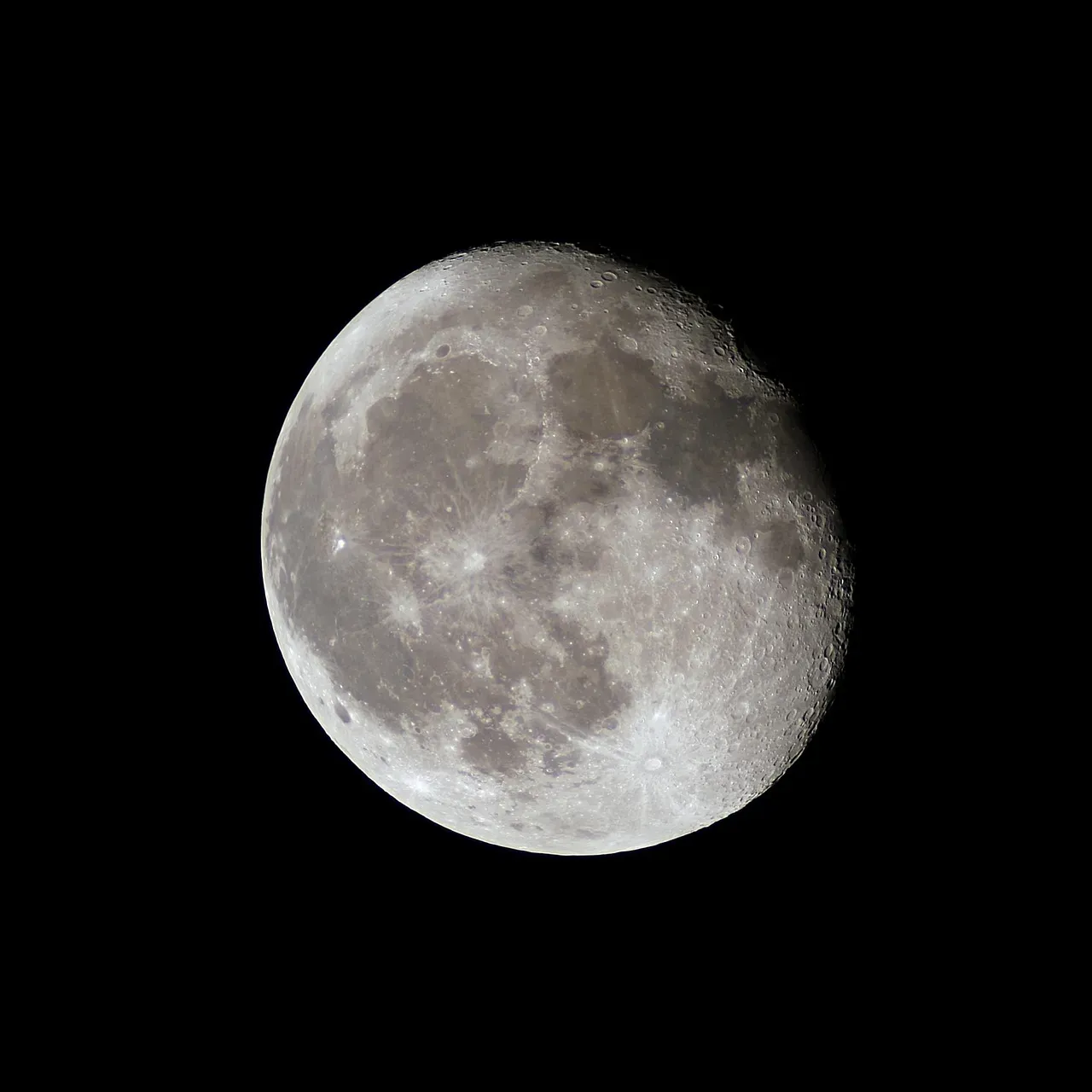
For decades, the scientific consensus was fairly comfortable: the Moon is geologically dead. It had its volcanic heyday billions of years ago, cooled off, and that was that. Case closed. Even grade school textbooks described it as a static, cratered relic of the early solar system.
“Many scientists believe that most of the Moon’s geological movements happened two and a half, maybe three billion years ago,” said Jaclyn Clark, an assistant research scientist at the University of Maryland’s Department of Geology, “but we’re seeing that these tectonic landforms have been recently active in the last billion years and may still be active today.”
That is a remarkable thing to sit with. “Recently active,” in geological terms, does not mean last Tuesday. These small mare ridges seem to have formed within the last 200 million years or so, which is relatively recent considering the Moon’s timescale.
Two hundred million years is still a long time for us humans, sure. But on the cosmic clock? That is practically yesterday. Think of it this way: the dinosaurs were already walking around on Earth when some of these lunar features were being pushed up by forces deep inside the Moon.
The Groundbreaking Map That Changed Everything
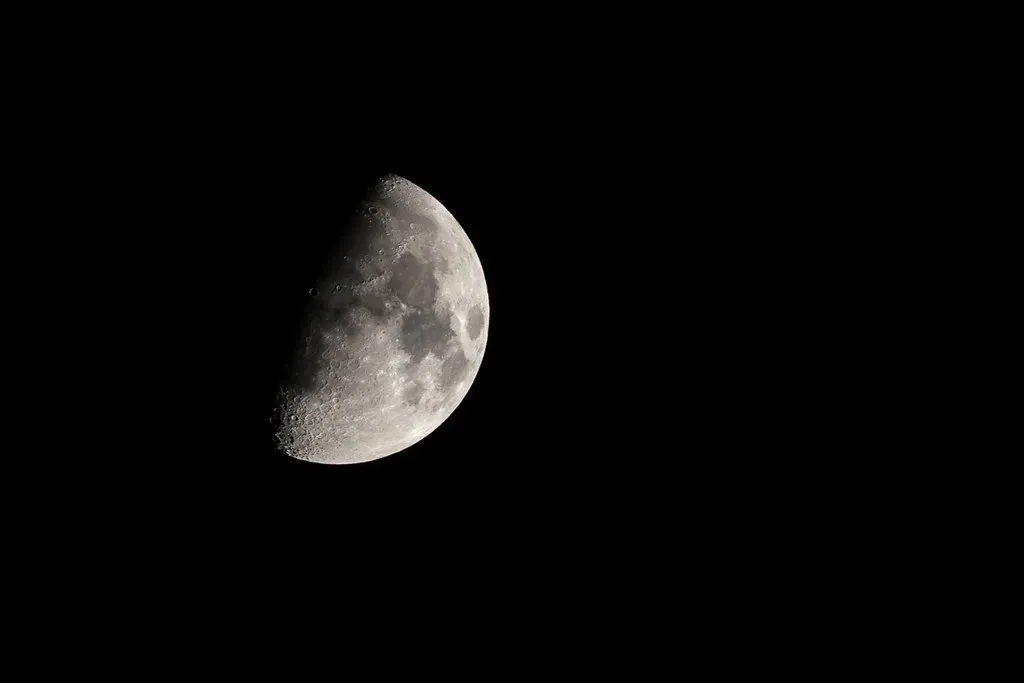
The real turning point came with a sweeping new piece of research that sent ripples through the planetary science community. Scientists produced the first global map and analysis of small mare ridges (SMRs) on the Moon, a characteristic geological feature of tectonic activity, with analysis performed by scientists at the National Air and Space Museum’s Center for Earth and Planetary Studies revealing for the first time that SMRs are geologically young and are widespread across the lunar maria, the vast dark plains on the Moon’s surface.
The team discovered 1,114 new SMR segments across the nearside lunar maria, increasing the number of known SMRs across the Moon to 2,634. They also found that the average SMR was 124 million years old, consistent with the average age of lobate scarps at 105 million years old.
That number is staggering, honestly. Over two thousand six hundred tectonic features, all of them young by lunar standards. Scientists have demonstrated that SMRs are geologically young, between roughly 50 and 310 million years old, and are widespread.
Unlike Earth, the Moon does not have moving tectonic plates. On our planet, plate tectonics create mountains, earthquakes, and volcanoes as plates collide, pull apart, or slide past each other. The Moon’s crust is a single shell, but it still experiences stress. Over time, as the Moon gradually cools, it slowly shrinks, causing the crust to compress and buckle, creating ridges and cliffs on the surface.
Imagine wrapping an orange in plastic wrap and then slowly deflating the orange. The wrap doesn’t just lie flat. It folds, buckles, and creases. That is essentially what is happening to the Moon’s crust, on a planetary scale, right now.
Moonquakes: The Moon’s Hidden Heartbeat
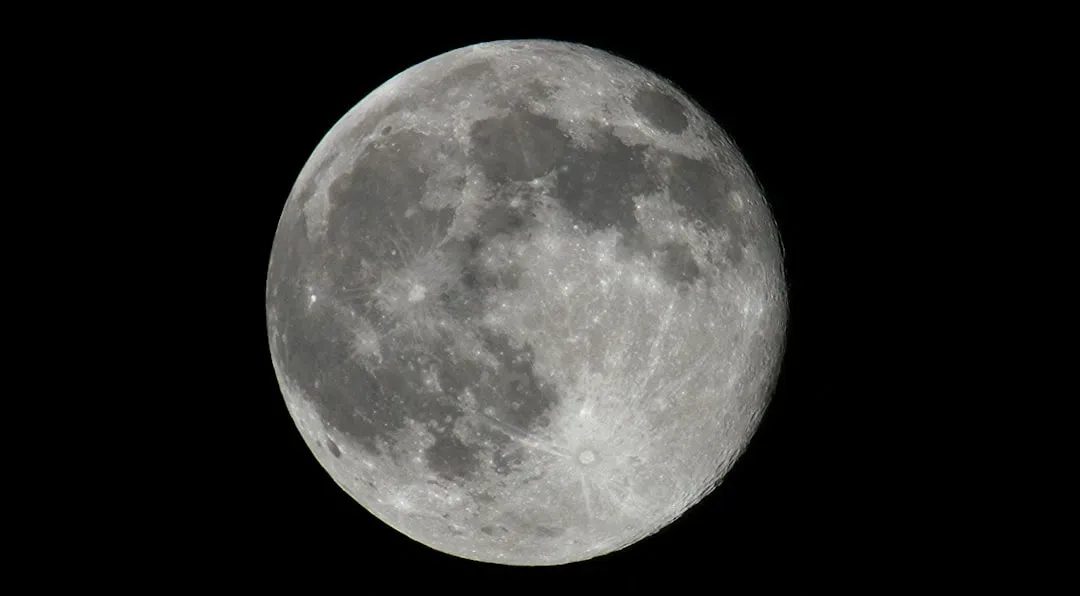
Here is something most people have never heard: the Moon shakes. Regularly. Seismometers left on the surface of the Moon by Apollo astronauts revealed that the Moon experiences moonquakes. That discovery was genuinely shocking at the time. The large number of events recorded on the Moon, which had been considered tectonically “dead,” came as a big surprise.
One type of moonquake is caused by the Moon shrinking as it cools, a process that has been happening since the Moon first formed nearly 4.5 billion years ago. These moonquakes originate at moderately shallow depths of 20 to 30 km, can register up to a startling 5.5 on the Richter scale, and can last for over ten minutes.
Ten minutes of shaking. On a world we thought was dead. Let that sink in.
A prior link was found between the tectonic activity that causes lobate scarps to form and the incidence of moonquakes. The discovery that SMRs originate from the same type of tectonic activity indicates that moonquakes could also occur across the lunar maria, anywhere an SMR is present.
Approximately 12,000 moonquakes were recorded during the eight years that Apollo seismometers were active. Twelve thousand. That is far from a dead world. The Moon has a pulse. It is just slower and quieter than ours.
What Is Driving This Activity?
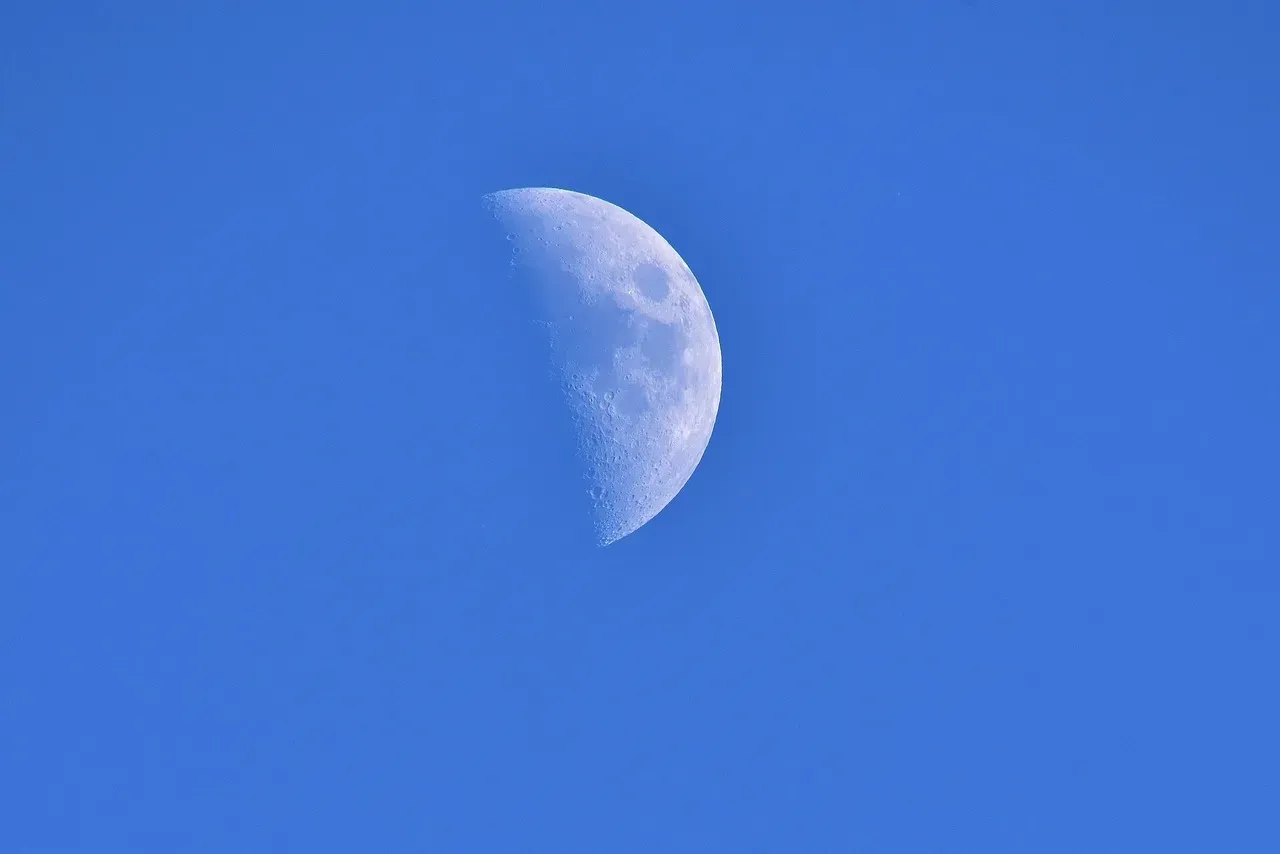
So if the Moon doesn’t have plate tectonics, what exactly is going on beneath its surface? The short answer is cooling. Very slow, very relentless cooling. Results indicate ongoing contraction driven by internal cooling. As the Moon loses heat, its volume decreases. The crust cannot contract uniformly, so it breaks along thrust faults. The new mapping shows that this process affects the maria as much as the highlands.
In 2010, co-author Tom Watters, a senior scientist emeritus at the Center for Earth and Planetary Studies, discovered that the Moon is slowly shrinking, and this contraction caused the lobate scarps in the lunar highlands to form.
Deep moonquakes, occurring hundreds of miles beneath the lunar surface, are tidal events – they result from the pull of Earth’s gravity tugging and stretching the Moon’s internal structures. So Earth is not just the Moon’s landlord. It is actively pulling and stretching the Moon’s guts from afar.
The analysis shows that SMRs formed via the same type of faults as lobate scarps, and that lobate scarps in the highlands often transition to SMRs in the mare, suggesting a similar origin for these two structures. Together with lobate scarps in the lunar highlands, the new SMR data provide a more complete picture of recent contractional tectonic activity on the Moon.
Honestly, I think what makes this all so fascinating is the scale of it. These forces are not dramatic earthquakes or fiery eruptions. They are slow, grinding, planetary-scale movements playing out over millions of years. The Moon is, in its own quiet way, still very much alive.
Why This Matters for the Future of Lunar Exploration
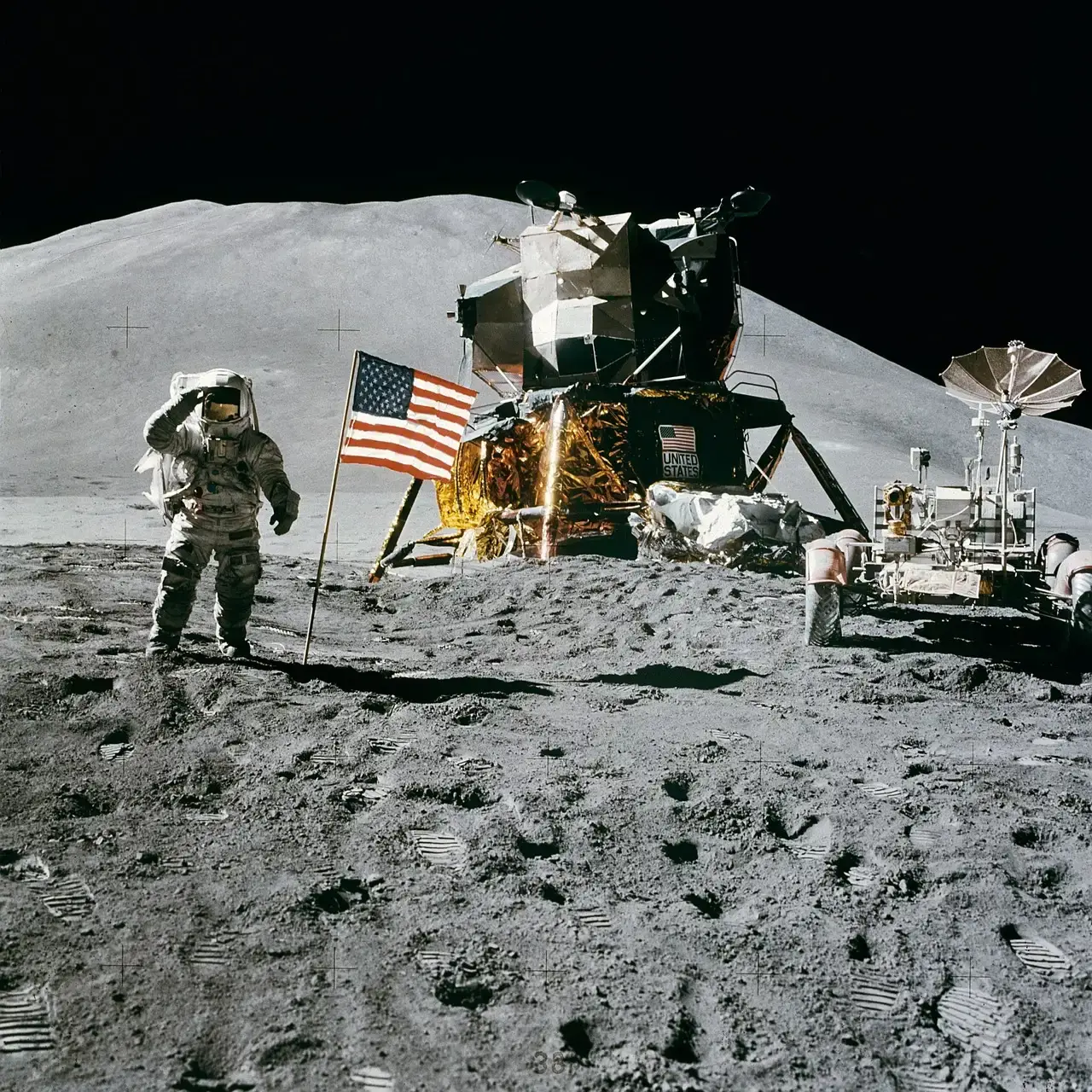
This is where the science stops being just fascinating and starts being genuinely urgent. Humanity is heading back to the Moon. NASA’s Artemis program is planning to put humans there, and multiple space agencies have long-term habitation ambitions. The question of whether the Moon is geologically active is no longer just academic.
The team’s discovery of how SMRs form introduces a new set of potential moonquake sources that could affect future site selections for lunar landings. In other words, we may need to rethink where we plant our boots and build our habitats.
Many of the newly catalogued ridges sit inside regions earmarked for future landers, rovers, and long-duration surface infrastructure. Shallow faults place potential movement close to installations, and the Moon’s seismic environment transmits vibration with very little attenuation. A shallow moonquake can impart strong, prolonged shaking to the surface, a key factor in engineering design.
Knowing that the Moon is still geologically dynamic has very real implications for where we’re planning to put our astronauts, equipment, and infrastructure on the Moon.
Upcoming lunar exploration programs such as Artemis will provide a wealth of new information about the Moon. A better understanding of lunar tectonics and seismic activity will directly benefit the safety and scientific success of those and future missions.
The new global map of small mare ridges changes our view of the Moon from a dead world to a dynamic one that is still evolving. As scientists continue to study these features, they hope to learn more about the Moon’s interior, its history, and how it may behave in the future.
Conclusion: A Sleeping Giant, Not a Dead One
The Moon we thought we knew – cold, cratered, silent – is turning out to be something far more complex. It is not Earth. It is not roaring with volcanoes or tearing itself apart with plate collisions. Its geological story is quieter, subtler. But it is still being written.
With thousands of young faults now mapped, the surface is better charted, the risks are better defined, and the reality of a contracting, shifting Moon is no longer theoretical. It is observable. Measurable. Real.
The Moon is not dead. It is sleeping, contracting, and occasionally trembling. And as we prepare to send humans back to walk on its surface, understanding that truth may be one of the most important things we can do. The old image of a frozen, unchanging world above our heads? It is time to let that go.
What would you have guessed if someone asked you, just a few years ago, whether the Moon was still Tell us in the comments – your answer might surprise even you.

- 14 Quiet Signs Your Dog Knows Its Time Is Near and Wants You Close - July 22, 2026
- 10 Falcon Facts That Will Blow Your Mind - July 22, 2026
- 5 Incredible Migratory Journeys Animals Make Every Year - July 22, 2026