
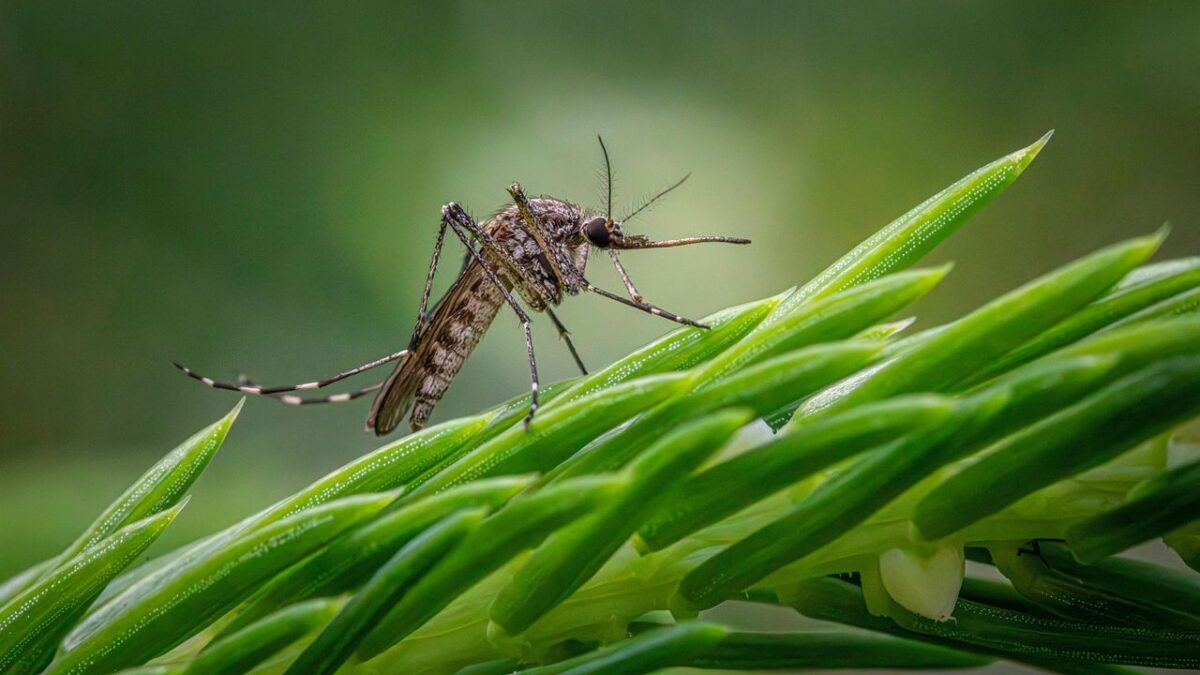
There is something uniquely maddening about a mosquito. It is tiny, nearly weightless, and yet somehow it can ruin an entire evening outdoors. Step into your backyard in the wrong state, and you will understand what I mean almost immediately. The United States is home to an astonishing variety of mosquito species, and depending on where you live, your relationship with these insects ranges from mildly annoying to genuinely dangerous.
Mosquitoes aren’t just a nuisance. They are the deadliest animal on earth, causing more than 600,000 malaria-related deaths around the world each year according to the Centers for Disease Control and Prevention. That fact alone reframes how seriously we should take the question of which states have it worst. So let’s dive in, because some of these answers might genuinely surprise you.
Why Certain States Become Mosquito Hotspots
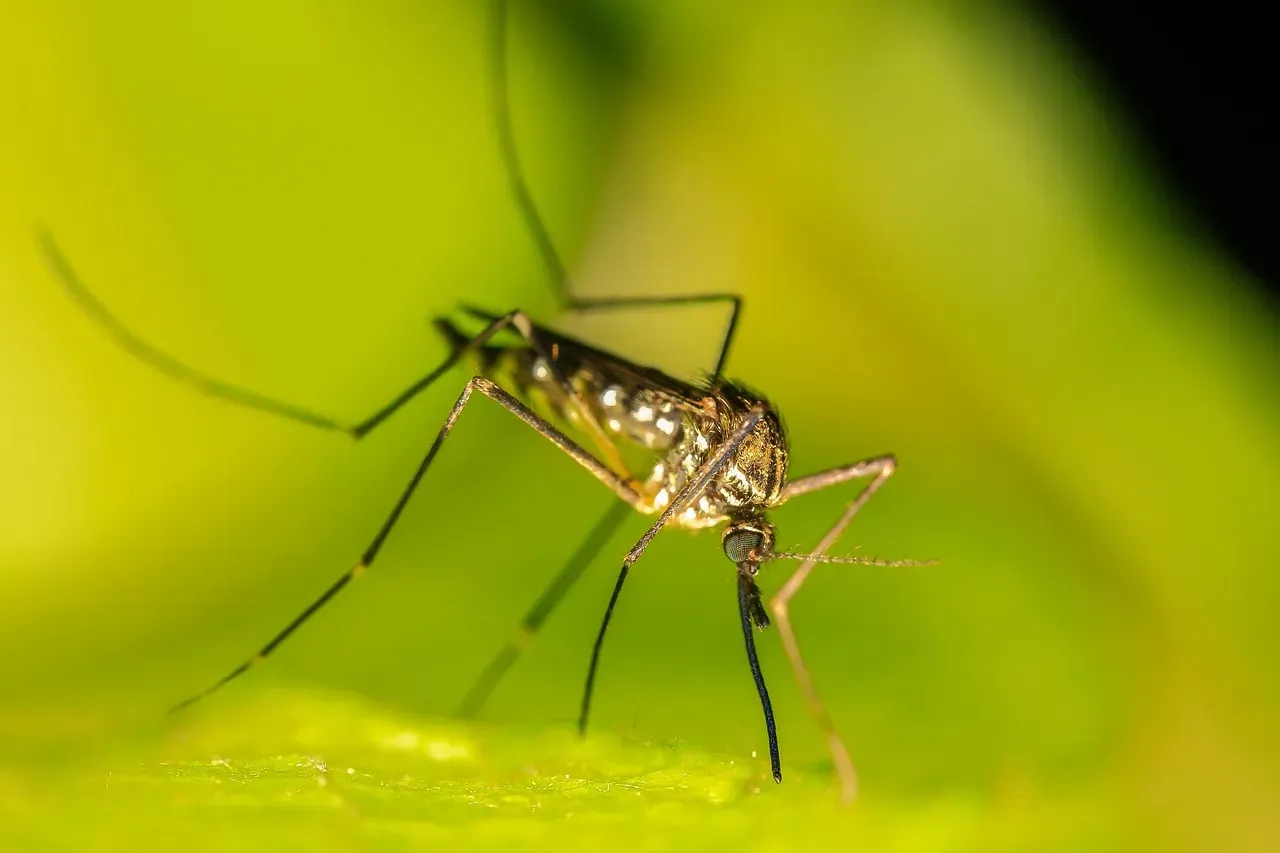
Here’s the thing: not all states are created equal when it comes to what mosquitoes need to survive and multiply. Think of it like a recipe. You need warmth, moisture, and standing water, and when all three combine, the result is a living, buzzing nightmare.
Key predictors of mosquitoes include rainfall and temperature in a given area, which are significant factors in mosquito reproduction and survival. The greater the warmth and wetness of a particular city or state, the greater the density of mosquitoes that locale is likely to have.
Mosquitoes are drawn to standing water as a breeding ground to lay their eggs. These pests reproduce quickly, with mosquito larvae reaching the adult stage in a matter of days or weeks. That’s almost terrifyingly fast, like watching a problem multiply in real time. A single puddle left after a rainstorm can become a nursery for hundreds of new insects within a week.
In the U.S., there are two types of mosquitoes you’re likely to see: the Culex and the Aedes mosquito. These mosquitoes differ in feeding habits and transmit different diseases, but both are equally frustrating and potentially dangerous. Expect to encounter Aedes mosquitoes during the day near urban areas, and Culex mosquitoes closer to nighttime and near homes.
The Undisputed Champions: Florida, Louisiana, and Texas
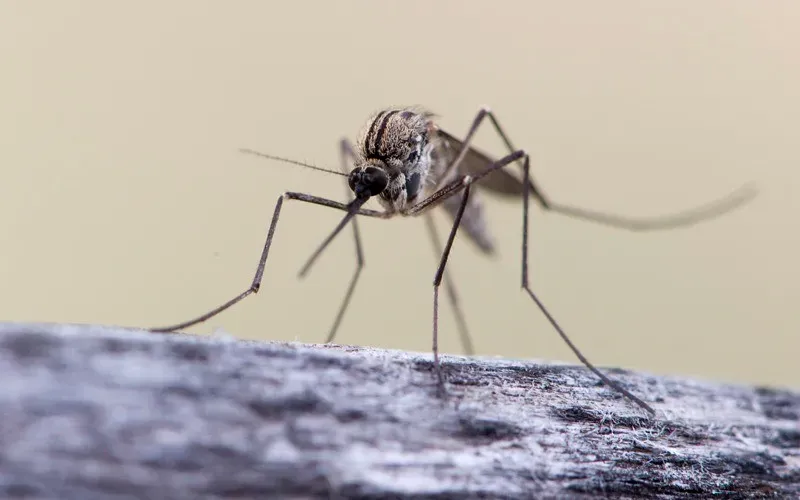
Let’s be real. If you are a mosquito looking for real estate, these three states are the equivalent of beachfront property with a pool. They are perennial fixtures on every worst-offender list, and for very good reasons.
Since heat and standing water provide the perfect environment for breeding mosquitoes, Florida tops many lists. There are more than 80 species of mosquitoes in Florida, and they are active year-round. While your chances of getting a disease from a bite in Florida are low, certain species are quite capable of transmitting viruses like Zika, dengue fever, and yellow fever.
Texas is home to the most species of mosquito by some measures. From February to November, eighty-five different species of mosquito can be found across the state. That is an almost absurd number of species for a single state, and it reflects just how diverse Texas’s landscape and climate are.
Louisiana takes the cake as the most mosquito-prone state by certain rankings. The Bayou State’s hot and humid summers provide the perfect breeding ground for these pesky insects. From early spring to late autumn, mosquitoes in Louisiana are looking for a meal. There is almost no break.
Georgia, North Carolina, Alabama, and the Deep South Belt
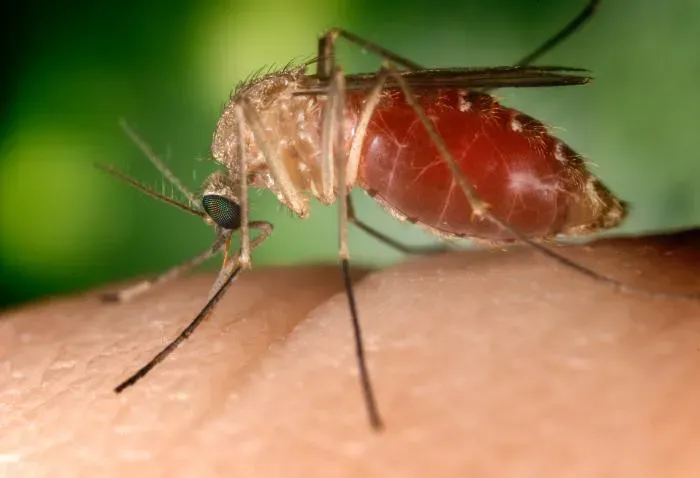
The southern tier of the United States reads like a mosquito’s dream itinerary. Georgia, Alabama, and North Carolina all rank consistently high, and it is not hard to understand why once you spend a humid August evening there.
Atlanta, Georgia is one of the worst cities in the world for mosquitoes and ticks. That is not a local exaggeration; that is a well-documented reality backed by pest control data year after year. Georgia is notoriously hot and humid come summer, and the bugs love it. Atlanta in particular is a hotspot for mosquito activity, and Georgia is in the top-ten list for reported cases of West Nile virus too.
Alabama, from its natural beaches to its swampy, rainy inland regions, has all kinds of climates that mosquitoes find hospitable. Birmingham in particular has a major mosquito problem.
Mississippi, like Louisiana, has over 60 different mosquito species that make the state their permanent residence. Though getting a disease from a mosquito is unlikely, it’s always worth taking as much precaution as you are able when outdoors in Mississippi. North Carolina rounds out this belt, with both of the Carolinas having a big mosquito problem, though North Carolina’s higher population means bug-borne diseases are a bigger issue.
The Surprise Entries: South Dakota, New York, and California
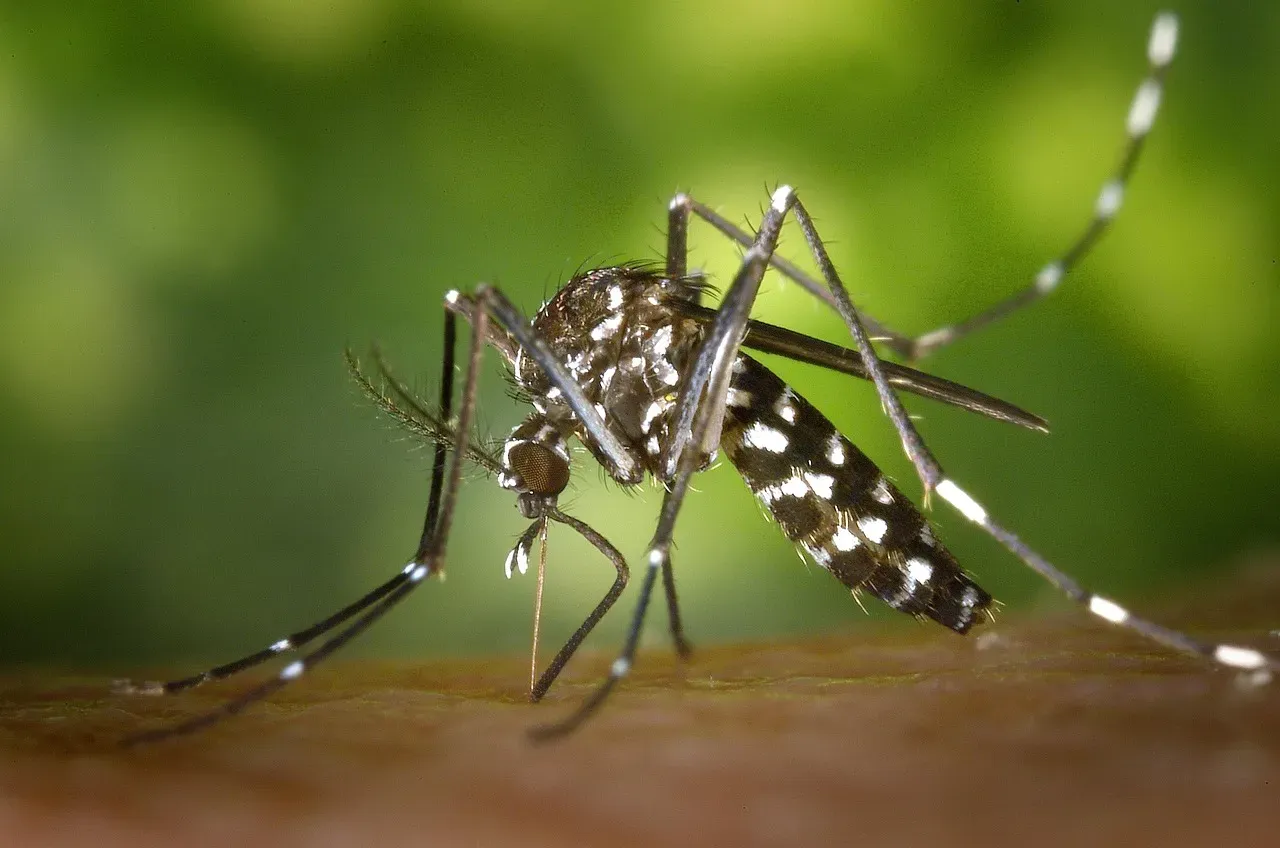
Now this is where it gets genuinely interesting. When most people imagine mosquito hell, they picture swamplands and southern heat. They probably do not picture the Badlands of South Dakota or the streets of New York City. Honestly, neither would I. Yet here we are.
South Dakota landing in third place on some rankings was somewhat of a surprise, given that the climate there is arid and dry rather than hot and humid. South Dakota secured its high spot mostly because of the elevated rate of West Nile virus cases, plus a relatively high number of different mosquito species that live there.
California remains a stronghold for mosquito activity overall, with five cities in the top 50 most infested: Los Angeles, San Francisco, Sacramento, San Diego, and Fresno. With high temperatures and proximity to standing water, it’s no wonder mosquitoes are frequent residents of the West Coast state.
One major factor contributing to big-city mosquito problems is that highly ranked cities all experience higher temperatures during the summer months and are located near large bodies of standing water, including canals, man-made rivers, reservoirs, concrete channels, creeks, and lakes. Mosquitoes lay eggs in standing water, which strongly contributes to the uptick in bug bites around these areas as temperatures spike. New York City, surprisingly, is no exception to this rule.
Health Risks and How to Stay Protected Wherever You Live
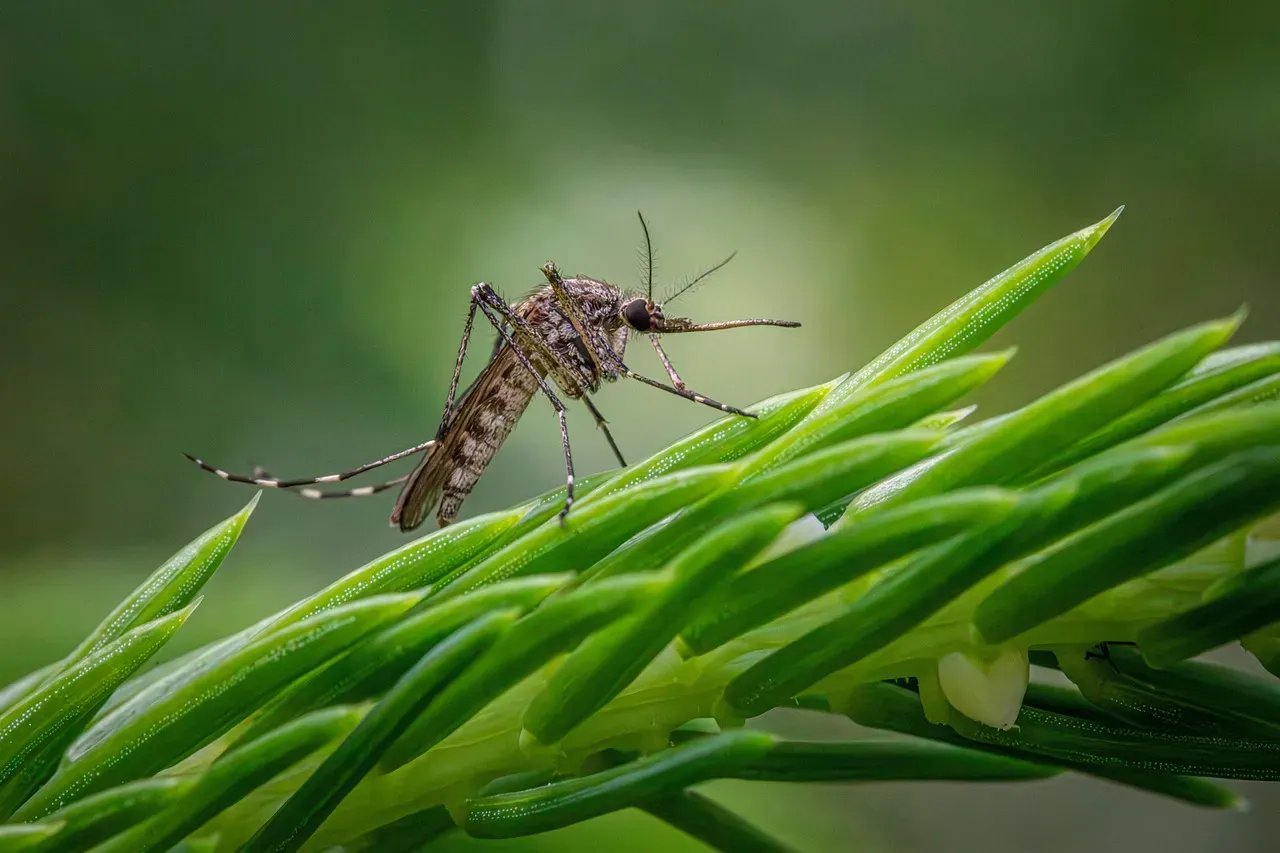
It would be easy to treat mosquitoes purely as a warm-weather inconvenience, the kind of thing you complain about at a barbecue and then forget by September. However, the health stakes are considerably higher than most people realize.
Mosquitoes spread serious illnesses, including West Nile virus, Eastern Equine Encephalitis, and Zika, all of which are threats to humans and animals. The year 2024 marked record-breaking dengue activity with over 13 million cases reported in the Americas region, leading to increased travel-associated cases and locally acquired infections in states like Florida, California, and Texas. That is a genuinely alarming trend.
The dramatic increase in travel-associated dengue cases and the emergence of locally acquired cases in 2024 signal a concerning shift in dengue transmission patterns within the continental United States. The return of locally acquired malaria after a 20-year absence demonstrates that even eliminated diseases can re-emerge when conditions allow.
Preventive measures include wearing protective clothing, avoiding outdoor exposure around dawn and dusk, and using a high-quality mosquito repellent. Other helpful steps include eliminating pools of standing water and patching window screens or other gaps that may allow mosquitoes to enter the home. Simple actions, honestly, but they make a real difference.
Conclusion
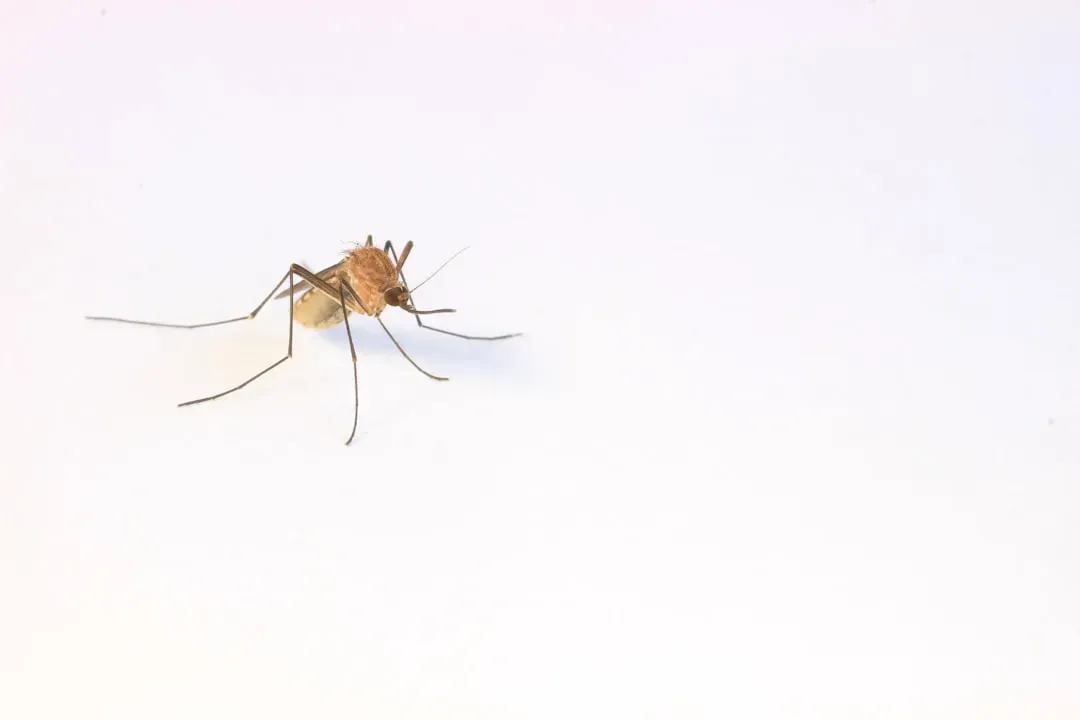
The picture that emerges across all this data is surprisingly consistent. Warmth and water are the twin engines driving mosquito populations, and states that have both in abundance pay the price every single year. Florida, Texas, and Louisiana sit at the top of virtually every credible ranking, joined by Georgia, Alabama, Mississippi, and the wider Deep South. Yet the story’s most eye-opening element is that even states like South Dakota, New York, and California carry serious mosquito burdens of their own.
I think what surprises most people is not that the South has mosquito problems. That’s almost expected. What surprises them is discovering that their own city, wherever they live, might be on the list too. Mosquitoes are remarkably adaptable, and as temperatures across the country continue to shift, so too will the range of these resilient insects.
The real question worth sitting with: when was the last time you thought seriously about what was breeding in that bucket of rainwater sitting in your backyard?
