

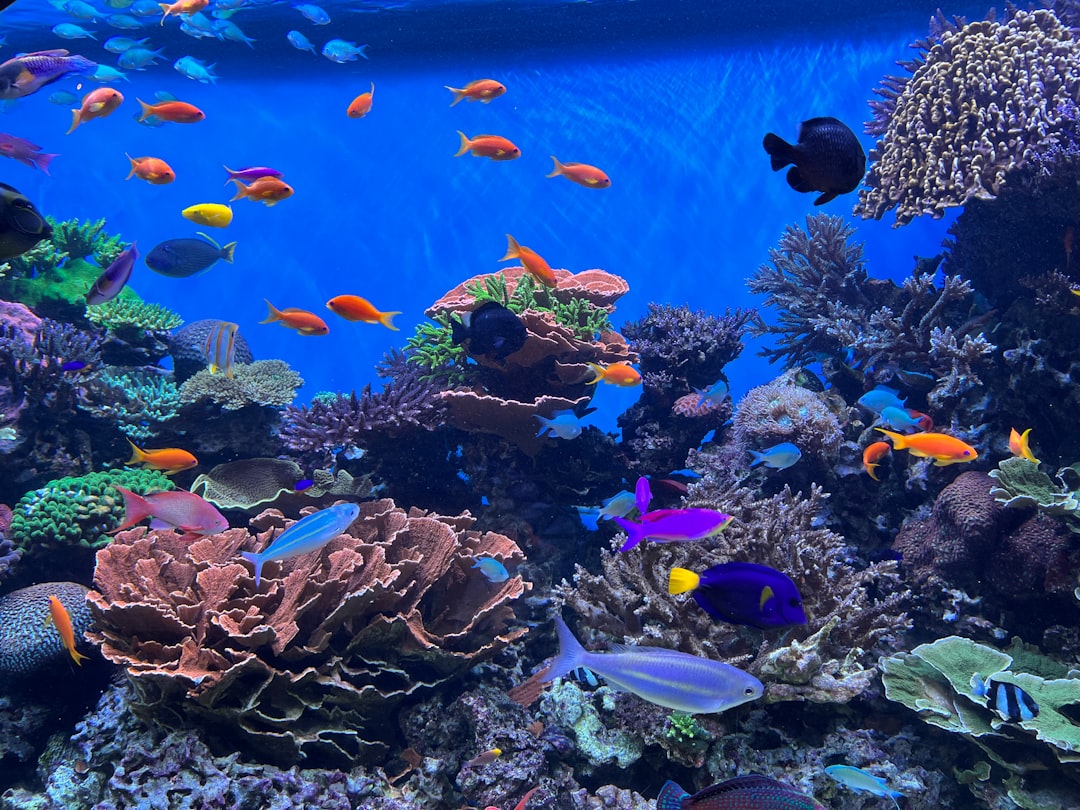
A Biodiversity Hotspot Under Pressure (Image Credits: Unsplash)
Coral reefs serve as critical habitats that sustain nearly a quarter of all marine species and support the livelihoods of hundreds of millions of people globally.[1]
A Biodiversity Hotspot Under Pressure
Nearly 25% of all known marine species find refuge in coral reefs, making these ecosystems indispensable to ocean health.[1]
Fish, crustaceans, and myriad other organisms depend on reefs for breeding grounds and protection from predators. These structures create complex environments that foster diverse food webs. Without them, populations plummet, and entire ecological balances shift dramatically. Scientists observe that removing reefs fractures these interconnected systems, leading to widespread disruptions in marine life.
Pillars of Human Survival and Economies
Reef-associated fisheries and tourism generate billions of dollars each year, providing income and sustenance for coastal populations worldwide.[1]
Millions of families rely on these fisheries as their primary protein source, a tradition passed down through generations. As reefs degrade, catches dwindle, threatening food security in vulnerable regions. Tourism, drawn to the vibrant underwater worlds, bolsters local economies but faces decline alongside reef health. Coastal communities bear the brunt, with shrinking resources amplifying poverty and instability.
Escalating Threats Driving Collapse
Climate change emerges as the primary culprit, with warming oceans triggering widespread coral bleaching events.[1]
Corals expel their symbiotic algae during heat stress, leaving them starved and susceptible to disease. Repeated bleaching has intensified over recent decades as global temperatures rise. Ocean acidification further erodes coral skeletons, while stronger storms and rising sea levels compound the damage.
- Coral bleaching from elevated sea temperatures
- Acidification weakening structures
- Intensified storms causing physical destruction
- Sea level rise overwhelming shallow reefs
- Land-based pollution and overfishing accelerating decline
These pressures risk the total collapse of reef systems, with profound ripple effects.
Strategies for Revival and Protection
Marine protected areas offer proven benefits, allowing fish stocks to rebound and corals to recover when properly managed.[1]
Restoration initiatives, such as coral nurseries, cultivate fragments for transplantation, rebuilding habitats while maintaining genetic diversity. Reducing pollution from land runoff and curbing overfishing prove essential complements to these efforts. Reefs also act as natural defenses, dissipating up to 97% of wave energy to shield coastlines from erosion and storms.[1]
| Healthy Reefs | Declining Reefs |
|---|---|
| Abundant fish populations | Shrinking fisheries yields |
| Strong coastal protection | Increased erosion risk |
| Thriving biodiversity | Fractured food webs |
Well-enforced protections enhance resilience across ecosystems.
- Coral reefs harbor 25% of marine species and protect hundreds of millions of people.
- Bleaching and acidification pose the gravest threats, demanding urgent action.
- Protected areas and restoration can reverse declines and safeguard futures.
Preserving coral reefs demands global commitment to combat climate threats and promote sustainable practices. Their survival ensures not only ocean vitality but also human prosperity. What steps do you believe will make the biggest difference? Tell us in the comments.

- Urban Coyotes Show Remarkable Adaptability, Learning to Thrive in City Environments - July 22, 2026
- Beavers Are Nature’s Engineers, Creating Vital Habitats for Other Wildlife Species - July 21, 2026
- The Recovery of the California Condor Offers Hope for Other Critically Endangered Birds - July 21, 2026