
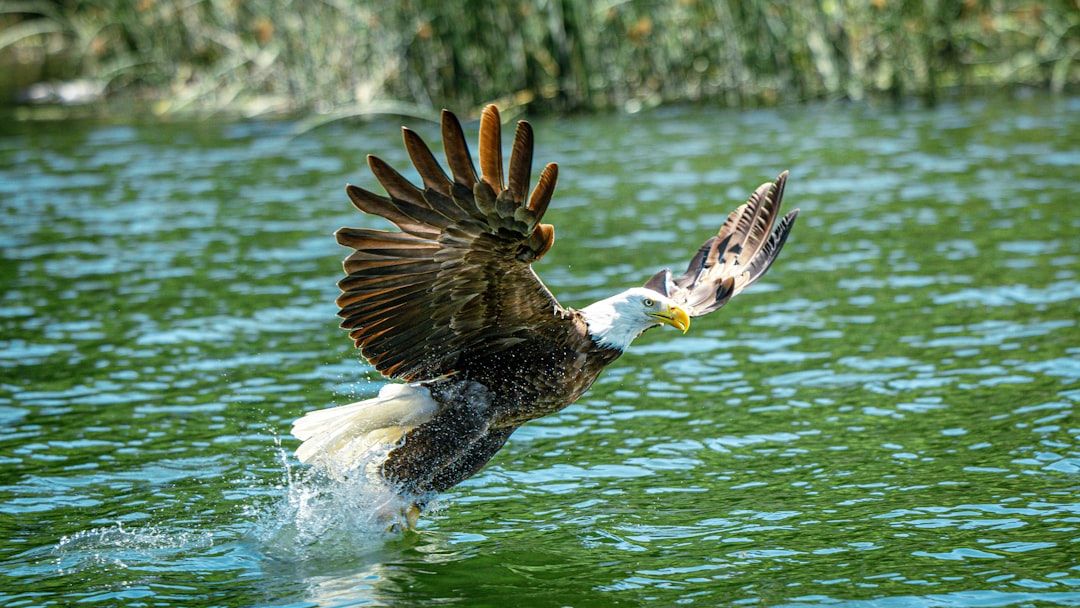
Picture this: a piercing cry slices through the morning mist over a shimmering African lake. That sound, raw and unforgettable, belongs to the African fish eagle, a bird that captures the untamed spirit of the continent. These majestic raptors rule the skies above waterways, blending power with grace in ways that still surprise me.
From their haunting calls to clever hunting tricks, there’s so much more to these icons than meets the eye. Let’s dive into 11 incredible facts that reveal why they’re true monarchs of Africa’s wilds.[1][2]
1. The Unmistakable “Voice of Africa”
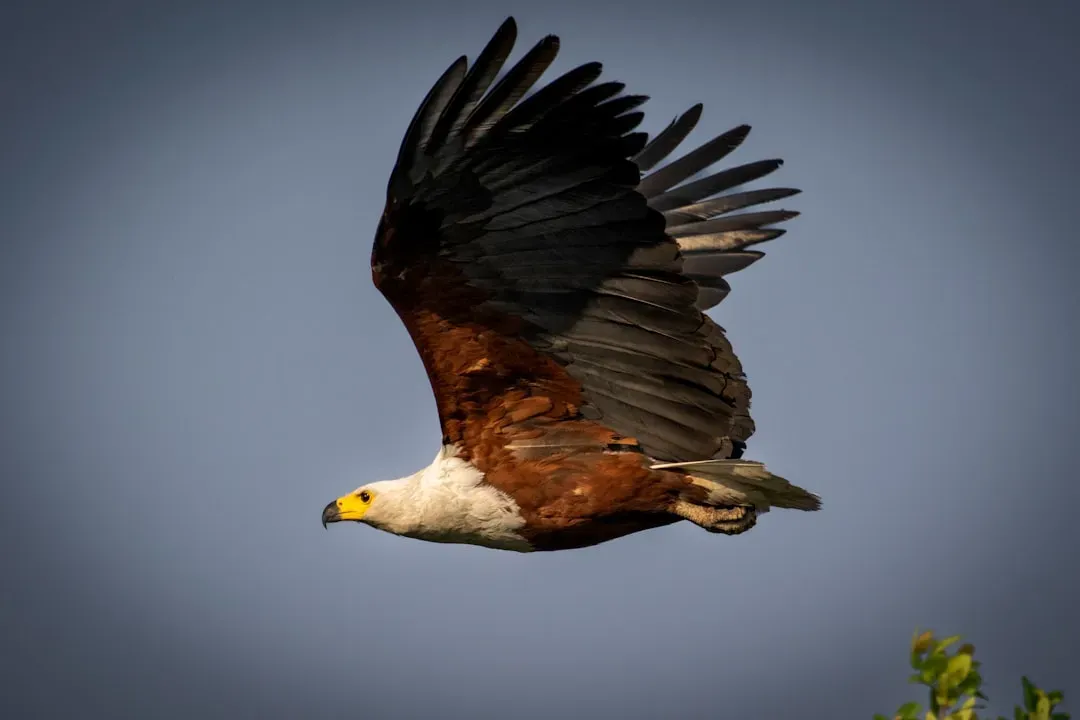
The African fish eagle’s call rings out like a wild alarm, often described as a shrill “weee-ah, hyo-hyo” or “heee-ah, heeah-heeah.” It echoes for miles across lakes and rivers, marking territory and signaling dawn. No other bird sounds quite like it, earning the nickname that defines the continent’s soul.[2]
Honestly, hearing it firsthand chills you to the bone. Pairs duet these cries, strengthening their bond. It’s no wonder people download it as ringtones, craving that raw African vibe.[1]
2. Striking Look-Alike to the Bald Eagle
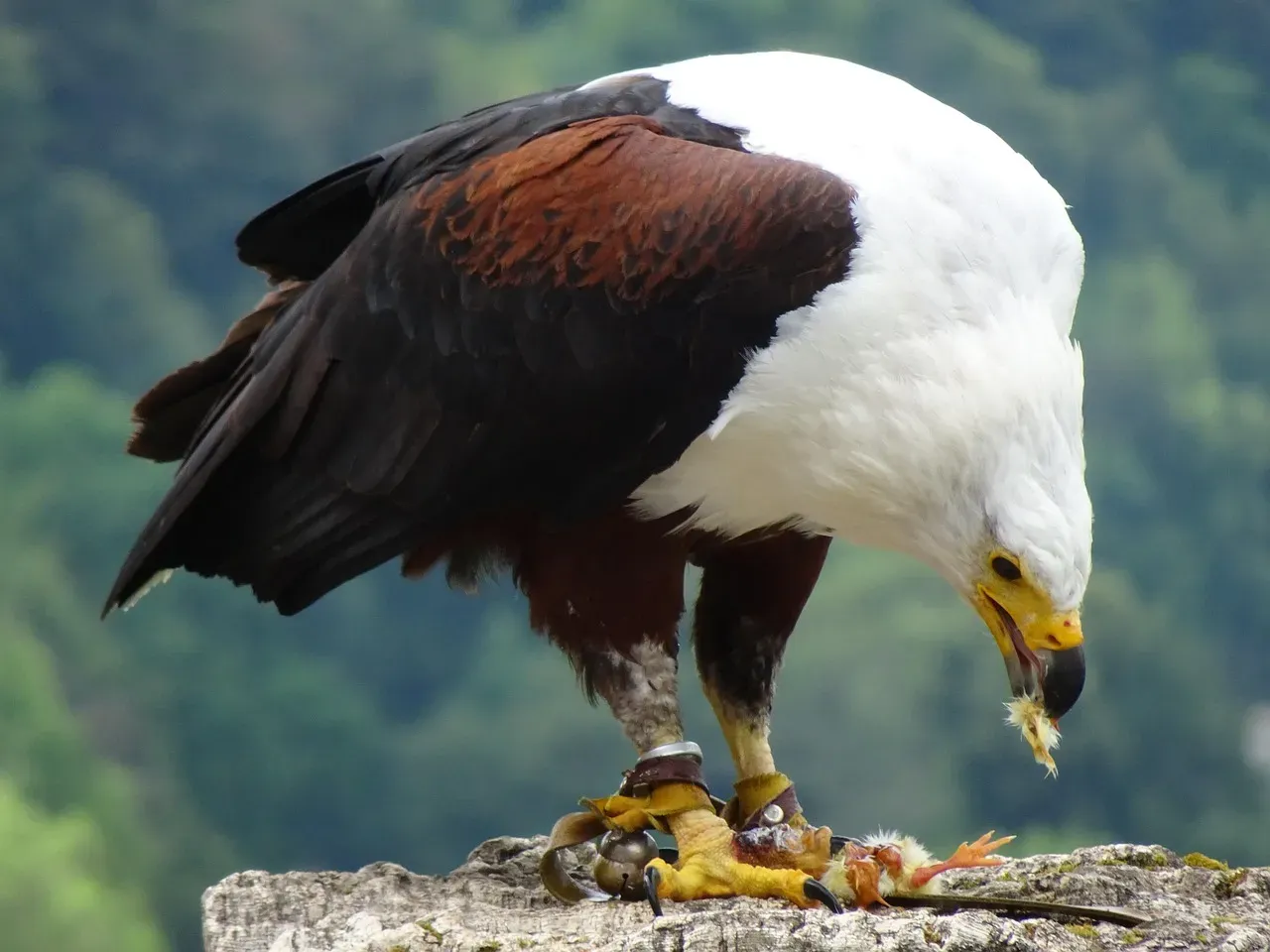
With its snow-white head, chest, and tail against a chestnut brown body, the African fish eagle mirrors North America’s bald eagle. Yet these look-alikes evolved separately on different continents, a classic case of convergent evolution. Black wings and a piercing yellow beak complete the dramatic plumage.[2]
Juveniles start with dull brown feathers, maturing over years into this bold contrast. Females sport a bigger white breast patch too. Spot one perched high, and even beginners know what it is.[1]
The resemblance fools the eye but highlights nature’s clever repeats.
3. Symbol of Nations Across Africa
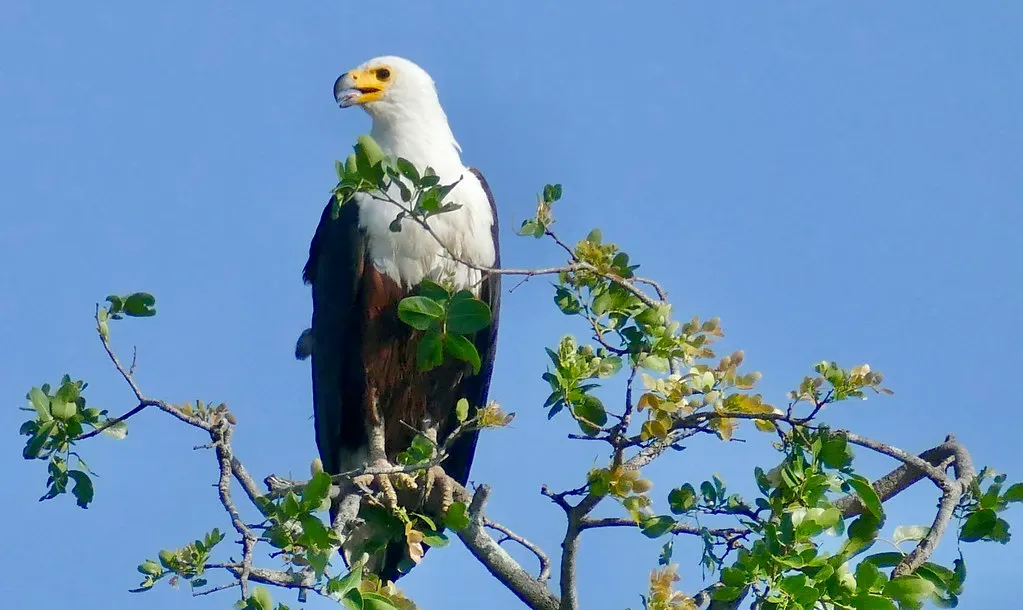
This eagle graces the heraldry of several countries, serving as the national bird for Malawi, Namibia, Zambia, and Zimbabwe. You’ll find it on flags, coats of arms, and even South Sudan’s symbols. Its presence screams pride and wilderness.[3]
From Zambia’s emblem to Zimbabwe’s banner, it embodies strength. Known by names like “nkwazi” in Chewa or “hungwe” in Shona, it weaves into local lore. Truly a unifying icon for diverse lands.[2]
4. Lifelong Mates in the Skies
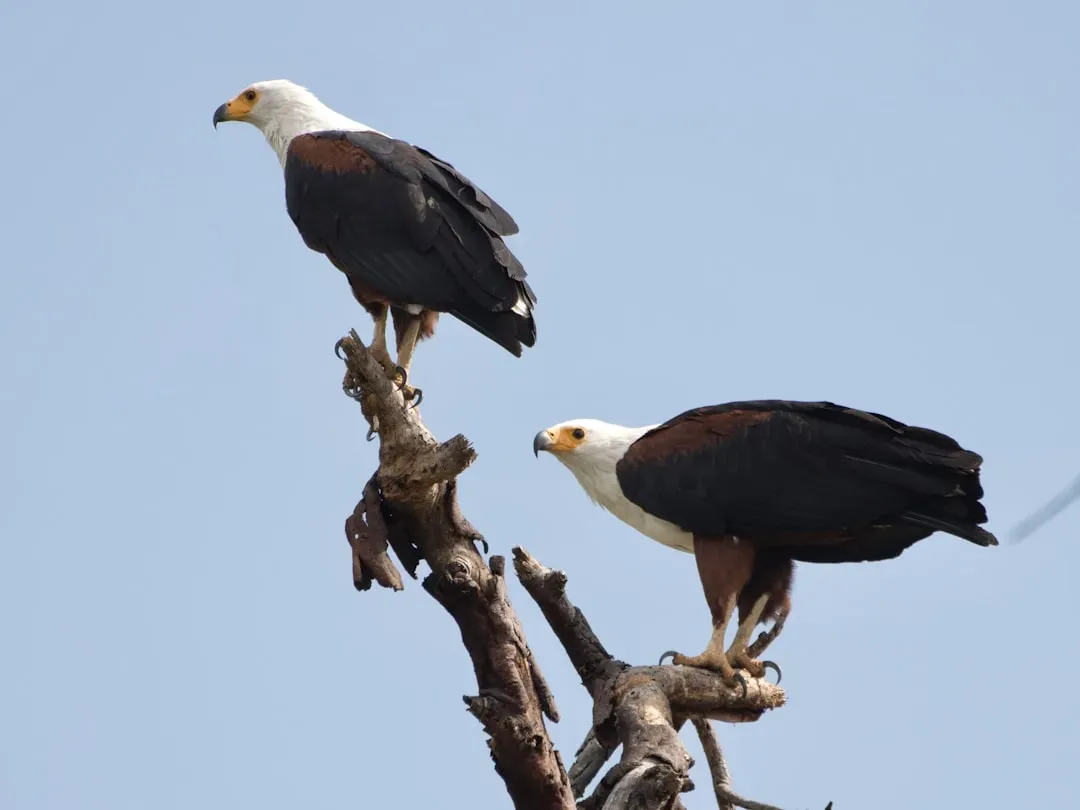
African fish eagles typically pair up for life, cruising waterways as devoted duos. They defend territories fiercely, sharing perches and meals. Spotting them together feels like witnessing true commitment amid the wild.[1]
These bonds last years, with pairs reusing massive nests season after season. Females, being larger, lead incubation while males hunt. It’s a partnership that boosts survival in harsh habitats.[4]
5. Pirates of the Waterways
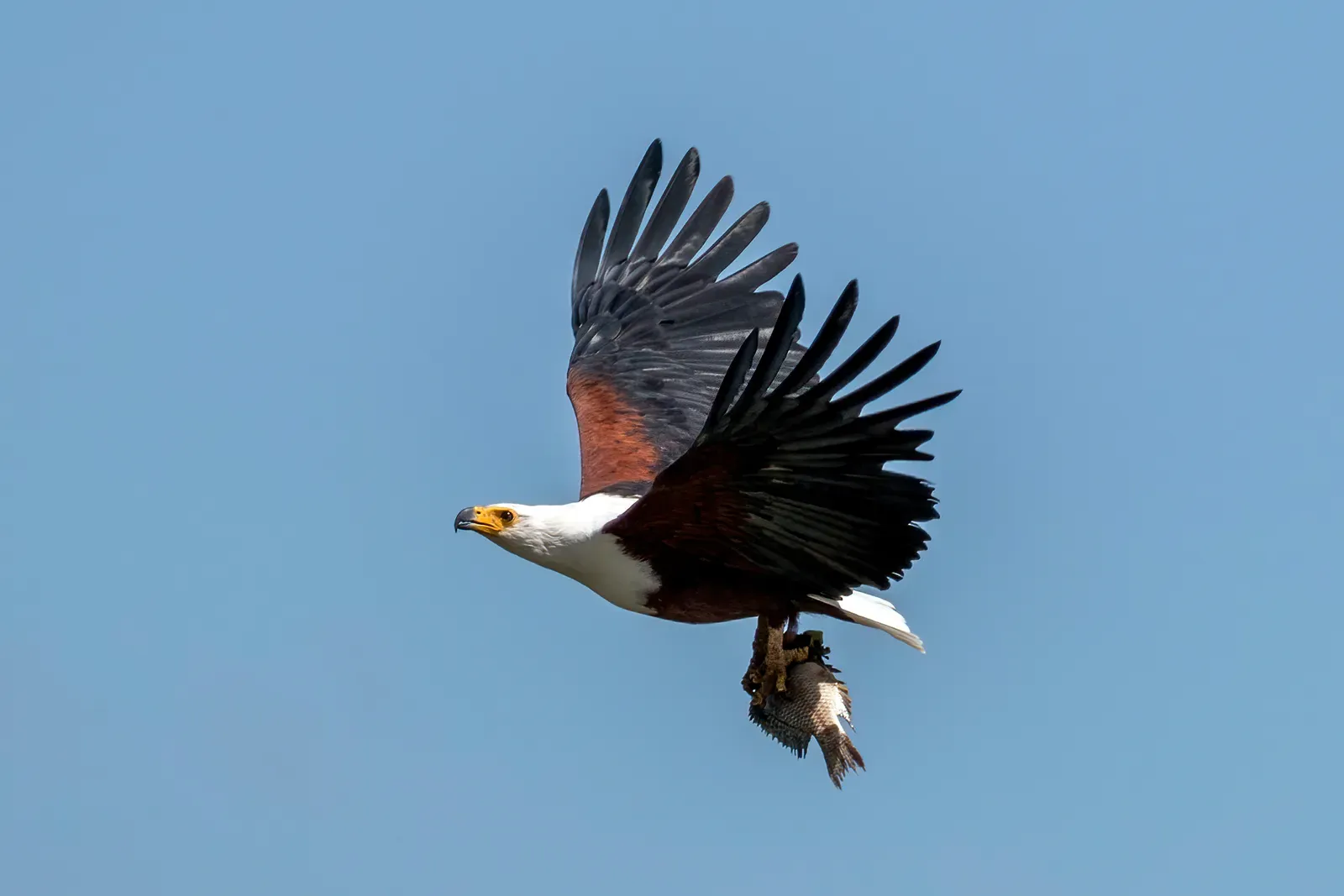
These eagles don’t always hunt fair; they’re notorious kleptoparasites, robbing prey from other birds. Goliath herons and saddle-billed storks often lose big fish after relentless harassment. It’s a sneaky strategy that saves energy.[3]
They chase pelicans, kingfishers, even other eagles until the catch drops. This piracy thrives near busy fishing spots. Let’s be real, it’s brutally efficient.[2]
6. Feet Built for Slippery Prey
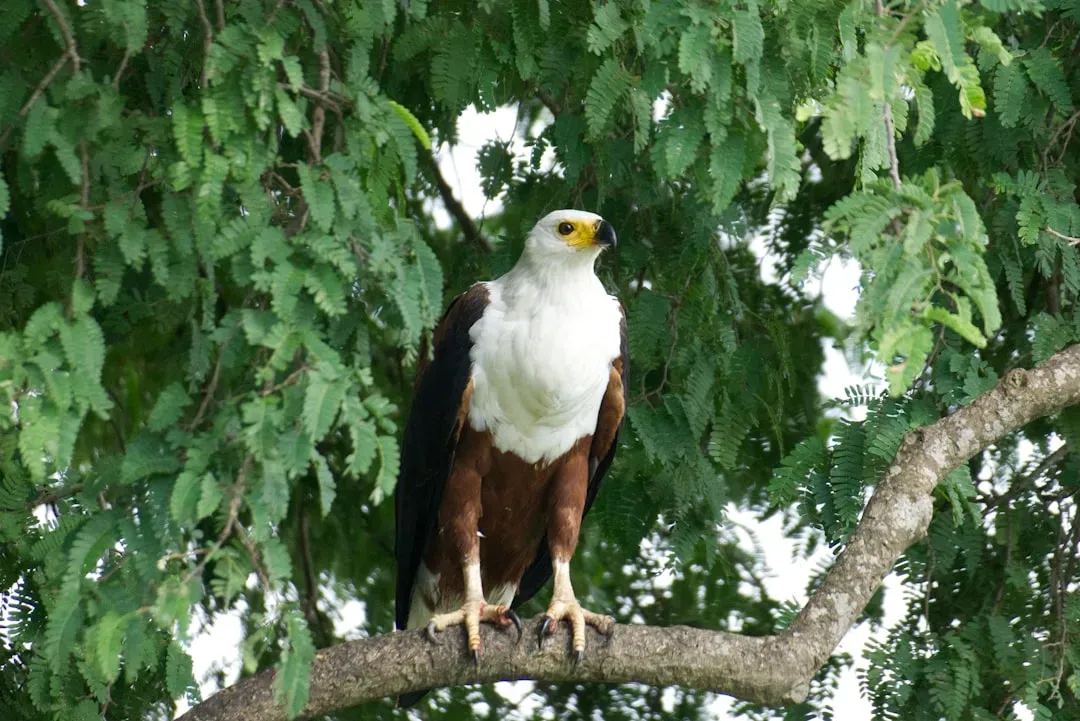
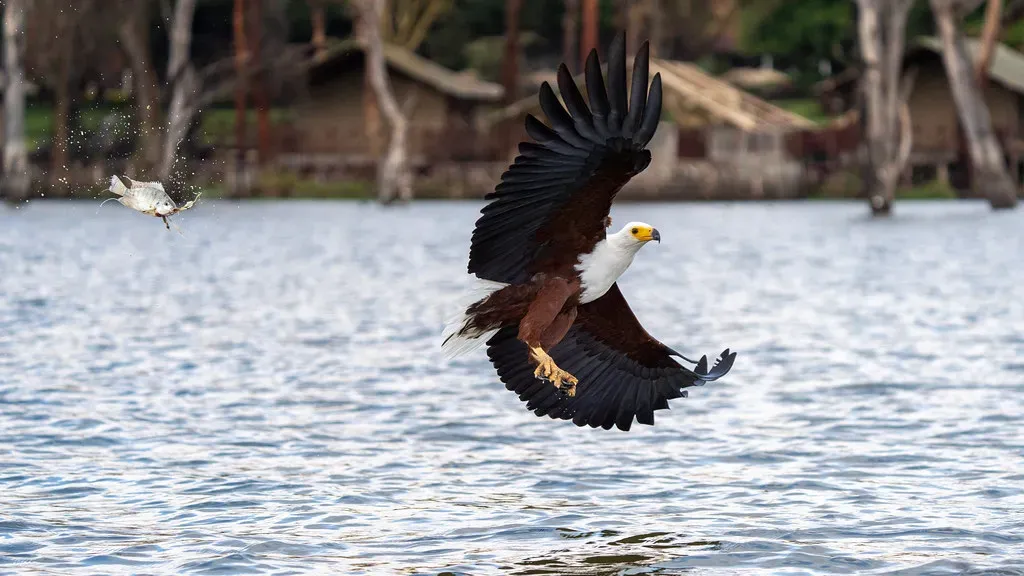
Sharp barbs called spiricules coat their toes, gripping fish like velcro on wet scales. Similar to ospreys, this adaptation turns dives into sure successes. Powerful talons seal the deal on wriggling catches.[3]
Rough soles add extra hold during struggles. These features let them snatch from water without a slip. Nature’s engineering at its finest.[2]
I know it sounds simple, but it revolutionizes their fishing game.
7. Giants with a Size Twist
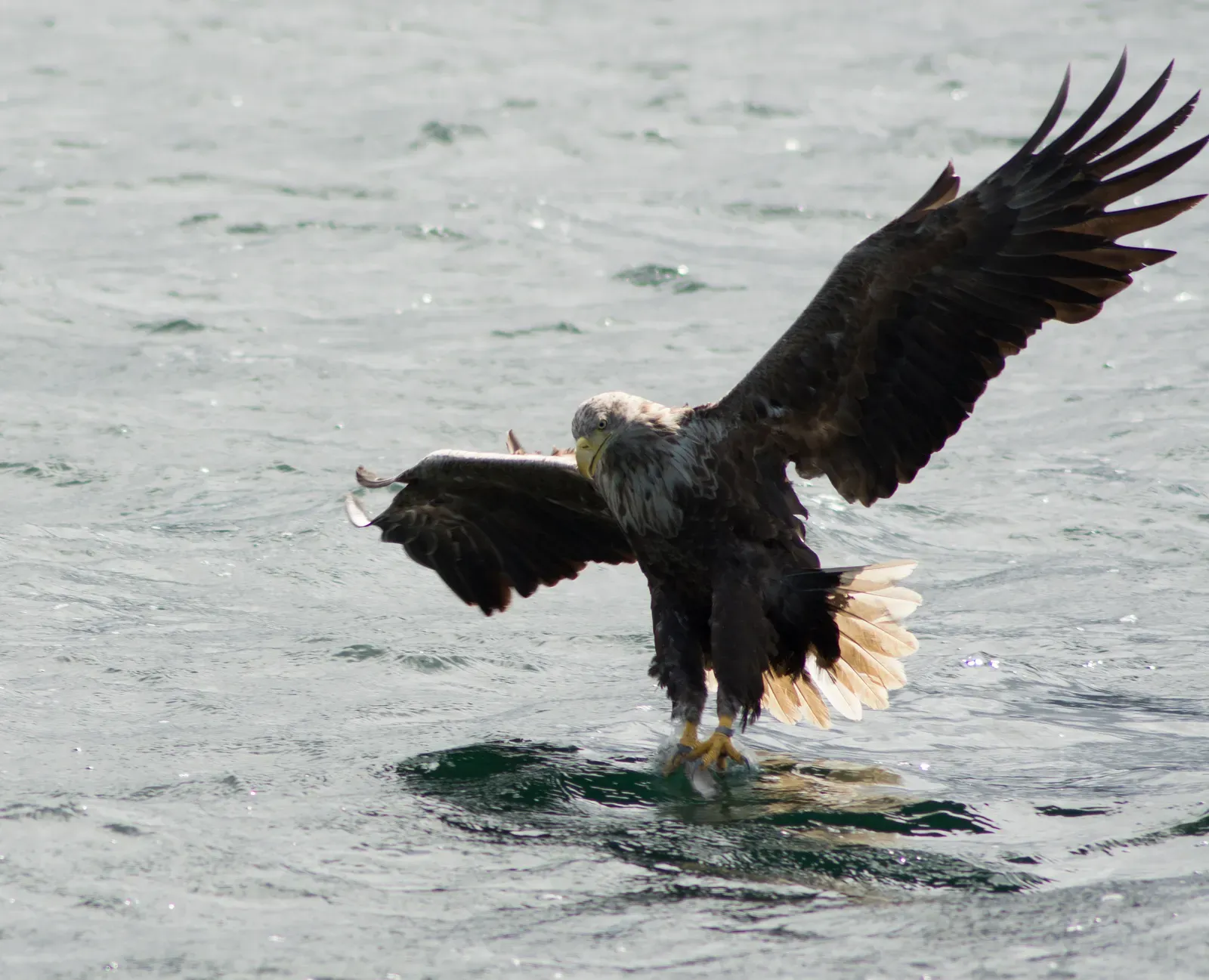
Females tip the scales at over 3 kilograms with wingspans nearing 2.4 meters, dwarfing males at 2 kilograms and 2 meters across. This sexual dimorphism aids roles: she incubates, he hunts lighter loads. Bodies stretch 63 to 75 centimeters long.[2]
Males look sleeker, perfect for agile flights. Together, they dominate skies. Impressive stats for Africa’s waterways.[5]
8. Beyond Fish: A Gourmet Opportunist
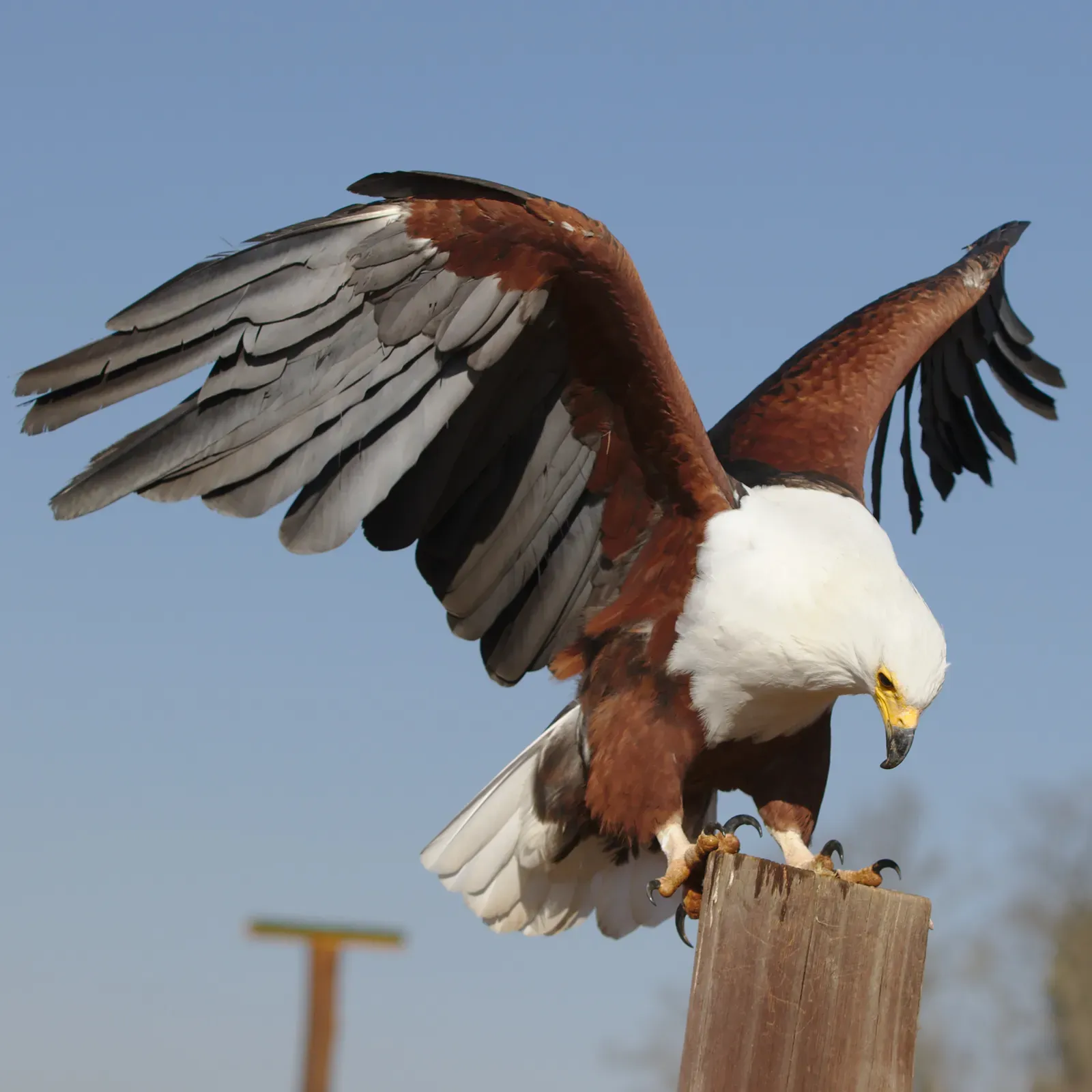
Fish dominate the menu, but these eagles devour ducks, flamingos, baby crocs, lizards, frogs, and carrion too. In soda lakes, flamingos become snacks. Versatility shines during dry spells.[3]
They snag termites, monkeys, even chickens near villages. No prey too odd if hunger strikes. This flexibility keeps populations thriving.[5]
9. Epic Takedowns of Monster Fish
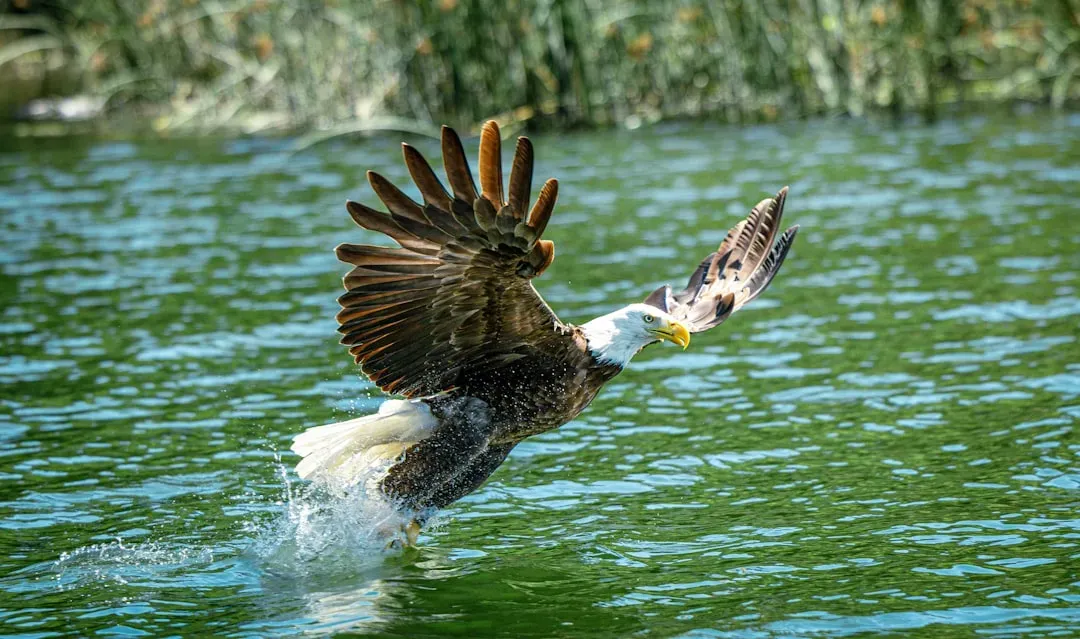
For hefty catches over 2 kilograms, they plane across water or swim ashore with butterfly strokes. Wings paddle like flippers until they beach the prize. Pairs often share these feasts on the ground.[1]
Smaller fish get airlifted to perches effortlessly. This drama unfolds daily near big lakes. Talk about determination.[2]
10. Thriving in Diverse Wilds
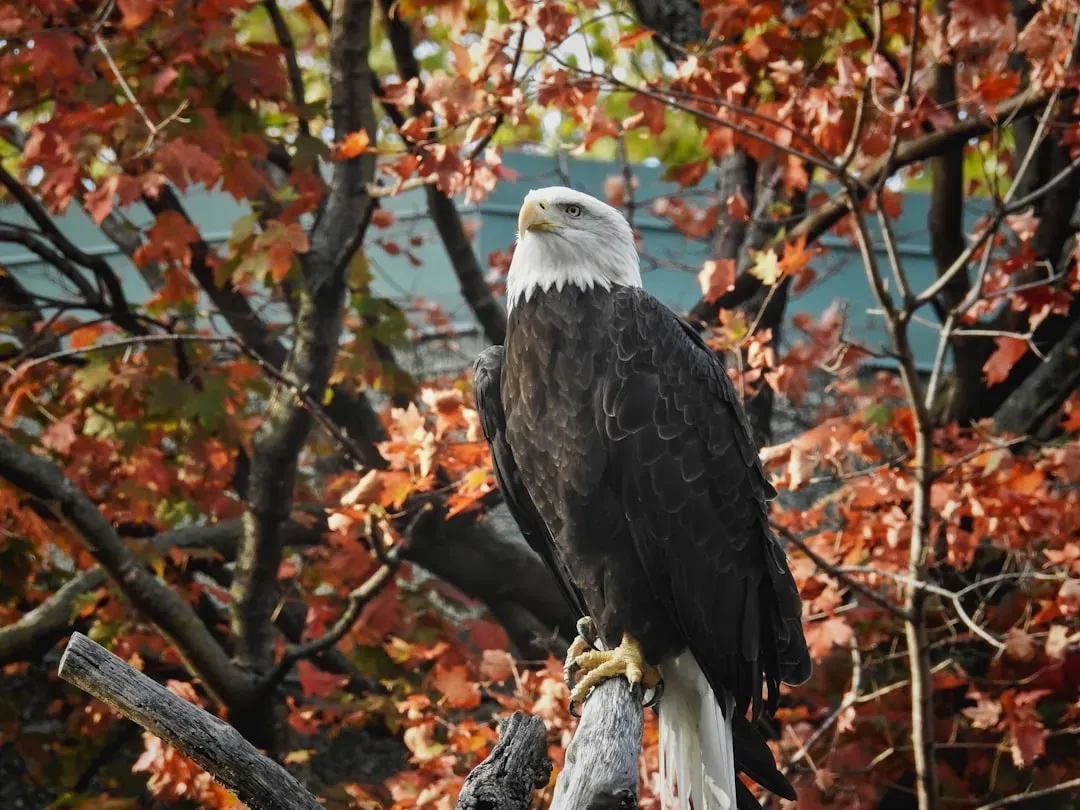
From Okavango Delta swamps to Lake Victoria’s shores, they claim any watery spot south of the Sahara. Grasslands, rainforests, estuaries all host them if fish abound. Absent only from bone-dry zones.[2]
Perches in tall trees overlook prime hunting grounds. Adaptability fuels their wide range. They’re everywhere water calls.[1]
11. Ancient Survivors in Good Shape
Part of the ancient Haliaeetus sea eagle genus, they’re least concern with around 300,000 strong. Lifespans stretch 12 to 40 years for survivors. Nests grow massive over reused years.[5]
Threats like pollution loom, but numbers hold steady. Indicator of healthy ecosystems. A testament to resilience.[4]
Why These Eagles Captivate Us
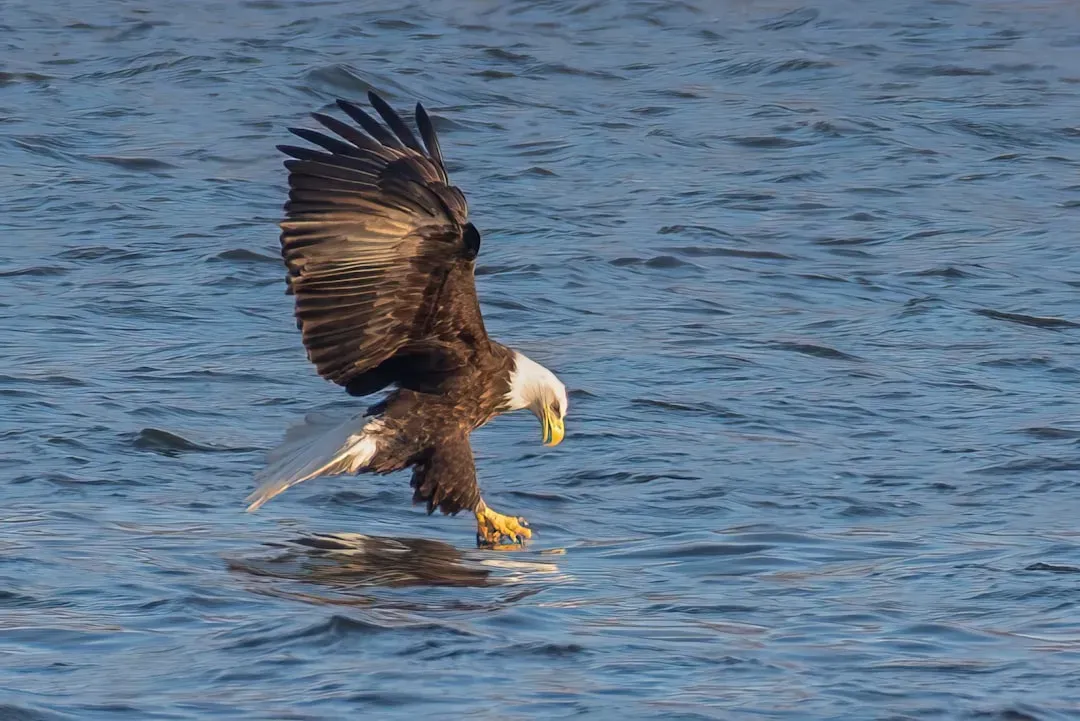
The African fish eagle isn’t just a bird; it’s Africa’s beating heart in flight. These facts show a survivor blending beauty, brains, and brawn across vast wilds. Next time you hear that cry, remember the monarch behind it.
What surprises you most about these sky rulers? Share in the comments below.

- 15 Tender Things an Old Dog Does in the Season Before It Lets Go - July 23, 2026
- 13 Signs a Formerly Overlooked Shelter Dog Has Truly Come Home - July 23, 2026
- 14 Small Memories Your Senior Dog Holds Onto About the Two of You - July 23, 2026