
Nature has been in the invisibility business for a very long time. Long before any sci-fi writer dreamed up cloaking devices or stealth technology, animals were already pulling off disappearing acts so seamless that the world’s best engineers are still playing catch-up. Imagine standing inches away from a creature and not even realizing it’s there. That’s not magic. That’s evolution doing its finest work.
From the deep ocean floor to the snowy tundra, color-changing animals are everywhere. Some shift their appearance in a split second. Others take weeks to make the transition. Some animals are capable of changing their colors with varying degrees of transformation, ranging from very gradual seasonal camouflage occurring only twice a year, to rapid active camouflage or signaling. The diversity in methods is as wild as the creatures themselves. So let’s dive in, because what follows might genuinely surprise you.
The Octopus: A Living Special Effect
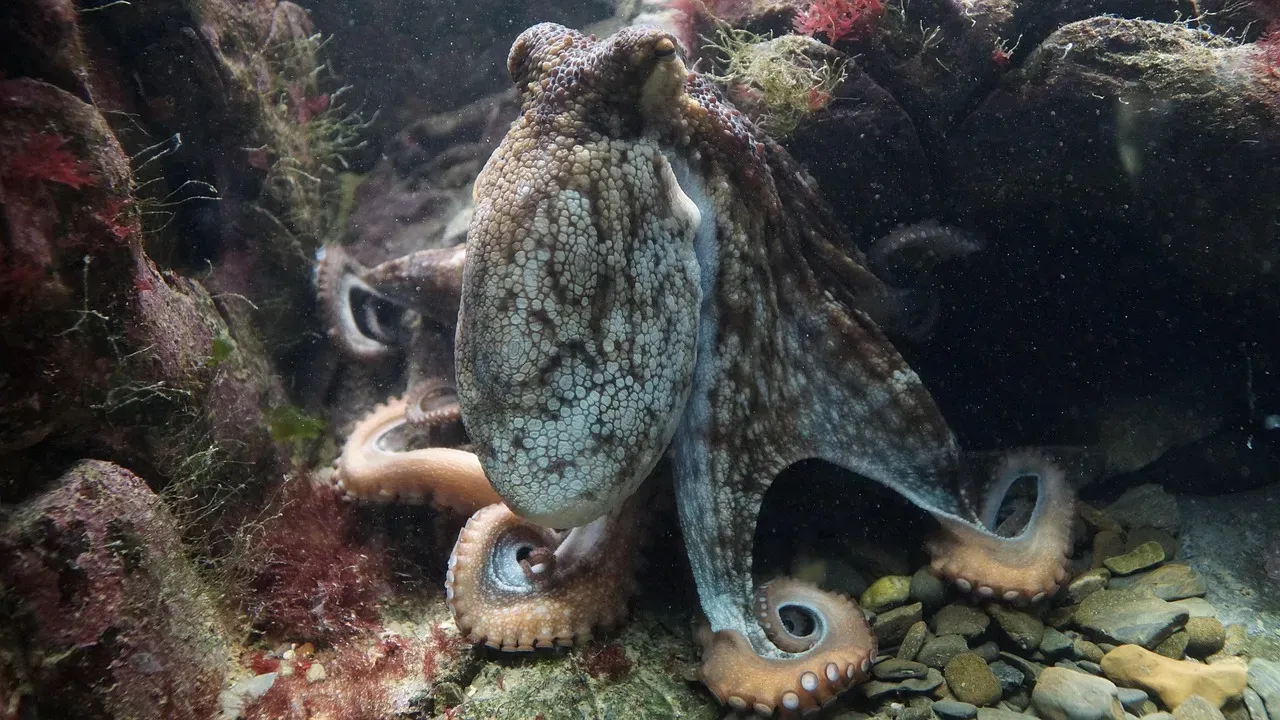
Honestly, if you had to crown one creature as the undisputed champion of disappearing acts, the octopus would be your winner. The most obvious reason such a soft-bodied animal would change color is to hide from predators, and octopuses are very good at this. They can change not only their coloring but also the texture of their skin to match rocks, corals, and other items nearby, by controlling the size of projections on their skin called papillae.
No creature on the planet can change its camouflage as fast and effectively as an octopus, cuttlefish, or squid. These speed merchants of adaptive coloration can change their skin’s color, brightness, contrast, and pattern in as little as 200 milliseconds, one-fifth of one second, as fast as a human eyeblink.
Think about that for a moment. That is faster than you can blink. An octopus must carefully orchestrate between 10 million and 20 million chromatophore organs in its skin, as well as another million or so iridescent cells and several thousand skin bumps called papillae, to tailor its camouflage pattern to every specific microhabitat it stops in while foraging. It’s less like a painter changing colors and more like a living, breathing high-definition display screen.
The Cuttlefish: Nature’s Own Illusionist
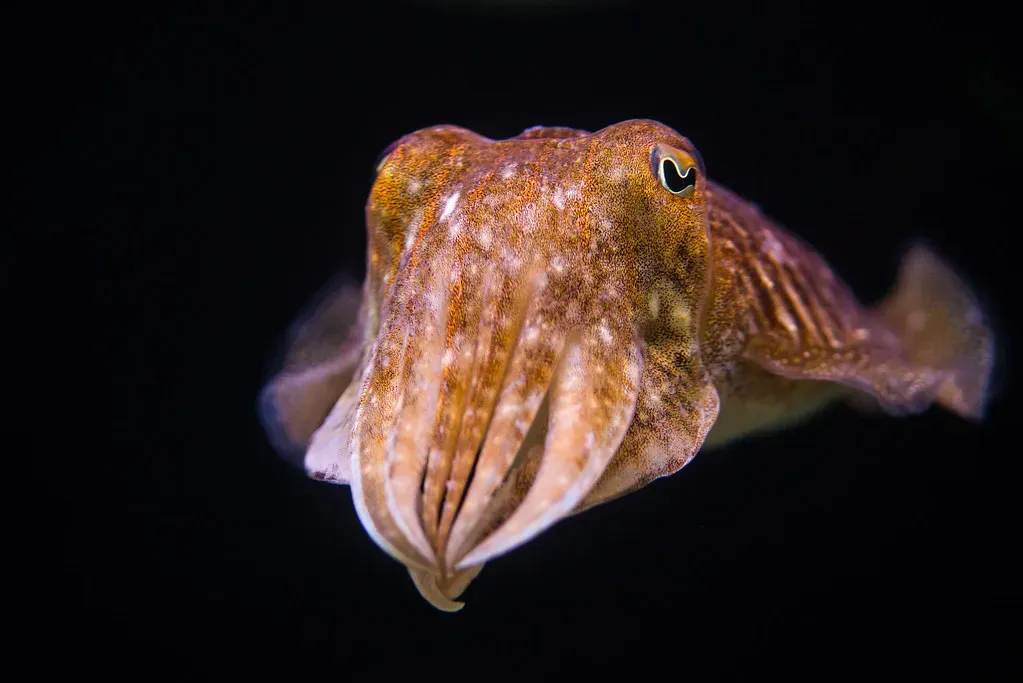
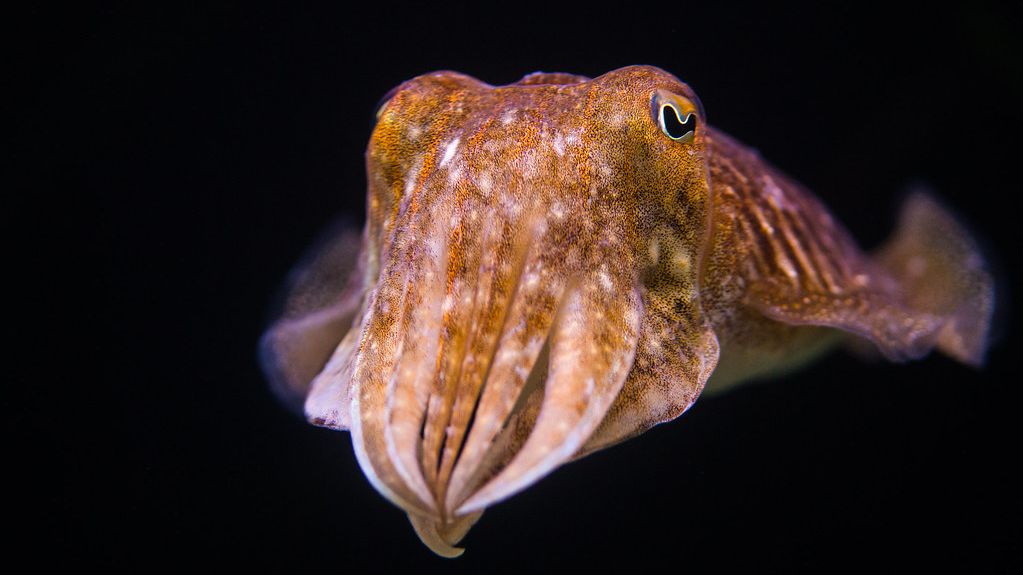
The cuttlefish is, without question, one of the most mind-blowing animals that has ever existed. Cuttlefish are cephalopods that change color to feed on prey and avoid predators craftily, and they have three distinct mechanisms by which they can change color. That’s three separate biological systems working in concert, all in the service of becoming invisible.
Cuttlefish possess up to millions of chromatophores, each of which can be expanded and contracted to produce local changes in skin contrast, allowing them to transform their appearance in a fraction of a second.
What really blows my mind is this: researchers discovered in 2003 that cuttlefish are performing sophisticated camouflage in a pitch-black ocean. This was the first time cuttlefish were seen matching their various surroundings at night. The cuttlefish can seemingly assess the color, contrast, and texture of their surroundings and emulate it, in seconds, in total darkness.
Cuttlefish sometimes clump up, shrivel, and hide their arms to look like a tuft of algae, and baby giant cuttlefish hiding among seaweeds have been recorded sending waves of shaded dark brownish-green pigments across their body to copy the motion of swaying seaweed. They don’t just match a color. They impersonate movement itself.
The Mimic Octopus: The Master of Stolen Identities
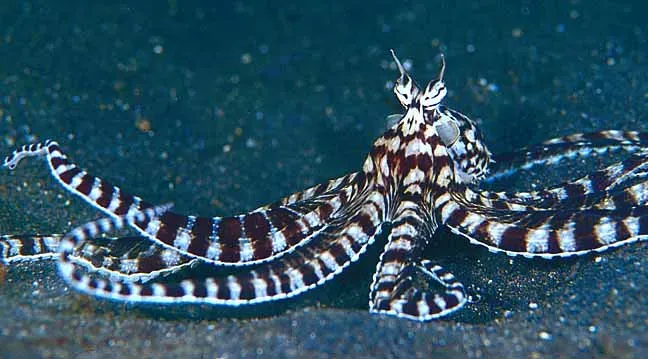
If the common octopus is a master of camouflage, the mimic octopus is on a completely different level. It doesn’t just blend in with rocks or sand. It pretends to be other animals entirely. Native to the Indo-Pacific region, this octopus can change its color, shape, and texture to appear like animals such as lionfish, flatfish, and sea snakes. It can also impersonate sand anemones, stingrays, mantis shrimp, and jellyfish.
It has been known to impersonate more than 15 different marine species, including flounders, lionfish, and sea snakes. That’s not instinct. That’s something resembling actual decision-making. Researchers note that it can select which creature to impersonate based on local threats or opportunities, suggesting a high degree of perceptual awareness, advanced neural control, and memory. By adjusting shape, color, and movement, it exhibits a strategy that seems more purposeful than mere reflex.
There’s something almost philosophical about an animal choosing which lie to tell based on its audience.
The Chameleon: The Celebrity of Color Change
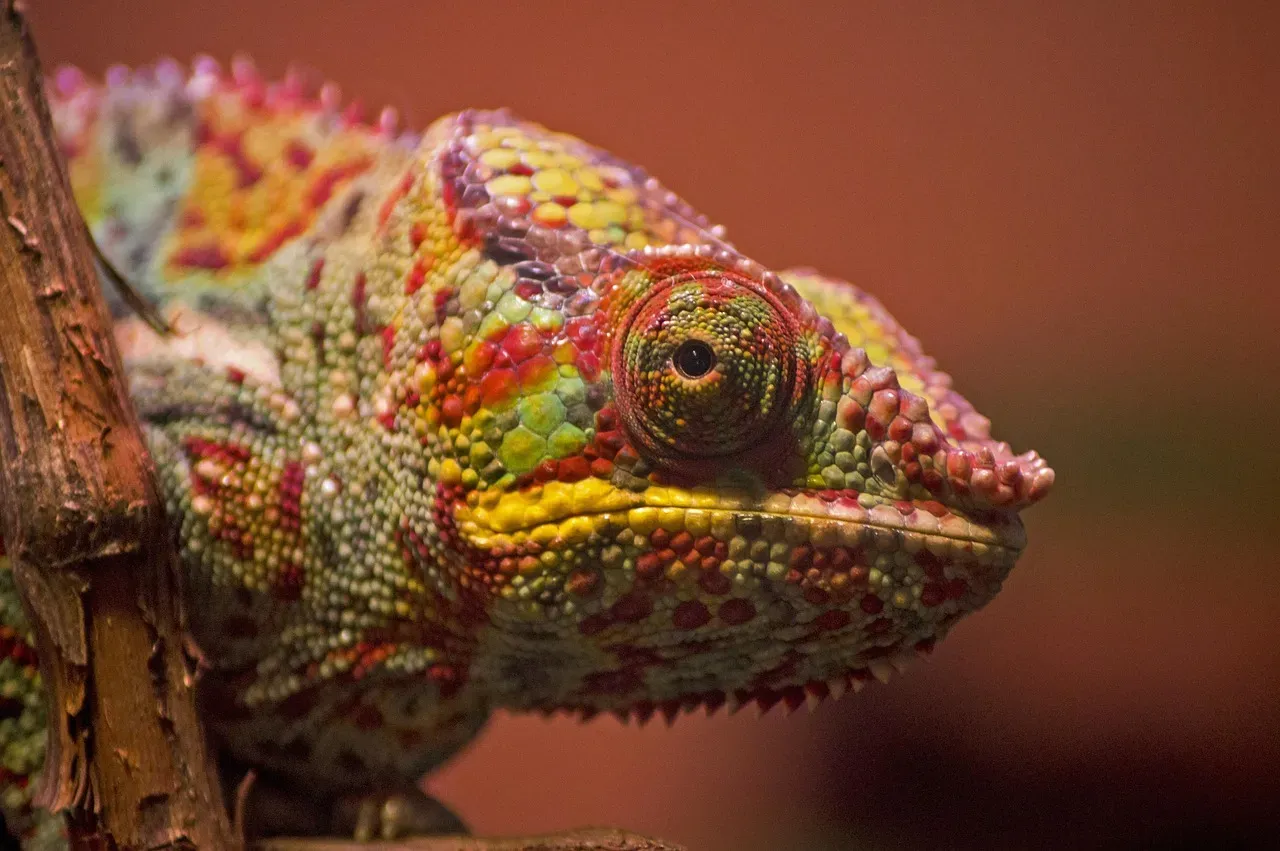
Let’s be real, the chameleon is the animal everyone thinks of first. It’s the poster child of color shifting, the one kids draw in school projects with rainbow-striped skin. Here’s the thing though: most people completely misunderstand why chameleons actually do it. Most people picture chameleons changing colors to blend in with their surroundings, but in real life, that’s rarely the case. The most common reasons chameleons change colors are maintaining body temperature, communicating, and expressing moods.
Chameleons use a type of cell called an iridophore, which contains reflective crystals. They can stretch their iridophores to change the wavelength, and therefore the color, of the light they reflect. The reflected light from iridophores works in concert with the pigment in the chromatophores to produce a suite of brilliant blues, reds, and oranges.
Because chameleons are ectothermic, they change color also to regulate their body temperatures, either to a darker color to absorb light and heat to raise their temperature, or to a lighter color to reflect light and heat. So that vibrant color change you saw at the zoo? The chameleon might just have been telling you it was cold. Or furious. Or deeply in love.
The Crab Spider: A Slow-Burn Ambush Artist
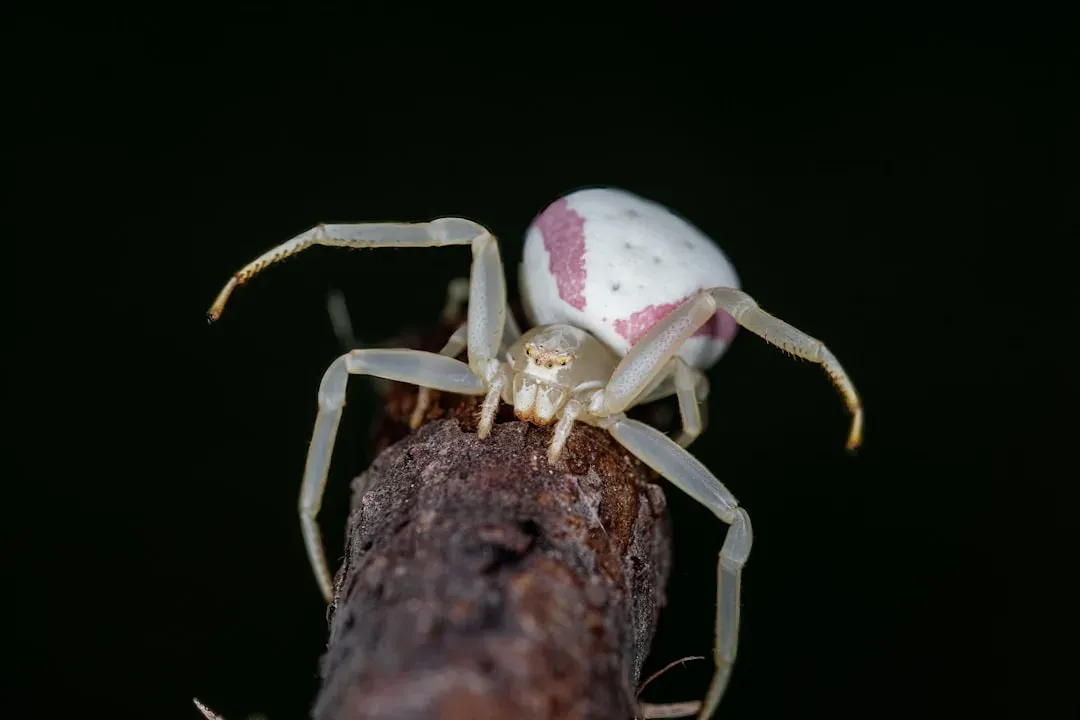
The goldenrod crab spider takes a completely different approach to the whole color-change game. No lightning-fast transformations here. This creature plays a patient, long game, and it pays off spectacularly. Goldenrod crab spiders can flip their camouflage if they change locations. They lie in wait for prey on white or yellow flowers, changing their colors to match the flower they live on.
The color change from white to yellow takes anywhere from 10 to 25 days. The flower spiders patiently wait for the completion of the process before they can attack their prey. It’s the ultimate slow-cooked ambush strategy, like setting a trap and then waiting nearly a month before springing it.
They match the petals of flowers while hunting pollinators like bees. Interestingly, the males are much smaller and cannot change color at all. The females handle all the color-shifting work. You could call it a very one-sided division of labor.
The Arctic Fox and Stoat: Winter White Warriors
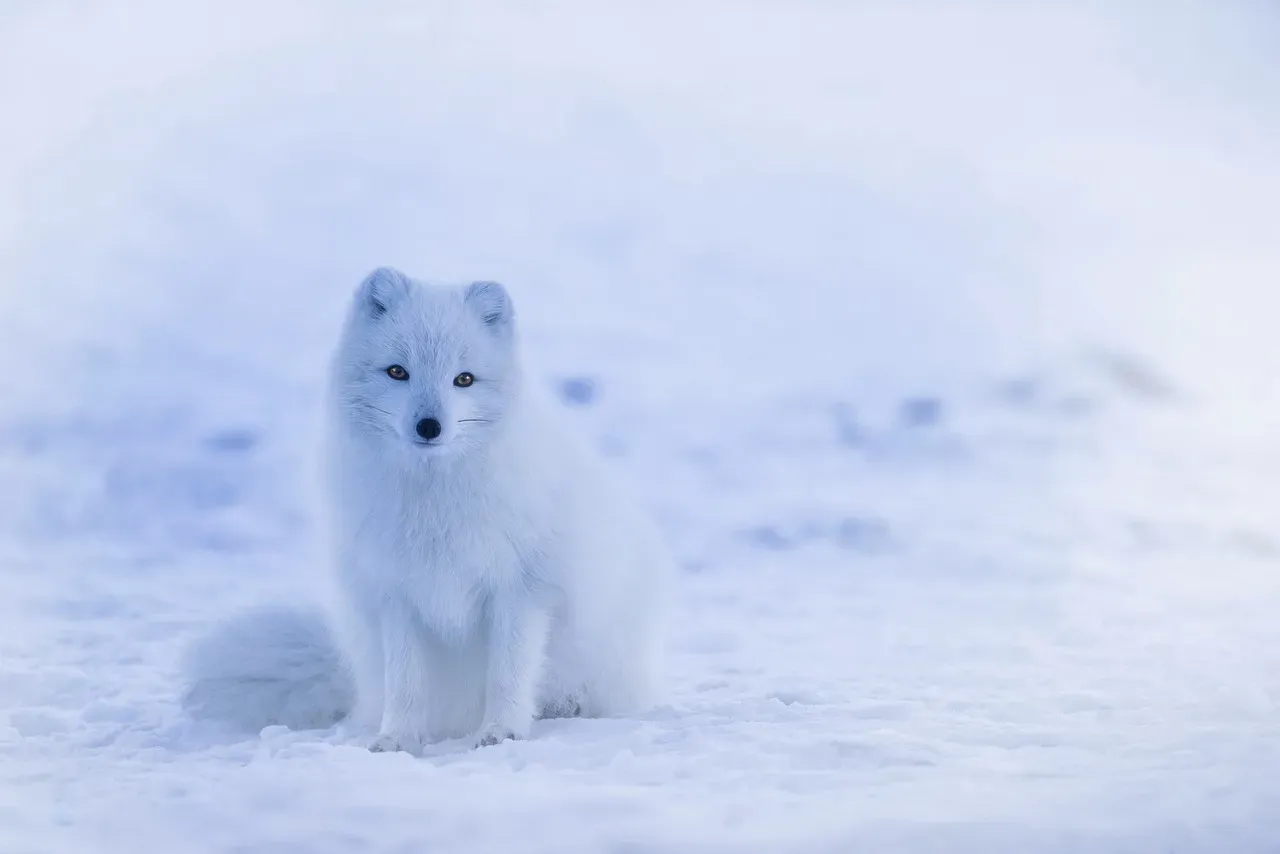
Not every color transformation happens in an instant. Some of the most effective camouflage in the natural world unfolds over weeks, driven by the changing of the seasons. The Arctic fox undergoes a seasonal coat change, transforming from brown and grey in summer to white in winter, helping it camouflage in snowy conditions. This Arctic animal moults and grows a new coat when the temperature shifts with the seasons.
The stoat follows a strikingly similar strategy. Similar to the Arctic fox, the stoat changes its coat with the seasons for effective camouflage, appearing brown in summer and bright white in winter, with a distinctive black tail tip.
While camouflage helps the grouse hide, stoats are predators. Their camouflaged white coats help them blend into snow, making it easier to hunt small mammals and birds. So the very same white coat that helps a prey animal hide from a predator also helps a predator hide from its prey. Nature, as always, is wonderfully indifferent about which side wins.
More than 20 species of birds and mammals in the northern hemisphere undergo total color transformations from brown to white between summer and winter. As days shorten in fall and lengthen again in spring, these animals receive hormonal signals that trigger the turnover of fur or feathers.
The Rock Ptarmigan, Flounder, and Seahorse: Three Surprising Contenders
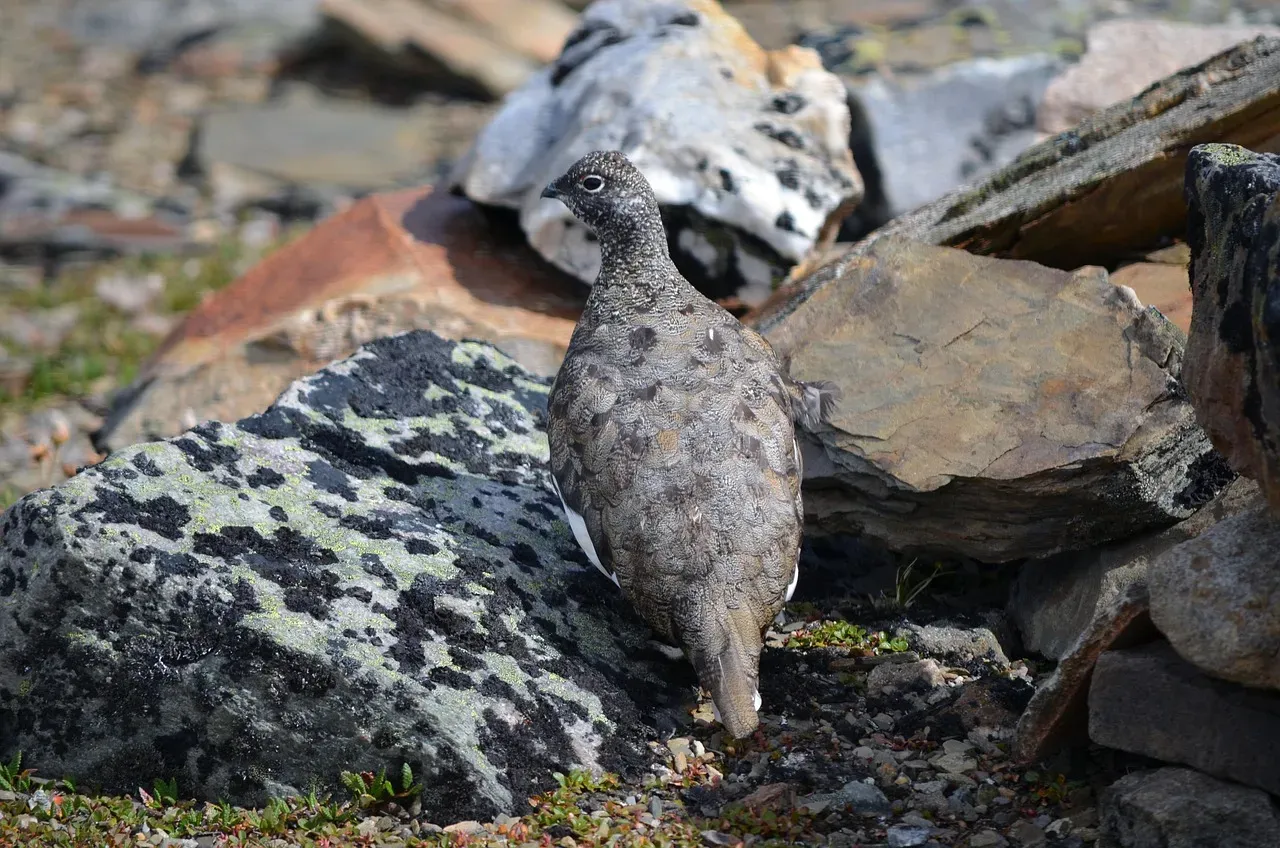
These three don’t always get the spotlight they deserve. The rock ptarmigan is an extraordinary bird. The striking Lagopus muta changes its colour seasonally, with plumage transforming three times a year to match its environment. In summer it is mottled brown or grey to blend into rocks; in autumn it transitions into a mix of brown and white; and by winter it is fully covered in pure white plumage to match the snow. Even the feathers on its legs and feet adapt to the season.
The flounder takes a more technologically fascinating approach. When a flounder moves to a new environment, the retina in its eyes captures the new color. The color seen by the eyes is then transmitted to specialized skin cells. The cells adjust their pigmentation to match the surface color. Scientists have discovered that flounders depend entirely on their vision to change color. When their eyes are damaged, they have significant difficulties camouflaging to their surroundings.
Seahorses are perhaps the most underrated shape-shifters in the ocean. Thanks to their diminutive size, seahorses need all the help they can get to avoid predators, which is a primary reason for their color shifts, but not the only one. They also adapt colors to hunt, communicate with fellow seahorses, and to attract a mate. In a dangerous situation, a seahorse can change color in a matter of seconds.
Pygmy seahorses are tiny creatures measuring about an inch in length. They live on sea fans and soft corals across the Indo-Pacific. Their skin sports tiny bumps and colorations that match the coral’s form and shade, leaving them nearly invisible on a busy reef. Finding one in the wild is like searching for a specific grain of sand on a beach.
Conclusion: The Art of Disappearing
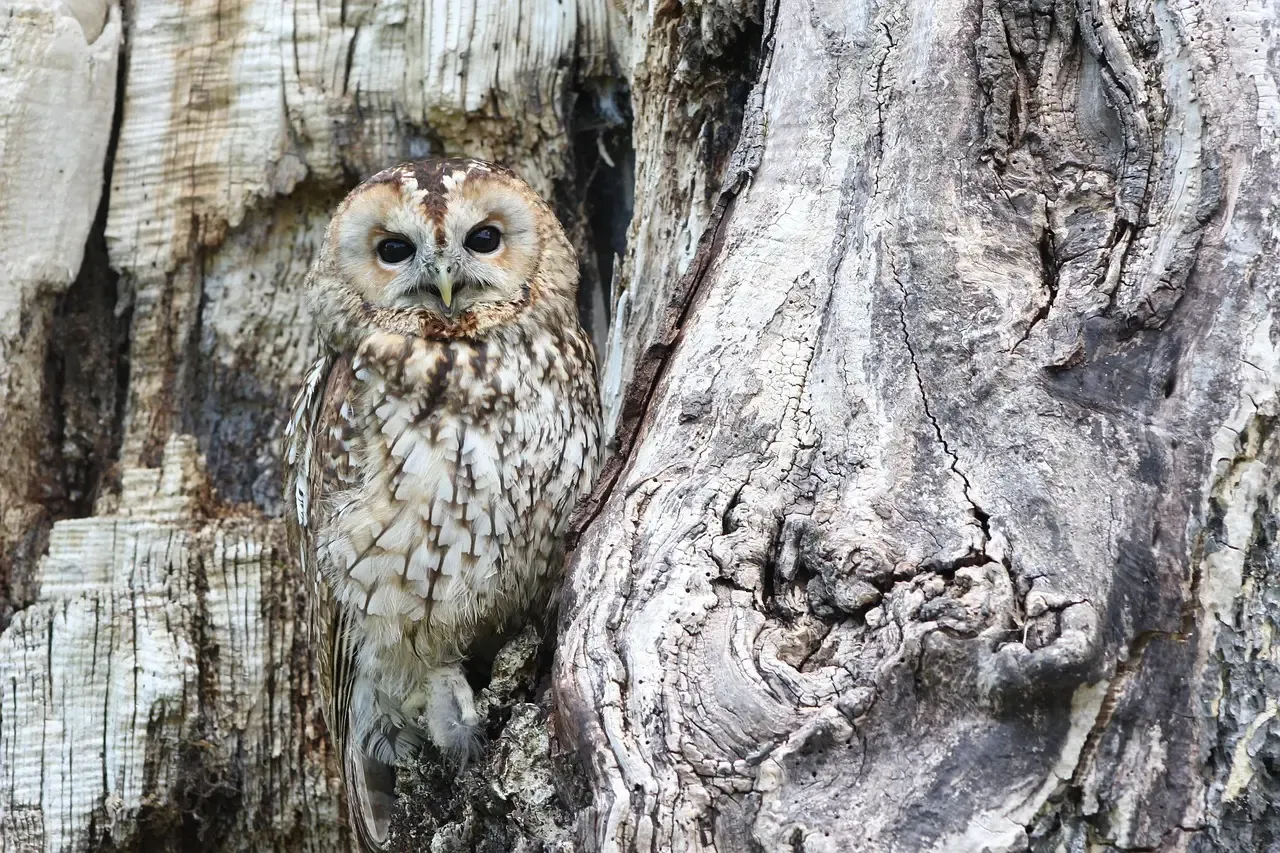
There’s something deeply humbling about realizing that the most sophisticated camouflage technology on Earth has been operating in nature for hundreds of millions of years. Camouflage can be a crucial defence against the threat of predation, ensuring a species remains undetected, unrecognised or untargeted. While background matching is a widespread tactic, it can be less useful when a species is highly mobile and a habitat changeable.
Evolution found a way around that problem, repeatedly, in creatures as different as a spider sitting on a flower and a cephalopod transforming its skin in total darkness. From dimming-down frogs to seaweed-simulating prawns, wildlife is still offering up its secrets when it comes to colour change. Perhaps the greatest surprise of all is that, despite their talent for dynamic and dizzying performances, most cephalopods appear to be colour-blind.
That last point is worth sitting with. The greatest masters of color change on the planet likely cannot see most of the colors they produce. It’s enough to make you wonder how many other spectacular things in nature are happening in ways we haven’t even begun to understand.
What would you have guessed was the fastest color-changer in the animal kingdom before reading this? Tell us in the comments.
