

It is often said that we know more about the surface of the Moon than the bottom of our own ocean. That thought should stop you dead in your tracks. Down in the fathomless dark, where sunlight has never once reached, where pressure would crush a human body like a soda can, and where temperatures hover barely above freezing, something extraordinary is quietly thriving. Life. In forms you could barely imagine.
In the darkest reaches of our oceans, where pressures exceed 1,000 atmospheres and sunlight never penetrates, extraordinary creatures have evolved remarkable adaptations that push the boundaries of biological innovation. Honestly, it’s one of the most humbling realities on this planet. The deep ocean is not a dead zone. It is a world unto itself, teeming with beings that have spent millions of years solving problems that would kill anything we know on land. Let’s dive in.
A World of Crushing Darkness: Understanding the Deep Ocean
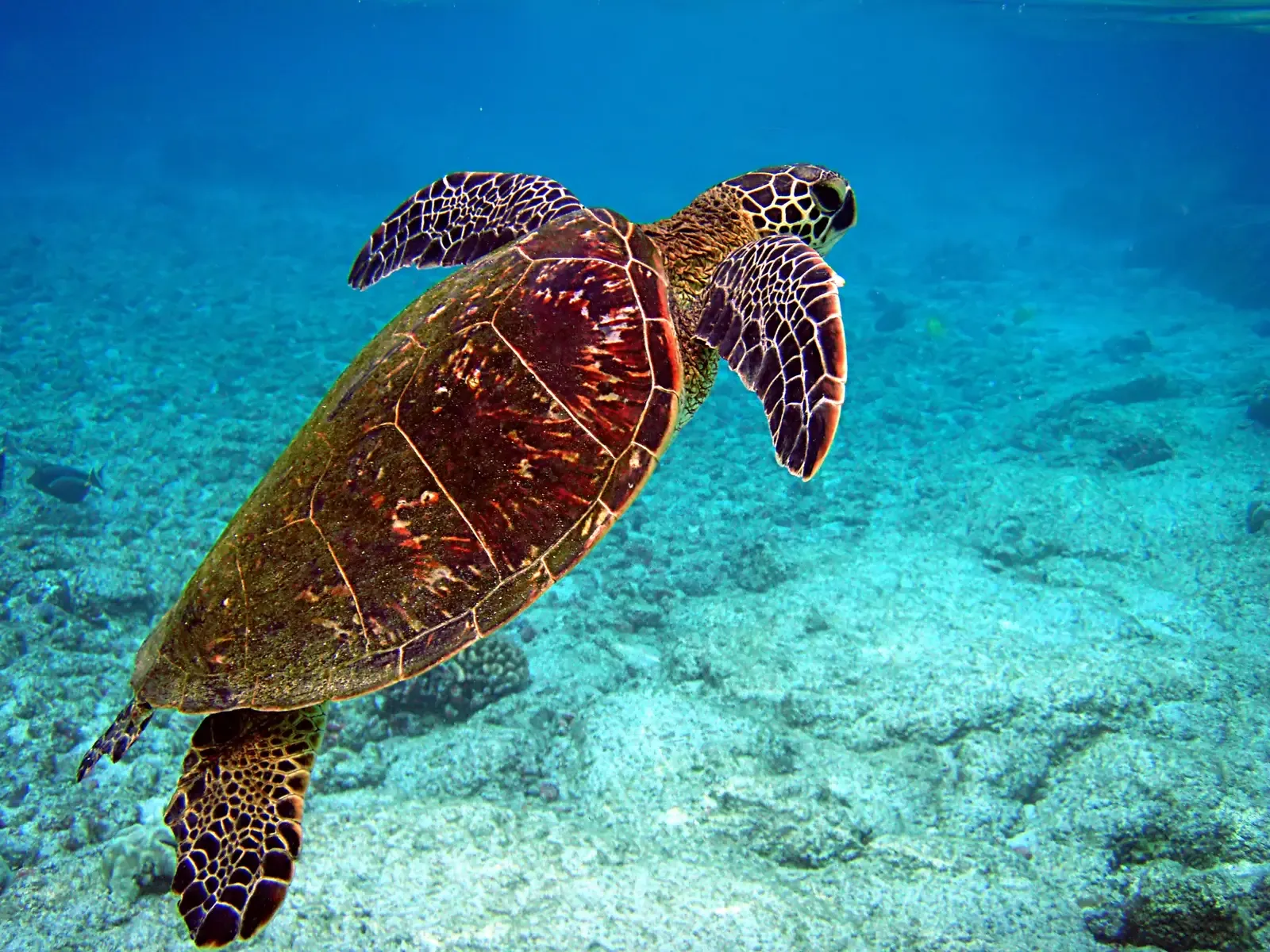
Most people picture the ocean as a sunlit, coral-filled wonderland. That is barely a thin sliver of the whole picture. Scientists define the deep sea as encompassing all ocean waters below 656 feet, or 200 meters. In these regions, sunlight filtering through the water begins to dwindle, giving way to a realm of complete darkness, frigid temperatures, and crushing pressure.
The abyssopelagic zone is the layer of ocean between 4,000 and 6,000 meters deep. No sunlight reaches here. Water pressure reaches 600 times what we feel on land, while temperatures hover just above freezing, between 1 and 4 degrees Celsius. Think of it this way: that is the equivalent of stacking roughly 600 elephants on top of a single square inch.
The hadalpelagic is the very deepest part of the ocean, including the ocean trenches. It extends from 19,700 feet down to the very bottom of the Mariana Trench at 36,070 feet. The very deepest depth of the ocean is roughly 2,000 meters deeper than Mount Everest is tall. That number is staggering every single time.
Bodies Built for the Impossible: Physical Adaptations to Extreme Pressure
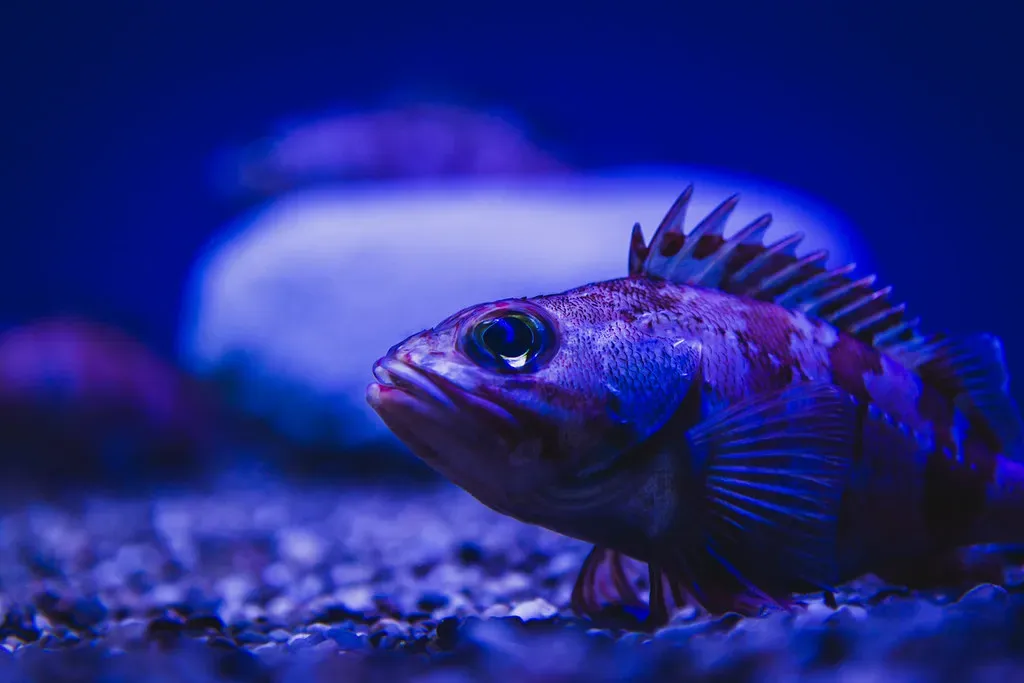
Most fish utilize a swim bladder, which is a gas-filled sac, to regulate their buoyancy. Most deep-sea creatures do not have this buoyancy regulator because the high hydrostatic pressure would rupture the sac. Rather, their lighter skeleton and body, being more gelatinous and having a high water concentration, are slightly less dense than water, allowing them to float above the ocean floor.
Instead of a gas-filled swim bladder, many deep-sea organisms use a fatty liver, extremely low-density bones, or gelatinous tissues to help them stay neutrally buoyant. It is a completely different engineering solution. Think of it like swapping out rigid steel beams for flexible rubber. Same function, entirely different material.
Deep-sea animals have evolved remarkable cellular and physiological adaptations to withstand crushing pressures that can exceed 1,000 atmospheres in the hadal zones. At the molecular level, these creatures possess specialized proteins that maintain their structure and function even under extreme compression. Their cell membranes contain unique lipid compositions that remain fluid and functional despite the intense pressure.
The deepest living snailfish are found in the genus Pseudoliparis and were among the first deep-sea fishes to have their genome sequenced. This revealed how these animals adapted to life where the pressure is 1,000 times greater than at sea level. Its stomach takes up much more space than in other snailfish, which is thought to allow it to eat a lot when it comes across scarce prey. Its skeleton is soft and flexible to tolerate the extreme pressure, while it is covered in a gelatinous layer rather than scales.
Bioluminescence: Nature’s Most Breathtaking Light Show
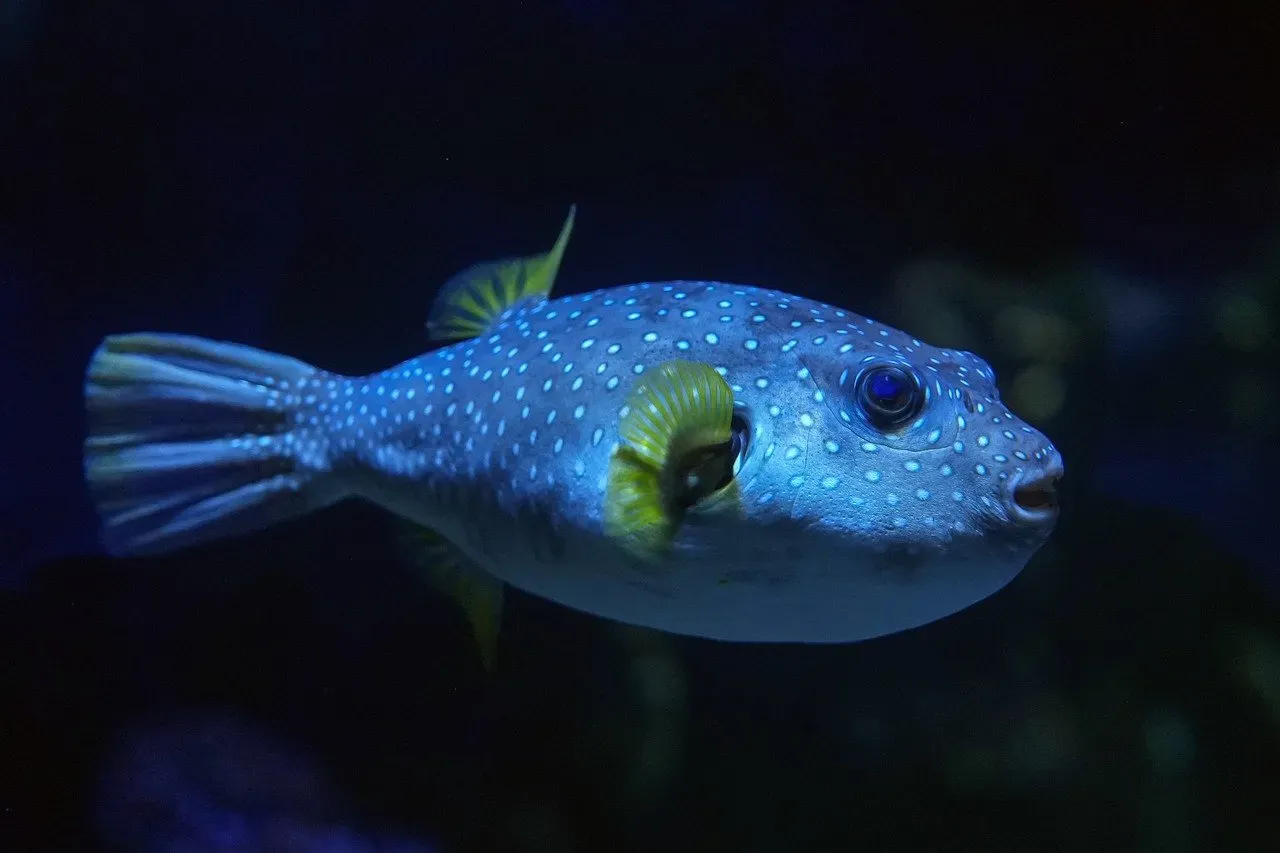
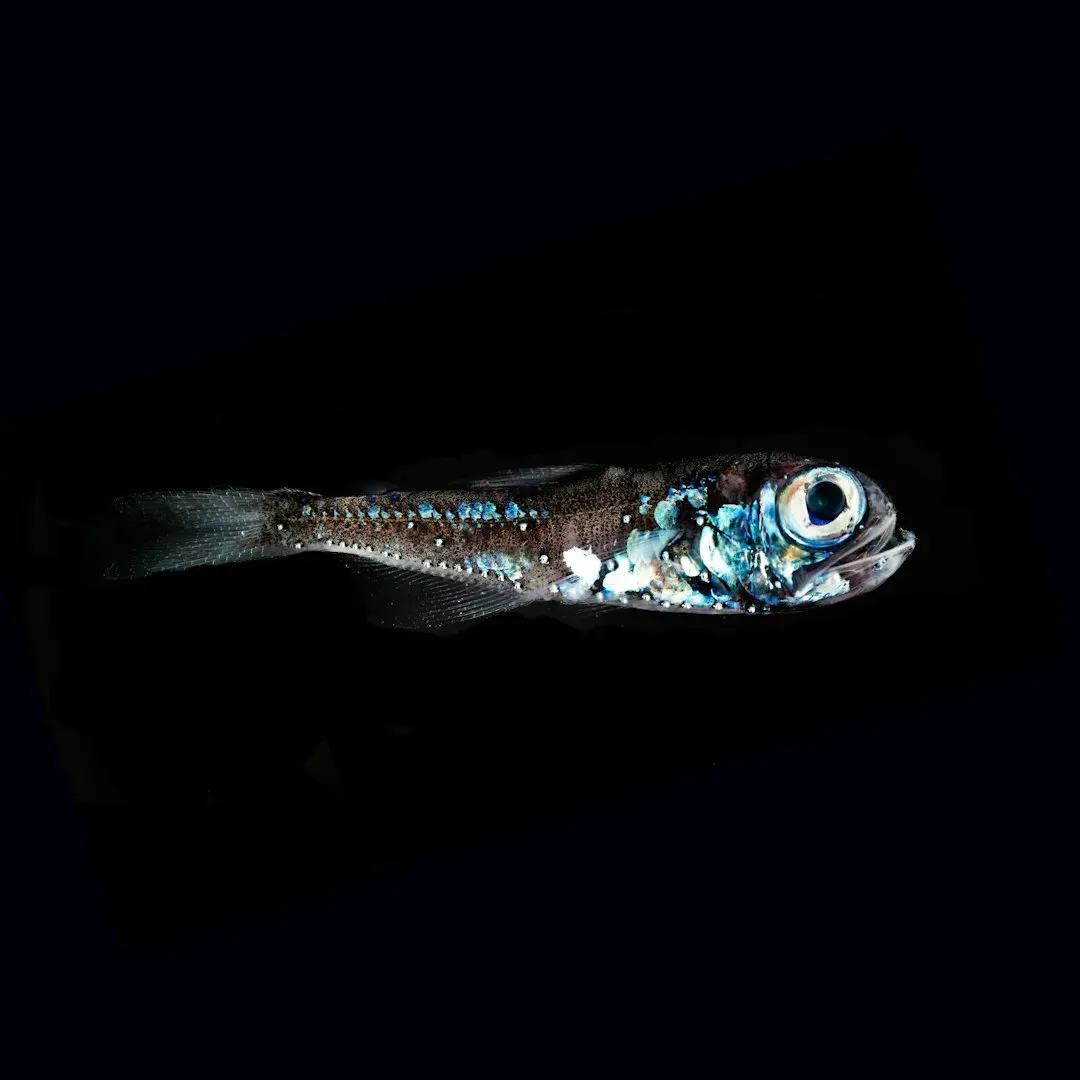
In the perpetual darkness of the deep ocean, an extraordinary adaptation illuminates the abyss: bioluminescence. This remarkable ability to produce living light is so prevalent that scientists estimate over 90% of bioluminescent marine organisms in the mesopelagic zone possess this capability. Ninety percent. Let that sink in. Almost everything down there glows.
The chemistry behind this natural light show involves a chemical reaction between a compound called luciferin and an enzyme called luciferase, with oxygen acting as a catalyst. Different species have evolved unique ways to house and control these light-producing chemicals, from specialized light organs called photophores to symbiotic relationships with bioluminescent bacteria.
Deep-sea creatures employ bioluminescence for various survival strategies. The anglerfish famously uses a glowing lure to attract prey, while flashlight fish create confusion with quick bursts of light to escape predators. It’s the deep ocean equivalent of a neon sign, except here, the sign is used to hunt, hide, and communicate all at once.
Feeding in the Abyss: Extraordinary Mouths and Strange Diets
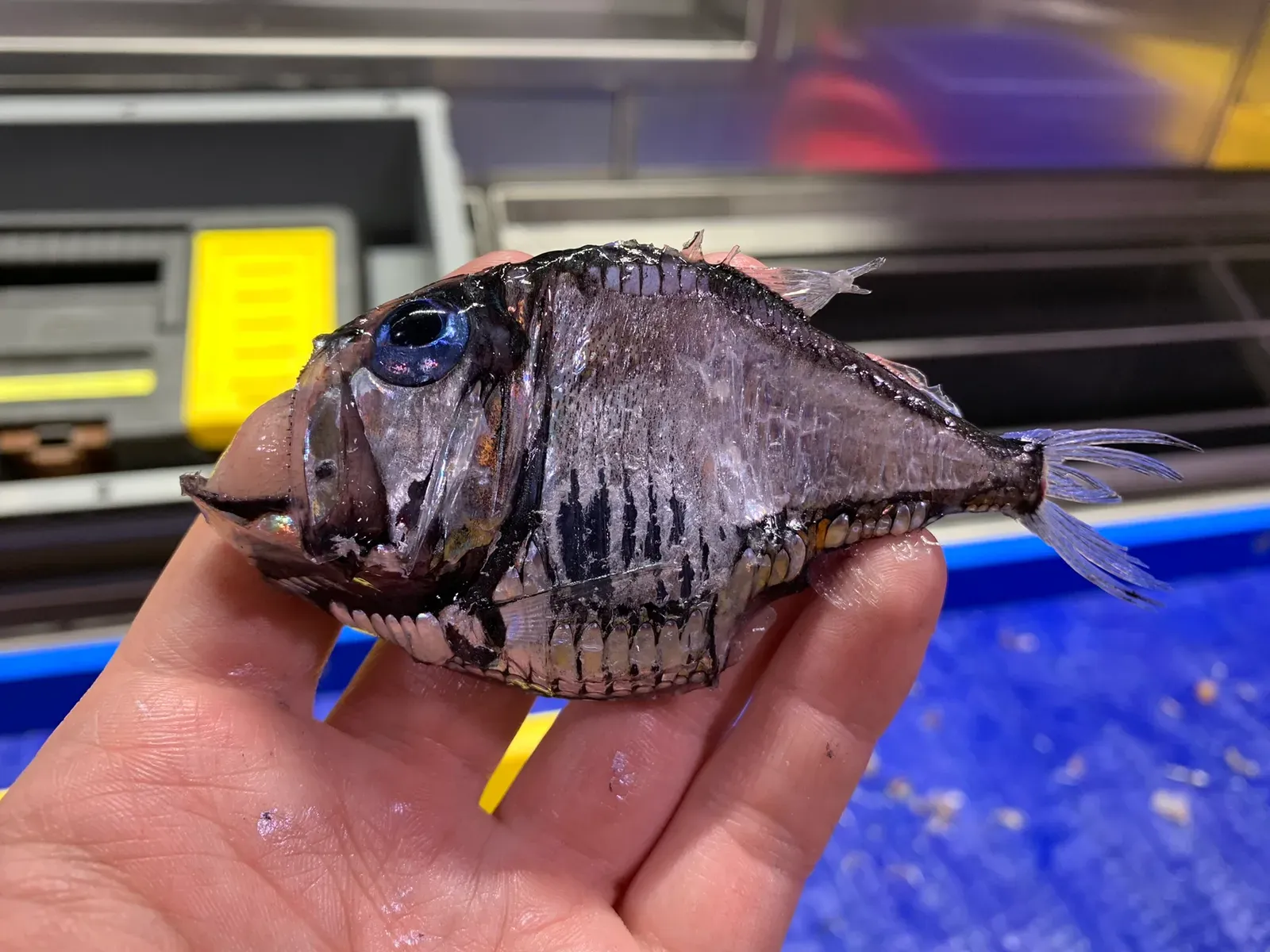
Let’s be real: finding food at the bottom of the ocean sounds almost impossible. The deeper you go, the less nourishment filters down from above. Yet evolution, brilliant and ruthless as ever, found a way. In the extreme depths of the ocean, survival often depends on specialized feeding adaptations. Many deep-sea creatures have evolved extraordinary mouth modifications that showcase nature’s incredible capacity for innovation. The dragonfish features a hinged jaw that can unhinge like a snake’s, allowing it to consume prey larger than its own body size.
The gulper eel demonstrates one of the most dramatic deep-sea hunting strategies with its massive, pelican-like mouth that can expand to swallow prey many times its size. This remarkable adaptation helps compensate for the scarcity of food in the deep ocean, allowing the eel to take advantage of any feeding opportunity that presents itself.
Many species, such as the vampire squid, utilize a unique feeding method known as detritivory, where they consume organic material that sinks to the ocean floor. This adaptation is vital in a nutrient-scarce environment where food sources are limited. And then there is the phenomenon known as “marine snow.” Scientists from the Woods Hole Oceanographic Institution found what became known as marine snow, in which particulate organic matter is repackaged into much larger particles which sink at much greater speed, falling like snow. Because of the sparsity of food, organisms living on and in the bottom are generally opportunistic.
Life Without Sunlight: Chemosynthesis and Hydrothermal Vents
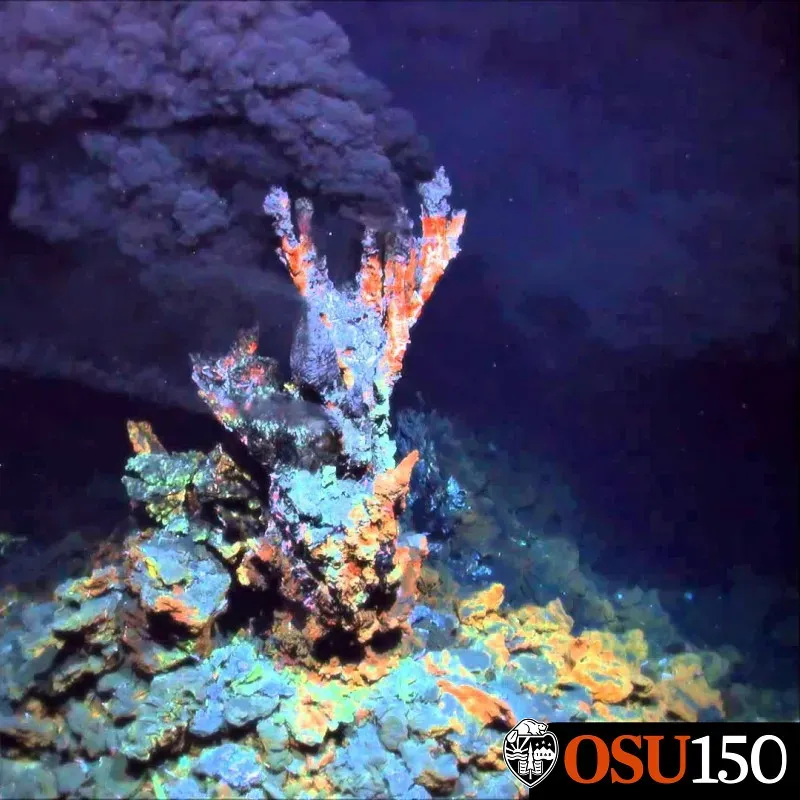
Here is the part of the deep-ocean story that genuinely rewrites what we thought we knew about life itself. Almost all life on Earth is supported by light from the sun. However, in the total darkness at the bottom of the world, some creatures live off of chemicals such as methane seeping through cracks in the seafloor, a process called chemosynthesis. No sunlight needed. Not even a little.
Upon first discovering hydrothermal communities in 1977, scientists were perplexed by the diversity and abundance of life. The Riftia worm’s blood-red plumes filter the water and absorb both oxygen and hydrogen sulfide from the vents. Hydrogen sulfide is normally poisonous, but this worm has a special adaptation that isolates it from the rest of its body. Its blood contains hemoglobin that binds tightly to both oxygen and hydrogen sulfide. That is not just survival. That is alchemical genius.
A Chinese submersible has discovered thousands of worms and mollusks nearly 10 kilometers below sea level in the Mariana Trench, the deepest colony of creatures ever observed. The discovery suggests that there could be much more life thriving in the hostile conditions at the bottom of our largely unexplored oceans than previously thought. This discovery, published in the journal Nature, is one of the most astonishing recent findings in marine science.
The Slow, Patient, and Invisible: Metabolism, Camouflage, and Sensing the Dark
Not every survival skill involves claws, teeth, or glowing lures. Some deep-sea creatures have mastered the art of simply enduring. In the cold and nutrient-poor depths, metabolic rates slow down to conserve energy. Some deep-sea animals, such as the Greenland shark, exhibit an exceptionally slow pace of life. These animals can live for centuries, and their longevity is a testament to their ability to adapt to the challenges of their environment. Centuries. While we stress over a single decade.
Camouflage is a critical adaptation in the deep sea, where the ability to blend into the surroundings is a matter of life and death. Creatures like the cuttlefish and the glass squid have mastered the art of disappearing into the abyss, either by changing colors and patterns or by becoming transparent, rendering them nearly invisible to predators and prey alike.
Some shrimps are distinguished by their large, sensitive eyes that allow them to detect the faintest light in near-total darkness. Covering their bodies and antennae are fine sensory hairs called setae. These setae detect chemical signals and movements in the water, aiding in navigation and the location of food particles. Without working eyes in any meaningful way, these creatures have essentially built an entirely new kind of sensory system from scratch.
Giant isopods are an example of deep-sea gigantism, an evolutionary pattern in which deep-dwelling creatures grow much larger than their relatives in other habitats. Deep-sea gigantism may result from a lack of predators in the ocean’s deepest corners and from the need for organisms to carry more oxygen at great depths. It’s the deep ocean’s own version of going big or going home.
Conclusion: The Deepest Frontier Still Holds Its Secrets
We still know very little about the ocean. It is said that we know more about outer space than the ocean. As we keep exploring, we learn more about deep-sea creatures and how they survive such immense hydrostatic pressure at abysmal depths. That is not a metaphor. That is the sobering scientific reality as we stand in 2026.
One million species live in the sea, but we have only discovered about one-third of them, because they live in deep parts of the ocean that are hard to explore. Think about what that means. Roughly two thirds of all ocean life on this planet remains completely unknown to science.
The deep ocean is not some barren, lifeless void. It is a cathedral of biological ingenuity, shaped by millions of years of pressure, darkness, and scarcity. Every creature down there is a masterpiece of adaptation, a living proof that life does not just endure impossibility. It thrives in it. From the anglerfish’s mesmerizing luminescent lure to the giant isopod’s ability to survive months without food, these adaptations reveal nature’s incredible resilience and offer valuable insights into the limits of life itself. Understanding these remarkable features is crucial as we face growing threats to ocean ecosystems.
The real question worth sitting with is this: if life can flourish under a kilometer of ocean in total darkness, what else is possible in the corners of the universe we have not yet dared to look? What do you think? Tell us in the comments.
