
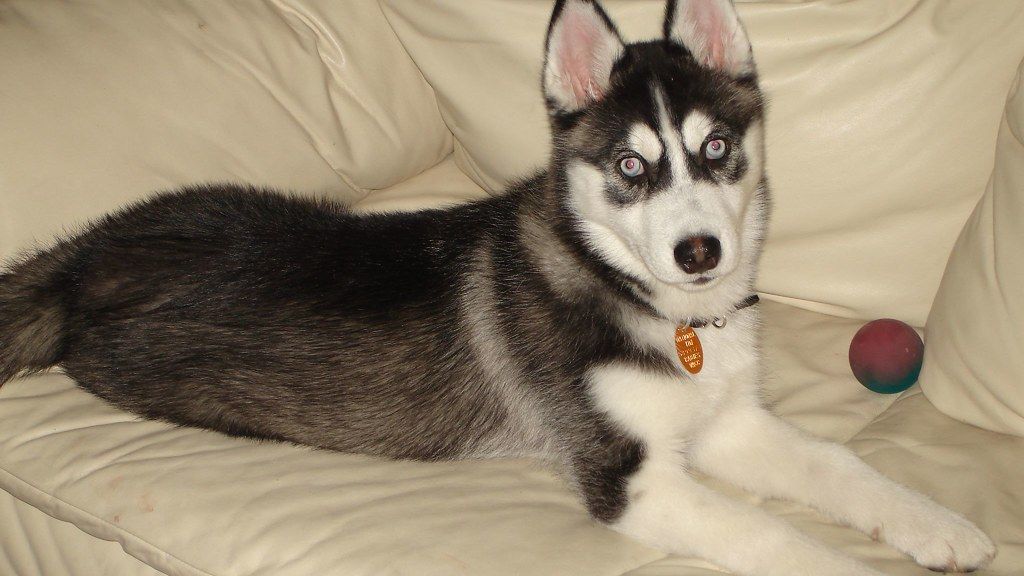
You’ve seen it happen. Your dog marches across the sofa with the confidence of a king, growls at the mail carrier like they personally insulted him, and refuses to move off your pillow unless he decides to. It’s hilarious, a little baffling, and honestly, kind of impressive. But behind all that swagger is something far deeper than simple stubbornness.
There’s actual science, deep-rooted instinct, and even a bit of your own unintentional doing at play here. The truth about why some dogs act like they run the household is simultaneously surprising and absolutely fascinating. Stick around, because some of it might make you look at your furry overlord in a completely different light. Let’s dive in.
It All Starts With Ancient Survival Instincts
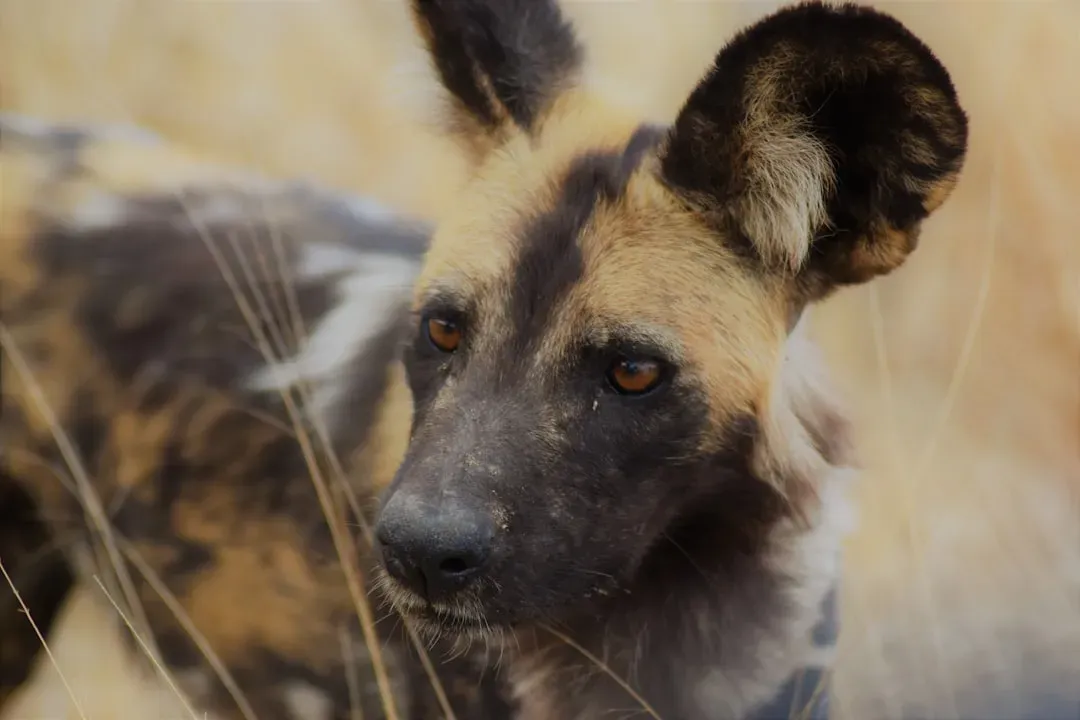
Here’s the thing – your dog is not just being dramatic. Territorial instincts come from a dog’s deep-rooted need to protect resources, a trait passed down through generations. In the wild, dogs guarded their dens, food, and pack members from potential threats. Even though domesticated dogs live in comfortable homes without the dangers of the wild, the instinct remains.
Think of it like a built-in security alarm that never got the memo that the apocalypse is over. A dog’s territorial instincts are like an ancient security system – one that evolved long before Ring doorbells and motion-sensor lights. In the wild, protecting resources meant survival. Territory meant safety, food, and the ability to raise offspring. Our modern dogs inherit this sophisticated system of behaviors, but they’re trying to apply stone-age solutions to digital-age problems.
It’s not aggression for the sake of it. It’s biology doing what biology does.
The Pack Mentality That Never Left
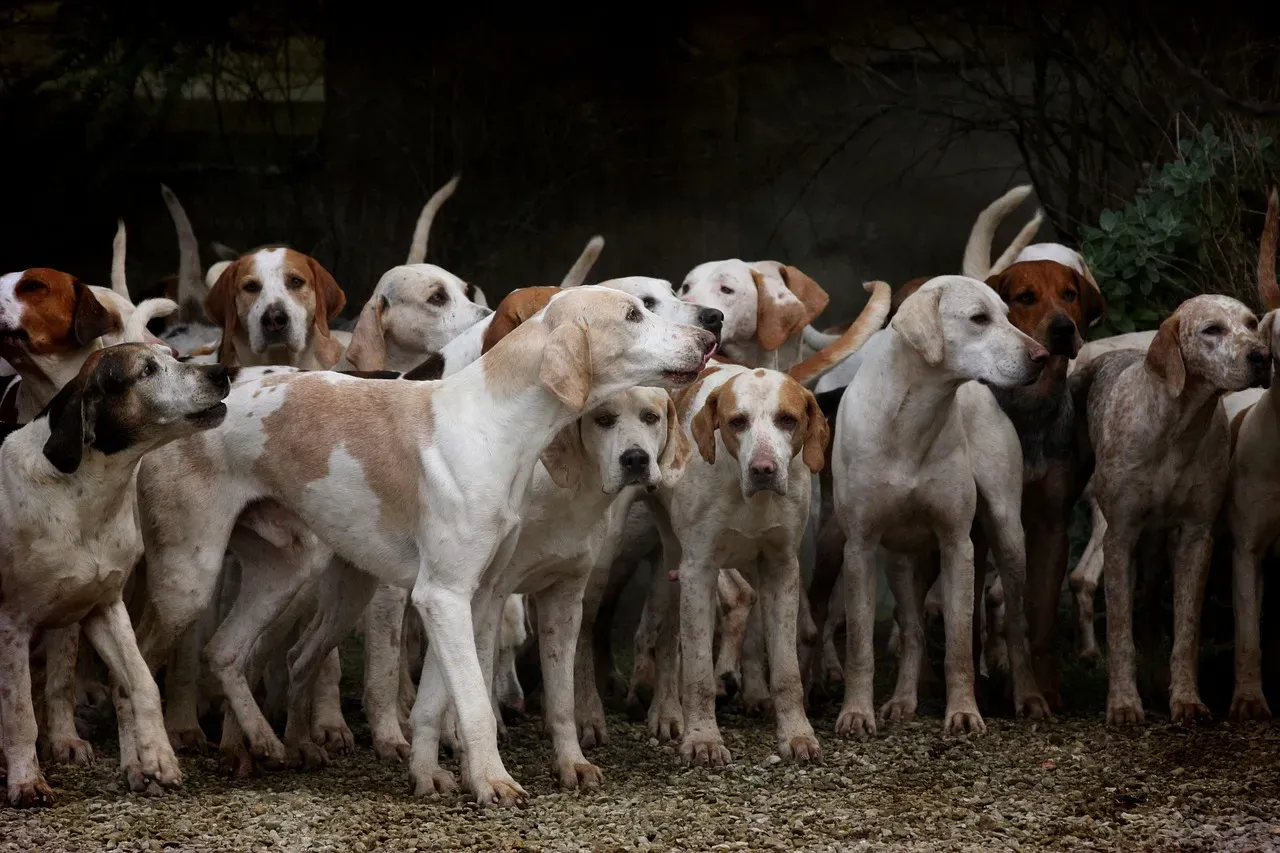
Dogs think of their family as a pack. And in every pack, someone has to be in charge. That’s the part most dog owners accidentally get wrong, and the consequences are more significant than people realize.
In the absence of leadership, the dog fills the void with his own rules – rules you probably won’t like. Dogs in this situation do not know where they fit in the pack and often end up trying to run the household. Imagine moving into a new office where nobody has a manager. Within a week, someone would start making all the decisions. Dogs operate on precisely this logic.
Dogs evolved to hang out in groups with flexible social rules. One dog might act as a pack leader sometimes, but those roles shift around based on what’s happening. So the moment they sense a vacuum, they step right into it. Confidently. With zero hesitation.
Dominance Is Real – Just Not What You Think
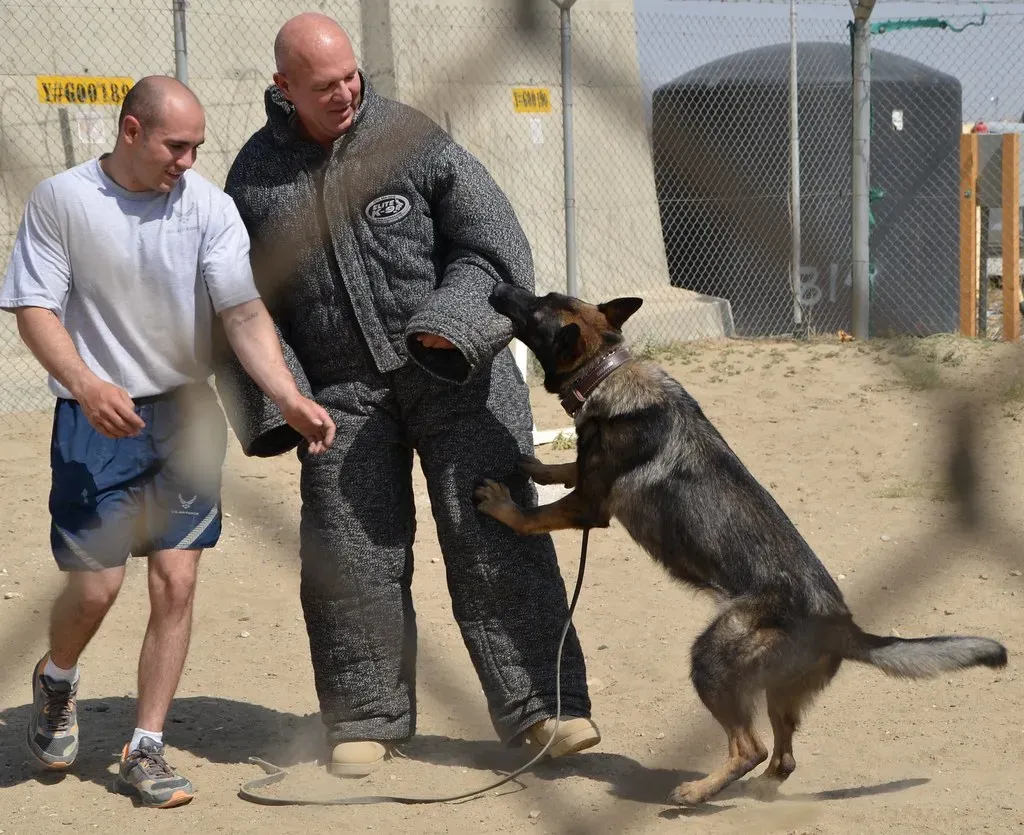
The word “dominance” gets thrown around a lot, often incorrectly. Honestly, it’s one of the most misunderstood concepts in all of dog behavior. The true definition of dominance is a description of status within a stable canine social hierarchy. A dominant animal controls resources such as food, sleeping spaces, and breeding rights. A dominant animal may relinquish its privileges at any time without giving up its dominant status. It is a quality of a relationship, not a personality type.
Dogs are not trying to dominate their owners. That’s a crucial distinction. Most of the time, dominance behavior in dogs comes from learned habits, fuzzy boundaries, fear, or needs that aren’t being met – not because your dog is plotting to rule your house.
Still, the behavior is real and observable. Owners recognize when they see their dog consistently displaying assertive or pushy behavior toward other dogs in the home, consistently getting access to preferred spots, toys, food, or people. A 2019 study noted that in roughly four out of five instances, owners were correct in identifying ethologically valid instances of dominant behavior. So your gut feeling? It’s usually right.
Territorial Behavior and the Psychology of “This Is Mine”
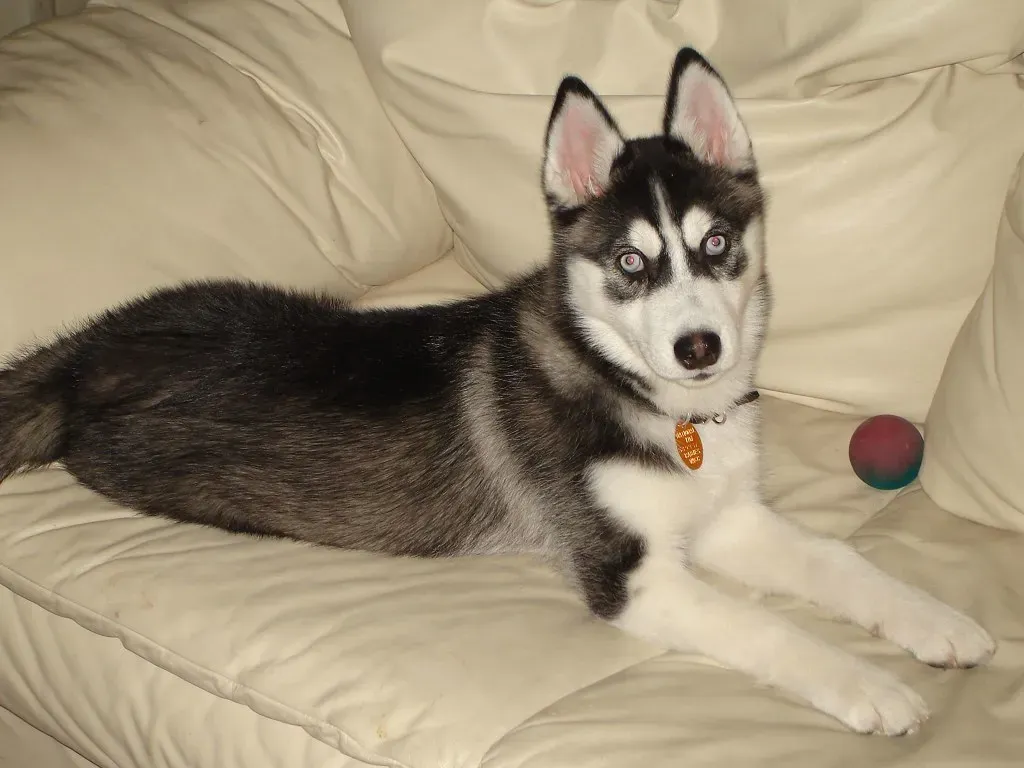
Territorialism stems from a dog’s perceived ownership and possession of property and resources. This property can be objects such as toys, but it can also be geographic areas in the home, such as a hallway. Or your bed. Or the best spot on the couch. Sound familiar?
What’s even wilder is how dogs claim things. Dogs own what they decide. Meaning if they decide to get on your sofa, they own it. They have taken possession through choice-making. It’s almost philosophical, when you think about it. The couch doesn’t belong to whoever bought it – it belongs to whoever decided to claim it first.
Due to the nature of the scenarios in which dogs show territorial behavior, these behaviors can be easily reinforced. For example, the mail carrier comes to the house, the dog barks, and the mail carrier leaves. They don’t leave because the dog barked at them – they leave because they’ve completed their job. The dog, however, doesn’t make this connection, and instead takes credit for the mail carrier’s retreat. Your dog genuinely believes he scared them off. Every. Single. Time. That’s both adorable and a real problem.
How You (Yes, You) Might Be Making It Worse
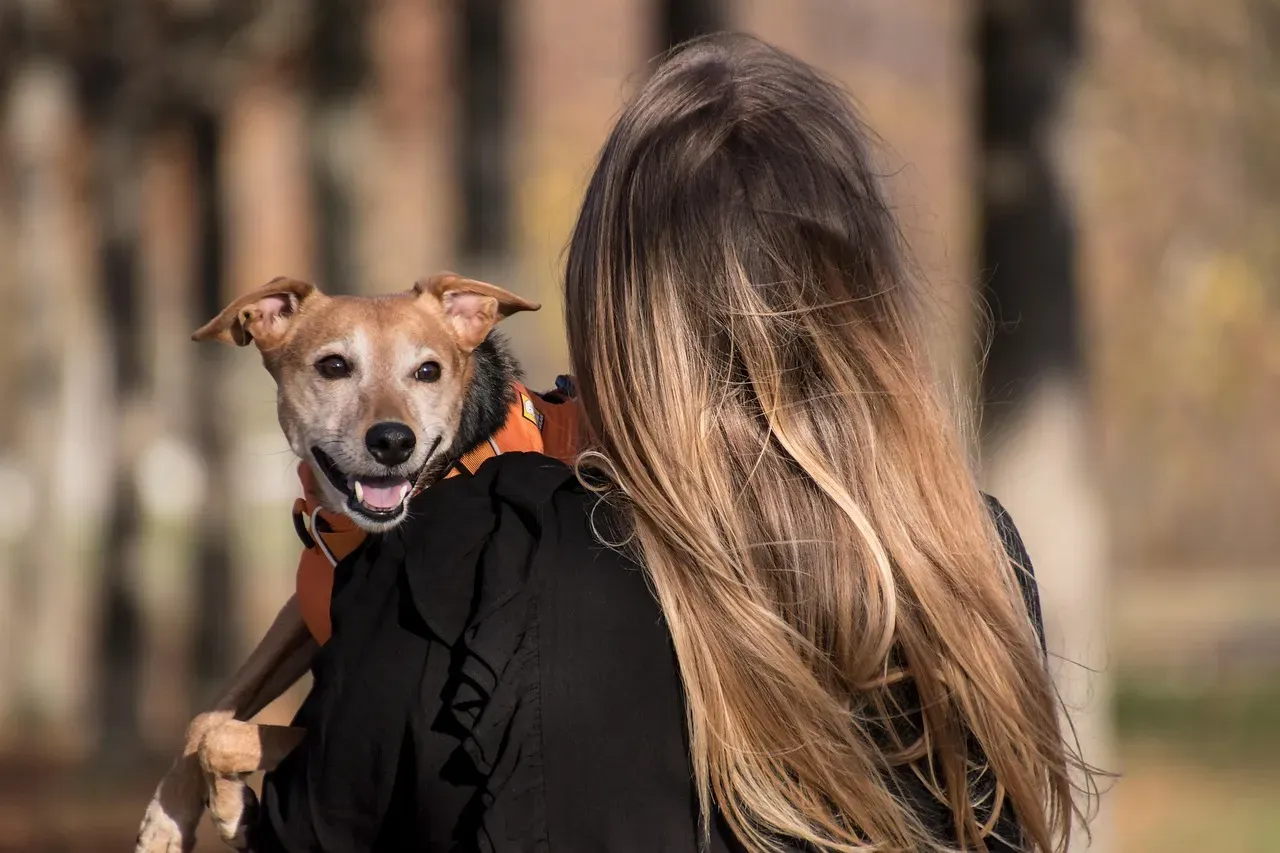
Let’s be real – sometimes we’re the reason our dogs act like tiny little landlords. Any dog can be inadvertently turned into a dominant dog by their owner’s actions. Ouch. That one stings a little.
Dogs are excellent manipulators. If one person lets the dog jump on him or sneaks treats to a food-begging or aggressive dog, these actions undermine the training process and unwanted behaviors may continue. It’s the classic “good cop, bad cop” problem – except the dog sees through it instantly and exploits it completely.
Owners must be consistent. They can’t pick and choose when to apply a consequence. If they do, they end up with a dog that will pick and choose when to obey a rule. Inconsistency always leads to some level of behavioral issues. Think of it like a toddler who knows that “no” from Dad sometimes means “ask Mom.” Dogs have mastered exactly this game.
What You Can Actually Do About It
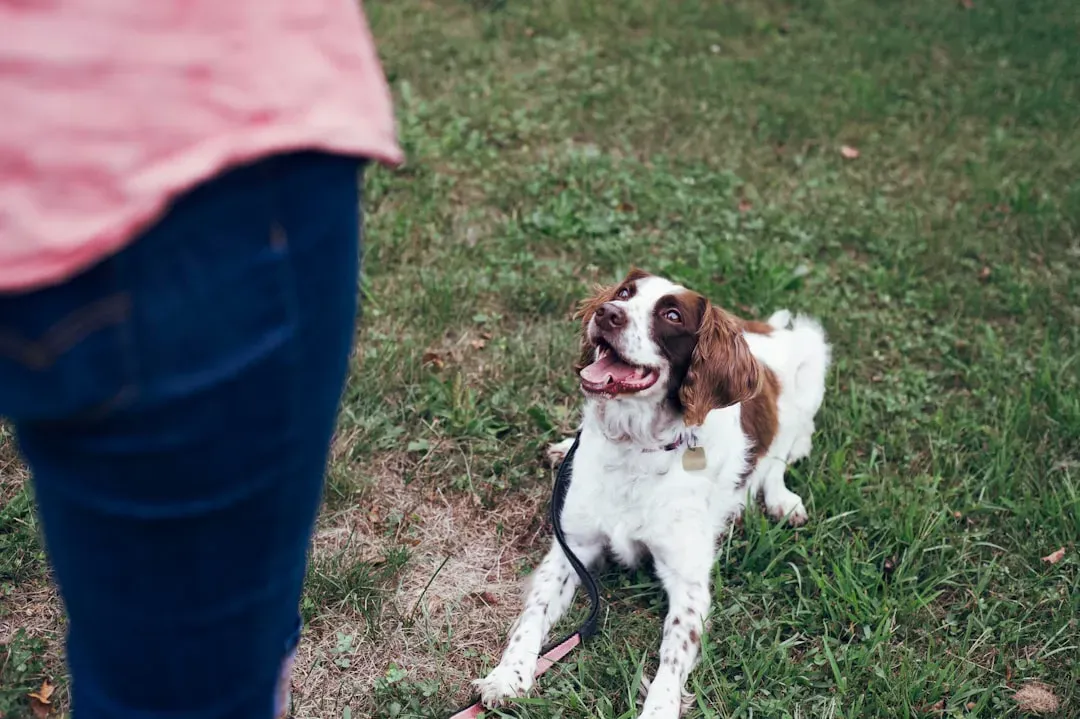
The good news? This is all very fixable. The key to managing territorial behavior is to establish clear leadership from the beginning. Dogs need to understand that their human is in charge, not them. Setting firm but fair rules creates structure and gives a dog the reassurance that they don’t need to control their environment.
Canine companions learn through repetition and positive reinforcement, which means you need to set rules for acceptable behavior in your home and in public places. Reinforce those rules on a regular basis and avoid changing them. Consistency isn’t just helpful – it’s the whole game.
When the humans in the house behave appropriately and give the dog clear boundaries and rules, and provide the dog with all its necessary resources in life, problem behaviors are rare. Your dog actually wants you to be in charge. I think that might be the most reassuring thing in this entire article. They’re not staging a coup. They just need someone to step up and lead. So step up. Your dog is counting on you more than you know.
Conclusion
What seems like a dog throwing its weight around is almost never about rebellion or spite. Every owner’s journey with territorial behavior begins with a crucial revelation: what we perceive as aggression often starts as anxiety. That fierce barking, those hackles raised along a dog’s spine, the charging at windows – these aren’t signs of a bad dog, but rather a complex interplay of instinct, fear, and learned behavior.
Your dog isn’t malicious. They are ancient, instinct-driven, deeply loyal creatures trying to make sense of a world they weren’t entirely designed for. A little structure, a lot of consistency, and some genuine understanding of what’s going on beneath the surface can transform even the most self-appointed household ruler into the calm, happy companion they were always meant to be.
The next time your dog plants himself on your side of the bed and stares you down, remember – he’s not being difficult. He’s just waiting to see if you’ll lead. Will you?
