
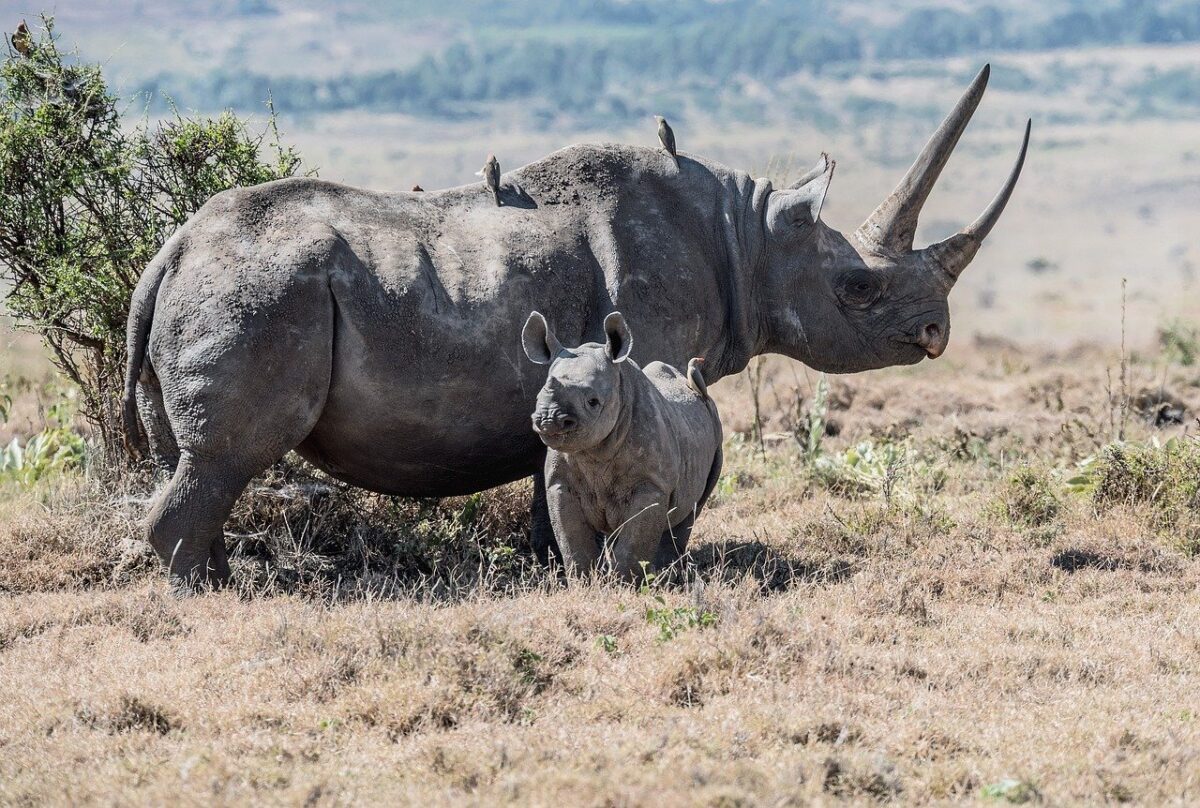
You’ve probably heard the doom and gloom stories about endangered species teetering on the edge of oblivion. It’s hard not to feel helpless when you see images of disappearing habitats and declining populations. Here’s the thing though, the narrative is starting to shift in a way that might genuinely surprise you.
While threats to wildlife remain serious and ever-present, an unexpected chapter is unfolding across our planet. From remote mountain forests to vast ocean expanses, some of the world’s rarest creatures are clawing their way back from near extinction. These aren’t just minor improvements either. You’re talking about species that were down to double digits now numbering in the thousands.
What’s fueling these recoveries? Let’s be real, it’s a combination of intense human effort, legislative protections, and communities willing to coexist with wildlife in ways previous generations never imagined. So let’s dive in and explore these remarkable stories that prove conservation can actually work when people commit to it.
Giant Pandas: From Endangered Icon to Conservation Victory

You might remember when giant pandas were practically the poster child for endangered species, but they’ve rebounded to about 1,800 in the wild, proving recovery is possible with sustained conservation efforts. Think about that for a moment. These black-and-white bears were once so critically threatened that many experts believed they’d vanish before the end of the century.
China established over 60 panda reserves, protecting more than two-thirds of the wild panda population and nearly half of their natural habitat. This wasn’t just about creating protected spaces though. Success for the giant panda, endangered since 1990, is thanks to two factors: A marked decrease in poaching, which was rampant in the 1980s; and a huge expansion of the animal’s protected habitat.
By 2016, the International Union for Conservation of Nature (IUCN) reclassified the giant panda from ‘endangered’ to ‘vulnerable.’ This milestone represents decades of coordinated international cooperation. The panda reserves now protect not just pandas but entire mountain ecosystems that benefit countless other species as well.
Mountain Gorillas: Defying Extinction in War-Torn Regions
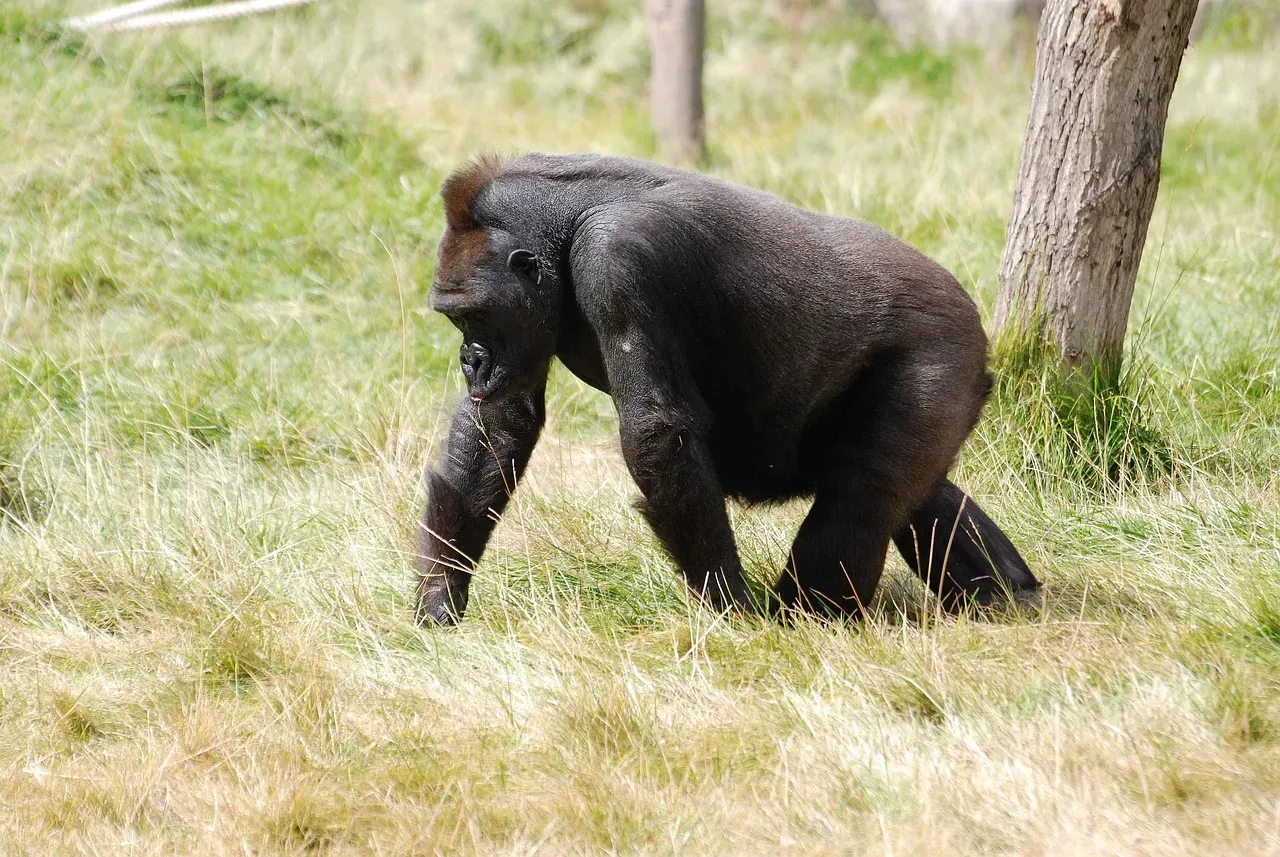
Despite a 20-year civil war in the Democratic Republic of Congo that killed millions, the mountain gorilla is making an amazing comeback with the population reaching 1,063 individuals according to the most recent studies. Let’s be honest, nobody expected this species to survive, let alone thrive, given the circumstances.
Mountain gorilla population increased from about 600 individuals less than three decades ago to 1,063 individuals according to the 2019 Bwindi-Sarambwe mountain gorilla census. You have to understand what makes this so extraordinary. More than 175 park rangers in the Democratic Republic of Congo’s Virunga National Park have been killed in the line of duty in the past 20 years.
Following this increase, their threat status was downgraded from ‘Critically Endangered’ to ‘Endangered’ in the IUCN Red List of Threatened Species in 2018. The conservation work continues against tremendous odds, but the progress demonstrates what determination can achieve. Community involvement and gorilla tourism have created economic incentives for locals to protect these magnificent primates rather than viewing them as competitors for resources.
Humpback Whales: Ocean Giants Resurface Worldwide
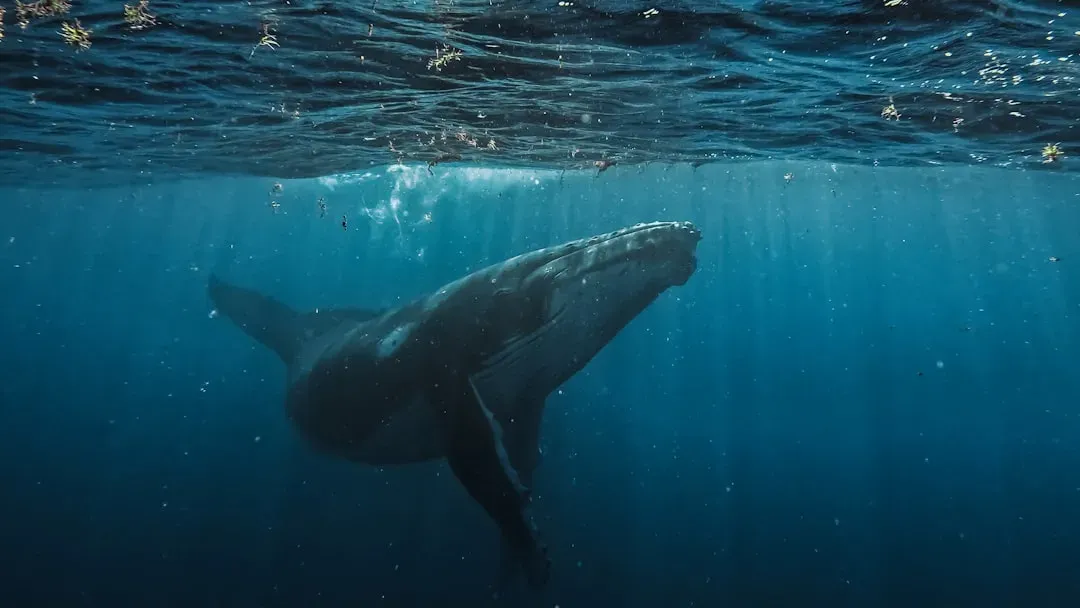
The western South Atlantic humpback whale population has recovered to 24,900 whales, indicating the population has recovered to nearly 93% of its pre-exploitation abundance. Honestly, when you consider these whales were hunted to the brink of complete annihilation, this recovery feels almost miraculous.
After significant efforts to reduce fisheries bycatch and ship collisions, humpback whales have been on a steady road to recovery, with Australian populations now 50% larger than their pre-whaling numbers. Think about what that means. You’ve got populations not just recovering but actually exceeding historical levels in some regions.
Nine humpback whale populations have recovered enough that they do not warrant listing, while four populations are still protected as endangered. The International Whaling Commission’s moratorium since 1985 played a major role in this turnaround. However, threats from vessel strikes and fishing gear entanglement still require ongoing vigilance and protection measures.
California Condors: Soaring Back from Just 27 Birds
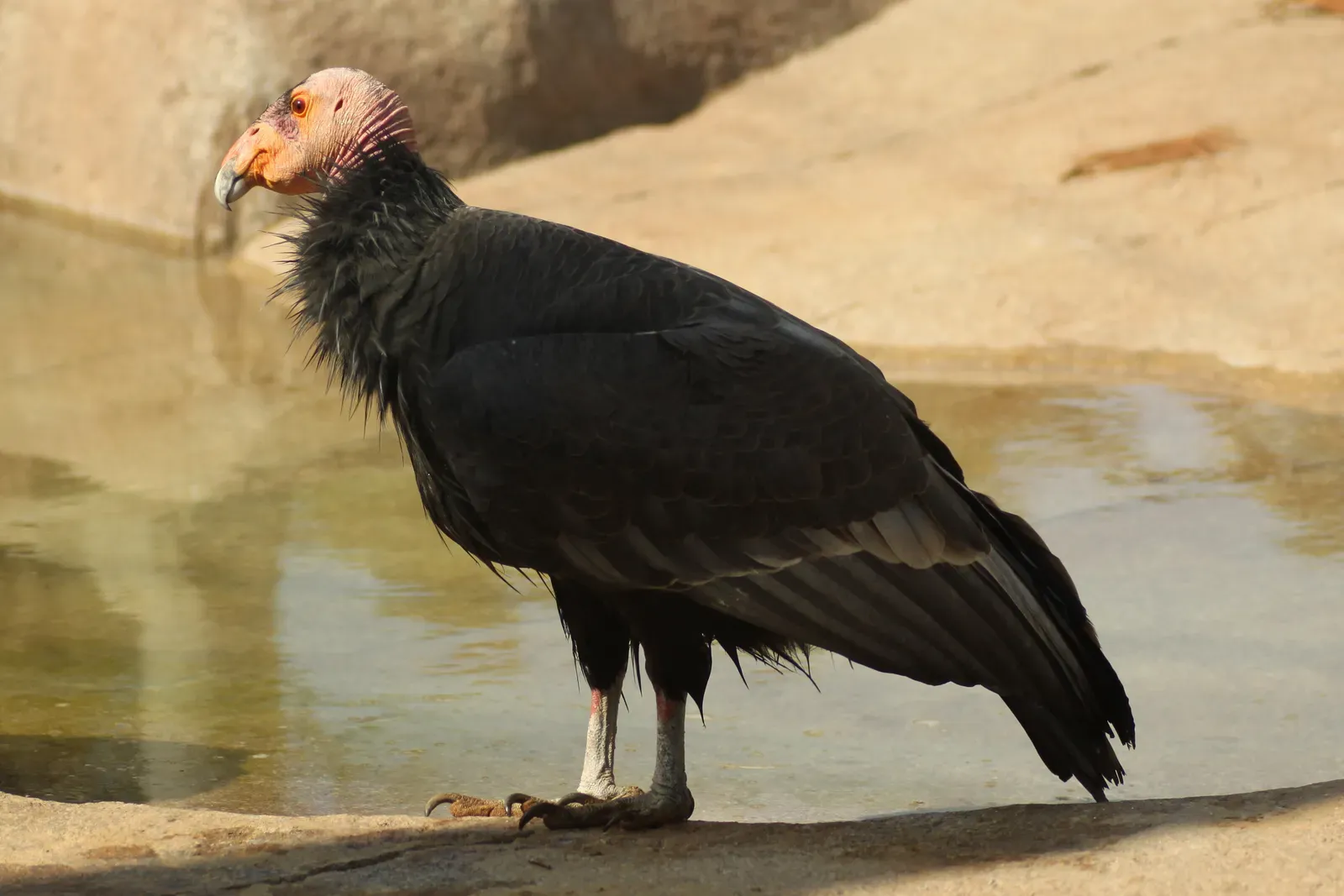
The California condor’s wild population dwindled to just 14 birds in 1987, but has shown signs of recovery, growing to about 200 individuals by 2006 due to successful reintroduction efforts. Imagine trying to save a species when you could literally count every surviving individual on your fingers.
As of May 2024, there is an estimated population of 561 birds. The intensive captive breeding programs involved taking every single remaining wild condor into captivity to save them from extinction. The first of these birds were released back into the wild in 1991, with releases continuing over the past couple of decades.
These giant birds with their impressive ten-foot wingspan still face challenges from lead poisoning when they consume carcasses containing lead ammunition fragments. However, the steady population growth demonstrates that even species reduced to critically low numbers can recover with determined human intervention and careful management.
Black-Footed Ferrets: North America’s Comeback Kid
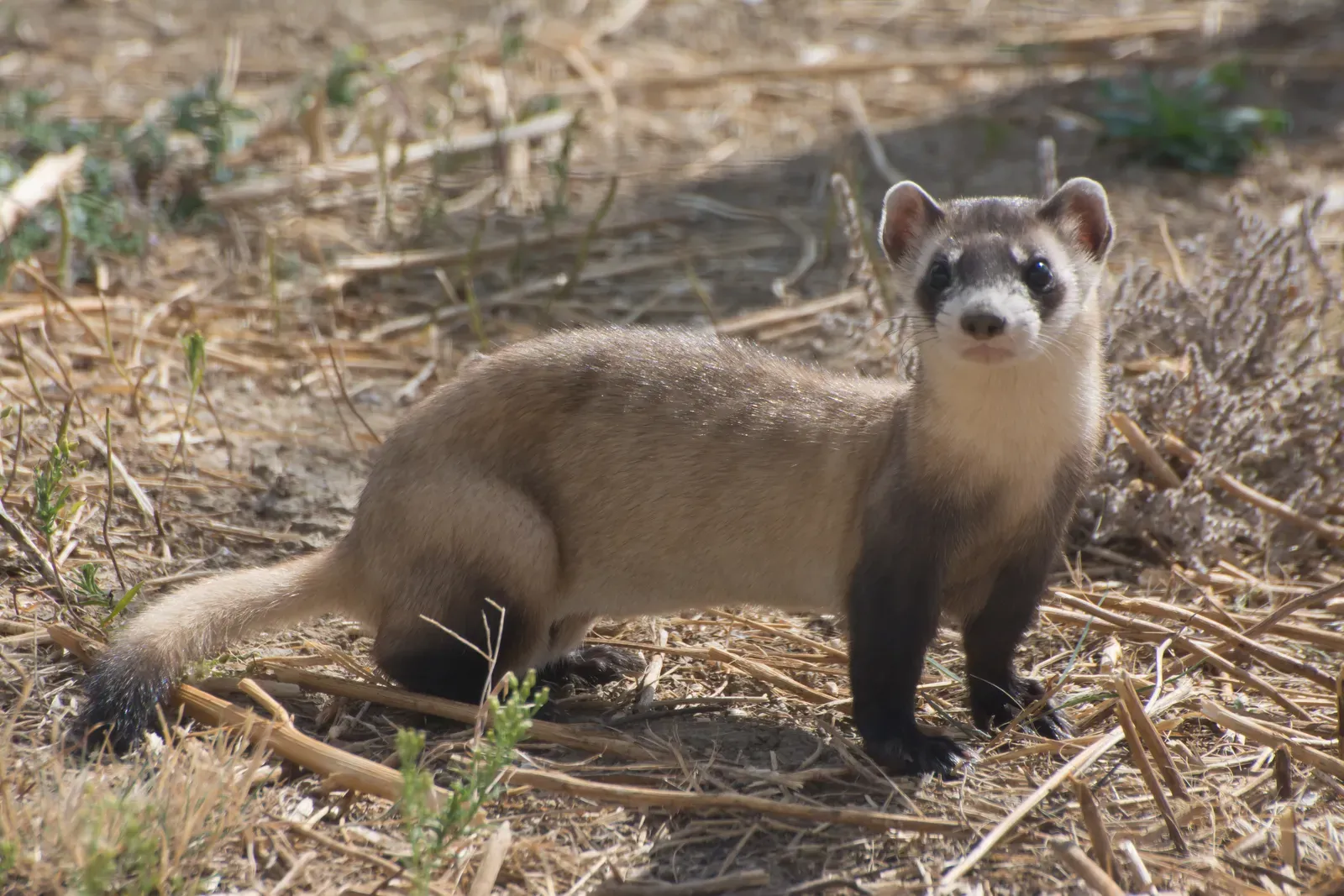
At the time of rediscovery in 1981, only 18 black-footed ferrets remained in the wild. You’re looking at a species that was literally extinct in the wild before a ranch dog in Wyoming stumbled upon one of the last survivors. It’s hard to say for sure, but this might be one of the closest calls in conservation history.
For the last 30 years, concerted efforts have given black-footed ferrets a second chance for survival, with recovery efforts helping restore them to around 300 animals across North America. The goal remains ambitious though – reaching 3,000 individuals. A small population discovered in 1981 was successfully bred in captivity, and today more than 1,000 ferrets live in the wild.
The ferret recovery depends entirely on healthy prairie dog populations since these rodents make up roughly 90% of the ferret’s diet and provide their only shelter. Disease outbreaks affecting prairie dogs therefore directly threaten ferret populations, making this recovery particularly fragile and requiring constant monitoring and management.
Bald Eagles: America’s Symbol Reclaims the Skies
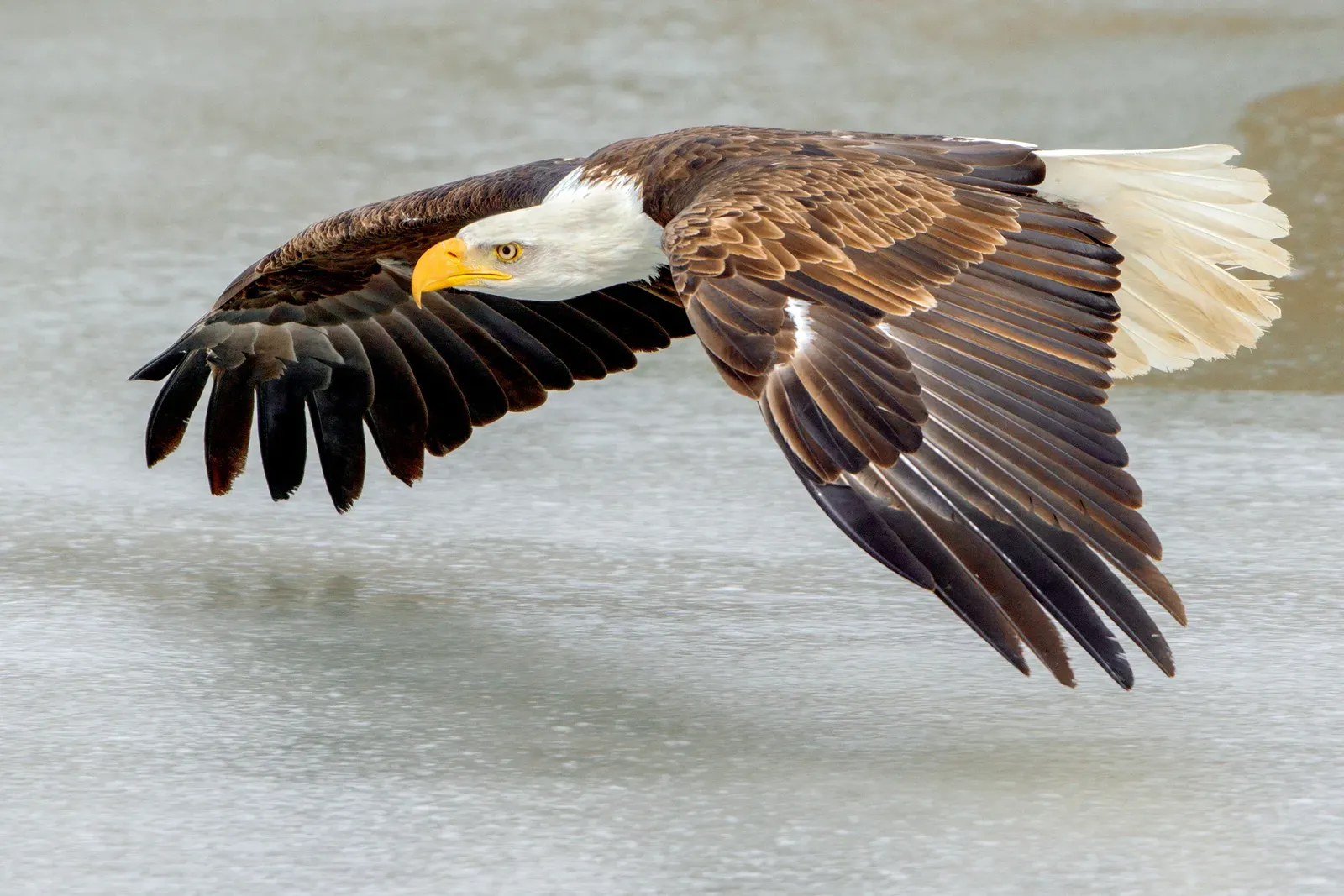
Thanks to protections afforded by the Endangered Species Act, bald eagle numbers have rebounded to more than 14,000 breeding pairs today. You probably remember when seeing a bald eagle was an incredibly rare event. Now they’re becoming relatively common sights across much of North America again.
Bald eagle populations were negatively impacted by habitat destruction, illegal shooting, and DDT contamination, but habitat protection, the banning of DDT, and conservation actions helped them make a remarkable recovery. The pesticide DDT caused eggshells to thin so severely that they’d crack under the weight of incubating parents.
They were removed from the list of endangered species in 2007. Captive breeding programs and habitat restoration played crucial roles in this recovery. The bald eagle’s return represents one of the most visible and celebrated conservation success stories, proving that targeted action addressing specific threats can reverse even dramatic population declines.
Peregrine Falcons: The Fastest Animal’s Swift Recovery
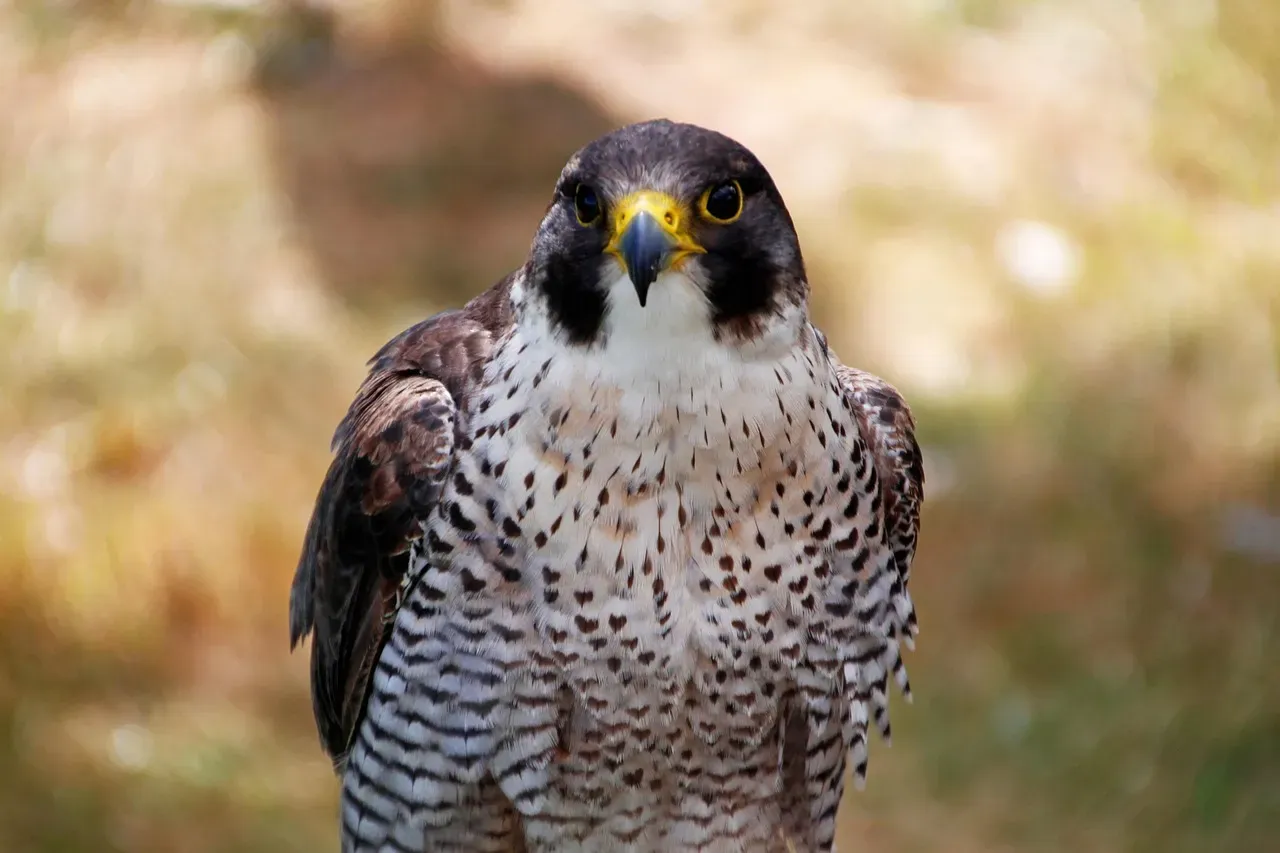
By 1975, there were only 324 known nesting pairs of American peregrine falcons in the United States, but the species has made a remarkable recovery due to the banning of DDT and conservation efforts, leading to removal from the endangered list in 1999. These incredibly fast hunters faced the same DDT poisoning that devastated eagle populations.
As of 2025, the IUCN classifies the peregrine falcon as least concern, with an estimated population of 100,000 to 499,999 mature individuals. What’s fascinating is how adaptable these birds have proven to be. Peregrine Falcons in Massachusetts now nest on a wide range of structures, including many buildings and bridges, one cell tower, and quarries.
In 2025, there were 40 total territorial pairs that nested in Massachusetts, of which 20 pairs were successful and fledged at least 55 chicks. Urban environments have essentially provided substitute cliff habitats, allowing these raptors to colonize cities across the continent. Their successful adaptation to human-modified landscapes shows that recovery doesn’t always require pristine wilderness.
American Alligators: From Hunted Hides to Thriving Populations
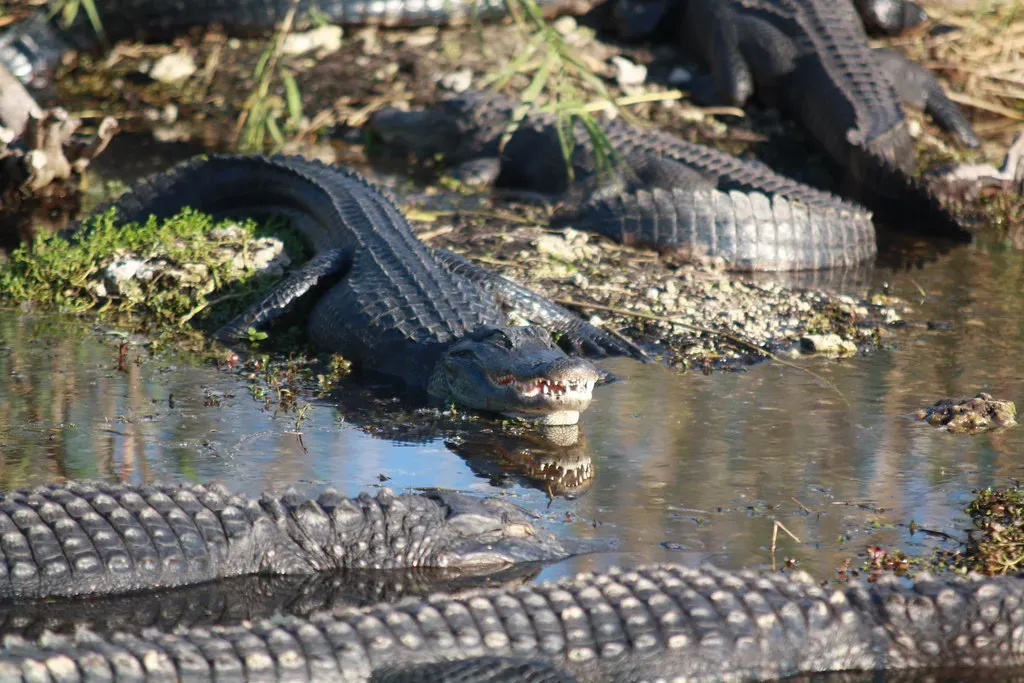
The American alligator was placed on the endangered species list in 1967 after being threatened by hunting for their hides since the 1800s, with numbers declining further due to agriculture, chemical contamination, extreme weather events, and saltwater intrusion. These ancient reptiles survived millions of years only to nearly disappear within a few human generations.
Hunting and habitat loss led to the American alligator being listed as endangered in the 1960s, but conservation laws and regulated farming practices helped in the alligator’s remarkable recovery, allowing them to thrive in the southeastern United States swamps today. The recovery happened relatively quickly once protections were implemented.
Robust conservation efforts have helped turn the tide for this species, including land management, limits on trade, research on the species, and farming and ranching practices that minimize their impact on alligators. The alligator recovery demonstrates how combining habitat protection with carefully managed commercial use can benefit both wildlife and human economies, creating stakeholders invested in species survival.
Gray Wolves: Apex Predators Restore Ecosystem Balance
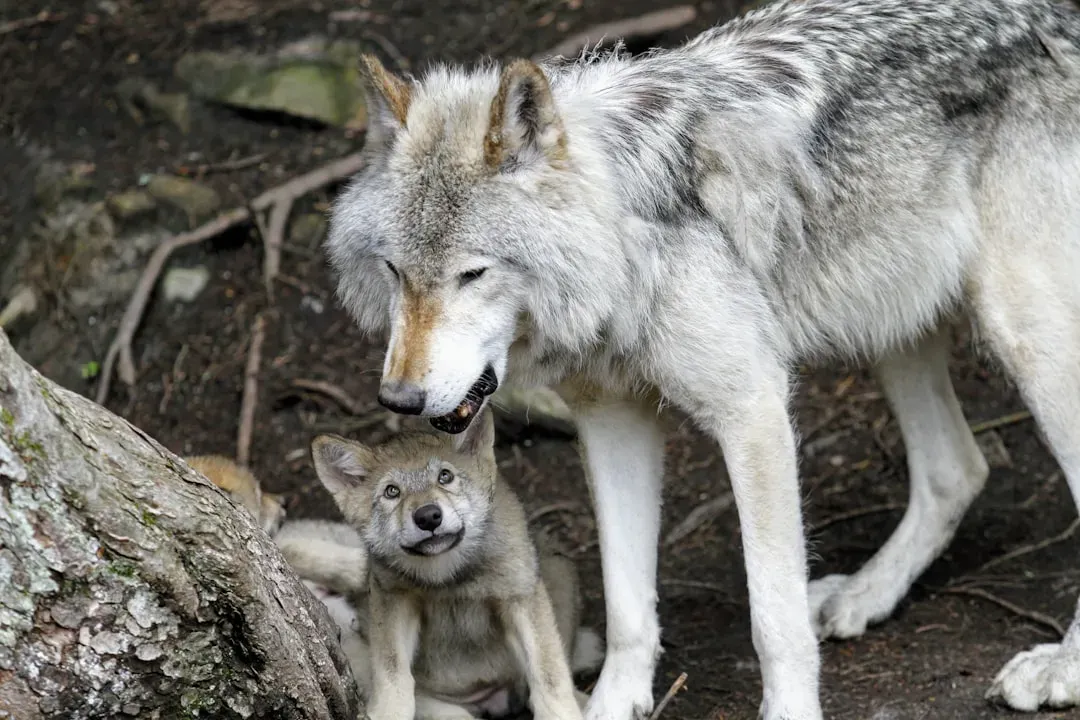
Thanks to Endangered Species Act protections, more than 6,000 gray wolves reside across the lower 48 states, with success resulting from public education, habitat restoration, wolf introduction into various areas, and compensation of ranchers for livestock killed by wolves. The wolf recovery has been controversial in ways other species aren’t, with ranchers and hunters often opposing their return.
As a top predator and keystone species, sudden population declines triggered Yellowstone National Park’s ecological collapse in the 1920s. When wolves disappeared, elk populations exploded, overgrazing vegetation and causing cascading effects throughout the ecosystem. The grey wolf was added to the Endangered Species Act in 1974, which gave federal protections to the species, and since then grey wolf populations have increased.
The reintroduction of wolves to Yellowstone in the 1990s is now a textbook example of how apex predators shape entire ecosystems. Elk behavior changed, vegetation recovered, riverbanks stabilized, and even beaver populations rebounded. The complex debate over wolf management continues, but their ecological importance is undeniable.
Green Sea Turtles: Marine Reptiles Reclaim Nesting Beaches
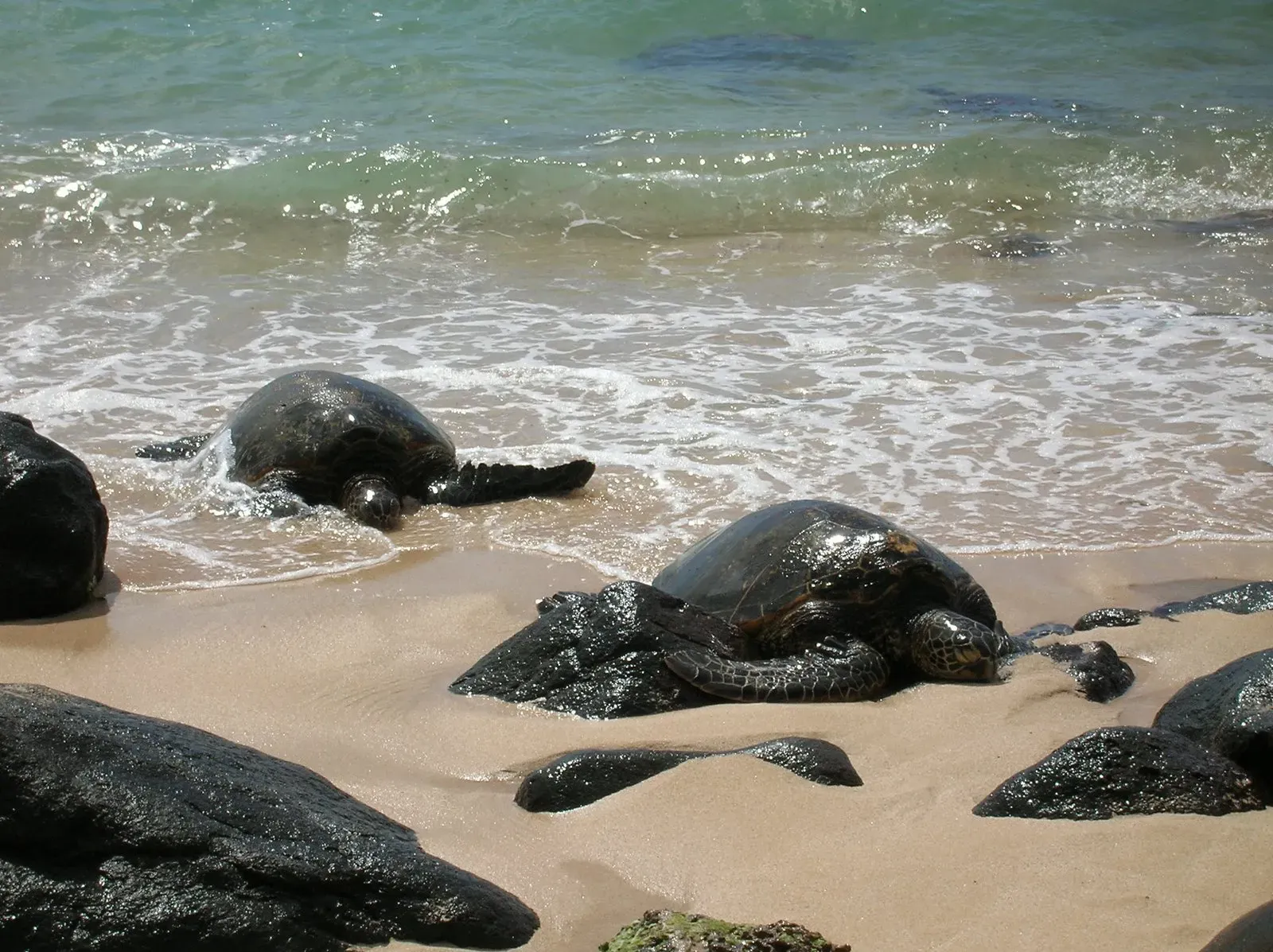
The IUCN Red List reclassified the Green Sea Turtle from ‘Endangered’ to ‘Least Concern’ in 2025 after decades of rising numbers and improved global nesting success. It’s genuinely surprising how quickly these ancient mariners have responded to protection efforts across their global range.
These reptiles faced multiple threats including egg harvesting, hunting for meat and shells, accidental capture in fishing nets, and loss of nesting beaches to coastal development. International cooperation has been essential since sea turtles migrate across national boundaries throughout their lives. Protected nesting beaches and turtle excluder devices in fishing nets have dramatically reduced mortality.
The downlisting to Least Concern represents a massive shift in fortune for a species that was declining precipitously just decades ago. Still, climate change threatens nesting beaches through rising seas and altered sand temperatures that determine hatchling sex ratios. Continued vigilance remains necessary to maintain these gains.
What These Recoveries Teach Us About Conservation
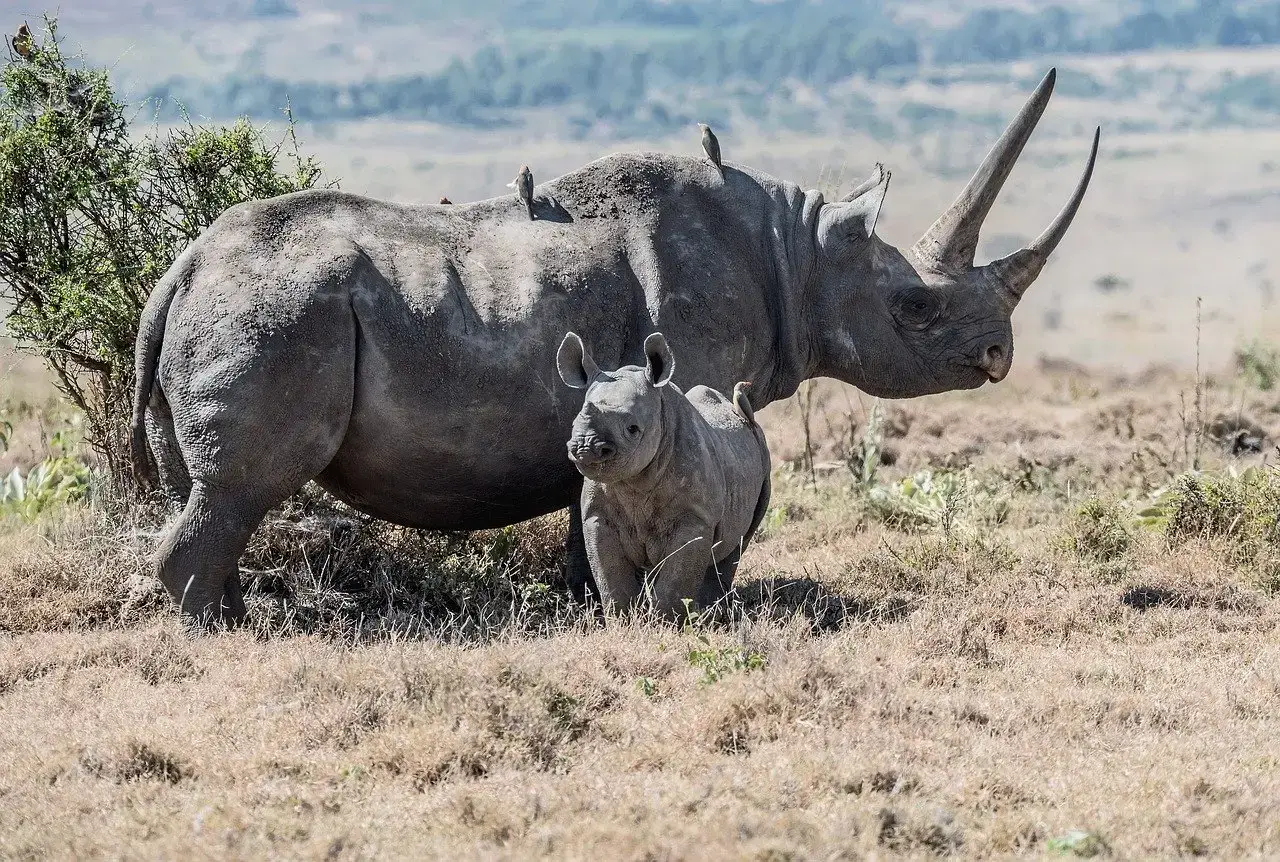
In its first 50 years, the ESA has been credited with saving 99% of listed species from extinction thanks to collaborative actions of federal agencies, state, local and Tribal governments, conservation organizations and private citizens. That’s a pretty impressive track record for legislation often criticized as too restrictive.
2025 stands out as a year of measured hope for wildlife, with many gains reflecting decades of sustained effort, proving that persistence works and with consistent protection wildlife can rebound. Here’s the reality though. There have been many success stories thanks to strong conservation and wildlife protection laws, rehabilitation and breeding projects, and other interventions that were properly implemented.
These recoveries share common elements: legal protection from hunting and harassment, habitat conservation and restoration, targeted breeding programs when populations drop critically low, international cooperation for migratory species, and crucially, sustained funding and political will over multiple decades. You can’t expect quick fixes. Recovery takes generations of commitment, but the evidence shows it absolutely works when society commits to it.
What do you think about these conservation comebacks? Pretty remarkable what’s possible when we actually try, right? Let us know your thoughts in the comments.
