
Your dog chews through another pillow. Your cat starts missing the litter box – again. You chalk it up to bad habits, maybe a personality quirk, maybe just “that’s how they are.” Honestly, most pet owners do exactly this. It feels easier than thinking something deeper might be going on.
Here’s the thing though: a surprising number of behaviors we dismiss as normal or mischievous are actually quiet distress signals. Stress and anxiety in dogs and cats frequently appear as subtle behaviors mistaken for bad habits or personality quirks. Your pet isn’t being difficult. They might be struggling – and the two things look almost identical from the outside. What follows might completely change how you see your furry companion. Let’s dive in.
The Hidden Language Pets Use to Say “I’m Not Okay”
Most of us assume that a stressed pet will obviously look stressed. Cowering, whimpering, trembling – sure. Those are clear. The problem is that stress in animals is far more nuanced than that, and it hides in plain sight every single day.
Pet anxiety is both a behavioral and medical condition affecting dogs and cats. Unlike humans, pets cannot verbalize distress. Instead, they communicate through body language, vocalizations, and behavior changes that owners sometimes misinterpret as disobedience or stubbornness.
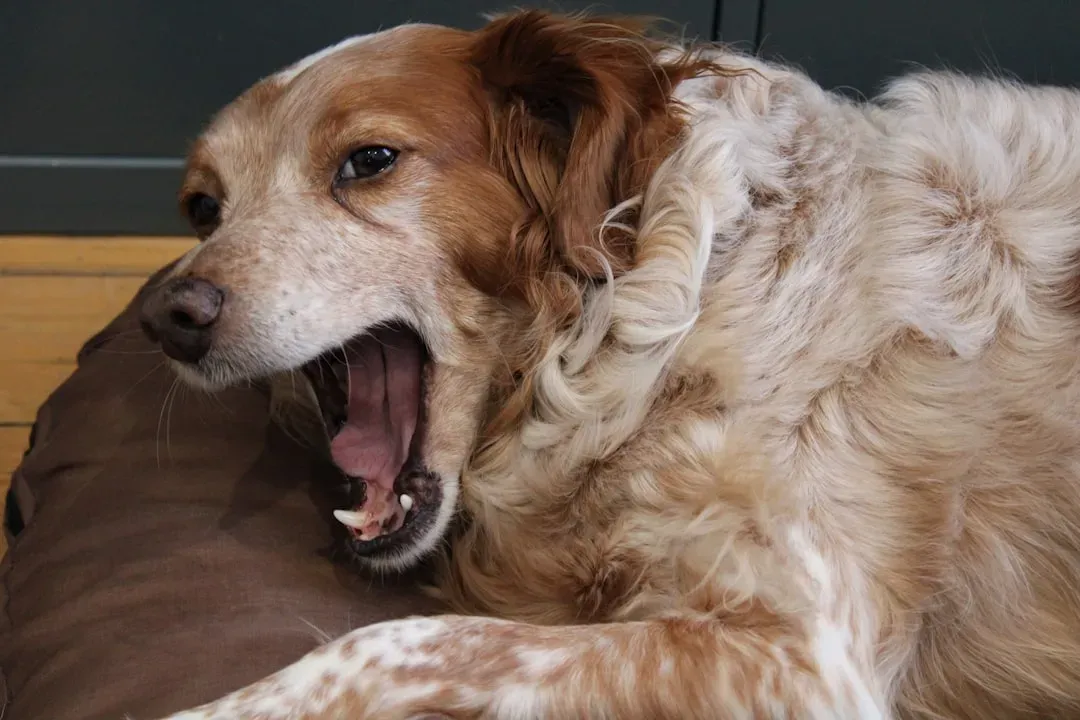
More subtle behaviors such as looking elsewhere, turning the head, yawning, and nose licking are more rarely reported, suggesting that few owners are able to correctly interpret and intervene in the early stages of stress. Think about that for a moment. That innocent yawn your dog does when guests arrive? It might not be boredom at all.
A very common sign of stress is a change in overall behavior. Whether a pet is hiding and avoiding interaction or being extremely clingy and constantly seeking attention, any change outside of their usual behavior can be indicative of stress or other potential health concerns. The tricky part is that these changes creep in gradually – so gradually that we stop noticing them entirely.
Destructive Behavior: Naughty Pet or Crying Out for Help?
Here’s a thought that might sting a little: that shoe your dog destroyed, the furniture your cat shredded to ribbons – it was probably never about the shoe or the furniture. Chewing, scratching, or other destructive behaviors can be a way for stressed pets to cope with their anxiety. Dogs might chew on furniture, while cats might scratch excessively or knock things over.
Destructive behaviors such as chewing on furniture, shoes, or household items are common in stressed pets, especially dogs. Cats may scratch furniture excessively or engage in behaviors like urinating outside the litter box. These actions are often their way of coping with anxiety or frustration when they feel overwhelmed or threatened.
What makes this genuinely surprising is the scale of the problem. Up to roughly seven in ten behavioral issues in dogs can be attributed to anxiety. That is a staggeringly large number. It means that most of the time we’re punishing or correcting a symptom, we’re missing the actual root cause entirely.
Excessive Grooming: Cute Habit or Something Else?
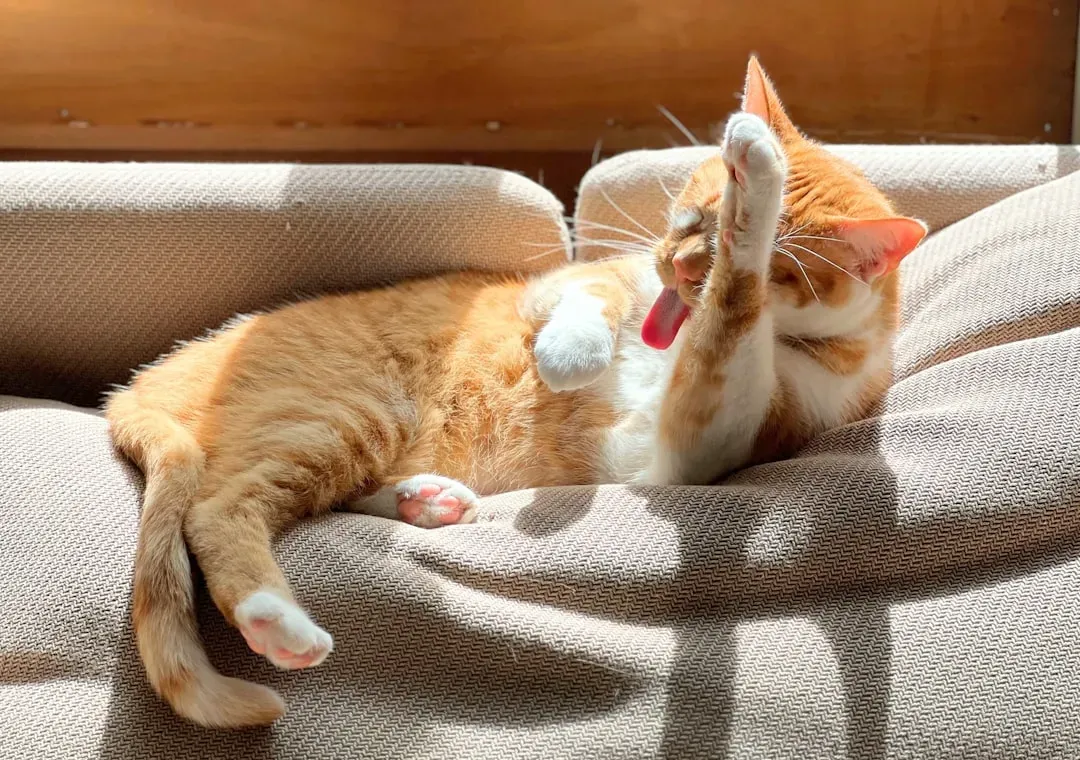
Watching a cat groom itself is one of life’s oddly satisfying little pleasures. It looks peaceful, self-sufficient, almost meditative. So it can be easy to miss when that grooming tips over into something far less healthy.
While grooming is normal for cats and dogs, excessive licking or grooming can be a sign of stress. Cats might over-groom to the point of creating bald spots, while dogs might lick their paws or other areas excessively. This behavior follows a very human logic too – think of people who bite their nails or pick at their skin when nervous. It’s self-soothing, plain and simple.
Grooming is a soothing activity for pets, so they tend to groom when they become stressed. Overgrooming, however, can result in skin irritation and sores, which can become infected. What begins as a stress response can spiral into a genuine physical health problem. A bald patch on your cat’s belly is never just cosmetic – it’s a message worth listening to.
Hiding, Withdrawing, and Going Quiet
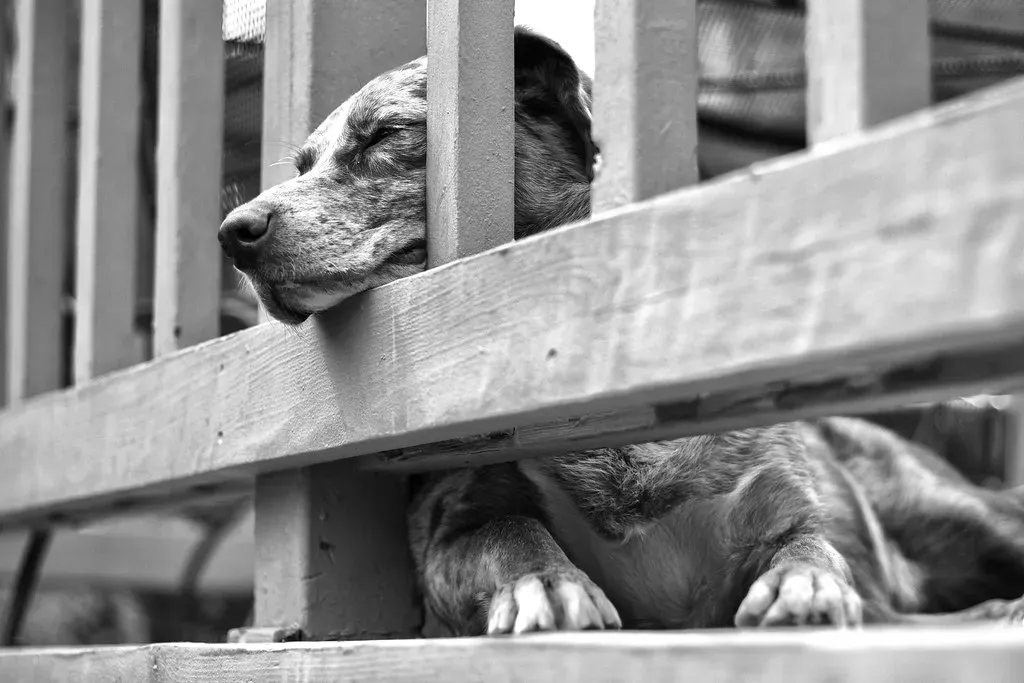
Cats are masters of disappearing acts. Most owners simply accept that their feline friend occasionally vanishes under the bed or behind the couch. It feels normal. It feels like a “cat thing.” Sometimes it is – but sometimes it really isn’t.
Cats often exhibit more subtle signs of stress, making it easy to overlook early symptoms. A cat that avoids social interactions or hides for long periods may be stressed. Dogs, meanwhile, tend to show withdrawal differently. If your usually social pet starts isolating themselves or sleeping more than usual, this could be a sign of stress. Cats, in particular, might hide more often, while dogs might avoid social interactions.
Cats tend to hide stress better than dogs, but the signs are there for attentive owners. The key word there is attentive. It’s not about watching your pet every minute of every day. It’s about knowing what their normal looks like so that the abnormal actually registers on your radar.
Noise Sensitivity: When Everyday Sounds Become the Enemy

This one is genuinely shocking to many pet owners. We know thunderstorms and fireworks can terrify pets – that’s widely understood. What’s far less appreciated is how much everyday household sounds might be quietly stressing your animal out on a regular basis.
Sudden, loud noises are one of the most common triggers for fearful behaviors in dogs, and many companion dogs suffer from noise sensitivity. Existing research focuses on dramatic infrequent sounds such as thunderstorms and fireworks. Anecdotally, and based on reports of undesirable behaviors in response to noises in the home, many common household noises may also be causing fear and anxiety in companion dogs.
Reported prevalence of noise sensitivities in domestic dogs varies by study, but often ranges as high as roughly half of all dogs. Think about that. Potentially half of all pet dogs. Loud noises from construction, fireworks, or thunderstorms can overwhelm sensitive pets. Changes in routine, such as moving to a new home or adjusting to a different work schedule, disrupt the predictability pets rely on for emotional security. Your blender, your vacuum cleaner, your TV at high volume – these things might be a lot more overwhelming for your pet than they appear from your side of the remote.
Tummy Troubles, Appetite Changes, and Physical Symptoms
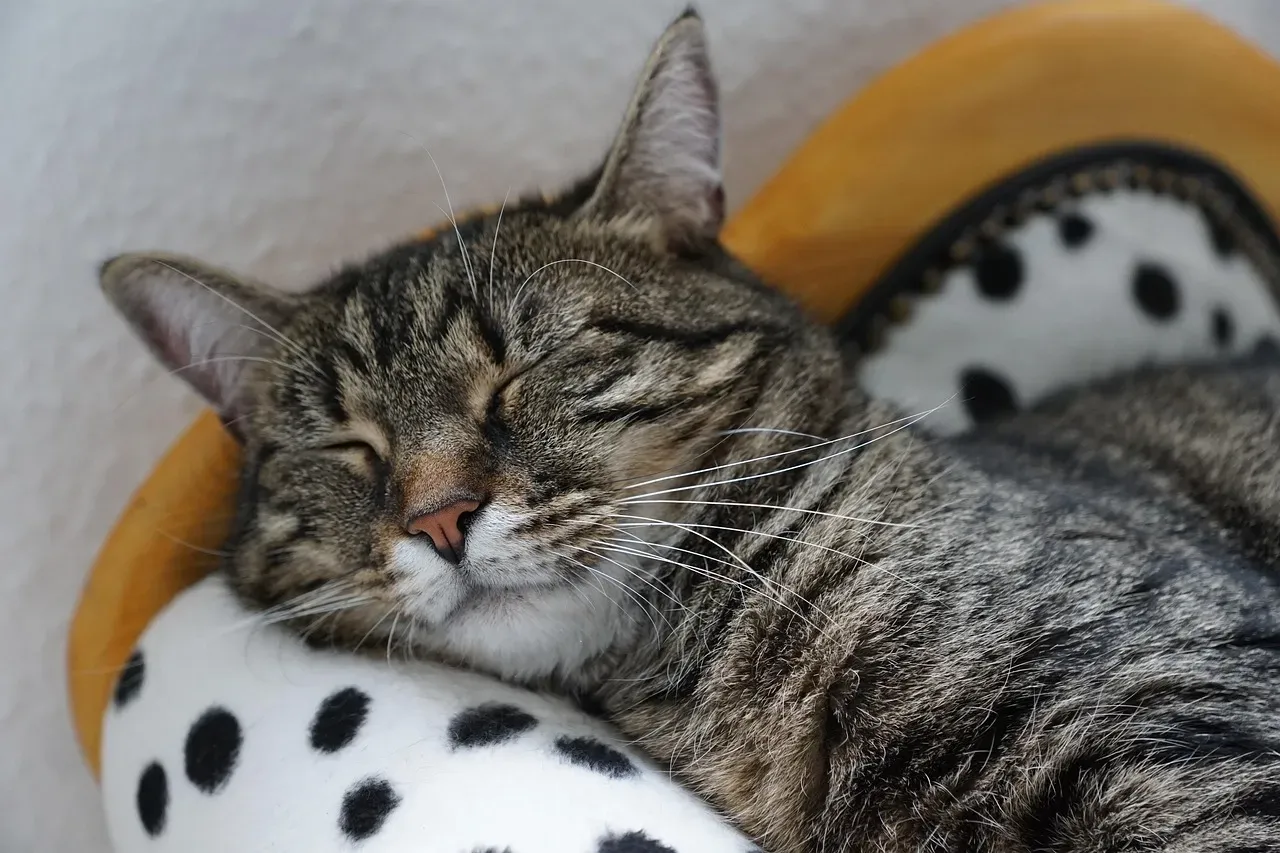
We tend to keep our pet’s mental and physical health neatly separated in our heads. Stress is one box; upset stomach is another. The reality, though, is far messier – and more connected than most people realize.
Chronic stress and subsequent anxiety can affect behavior, as well as gastrointestinal and immune health, and in cats, lower urinary tract health. Let that sink in. Stress isn’t just a “mood” issue – it actively compromises physical systems, in ways that can end up requiring a vet visit that has nothing obviously to do with anxiety.
Changes in appetite, both increased and decreased, along with vomiting or diarrhea can also be signs of stress. When anxiety goes unchecked, it doesn’t just impact your pet’s mood – it can affect their overall health and your bond with them. Chronic stress weakens the immune system, alters sleep and eating patterns, and can make even minor behavioral issues feel overwhelming. This is the part of the conversation that often gets skipped entirely – the physical cost of emotional distress in pets is very real, very measurable, and very treatable once identified.
What You Can Actually Do About It

Let’s be real: by this point, you might be looking at your pet in a slightly different light. Maybe a little guiltily. That’s okay. Recognizing the problem is legitimately the hardest part. Early recognition matters. Chronic stress weakens immune function, disrupts sleep patterns, and can lead to destructive or self-harming behaviors. Understanding what drives these responses allows you to intervene before anxiety becomes deeply ingrained.
Any changes to your pet’s behavior require veterinary input to rule out underlying health conditions as the culprit. This step is non-negotiable. What looks like a behavioral problem may actually have a medical foundation underneath it, and treating only one without addressing the other is like mopping the floor without turning off the tap.
Providing mental stimulation through puzzle feeders, treat-dispensing toys, and interactive games helps redirect anxious energy. Designating a quiet, comfortable retreat for your pet to relax helps too. Keeping a predictable daily routine helps pets feel secure. Products like Feliway for cats and Adaptil for dogs mimic natural pheromones that promote relaxation. Weighted blankets and anxiety wraps such as Thundershirts can provide a calming effect for anxious pets. Playing calming sounds can also reduce environmental stress triggers. Small steps, taken consistently, can make a meaningful difference – and your vet can guide you toward the right combination for your specific pet.
Conclusion
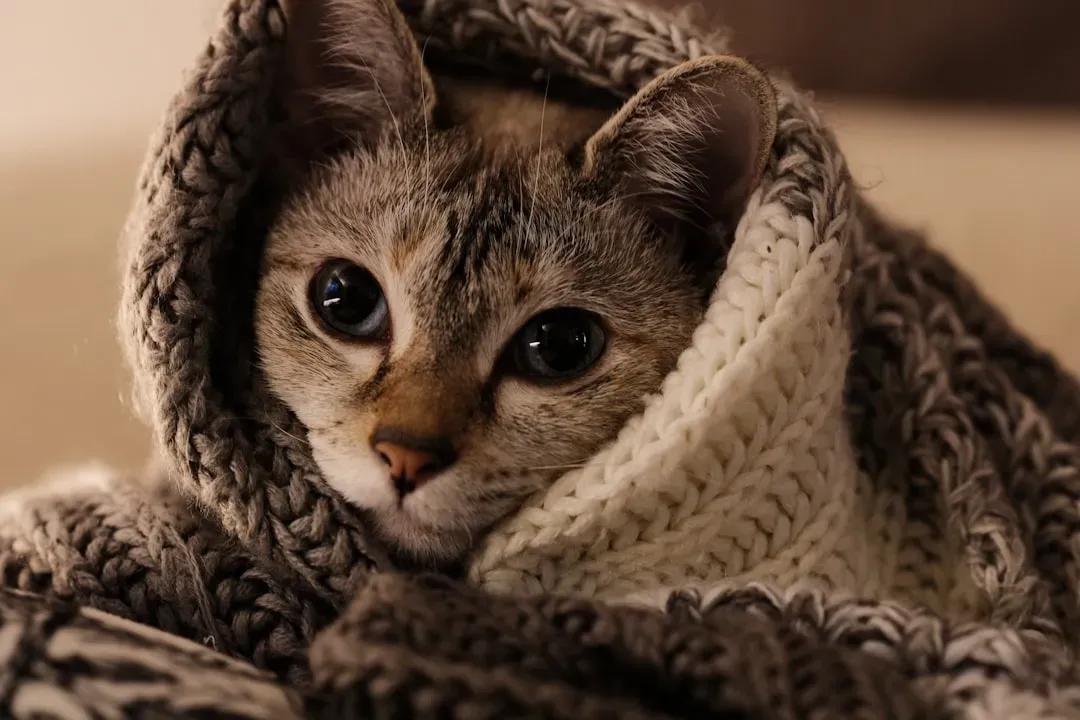
It’s a bit humbling to realize that so many of the behaviors we’ve brushed off, rolled our eyes at, or tried to discipline away might have been silent pleas for help. Pets are not being dramatic. They are not trying to be difficult. Understanding the root cause of a pet’s stress builds trust and strengthens the relationship between pet and owner.
The good news is that once you start seeing through the lens of stress and anxiety, you cannot unsee it – and that awareness alone puts you miles ahead. Recognizing anxiety is the first step toward helping your pet live a calmer, happier life. With patience, appropriate training, and veterinary support, even anxious pets can thrive in environments tailored to their needs.
Your pet has been trying to tell you something. Now you know how to listen. What behavior in your own pet suddenly makes a little more sense? Share your thoughts in the comments – you might help another pet owner connect the same dots.
